
Fictional expertise
-
admin
- March 20, 2026
- 0
Fictional expertise

 admin
admin
US President Donald Trump’s call for allies to send warships to escort oil tankers through the Strait of Hormuz has revived questions about how far pacifist Japan can go to support its closest ally in a conflict. Here are the narrow legal options available to Prime Minister Sanae Takaichi and the past precedents that could shape her decision. After its defeat in World War Two, Japan adopted a US-drafted constitution that renounced the use of force to settle international disputes. Within those limits, however, Takaichi can deploy Maritime Self-Defence Force vessels on law-enforcement operations overseas. The clearest example is an anti-piracy mission off Somalia and in the Gulf of Aden, which Japan joined in 2009 after revising legislation to allow Japanese warships to protect vessels of all nationalities. Following Trump’s request, Defence Minister Shinjiro Koizumi told parliament on Monday that a similar policing action could be considered “if further measures by the SDF are deemed necessary.” But that framework is designed for policing, not combat. Applying it to operations where Japanese forces could confront a state actor such as Iran would be legally problematic. In a significant step back from its post-war pacifism, Japan passed security laws in 2015 allowing it to use force overseas in limited circumstances. That is permitted only if an attack, including on a close security partner, threatens Japan’s survival and no other means are available to address it. The laws permit a broader use of force than possible in anti-piracy operations, but the legal threshold for invoking them is far higher. Takaichi would need to argue that the disruption to energy supplies caused by the closure of the Strait of Hormuz constituted an existential threat, a case likely to face stiff political and public opposition. The legislation has never been used and Takaichi this week said Japan would prioritize diplomatic efforts to de-escalate tensions in the Middle East. Past Japanese operations in and around the Middle East offer Takaichi a guide, and underscore how Tokyo has kept within its legal limits. During the 1991 Gulf War, Japan contributed money rather than personnel, a decision criticised by the US and other nations as ‘chequebook diplomacy’. After hostilities ended, it dispatched minesweepers to the Arabian Gulf, marking the SDF’s first ever overseas deployment. “Japan’s poor response during the Gulf War remains a scar in the national consciousness. So I suspect her (Takaichi’s) government is looking hard for some way to show the flag,” said Michael Green, a professor and chief executive of The United States Studies Centre at the University of Sydney. After the September 11 attacks in 2001, Japan sent MSDF vessels to the Indian Ocean to refuel and support US-led operations in Afghanistan. That mission ran for eight years but did not involve combat or escort missions. In 2004, Japan sent about 600 ground troops to Iraq for reconstruction work, along with aircraft to help transport supplies and personnel. The soldiers were only allowed to use force as a last resort, and were guarded by Dutch and Australian troops during their two-year stint. In 2019, after attacks on tankers that Washington blamed on Iran, Japan diverted a destroyer and patrol plane from anti-piracy operations near Somalia to gather intelligence in the Gulf of Oman, the Arabian Sea and Gulf of Aden. However, they stayed outside the Strait of Hormuz and the Arabian Gulf. Japan also faces a separate legal question: whether the US military action is in line with international law. Under the United Nations Charter, the use of force is generally prohibited unless authorised by the UN Security Council or justified as self-defence against an armed attack. For a country that has long been a staunch supporter of international law, that uncertainty could further limit how far Tokyo is willing to go. Legal experts are divided over whether the US strikes on Iran meet that threshold and Takaichi has so far declined to say what Japan’s position is.
 admin
admin
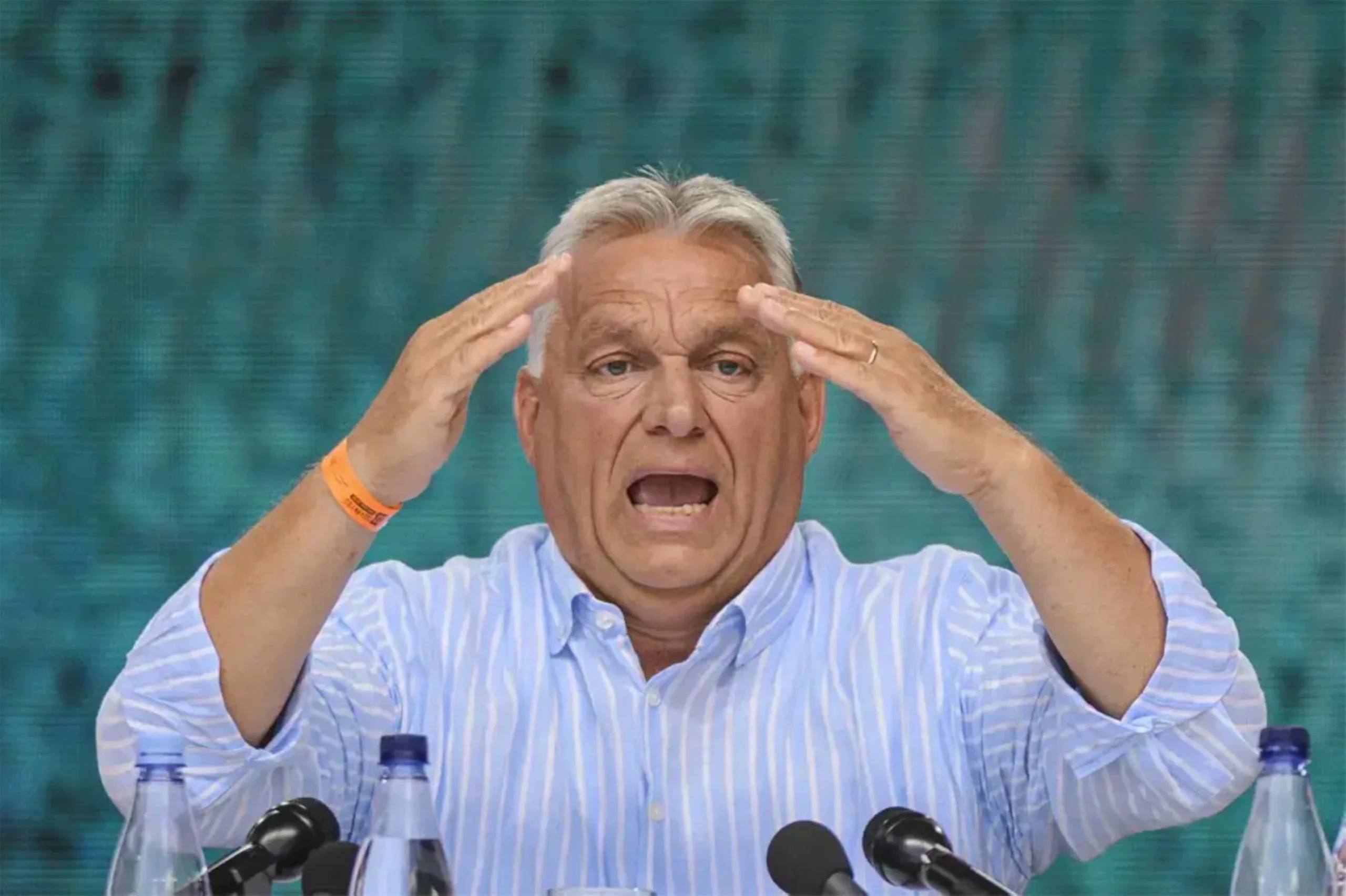
A defiant Hungarian leader Viktor Orban vowed on Thursday to keep blocking a massive loan for Ukraine despite heavy pressure from EU partners, who were headed into a Brussels summit hoping to unlock the much-needed
 admin
admin
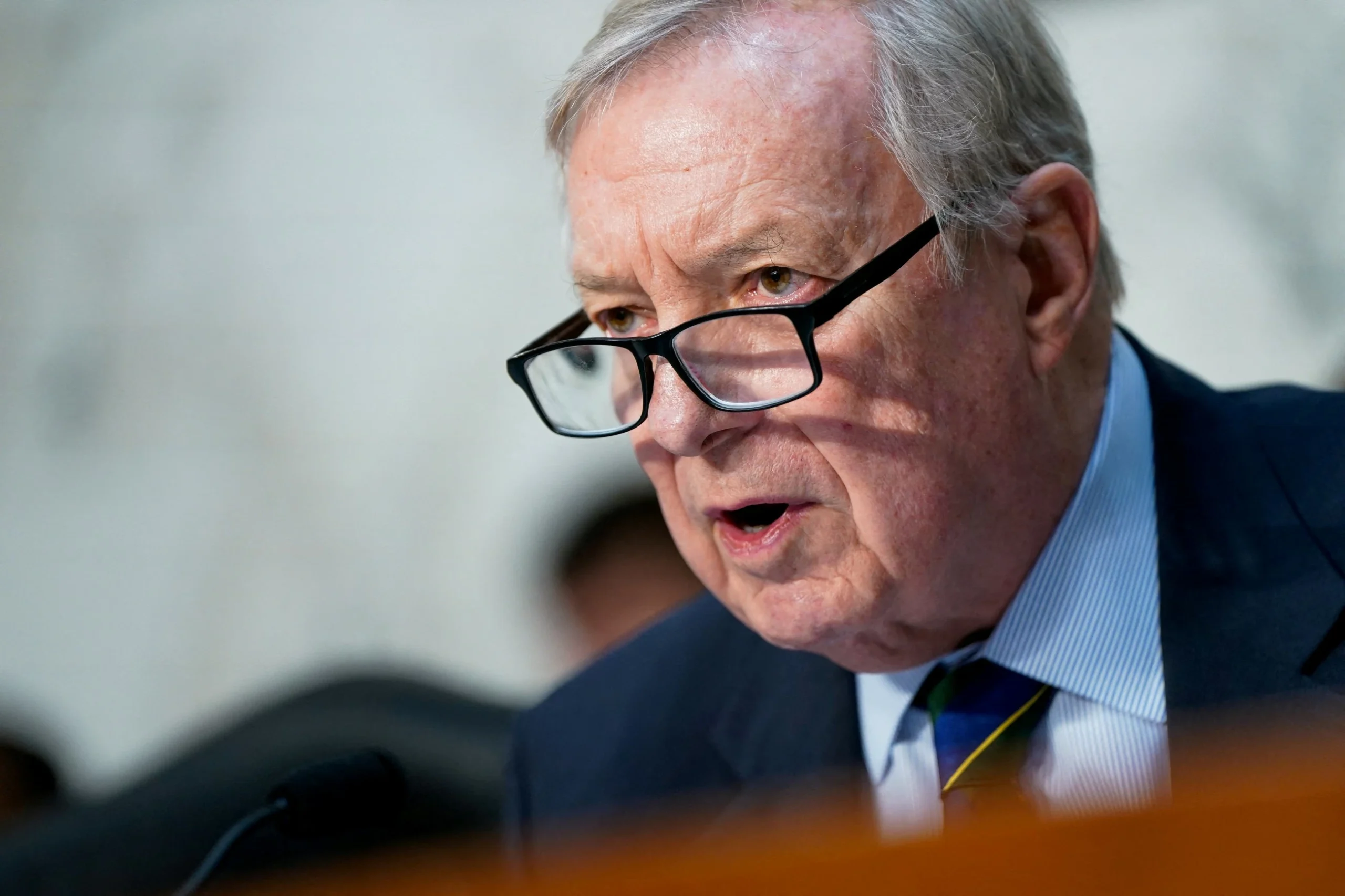
Mary Ellen Klas, Tribune News ServiceMinnesota: It’s not normal for a priest to bring a cell phone into the sanctuary when he is celebrating Mass. But when Father Paul Haverstock heard there were masked immigration
 admin
admin
It turns out it takes about $125 million to reshape a congressional delegation. On Tuesday night, Illinois Democrats ushered in a new generation of lawmakers, picking five new nominees for Congress in open seats that
 admin
admin
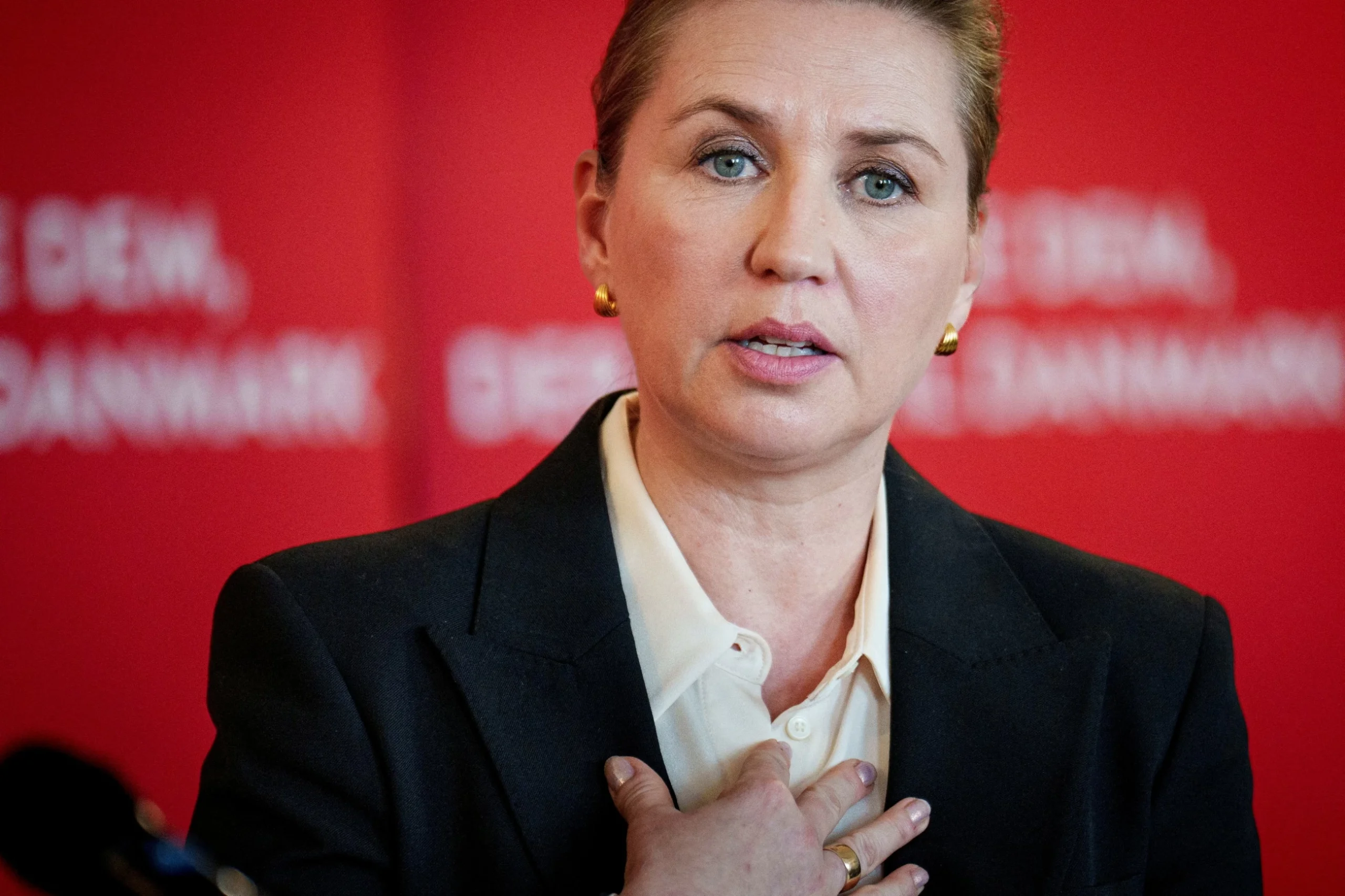
Louise Rasmussen, ReutersThe wealth tax on which Danish Prime Minister Mette Frederiksen is campaigning ahead of a March 24 election may appear modest: a 0.5% levy set at such a high threshold that barely 20,000
 admin
admin
Dogs tend to get a bad rap from people who are not dog people. Cat lovers are not fond of dogs and vice versa. I cannot call myself a dog person or a cat person.
 admin
admin
This was my first Ramadan in the UAE and I enjoyed a lot. The atmosphere during the Holy Month of Ramadan was very different. I never had experienced such an amazing atmosphere in 40 years
 admin
admin
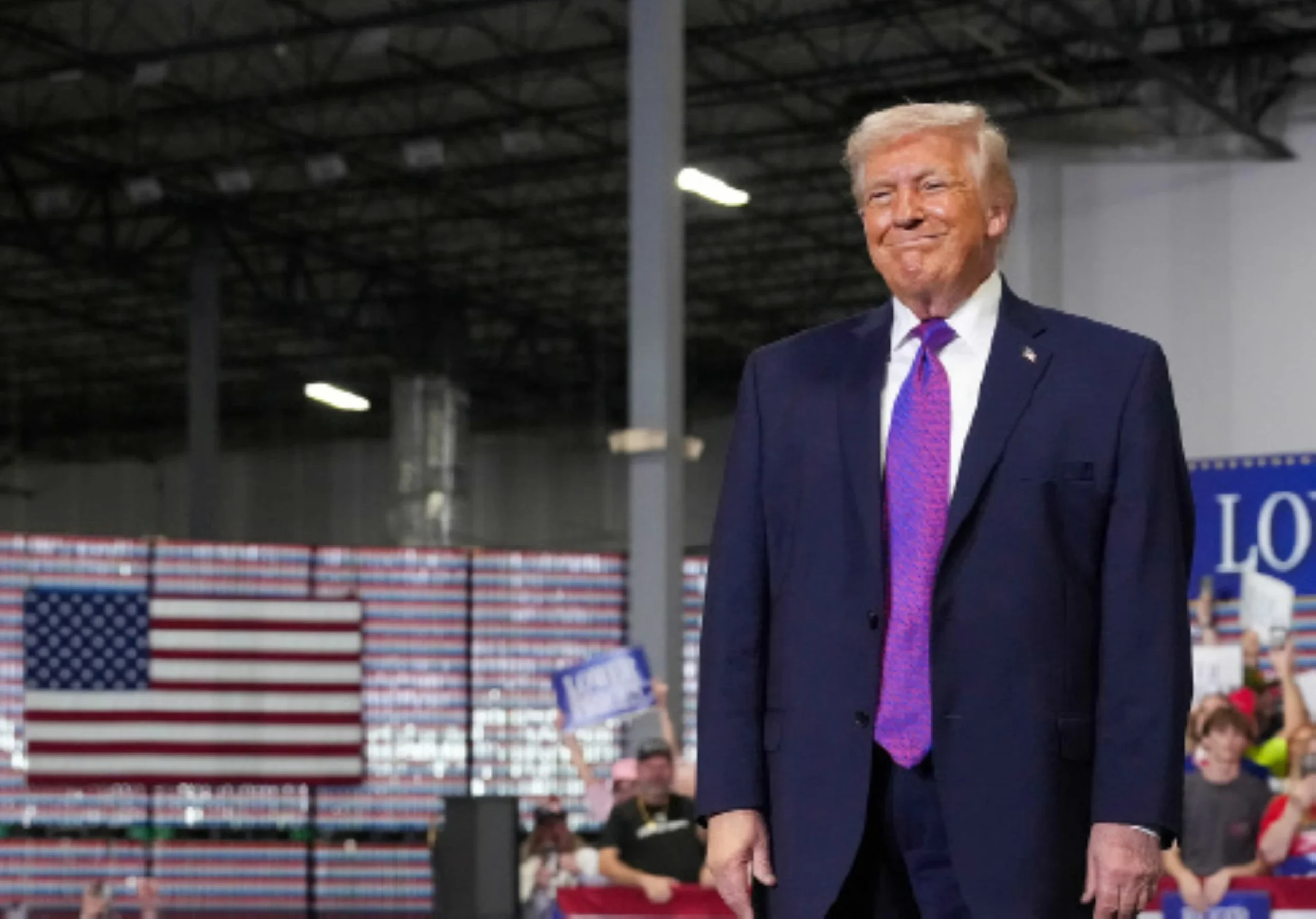
When he joined Israel to launch a war on Iran, Donald Trump revealed he does not comprehend Iran, the Arabs and the region as a whole as well as Israel. Trump does not know that