A dream journey
A dream journey
For once, the prime minister and the leaders of all the opposition parties agree. Visibly angry on Friday in his first public statement since allegations re-emerged about Peter Mandelson’s failed security vetting – which was
Americans could be forgiven if they’re unaware that President Donald Trump recently performed one of his most essential tasks and sent his annual budget request to Congress, though months late and stunningly incomplete. After all,
The helicopter mission of JD Vance, Donald Trump’s vice-president and chief Maga theoretician, to give last-minute support to Hungary’s Viktor Orbán had one clear outcome: the other guy won hands down. The landslide victory at
European allies fear an inexperienced US negotiating team is pushing for a swift, headline-grabbing framework deal with Iran that could entrench rather than resolve deeper problems, diplomats with past experience dealing with Tehran said.They worry that Washington, eager to claim a diplomatic win for President Donald Trump, could lock in a superficial agreement on Iran’s nuclear programme and sanctions relief, then struggle through months or years of technically complex follow-on talks.“The concern isn’t that there won’t be an agreement,” said a senior European diplomat, who has previously worked on the nuclear file or continue to do so. “It’s that there will be a bad initial agreement that creates endless downstream problems.”Diplomats from France, Britain and Germany – which began negotiating with Iran in 2003 – say that they have been sidelined.From 2013 to 2015, the three worked with the US to secure a deal on curbing Iran’s nuclear programme in exchange for sanctions relief, known as the Joint Comprehensive Plan of Action (JCPOA).Trump withdrew from the accord – the signature foreign policy agreement of his predecessor Barack Obama – in 2018, during his first term, calling it “horribly one-sided”.After 40 days of airstrikes, US and Iranian negotiators opened talks in Islamabad earlier this month, again focused on the familiar trade-off of nuclear restrictions for economic relief.There were some signs in the Pakistani capital yesterday of preparations for a resumption of face-to-face negotiations.Diplomats say that deep mistrust and sharply different negotiating styles raise the risk of a fragile framework neither side can sustain politically.“It took us 12 years and immense technical work,” said Federica Mogherini, who co-ordinated the talks from 2013 to 2015. “Does anyone seriously think this can be done in 21 hours?”The diplomats said that a skeletal agreement may be achievable, built around a nuclear package and an economic package.“The Americans think you agree on three or four points in a five-page document and that’s it, but on the nuclear file, every clause opens the door to a dozen more disputes,” a second European diplomat said.Talks are focusing on Iran’s stockpile of roughly 440kg (970 pounds) of uranium enriched to 60%, material that could be used for several nuclear weapons if further enriched.The favoured option is “downblending” inside Iran under International Atomic Energy Agency (IAEA) supervision.Another is a hybrid approach, with some material shipped abroad.“Whatever happens now is only a starting point,” said a diplomat previously involved in nuclear talks. “That’s why the 2015 JCPOA ran to 160 pages.”Beyond stockpiles lies the deeper dispute over Iran’s right to enrich uranium at all: Trump has publicly pushed for zero enrichment, while Iran insists it has the right to enrich uranium for civilian purposes and denies seeking a bomb.One possible compromise would be a temporary moratorium followed by resumption at very low levels under strict conditions.Europeans stressed that a central role for the IAEA, including intrusive verification and unrestricted access, was essential.“A negotiation with Iran is meticulous and subtle: every word matters,” said Gérard Araud, France’s chief negotiator from 2006 to 2009. “That’s not something you rush.”The economic track focuses on lifting sanctions and unfreezing Iranian assets.In the short term, Iran wants access to frozen funds overseas.Broader sanctions relief would come later and require European buy-in, diplomats said.Officials say Washington is again separating an agreement in principle from its painstaking follow-up, an approach they say risks misreading Iranian political culture.“These talks aren’t a real-estate deal settled with a handshake,” said a senior regional diplomat briefed by Tehran, referring to the background of Trump’s main negotiators Steve Witkoff and Jared Kushner. “They involve sequencing, sanctions relief and reciprocal nuclear steps.”“There’s simply not enough expertise in this US team,” said one European official, noting that roughly 200 diplomats, financial and nuclear experts were involved in the 2015 talks. “We’ve worked on this file for two decades.” – Reuters
The idea that children go “online” is already outdated.For most young people today, there is no meaningful distinction between online and offline life. Their friendships unfold across group chats, their sense of identity is shaped
It is exciting to learn that Taylor Swift once again leads the American Music Awards nominations with eight nods this year. Her recognition in major categories such as Artist of the Year, Song of the
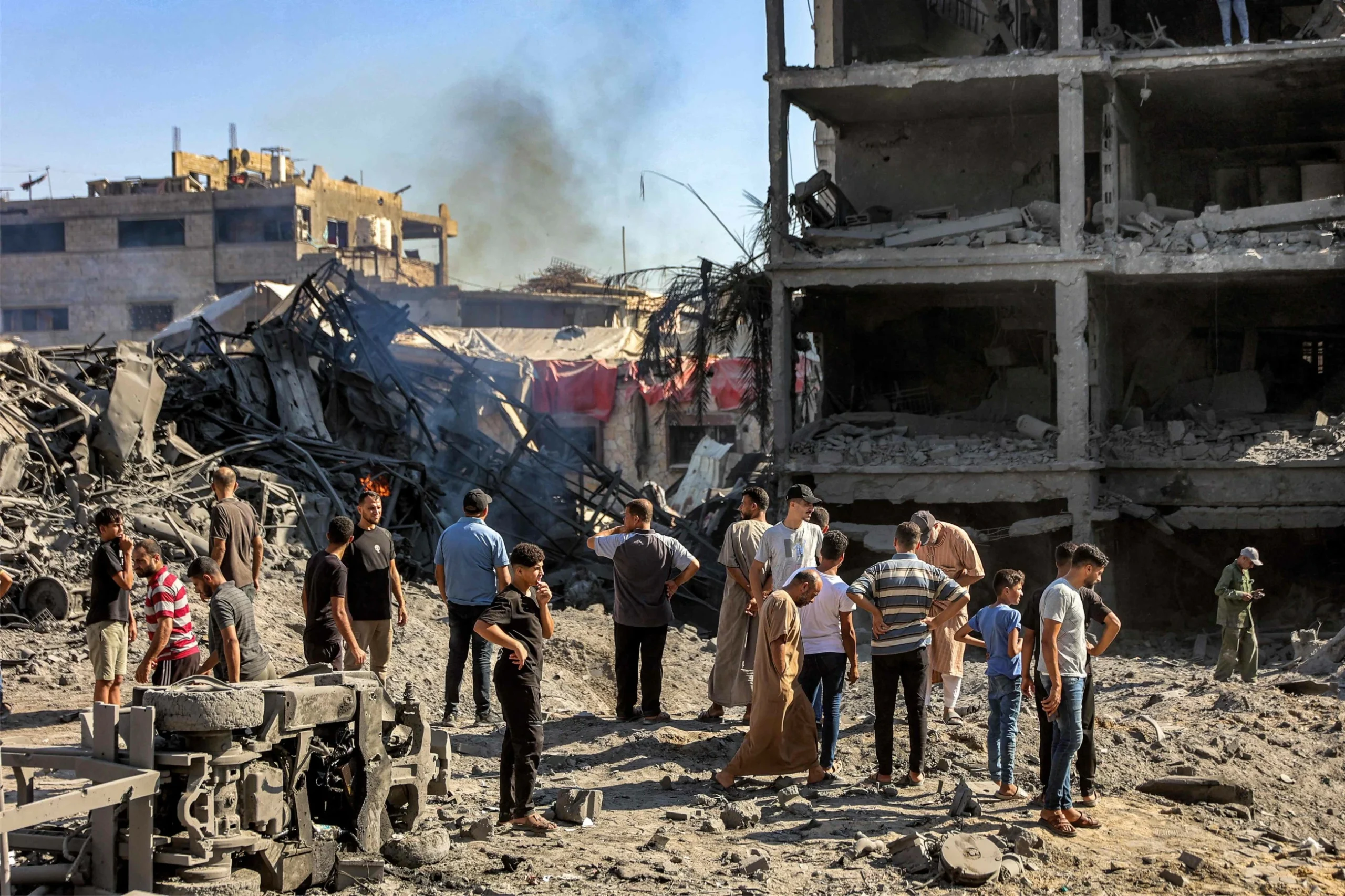
Israel and Lebanon have agreed to a US-backed ceasefire in fighting between Israel and Hezbollah, a deal meant to enable broader US-Iran negotiations but one that will see Israeli forces maintain positions deep inside southern Lebanon. Israel and Lebanon agreed to implement a “cessation of hostilities” on April 16 at 2100 GMT for an initial period of 10 days to enable peace negotiations between the two countries, according to a text of the deal released by the State Department. The deal says Lebanon’s government, with international support, would take “meaningful steps” to prevent Hezbollah and other groups from carrying out attacks against Israeli targets. It also says that Israel and Lebanon recognise the country’s security forces “as having exclusive responsibility for Lebanon’s sovereignty and national defence”, a reference to a bid by the government since 2025 to disarm Hezbollah. Under the agreement, “Israel shall preserve its right to take all necessary measures in self-defence, at any time, against planned, imminent, or ongoing attacks.” Beyond this, “Israel will not carry out any offensive military operations against Lebanese targets, including civilian, military, and other state targets, in the territory of Lebanon by land, air, and sea,” the deal says. The 10-day period can be extended by mutual agreement as talks progress and depending on whether “Lebanon effectively demonstrates its ability to assert its sovereignty”, it adds, in another reference to Lebanon’s efforts to disarm Hezbollah. The deal does not require Israel to withdraw from southern Lebanon, where Israeli troops have been destroying villages and infrastructure after ordering residents south of the Litani River to flee. The area makes up about 8% of Lebanese territory. Israeli defence officials say troops are holding positions as far as 10km inside Lebanon as part of a “buffer zone” to prevent Hezbollah attacks on Israel, viewing the area and many of its villages as strongholds for the Iran-backed group. While the deal grants Israel the right to take defensive measures against planned attacks, it does not include similar terms for Lebanon. That marks a contrast to a 2024 deal to halt Israel-Hezbollah fighting, which said: “(These) commitments do not preclude either Israel or Lebanon from exercising their inherent right of self-defence, consistent with international law.” Notably, the deal does not explicitly require Lebanon to disarm Hezbollah, although it does spell out which six Lebanese state security forces are allowed to carry arms. The disarmament of Hezbollah has been a key demand by Israel. The group rejects calls to disarm, viewing its weapons as an element of national defence against Israeli attacks. After a war sparked by Israel’s assault on Gaza, Israel and Lebanon agreed in November 2024 to an open-ended, US-brokered truce that called on Lebanon’s government to disarm Hezbollah. That deal also committed Lebanon to restricting arms to specific state forces, and further stipulated that it should confiscate unauthorised weapons and prevent rearmament by non-state groups. In June 2025, the US proposed a roadmap to Lebanese officials to fully disarm Hezbollah in exchange for Israel halting its strikes and withdrawing its troops from five points they still occupy in southern Lebanon. But Hezbollah and its main ally, the Amal Movement led by Parliament Speaker Nabih Berri, have said the sequencing should be reversed, with Israel withdrawing and halting strikes before any talks on Hezbollah’s arms. Following the 2024 deal, Israel continued to carry out strikes on what it said were Hezbollah depots and fighters, in attacks that Medecins Sans Frontieres says killed 370 people in Lebanon. In Gaza, Israel and Hamas agreed last October to a US-brokered deal to halt fighting and deliver aid into the territory. It was followed by a US plan aimed at disarming Hamas in exchange for Israeli troop withdrawals and reconstruction of Gaza, much of which was destroyed by Israeli bombardment. Many aspects of that plan have so far failed to take shape. Israel has continued attacks on Gaza, killing more than 750 Palestinians since the ceasefire. Israel says it aims to thwart attacks by Hamas and other factions, but rarely provides verifiable evidence. At least four Israeli soldiers have been killed by Gaza fighters since October.
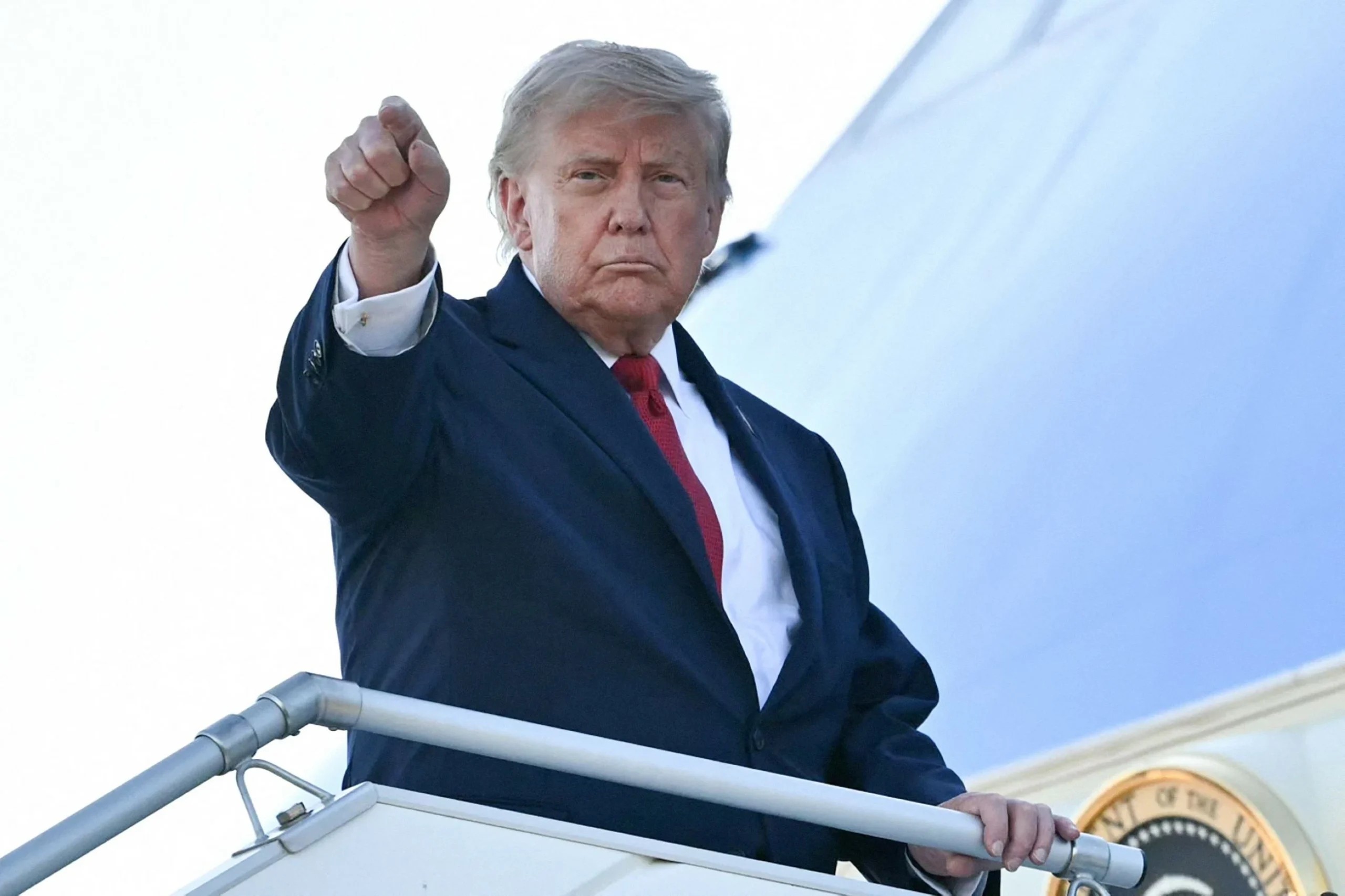
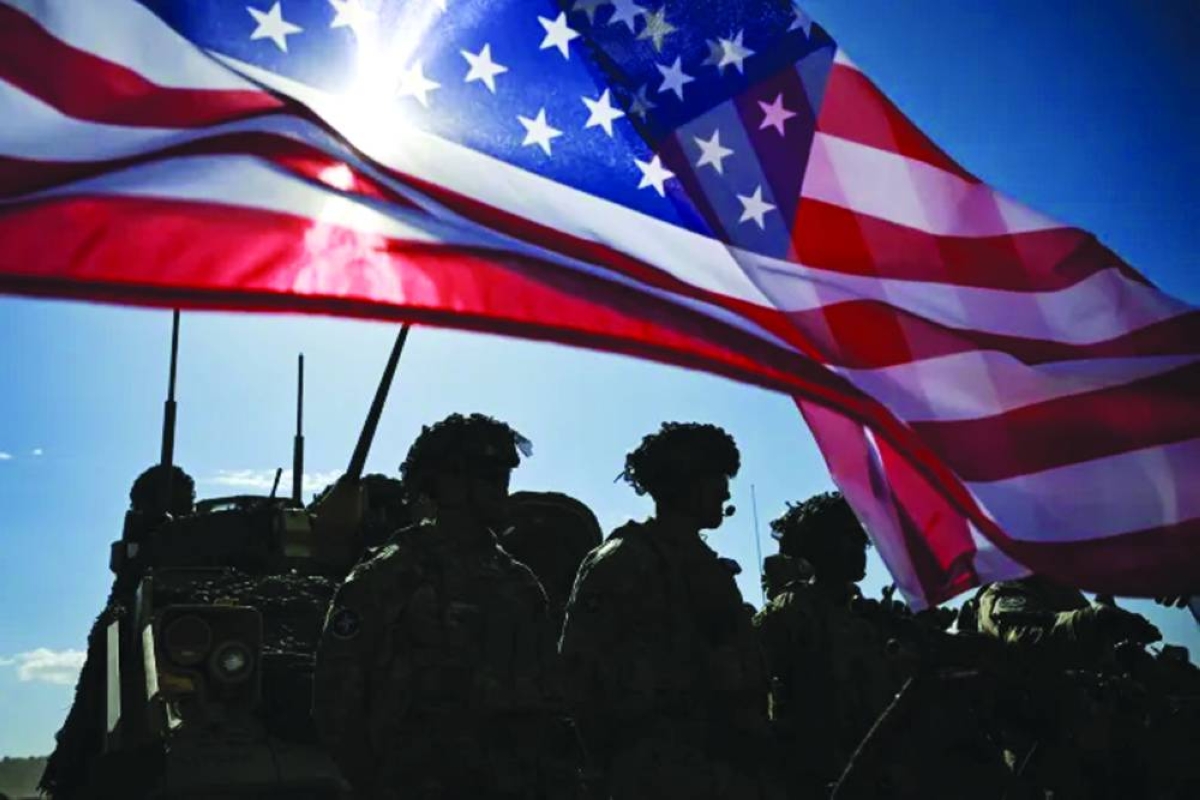
Seven weeks of war have failed to topple Iran’s rulers or force them to meet all of President Donald Trump’s demands, but for US adversaries and allies it has cast a spotlight on one of his central vulnerabilities: economic pressure. Even with Iran’s announcement on Friday that it was reopening the Strait of Hormuz to shipping, the Middle East crisis has revealed the limits of Trump’s willingness to tolerate domestic economic pain. Trump joined Israel in attacking Iran on February 28 based on what he said were imminent security threats, especially over its nuclear program. But now, with US petrol prices high, inflation rising and his approval ratings down, Trump is racing to secure a diplomatic deal that could stem the fallout at home. Iran has taken a beating militarily, but demonstrated it can exact economic costs that Trump and his aides underestimated, unleashing the worst-ever global energy shock, analysts say. RISING ENERGY COSTS, RECESSION RISKTrump has often publicly shrugged off domestic economic concerns driven by the war. But he can hardly ignore that though the US does not depend on the one-fifth of global oil shipments that were effectively blocked by Iran’s chokehold on the strait, surging energy costs have hit US consumers. The International Monetary Fund’s warning of a risk of global recession adds to the gloom. Pressure for a way out of the unpopular war has mounted as Trump’s fellow Republicans defend narrow majorities in Congress in the November midterm elections. None of this has been lost on Iran’s leaders, who have used their grip on the strait to push Trump’s team to the negotiating table. Analysts say US rivals China and Russia may draw their own lesson: while Trump has shown an appetite for military force in his second term, he looks for a diplomatic off-ramp as soon as the economic heat becomes uncomfortable at home. “Trump is feeling the economic pinch, which is his Achilles heel in this war of choice,” said Brett Bruen, a former foreign policy adviser in the Obama administration who heads the Global Situation Room strategic consultancy. White House spokesman Kush Desai said that while working toward a deal with Iran to resolve “temporary” energy market problems, the administration “has never lost focus on implementing the president’s affordability and growth agenda.” “President Trump can walk and chew gum at the same time,” he said. FEELING THE PRESSURETrump’s abrupt shift on April 8 from airstrikes to diplomacy followed pressure from financial markets and parts of his MAGA base. Some of the economic pain is borne by US farmers, a key Trump constituency, due to disrupted fertiliser shipments, and is also reflected in higher airfares from increased jet fuel prices. With the clock ticking on a two-week ceasefire, it remains to be seen whether a president who embraces unpredictability will reach a deal that meets his war goals, extend the truce beyond April 21, or relaunch the bombing campaign. But global oil prices fell sharply and financial markets, which Trump often sees as a barometer of his success, flourished on Friday after Iran said the strait would be open for the remainder of a separate US-brokered 10-day truce between Israel and Lebanon. Trump was quick to declare the strait safe as he touted a deal-in-the-making with Iran that he said would be completed soon and mostly on his terms. But Iranian sources told Reuters gaps remained to be resolved. Experts have warned that even if the war ends soon, the economic damage could take months if not years to fix. A key question is whether any deal achieves the objectives Trump has laid out, including closing Iran’s path to a nuclear weapon, which Tehran has long denied it is seeking. Iran has a stockpile of highly enriched uranium believed buried by US-Israeli strikes in June. Trump told Reuters on Friday the emerging deal calls for the US to work with Iran to recover the material and bring it to the US. Iran denied agreeing to a transfer anywhere outside its territory. A senior Trump administration official said the US was maintaining “several redlines” in negotiations with Iran. At the same time, Trump’s call at the war’s outset for Iranians to overthrow their government has gone unheeded. Allies from Europe to Asia were initially stunned by Trump’s decision to go to war without consulting them or seeming to take into account the risk to them of Iran closing the strait. “The alarm bell ringing for allies right now is how the war has highlighted that the administration can act erratically, without much regard for consequences,” said Gregory Poling, an Asia expert at the Center for Strategic and International Studies in Washington. After Russia’s 2022 invasion of Ukraine, former Democratic President Joe Biden was cautious about imposing sanctions on Moscow’s energy sector out of concern for reducing oil supplies and inflating US gas prices. But Trump, who ran for a second term on promises of cheap gas and low inflation, has shown himself sensitive to accusations that his policies raise prices. An example was when he reduced tariffs on China last year after it retaliated. MISCALCULATIONSJust as Trump misjudged Beijing’s response in a trade war, he seems to have miscalculated how Iran might strike back economically in a shooting war — by attacking energy infrastructure in Gulf states and blocking the strategic waterway between them. Trump mistakenly believed the war would be a limited operation like the January 3 lightning raid in Venezuela and June’s strikes on Iran’s nuclear sites, US officials have said privately. But this time the repercussions are more far-reaching. The message to Asian allies such as Japan, South Korea and Taiwan may be that Trump, who is looking for warmer ties with China, can be expected to pursue his regional goals with less regard for their geopolitical and economic security. Analysts believe those governments will adjust for any contingency, such as a Chinese bid to seize Taiwan, out of concern over Trump’s reliability. European countries, annoyed they are bearing so much of the economic brunt of a war that they never asked for, are likely to be even more nervous about Trump’s commitment to continued aid to Ukraine in its war with Russia, analysts say. Gulf Arab states want the war to end soon, but will be unhappy if Trump cuts a deal without security guarantees for them. “An end to this conflict should not also create a continuous instability in the region,” said Anwar Gargash, diplomatic adviser to the president of the United Arab Emirates. Most MAGA supporters have stuck with Trump despite some prominent dissenting voices. But there are growing doubts whether he can help his party recover lost ground, especially with independent voters, in time for the midterms. “He’s aware that a significant portion of the country outside his MAGA base, and even some within the MAGA base, are vehemently opposed to what he’s done,” said Chuck Coughlin, an Arizona-based political strategist. “And I think the price is going to come due.”