admin
admin For once, the prime minister and the leaders of all the opposition parties agree. Visibly angry on Friday in his first public statement since allegations re-emerged about Peter Mandelson’s failed security vetting – which was first reported by The Independent last year — Sir Keir Starmer professed himself “absolutely furious”.
The PM says that he “was not told” that Lord Mandelson had not passed the high-level scrutiny demanded before someone is trusted with state secrets. The prime minister calls that a “staggering” fact, according to The Independent.
He is not alone. Kemi Badenoch, too, is staggered. She shares his consternation, albeit to the point where she suggests Sir Keir is misleading people: “Why would officials say ‘Well, he’s failed the security vetting, but let’s not tell the prime minister’, why would they do that? It just doesn’t make any sense.”
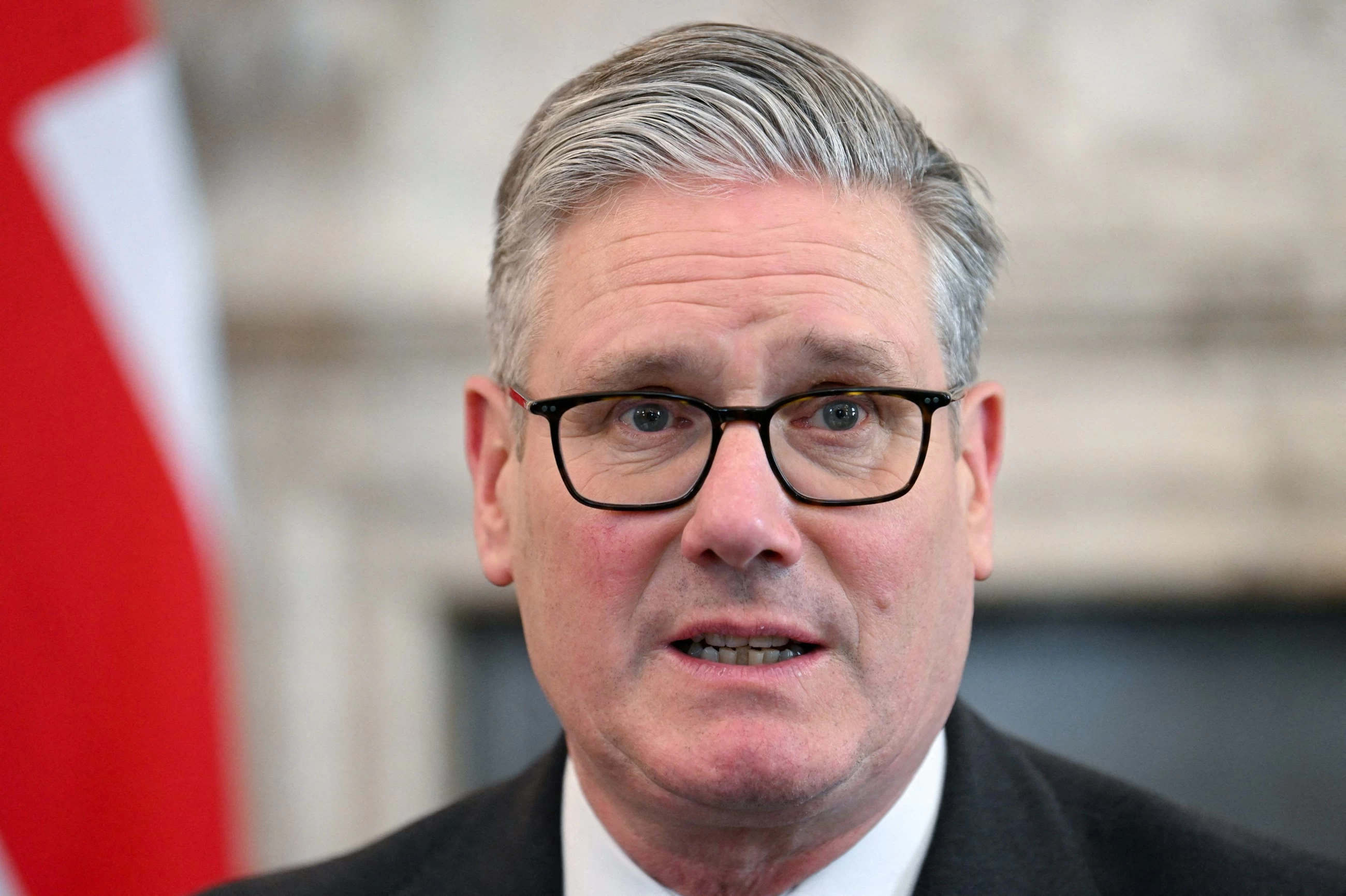
Britain’s Prime Minister Keir Starmer attends a meeting in London. AFP
Sir Ed Davey, Nigel Farage, Zack Polanski and every other opposition leader has voiced similarly sceptical sentiments about the prime minister’s protestations. So has Diane Abbott, which must hurt. It is indeed, colloquially speaking, beyond belief that the prime minister and/or No 10 didn’t have any inkling of what was going on with this most sensitive of appointments to the British embassy in Washington, but that doesn’t necessarily mean that what Sir Keir has been saying is untrue.
The threshold of shame for a prime ministerial resignation is necessarily a high one. At any time, and especially at such a moment of crisis as the world is going through now, it should not be easy to eject a premier. The relevant test in this case is whether Sir Keir knowingly or deliberately misled parliament, according to House of Commons convention and the ministerial code.
Practically, that stricture applies to his important public pronouncements in general. So the facts of the matter need to be determined and presented properly before parliament. This the prime minister will do on Monday, and he may have to do so again once others involved in this crisis of confidence have had their say.
The forthcoming testimony to the Foreign Affairs Committee from Sir Olly Robbins, the most senior official involved in the vetting, will be critical as the process of discovery in this unhappy affair grinds on. If Sir Olly did, as is alleged, overrule the advice of the security services about Lord Mandelson’s suitability – an extremely unusual, if not unique, move – then he will have to come up with a convincing argument.
In effect, he will also have to detail who, if anyone, he told about the vetting result, and why. It may indeed turn out to be a “staggering” performance. Reportedly, Sir Olly doesn’t want to be “the fall guy”.
But first, it will be Sir Keir’s turn to enlighten the House of Commons about what he knew and when about the vetting. For now, the answer would appear to be “nothing” and “not until last Tuesday evening”.
Apart from incredulity that the gossipy world of politics could keep anything so sensational as the news about Lord Mandelson’s vetting under wraps, Sir Keir will also have to explain what happened when The Independent’s political editor, David Maddox put a claim directly to the prime minister’s then head of communications, Tim Allan, that Lord Mandelson had indeed failed his security vetting.
This was on 11 September 2025. The allegation was particular and precise, and so was the answer: “Hi Tim. I’ve been told by two sources now that Mandelson in fact did not clear vetting with MI6 but the PM pushed his appointment anyway. The problem was China not Epstein though. Is there any comment on this? David.” The response was careful: “Vetting done by FCDO in normal way.”
Was it? It was certainly not “normal” for the Foreign Office to overrule a negative security vetting, because it means that they’d be giving a job to someone who cannot keep a secret.