1. Home
  2. World

Category: World

World
China-North Korea train arrives in Pyongyang after 6-year halt

China-North Korea train arrives in Pyongyang after 6-year halt

A passenger train from China arrived in the North Korean capital Thursday, state media said, after a six-year hiatus since the service was suspended during the Covid-19 pandemic.China is North Korea's largest trading partner and a vital source of diplomatic, economic and political support for the isolated nuclear state.Train journeys between the East Asian neighbours were halted in 2020 under strict border closures to prevent the coronavirus from spreading.China's state news agency Xinhua said a train that departed from Dandong, a city in the northeast bordering North Korea, arrived in Pyongyang on Thursday evening.South Korea's Yonhap news agency reported earlier that a train had been seen crossing the Sino-Korean Friendship Bridge over the Yalu River.China Railways said in a separate statement that regular train services would also resume between Beijing and Pyongyang on Thursday evening.AFP journalists aboard the K27 train departing from Beijing and bound for Pyongyang Thursday saw carriages reserved only for passengers travelling to North Korea.Several people at the station gathered around the departures board to take photos of the 'Beijing to Pyongyang' listing.The overnight train is set to make a few stops, including at the port city of Tianjin, and then head northeast to Dandong on the border.A railway enthusiast at the station told AFP he was taking the train only one stop and would disembark at Tianjin.'It's great that this line is reopening, because there are very few international rail connections in China,' he said, before being subjected to an ID check by plainclothes police officers.Wagons from Beijing holding Pyongyang-bound passengers are then attached to another train in Dandong, taking them across the border to the nearby North Korean city of Sinuiju, said Rowan Beard from Young Pioneer Tours, a company specialising in North Korea travel.Those wagons, as well as North Korean domestic carriages, will then be attached to a new train heading to Pyongyang, he added.Trains will run in both directions between Beijing and Pyongyang every Monday, Wednesday, Thursday and Saturday, China Railway said.The Dandong-Pyongyang service would operate daily, it said.Travel agents for an official ticketing booth in Beijing told AFP on Tuesday that anyone with a valid visa can now buy train tickets to the North.That includes Chinese people working and studying in North Korea, as well as North Koreans working, studying and visiting family abroad.Entry and exit procedures would be completed at the Dandong border crossing and at Sinuiju in North Korea, China Railway said.Tickets are currently available for offline purchase in several Chinese cities, it added.The resumption of the train link symbolised a return to a stronger bilateral relationship, said Lim Tai Wei, a professor and East Asia expert at Japan's Soka University.It signalled greater access to 'the largest trading nation on Earth' for North Korea, Lim told AFP, while it was also important for China's 'periphery diplomacy'.A spokesman for China's foreign ministry said Thursday that 'maintaining regular passenger train services is of great significance for facilitating personnel exchanges' between the two countries.Beijing has been a crucial lifeline for North Korea's moribund economy.China has fully reopened its borders since the pandemic, but North Korea has proceeded more slowly. Direct flights and train services with Russia resumed last year.While the resumption suggests a 're-normalisation' of contact between China and North Korea, it does not necessarily mean increased support from Beijing, said Associate Professor Chong Ja Ian from the National University of Singapore.'A lot of the previous limit on contact seems to be due to Pyongyang's apprehensions about broader contact, which have diminished,' Chong told AFP. 
World
Chile’s Smiljan Radic Clarke wins Pritzker architecture prize

Chile’s Smiljan Radic Clarke wins Pritzker architecture prize

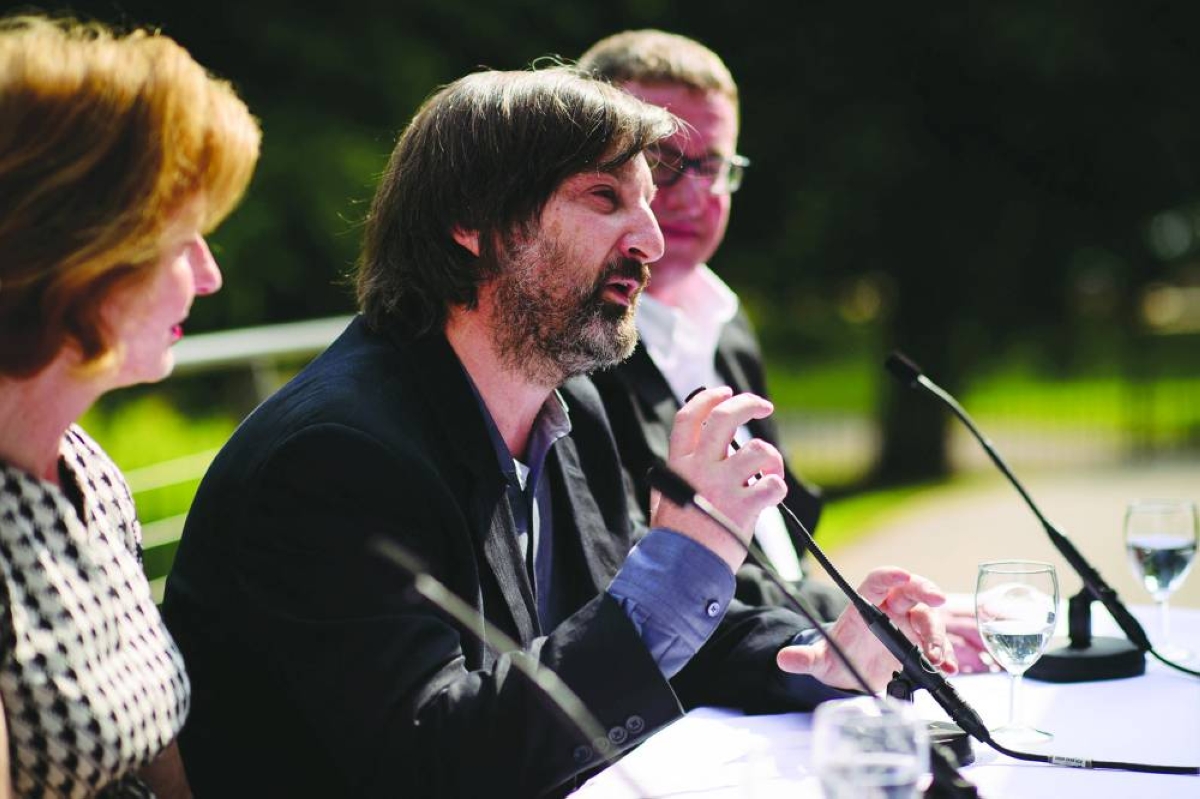
Chilean Architect Smiljan Radic (centre) gives a press conference from inside the 2014 Serpentine Pavillion at the Serpentine Gallery in Hyde Park, central London. (AFP/File Picture) Chile's Smiljan Radic Clarke, whose modern buildings can sometimes appear "deliberately unfinished," is the recipient of this year's Pritzker Prize, considered the Nobel of architecture, organisers announced Thursday.The 60-year-old Radic, a native of Santiago, creates "optimistic and quietly joyful" structures, the jury said in its citation.Radic is best known for his Serpentine Gallery Pavilion in London — a translucent donut-shaped fibreglass shell resting on locally sourced rocks — and the Vik Millahue Winery in his home country, set among the Andes mountains and the vineyards.The Teatro Regional del Biobio in Concepcion, Chile resembles a paper lantern."If architecture gives shape to the ways in which people live, Radic's work produces spatial experiences that feel at once surprising and entirely natural," the Pritzker jury said."His buildings may appear temporary, unstable, or deliberately unfinished — almost on the point of disappearance — yet they provide a structured, optimistic and quietly joyful shelter, embracing vulnerability as an intrinsic condition of lived experience."The panel hailed Radic — who has created buildings and installations across Europe and at home in Chile — for "reminding us that architecture is an art."First awarded in 1979 to modernist Philip Johnson, the Pritzker Prize has honoured many of the profession's most influential figures including IM Pei, Oscar Niemeyer, Frank Gehry, Rem Koolhaas and Zaha Hadid.It honours a living architect for "significant achievement" in the field.Last year's award went to China's Liu Jiakun, who lives and works in his birth city of Chengdu. His projects — known for their minimalism and use of designs that fit local context — include the Museum of Clocks in that city. 

World
Brazil scraps taxes on diesel, imposes levy on oil exports

Brazil scraps taxes on diesel, imposes levy on oil exports

Brazil's Finance Minister Fernando Haddad. (Reuters/File Photo) Brazil's government scrapped taxes on ‌diesel while imposing a levy on oil exports in a ​move Thursday that ‌could affect state-run oil firm Petrobras, as the country ‌seeks to ⁠soften the ‌blow of the recent spike in ‌global oil prices. President Luiz Inacio Lula da Silva's administration said the temporary ⁠measures would reduce the impact of price swings related to the US-Israeli war with Iran on local fuel prices, particularly diesel.The South American country cut the PIS and Cofins federal taxes levied on diesel to zero and imposed a 12% tax on crude oil exports, as well as a 50% levy on diesel ​shipments."Oil prices are getting out of control," Lula told a press conference announcing the measures in Brasilia.The spike in diesel prices has emerged as ‌a threat to Brazil's powerful farm ⁠sector, raising ​costs for producers who are harvesting a record soybean crop ​and planting corn they cannot afford to delay. While Petrobras has not raised local fuel prices, Brazil is still partly reliant on imported diesel, and distributors have been reluctant to sell it at Petrobras' prices, concerned about a possible price hike in the near future.The government expects diesel prices at the pump to fall by 0.64 reais ($0.1227) per litre due to the tax cut and a direct subsidy program that will provide payments to ‌diesel producers and importers.The export ‌tax is aimed at ⁠increasing domestic refining and securing internal supply, the government said in ⁠a statement, though it remains ⁠unclear how much refining capacity Brazil has available to boost local diesel output.Petrobras was operating its refineries at around 91% of capacity last year and aimed to increase it to 95% in the first quarter. The company's near $3bn net profit in the fourth quarter was due in ​part to record exports during the period. Sales to international markets grew 41.7% year-on-year to 42bn reais, while domestic sales dropped 6.8% to 85.4bn reais.Finance Minister Fernando Haddad said the measures would not affect Petrobras's own fuel-pricing policy. Haddad added they are set to run until the end of the year, but that the government hopes for a short-term solution to the Middle East conflict.  Related Story

World
Ukraine, Romania beef up defence ties on Zelensky trip

Ukraine, Romania beef up defence ties on Zelensky trip

Romanian President Nicusor Dan and Ukrainian President Volodymyr Zelensky hold signed documents about joint drone production in Romania, in Bucharest, Thursday. (Reuters) Ukraine and Romania Thursday signed a statement of intent to produce drones together in Romania during a visit to Bucharest by President Volodymyr Zelensky aimed at deepening defence co-operation.Zelensky also offered to develop anti-drone defence systems with Kyiv's European allies.The visit – followed by a trip to Paris today – comes at a time of uncertainty over planned peace talks between Kyiv and Moscow that have been spearheaded by the United States and derailed by the US-Israeli war with Iran.Zelensky and Romanian President Nicusor Dan signed an agreement on the joint production of defence products in Romania, and another on energy co-operation, the two sides said."We discussed our military co-operation, and one of the documents signed refers to the joint production of drones in Romania," Dan said during a joint press conference.Both countries will consider drone production in Romania in the "shortest possible time," according to the statement of intent.The project would be partially funded through the EU's SAFE Initiative with up to 200 million euros ($230 million), it added.Nato-member Romania – an important ally of Kyiv's – has seen repeated violations of its airspace, including drone fragments falling onto its soil, following Russia's invasion of Ukraine in February 2022.Zelensky, who has dispatched teams to the Gulf to help allies fend off Iranian drones, offered Thursday to work with European allies to develop their defensive systems."I think it would be quite good to develop all of this together with European countries, our neighbours, our friends," Zelensky said.The Ukrainian leader also said the two Black Sea countries were deepening energy ties, noting the construction of two new electricity supply lines.Ukraine has become increasingly dependent on electricity imports from its European neighbours since the start of Russian attacks on its power grid.  Related Story

World
Tens of thousands march against Belgian austerity reforms

Tens of thousands march against Belgian austerity reforms

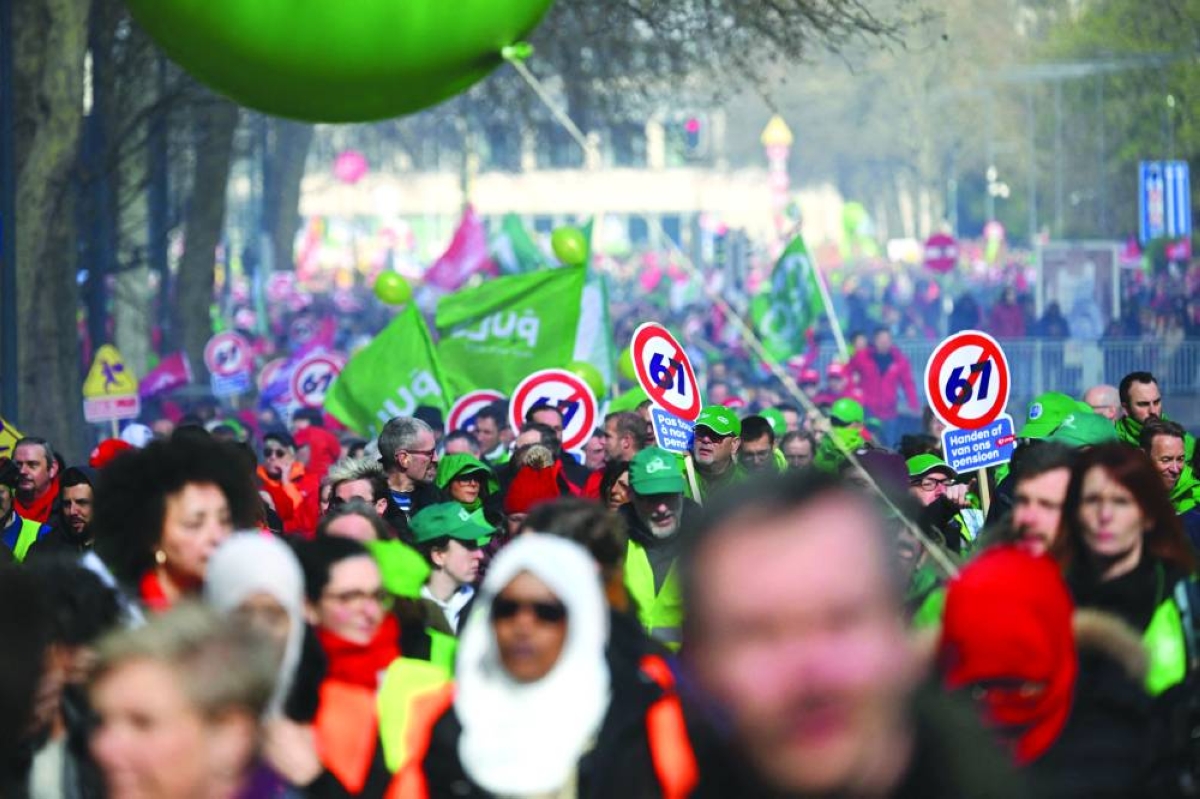
Protesters hold signs as they take part in a demonstration during a national day of action against the austerity plan of the federal government, in Brussels Thursday. (AFP) Tens of thousands of people thronged the streets of Brussels Thursday in the latest mass protest against austerity reforms brought in by Prime Minister Bart De Wever's conservative government.Police said the march drew 80,000 people — matching the turnout at the last such demonstration in October — while unions put the figure at more than 100,000.Public transport and government services were also widely disrupted by strike action, with Belgium's two main airports cancelling all scheduled departures due to a shortage of security staff and baggage handlers.Belgian unions have been mobilised since De Wever took office early last year against government reforms to the pension and unemployment systems."This shows people are strongly determined, but also that they are anxious about the geopolitical situation," Marie-Helene Ska, secretary-general of the Christian CSC, one of three unions that called the day of action, told AFP."It shows that making ends meet is going to become really difficult with prices going up for basic goods like petrol, diesel, heating products," she said.Many banners at the march displayed a crossed-out number 67 — the age at which both public and private sector employees will be able to draw a full pension by 2030, as early retirement options are phased out.The reform is accompanied by a new system of penalties and bonuses that unions say is highly unfavourable to people with stop-start careers, particularly women."At 25, I want to plan my life — not just how to survive," read a placard held aloft by a young woman demonstrator.Belgium's parliament last year also approved a flagship reform limiting unemployment benefits in most cases to two years — after which recipients are switched onto much lower social security payments.Unions warn it will push thousands of Belgians into poverty, especially in the French-speaking south where the jobless rate is twice as high as in the Dutch-speaking north.Addressing parliament Thursday, De Wever vowed the government would not back down."It's our duty to stay the course," he said. "Failure to do so would be an act of selfishness towards our children and our grandchildren," he told lawmakers.Dozens of associations joined the march, including the Belgian branch of anti-poverty group ATD Quart Monde — which voiced alarm about the impact of reforming unemployment benefits."We fear a huge increase in poverty rather than a return to work," volunteer Baptiste Boulbes told AFP, who said the training offered to get people back into employment was "often extremely limited".Police said the demonstration passed off peacefully for the most part, although 50 people were briefly detained after "troublemakers" vandalised a bank branch in the city centre. 

World
Indian source says Iran to allow India-flagged tankers through Hormuz as first tanker arrives

Indian source says Iran to allow India-flagged tankers through Hormuz as first tanker arrives

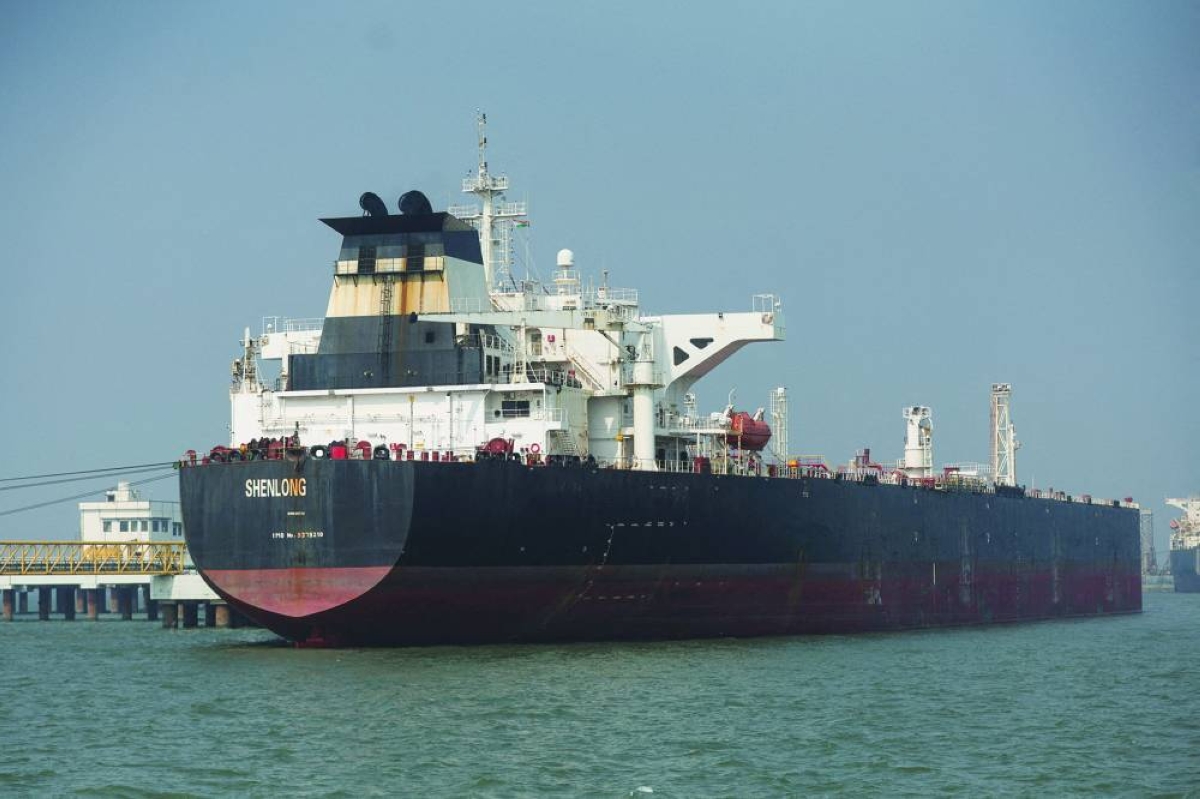
The Liberia-flagged tanker Shenlong Suezmax, loaded with Saudi Arabian crude, arrives at a port after transiting the Strait of Hormuz, in Mumbai, Thursday. (Reuters) Iran will allow Indian-flagged tankers to transit the Strait of Hormuz, a conduit for ​40% of the South Asian ‌nation's crude imports, an Indian government source said Thursday, but an Iranian source outside ‌the country denied ⁠any such deal was ‌reached.India, the world's No. 3 oil consumer, ‌said Thursday the foreign ministers of the two countries have had three conversations in recent days and ⁠the latest one this week focused on "issues pertaining to the safety of shipping and India's energy security"."Beyond that, it would be premature for me to say anything," foreign ministry spokesperson Randhir Jaiswal told a weekly media briefing.The Indian source, who was briefed on the matter, declined to be identified, citing a lack of authorisation to speak to media, while the Iranian source said the matter was a sensitive one.Thursday, the Suezmax tanker Shenlong, carrying Saudi crude, arrived at a port in Mumbai ​after transiting the strait. The Liberia-flagged vessel was the first crude carrier to reach India from the Middle East since the war between Iran and the US and Israel broke out in late February, according to LSEG data. ‌The customer is state-run Bharat Petroleum ⁠Corp, said a source ​with direct knowledge of the matter.The company did not immediately respond to a ​request seeking comment.The Indian source said two other foreign-flagged tankers believed to be bound for India had recently transited the Strait, and that Iran had given assurances of safe passage for Indian-flagged vessels after the foreign ministers of both countries spoke by telephone late on Tuesday.The source said the situation remained fluid, with limited clarity on how instructions were being relayed across different layers of Iran’s administration.In a statement after the talks between India's S Jaishankar and his counterpart, Seyed Abbas Araghchi, Iran's foreign ministry said the US should be held accountable for the "insecure situation and problems arising for shipping in the Persian Gulf".Neither side mentioned any agreement on allowing safe passage for Indian ‌vessels.On Wednesday, India said 28 Indian-flagged vessels ‌were operating west and east of the ⁠Strait with 778 Indian sailors aboard."Authorities, ship managers and recruitment agencies are co-ordinating closely with Indian embassies and ⁠local authorities to ensure safety and provide ⁠assistance to Indian seafarers," the Indian petroleum ministry said in a statement.India has given safe harbour to 183 Iranian sailors from a vessel that docked after the war broke out between Iran and the US and Israel.New Delhi had allowed three Iranian ships that departed following a naval exercise in the Bay of Bengal to dock, but one was later sunk by a US submarine in international ​waters, and another sought assistance from Sri Lanka.Iran has attacked at least 16 ships in the Strait since the war began in late February. Tehran has warned that oil prices could nearly double to $200 a barrel as it retaliates.A Thai vessel bound for India's western port of Kandla was attacked in the Strait on Wednesday, prompting criticism from New Delhi."India deplores the fact that commercial shipping is being made a target of military attacks in the ongoing conflict," the foreign ministry said on Wednesday, adding that its citizens had also died.The near-closure of the Strait of Hormuz has compelled India to scramble for ‌alternatives, such as buying more ​from Russia.  Related Story

World
Bangladesh parliament reconvenes after uprising and polls

Bangladesh parliament reconvenes after uprising and polls

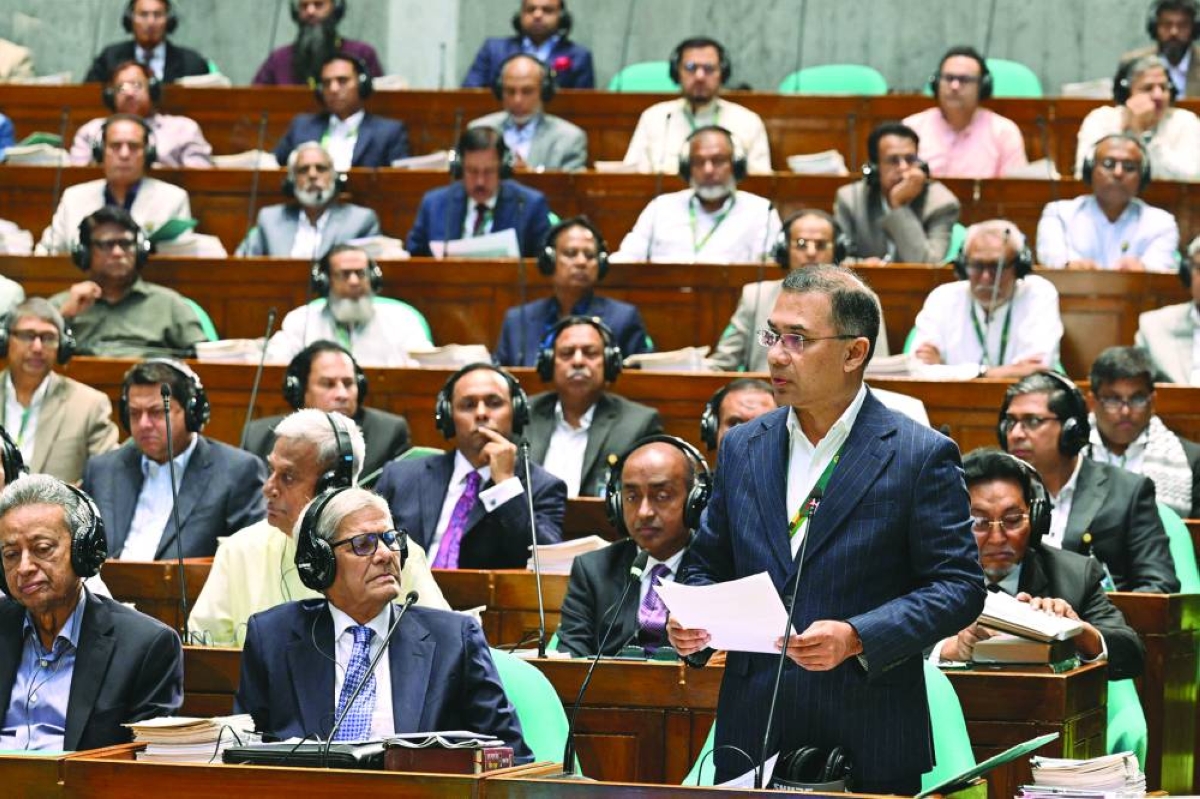
Prime Minister Tarique Rahman speaking during a parliamentary session in Dhaka Thursday. (AFP) Bangladesh's parliament convened Thursday for the first time since a deadly 2024 uprising plunged the country into political turmoil and following elections last month.The government of Prime Minister Tarique Rahman, leader of the Bangladesh Nationalist Party (BNP), took over after February 12 elections from the interim administration that had led the country of 170mn people since August 2024."After more than a decade and a half of fascist and subservient rule, the activities of parliament are beginning today with representatives elected by the people," Rahman told parliament."The BNP wants to build a prosperous, safe and democratic country," he added, calling on all lawmakers, whatever their political opinions, to work together.Rahman blamed the toppled government of Sheikh Hasina and her Awami League party for undermining the previous parliament.Hasina, 78, who has been sentenced in absentia to death for crimes against humanity, is in self-imposed exile in India."The fallen dictatorship made parliament dysfunctional, instead of making it the centre of all national activities," Rahman said, promising it would change under his watch."We will make parliament the centre of all debates and arguments aimed at resolving the country's problems."They include tackling a sluggish economy, restoring stability and reviving growth after months of turmoil that rattled investor confidence and strained state finances.The world's second largest garment exporter, heavily dependent on fossil fuel imports, has also been hit hard by an oil price spike caused by the war in the Middle East.Rahman's appeal for unity is a bid to heal rifts in a country polarised by years of bitter rivalry.A new speaker, Hafiz Uddin Ahmad, and his deputy, Kayser Kamal, were elected to office. Both are members of the BNP.The parliament building was looted during the August 2024 uprising against Hasina, but has since been repaired.The BNP-led alliance secured 212 seats, while the BNP alone won 209 seats.The leader of the opposition is Shafiqur Rahman, who heads the Jamaat-e-Islami-led alliance with 76 seats, with Jamaat alone holding 68.  Related Story

World
Indonesia, Australia to expand security co-operation

Indonesia, Australia to expand security co-operation

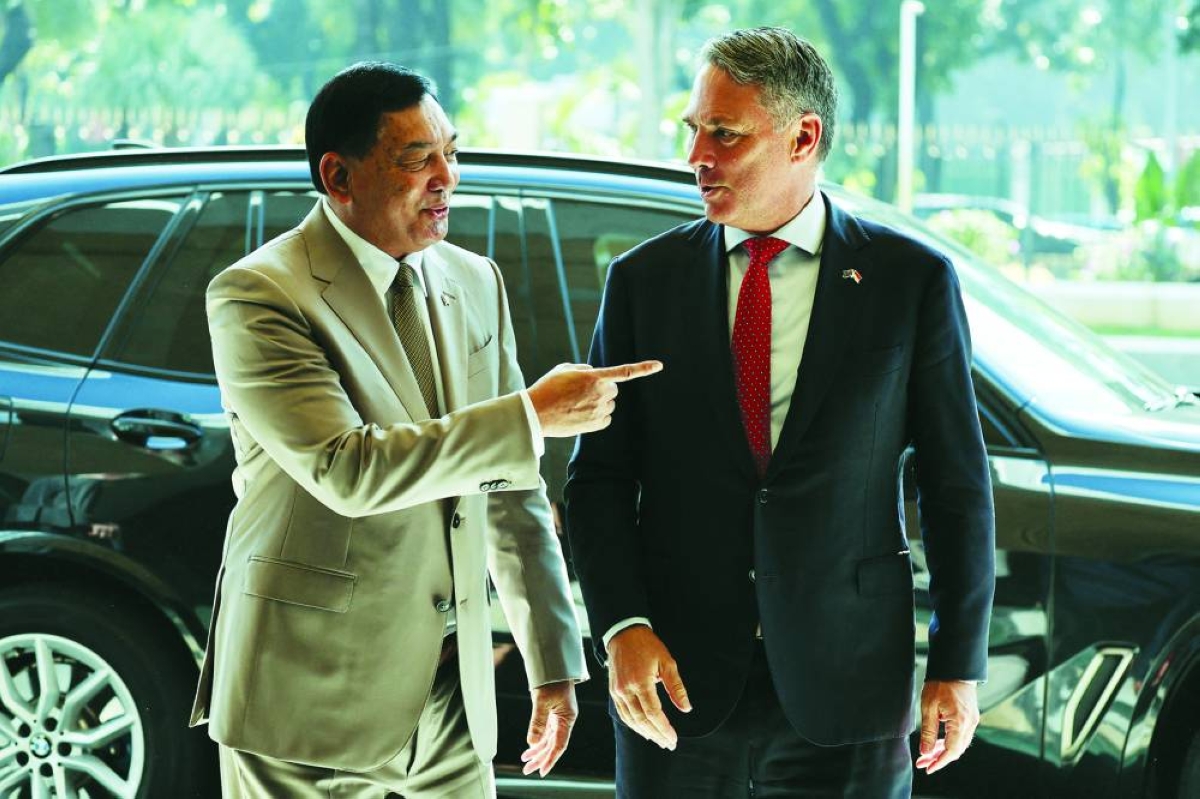
Australian Deputy Prime Minister and Minister for Defence Richard Marles interacts with Indonesia's Defense Minister Sjafrie Sjamsoeddin upon their meeting in Jakarta, Indonesia, Thursday. (Reuters) Indonesia and Australia are planning to expand their security co-operation to include Japan and Papua New Guinea, Jakarta's ‌Defence Minister said Thursday after a meeting ​with his Australian counterpart.Trilateral security arrangements would be developed with Indonesia, ‌Australia and ⁠Japan, and ‌between Indonesia, Australia and Papua ‌New Guinea, Sjafrie Sjamsoeddin told reporters after talks with Australian ⁠Defence Minister Richard Marles.The leaders of Indonesia and Australia signed a security treaty last month that commits them to consult each other if either country is threatened.Indonesia and Australia will work together on intelligence sharing, Sjafrie said, without providing details.The two ministers ​discussed the possibility of developing a defence training facility on the island of Morotai on North Maluku, with a proposal to upgrade ‌its existing defence infrastructure, he ⁠said, adding: "We ​will work together to improve and utilise it."Marles ​told reporters that the Morotai facility will belong to Indonesia "but there would be opportunities we see for Australia to engage in training there," adding that it is up to Indonesia to determine how it will be used.Sjafrie also said military personnel from countries such as the Philippines, Australia and Singapore would have access to the facility, as well as another ‌in North Kalimantan being developed ‌with Singapore.Indonesia was ⁠ready to deploy troops for the international security force in ⁠Gaza, but that ⁠was dependent on the current dynamic with US President Donald Trump's Board of Peace and the conflict in the Middle East, Sjafrie also said.Indonesia had been prepared to send 20,000 troops but was now ready to deploy 8,000, ​in phases, he said, with the move to scale back coming in response to pledges by other countries involved in the initiative to send numbers in the hundreds."The president has instructed us to prepare our troops, and we are ready to act, but we are awaiting developments from the BOP. I cannot confirm anything yet because the ‌situation is very dynamic," ​he added.  Related Story

World
Hungary returns seized Ukrainian bank vehicles, withholds cash and gold

Hungary returns seized Ukrainian bank vehicles, withholds cash and gold

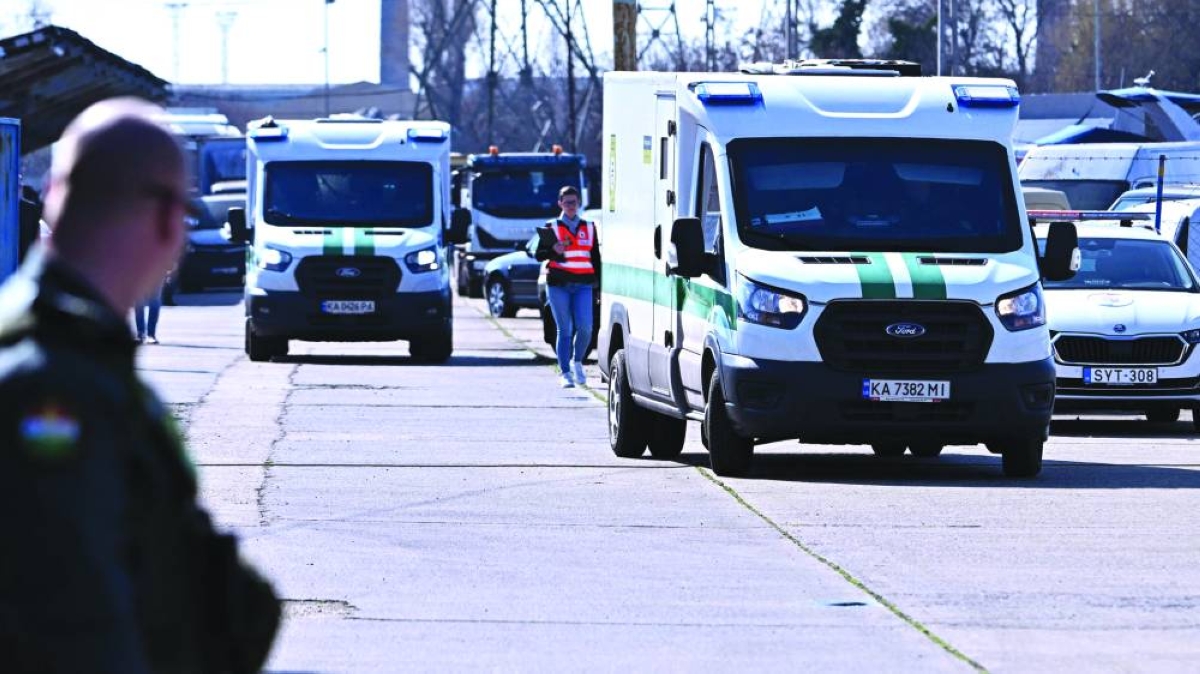
Two Ukrainian armoured cash transport vehicles are seen as the Hungary's National Tax and Customs Administration (NAV) returns these vehicles to the State Savings Bank of Ukraine, in Budapest Thursday. (AFP) Hungary returned two seized armoured bank vehicles to Ukraine Thursday but withheld cash and gold worth approximately $82 ‌million, citing an investigation into alleged money ​laundering, a move ‌that Kyiv has denounced as theft. Relations ‌between Hungary ⁠and ‌Ukraine, already strained by Hungarian ‌Prime Minister Viktor Orban's close ties to ⁠Russia, reached a new low last week when Hungary detained seven Ukrainians transporting cash and gold.Kyiv accused Budapest of taking the bank employees, engaged in a legitimate transfer, hostage in order to pressure Ukraine into restarting suspended ​oil shipments.Those detained were expelled by Hungary and crossed into Ukraine last Friday.Ukraine has demanded the return ‌of the seized ⁠assets, with Foreign ​Minister Andrii Sybiha on Sunday describing ​Hungary's actions as an "unprecedented act of state banditism and racketeering".The detainees' lawyer, Lorant Horvath, told reporters Thursday that the Ukrainian bank believed the money transport was "entirely lawful"."Oschadbank will use all legal means at its disposal to recover its assets," he said. Hungary's parliament passed a law proposed by Orban's ‌Fidesz party on Tuesday, ‌allowing the tax ⁠authority to retain the cash and gold for ⁠60 days ⁠while it investigates the origin and destination of the assets and evaluates any implications for Hungary's national security. The tensions come as Orban faces a serious electoral challenge to his 16-year rule on ​April 12. He has made the war in Ukraine a central plank of his campaign, saying the centre-right opposition would drag Hungary into the conflict, which the opposition has repeatedly denied.Orban has also vetoed new EU sanctions on Moscow as well as a huge loan for ‌Ukraine over ​the oil dispute.  Related Story

World
G7 Energy ministers ready to take ‘All Necessary Measures’ on oil reserves

G7 Energy ministers ready to take ‘All Necessary Measures’ on oil reserves

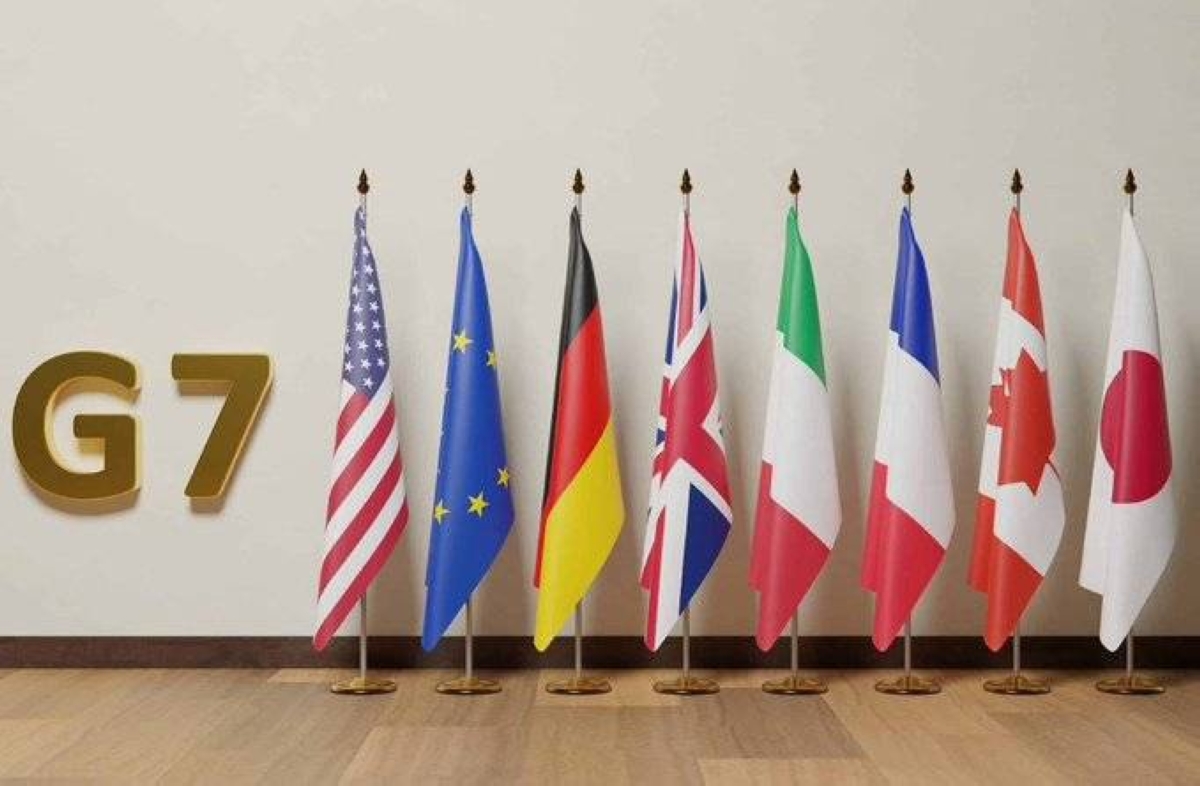
Energy ministers of the Group of Seven (G7) on Wednesday affirmed their readiness to take "all necessary measures" regarding oil reserves, hours before a meeting of G7 leaders, amid sharp volatility in crude prices caused by the ongoing war in the Middle East.In a statement issued after a virtual meeting on Tuesday with Executive Director of the International Energy Agency (IEA) Fatih Birol, the ministers said that "G7 members will carefully consider the recommendations issued during these discussions."They added that they support in principle the implementation of proactive measures to address the situation, including the use of strategic reserves, noting that coordination is ongoing within the G7 as well as with IEA member states and other partners."We agreed to stand ready to take all necessary measures in coordination with IEA Members," the statement said.The discussions followed a meeting of G7 finance ministers on Monday, which was followed by a meeting of energy ministers on Tuesday, to examine the option of using emergency oil reserves.Leaders of the G7 countries -- Britain, Canada, France, Germany, Italy, Japan and the United States -- are scheduled to hold a meeting later Wednesday, at the request of French President Emmanuel Macron, focusing on the war in the Middle East, with discussions expected to include the issue of strategic oil stockpiles.Emergency oil stocks held by IEA member countries currently exceed 1.2 billion barrels, in addition to about 600 million barrels held by industry under government mandates.