1. Home
  2. World

Category: World

World
What is at stake in the Islamabad talks

What is at stake in the Islamabad talks

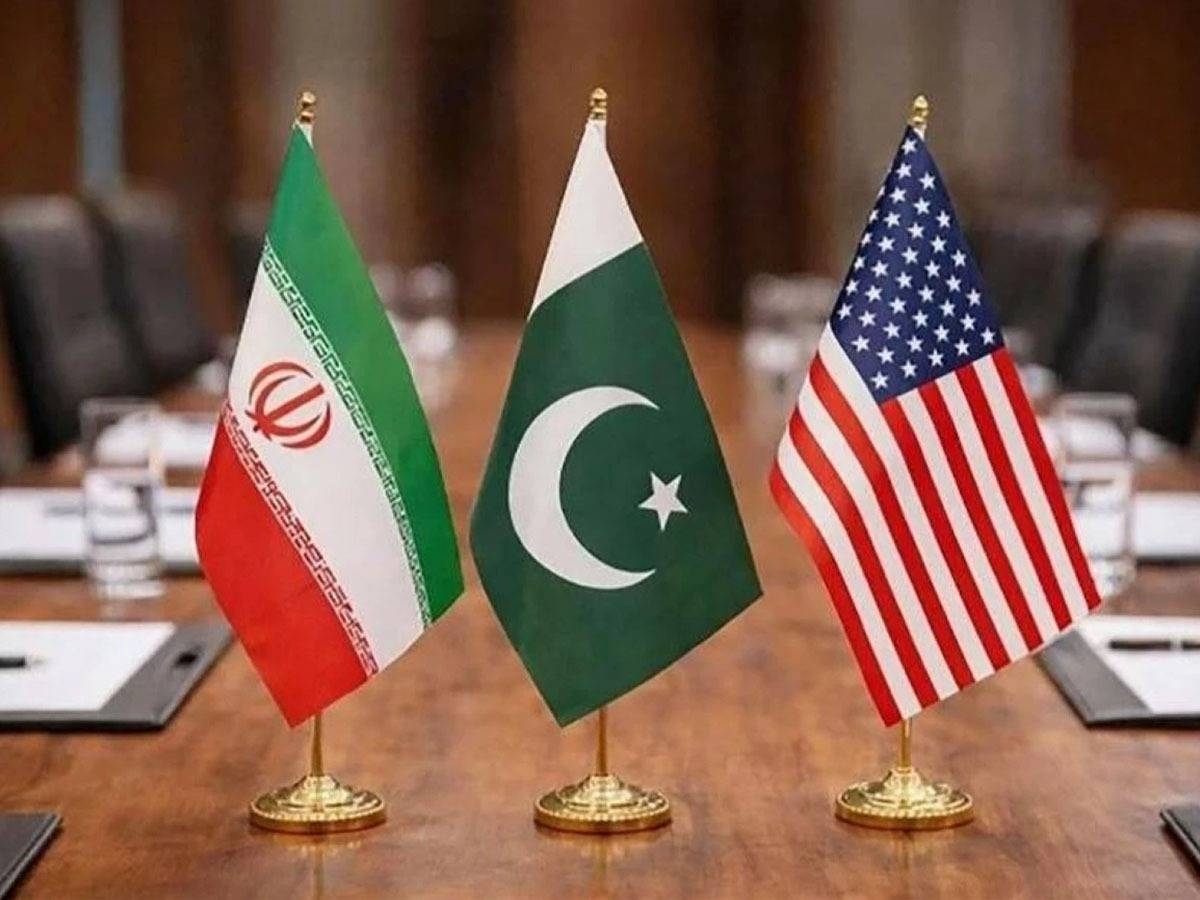
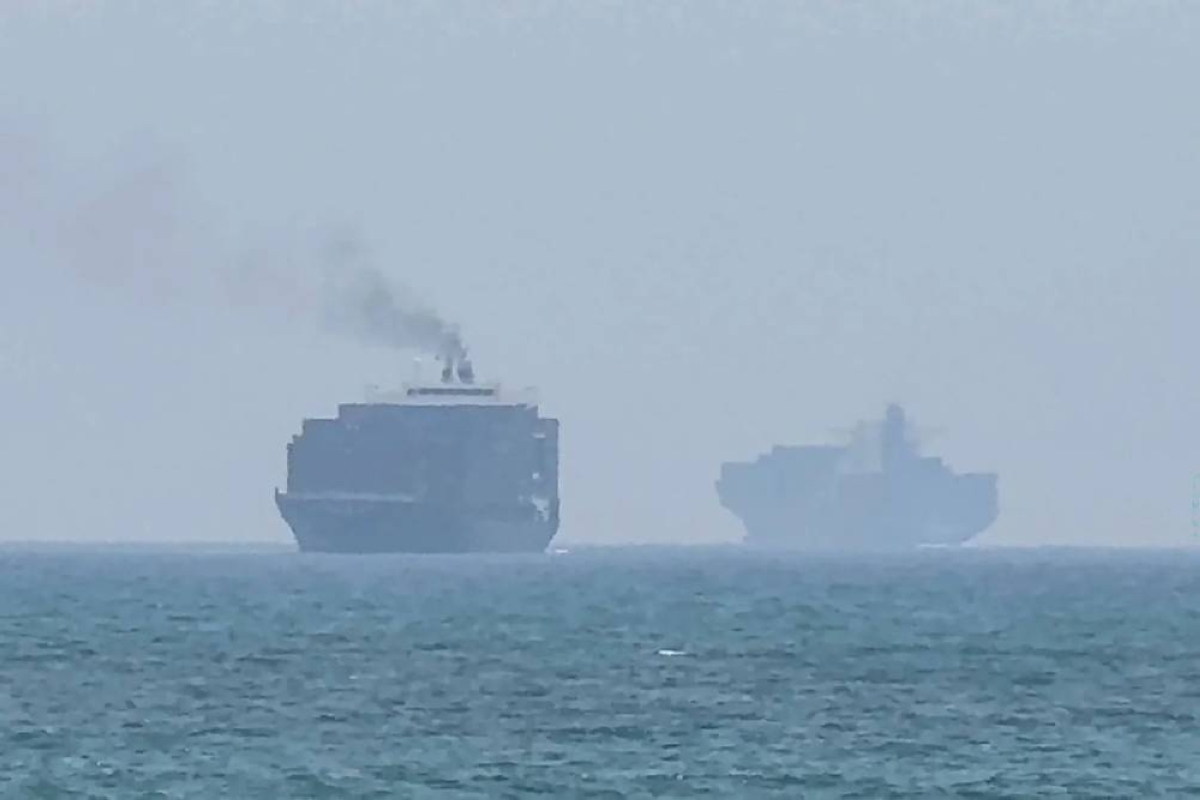
The US and Iran are set to hold peace talks in Pakistan, which has been mediating, but remain deeply divided on key issues, even though President Donald Trump has said proposals presented by Tehran were a "basis" for talks. Each side is sticking to competing demands for a deal to end the war, with the fate of shipping access through the Strait of Hormuz and Israel's war in Lebanon key issues to resolve. How the talks progress could shape the Middle East for generations. Where do both sides stand?An Iranian delegation is due in Islamabad for talks based on a 10-point proposal, which ⁠shows little overlap with a 15-point plan Washington previously put forward, suggesting there will be major gaps to bridge. For example, Iran's proposal includes a demand to enrich uranium, which Washington previously ruled out and Trump has insisted ⁠is non-negotiable. The 10 points also do not address Iran's missile capabilities, which Israel and the US have both said must be dramatically curtailed. Tehran has said its formidable missile arsenal is non-negotiable, although it is unclear how many of those weapons remain after the war. One Pakistani official in the region said Iran could expect to secure many of its demands, with a focus on reconstruction, reparations and sanctions relief, but could not expect to secure an agreement on uranium enrichment. What will top the agenda? Previous talks have focused on Iran's nuclear programme and missiles. Those issues have now been overshadowed by the fate of the Strait of Hormuz, a chokepoint through which a fifth of the world's oil and liquefied natural gas flows. Iran's effective closure of the waterway since the beginning of the war on February 28 has rattled the global economy, pushing up oil prices. Tehran has indicated that under a permanent peace deal, ⁠it would seek to charge a fee for ships transiting the strait, which is just 34 km (wide at its narrowest point between Iran and Oman. Trump had threatened to devastate Iran if Tehran did not agree to a ceasefire deal and to reopen the strait. There was no sign Iran had lifted its blockade of the waterway, which has caused the worst disruption to global energy supplies in history, and Tehran said there would be no deal as long as Israel was striking Lebanon. How do Iran and US plans compare? Iran's Supreme National Security Council said in a statement that Washington had agreed to accept Iran's 10-point plan and that "the United States has, in principle, committed to": non-aggression; continued Iranian control over the Strait of Hormuz; acceptance of enrichment; lifting all primary and secondary sanctions; termination of all resolutions passed by the UN Security Council and Board of Governors of the International Atomic Energy Agency; withdrawal of US combat forces from the region; and cessation of war on all fronts, including against the Islamic resistance in Lebanon. According to Israeli sources, Trump's ⁠15-point proposal, previously sent to Iran via Pakistan, called for removing Iran's stocks of highly enriched uranium, halting enrichment, curbing its ballistic missile ⁠programme and cutting off funding for regional allies.As the two ⁠sides prepare to hold negotiations, Trump vowed to retain military assets in the Middle East until a peace deal with Iran is reached and warned of a major escalation in fighting if it failed to comply. What are the chances of reaching a lasting settlement?Although Trump has declared victory, Washington did not achieve the aims he had announced to justify the war at its outset: to eliminate Iran's ability to attack its neighbours, destroy its nuclear programme and create conditions that would make it easier for Iranians to topple their government. Iran is unlikely to make major concessions on those points and it has indicated it can patiently keep on fighting, with the Strait of Hormuz giving it economic leverage over an enemy with superior firepower. What is Israel's position and where does Lebanon fit in?Israel, which has been pounding Iran's ally Hezbollah in Lebanon in a parallel conflict, sees Tehran as an existential threat. Israeli Prime Minister Benjamin Netanyahu would like regime change in Iran even though that would probably require boots on the ground and there are no guarantees of stability afterwards. The question of whether the ceasefire covers Israel's war against Hezbollah has become a sticking point that threatens the truce. The US and Israel say Lebanon is not included in the agreement, while Iranian President Masoud Pezeshkian has said a halt in hostilities in Lebanon was an essential condition of Tehran's deal with Washington. Israel said it had agreed to a ceasefire with Iran, but said the deal did not include halting military action in Lebanon. Related Story

World
Islamabad on holiday ahead of US-Iran talks

Islamabad on holiday ahead of US-Iran talks

Pakistan has declared two days of local holidays in the capital at short notice from Thursday, authorities said, ahead of talks between the United States and Iran due to take place in Islamabad.No reason was given in the notification issued by the Islamabad district administration late Wednesday, but authorities in the capital have often announced holidays or restrictions for security reasons ahead of high-profile diplomatic events.Pakistan has been preparing for high-stakes talks involving US and Iranian representatives over the war in the Middle East, with the White House saying Vice President JD Vance will be leading a team to the negotiations in Islamabad "this weekend".The holidays on Thursday and Friday apply only to the Islamabad Capital Territory, the notice posted by Islamabad's district commissioner on Wednesday said. Related Story

World
Italian Prime Minister pledges to work with partners to restore navigation freedom in Strait of Hormuz

Italian Prime Minister pledges to work with partners to restore navigation freedom in Strait of Hormuz

Italian Prime Minister Giorgia Meloni on Thursday pledged to work with her partners to restore freedom of navigation in the Strait of Hormuz, stressing that this is a vital interest for her country and the entire European Union.In a speech before the Italian Chamber of Deputies, Meloni said that if Iran succeeds in gaining the authority to impose additional fees on ships transiting the Strait, this could lead to economic repercussions and changes in trade flows. She revealed that Italy is working with the British-led coalition on the Strait of Hormuz, which includes more than 30 countries, in an effort to create the security conditions that would allow for the full restoration of freedom of navigation and supplies. She condemned all violations of the ceasefire agreement reached between the United States and Iran, which is in effect for two weeks, stating that the world now faces "a fragile horizon for peace that must be pursued with determination and resolve." In her address, Meloni also called on the Israeli occupation to end its military operations in Lebanon, stressing the importance of reaching a comprehensive ceasefire in the Middle East. Regarding domestic affairs, the Italian Prime Minister ruled out a major cabinet reshuffle and pledged to remain in office until the end of her term, which is scheduled to last until the second half of next year.It is worth noting that this was Meloni's first address to Parliament since her crushing defeat in a referendum on judicial reforms held two weeks prior, which led to the resignation of some members of her government

World
French President working on securing a ceasefire in Lebanon

French President working on securing a ceasefire in Lebanon

Lebanese Prime Minister Nawaf Salam received a phone call today from French President Emmanuel Macron. According to a statement issued by the Lebanese government, President Macron confirmed that he is undertaking intensive diplomatic efforts to secure a ceasefire in Lebanon. (

World
UN Secretary-General strongly condemns Israeli strikes across Lebanon

UN Secretary-General strongly condemns Israeli strikes across Lebanon

UN Secretary-General Antonio Guterres strongly condemned the massive strikes launched by Israel on Lebanon, which resulted in hundreds of civilians being killed and injured, including children."The ongoing military activity in Lebanon poses a grave risk to the ceasefire and the efforts toward a lasting and comprehensive peace in the region", the Secretary-General said in a statement issued Thursday, reiterating his call to all parties to immediately cease hostilities.Guterres called for respect for international law, including international humanitarian law, and the protection of civilians and civilian objects, stressing that any attacks targeting them are unacceptable.The Secretary-General emphasized that there is no military solution to the conflict and urged all sides to avail themselves of diplomatic channels and recommit to the full implementation of Security Council resolution 1701.Lebanon was subjected yesterday, Wednesday, to the most intense Israeli attacks since March 2, targeting the capital Beirut and areas in the Beqaa Valley and southern Lebanon, just hours after the United States and Iran announced a two-week ceasefire as a prelude to ending the war.

World
Taiwan opposition leader talks peace with China as her party skips defence talks in Taipei

Taiwan opposition leader talks peace with China as her party skips defence talks in Taipei

Kuomintang Chairperson Cheng Li-wun (left) sitting in the cockpit of a display aircraft with Song Tao, Director of the Taiwan Work Office of the Communist Party of China Central Committee and Taiwan Affairs Office of

World
Indonesia probes torpedo-like object found in its waters

Indonesia probes torpedo-like object found in its waters

A torpedo-like 3.7m-long and 65cm-wide object, discovered by a fisherman near the Lombok Strait after being towed ashore onto a beach on Gili Trawangan, West Nusa Tenggara. (AFP) The Indonesian navy said Thursday it was investigating a torpedo-like object discovered by a fisherman near the Lombok Strait, a key maritime route connecting the Indian and Pacific Oceans.The 3.7m-long and 65cm-wide object was fished from the ocean on Monday about 10km from the popular tourist island of Gili Trawangan, West Nusa Tenggara, the navy said.A 28-year-old fisherman immediately reported the unusual find to the local authorities, who retrieved it."The Indonesian navy will promptly carry out an in-depth examination... of the device to determine its origin, function, and the data contained within it," navy spokesman Tunggul, who like many Indonesians has only one name, told AFP."The Indonesian National Armed Forces will remain fully committed to safeguarding the sovereignty and security of Indonesia's territorial seas from all forms of unauthorised activities, including the use of underwater devices or equipment by unauthorised parties in Indonesian waters."Mataram naval base chief Asep Tri Prabowo told reporters Wednesday the object was under strict supervision and would be sent to Jakarta for further investigation.An initial examination by the West Nusa Tenggara Police's bomb squad confirmed it did not contain any explosive or radioactive substances, he added.Indonesian media reported that lettering on the object suggested it may have been manufactured by the China Shipbuilding Industry Corporation. It appeared to be a device to measure the speed of currents.This was not the first time a foreign object has been found in Indonesian waters.In 2021, a fisherman discovered a seaglider in the Selayar Islands, South Sulawesi that the military suspected was being used for oceanographic research. 

World
Corruption,crime top voter concerns in Peru election

Corruption,crime top voter concerns in Peru election

Peruvians head to the polls on April 12, ‌hoping to break a cycle of political turmoil that has prevented any president ​from completing a full term ‌over the past decade, amid corruption scandals, rising crime and voter frustration.About 27mn Peruvians are ⁠eligible to vote ‌for a new president and a newly ‌reinstated bicameral congress. Polling stations open at 0700 local time (1200 GMT) on Sunday and close at ⁠1700, when paper ballots measuring nearly half a meter (44 centimeters)-the longest in the country's history-will then be counted.In a busy Lima suburb, campaign posters for dozens of presidential hopefuls crowd roundabouts and lamp posts as a record 35 candidates vie for attention.'I've seen the ballot and it honestly gave me a headache,' said shopkeeper Marlene Jimenez. 'I don't know who to vote for.'Opinion polls suggest right-wing candidate Keiko Fujimori holds a narrow lead ​ahead of Sunday's vote. She is closely followed by at least three contenders-including two former mayors of Lima, the ultra-conservative Rafael Lopez Aliaga and media entrepreneur Ricardo Belmont, and political outsider, Carlos Alvarez, a former ‌comedian.None of the candidates poll ⁠above 15%, making ​a runoff on June 7 almost certain, analysts said. The three candidates trailing Fujimori, ​daughter of late former president Alberto Fujimori, are also in a technical tie, said Urpi Torrado of polling firm Datum Internacional.'There are four days to go (until Sunday), and the story can change,' Torrado said.The high number of undecided voters means that the second tier of candidates 'cannot be ignored', said Nicolas Watson at consultancy Teneo, even if they only garner 4.5-6% support.Surveys suggested about 13% of voters remained undecided.For many Peruvians, the fragmented contest reflects deeper institutional decline. The country has cycled through eight presidents since 2018, as leaders were either impeached, jailed or forced from ‌office.These elections could mark a ‌break from this cycle of instability, or 'keep ⁠us trapped in it', said political analyst Fernando Tuesta.The fight against corruption is a prominent ⁠campaign theme. Four former presidents are ⁠currently in prison, most linked to bribery cases that involved Brazilian construction firm Odebrecht. Alberto Fujimori served 16 years in jail for human rights abuses and died in 2024 after being released on humanitarian grounds.Crime, however, now rivals-and in many cases surpasses- corruption as the top voter concern.Peru was not traditionally associated with organised crime, but homicide and extortion have surged, particularly hitting transport workers ​and small businesses, said professor Paula Munoz at Lima's Universidad del Pacifico.Official data shows extortion cases were up nearly 20% last year, and homicide rates reached new records.The rise has fuelled support for tougher, populist responses on the right, Munoz said, reflecting a broader Latin American trend in which crime is increasingly seen as an issue best handled by hardline leaders, like El Salvador's President Nayib Bukele.Proposals by some candidates include deploying troops, reinstating the death penalty, withdrawing from international human rights courts, and allowing magistrates handling criminal cases to remain ‌anonymous that would reinstate ​the country's so-called 'faceless judges,' which Peru has not had since 1997. 

World
World Bank trims Latin America growth estimate for 2026

World Bank trims Latin America growth estimate for 2026

The World Bank trimmed its estimate for economic growth in ‌Latin America and the Caribbean for 2026, citing ​the region's long-standing structural challenges, ‌compounded by high borrowing costs, weak ‌external demand, geopolitical ⁠tensions and ‌persistent inflation.In its latest ‌Latin America and the Caribbean Economic Update, published on Wednesday, the ⁠World Bank forecast the region to grow 2.1%, below the 2.4% growth recorded in 2025 and lower than the 2.5% growth that the group forecast in October.The report noted that private consumption remains the main driver of demand."The binding constraint is investment, which ​remains subdued as firms wait for clearer signals on the external environment and domestic policy frameworks," the report said. It highlighted Argentina as ‌the regional exception, "as ⁠stabilisation and reforms have ​improved expectations and financial conditions" in the region's ​third largest economy.The World Bank forecast sluggish growth for the region's two largest economies for this year and next, pointing to "slower momentum amid tight domestic financial conditions, limited fiscal space, and trade policy uncertainty."Gross domestic product (GDP) for the region's largest economy, Brazil, is forecast to grow 1.6% this year, before ticking up to 1.8% next year, the report said.Growth in ‌Mexico, where the ‌ongoing review of Mexico's ⁠trade deal with the US and Canada has fuelled ⁠uncertainty and hit investment ⁠flows, is forecast at 1.3% in 2026, before rising to 1.7% next year.On the upside, the region has significant untapped potential for future growth, the World Bank said, emphasising that the region possesses roughly half of the world's lithium ​reserves, a third of its copper, a clean energy mix and ongoing reform efforts in several nations.The report advises countries in the region against jumping straight to complex industrial policies to harness that potential. Instead, it urges governments to focus on "getting the basics right first," such as investing in skills, maintaining open economies and strengthening institutions to create ‌an environment ​where businesses can thrive, ultimately creating quality jobs.  Related Story

World
Brazil’s Chief Raoni backs Lula in elections

Brazil’s Chief Raoni backs Lula in elections

Brazilian indigenous leader Chief Raoni Metuktire of the Caiapo people, speaks during a press conference in Brasilia on Wednesday (AFP) Brazil's renowned Amazonian tribal chief Raoni Metuktire told AFP on Wednesday he supported the re-election bid of President Luiz Inacio Lula da Silva in October polls, despite criticising him for expanding oil exploration.Now in his nineties, the Indigenous leader who has spent decades rallying the world to protect the rainforest has forged close ties with the president, known widely as Lula.At the start of Lula's third term, Raoni — instantly recognisable with his large wooden lip plate — walked alongside him up the ramp of the presidential palace for his inauguration."I am going to support him," in October, Raoni told AFP in the Kayapo language through an interpreter on the sidelines of a gathering of Indigenous people in Brasilia.The Kayapo chief last year said he was prepared to give the president a "talking-to" if he ignored concerns over oil exploration near the mouth of the Amazon River.He demanded the veteran leftist "listen to us... he must respect us."Lula is seeking a fourth term in October and his main rival is Flavio Bolsonaro, son of the far-right former president Jair Bolsonaro whose government froze land demarcations — official recognition of Indigenous land — and facilitated deforestation in the Amazon.Lula "has already demarcated some Indigenous lands, so I support him so that he may continue to be president," said Raoni.Since 2023, Lula has approved the official demarcation of some 20 territories for the exclusive use of Indigenous communities, and has overseen a dramatic decline in deforestation in the Amazon.Nevertheless, he has come under increasing pressure to do more from Indigenous groups who are protesting in Brasilia this week to demand the protection of more of their ancestral lands.In recent months Indigenous groups have also protested the expansion of ports for grain transport along Amazon rivers, as well as plans to build a railway line through the world's largest forest."You non-Indigenous people harbour this destructive mindset of destroying nature and polluting rivers, which is what causes this climate crisis," said Raoni."This harms all of us in Brazil. It is not only Indigenous people who will feel the effects of climate change."