1. Home
  2. World

Category: World

World
As Colombia goes to the polls, guerrilla violence traumatises its children

As Colombia goes to the polls, guerrilla violence traumatises its children

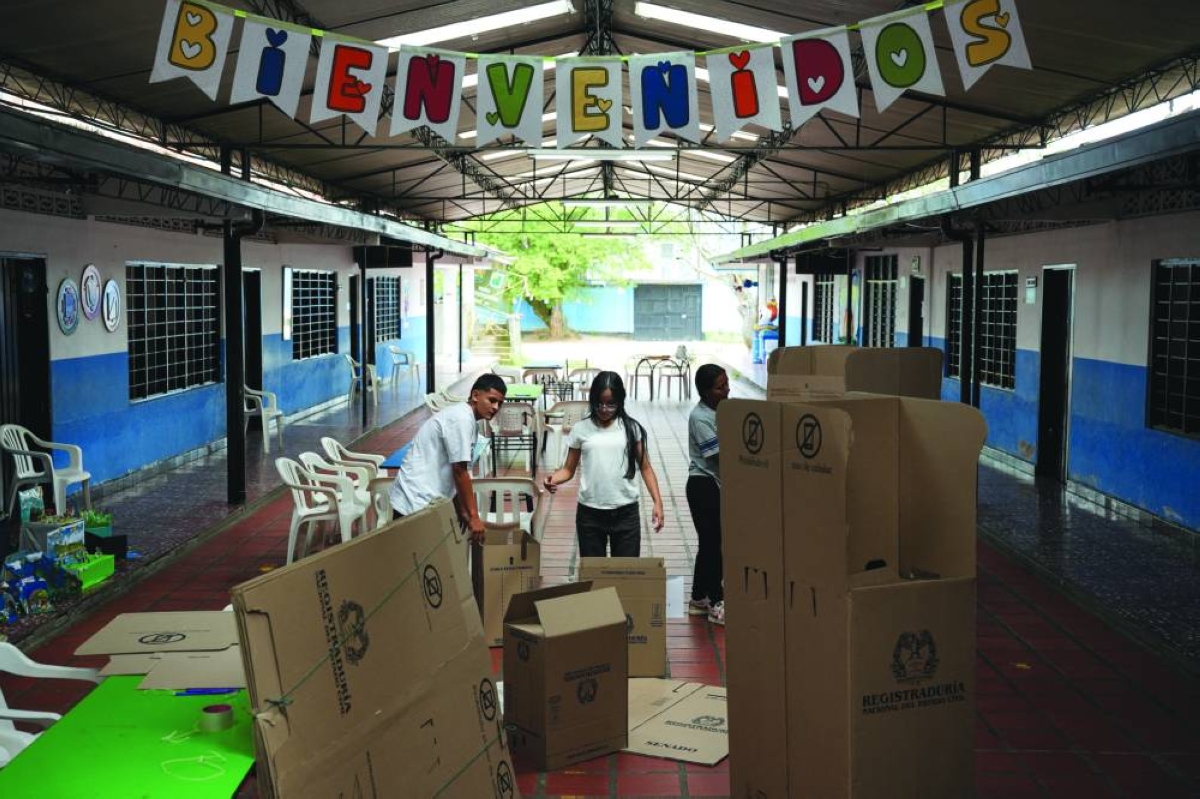
Staff of the National Electoral Registry prepare voting materials for the first round of the presidential election to be held on May 31, in Santander de Quilichao, Colombia, May 30, 2026. REUTERS/Jair F. Coll Jose Moran arrived at his town's community center this week to find its zinc roof destroyed by an explosives-laden drone, the result of guerrilla violence that has blighted this region of Southwestern Colombia.As the Latin American country prepares to vote today for a new president, Moran is pleading for peace, saying that the conflict is taking its toll on residents of the municipality of Suarez, particularly its children."We live here in a state of great anxiety, with constant nervousness," the 73-year-old community leader told AFP."And the saddest part is that the children — well, they see a helicopter... or they hear any little sound, and immediately they cry out, 'The war is coming! The war is coming!'""So the children are deeply traumatized."Surrounded by cloud-shrouded Andean mountains and lush tropical vegetation, their community sits near a military base that is under constant assault by dissident factions — groups that broke away from a 2016 peace accord with the now-defunct FARC guerrilla organization.Inhabited predominantly by Afro-Colombian and Indigenous peasant communities, the town of Suarez is a key operational zone for the forces of Ivan Mordisco, the country's most-wanted guerrilla commander, who has waged relentless attacks against both security forces and civilians.The rebels also clash with rival organizations over the spoils of illegal mining and drug trafficking within Colombia, the world's largest producer of cocaine."They may have their own reasons for their conflicts, but the problem is that we are the ones caught in the middle," laments Moran.Outgoing leftist President Gustavo Petro attempted unsuccessfully to negotiate peace with the various armed groups, and Sunday's presidential election will pit opposing visions on how to end Colombia's half-century of conflict.The frontrunner in the polls, leftist Senator Ivan Cepeda, advocates continuing Petro's "Total Peace" policy — a strategy criticized by the opposition as being too lenient toward armed groups.His closest rival, right-wing lawyer Abelardo de la Espriella, pledges instead to confront guerrilla groups with an iron fist.He plans to dismantle the tribunal established under the peace accord with the FARC, which adjudicates the conflict's worst crimes by offering alternatives to imprisonment for those who tell the truth about their offenses.Regardless of who wins the election, "may they search their conscience... and be able to bring a little peace and tranquility," said Flor Valencia, who runs a local school and has witnessed the conflict's impact on children.Petro held peace negotiations with Mordisco for a year, but the rebel leader abandoned the talks in 2024 and redoubled his offensive against the state."When those sounds start — the explosions — you just want to weep out of sheer desperation," said Valencia, who recounted how the children become "terrified" and she must shield them from stray bullets.Mayor Cesar Ceron said that last year Suarez saw 77 attacks involving explosives and drones — primarily targeting the military base and the police station — though civilians are regularly caught in the crossfire.The violence is "out of control," he said.At a hotel across from the police station, staff members are at their wits' end over car bombs and drone attacks."Out of fear of the violence, tourists have stopped wanting to stay at our hotel," said its 25-year-old manager, Tania Cervantes."Please, let peace finally come."Suarez is the birthplace of Petro's Vice President Francia Marquez, who was the 2018 recipient of the prestigious Goldman Environmental Prize for grassroots activists.In 2019, Marquez survived a gun and grenade attack for defending black communities' water resources against mining operations in the region.Ceron said that the next president "absolutely must provide us with complete security," but added that cannot be achieved "solely through military force."He called for social policies that "provide economic guarantees to families." 
World
Pentagon chief says US seeks ‘stable equilibrium’ with China in Asia

Pentagon chief says US seeks ‘stable equilibrium’ with China in Asia

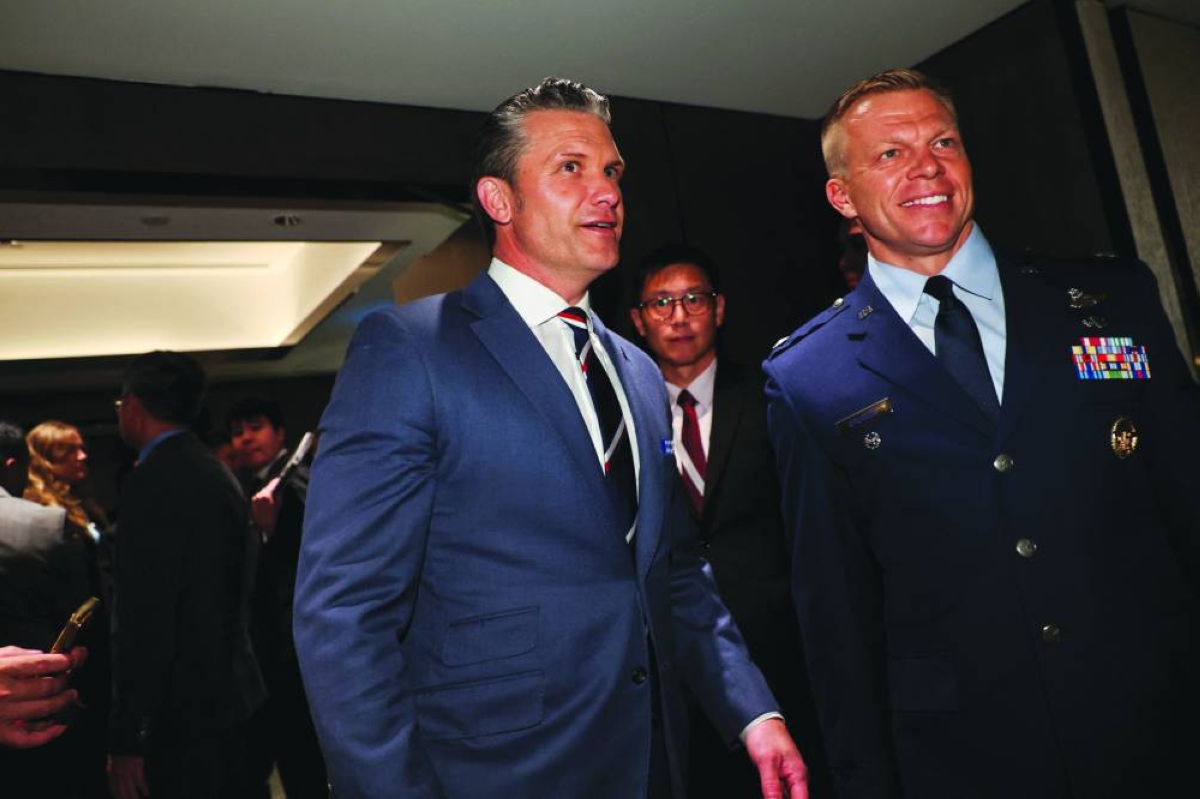
Pentagon chief Pete Hegseth struck a measured tone towards China at a major defence forum on saturday, noting "rightful alarm" over Beijing's military build-up but saying Washington sought a "stable equilibrium" in Asia.Hegseth's headline speech at Singapore's Shangri-La Dialogue, which brings together top defence officials and experts from about 45 countries, contrasted with his strongly confrontational remarks on China at last year's gathering.It came as Donald Trump struggles to resolve the Middle East war — which has caused oil prices to soar, hurting major Asian economies — and after the US president met his Chinese counterpart Xi Jinping against the perennial background of tensions over Taiwan."When we look across the region today, there is rightful alarm regarding China's historic military build-up and the expansion of its military activities in the region and beyond," Hegseth said.Washington does not seek "needless confrontation" but rather "a genuinely stable equilibrium (in Asia) that works for Americans as well as our allies", he said.That means "a favourable but durable balance of power in which no state, including China, can impose its hegemony and hold the security or prosperity of our nation and our allies in question", according to Hegseth.Unlike Beijing, which has sent a panel of military experts and scholars instead of Defence Minister Dong Jun for the second year running, Hegseth is leading a bumper US delegation to the event that provides chances for both open debate and closed-door diplomacy.The Pentagon chief said the US sought "respectful" and "good-faith" engagement with Beijing, adding: "I wish my counterpart was here at this conference, but I look forward to other options when we can cross paths."Major General Meng Xiangqing, the head of the Chinese delegation, said following the speech that "stable US-China relations are not only good for both peoples, but also good for regional stability and global peace".Trump visited China this month, talking up "fantastic" trade deals but giving few details and later suggesting Washington could use its arms sales to self-ruled Taiwan as a bargaining chip with Beijing.There had been "no change" in Washington's stance towards Taiwan, but "any decision about future Taiwan arms sales... will rest with" Trump, Hegseth said.His remarks about the regional state of affairs contrasted sharply with last year's event, when Hegseth painted China as a potentially "imminent" threat to security and outlined a swaggering vision of muscular American deterrence.Chinese delegate Da Wei, director of the Center for International Security and Strategy at Beijing's Tsinghua University, told AFP this year's address was "much more moderate".However, he said Hegseth's depiction of a hegemonic China was "ironic... given what the US is doing in Iran and has done in Venezuela."US delegate Tammy Duckworth, a Democratic senator and Trump critic, said Hegseth's remarks were overly conciliatory towards China."I worry that this administration is being distracted into wars that they've started in other parts of the world at the expense of our commitment here in the Indo-Pacific," she told reporters.Instead of Dong, China has sent experts and scholars from its army's academic institutions, led by Meng of the National Defense University.Analysts have said Dong's no-show reflects Beijing's confidence as an established power with little inclination to answer publicly for its assertive moves in the region.Some argue, however, that China is also running the risk of having no senior policymaker present if two major security issues come up: reopening the Strait of Hormuz, and Beijing's claim to Taiwan.Hegseth praised nations including South Korea, Japan, Australia and the Philippines for boosting their defence spending, while threatening consequences for nations that "free-ride"."Those days are over. Allies who refuse to step up and carry their own weight for our collective defence will face a clear shift in how we do business."Hegseth's remarks came as a peace deal between the US and Iran to end their war remained elusive.A White House official told AFP on Friday that Trump, who is weighing a final decision on a potential accord, would only commit if Iran met all his conditions.But Iran has said "no final agreement" is in place, and its state media has rebutted parts of Trump's characterisation of the deal.Hegseth said Washington was "more than capable" of restarting the war if it wanted.Separately, Hegseth and his British and Australian counterparts announced that they would team up under their AUKUS security alliance to develop payloads for undersea drones. 

World
Austrian protest shuts key European highway

Austrian protest shuts key European highway

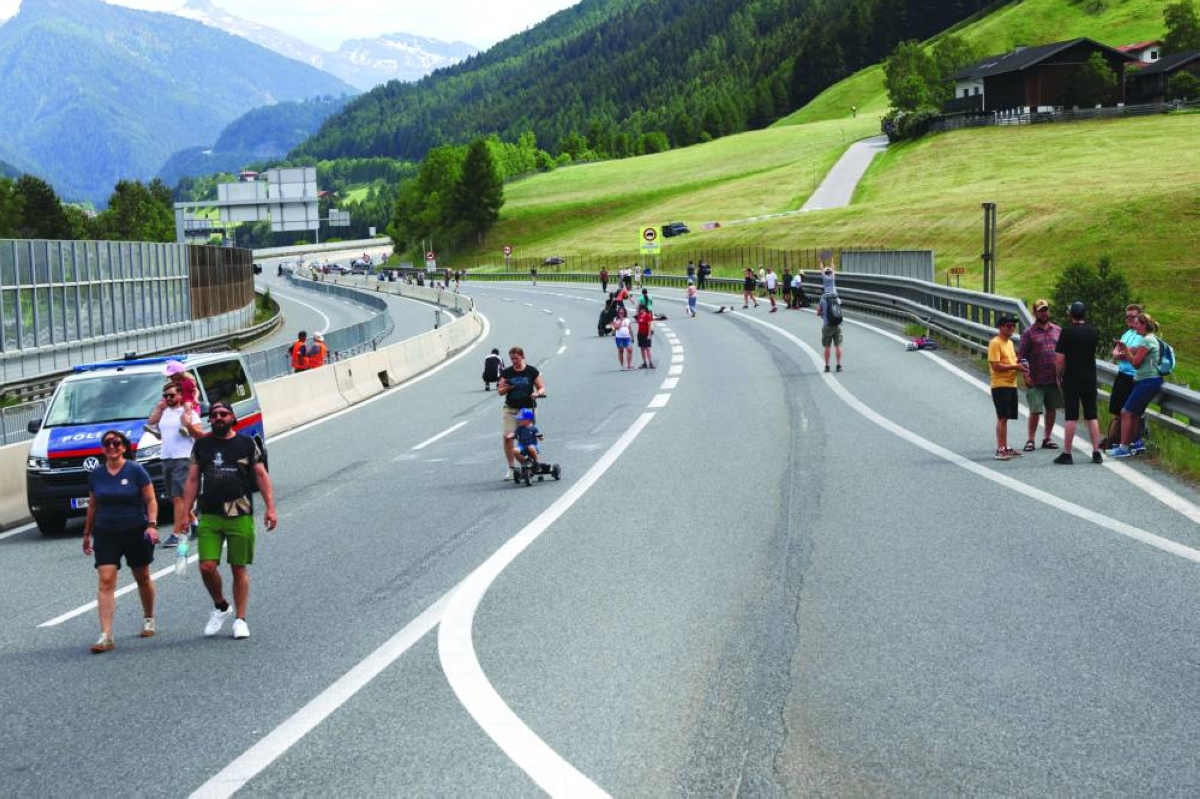
A protest in Austria yesterday against noise and pollution blocked one of Europe's most important highways connecting Germany and Italy but early reports showed traffic disruptions were not as bad as feared.The Brenner Pass links northern and southern Europe, with the Austrian stretch providing trans-Alpine access into Italy.Communities in Austria's western Tyrol province have long complained about traffic on the route, especially trucks passing through the province.Several thousand protesters gathered on a stretch of the road at Matrei am Brenner on Saturday, according to an AFP reporter at the scene."We want to send a message to Brussels, to the federal government in Vienna, that things absolutely cannot and must not continue like this with the constantly increasing traffic here," organiser Karl Muehlsteiger told AFP ahead of the protest."This has been an issue for a very, very long time. It's been dragging on for years," said Muehlsteiger, who is the mayor of Gries am Brenner."It is no longer manageable for the population, no longer bearable," he added, saying pollution, noise and traffic jams were plaguing local communities like his along the highway.To make space for the protest, authorities closed part of the highway and surrounding roads to all transit traffic from 11:00am local time (0900 GMT) to 7:00pm.Austria's motoring club OeAMTC had warned of the possibility of "extensive traffic jams" and advised drivers to avoid travelling through Tyrol that day.But the OeAMTC said on Saturday morning that there were "no significant traffic jams at all" and that "so far it has been very quiet".The German motorists' association ADAC also said there were no traffic jams on the German side.However, Italian train operator Trenitalia reported massive disruptions to rail traffic on the Brenner to Verona line during the protest due to a "malicious act by unknown persons".Lorry traffic through the Alpine Brenner Pass has increased to the point that more than 2.4 mn vehicles used it last year, according to mobility organisation VCOe.This compares to a total of 860,000 trucks passing through neighbouring Switzerland via four transit routes, VCOe added.In 1991, only 900,000 lorries used the Brenner Pass, according to road statistics.Austria has for years been at loggerheads with the European Commission, which has said any ban on heavy goods lorries (HGVs) risks disrupting EU road traffic.In 2023, the European Union's top court suspended an Austrian order banning heavy goods lorries from a stretch of the highway.Austria has been in dispute with its EU neighbours over the environmental impact of HGV traffic ever since it joined the bloc in 1995. 

World
Hungary to reform public media after long pro-Orban bias

Hungary to reform public media after long pro-Orban bias

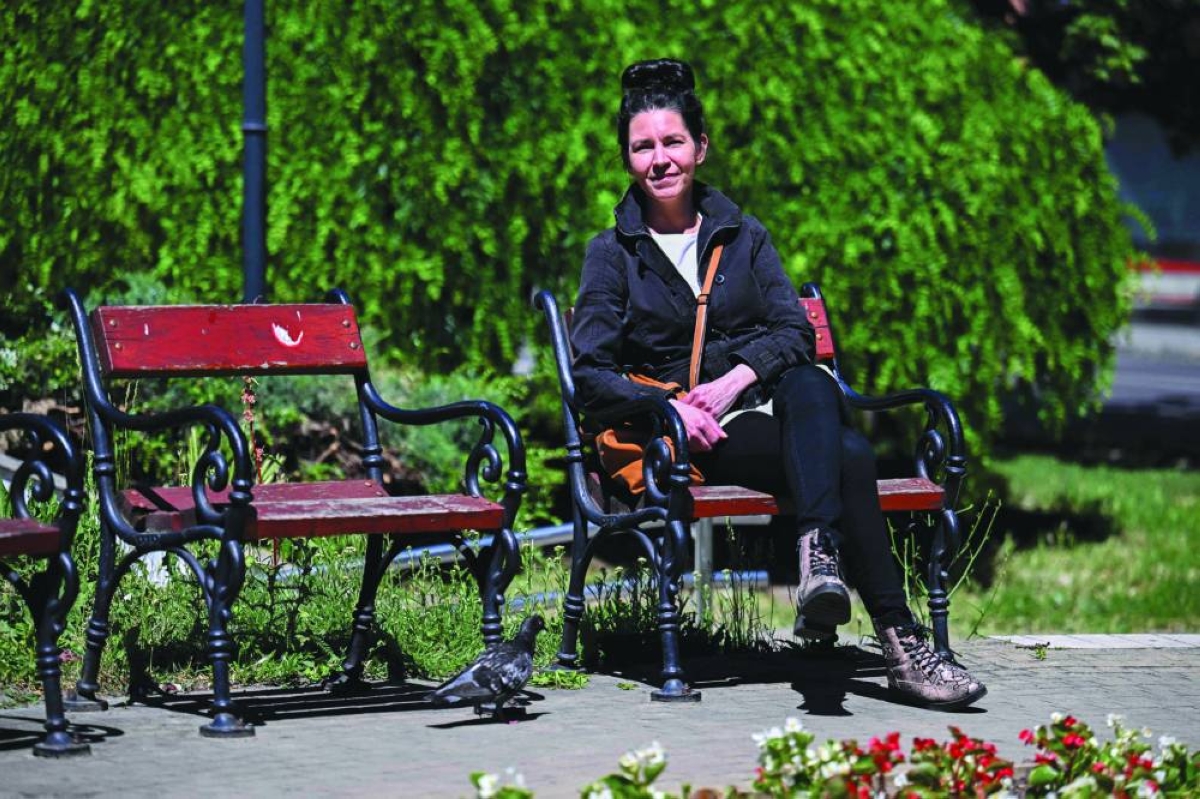
Photo taken on May 29, 2026 shows Aranka Szavuly, the former vice-chairman of the trade union committee of the state television station MTVA in a public garden of Budapest, Hungary. Fired in 2011 from Hungarian

World
EU wants to break up with US tech

EU wants to break up with US tech

Wary of being vulnerable to the whims of foreign governments, the European Union is preparing far-reaching new moves to ditch American digital companies and Chinese chips in favour of European alternatives.The EU's technological sovereignty package is among many measures taken by Brussels to slash dependence on foreign firms and boost local manufacturing — but risks opening up a new front in transatlantic tensions.The hotly awaited package of new rules on chips, cloud computing and AI will be presented on Wednesday as part of the EU's effort to 'reclaim its place in the global race for geoeconomic power', a draft strategy document seen by AFP said.Of particular concern is how much the European Union relies on US cloud providers, which account for around 70 % of Europe's market.Since President Donald Trump returned to the White House last year, Europeans worry that critical digital infrastructure could be brought to a halt by an American 'kill switch' if tensions ever reached fever pitch.Top EU officials don't directly name their target as the US, but American tech dominates, from cloud computing to social media to e-commerce.'We need to develop our own capacities. We cannot allow someone trying to influence our own decisions, our own values, our own well-functioning economy and services,' EU competition tsar Teresa Ribera said this month.EU officials often point to Washington's sanctions against International Criminal Court judges — imposed by Trump in February 2025 — to illustrate the grip of US firms. Judge Nicolas Guillou has described how he lost access to his Visa card since it is an American system.But US envoy to the EU Andrew Puzder has warned against any protectionist moves, while American companies have urged Europe not to keep them out.'Europe will not be able to pull itself into the AI economy by bringing other people down,' Puzder told AFP last month when asked about the plans.Wednesday's package will include:— the 'Cloud and AI Development Act', aimed at speeding up the deployment of data centre infrastructure— a 'Chips Act' proposal to reinforce the security of supply for semi-conductors by reducing dependence on foreign providers— a push for public authorities to use more open-source software solutions as a way to gain greater control and flexibility and avoid being locked in.EU lawmaker Oliver Schenk told AFP the package was 'not about opposing our trading partners or closing markets', but said: 'Europe must avoid becoming structurally dependent on any single external actor' for AI, cloud and chips.The draft strategy, which could still change before the announcement, said governments would be expected to conduct 'sovereignty risk assessments' for cloud and AI to 'improve resilience' and spot European alternatives.'Europe must ensure that public investments in AI and cloud infrastructure strengthen European innovation capacity, resilience and security,' Schenk said.According to a second draft document on chips, the commission wants the power to intervene in the event of a crisis by forcing 'manufacturers to prioritise orders for crisis-critical products, overriding existing contracts'.It also proposes common purchasing, which means the EU would act as 'a central buyer for multiple member states facing severe shortages'.Aaron Cooper of tech industry group Business Software Alliance sought to offer reassurances to Europeans who fear any US administration could act to hurt the bloc at times of tension, following past frictions, including over tariffs.'There is no such thing as a kill switch,' Cooper told AFP, adding companies 'want to comply with laws wherever they're doing business'.American tech companies have been keen to shift the focus of the debate, insisting Europeans would be in charge of their data while using US services.'Digital sovereignty is about control, not just borders,' said Ana Paula Assis, chair for IBM Europe, Middle East, Africa and Asia Pacific, adding that the company helps its clients 'maintain authority over their entire IT estate'.The EU says the package will drive innovation and help Europe catch up with the US and China in the AI race.But Ben Brake, director general of DOT Europe, whose members include Amazon and Apple, said 'retaliating against US corporations in response to trade disputes will neither drive innovation nor strengthen Europe's competitiveness'. 

World
Dublin protest urges probe into ‘George Floyd’-style death

Dublin protest urges probe into ‘George Floyd’-style death

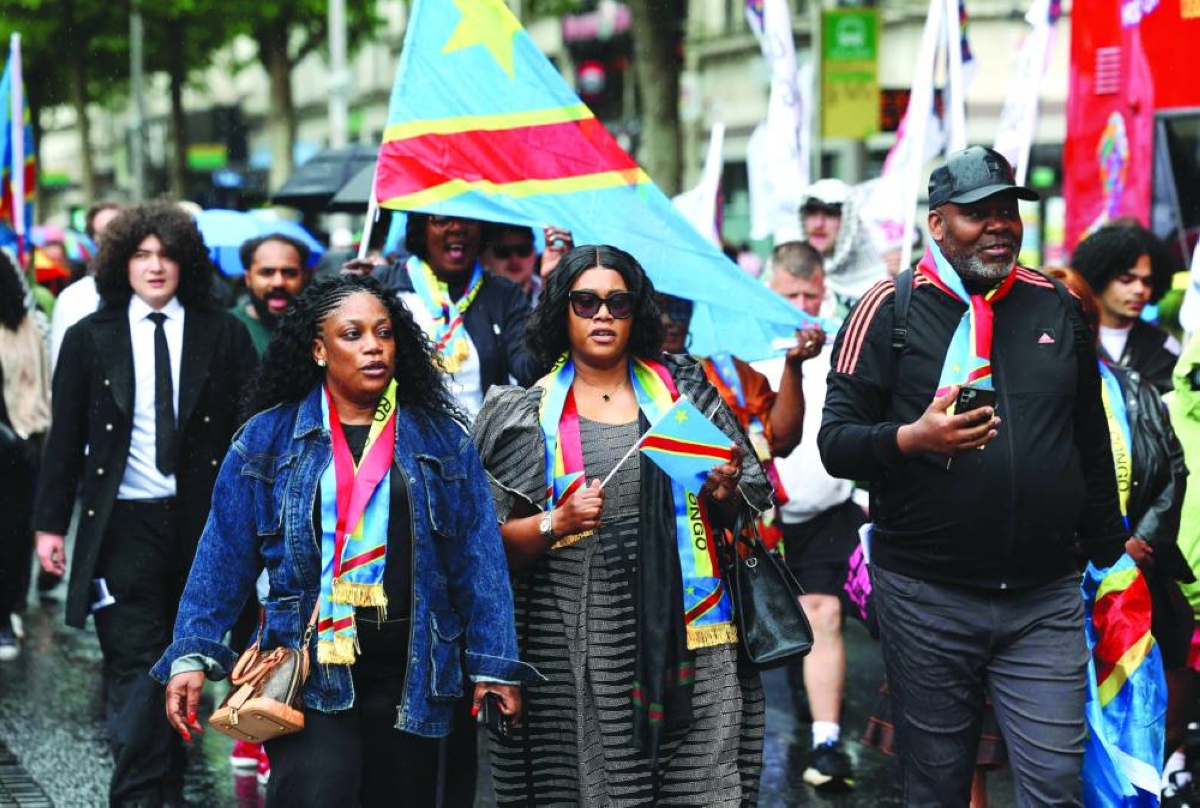
Protesters walk down O’Connell Street in central Dublin at the head of a protest to demand justice following the death of Democratic Republic of the Congo citizen Yves Sakila, after he was violently restrained by

World
Trump says making final decision on proposed Iran deal

Trump says making final decision on proposed Iran deal

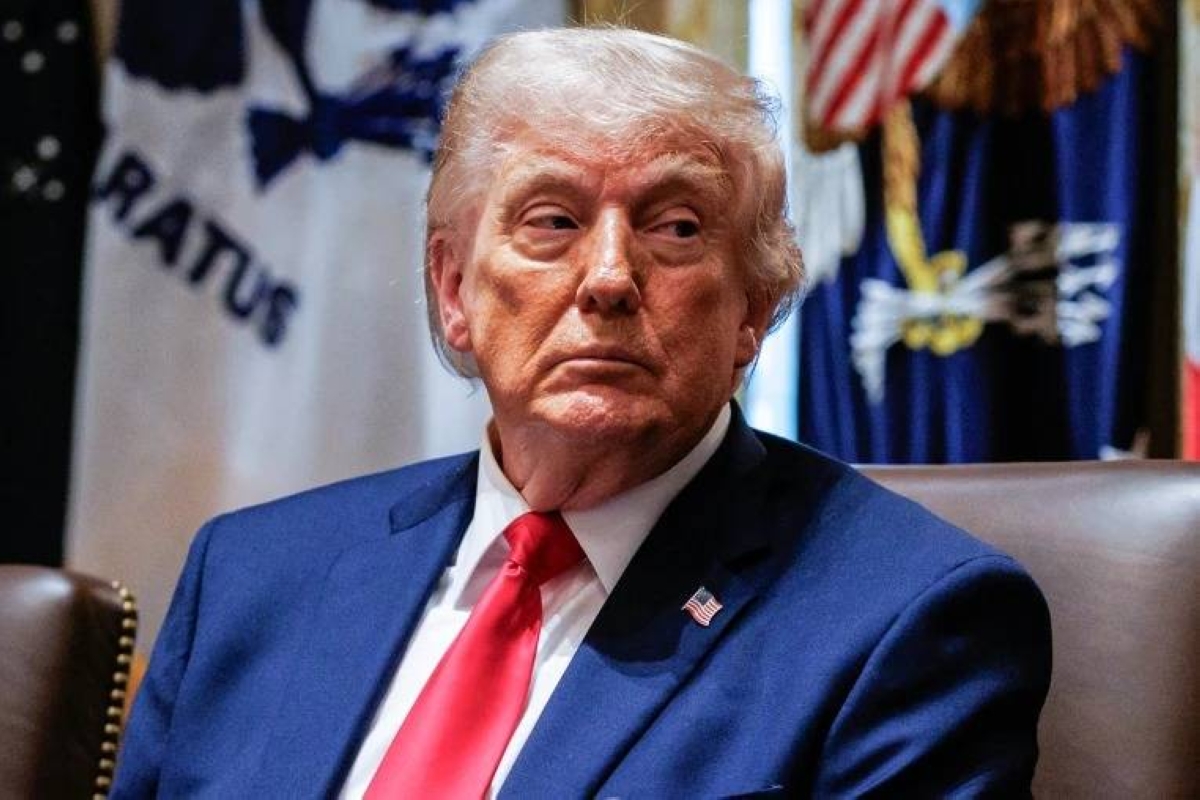
US President Donald Trump said he was making his final decision on a potential deal with Iran on Friday, as Tehran insisted any agreement on ending the Middle East war hinged on Washington dropping its "excessive demands". Iran's top negotiator had said earlier Tehran would only trust Washington's actions, not its words, after US Vice President JD Vance said progress had been made on a deal to extend a ceasefire and provide a framework for peace talks. US sources told AFP the deal was just waiting on Trump's sign-off following weeks of halting negotiations to end a conflict that had engulfed the Middle East and shaken the global economy."I will be meeting now, in the Situation Room, to make a final determination," Trump said in a lengthy social media post, reiterating long-held demands that Iran agree never to have nuclear weapons and open the vital Strait of Hormuz shipping lanes. He said Tehran would remove mines in the strait, the US would lift its naval blockade of Iranian ports, and the two countries would coordinate on removing and destroying Iran's enriched uranium, though he did not clarify whether the points had already been agreed or were part of the deal under consideration.   Related Story

World
Washington and Tehran are close to reaching an agreement – US Vice President

Washington and Tehran are close to reaching an agreement – US Vice President

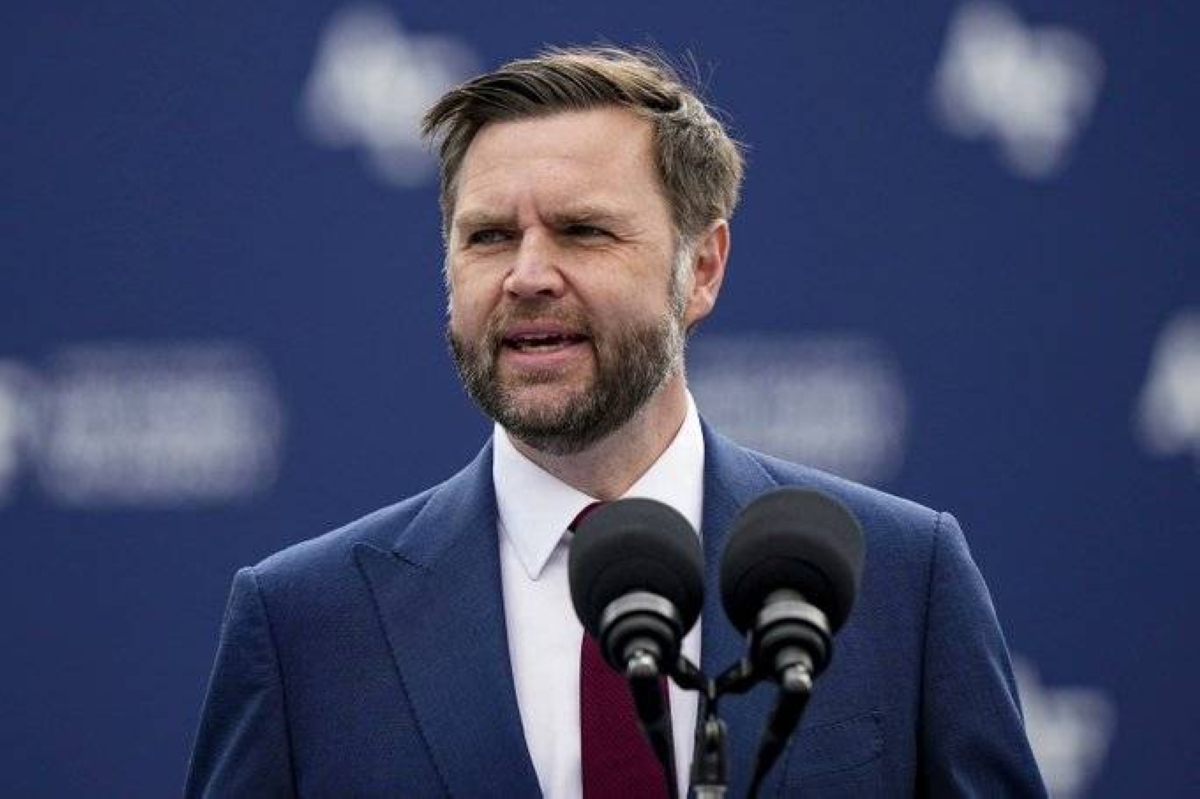
US Vice President JD Vance said that Washington has not yet reached an agreement with Iran, but indicated that the two sides are close to achieving one. Speaking to reporters today, he added that the United States is in a position to significantly hinder Tehran's nuclear program, noting that there are still some sticking points in the talks with Tehran regarding its stockpile of enriched uranium and the issue of enrichment. Vance continued, "It's difficult to say when the president will sign the memorandum of understanding, or even if he will sign it at all. We are still negotiating some of the wording." He concluded, "I cannot guarantee that an agreement will be reached, but I am currently very optimistic about it." Sources had revealed to American media that the United States and Iran reached a preliminary agreement on Thursday to extend the ceasefire and lift restrictions on navigation through the Strait of Hormuz, and that the agreement was awaiting the approval of US President Donald Trump. 

World
Amir, Trump discuss latest security developments

Amir, Trump discuss latest security developments

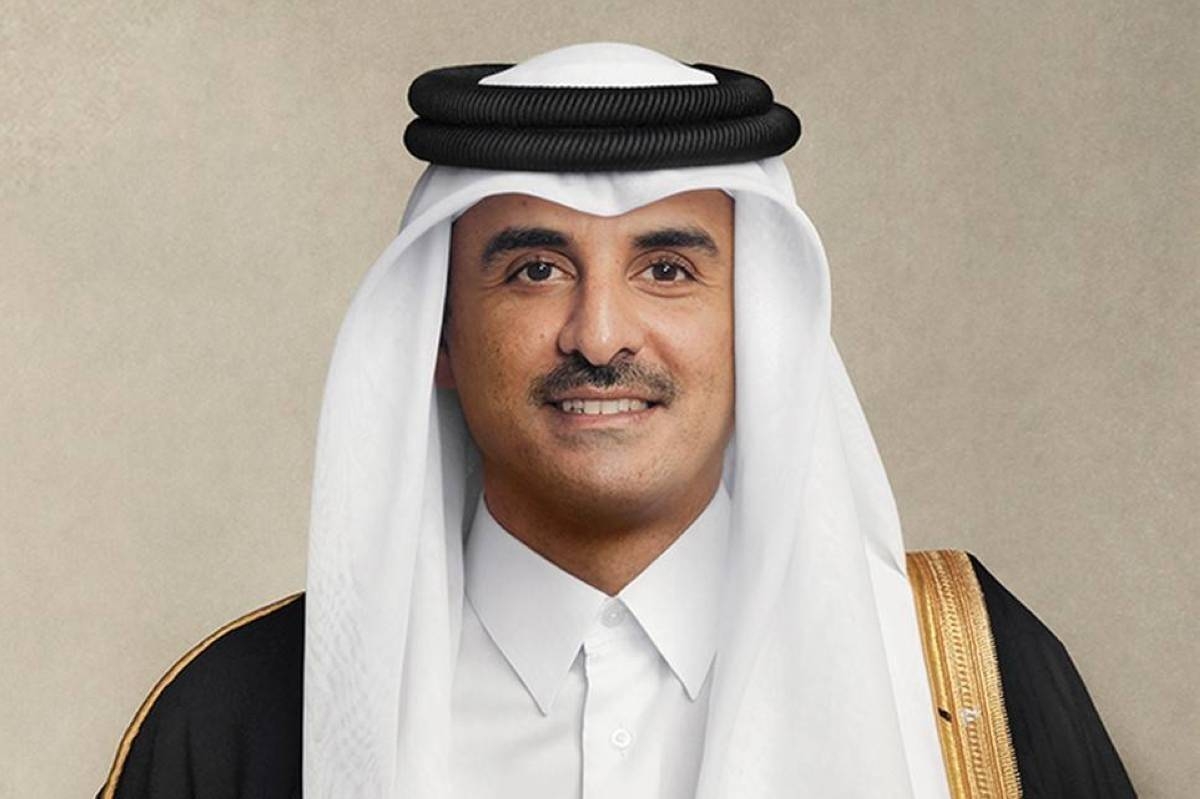
His Highness the Amir Sheikh Tamim bin Hamad al-Thani received a phone call from US President Donald Trump. They discussed the latest updates in the Middle East, in light of the political and security developments taking place in the region, along with the regional and international efforts aimed at reducing escalation and enhancing stability. The Amir stressed the need to prioritise political and diplomatic solutions and dialogue between all parties in order to consolidate regional security and stability and spare the region further tension and escalation.The US president voiced his appreciation for Qatar’s role in supporting Pakistani mediation efforts and strengthening communication channels between the various parties. He also commended Qatar’s endeavour aimed at bringing viewpoints closer and advancing de-escalation efforts in the region. Yesterday’s call was the latest in a series of direct contacts between the two leaders in recent weeks, reflecting the growing importance Washington attaches to Doha’s mediation role at a critical juncture for regional security. Qatar has consistently maintained that dialogue and diplomacy represent the only viable path to resolving the region’s overlapping crises, a position His Highness the Amir has reaffirmed in successive engagements with world leaders. Doha has played a central back-channel role in ongoing efforts to broker a diplomatic resolution to tensions over Iran’s nuclear programme, leveraging its long-standing ties with all parties to keep lines of communication open. The call also addressed the close strategic relations between Qatar and the US, along with ways to enhance bilateral co-operation in various fields, in order to serve the common interests of the two friendly countries.  Related Story

World
Growing fears: Myanmar farmers face fertiliser, fuel dearth

Growing fears: Myanmar farmers face fertiliser, fuel dearth

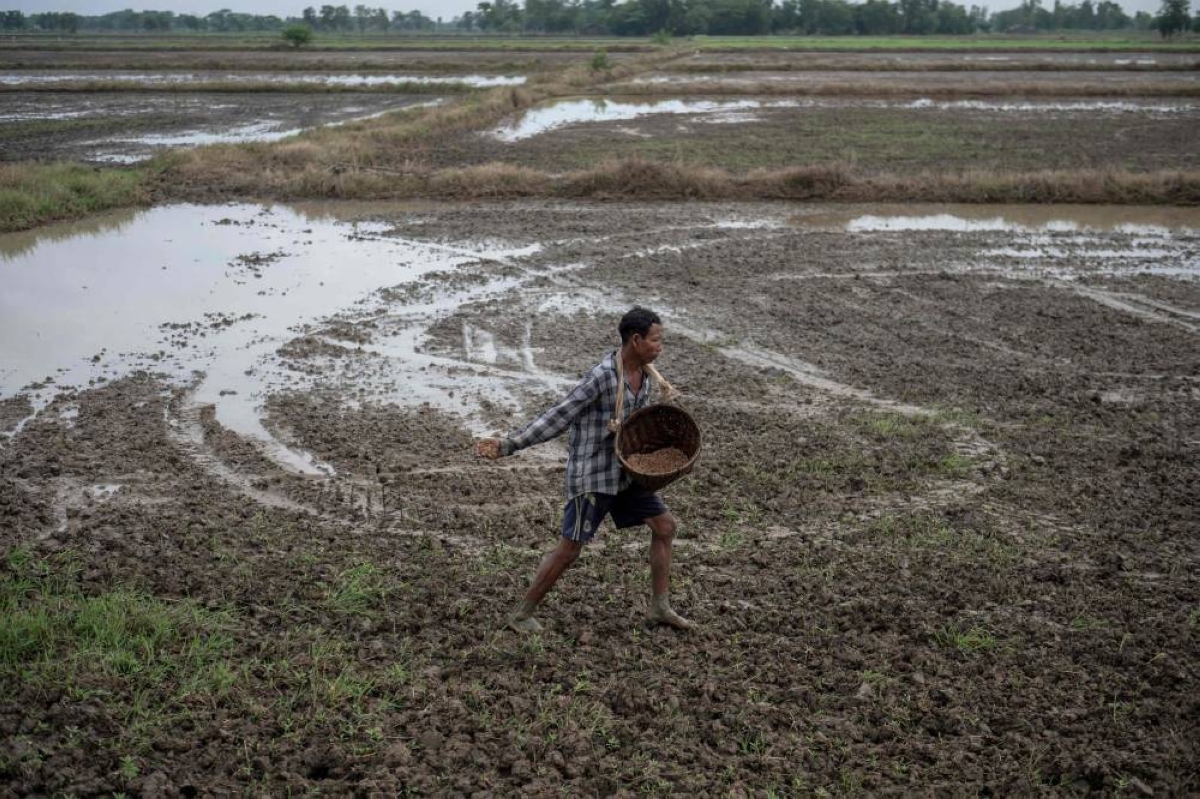
Under monsoon skies leaden with rain, Myanmar rice farmers despondently tend their paddy fields, doubtful the deluge will bring bountiful harvests during a fuel and fertiliser crisis caused by the Iran war."If prices continue to rise, I will be a beggar," says veteran farmer Soe Naing, perched on a sack of rice seed overlooking his 30 acres (12 hectares) of rented land outside the delta town of Kawhmu."I may give up working as a farmer, but growing rice is my calling," the 49-year-old told AFP between thunderous sheets of rain heralding the start of planting season across Myanmar's riverine south.The US-Iran war continues to send supply shocks worldwide, even as a fragile ceasefire holds.Conflict closing the Strait of Hormuz has been particularly damaging to Asia, the destination for 80% of oil transiting the seaway, according to the International Energy Agency.Myanmar, already gripped by a humanitarian crisis amidst its civil war, is vulnerable further still.The Southeast Asian nation imports 90% of its fuel oil, according to official figures.Up to 95% of its chemical fertilisers — produced in abundance in the Gulf where natural gas is burnt to synthesise ammonia — is also imported, according to the UN's World Food Programme (WFP).Spiking prices of both commodities have left Myanmar farmers struggling to fuel rotavators needed to till fields or buy fertiliser to boost their seedlings at a crucial time in the agricultural calendar.The WFP warns a 50% drop in fertiliser use could result in farming output dipping up to 15% in Myanmar, where food insecurity is already widespread."The current situation is the most difficult time we have faced," said Soe Naing. "As for my hope, I have nothing other than my fields."— Barren hope —More than 4,000 kilometres (2,500 miles) from the embattled Strait of Hormuz, Moe Aung's paddy — situated a 15-minute boat ride up a serpentine creek — is beholden to the shock of the global shipping crisis.He sows seed onto the mud but plans to ration half a bag of fertiliser per acre this year — one-sixth of what his crop needs to thrive."I am just doing it because I own fields, but I don't want to do it," says the 53-year-old. "I have no willingness to continue if this situation doesn't end."Prices for a 50-kilogram bag of fertiliser have multiplied up to five times, he estimates, now costing as much as 200,000 kyat ($48).Moe Aung works with his hands in the sucking mud of the humid paddy fields.But much of his profession now entails complex mental arithmetic and accountancy as he struggles to manage a cycle of high-interest debt worsened by the far-off Middle East war.Buying fertiliser on credit and paying the bill after the harvest is common, but this year Moe Aung fears the sums will simply not add up."I don't think the expense and the revenue will be equivalent," he says."Previously, we were comfortable; we could look after our parents, we could go for some social activities, our family was peaceful and happy," he said."That is all disappearing."— 'History full of doubts' —Myanmar was once the world's rice bowl, exporting more of the staple than any other nation in the years before World War II.Decades of post-independence conflict and instability, and now the civil war sparked by a 2021 military coup, have eroded the country's agriculture sector.The coup deposed the elected government of Aung San Suu Kyi, Myanmar's popular democratic leader who remains detained and who once held Kawhmu's parliamentary seat.The resulting war has killed more than 90,000 people on all sides, monitoring group ACLED says, and displaced more than 3.7mn, according to the UN.The UN describes Myanmar as a country mired in a "polycrisis", with the effects of the Middle East conflict another layer of degradation.But there may be yet another problem on the horizon.Forecasters predict this year will see a strong iteration of the El Nino weather phenomenon, which typically brings heatwaves and drought to parts of Southeast Asia.It is due to start as soon as this month — another global shock with the potential to reverberate in fragile Myanmar."If we continue this way, farmers could disappear from this country," laments Myanmar Farmer Union chair Su Su Nway."We do not want future generations to read a history full of doubts, wondering if these farmers truly existed."