1. Home
  2. World

Category: World

World
Trump threatens ‘to take out Iran in one night’

Trump threatens ‘to take out Iran in one night’

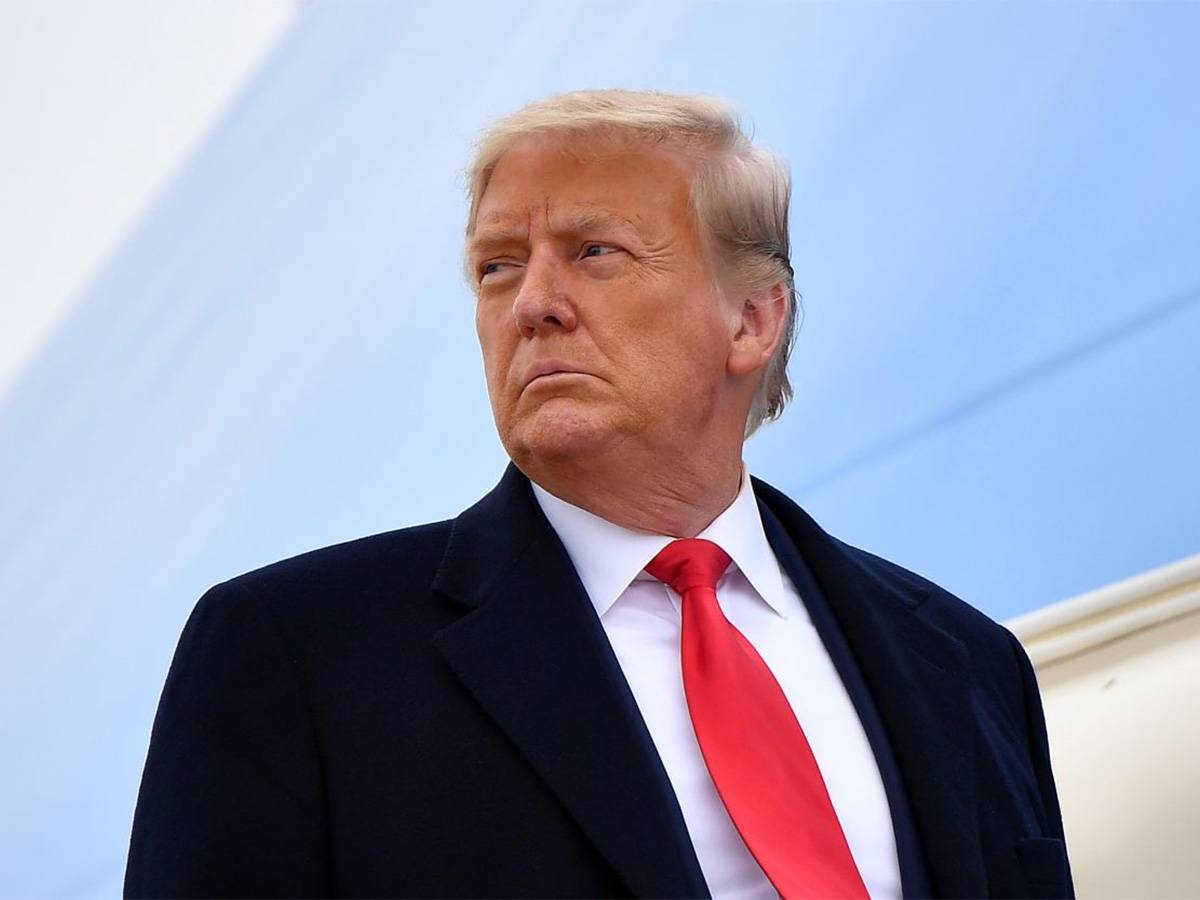
 US President Donald Trump said yesterday he would lay waste to every bridge and power plant in Iran if it fails to bend to his demands, as he touted the high-risk operation that rescued two downed airmen. Dismissing accusations that such a move would be a war crime, Trump told a White House press conference that “the entire country can be taken out in one night, and that night might be tomorrow night.” The president gave lengthy opening remarks on the recovery of two F-15 crew members recovered from behind enemy lines in Iran, which he compared to finding a “needle in a haystack.” But Trump also doubled down on his threats of destruction before his self-imposed deadline for Tehran’s leaders that is due to expire today at 8pm (0000 GMT Wednesday) Iran must make a deal that involves the “free traffic of oil” through the critical Strait of Hormuz or else there will be “complete demolition... and it’ll happen over a period of four hours,” he said. “Every bridge in Iran will be decimated by 12 o’clock tomorrow night, where every power plant in Iran will be out of business, burning, exploding and never to be used again.” Trump added that he was considering a plan to charge a toll for oil passing through the Strait — echoing Iranian threats to do the same to the waterway through which one fifth of global crude passes. The 79-year-old’s fresh warnings came just hours after he said during a White House Easter Egg roll that a proposal for a ceasefire with Iran was a “very significant step.” “It’s not good enough, but it’s a very significant step,” Trump told reporters, under the gaze of First Lady Melania Trump and a mascot dressed as a giant Easter bunny. 

World
Afghanistan seeks to boost trade with Central Asia

Afghanistan seeks to boost trade with Central Asia

Afghanistan’s Foreign Minister Amir Khan Muttaqi (centre, back), along with representatives from Central Asian states, takes part in the Afghanistan-Central Asia Consultative Dialogue at the Foreign Affairs Ministry in Kabul on Sunday. (AFP)  Afghanistan aims to increase trade with Central Asian countries to $10bn within the next three or four years, Foreign Minister Amir Khan Muttaqi said on Sunday. Trade with Central Asian countries to Afghanistan’s north came to about $2.7bn in 2025, itself a significant increase over previous years, Muttaqi said. He stated Afghanistan’s new trade goal with its neighbours at a “constructive dialogue” meeting in Kabul with representatives from Tajikistan, Turkmenistan, Kyrgyzstan, Uzbekistan and Kazakhstan. The meeting focused on political, economic and security issues, regional cooperation, trade and the expansion of transit routes. Muttaqi said Afghanistan is seeking to use “its geoeconomic position” to link Central Asia with South and West Asia. Among the main projects is the TAPI (Turkmenistan-Afghanistan-Pakistan-India) gas pipeline, a major project between Herat in Afghanistan’s west and Turkmenistan, of which about 25 kilometres (15 miles) have been completed so far on the Afghan side. The Taliban government is trying to trade with the world, despite international sanctions on its banking sector that make investors wary. Russia remains the only state to have officially recognised the Taliban authorities, who returned to power in 2021, although countries including Turkiye, China, India and the United Arab Emirates have embassies in Afghanistan. Landlocked Central Asia is trying to regain its historic role as an important trading route. Access to the sea, heading south through Afghanistan, is vital because the route north through Russia is hampered by sanctions. Afghanistan has been in conflict with its eastern neighbour Pakistan for months, and faces a severe humanitarian crisis, but is seeking alternative partnerships. It shares a 2,329km border with Turkmenistan, Uzbekistan and Tajikistan. Dushanbe has been critical of the Taliban government in the past because of sometimes deadly cross-border incidents. Muttaqi acknowledged that “certain issues such as the threat posed by the Islamic State group, drug trafficking, and illegal migration are among our shared concerns” but said “there are no longer any security problems along our common borders”. 

World
Taiwan opposition leader to visit China

Taiwan opposition leader to visit China

Kuomintang (KMT) Chairperson Cheng Li-wun speaks to the media ahead of her trip to China, in Taipei, Taiwan. (Reuters/File Photo)  Taiwan opposition leader Cheng Li-wun leaves today for China and a potential ‌meeting with President Xi Jinping on what she says is a peace mission ​as Beijing makes a renewed push ‌to convince Taiwanese to support “reunification”. Cheng, chairwoman of the Kuomintang (KMT), Taiwan’s largest opposition party, ‌is travelling at a time of increased ‌Chinese military pressure on Taiwan, which Beijing ‌views as its own territory, and as the opposition-dominated parliament stalls a government plan for $40 bn in extra defence spending. The KMT and the ruling Democratic Progressive Party (DPP) have released duelling social media messages ahead of the trip, using the imagery of war and peace. “Peace is the only foundation for prosperity, and the hope for Taiwan’s future,” the KMT said on Sunday, putting out a video featuring young people relaxing on the ground, in a pool and smiling while looking up at the stars. The DPP shot back in a Facebook post that ​the KMT was trying to “co-operate with the Chinese communists’ scheme to weaken Taiwan’s defence capabilities”, pointing to the delay in passing defence spending, plans the US government has backed. Cheng told foreign reporters last month ‌that “peace cannot possibly be achieved through defence capabilities alone” and political ​efforts were equally indispensable. She is going to China a month before US ​President Donald Trump’s summit with Xi in Beijing. While the two sides could strike goodwill agreements in Beijing on trade in agriculture and aircraft parts, they are also expected to discuss areas of deep tension such as Taiwan, where little progress is expected. In a February call, Xi told Trump that the US “must carefully handle arms sales to Taiwan”. This is the first trip by a KMT leader to China in a decade, though China has yet to confirm whether Xi will definitely meet Cheng, who will be in Beijing from Thursday. Last week, Taiwan’s China-policy-making Mainland Affairs Council said Cheng should tell Beijing to stop its ‌military threats and respect the Taiwanese people’s ‌right to choose their own future. China refuses to speak to Taiwan President Lai Ching-te, saying he is a “separatist”. China has never renounced the use of force to bring Taiwan under its control, but says its preferred option is “peaceful reunification”. It has stepped up efforts in recent weeks to try and persuade Taiwanese of the benefits, including energy security, which Taiwanese officials have rejected. On Friday, the Eastern Theatre Command, which would lead any attack on Taiwan, published a cartoon picture of what “Taiwan province” would look like during the traditional Tomb Sweeping Festival, marked on Sunday, if it ​were united with China. People lay flowers at a “Monument for the complete reunification of the motherland”, in front of another sign showing the location — Taipei’s Machangding Memorial Park, where accused communist spy Wu Shi was executed by the KMT government in 1950. KMT forces fled to Taiwan in 1949 after losing a civil war with Mao Zedong’s communists. Opinion polls in Taiwan have repeatedly shown minimal support for accepting Beijing’s sovereignty under its “one country, two systems” model.Asked at the news conference with foreign reporters about her views on “reunification”, Cheng said the time was still far from ripe for such ‌a discussion. “What we need ​to deal with now is how to create peaceful and stable cross-strait relations,” she said. 

World
Spanish PM’s party gains on anti-war stance, support for far-right stalls in polls

Spanish PM’s party gains on anti-war stance, support for far-right stalls in polls

Spanish Prime Minister Pedro Sanchez. (Reuters/File Photo) Spain’s ‌ruling Socialist Party has gained voter support amid ​Prime Minister Pedro Sanchez’s ‌staunch opposition to the US-Israeli war on Iran, while ‌far-right Vox, which ‌supports the offensive, has seen ‌a decline, two surveys published yesterday showed. Sanchez has emerged as one of the most vocal Western leaders criticising what he calls an illegal and reckless war, closing Spanish airspace to US planes involved in the strikes and banning them from using jointly operated military bases in southern Spain.Vox — closely allied with US President Donald Trump’s MAGA movement — ​has harshly criticised Sanchez’s stance.A survey by state pollster CIS showed last month that 85% of respondents rejected the war. Monday’s new ‌poll by Sigma Dos for newspaper ​El Mundo showed support for Sanchez’s Socialists rising to ​27.7% from 26.4% last month, reducing the lead of the conservative People’s Party (PP). Another survey, by 40dB for El Pais, put them at 28.6%, up from 27.7%. Meanwhile, Vox dropped to 17.1% in April from 18.3% according to Sigma Dos, and slipped by 0.1 percentage point to 18.7% in the 40dB survey. The PP topped both polls, securing 32.5% and 31.1% of voting intentions, respectively, ‌up by less than ‌one percentage point in both polls. The party accuses Sanchez of damaging transatlantic relations and has refrained from publicly denouncing Trump and Israel, though its leader has also echoed the “no to war” slogan. A common trend is the transfer of voting intention from the extremes of the spectrum to the two mainstream outfits. The PP appears to be stemming the ​flow of votes to Vox and the Socialists are picking up former voters of its hard-left junior coalition partner Sumar, the polls showed.A fragmented electorate still means coalitions are required to secure a government and both polls point to a right-wing majority if elections were held now.The next general election is due in August 2027. 

World
Taiwan opposition leader makes rare visit to China

Taiwan opposition leader makes rare visit to China

Taiwan's main opposition leader landed in China Tuesday for a rare visit aimed at building cross-strait 'peace', as the Taipei government warned Beijing would seek to stop US arms sales to the democratic island.  Kuomintang (KMT) chairwoman Cheng Li-wun, who is the party's first leader to visit China in a decade, has insisted on meeting Chinese President Xi Jinping before she visits the US — Taiwan's main security backer.  The KMT supports closer relations with China, which claims Taiwan is part of its territory and has threatened to use force to seize it. But Cheng, whose unexpected rise to the top of the KMT drew a congratulatory message from Xi in October, has been accused by critics, including inside the party, of being too pro-China.  The KMT leader landed at a Shanghai airport Tuesday, where she was presented with a bouquet of flowers before being driven away in a convoy, live video from Taiwanese media showed. Cheng then travelled to the eastern city of Nanjing, where Chinese state broadcaster CCTV said she thanked Xi and China for the warm reception.  She is expected to visit the memorial of Chinese revolutionary Sun Yat-sen in the city today. Cheng will be in China for six days, also visiting Beijing where she hopes to meet Xi. Cheng told journalists before her trip that Taiwan 'must do everything in our power to prevent war from breaking out'. 'To preserve peace is to preserve Taiwan,' Cheng told a news conference at the KMT headquarters in Taipei. 'Goodwill must be built up and mutual trust needs to be expanded, step by step, by both sides.'  Ahead of the visit, Taiwan's top China policy body warned Beijing would attempt to 'cut off Taiwan's military purchases from the US and co-operation with other countries', which the KMT dismissed. 'This trip is entirely for cross-strait peace and stability, so it has nothing to do with arms procurement or other issues,' Cheng said last week. Taiwanese lawmakers have been at loggerheads over the government's plan to spend NT$1.25tn ($39bn) on defence, which has been stalled for months in the opposition-controlled parliament.  While KMT party members regularly fly to China for exchanges with officials, its last leader to visit was Hung Hsiu-chu in 2016. — US pressure — China severed high-level contact with Taiwan that year after Tsai Ing-wen of the Democratic Progressive Party won the presidency and rejected Beijing's claims to the island.  Cross-strait relations have worsened since then, with China ramping up military pressure with near daily deployments of fighter jets and warships near Taiwan and regular large-scale military drills. Tsai's successor Lai Ching-te, who was elected in 2024 and whom Beijing brands a separatist, warned as Cheng arrived in Nanjing that China is the 'biggest' threat to Taiwan's democracy.  Cheng's trip comes a month before US President Donald Trump is scheduled to visit Beijing for a summit with Xi. The US has been piling pressure on Taiwanese opposition lawmakers to back a proposal for defence purchases, including US weapons, to deter a potential Chinese attack.  Cheng has railed against the government's proposal, insisting 'Taiwan isn't an ATM' and instead backed a KMT plan to allocate NT$380bn for US weapons with the option for more acquisitions. But she faces deepening divisions inside her party over how to counter China's military threats, with more moderate senior figures in the KMT pushing for a much higher budget.  While the US has long been ambiguous about its willingness to defend Taiwan, Washington remains Taipei's biggest arms supplier, which angers Beijing. The US approved the sale of $11bn worth of arms to Taiwan in December. More deals are in the pipeline, but there have been doubts about whether they would proceed after Xi warned Trump against sending weapons to Taiwan. Cheng has insisted she supports Taiwan having a strong defence, but said the island does not have to choose between Beijing and Washington.  

World
Cambodian deported by US faced ‘misery’ in Eswatini prison

Cambodian deported by US faced ‘misery’ in Eswatini prison

Cambodian Pheap Rom poses for picture at a restaurant in Phnom Penh on March 30, 2026. A Cambodian refugee long-settled in the US, ex-convict Pheap Rom, remains bewildered at how he wound up behind bars

World
40-metre scaffold collapses in Japan, three workers critical

40-metre scaffold collapses in Japan, three workers critical

An aerial view of the site where three people were seriously injured and one is missing after falling about 40 metres from collapsed scaffolding at JFE Steel construction site in Kawasaki, south of Tokyo, Tuesday.

World
Thousands of small fish defy gravity to climb Congo waterfall

Thousands of small fish defy gravity to climb Congo waterfall

A species of small fish has been observed by the thousands climbing a vertical waterfall 15 metres (50 feet) tall in the Democratic ‌Republic of Congo in a behaviour that illustrates the surprising and ingenious ways animals can ​adapt to extreme environments.The researchers documented ‌how this species of shellear fish, whose scientific name is Parakneria thysi, scales the Luvilombo ‌Falls in the ⁠upper Congo Basin, a ‌vast river system spanning Central Africa and home ‌to the world's second-largest rainforest. Researchers observed the fish ascending the vertical rock face during seasonal floods at the ⁠end of the rainy season, typically in April and May.While this species can reach about 9.8 centimetres (3.9 inches) long, the researchers observed only small to medium-sized individuals - about 3.7 to 4.8 cm (1.5 to 1.9 inches) long - journeying up the falls.Observations suggest a fish may take nearly 10 hours to complete the slow and demanding climb to the top, moving in short bursts and resting frequently. Larger individuals of the species appeared to be too heavy for their fins to support the climb. "This discovery highlights the ​importance of maintaining the continuity of watercourses, particularly in the context of the Congo Basin, where studies on fish behaviour are virtually nonexistent," said Pacifique Kiwele, a researcher in ichthyology and a member of the scientific staff at the Université ‌de Lubumbashi in the Democratic Republic of ⁠Congo who was ​the lead author of the study published in the journal Scientific Reports."It prompts scientists to ​be even more vigilant in their observations, as anything is possible. Who would have believed it without being close enough to check, and document it with photographic and film material, that indeed some fish are able to climb waterfalls? It illustrates that there are wonders out there that surpass our imagination," Kiwele said.Some other fish species are capable of scaling waterfalls through various means but the researchers said this species is the first one documented in Africa.The researchers recorded the behaviour of this shellear fish on four occasions in 2018 and 2020, observing them moving up the rock face through what is called the splash zone - areas kept wet by spray rather than direct water flow.So ‌how do they do it? The ‌fish cling to wet rock surfaces using their ⁠pectoral fins, supported by pelvic fins and aided by tiny hook-like projections known as unculi, which help ⁠them grip surfaces, the researchers said. Then they ⁠push themselves upward by wiggling their bodies from side to side.Scaled to human size, it would be comparable to a person climbing hundreds of metres (yards) vertically.The ascent is also risky. Some fish lose their grip when sudden jets of water hit them, knocking them off the rock face - particularly when they flip upside down to navigate overhanging sections.Given the volume of water at the base of the falls, fish that fall are most ​likely able to start climbing again. However, those landing directly onto rocks may not survive, the researchers said.So why do they do it? The researchers said the fish may climb upstream to find suitable living conditions and areas of the waterway with less competition and fewer predators.The researchers identified two major human threats to the species: illegal fishing using fine-mesh mosquito nets that can easily catch the fish, and water extraction for irrigation, which has in some years depleted the Luvilombo River.The discovery underscores how little is known about fish behaviour in the Congo Basin, the researchers said."It is quite possible that other fish species ‌living in rapid habitats ... are ​capable of overcoming similar vertical obstacles," Kiwele said, adding that researchers plan further fieldwork to confirm preliminary observations in another fish family. 

World
S. Korea allows sailing through Red Sea as alternative route amidst Strait of Hormuz disruptions

S. Korea allows sailing through Red Sea as alternative route amidst Strait of Hormuz disruptions

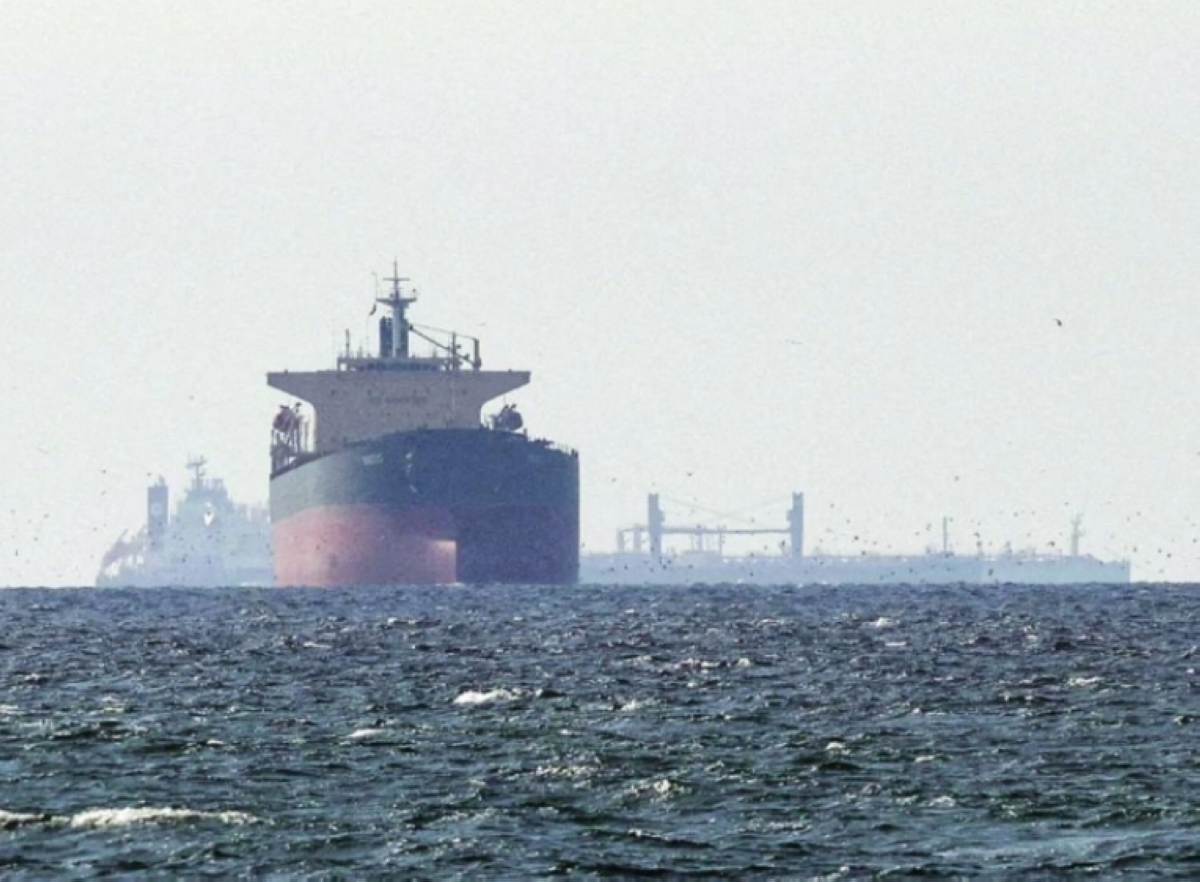
South Korea has decided to allow crude oil tankers to sail via the Red Sea as an alternative route, amid disruptions to oil transport through the Strait of Hormuz caused by the ongoing conflict in West Asia.Korean Minister of Trade, Industry and Energy, Lim Jung-kwan, said on Monday that the ministry will support private-sector efforts to secure additional crude oil supplies by permitting tankers that meet certain requirements to transit the Red Sea, in cooperation with the Ministry of Oceans and Fisheries.In turn, Korea's Oceans Minister, Hwang Jung-woo, said the industry ministry has shared information on crude oil tankers with confirmed shipping contracts as of April 3, adding that his ministry has completed notifying relevant shipping companies of the approval to sail via the Red Sea route.The Red Sea route is considered a detour via the Saudi port of Yanbu, which receives crude oil from eastern oil fields through a 1,200-kilometer pipeline.Hwang noted that an average of 39 vessels per day are currently using the Bab Al-Mandab Strait to exit the Red Sea.South Korea had previously recommended against using the route on March 1, immediately after the outbreak of the conflict in West Asia, but has decided to allow navigation as the crisis is expected to be prolonged. 

World
Sri Lanka raise cooking gas prices by 23 percent

Sri Lanka raise cooking gas prices by 23 percent

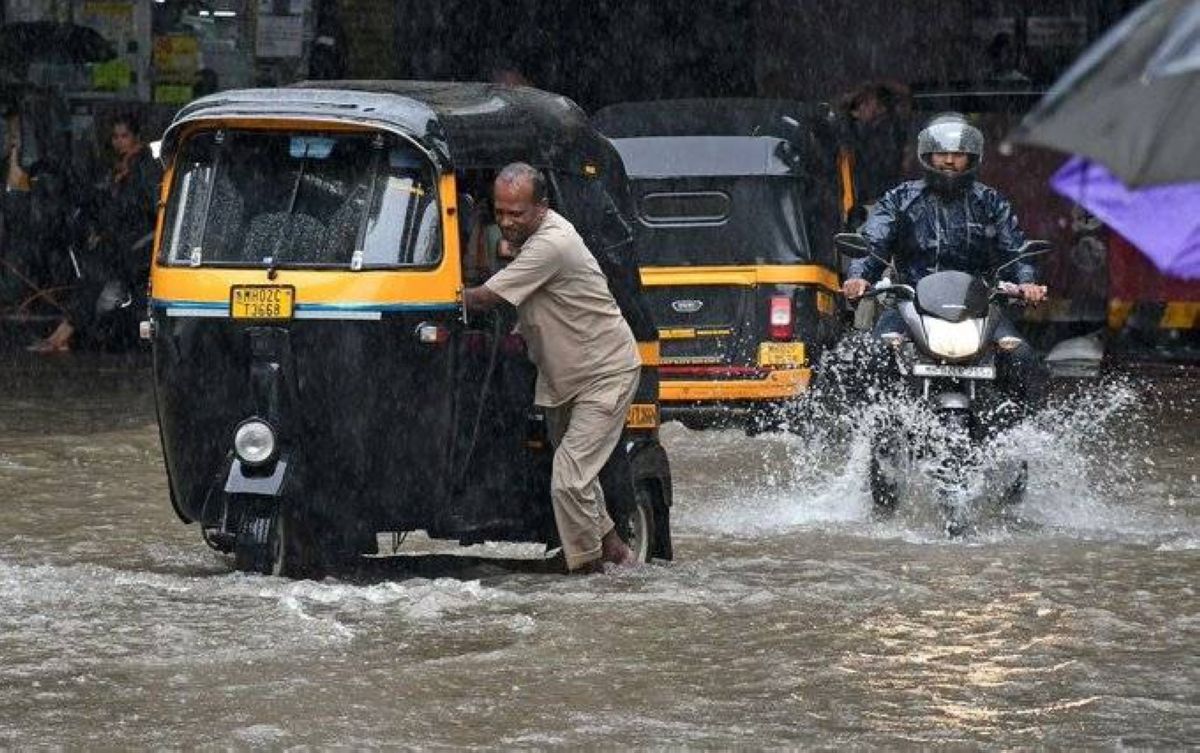
Sri Lanka on Monday raised prices of liquefied petroleum gas (LPG) by nearly a quarter, blaming higher global prices triggered by the Iran war.As well as gas, Sri Lanka also imports all of its oil and buys coal for electricity generation.Colombo has warned that a prolonged war in the Middle East could seriously undermine efforts to emerge from its economic meltdown of 2022.The increase in cooking gas prices on Monday is on top of an eight percent hike last month.A private company, which accounts for about a quarter of the domestic LPG market, raised its retail price by 23 percent to 5,700 rupees ($18.08), up from 4,630 rupees ($14.69).The state-owned Litro Gas, the main supplier of LPG used in cooking stoves, increased the price of a 12.5-kilogramme refill to 4,765 rupees ($15.62), up from 3,990 rupees -- an increase of 19.42 percent."We have supplies for the entire month of April," a Litro spokesman said, adding that higher global LPG prices and shipping costs had forced the latest revision.Last month, Sri Lanka raised both fuel and electricity prices by more than a third as US-Israeli strikes against Iran and retaliatory attacks drove up global energy prices.The Strait of Hormuz, a key waterway through which about 20 percent of global crude oil and gas exports pass in peacetime, has been effectively closed since the start of the conflict.