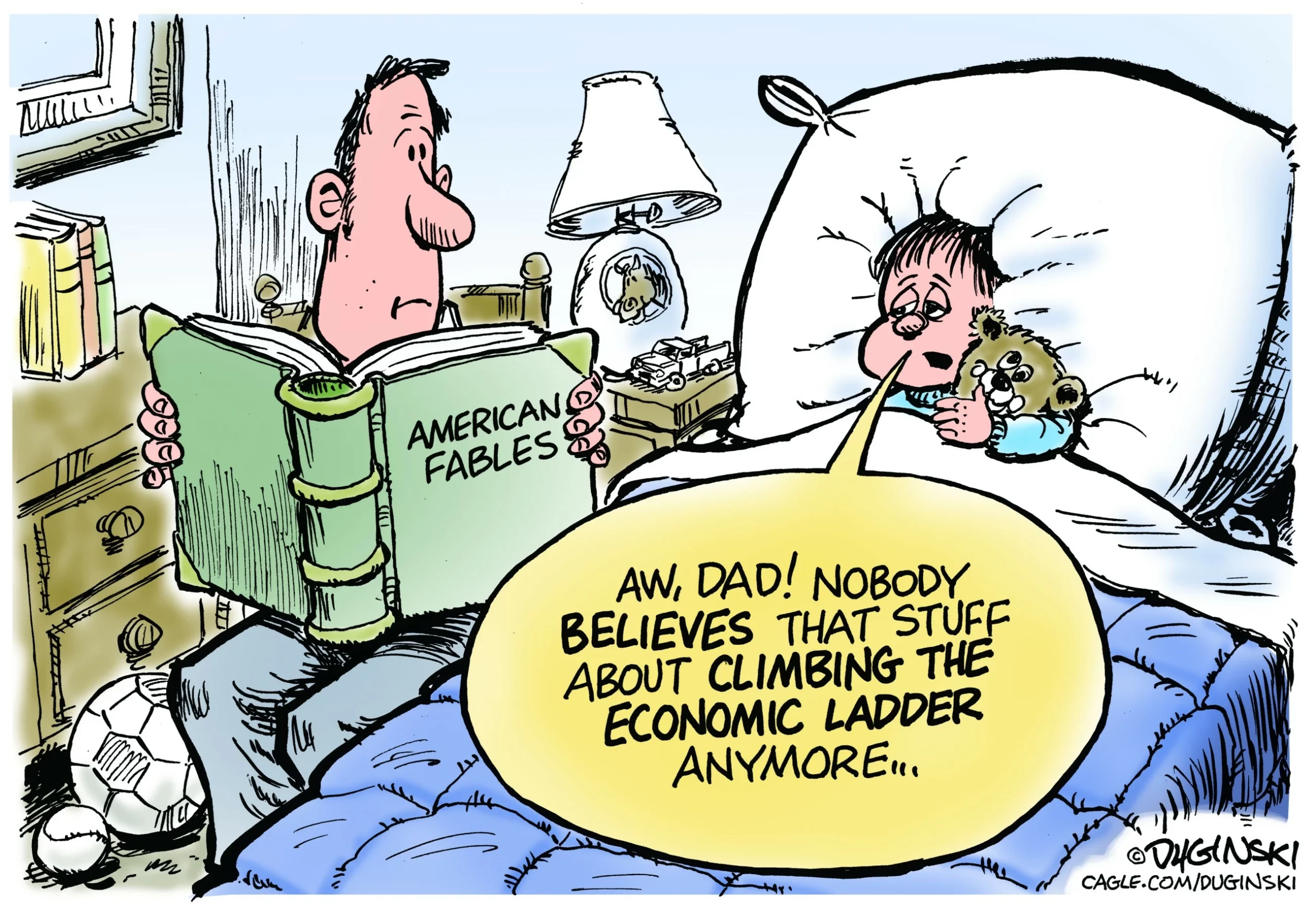
American tales
-
admin
- May 14, 2026
- 4
American tales

 admin
admin
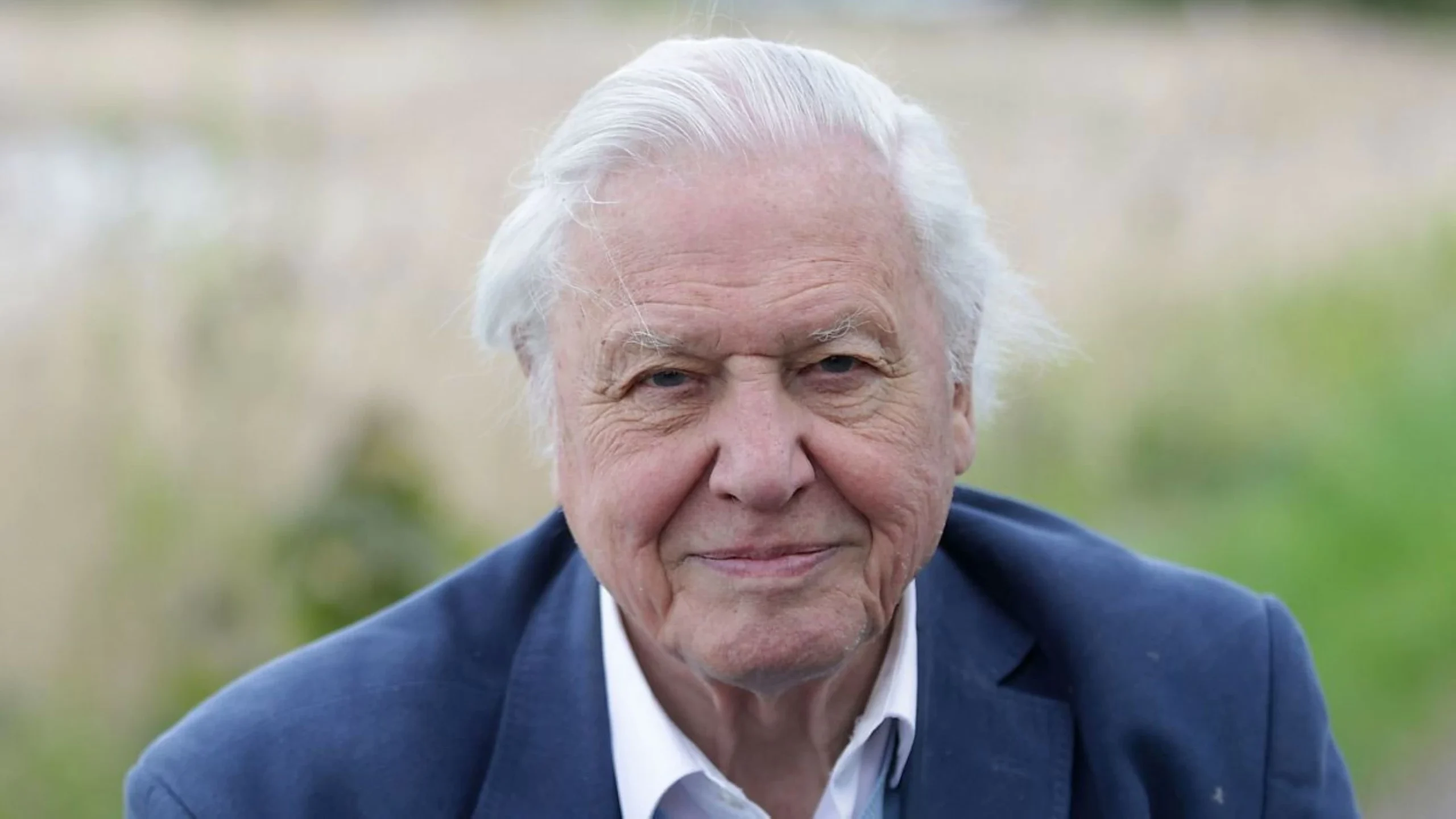
Naturalist, filmmaker, and environmental campaigner, twice knighted Sir David Attenborough celebrated his 100th birthday a week ago with his family and at a concert honouring him at the Royal Albert Hall where music from some
 admin
admin
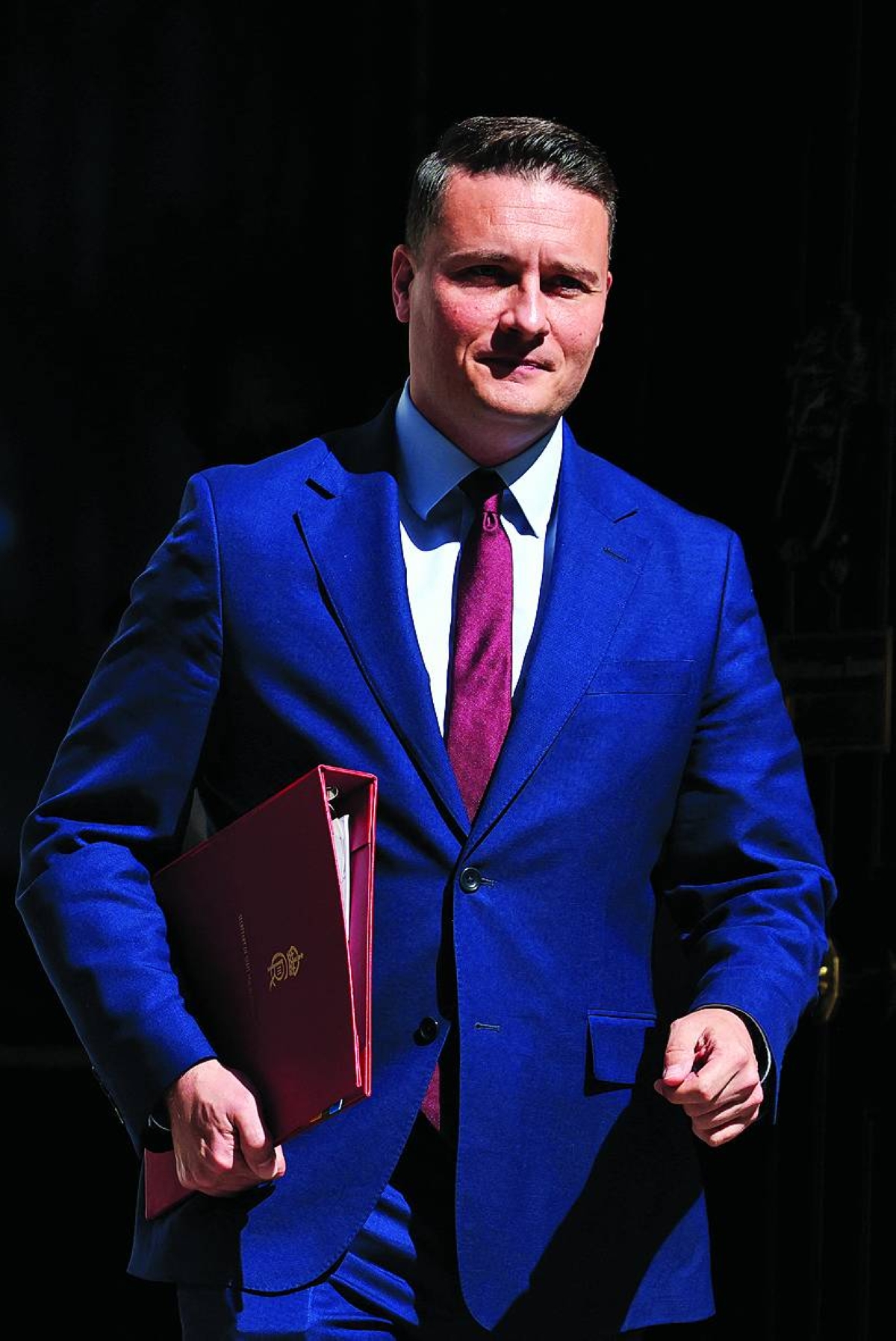
Intense pressure on Prime Minister Keir Starmer is driving up British government borrowing costs — but the political uncertainty is by no means the only factor making Britain’s bond yields the highest among major advanced economies. Yields on 10-year government bonds — which determine how much the government will pay for future borrowing — on Tuesday hit their highest since 2008 at 5.13%. “There’s a lot of fear in the price with gilts,” said Gordon Shannon, a partner at investment firm TwentyFour, which manages £23.5bn ($32bn) of fixed income assets. Most of the potential contenders to succeed Starmer — who came to power in July 2024 with a large parliamentary majority — are likely to want to borrow more, with the possible exception of health minister Wes Streeting, Shannon said. Greater Manchester mayor Andy Burnham — who would first need to be re-elected to parliament to succeed Starmer — might borrow an extra £50bn over five years — around a 12% increase on current borrowing plans — if, as he has suggested, defence spending was exempted from existing finance constraints, Shannon said. MEMORIES OF LIZ TRUSSStill weighing on British bonds’ international appeal is Liz Truss’ brief tenure as prime minister. Her attempt to slash taxes caused long-dated gilt prices to tumble and forced the Bank of England to step in to halt a firesale by pension funds as ‘bond vigilantes’ circled. Kevin Thozet, an investment committee member at the French investment manager Carmignac, said investors had charged Britain some “so-called moron premium” in the aftermath of the market crisis that Truss’ mini-budget unleashed, “and that could well be the kind of environment we’re heading into”. But TwentyFour’s Shannon saw no chance of a repeat of such a sharp selloff, saying British politicians who wanted to borrow more now knew they needed to trail those plans in advance and pull back if there was an adverse market reaction. Britain’s 10-year gilt yields of 5.12% compare with 4.45% in the United States - where growth is more robust — and 3.10% in Germany — perceived as more fiscally disciplined. Since the start of the year, they have risen by 0.64 percentage points, more than double the increase in 10-year bond yields in the US and Germany. Rising gilt yields only affect the cost of newly issued debt, so the impact on government budget plans is not immediate. But Britain’s budget watchdog estimates that every percentage point rise in yields will cost the government an extra £15bn a year in debt interest by 2030. To meet its goal of a balanced current budget by 2029/30, it only has £24bn of leeway. UK SEEN AS MORE INFLATION-PRONEBritain’s higher borrowing costs cannot be put solely at the door of politics, said Alexandra Ivanova, a fund manager at Invesco, which holds around $500bn in bonds. “I need to remind investors of ‘Finance 101’,” she said. “You need to think what you’re getting paid for: liquidity risk premium, political risk premium, the term premium, inflation risk premium ... and in the case of gilts, I think each one of those elements tends to be higher than anywhere else.” Given all these factors, UK gilts did not appear a bargain, even with their higher yield, she said. Inflation risk is the easiest to grasp. The US-Israeli war with Iran has pushed up oil and natural gas prices by around 50% since the end of February. Britain relies on natural gas imports and the Bank of England forecasts that inflation — which erodes the value of bonds — could exceed 6% early next year if energy prices rise and are slow to fall. Before the conflict, it was forecasting that inflation would return to its 2% target. Inflation in the euro zone had been back to target before the conflict but it had been stickier in Britain, reflecting rises in regulated utility prices last year and higher wage growth since the Covid-19 pandemic. Financial markets now price in a rise in the benchmark BoE lending rate to 4.5% by February 2027 from 3.75% now, compared to forecasts of one or two cuts before the conflict. Many economists are more sceptical, however, given that the weak outlook for British growth will also curb inflation. UK GILTS MORE VOLATILE THAN OTHER SOVEREIGN BONDSA more subtle reason for higher gilt yields is the fact that British government bonds are more volatile in price than US or German debt. For much of the past 20 years, British pension funds and life insurers bought 30-year gilts to match their long-term liabilities. But companies’ shift away from defined-benefit pension schemes has ended that process. Gilt buyers are now more often foreign hedge funds, said Nicolas Trindade, senior portfolio manager at BNP Paribas Asset Management, and these are more price-sensitive and investing on much shorter time horizons. The risk of big day-to-day lurches in turn makes some investors demand a bigger yield. Some investors also blame the Bank of England’s programme of bond sales - currently running at £70bn a year - for pushing up gilt yields. Shannon thought that, over the medium term, the political risk premium would narrow, but said it was harder to judge the other elements. But for now, political uncertainty looms large. “You need various foreign investors to be interested. And turning over prime ministers isn’t what people want to see.”
 admin
admin
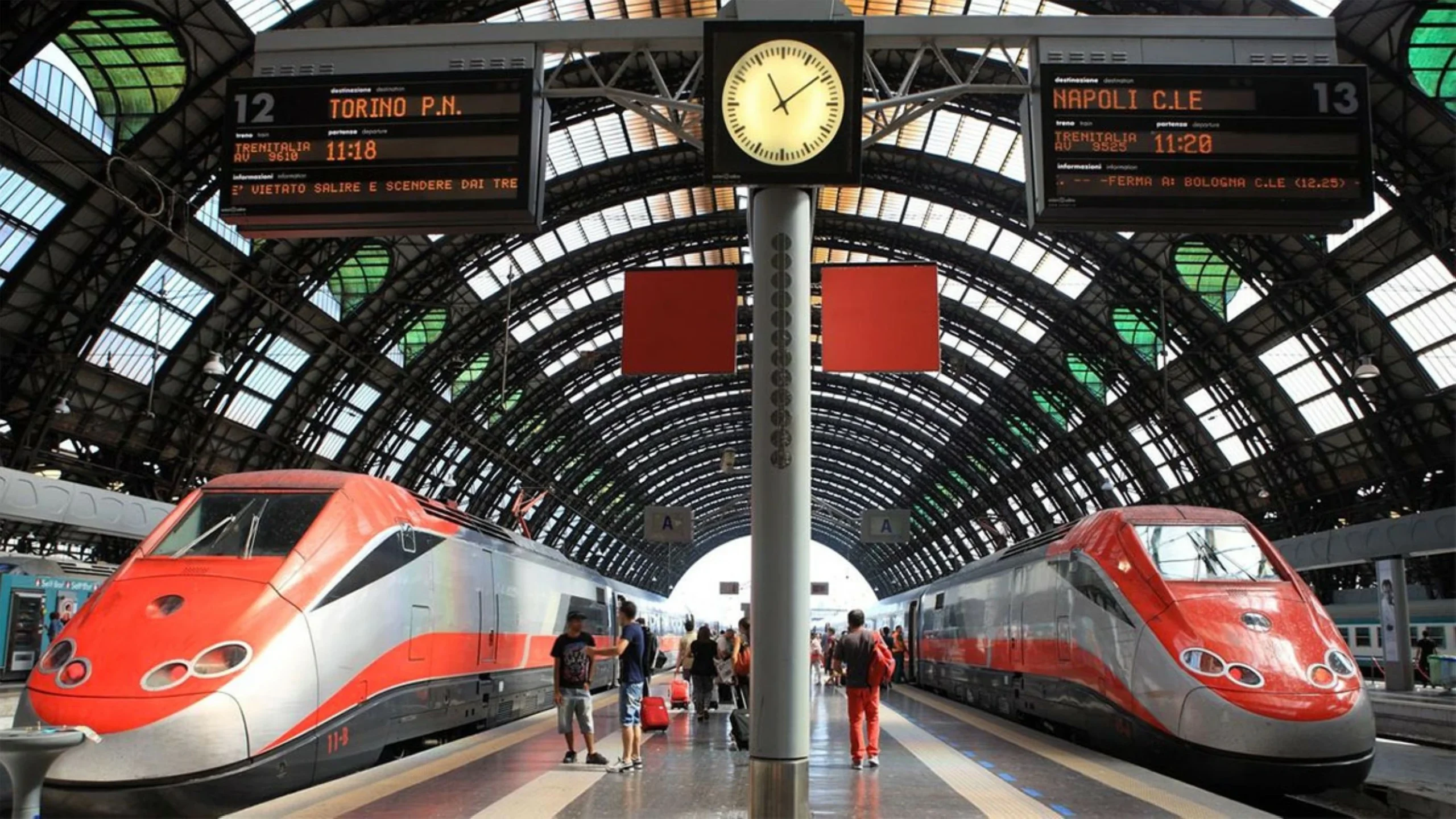
The EU could force railway companies to sell rivals' tickets on their websites and share data with booking platforms under plans to be unveiled on Wednesday aiming to boost train travel, sources said. Brussels wants
 admin
admin
Leila Miller and Farah Master, ReutersOn a balmy January night, an Argentine coast guard ship's radio picked up garbled Mandarin broadcast from nearby boats. They were among some 200 Chinese fishing vessels that spend months
 admin
admin
Clothes seller Lata Solanki used to face a devastating choice when India's summer heat hit dangerous levels: risk her health going door-to-door for sales, or lose her income? But now the 42-year-old is part of
 admin
admin
One of the most popular actors of the 90s, Shekhar Suman, is returning to the space of a late night show with his own show after 14 years. He revealed that the show is all
 admin
admin
From Meta to Tesla and BlackRock, the US business delegation for President Donald Trump’s summit with Chinese leader Xi Jinping this week consists mainly of companies seeking to resolve business issues with the world’s second-largest economy. More than a dozen CEOs and top executives from companies such as Tesla, BlackRock, Illumina, Mastercard and Visa are accompanying Trump on his visit on May 14 and 15. Unlike Trump’s 2017 visit, which was heavy on pomp and trade deals, the scaled-back delegation this time includes companies seeking to advance long-standing business priorities in China, said two people familiar with the preparations who sought anonymity. “Besides Boeing and Cargill being linked to purchase agreements, the others are mainly there to deliver demands on critical input supply,” said Reva Goujon, a geopolitical strategist at Rhodium Group. “This could help the US administration’s messaging that to even be able to discuss a board of investment, China needs to be a reliable investment partner and not weaponise supply.” The US business delegation hopes the summit will generate enough political goodwill to unlock regulatory approvals, market access and investment opportunities, the sources said, as they face broader operational challenges in China beyond commercial dealmaking. US gene-sequencing company Illumina said in a statement that its CEO Jacob Thaysen was honoured to be part of the US business delegation. “This is an opportunity to strengthen relationships and shape the future of precision medicine,” the company said, without elaborating. The other companies did not respond to requests for comment on their goals for outcomes from the summit. A critical precondition for companies to join the trip was having a “tangible ask” that promised a concrete outcome or handshake deal during or after the summit, one of the sources said. Another source cautioned that US firms viewed the summit less as a venue for formal announcements and more as a political opening that could help accelerate regulatory discussions already underway in China. For example, Meta needs to tackle an order last month from China’s powerful state planner to unwind its $2-bn-plus acquisition of artificial intelligence startup Manus, as Beijing tightens scrutiny of US investment in domestic startups developing frontier technologies. China is also weighing curbs on exports of solar manufacturing equipment to the United States, which could threaten plans by US firms such as Tesla to build new factories or expand existing ones to boost local production. In March, Reuters reported that Tesla was looking to buy $2.9bn of equipment for making solar panels from Chinese suppliers such as Suzhou Maxwell Technologies, which was seeking export approval from the commerce ministry. Tesla is also seeking Chinese regulatory clearance to expand the adoption of its Full Self-Driving assistance system in the world’s largest auto market. Its CEO, Elon Musk, has previously acknowledged the difficulties stemming from tech curbs imposed by both US and Chinese authorities, but voiced optimism about receiving such an approval in China this year. BlackRock CEO Larry Fink also arrives in Beijing as a consortium led by the US asset manager faces scrutiny over a planned $23-bn acquisition of ports, including two near the Panama Canal, from Hong Kong conglomerate CK Hutchison . Payment giants Mastercard and Visa are hoping to use the summit to improve their positions in China’s tightly regulated payments market, according to the two sources. One source familiar with the matter said Mastercard was hoping the US government would advocate for a higher stake in its joint venture in China. Citigroup CEO Jane Fraser and Goldman Sachs CEO David Solomon are also joining the trip as Wall Street firms keep up efforts to deepen access to China’s capital markets. China and the United States may reach a farm deal at the summit to expand Beijing’s purchases of grains and meat, but market watchers do not expect major new soybean purchases beyond those agreed in a deal last October.