1. Home
  2. Opinion

Category: Opinion

Opinion
The Donald Trump guide to multi-national calamity

The Donald Trump guide to multi-national calamity

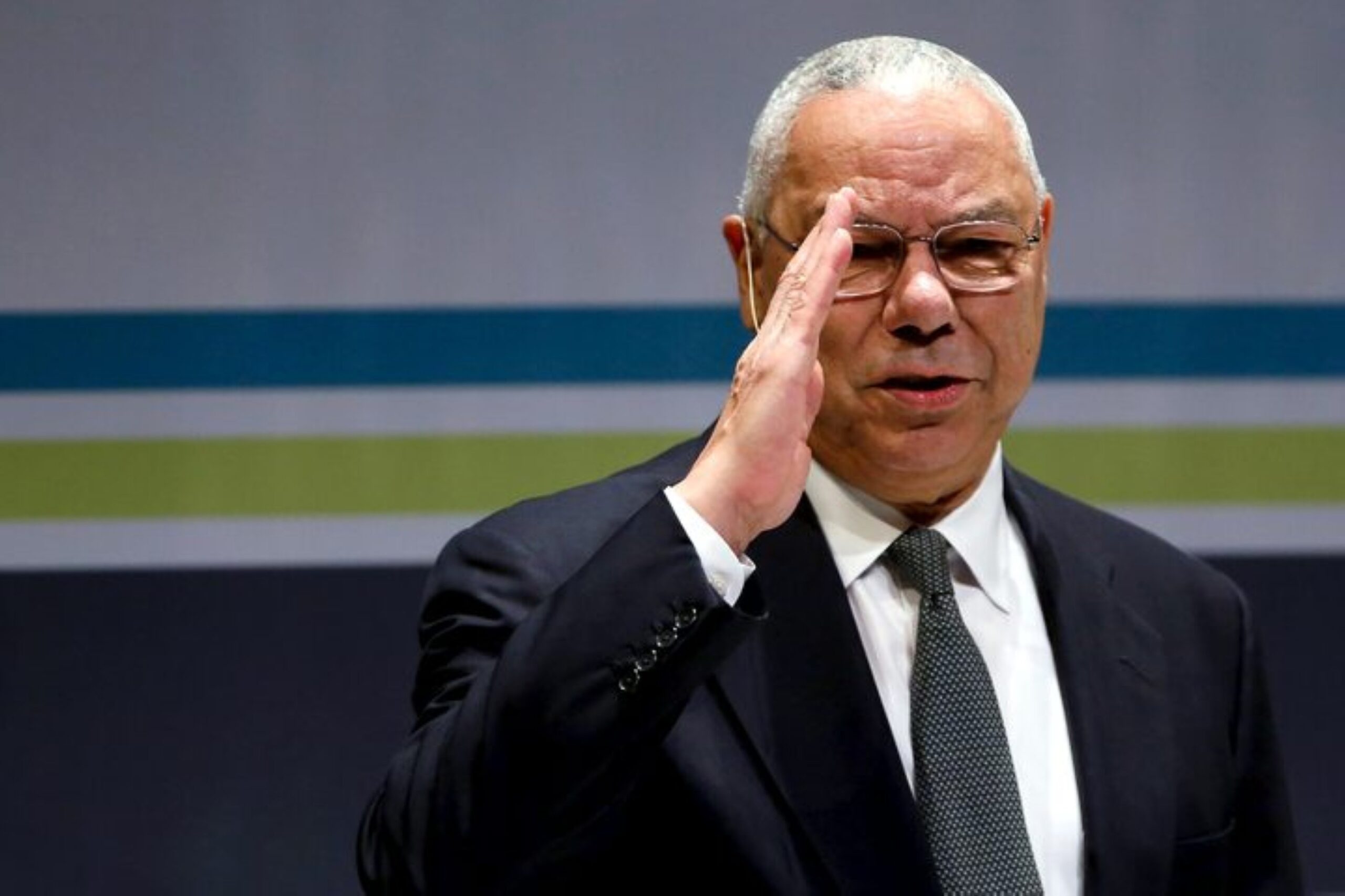
The last time an American president and his entourage of dissemblers face-planted into an international calamity, there was at least the courtesy of a meticulously produced pre-game show. George W. Bush, who was routinely blistered

Opinion
Getting some truckers out from behind the wheel

Getting some truckers out from behind the wheel

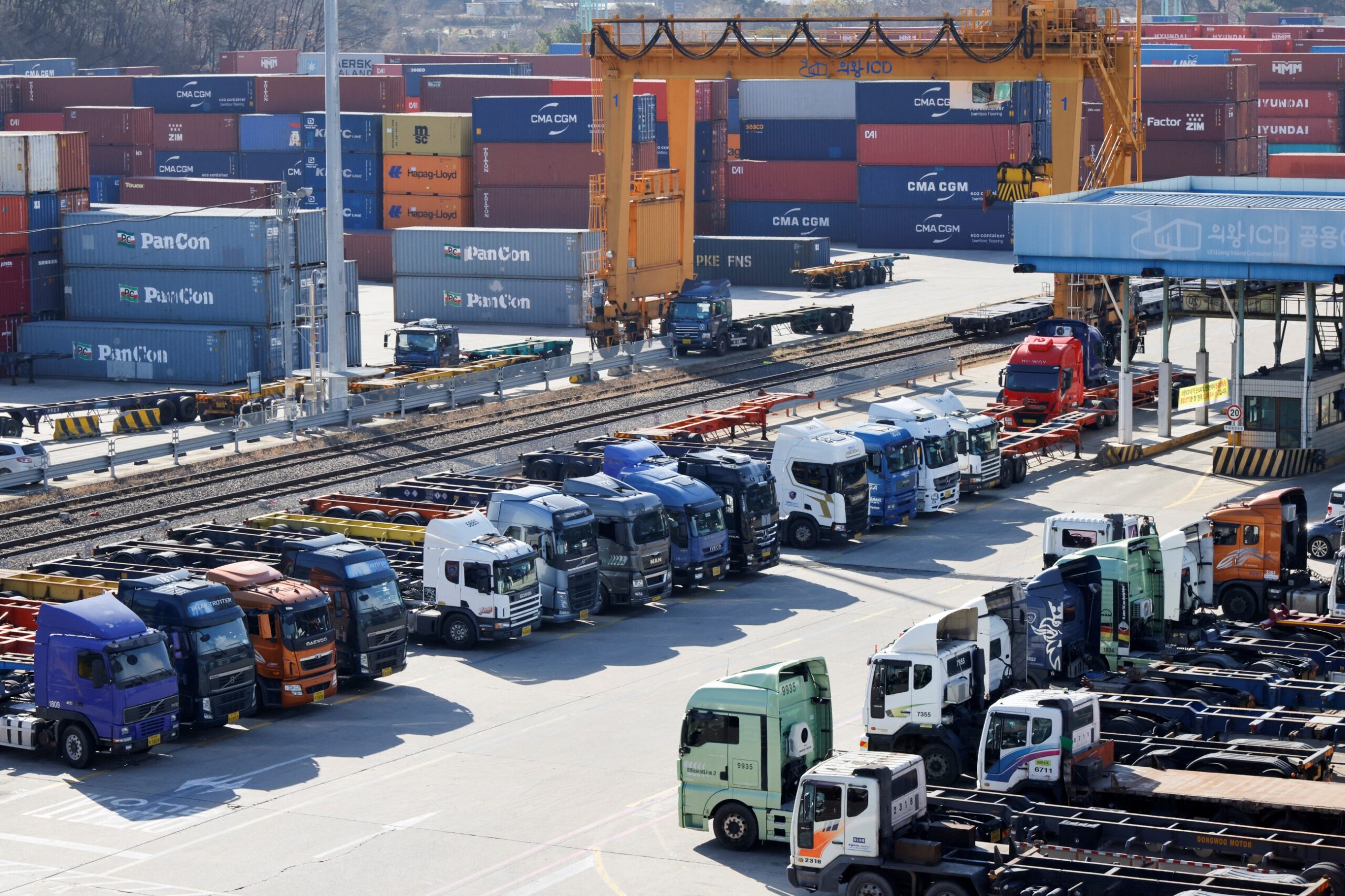
You may not recognize Karan Singh’s name, but you’ve likely heard of the problem his case exemplifies: workers who entered the US illegally and began driving massive trucks, even if they were clearly unqualified —

Opinion
It’s time to think

It’s time to think

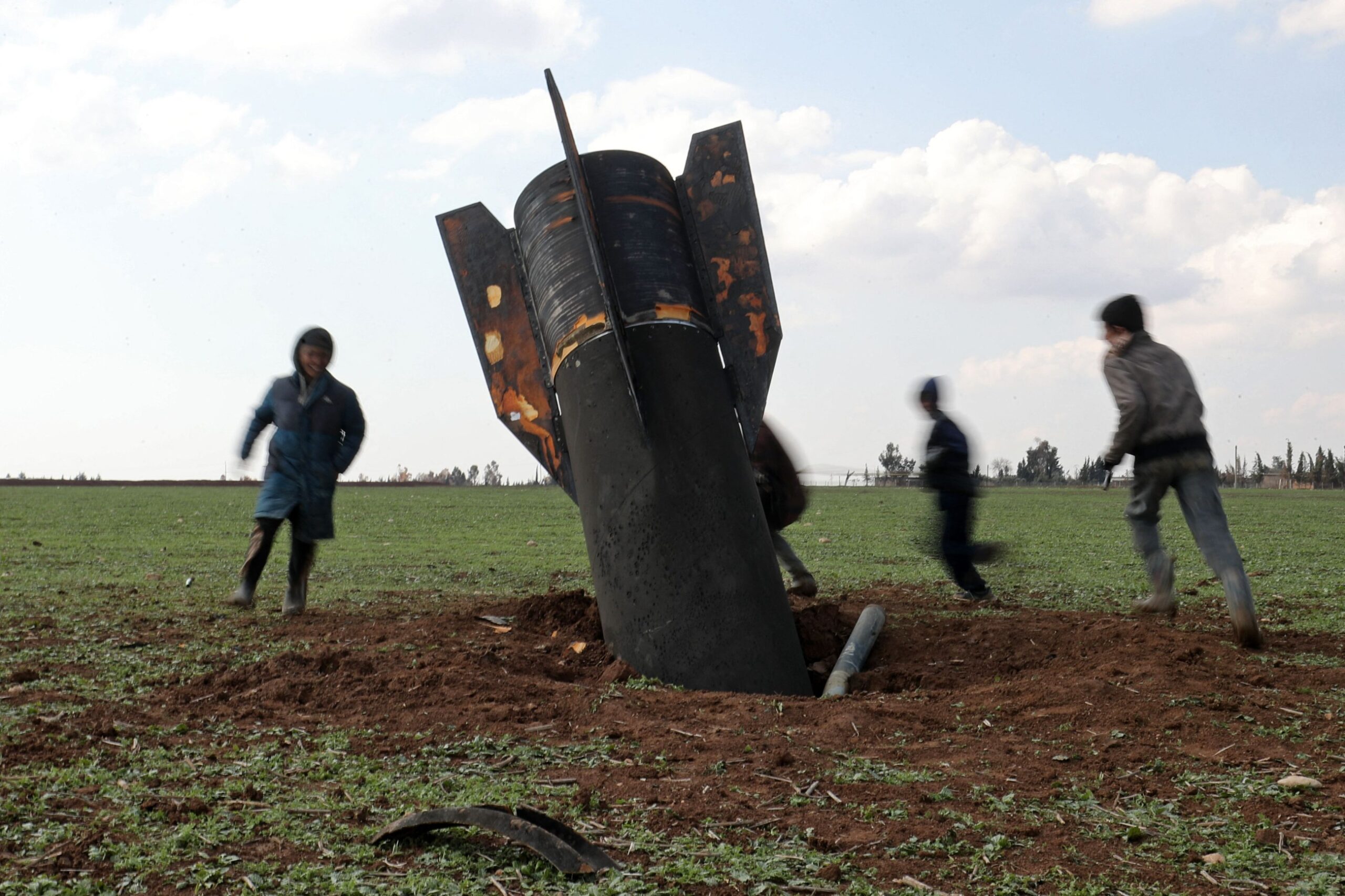
There are a number of photos in the media of children climbing and having fun but the photos are horrifying.They are from near Qamishli, a Syrian city and show an unexploded missile with children climbing

Opinion
Hungary PM Orban’s battery bet turns into election headache

Hungary PM Orban’s battery bet turns into election headache

Hungarian Prime Minister Viktor Orban’s bet on a battery-driven economic upswing appears to have backfired, with the sector mired in a prolonged downturn ‌and environmental concerns coming to the fore shortly before a make-or-break national election.In power for 16 ​years, Orban has bet big since ‌2021 on EV batteries, attracting foreign investment worth some 26bn euros, based on a government tally, ‌mainly from South Korean and Chinese manufacturers, and making ‌Hungary a key hub in Europe.But with Orban, ‌a eurosceptic nationalist, already trailing his centre-right challenger Peter Magyar, according to most opinion polls, surveys show Hungary’s battery plants have become an electoral risk ahead of the April 12 ballot.Although battery demand is seen rising in the years ahead, the sector has proved unable so far to revive Hungary’s stagnant economy.Orban’s government has also been on the defensive since news website Telex published a report last month on the scale of health and safety violations at Samsung SDI’s battery plant in the northern town of God. Orban aide Gergely Gulyas said Samsung had been fined several times between 2022 and 2023 for exceeding emissions standards in the factory, although the government says there was no pollution ​outside the plant.However, last Friday police said they had launched four criminal procedures against Samsung since 2023, including a 2024 probe into environmental damage and occupational endangerment, and a 2026 inquiry into waste management violations.Samsung said last month its ‌Hungarian factory, which temporarily had its environmental licence suspended, strictly complied with environmental ​and safety regulations. Its press office did not respond to Reuters’ questions. “We will continue to ​consider the safety and health of our employees as our most important value in the future and continue to conduct responsible corporate activities based on trust with the local community,” it said on its website.Laszlo Toth, however, who rents a house near the factory, said he was concerned by what he described as large plumes of steam rising from the plant every night. “These battery plants were not supposed to be located next to human settlements but in deserts,” said Toth, 50, who works as a food courier.“We did not need them. We used to have farmlands.”When Orban won the 2022 election, he set out plans to turn Hungary into a battery “superpower” by luring Asian investors and making it the world’s fifth-largest exporter of batteries. But that was followed by a ‌three-year stretch of stagnation, including two years of ‌falling battery output.Saddled with the EU’s worst inflationary surge after Russia’s 2022 invasion of neighbouring Ukraine, Hungary’s economy has lagged even a weak EU growth average that Orban had sought to eclipse. Orban’s hopes of lifting growth towards 6% beyond 2026 now look out of reach. The International Monetary Fund projects annual expansion of 2% to 2.6% until 2030. His government has backed the EV sector with subsidies worth some 1.3bn euros ($1.51bn), including up to 344mn euros for Samsung’s capacity expansion last year.David Karas, senior researcher at CEU Democracy Institute, said the perception that Orban’s nationalist government was prioritising foreign capital over local interests was politically toxic.Orban’s bet could still pay long-term dividends, with the International Energy Agency projecting EV battery demand more than tripling by 2030 from 2024 levels. But a Median survey released last week showed nearly two-thirds of those polled believed the Samsung plant’s difficulties had harmed Orban’s re-election prospects. Opposition leader Magyar has pledged to tighten oversight of battery plants and curb subsidies for gigafactories if his Tisza Party unseats Orban’s Fidesz.God resident Istvan Takacs, 64, said he had still not decided how to vote but expressed concern about the rising cost of living. “When I started working, I could buy three loaves ‌of bread from an hourly wage,” ​said Takacs, who drove tractors for four decades. “Now, we haven’t got much further, though we’re not worse off either,” he said. “I think everything’s stagnating here.” - Reuters 

Opinion
How will the next UN chief be chosen and who wants the job?

How will the next UN chief be chosen and who wants the job?

A new United Nations secretary-general will be elected this year for a five-year term starting on January 1, 2027. The race formally started when Sierra Leone, then-president of the 15-member UN ‌Security Council, and Annalena Baerbock, president of the 193-member General Assembly, sent a joint letter soliciting nominations on November 25. A candidate ​has to be nominated by a UN member ‌state. The job traditionally rotates among regions, but when current UN chief Antonio Guterres -- who is from Portugal -- was elected in 2016, it was supposed ‌to be Eastern Europe’s turn. Next on the list is Latin America. ‌However, some diplomats expect candidates from other regions. Baerbock has asked ‌countries to nominate candidates by April 1 so they are able to take part in so-called interactive dialogues in the week of April 20, which will be broadcast online. At these meetings candidates will be able to present their vision statement and UN member states will be able to ask questions. Rafael Grossi - Argentina: When asked by Reuters on September 3, Grossi said he was definitely going to run: “Yes, I am going to do that, yes.” A veteran Argentine diplomat, Grossi is director-general of the International Atomic Energy Agency, a role he has held since 2019. Argentina formally nominated him on November 26, 2025. Michelle Bachelet- Chile: The former Chilean president was formally nominated for the post by Chile, Brazil and Mexico on February 2. Bachelet was Chile’s first female head of state and twice served as president of the South American nation. ​Bachelet was UN high commissioner for human rights from 2018-22 and executive director of UN Women from 2010-13. In her statement for the post, she said she was confident her experience had prepared her “to confront a moment in which the international system faces challenges unprecedented in scale, urgency, and complexity”, and she pledged a focus on “rebuilding ‌trust in the United Nations.” Rebeca Grynspan-Costa Rica: Costa Rica has nominated former Vice President ​Rebeca Grynspan, a UN spokesperson said this week. President Rodrigo Chaves announced plans for the nomination on October 8. Grynspan, ​a politician and economist, currently serves as Secretary-General of the UN Conference on Trade and Development. Macky Sall-Senegal: A UN spokesperson said on March 2 that Sall, the former president of Senegal, had been nominated by Burundi. In his vision statement for the role, Sall said the world was going through a deep crisis in which the UN faced growing mistrust and an unprecedented risk of weakening. He said the organization needed to be reformed, streamlined, and modernized to address 21st-century challenges. The UN Security Council will formally recommend a candidate to the General Assembly for election as the 10th UN secretary-general later this year. The Security Council will hold secret ballots - referred to as straw polls - until a consensus is reached on a candidate. The choices council members are given for each candidate in the straw poll are: encourage, discourage, or no opinion. Ultimately, the five permanent veto-wielding council members - the United States, Russia, China, Britain and France - must agree on a candidate. The ballots ‌for the veto powers in the straw poll are ‌traditionally a different colour to those of the 10 elected members. When Guterres was chosen in 2016 to be recommended to the General Assembly, it took six straw polls for the Security Council to reach agreement. The Council then adopts a resolution, traditionally behind closed doors, recommending an appointment to the Assembly. The resolution needs nine votes in favour and no vetoes to pass. The General Assembly’s approval of the appointment of a secretary-general has long been seen as a rubber stamp. The United Nations has been working to improve the transparency of the historically opaque selection process. In a resolution adopted in September 2025, the General Assembly said each candidate should provide a vision statement when they are formally nominated and be given the opportunity to present it. The statement should also be published on a dedicated United Nations web page.  

Opinion
‘Qatar’s response to regional security situation exemplary’

‘Qatar’s response to regional security situation exemplary’

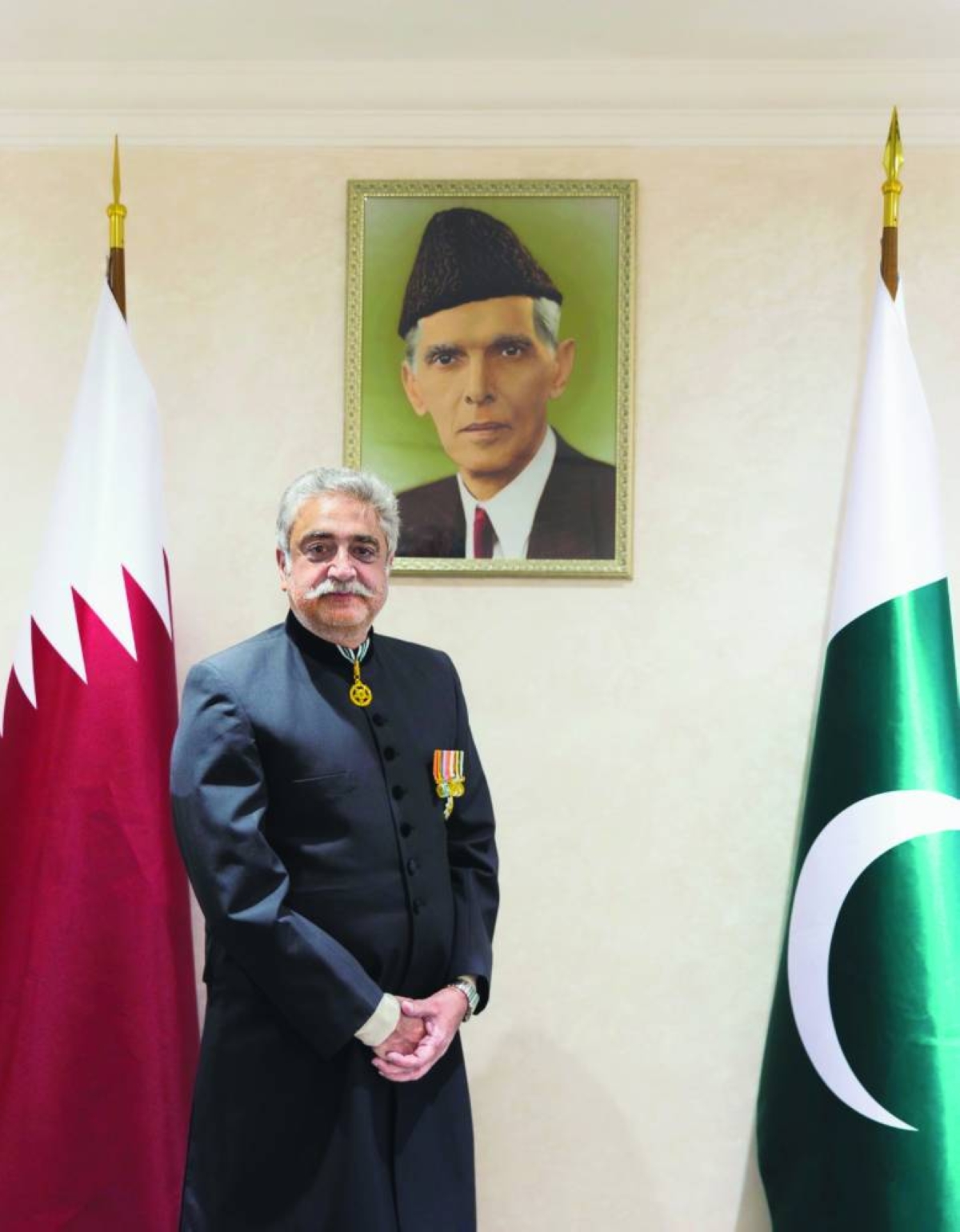
Lieutenant-General (R) Muhammad Aamer, Ambassador of Pakistan to Qatar. On behalf of the Government of Pakistan and the more than 350,000-strong Pakistani community residing in Qatar, I would like to express our deep appreciation for the exemplary measures taken by the Government of Qatar during the ongoing regional security situation.Pakistan stands in full solidarity with Qatar during these testing times.The timely alerts issued through the Ministry of Interior’s Early Warning System and national emergency notifications have been instrumental in keeping residents well informed and safe. These alerts are saving lives by ensuring that residents receive immediate guidance during rapidly evolving situations.We have full confidence in the Government of Qatar and its institutions, which have continued to provide safety and security to all residents. Despite the current regional tensions, Qatar has maintained essential services and a sense of normalcy, reflecting the wise leadership of His Highness the Amir Sheikh Tamim bin Hamad al-Thani and the effective governance of His Excellency the Prime Minister and Minister of Foreign Affairs Sheikh Mohammed bin Abdulrahman bin Jassim al-Thani.It is also important to note that resident Pakistanis have continued to remain in Qatar, which reflects the confidence of our community in the stability of the country and in the ability of the Qatari authorities to manage the situation effectively. The embassy has not received any instructions from the Government of Pakistan regarding evacuation, which further reflects confidence in the safety and stability being maintained by the host government.The Embassy of Pakistan in Doha has activated round-the-clock communication channels to assist Pakistani nationals who may require support. Our crisis response mechanism remains fully operational while the embassy continues to function normally and provide all regular consular services. A facilitation desk has also been established at Hamad International Airport to support Pakistani transit passengers facing travel disruptions.Particular attention has been given to Pakistani transit passengers who became stranded in Doha due to flight disruptions. The embassy has been working closely with Qatari authorities, airlines and Pakistani missions in neighbouring countries to identify practical travel options. We are also co-ordinating with the Embassy of Pakistan in Riyadh to facilitate Saudi visas for those willing to travel by road to Saudi Arabia for onward travel.In addition to travel facilitation, the embassy has been extending consular and humanitarian assistance, including provision of food, ration items, medicines, medical support and transport facilitation where required. The embassy also continues to provide guidance and assistance to Pakistani workers and students, while maintaining close engagement with community representatives.I would like to reassure the Pakistani community that their safety and well-being remain our highest priority and the embassy stands ready to provide assistance and facilitation whenever needed.At the same time, I urge all members of the Pakistani community to strictly follow the instructions issued by the Qatari authorities and to exercise caution. Residents should also use social media responsibly and refrain from spreading unverified information as responsible communication is essential during such situations.Pakistan and Qatar share deep-rooted fraternal relations and the Pakistani community remains an integral and valued part of Qatar’s social and economic fabric.The embassy will continue to remain fully engaged in ensuring the welfare of Pakistani nationals in the country. 

Opinion
Ultimately, it’s Iran’s choice – Gulf Times

Ultimately, it’s Iran’s choice – Gulf Times

Jamil K Mroue Iran is in a war it did not choose in full, yet one it helped to script in part. Iran is also in a leadership rupture that no missile can resolve. Outsiders will claim authorship of the outcome — Washington by force, Israel by daring, Russia or China by opportunism, Europe by handwringing. But Iran’s future, in the end, can only be decided by Iranians: by what they consent to build, and what they refuse to tolerate. That is not romantic nationalism. It is strategic realism. Military campaigns can shatter infrastructure; sanctions can starve investment; covert action can decapitate elites. None of that produces legitimacy. And legitimacy—more than centrifuges, proxies, or slogans—is what decides whether a country regenerates after trauma or sinks into permanent siege. Iran has been living through a leadership crisis for more than a century, and it keeps reappearing in different costumes. The Constitutional Revolution of 1905–11 produced a Majles and a constitutional framework that many Iranians still cite as the origin of modern political legitimacy—only to be battered by internal factionalism and foreign pressure. The Pahlavis modernised at speed—schools, infrastructure, law codes—while relying on top-down social engineering that treated citizens less like partners than like raw material. The Islamic Revolution promised dignity, authenticity, and justice; it delivered a hybrid system where popular politics exist, but ultimate sovereignty is anchored in the doctrine of velayat-e faqih (guardianship of the jurist), embedded in the post-revolution constitution. The Iran-Iraq warThen came the trauma that hardened everything: the Iran-Iraq war, eight years of mass death and insecurity. The Islamic Republic’s strategic reflex—building buffers, cultivating proxies, distrusting the West—has always drawn energy from that wound, as well as from an older one: the 1953 coup that removed Mohammad Mosaddegh and restored the Shah, funded by America and Britain. When nations feel repeatedly violated, paranoia becomes policy. Sometimes it is even rational paranoia. What makes this moment so dangerous is not only the violence, but the direction it is taking. Today’s war is widening in the wrong direction. Iranian strikes that spill into the Gulf—dragging the GCC into the line of fire—are not “clever escalation.” They are the opposite: a masterclass in turning potential neutrals into motivated adversaries. Analysts have long warned that attacks on Gulf states risk collapsing Gulf neutrality and hardening alignment with the United States, widening the anti-Iran coalition rather than splitting it. This is not merely a diplomatic error. It is an economic own-goal. When shipping in the Strait of Hormuz is imperilled, the Gulf is not just a bystander; Iran is clogging the artery. The disruption hits energy markets, logistics, and—often overlooked—strategic inputs like helium supply that matters for chipmaking and the AI buildout. Qatar is a major helium exporter; disruption there ripples into semiconductor production and the broader technology economy. If Iran’s goal is to “turn the war into a quagmire for America,” widening the theatre to the GCC is a poor way to do it. Quagmires are built by isolating your enemy, not by recruiting friends for them. There is a second strategic danger: escalation into the Gulf accelerates Israel’s “day after” vision—an approach that treats fragmentation in neighbouring states as a form of security. In Syria, Israel’s leadership has publicly framed policy around demilitarising swathes of territory and “protecting” specific communities, notably the Druze, in a way that signals comfort with the weakening of central authority. In parallel, Israel’s political imagination for the region increasingly flirts with the idea that semi-autonomous enclaves—ethnic, sectarian, tribal—can substitute for coherent states. Meanwhile, credible reporting has described Israeli efforts in the Palestinian arena to arm or empower local militias or clan-based groups as alternative power structures—tactics that can create semi-autonomous pockets and complicate any future reconstitution of credible governance. Whatever one thinks of Hamas, building politics out of armed local fiefdoms is not a blueprint for stability. It is a blueprint for permanent instability, a transaction whose costs are paid in blood and aid convoys. For Israel the assumption behind fragmentation-as-security is seductive and mistaken. Seductive because it promises a neighbour too divided to coordinate. Mistaken because it produces chronic instability, border volatility, radicalisation, and endless micro-conflicts that spill outward. A shattered neighbourhood does not become safe; it becomes permanently flammable. Iran should recognise the trap. A strategy of making the war painful for America and its partners can end up validating Israel’s most short-sighted instincts—more fragmentation, more local proxies, more “community-based” buffers—and locking the region into a decades-long contest of centrifugal forces. If Tehran’s idea is to turn this war into a quagmire for the United States, it may find it is accelerating the very Israeli approach that ensures the region never exits the cycle of insecurity. There is a better option, and it requires an Iranian policy pivot that many in Tehran will instinctively resist because it feels like concession. It is not concession. It is the oldest form of statecraft: regrouping. Iran’s strongest move is not to widen the war. It is to narrow the battlefield and widen the coalition for stability. That means an inclusion diplomacy that rebuilds functional alignment with the GCC and Turkey around three interests that are fundamental, civilised, and therefore revolutionary in this region: stability of borders and shipping routes; economic development and investment confidence; and insulation of domestic pluralism from external manipulation. This is not a utopian “regional harmony” pitch. It is a hard-nosed way to create a strategic incentive for America—still the dominant superpower—to prefer a stable, investable region rather than a permanent crisis theatre that bleeds resources while China expands influence through trade, infrastructure, and technology. Even American strategists who love hard power understand bandwidth. If Washington is forced to prioritise continuous Middle East firefighting, it reduces its ability to compete with China elsewhere. An Iran that repositions itself as part of a stability bloc—rather than the engine of perpetual disruption—changes the cost-benefit calculus in Washington in a way missiles never will. Iran’s dilemma is not new. It is written into its civilisational self-understanding—most famously in Ferdowsi’s Shahnameh. The epic is not just myth; it is a long meditation on legitimacy, kingship, and the ruin that comes when power confuses itself with the nation. In the tragedy of Rostam and Esfandiyar, a paranoid king—Goshtasp—turns Iran’s two noblest forces against each other. Rostam is the heroic vitality of the realm: independent strength, rooted confidence, national endurance. Esfandiyar is disciplined legitimacy: duty, mission, order, the serious idea of the state. Goshtasp, fearing his own son’s stature, commands Esfandiyar to bring Rostam in chains—manufacturing a conflict within Iran. The result is a duel that destroys a prince, poisons the victor, and weakens the realm. That is the model of besieged leadership: insecure, divisive, jealous, willing to sacrifice national cohesion to preserve personal dominance. Many Iranians would recognise the pattern in modern clothing. It is not hard to see how a leadership that lives by siege can become addicted to siege, needing external enemies to justify internal control. What the region hopes—quietly, pragmatically, selfishly—is that Iran will choose a different archetype of leadership: one that harnesses Rostam’s energy and Esfandiyar’s steadfastness without weaponising them against each other; one that is closer to the Shahnameh ideal of just rule—often associated with Kay Khosrow, the king who embodies justice, restraint, and legitimacy rooted in moral order rather than fear. That ideal is not a fairy tale; it is a cultural argument about what authority is for. Civilisational opportunityHistory is cruel but occasionally generous: civilisational opportunity often springs from war. Countries have turned defeat into renewal when the shock forces institutional reform, resets corrupt bargains, and makes real competence politically irresistible. But this only happens when leadership stops behaving like a besieged Goshtasp—lashing out, widening enemies, tightening the internal corral—and starts behaving like a Kay Khosrow: restraining ego, privileging justice, and aligning strength to rebuilding. For Iran, that means three immediate strategic corrections. First, stop treating the GCC as a pressure point. It is a strategic bridge. Attacking Gulf states invites exactly the coalition Tehran fears, while poisoning the economic environment Iran itself will need for recovery. Second, deny Israel the fragmentation narrative. The region’s answer to partition logic is not counter-partition; it is coordinated support for intact states and accountable governance, so that “minority protection” is not weaponised into permanent dismemberment. Third, convert “resistance” from a militarised brand into a diplomatic architecture: stabilise borders, de-escalate proxy theatres, and make investment and growth the new national prestige project. That, far more than theatrical escalation, creates strategic interest for the United States—because it lowers America’s regional policing bill while freeing attention for its competition with China. Iran can continue to fight like a cornered state and become the justification for every hardliner’s fantasy map. Or it can fight—politically, economically, institutionally—for a post-war settlement that restores its dignity through competence and stability. The region, including the Gulf, does not need an Iran that wins by making everyone lose. It needs an Iran that wins by making normal life possible again. Ferdowsi’s lesson is brutally modern: when leadership is insecure, it turns heroes into enemies. When leadership is just, it turns strength into a future. (Jamil K Mroue is a Lebanese writer and previous editor of Al Hayat newspaper in London and The Daily Star in Beirut)  

Up affordability creek

Up affordability creek

Opinion
Influencers want to adopt the ‘analog lifestyle’ for 2026

Influencers want to adopt the ‘analog lifestyle’ for 2026

Karen Garcia, Tribune News ServiceAt the dawn of 2026, social media influencers at home and abroad proclaimed it the year of the "analog lifestyle," a call to reduce digital connectivity as smart tech and screen

Opinion
Why women outperform others as life’s secret geniuses

Why women outperform others as life’s secret geniuses

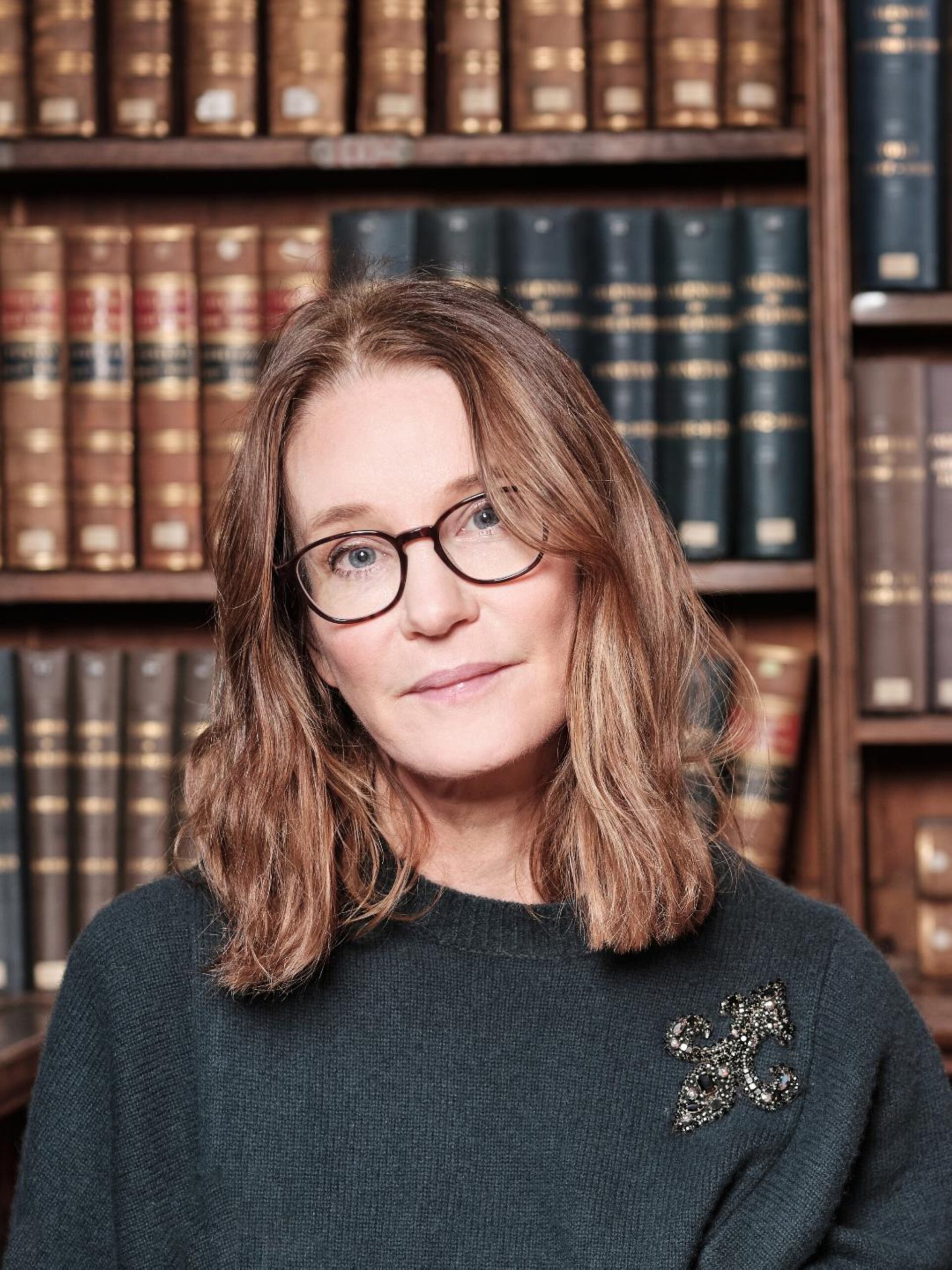
If there is one theme that has been consistent across the inaugural series of Secret Genius, the brilliant Alan Carr and Susie Dent-fronted Channel 4 game show that has scoured the width and breadth of