1. Home
  2. World

Category: World

World
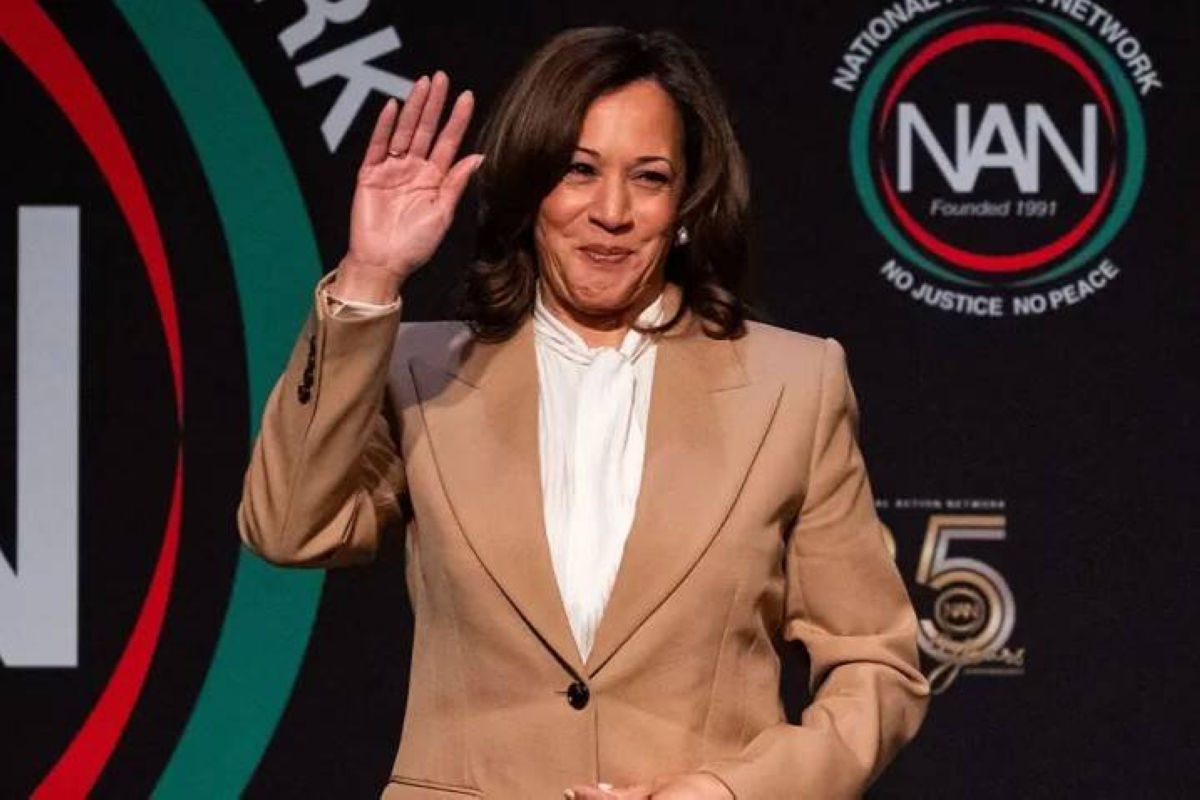
Kamala Harris says she might run for President in 2028

Kamala Harris says she might run for President in 2028

Former US Vice President and Democratic Party nominee for the 2020 presidential election, Kamala Harris said on ​Friday that she was considering running for president ‌again in 2028.In remarks, Harris revealed that she was considering a run in the next election, but many observers and analysts have downplayed her chances of winning the Democratic primaries and securing the party's nomination.Harris previously served as a US Senator and Attorney General of California, among other positions, and ran against current US President Donald Trump in the presidential race. 

World
US advances second oil reserve release amid Middle East conflict

US advances second oil reserve release amid Middle East conflict

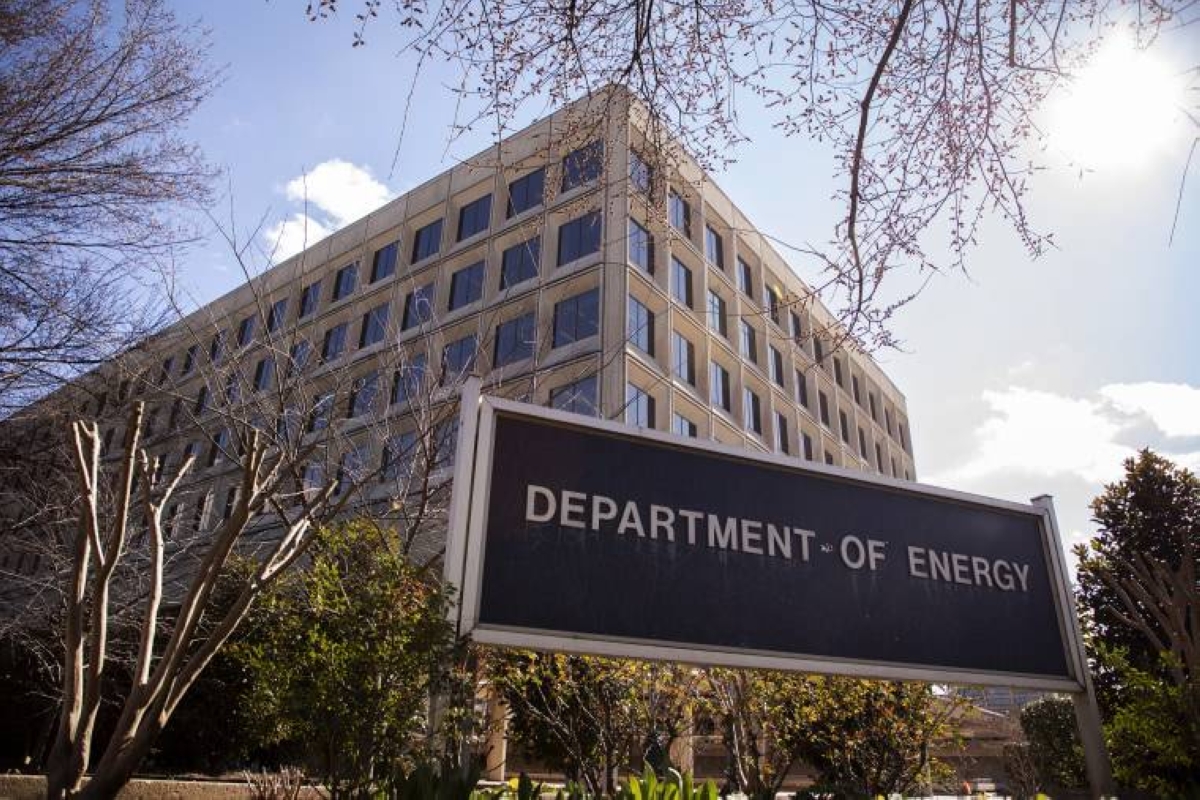
The US Department of Energy said it had loaned 8.48 million barrels of crude oil from the Strategic Petroleum Reserve (SPR) to four companies, as part of a second round of releases aimed at easing fuel prices amid the Middle East conflict.The Department said the recipients were Gunvor USA, Phillips 66, Trafigura Trading and Macquarie Commodities Trading.The move follows an offer a day earlier to sell 30 million barrels of light, sweet crude from the West Hackberry site in Louisiana.The DOE said companies took about 45.2 million barrels in the first round last month, roughly 52% of the volumes offered, indicating weaker-than-expected demand.SPR releases are structured as exchange agreements, requiring companies to return the crude at a later date with additional barrels as a premium, a mechanism the Department said supports supply without cost to taxpayers.Washington had offered on April 1 to loan up to 10 million barrels in the second round, part of a broader plan to release as much as 172 million barrels through 2027.The United States is also acting in coordination with other members of the International Energy Agency, which have agreed to collectively release around 400 million barrels to stabilize markets following supply disruptions linked to the conflict.The SPR currently holds about 413.3 million barrels, its lowest level since the mid-1980s, equivalent to just over four days of global oil demand. 

World
Islamabad fights the odds for peace sake

Islamabad fights the odds for peace sake

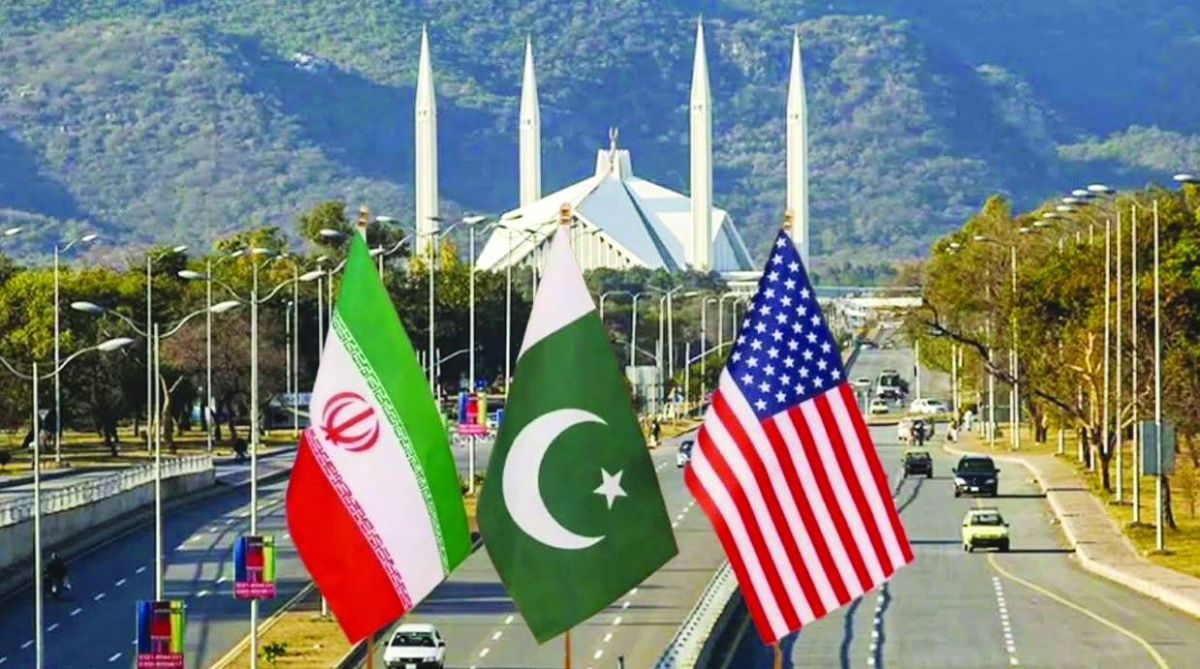
Whatever be the outcome of the Islamabad talks — and undeniably, these remain on highly fragile ground — Pakistan’s rearguard diplomacy to even get the US and Iran to come to the negotiating table cannot be credited enough, especially after US President Donald Trump’s threat to “wipe out a civilisation” that left the world teetering on the edge. When the world’s most powerful nations cannot speak to each other, they have often found a way to whisper — through Pakistan. It is a role Islamabad has quietly perfected over half a century: the trusted go-between, the carrier of messages that dare not travel openly, the host of conversations that officially never happened. Neither fully Western nor wholly Eastern, neither Arab nor Persian, Pakistan occupies a peculiar diplomatic sweet spot — and it has learned, with considerable skill, to make that ambiguity pay. The most celebrated example came in 1971, when General Yahya Khan’s government shepherded Henry Kissinger through Islamabad on a clandestine flight to Beijing, laying the groundwork for Nixon’s historic opening to China. It was a masterstroke of quiet statecraft — Pakistan asking no questions, seeking no credit, content with gratitude and goodwill from two of the world’s great powers simultaneously. That currency proved extraordinarily durable. The pattern repeated across the decades, in different registers and with varying degrees of success. During the Soviet-Afghan War, Pakistan was the indispensable frontline partner in the UN-brokered Geneva talks, coordinating mujahideen pressure and diplomatic suasion in equal measure until Moscow agreed to withdraw. The resulting accords were a genuine achievement. Between 2018 and 2020, Pakistan’s stubborn leverage over the Afghan Taliban made it central to the Doha Agreement, the deal that ended America’s longest war. In the chronic cold war between Riyadh and Tehran, Islamabad has positioned itself with particular care. It declined to join Saudi Arabia’s Yemen coalition in 2015, a decision that caused diplomatic friction but preserved Pakistan’s credibility in Tehran. It then used that credibility to quietly work the phones during successive spikes in Gulf tension offering itself as a de-escalation channel at moments when the alternative was an escalation nobody could afford. These were not headline-grabbing mediations. They were precisely the kind Pakistan does best: discreet and potentially invaluable. What makes Islamabad useful in these situations is that its relationships run in every direction simultaneously — a sometimes-fractious — but currently, close — partnership with Washington, inseparable ties with Tehran, economic dependency on the Gulf states, and an all-weather strategic alliance with Beijing. Where outside observers see a country pulled uncomfortably in competing directions, Islamabad sees leverage. The contradiction is the asset. It is worth noting who augments this diplomacy: the powerful military that sustains Pakistan’s backchannel relationships across administrations, elections, and crises. Now, in 2026, that same tradecraft is being applied to the most combustible dossier on the planet: the long-running stand-off between Washington and Tehran. Islamabad is hosting talks, passing proposals — including a reported 15-point American framework — co-ordinating with Turkiye, Egypt, Saudi Arabia, and China, and presenting itself, with characteristic understatement, as merely honoured to be of service to regional peace. Whether this episode yields a genuine breakthrough or dissolves into the familiar fog of stalled negotiations remains genuinely uncertain. But the instinct endures, and the infrastructure of relationships that makes it possible has never been dismantled. In a world that runs chronically short of honest brokers — of countries trusted, however provisionally, by parties who trust almost nobody else — Pakistan keeps raising its hand. In the right moment, that is no small thing to be.

World
Islamabad fights the odds for peace

Islamabad fights the odds for peace

Whatever be the outcome of the Islamabad talks — and undeniably, these remain on highly fragile ground — Pakistan’s rearguard diplomacy to even get the US and Iran to come to the negotiating table cannot be credited enough, especially after US President Donald Trump’s threat to “wipe out a civilisation” that left the world teetering on the edge. When the world’s most powerful nations cannot speak to each other, they have often found a way to whisper — through Pakistan. It is a role Islamabad has quietly perfected over half a century: the trusted go-between, the carrier of messages that dare not travel openly, the host of conversations that officially never happened. Neither fully Western nor wholly Eastern, neither Arab nor Persian, Pakistan occupies a peculiar diplomatic sweet spot — and it has learned, with considerable skill, to make that ambiguity pay. The most celebrated example came in 1971, when General Yahya Khan’s government shepherded Henry Kissinger through Islamabad on a clandestine flight to Beijing, laying the groundwork for Nixon’s historic opening to China. It was a masterstroke of quiet statecraft — Pakistan asking no questions, seeking no credit, content with gratitude and goodwill from two of the world’s great powers simultaneously. That currency proved extraordinarily durable. The pattern repeated across the decades, in different registers and with varying degrees of success. During the Soviet-Afghan War, Pakistan was the indispensable frontline partner in the UN-brokered Geneva talks, coordinating mujahideen pressure and diplomatic suasion in equal measure until Moscow agreed to withdraw. The resulting accords were a genuine achievement. Between 2018 and 2020, Pakistan’s stubborn leverage over the Afghan Taliban made it central to the Doha Agreement, the deal that ended America’s longest war. In the chronic cold war between Riyadh and Tehran, Islamabad has positioned itself with particular care. It declined to join Saudi Arabia’s Yemen coalition in 2015, a decision that caused diplomatic friction but preserved Pakistan’s credibility in Tehran. It then used that credibility to quietly work the phones during successive spikes in Gulf tension offering itself as a de-escalation channel at moments when the alternative was an escalation nobody could afford. These were not headline-grabbing mediations. They were precisely the kind Pakistan does best: discreet and potentially invaluable. What makes Islamabad useful in these situations is that its relationships run in every direction simultaneously — a sometimes-fractious — but currently, close — partnership with Washington, inseparable ties with Tehran, economic dependency on the Gulf states, and an all-weather strategic alliance with Beijing. Where outside observers see a country pulled uncomfortably in competing directions, Islamabad sees leverage. The contradiction is the asset. It is worth noting who augments this diplomacy: the powerful military that sustains Pakistan’s backchannel relationships across administrations, elections, and crises. Now, in 2026, that same tradecraft is being applied to the most combustible dossier on the planet: the long-running stand-off between Washington and Tehran. Islamabad is hosting talks, passing proposals — including a reported 15-point American framework — co-ordinating with Turkiye, Egypt, Saudi Arabia, and China, and presenting itself, with characteristic understatement, as merely honoured to be of service to regional peace. Whether this episode yields a genuine breakthrough or dissolves into the familiar fog of stalled negotiations remains genuinely uncertain. But the instinct endures, and the infrastructure of relationships that makes it possible has never been dismantled. In a world that runs chronically short of honest brokers — of countries trusted, however provisionally, by parties who trust almost nobody else — Pakistan keeps raising its hand. In the right moment, that is no small thing to be.
World
Pakistan sends fighter jets to Saudi Arabia

Pakistan sends fighter jets to Saudi Arabia

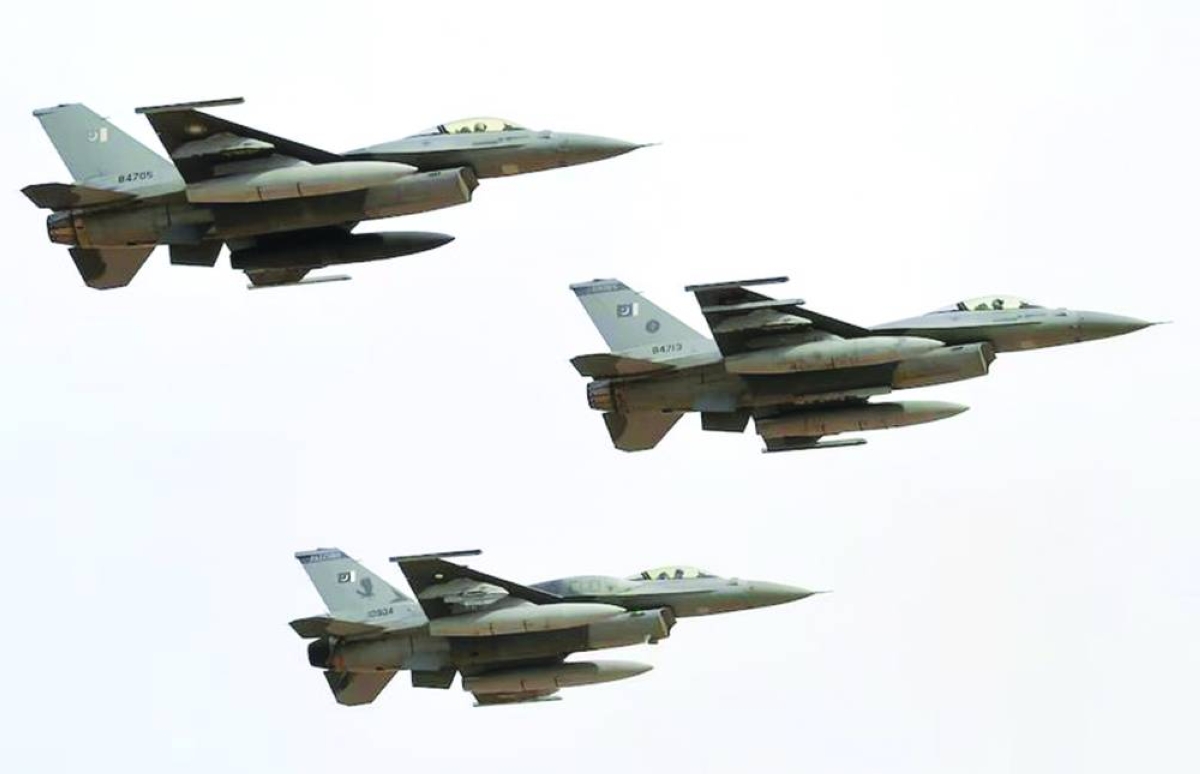
Pakistan has sent fighter jets and ‌other military ⁠forces to ‌Saudi Arabia to boost security ‌under a defence pact between the two countries, the Saudi defence ⁠ministry said today, as Islamabad hosted talks aimed at ending the Iran war.Saudi Arabia's defence ministry said in a statement that Pakistani fighter jets and support aircraft had arrived at the King Abdulaziz Air Base in the country's eastern province.It said the Pakistani deployment aimed to ​strengthen joint defence co-operation and support regional and international security and stability.The planes were sent after Iranian strikes hit key energy infrastructure and ‌killed a Saudi national, ⁠three sources, including a ​senior Pakistani government official, told Reuters.They were "not there ​to attack anyone", said the Pakistani official, who spoke on condition of anonymity.An Iranian strike on Saudi Arabia's sprawling Jubail petrochemicals complex on Monday had raised concerns in Pakistan that the Gulf kingdom might retaliate, potentially jeopardising the Iran peace talks, the three sources said.The Pakistani deployment aimed to reassure Riyadh that Islamabad would help defend the kingdom from any further attacks, the sources said.The ‌Saudi government media office ‌and Pakistan's military did not ⁠respond to requests for comment.Riyadh and Islamabad ⁠signed a mutual defence ⁠pactin September 2025, committing both sides to treat any aggression against either country as an attack on both. That significantly deepened a decades-old security partnership.Pakistan has long provided military support to the kingdom, including training and advisory deployments, while Saudi Arabia has repeatedly ​stepped in to support Pakistan financially during periods of economic stress.Saudi Arabia's finance minister Mohammed Al-Jadaan was in Pakistan on Friday to demonstrate economic support for the country, a source familiar with the situation said.In 2018, Riyadh announced a $6bn support package for Pakistan, including a $3bn deposit at the central bank and $3bn worth of oil supplies on deferred ‌payment.  Related Story

World
Talks ‘make or break’ for world peace: Pakistan PM

Talks ‘make or break’ for world peace: Pakistan PM

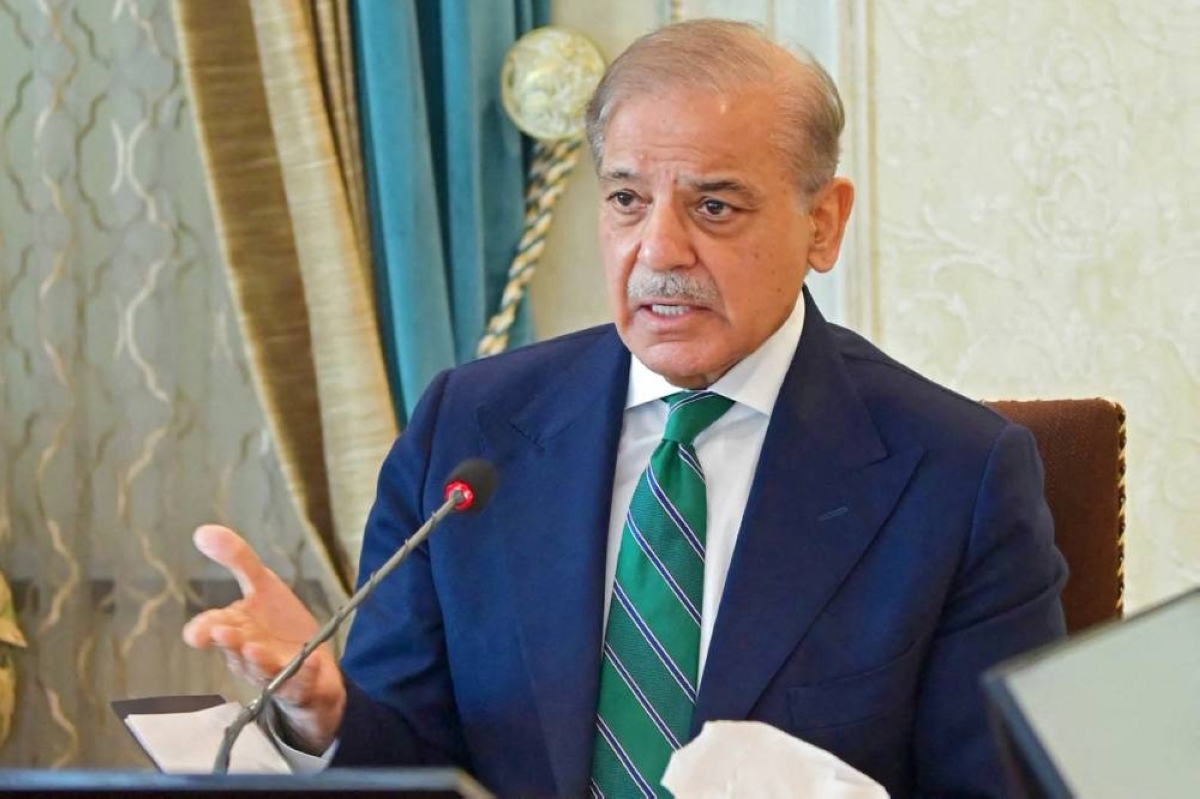
 * Iran says ceasefire must include Lebanon, unfreezing of assets* Vance tells Iran not to 'play us'* Israeli strikes across southern Lebanon continue on Friday Pakistani Prime Minister Shehbaz Sharif said yesterday that leaders of both Iran and the United States would attend ceasefire talks in his country set for today - and warned that progress would be hard work. “In response to my sincere invitation, the leaderships of both countries are coming to Islamabad. There, negotiations will be held for the establishment of peace,” Sharif said in an address to the nation. Iranian officials landed late last night at Nur Khan Air Base in Islamabad under Pakistan’s Air Force escort, sources involved in the talks said. While US Vice-President J D Vance was on his way to Pakistan, there had been a question mark over the Iran delegation after Tehran set conditions for the start of negotiations.Iran has said a two-week ceasefire in place must apply to Lebanon, where Israel was still carrying out bombing raids on Iran-backed Hezbollah.  Iran also called for its assets frozen abroad because of US sanctions to be unblocked. Sharif sounded a more positive note, thanking both sides for agreeing to meet, but said the hard work was still to come. “A temporary ceasefire has been announced, but now an even more difficult stage lies ahead: the stage of achieving a lasting ceasefire, of resolving complicated issues through negotiations,” he said in his televised speech. “This is that stage which, in English, is called the equivalent of ‘make or break’.” He said his government would “make every possible effort to make these talks successful”. Iran’s parliament speaker Mohammad Baqer Qalibaf said on X that the two above measures had been ​previously agreed with Washington and that talks would not ‌start until they are fulfilled, amid mounting dispute over the ceasefire terms. This was echoed by Foreign Minister Abbas Araghchi, who ‌also demanded an end to Israeli ⁠airstrikes on Lebanon. Both officials are expected ‌to be at the talks, Pakistani sources said. Trump, who did not specifically address the Iranian demands, earlier told the New York Post that US warships were being reloaded “with the best ammunition to resume strikes on Iran if peace talks in Pakistan fail”. Vice-President J D Vance, who will lead the US delegation, said he expected a positive outcome as he headed to Pakistan, but added: “if they’re going to try to play us, then they’re going to find the negotiating team is not that receptive”.Iran has been unable to obtain tens of billions of dollars of its assets ​in foreign banks, mainly from exports of oil and gas, due to US sanctions on its banking and energy sectors. 

World
Buffets, baristas, no briefings: journalists at US-Iran talks

Buffets, baristas, no briefings: journalists at US-Iran talks

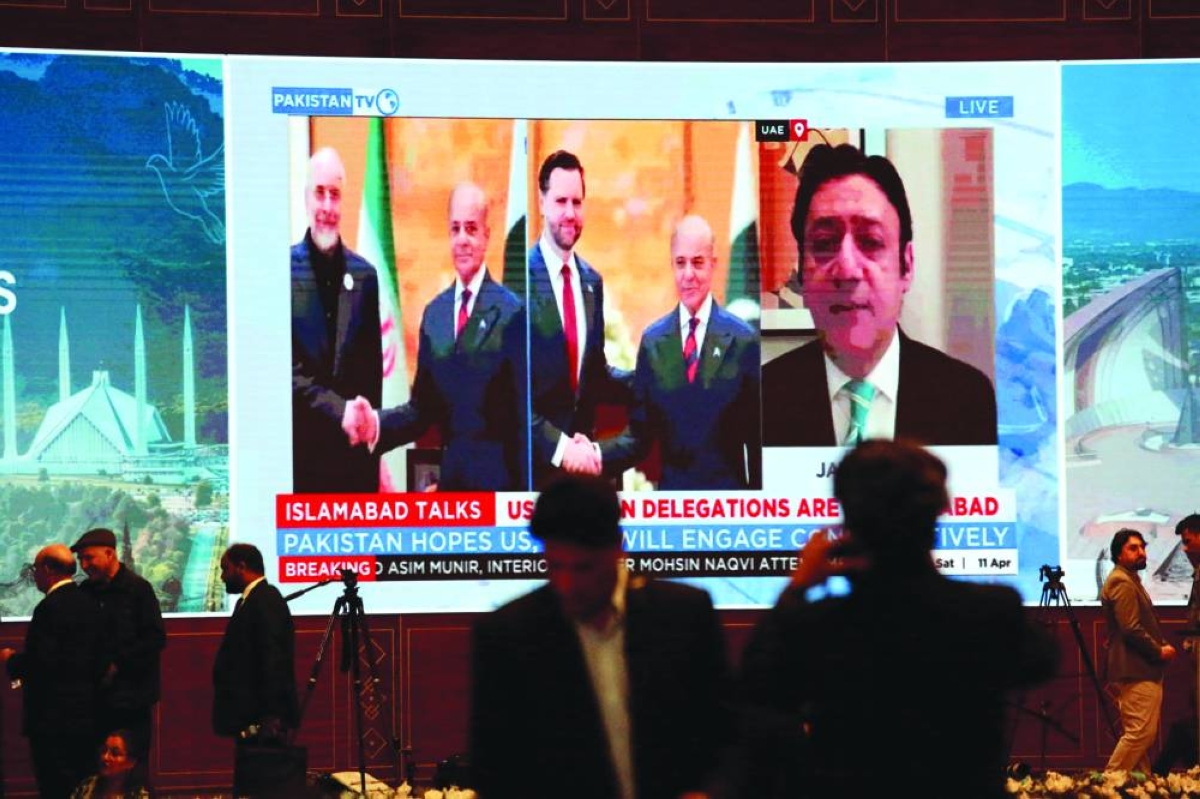
They came from around the world: hundreds of journalists rushed to Islamabad's flagship convention centre — converted into a media hub by Pakistani authorities for landmark talks between the United States and Iran to end the war in the Middle East. But as negotiations began behind closed doors half a kilometre away, all the world's media could do was wait — and sip on an expertly brewed coffee while listening to live eastern folk music. Even the lattes had a tagline: "Brewed for Peace." Branding was a big part of the event, with Pakistan dubbing the process the "Islamabad Talks", and plastering a logo combining the Pakistani, US and Iranian flags all over the city.Early today, an overcast Islamabad felt like a ghost town, with almost no civilian traffic on its wide avenues. The few vehicles that moved were driven by armed, uniformed personnel who patrolled the city. Some journalists, accredited by the information ministry, were nonetheless held up for about an hour at a checkpoint outside the venue as a convoy of VIPs swept past. Inside, they found lavish surroundings, wedding-banquet style spreads of biryani, kebabs and gulab jamun, along with gourmet coffee blended from Brazilian and Ethiopian beans."We did the branding ('Brewed for Peace') just for the day," one person manning the stall said. Outside the hall, musicians played folk songs on a small stage. "I'm a professional musician, and also teach music," Amir Hussain Khan, a sitar player, told AFP. Staff had reserved seating with a clear view of the massive main stage for US media, directing correspondents from other outlets elsewhere. Iranian media went to the opposite side of the hall. Updates did not begin to arrive until after about 2pm, hours after US Vice President JD Vance touched down in the capital. On the large screen dominating the cavernous Jinnah Convention Centre, state television aired footage of his arrival and reception by Pakistani officials, prominently including Army Chief Field Marshal Asim Munir. When updates did come, they arrived not from media briefings — as would be the norm at an event of this scale — but from press statements released via WhatsApp. The foreign ministry said a "high-powered" US delegation, led by Vance and including Special Envoy Steve Witkoff and Jared Kushner, had been received by Foreign Minister Ishaq Dar, who commended Washington's "commitment to achieving lasting regional and global peace". Hours later, Pakistan's government said Prime Minister Shehbaz Sharif had met Vance, expressing hope the talks would serve as "a stepping stone toward durable peace in the region". Not exactly the kind of gripping, headline-grabbing quotes many of the journalists in the hall had flown thousands of miles for. The convention centre offered high-speed wireless internet that AFP clocked at more than 150 megabits per second, far above Pakistan's national average of 25 Mbps, according to Speedtest.net figures from February 2026. The gesture was not lost on reporters. "They say they have facilitated the media. No doubt they have given 5G internet speeds," said journalist Nadir Guramani. "But media teams deputed inside Jinnah Convention Centre do not know what's happening outside." Security measures added to the surreal atmosphere. An AFP journalist was told the coffee could not be taken into the main hall. "Foreign media is here, and they are watching," a guard said cryptically. By sunset, the "Islamabad Talks" had produced press releases, a memorable food spread and impressively fast internet in a country riven with tech challenges. Whether they produced anything more substantive remained, for those inside the hall, just beyond their reach.  Related Story

World
Saudi finance minister in Pakistan to show ‘economic support’

Saudi finance minister in Pakistan to show ‘economic support’

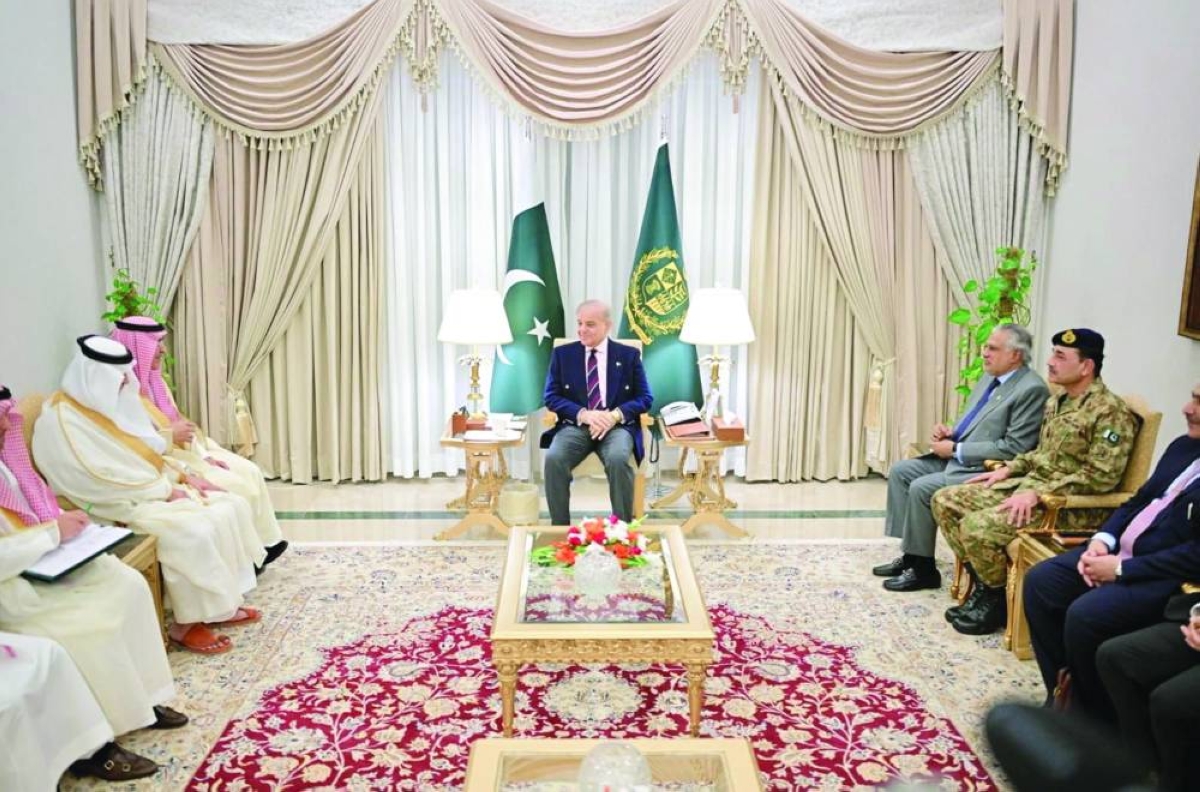
Prime Minister Shehbaz Sharif and Pakistan's Chief of Army Staff (COAS) Asim Munir during the meeting in Islamabad with Saudi Arabia’s Finance Minister Mohammed al-Jadaan. – Reuters The Saudi finance minister was in Islamabad Saturday in a show of "economic support", a source familiar with the matter told AFP.Saudi Minister Mohammed al-Jadaan had met with Pakistan’s Prime Minister Shehbaz Sharif a day earlier, according to the premier's office, which said Islamabad was committed to expanding co-operation "in trade, investment, and economic development".Jadaan's visit comes as Islamabad hosts US-Iran talks aimed at ending the Middle East war, which he is not attending.The trip was the latest sign of new alliances emerging in the Gulf amid the ongoing rift between the region's two powerhouses."He is there as a show of economic support for Pakistan," the source familiar with the matter said.Cash-strapped Pakistan recently said it would return more than $3bn in loans to the UAE that Abu Dhabi had been rolling over since 2018.Islamabad is dependent on International Monetary Fund (IMF) bailouts and loans from friendly countries such as Saudi Arabia and the UAE to service its huge debt, which swallows up half of its annual revenues.Pakistan, along with Saudi Arabia, Egypt and Turkiye, has been engaged in efforts to find an off-ramp to the US-Israeli war on Iran, which has seen the Gulf bear the brunt of Tehran's retaliatory strikes.The UAE has sustained more Iranian attacks than any other country.It has also shown a more hawkish posture towards Tehran, warning against solutions that stop short of addressing its full range of threats and securing freedom of navigation.Last month, Pakistan, Saudi Arabia, Egypt and Turkiye held talks about trying to end the war in the Middle East.The kingdom enjoys close military ties with nuclear-armed Pakistan, with which it signed a mutual defence pact last year.Saudi state media reported Saturday that Pakistani fighter jets had landed in the kingdom under the auspices of the defence pact.  Related Story

World
Five-star hotel becomes unlikely site for US-Iran talks

Five-star hotel becomes unlikely site for US-Iran talks

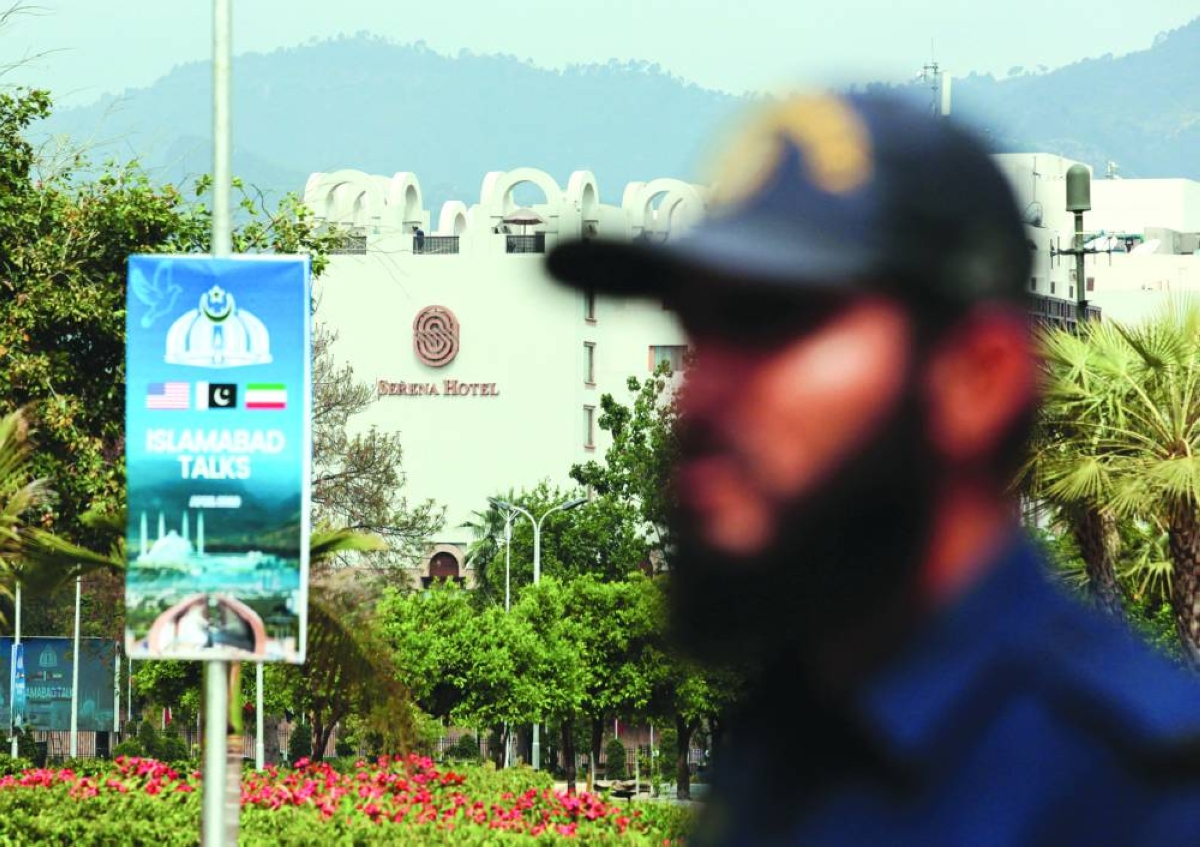
A security officer stands guard outside the media centre near the road leading to Serena Hotel in Islamabad. – Reuters The luxury five-star Serena Hotel in Pakistan's capital has become the unlikely venue for peace talks aimed at ending the Iran war, cementing its status as one of Islamabad's most heavily fortified buildings.The city is under unprecedented security ahead of the talks, with shops and offices shut for two days ahead of the arrival of US Vice-President JD Vance, who is leading the American delegation, and senior Iranian officials. An empty road in front of the Serena Hotel in Islamabad. – Reuters Thousands of security personnel, including paramilitary and army troops, have set up checkpoints and blockades across the capital, cordoning off the Red Zone where government offices and embassies are located.

World
US, Iran in make-or-break peace talks in Pakistan

US, Iran in make-or-break peace talks in Pakistan

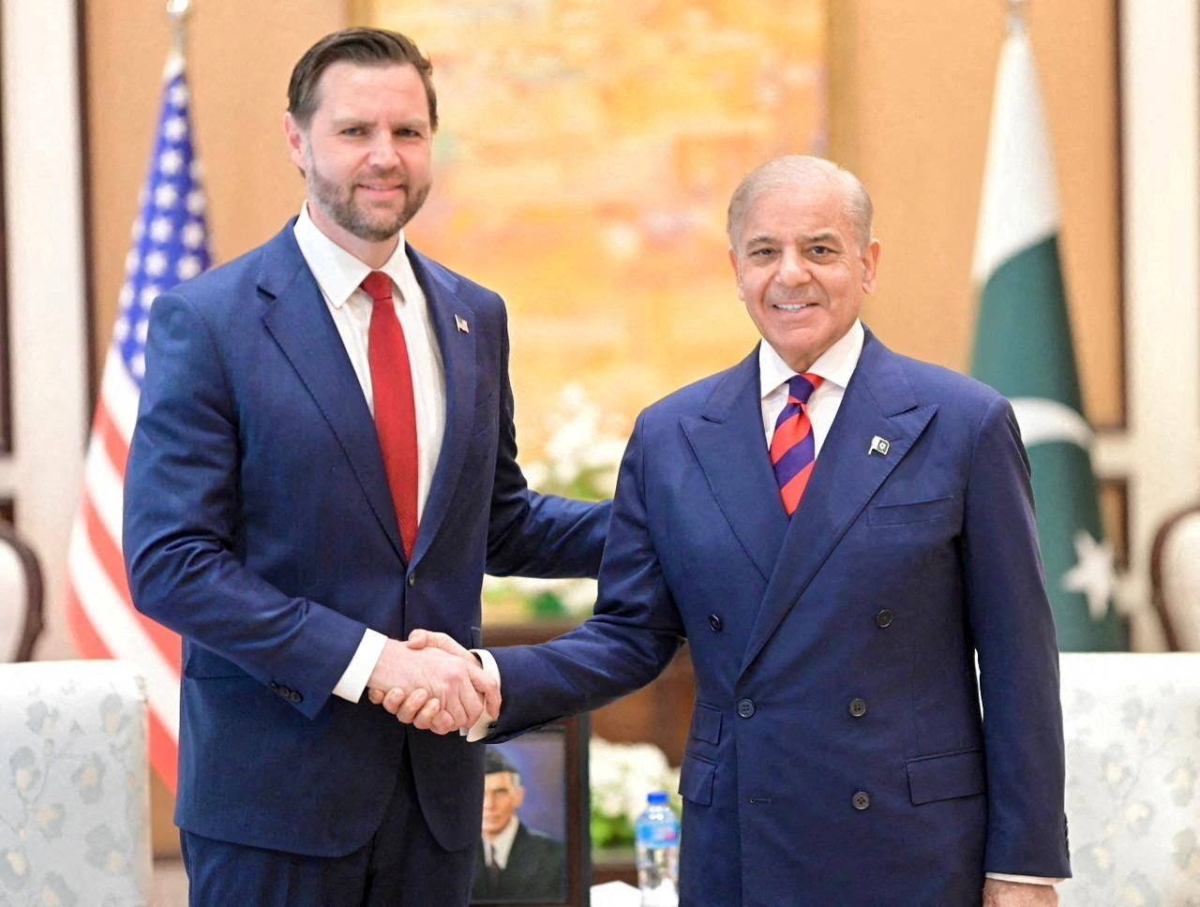
Pakistan's Prime Minister Shehbaz Sharif shakes hands with US Vice President JD Vance during their meeting in Islamabad. (Reuters) US Iran peace talks in Islamabad American and Iranian officials are holding face-to-face talks in Pakistan today, the most significant since the 1979 Islamic revolution as the foes try to end a war that plunged the Middle East into violence and rocked the world economy.The trilateral direct negotiations were taking place with host Pakistan in capital Islamabad, a senior White House official said, a departure from recent practice where both sides held talks via a mediator while seated in separate rooms. Pakistan's Prime Minister Shehbaz Sharif meets with Iranian Parliament