1. Home
  2. World

Category: World

World
US Vice President JD Vance expects positive Iran talks ahead of Islamabad negotiations

US Vice President JD Vance expects positive Iran talks ahead of Islamabad negotiations

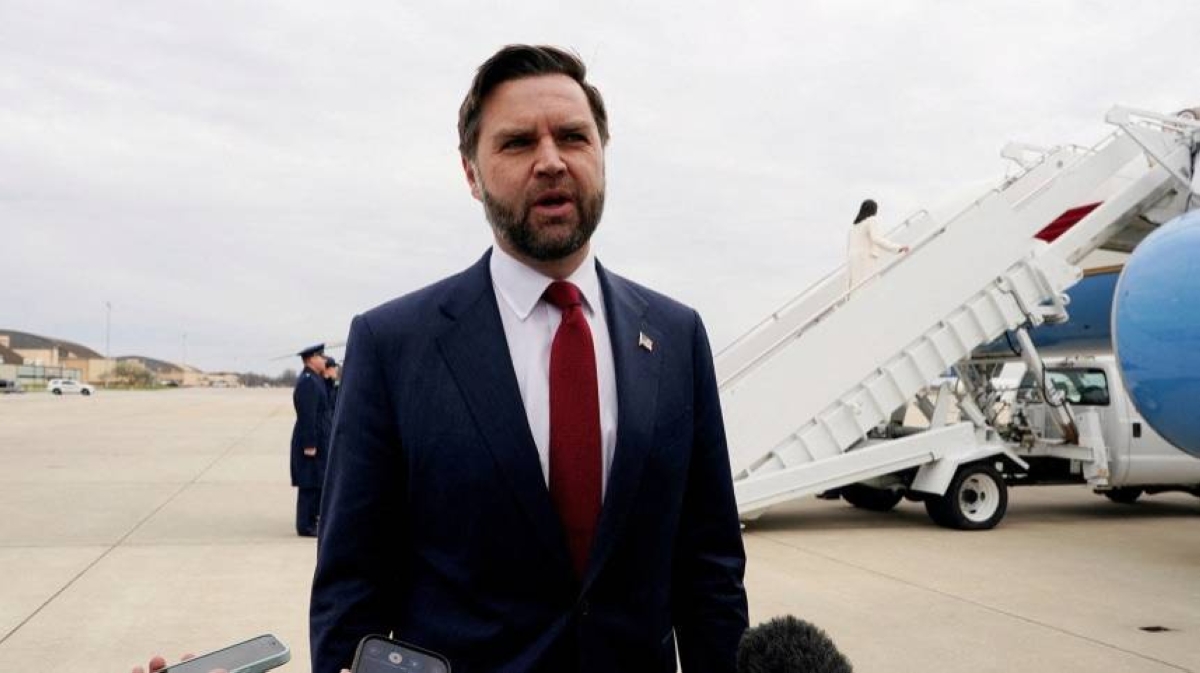
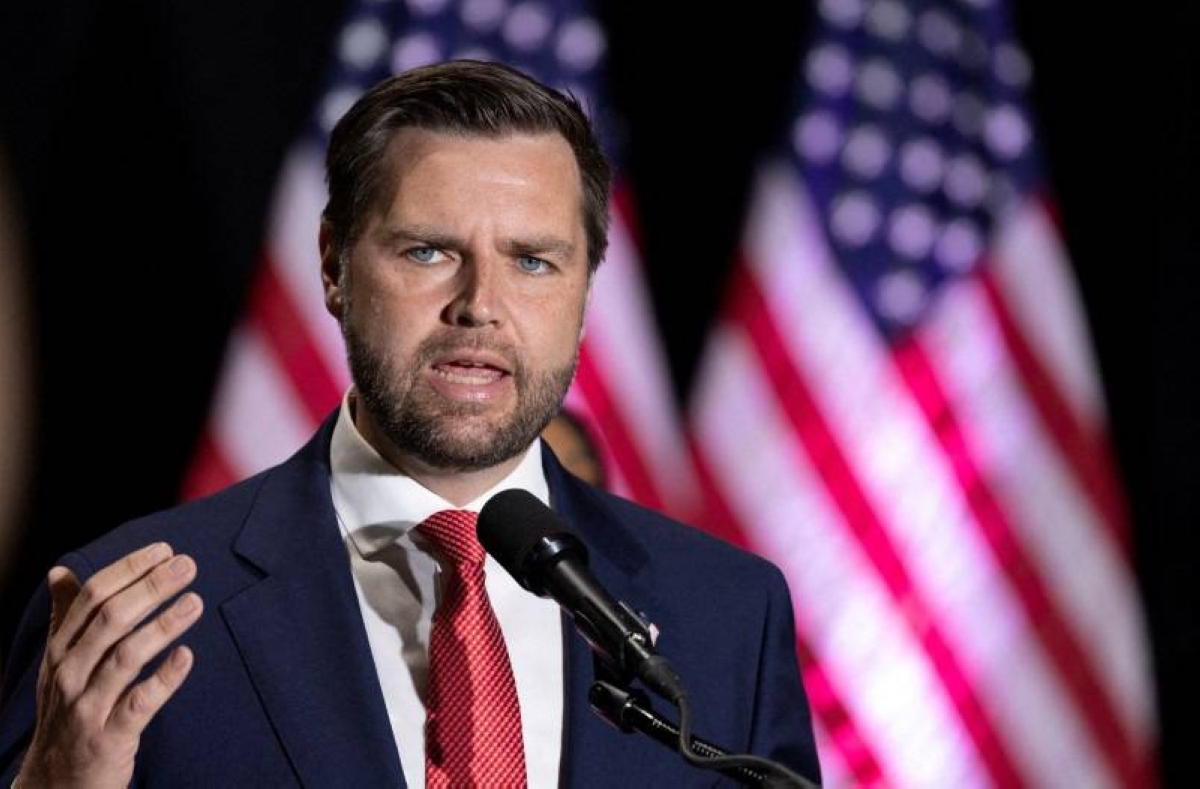
US Vice President JD Vance said on Friday he expects upcoming negotiations with Iran in Islamabad to be positive, as he departed Washington for Pakistan.“We’re looking forward to the negotiation. I think it’s going to be positive,” Vance told reporters. He said the US is open to engaging in good faith, adding, “If the Iranians are willing to negotiate in good faith, we’re certainly willing to extend the open hand.” Vance, however, warned that Washington would not respond favourably if Tehran fails to engage seriously, stating that if Iran attempts to “play us,” the negotiating team “is not that receptive.”

World
All eyes on Islamabad as US, Iran set for talks

All eyes on Islamabad as US, Iran set for talks

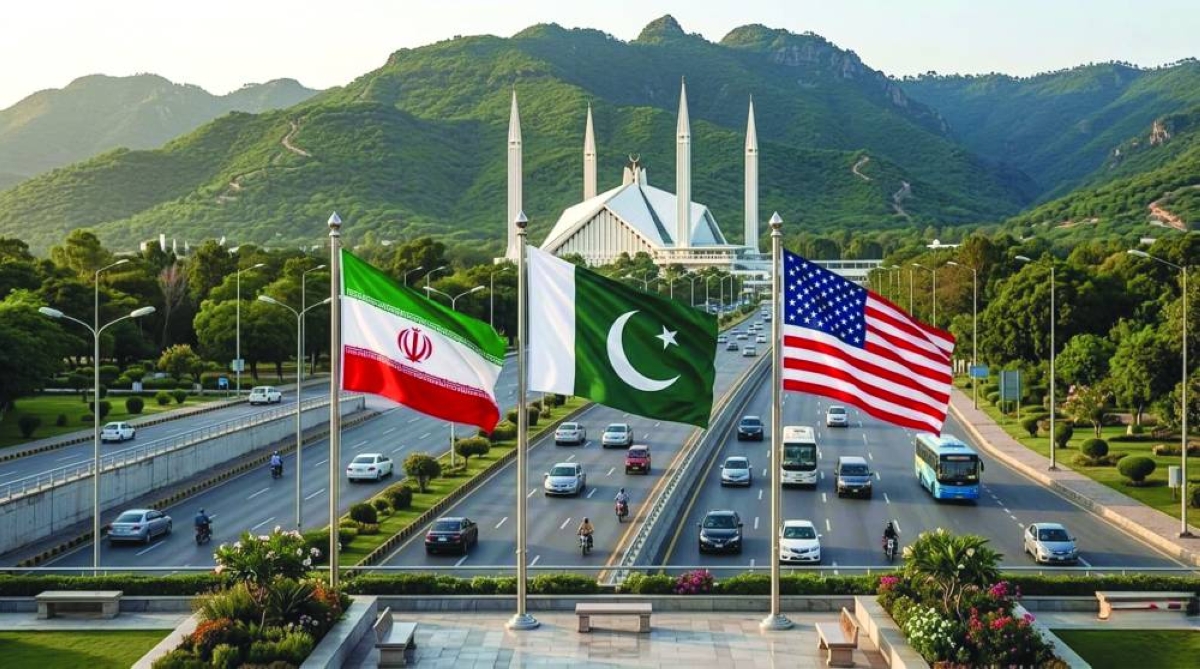
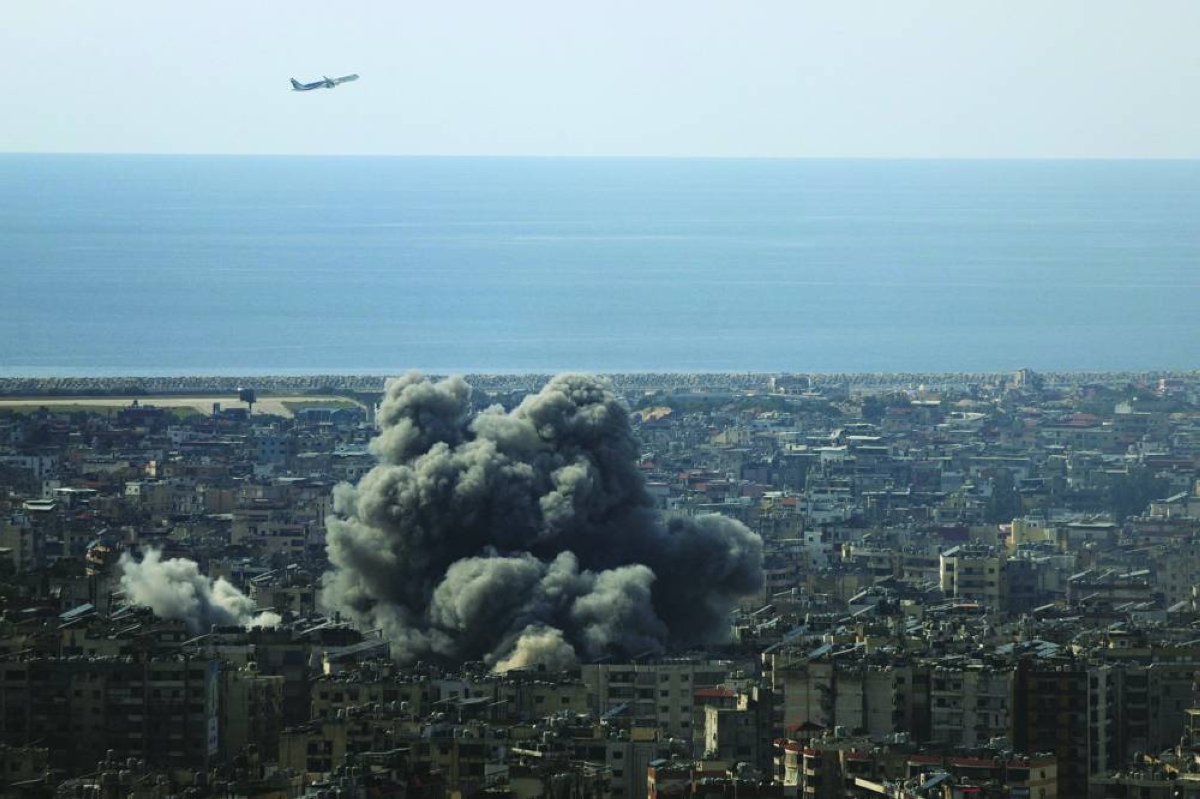
The world's attention will turn Friday to Islamabad, Pakistan, which will host the first public direct talks between the United States and Iran in many years.These talks are described as difficult and crucial due to the tense atmosphere, but according to observers, they represent a historic opportunity that could change the entire map of the Middle East, or could return the region to a spiral of tensions and conflicts if they fail.Delegations are expected to arrive in Islamabad Friday before negotiators formally sit down at the negotiating table Saturday, amid reports confirming that the 30-member US negotiating team has already arrived in Islamabad to review security arrangements.The White House stated that Vice President J.D. Vance would lead the American delegation in these negotiations, along with envoys Steve Wittkopf and Jared Kushner, while Tehran announced that its Foreign Minister Abbas Araghchi and Parliament Speaker Bagher Ghalibaf would lead the discussions in Islamabad, in the presence of mediators and several other figures.These negotiations come in the wake of a two-week ceasefire agreement between Washington and Tehran, brokered by Pakistan, which was announced early Wednesday. The truce, which averted imminent US strikes on Iran, was based on a ten-point Iranian proposal that Washington accepted as a general framework for talks.This round of negotiations will also take place in the wake of an unprecedented military escalation between the two sides, marked by mutual threats and attacks that have directly affected the security of the region and global shipping traffic.Despite the announcement of a temporary truce, events on the ground quickly deviated from the diplomatic messages. Within hours, the agreement was severely undermined, as Israeli warplanes launched what was described as the largest wave of airstrikes on Beirut, the Bekaa Valley, and southern Lebanon since the start of the conflict, targeting nearly 100 sites within minutes, resulting in the death and injury of hundreds of unarmed civilians. Hezbollah responded by targeting the Manara settlement in northern Israel with missiles, while Tehran threatened to retaliate against the Israeli attacks, signaling the collapse of the truce. Tehran declared that the issue of reopening the Strait of Hormuz would depend on full compliance with the ceasefire, including in Lebanon.Pakistan has condemned in the strongest terms the ongoing Israeli aggression against Lebanon, stressing that Israeli actions undermine international efforts to establish peace and stability in the region and constitute a flagrant violation of international law and basic humanitarian principles. Pakistan urged the international community to take urgent and concrete steps to end the Israeli aggression against Lebanon.While the White House confirmed that the ceasefire was limited to direct hostilities between the United States and Iran, and that Lebanon was not included, Iranian officials rejected this interpretation, stressing that a partial ceasefire was unacceptable, and Tehran threatened that it would withdraw from the ceasefire agreement if Israeli attacks on Lebanon continued.Iran had previously rejected a 15-point US list of demands, stating that it imposed broad restrictions on its nuclear program, missile capabilities, and regional alliances. Instead, it presented a 10-point counter-proposal emphasizing its sovereignty and calling for a broad de-escalation.The Iranian proposal also called for recognition of its right to uranium enrichment, the removal of primary and secondary US sanctions, the termination of UN resolutions, compensation for war damages, and a cessation of hostilities in all fronts, including Lebanon.On Wednesday, Qatar welcomed the ceasefire announcement between the United States and Iran, considering it an initial step towards de-escalation and stressing the urgent need to build upon it to prevent the spread of tension in the region.The Ministry of Foreign Affairs expressed, in a statement, Qatar's appreciation for the efforts of Pakistan, particularly those of Prime Minister Shahbaz Sharif and Chief of Army Staff, Field Marshal Asim Munir as well as all parties involved in mediation and good offices that contributed to achieving a ceasefire. The ministry emphasised the importance of full adherence to the ceasefire declaration to ensure the consolidation of the truce and create the conditions for dialogue.The ministry also stressed the necessity for Iran to immediately cease all hostile acts and practices that undermine regional stability and respect for the sovereignty of states, thereby preventing the recurrence of such violations. Furthermore, the Ministry emphasised the importance of guaranteeing the security of maritime routes and the freedom of navigation and international trade in accordance with international law, which contributes to maintaining regional stability and global supply chains.Despite the diplomatic momentum surrounding the Islamabad negotiations, observers warn that these talks face significant obstacles, as fundamental disagreements persist between the two sides. They consider this a historic opportunity to defuse a crisis that threatened to destabilise the Middle East and the global economy. They believe that the wide gap between Tehran's demands, as outlined in its ten-point plan, and Washington's strategic objectives makes reaching a final and comprehensive agreement within the two-week timeframe an extremely difficult task.They also noted that the success of this round of negotiations will depend heavily on the Pakistani mediator's ability to bridge the gaps and on both sides' willingness to make potentially difficult concessions to avoid sliding into a full-blown military confrontation.Pakistan declared an official holiday to facilitate the US-Iranian talks, and imposed strict security measures in the capital, Islamabad, deploying hundreds of police and paramilitary forces to secure the city before the two sides sit down at the negotiating table, awaiting results that could reshape the landscape in the Middle East and the world as a whole, whether towards complete detente or further complications.These are fears that observers and analysts can hardly deny, describing the Friday and Saturday round as a "decisive round" due to its profound and sensitive impact on the geopolitical and security situation in the region, and on the global economy, which is severely affected by the energy supply crisis caused by Iran's halting of navigation in the Strait of Hormuz.   Related Story

World
Turkish ship docks for Somalia’s first offshore oil drilling

Turkish ship docks for Somalia’s first offshore oil drilling

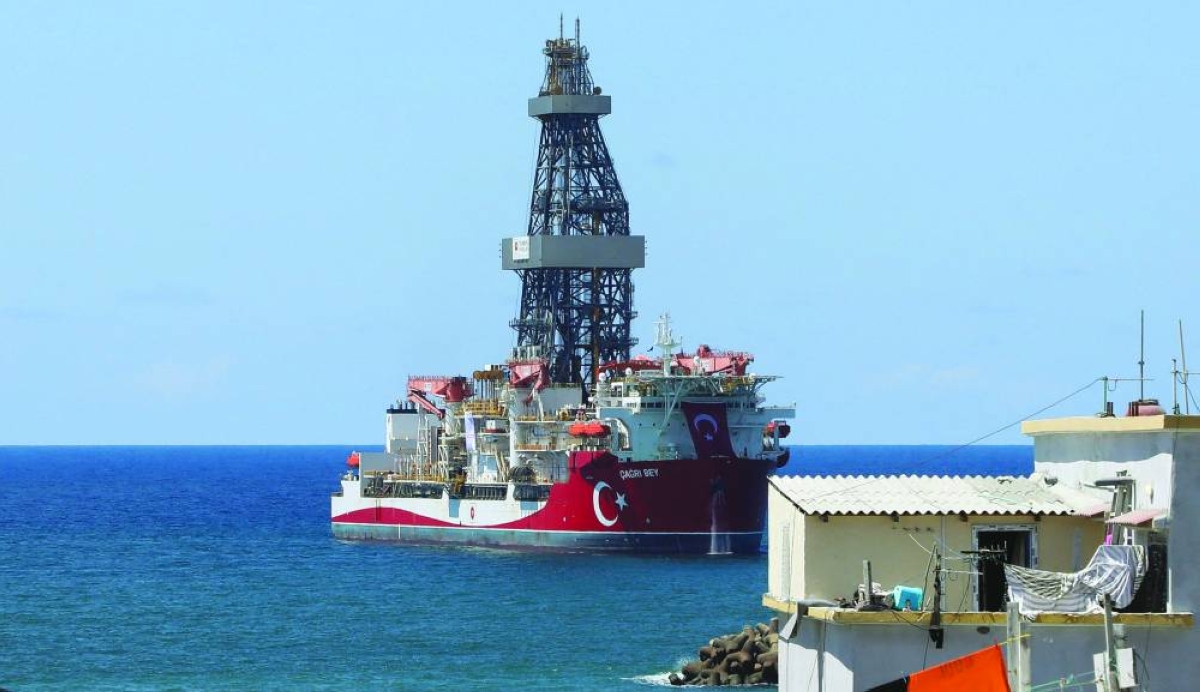
Turkish drilling vessel Cagri Bey, which is set to conduct Turkiye's first deep-sea drilling operation abroad, docks in the Indian Ocean near the Mogadishu sea port in Somalia, yesterday. (Reuters) A Turkish drilling ship docked at the port of Mogadishu yesterday ahead of Somalia's first offshore oil drilling project, the two countries announced.A hydrocarbon development deal signed in 2024 granted Turkiye's state-owned energy company the right to explore three offshore blocks of around 5,000 square kilometres each.In late 2024, another Turkish vessel carried out seismic surveys in the three blocks to identify drilling sites.The Cagri Bey, featuring a red bow emblazoned with a white star and crescent and topped by a drilling derrick, arrived in Somali waters Thursday and docked in the capital's port yesterday."It docked this (Friday) morning... the ship is very big, we have never seen anything like this at the port before," said Abshir Yare, a port employee.The vessel will carry out "Somalia's first-ever offshore drilling operations", the African nation's state news agency Sonna reported Thursday.It will also conduct Turkiye's "first overseas deep-sea drilling" operations outside its own waters, Turkish Energy Minister Alparslan Bayraktar said on X.Bayraktar was due to attend a ceremony at the Mogadishu port yesterday alongside Somali President Hassan Sheikh Mohamud, according to Sonna.Turkiye is one of Somalia's main military and economic partners, with Ankara inaugurating its largest overseas base in Mogadishu in 2017. 

World
Chinese, Taiwanese will unite, Xi tells Taiwan opposition leader

Chinese, Taiwanese will unite, Xi tells Taiwan opposition leader

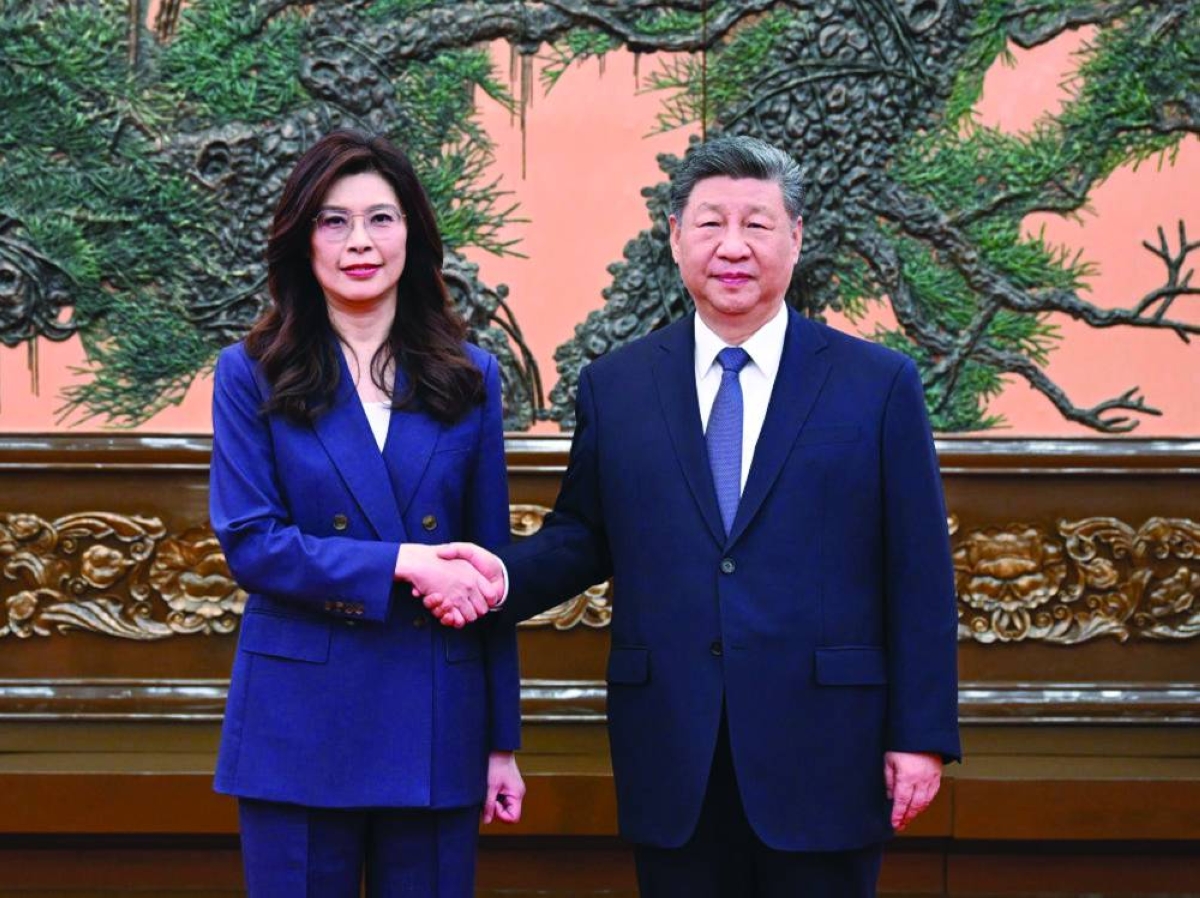
Kuomintang Chairperson Cheng Li-wun (left) shaking hands with Chinese President Xi Jinping at Great Hall of the People in Beijing, yesterday.(AFP) China's President Xi Jinping met Taiwan's opposition party leader Cheng Li-wun in Beijing yesterday, telling the visiting delegation he had "full confidence" that Taiwanese and Chinese people would be united.Kuomintang (KMT) chairwoman Cheng is the party's first leader to visit China in a decade, but her trip has sparked debate in Taiwan with critics accusing her of being too pro-Beijing.China severed high-level contact with Taiwan in 2016 after Tsai Ing-wen of the Democratic Progressive Party (DPP) won the presidency and rejected Beijing's claims that the self-ruled island is part of its territory.Xi told Cheng as the two met yesterday that "the general trend of compatriots on both sides of the Strait getting closer, edging nearer and becoming united will not change"."This is an inevitable part of history. We have full confidence in this," Xi said during the talks carried by Taiwanese media.He also said China was willing to strengthen dialogue with groups in Taiwan, including the KMT, on the "common political foundation of... opposing Taiwan independence".The KMT supports closer relations with China, which claims Taiwan is part of its territory and has threatened to use force to seize it.Cheng echoed Xi's stance at a press conference after their meeting, stressing the need for younger generations to understand "what challenges we face at this stage" and "how, by adhering to the 1992 Consensus and opposing Taiwan independence, we can avoid war".The so-called consensus suggests there is "one China" without specifying which is its rightful representative.Earlier, she told Xi that the Taiwan Strait would "no longer be a focal point of potential conflict" and "both sides should transcend political confrontation".She also said Xi had responded "positively" to her proposal that the sides work toward Taiwan participating in international organisations such as Interpol and regional trade agreements.A spokesman for Taiwan's ruling DPP said China should respect Taiwan's "commitment to freedom and democracy, rather than interfering in the choices of the Taiwanese people through division and inducement"."Differences between the two sides must be handled through peaceful and equal means, rather than by using suppression and intimidation," spokesman Lee Kuen-cheng said.Beijing has ramped up military pressure around Taiwan in recent years, conducting near-daily deployments of fighter jets and warships near the island and regular large-scale military drills.Taiwanese lawmakers have been at loggerheads over the government's plan to spend NT$1.25tn ($39bn) on defence, which has been stalled for months in parliament, controlled by opposition parties including the KMT.Cheng's trip comes a month before US President Donald Trump is scheduled to visit Beijing for a summit with Xi.The US has been piling pressure on Taiwanese opposition lawmakers to back a proposal for defence purchases, including US weapons, to deter a potential Chinese attack.Cheng has railed against the government's proposal, insisting "Taiwan isn't an ATM" and instead backing a KMT plan to allocate NT$380bn ($12bn) for US weapons with the option for more acquisitions.While KMT party members regularly fly to China for exchanges with officials, its last leader to visit was Hung Hsiu-chu in 2016.Cross-strait relations have worsened in particular since the election of Tsai's successor, Lai Ching-te, who Beijing considers a separatist.Lai said in a Facebook post yesterday that "China's... military threats in and around the Taiwan Strait and the island chain have severely undermined regional peace and stability".Cheng landed in Shanghai on Tuesday evening, saying shortly after her arrival that "the two sides of the Taiwan Strait are not doomed to war, as the international community has feared". 

World
As war spreads, airline pilots contend with drones, missiles — and stress

As war spreads, airline pilots contend with drones, missiles — and stress

* Middle East conflicts increase risks for pilots and airports* Drones disrupt European airports, posing risks to aircraft* Airspace safety worsens with increased drones and missile threatsAirline pilots have faced escalating risks in recent years, from drone incursions to flight paths squeezed by conflict.Now US-Israeli attacks on Iran are making the skies even more perilous and ratcheting up the pressure on those flying through them.The outbreak of war in the Middle East ‌has put hundreds of ballistic missiles and attack drones into the skies above some of the world's busiest airports. Tehran's retaliation against the US and ​its allies has included hitting airports, grounding scores of flights from ‌Dubai to Abu Dhabi. A trickle of rescue flights has made it through for thousands of stranded passengers.Reuters spoke to eight pilots and ‌more than a half-dozen aviation and security ⁠insiders who said the accumulation of conflicts — from ‌Ukraine to Afghanistan and Israel — has increased the burden on pilots, forcing ‌them to manage shrinking airspace and the wider use of military drones far from active war zones. That's increased the strain on the mental health of pilots desperate to keep ⁠themselves and their passengers safe."We are not military pilots. We are not trained to deal with these kinds of threats in the air," Tanja Harter, a pilot with Middle East experience and president of the European Cockpit Association, told Reuters.The current crisis is the latest in a string of security threats the sector has faced over the years, she said, which could cause "fear and anxiety" for pilots. Airlines now often have peer programmes to help, she said, adding as a pilot she would not want to "share airspace with missiles."Airspace safety has worsened in the last two-and-a-half years as conflicts have grown, industry experts said, through a combination of GPS spoofing — maliciously tricking planes about their position — and increased numbers of missiles and drones.An Air France flight to bring stranded French nationals home from the United Arab Emirates turned back ​due to missile fire on Thursday. A Lufthansa pilot on Friday diverted from Riyadh to Cairo over regional security fears.FLYING HIGHER TO AVOID MISSILESMiddle East-trained pilots have become wearily used to emergencies, the head of Lebanon's civil aviation body said. The escalating conflict put those skills to the test quickly. Video footage on March 5 showed planes taking off from Beirut airport as smoke billowed ‌over buildings in the Lebanese capital."Middle East pilots have ⁠always faced crises, so from the start ​we trained how to deal with contingencies, emergencies and everything else," said Captain Mohammed Aziz, director general of Lebanon's civil aviation authority."No one ​can give you a guarantee that they won't bomb the airport or will bomb the airport."One Middle East Airlines' pilot with a decade of experience said routes to Beirut have become more complex. In the past, shoulder-fired anti-aircraft missiles in Lebanon usually had a range of 15,000 feet, so pilots would increase altitude to stay out of range, he said, while planes often carried extra fuel in case they were forced to divert.Still, most missile strikes are far enough away not to be a risk and pilots are often too busy to worry about them."You're actually busy enough on the plane trying to make sure you have clearance to land, that everything is in order, so you don't have time to process your emotions over what's happening outside the plane," he said.DRONES DISRUPT EUROPEAN AIRPORTSThe risks are not confined to the Middle East. Since Russia's 2022 invasion of Ukraine, drones have become a key weapon on both sides. Airports in European cities from Stockholm to Munich have faced drone disruptions — suspected though not confirmed to be linked to the conflict.Airline Captain Christian von D'Ahe, a commercial aircraft pilot for 15 years and ‌head of the Danish Air Line Pilots Association, is alarmed by ‌the emerging threat."Drones are not easily detected," Von D'Ahe said. "We can see ⁠them in the air, and they're very small. So sooner or later, something will happen."Drones striking an aircraft's engines could cause total power loss, while damage to wings could ⁠compromise a jet's ability to manoeuvre.Most registered planes emit a signal via a ⁠transponder, a device that identifies aircraft to radar, but drones do not, leaving pilots in the dark. Regular radars used by airports struggle to catch drones. Specialised radar exists, but is typically operated by law enforcement or the military.Dedrone, a company that produces counterdrone technology, said there were over 1.2mn drone violations in the US in 2025, with more expected in coming years.'THERE'S NOT MUCH YOU CAN DO'Airports can use radar, frequency sensors and jamming tools to counter drones, while some systems can "spoof" them off course. But safety concerns mean airports cannot shoot drones down.Tim Friebe, an air traffic controller in Germany and a vice president at the Air Traffic Controllers European Unions Co-ordination (ATCEUC), said drones were a "threat that is growing," ​while airports often had limited options."For now we have reports, pilot reports, or sometimes controllers spot drones. The problem is there's not much you can do except shutting down the airport," he said.Drones shut down some of the world's biggest airports from Munich to London's Gatwick last year, driving operators to beef up their foreign object and drone detection systems, according to half a dozen industry officials.Moritz Burger, a commercial pilot based in Germany, recalled spotting an object that looked like a balloon with a structure underneath as he was about to land at a European airport."I was looking out of the window and suddenly there appeared an object that passed by just below our aircraft. We could see it for maybe one, maximum two seconds," he said, adding it startled him and left him no time to take any evasive action."When you encounter such a near-miss or some passing object, there is not enough time to react. So it is unrealistic to expect that pilots could fly around such an object. ‌There's pretty much nothing we can do." 

World
Record surge in gasoline prices fuels US consumer inflation in March

Record surge in gasoline prices fuels US consumer inflation in March

Consumers at a super market in Texas. US consumer prices increased by the most in nearly four years in March ‌as the war with Iran led to a record surge in the cost of gasoline

World
What is at stake in the Islamabad talks

What is at stake in the Islamabad talks

The US and Iran are set to hold peace talks in Pakistan, which has been mediating, but remain deeply divided on key issues, even though President Donald Trump has said proposals presented by Tehran were a "basis" for talks. Each side is sticking to competing demands for a deal to end the war, with the fate of shipping access through the Strait of Hormuz and Israel's war in Lebanon key issues to resolve. How the talks progress could shape the Middle East for generations. Where do both sides stand?An Iranian delegation is due in Islamabad for talks based on a 10-point proposal, which ⁠shows little overlap with a 15-point plan Washington previously put forward, suggesting there will be major gaps to bridge. For example, Iran's proposal includes a demand to enrich uranium, which Washington previously ruled out and Trump has insisted ⁠is non-negotiable. The 10 points also do not address Iran's missile capabilities, which Israel and the US have both said must be dramatically curtailed. Tehran has said its formidable missile arsenal is non-negotiable, although it is unclear how many of those weapons remain after the war. One Pakistani official in the region said Iran could expect to secure many of its demands, with a focus on reconstruction, reparations and sanctions relief, but could not expect to secure an agreement on uranium enrichment. What will top the agenda? Previous talks have focused on Iran's nuclear programme and missiles. Those issues have now been overshadowed by the fate of the Strait of Hormuz, a chokepoint through which a fifth of the world's oil and liquefied natural gas flows. Iran's effective closure of the waterway since the beginning of the war on February 28 has rattled the global economy, pushing up oil prices. Tehran has indicated that under a permanent peace deal, ⁠it would seek to charge a fee for ships transiting the strait, which is just 34 km (wide at its narrowest point between Iran and Oman. Trump had threatened to devastate Iran if Tehran did not agree to a ceasefire deal and to reopen the strait. There was no sign Iran had lifted its blockade of the waterway, which has caused the worst disruption to global energy supplies in history, and Tehran said there would be no deal as long as Israel was striking Lebanon. How do Iran and US plans compare? Iran's Supreme National Security Council said in a statement that Washington had agreed to accept Iran's 10-point plan and that "the United States has, in principle, committed to": non-aggression; continued Iranian control over the Strait of Hormuz; acceptance of enrichment; lifting all primary and secondary sanctions; termination of all resolutions passed by the UN Security Council and Board of Governors of the International Atomic Energy Agency; withdrawal of US combat forces from the region; and cessation of war on all fronts, including against the Islamic resistance in Lebanon. According to Israeli sources, Trump's ⁠15-point proposal, previously sent to Iran via Pakistan, called for removing Iran's stocks of highly enriched uranium, halting enrichment, curbing its ballistic missile ⁠programme and cutting off funding for regional allies.As the two ⁠sides prepare to hold negotiations, Trump vowed to retain military assets in the Middle East until a peace deal with Iran is reached and warned of a major escalation in fighting if it failed to comply. What are the chances of reaching a lasting settlement?Although Trump has declared victory, Washington did not achieve the aims he had announced to justify the war at its outset: to eliminate Iran's ability to attack its neighbours, destroy its nuclear programme and create conditions that would make it easier for Iranians to topple their government. Iran is unlikely to make major concessions on those points and it has indicated it can patiently keep on fighting, with the Strait of Hormuz giving it economic leverage over an enemy with superior firepower. What is Israel's position and where does Lebanon fit in?Israel, which has been pounding Iran's ally Hezbollah in Lebanon in a parallel conflict, sees Tehran as an existential threat. Israeli Prime Minister Benjamin Netanyahu would like regime change in Iran even though that would probably require boots on the ground and there are no guarantees of stability afterwards. The question of whether the ceasefire covers Israel's war against Hezbollah has become a sticking point that threatens the truce. The US and Israel say Lebanon is not included in the agreement, while Iranian President Masoud Pezeshkian has said a halt in hostilities in Lebanon was an essential condition of Tehran's deal with Washington. Israel said it had agreed to a ceasefire with Iran, but said the deal did not include halting military action in Lebanon. Related Story

World
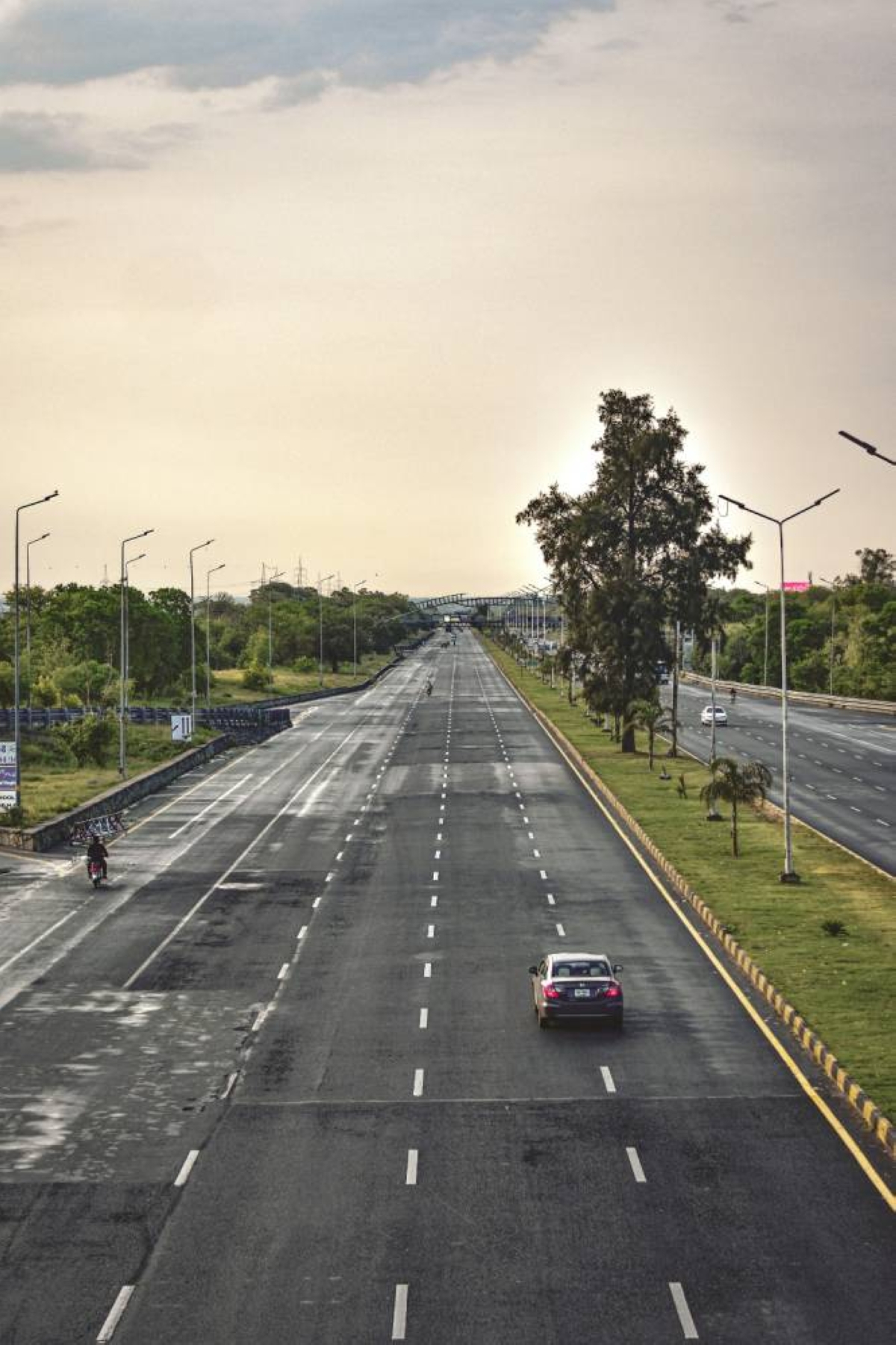
Islamabad on holiday ahead of US-Iran talks

Islamabad on holiday ahead of US-Iran talks

Pakistan has declared two days of local holidays in the capital at short notice from Thursday, authorities said, ahead of talks between the United States and Iran due to take place in Islamabad.No reason was given in the notification issued by the Islamabad district administration late Wednesday, but authorities in the capital have often announced holidays or restrictions for security reasons ahead of high-profile diplomatic events.Pakistan has been preparing for high-stakes talks involving US and Iranian representatives over the war in the Middle East, with the White House saying Vice President JD Vance will be leading a team to the negotiations in Islamabad "this weekend".The holidays on Thursday and Friday apply only to the Islamabad Capital Territory, the notice posted by Islamabad's district commissioner on Wednesday said. Related Story

World
Italian Prime Minister pledges to work with partners to restore navigation freedom in Strait of Hormuz

Italian Prime Minister pledges to work with partners to restore navigation freedom in Strait of Hormuz

Italian Prime Minister Giorgia Meloni on Thursday pledged to work with her partners to restore freedom of navigation in the Strait of Hormuz, stressing that this is a vital interest for her country and the entire European Union.In a speech before the Italian Chamber of Deputies, Meloni said that if Iran succeeds in gaining the authority to impose additional fees on ships transiting the Strait, this could lead to economic repercussions and changes in trade flows. She revealed that Italy is working with the British-led coalition on the Strait of Hormuz, which includes more than 30 countries, in an effort to create the security conditions that would allow for the full restoration of freedom of navigation and supplies. She condemned all violations of the ceasefire agreement reached between the United States and Iran, which is in effect for two weeks, stating that the world now faces "a fragile horizon for peace that must be pursued with determination and resolve." In her address, Meloni also called on the Israeli occupation to end its military operations in Lebanon, stressing the importance of reaching a comprehensive ceasefire in the Middle East. Regarding domestic affairs, the Italian Prime Minister ruled out a major cabinet reshuffle and pledged to remain in office until the end of her term, which is scheduled to last until the second half of next year.It is worth noting that this was Meloni's first address to Parliament since her crushing defeat in a referendum on judicial reforms held two weeks prior, which led to the resignation of some members of her government

World
French President working on securing a ceasefire in Lebanon

French President working on securing a ceasefire in Lebanon

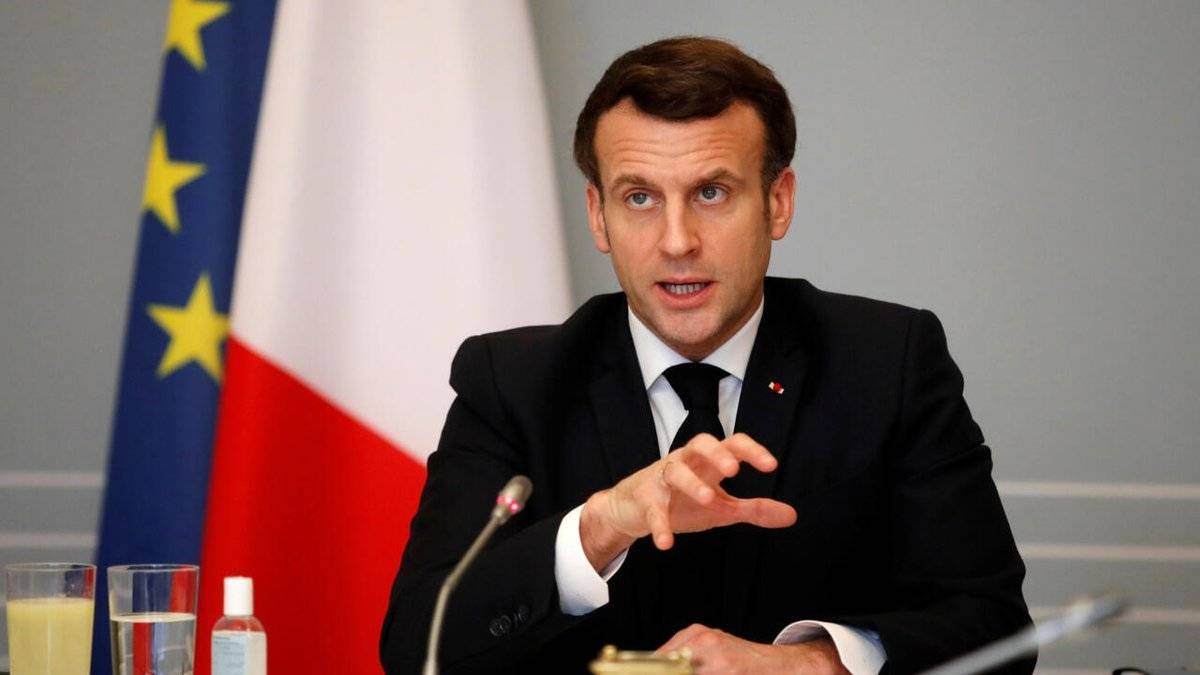
Lebanese Prime Minister Nawaf Salam received a phone call today from French President Emmanuel Macron. According to a statement issued by the Lebanese government, President Macron confirmed that he is undertaking intensive diplomatic efforts to secure a ceasefire in Lebanon. (