
Awards to avoid
-
admin
- March 16, 2026
- 0
Awards to avoid

 admin
admin
Standing in a desolate, snow-covered field 200 miles above the Arctic Circle, Mark Carney looked at ease. He chatted with Germany’s chancellor and Norway’s prime minister as they observed a Nato exercise — troops on
 admin
admin
As a sharp rise in oil prices rattles global transport markets, airlines face an additional threat: the price of jet fuel has risen far faster than crude prices.Even airlines that use hedging contracts to protect
 admin
admin
Iran’s latest internet blackout has lasted more than 14 days, connectivity monitor Netblocks said earlier this week. The nature of the limits on internet activity shows “this is a government-imposed measure” and not the result of damage from US and Israeli airstrikes, Netblocks research chief Isik Mater told AFP. “It is a deliberate shutdown imposed by the authorities to suppress the flow of information and prevent further dissent,” said Raha Bahreini, Iran researcher at Amnesty International. Here are some of the ways information is still flowing in and out of Iran. Amsterdam-based nonprofit Radio Zamaneh began shortwave broadcasts during the January protests, sending a nightly Farsi news programme from 11pm Tehran time. “It’s really difficult for the regime to jam shortwave because it’s a long-distance broadcast,” executive director Rieneke van Santen told AFP. “People can just listen on a super cheap, small, simple radio... It’s one of those typical emergency fall-back solutions.” Declining to specify where the transmitter is located, she said it is “closer to the Netherlands than to Iran” — although Tehran “can figure it out” if they choose. Many with ties to Iran are still receiving landline phone calls from inside — “quite surprising” given the internet blackout, said Mahsa Alimardani of global rights organisation Witness. Fearing the authorities listening in, people often avoid speaking directly about political topics, such as the killing of Ayatollah Ali Khamenei, she added. “It’s not possible to communicate about sensitive issues through these brief phone calls,” Amnesty’s Bahreini said. The required prepaid international calling cards are expensive and often fail to provide their face value in minutes. “You buy a phone card for 60 minutes, but in eight minutes, it’s out,” van Santen said. “It’s really just phone calls from family members saying, after the bombing, we’re still alive.” Virtual private networks (VPNs) — widely-used services that encrypt internet traffic — can’t create an internet connection where none is available. But even at around one percent of typical levels, Iran’s connectivity is “still a large figure in absolute terms”, Netblocks’ Mater said. Iranians suspected of using VPNs since the war began have received warning text messages claiming to be from the authorities. Before the war, millions turned to Toronto-based company Psiphon, which creates specialist tools more capable than typical “off-the-shelf” VPNs. Offering techniques including disguising users’ data as different types of internet traffic, Psiphon “is able to evade detection more successfully”, data and insights director Keith McManamen told AFP. With up to 6mn unique daily users in Iran before the latest internet shutdown, connections have now tumbled to fewer than 100,000. Few but the most tech-savvy users can reach Psiphon’s network for now. Nevertheless, “the situation is extremely dynamic. We’re seeing changes not just day to day, but hour by hour,” McManamen said. A similar service, US-based Lantern, is also widely used in Iran. Created by US-based nonprofit NetFreedom Pioneers, Toosheh is a “filecasting” technology using home satellite TV equipment to broadcast encrypted data to people in Iran. Users record from the Toosheh satellite TV channel onto a USB stick plugged into their set-top box, which they can then decrypt using a special app installed on their phone or computer. From that initial download, the data can be copied and shared across multiple households. The group estimated around 3mn active users in Iran across 2025, with “thousands to hundreds of thousands... since the (internet) shutdown in January,” the group’s director of projects Emilia James told AFP. From its usual educational repertoire ranging from English lessons to news, content these days includes more on “personal safety and digital security... helping people to stay safe,” she added. Since people are tuning in to a broadcast signal, there is no way for the government to track them, she added. Elon Musk-owned satellite internet service Starlink was used during this year’s protests to get information out, while the government attempted to jam its signals. At around $2,000 on Iran’s black market, the terminals are expensive and very rare in poorer regions like Balochistan or Kurdistan that have suffered the most government repression, Alimardani said.
 admin
admin
Lawyer Paul Schmidt, representing Meta, arrives at court as the jury deliberates in a key test case accusing Meta and Google’s YouTube of harming children’s mental health through addictive social media platforms, in Los Angeles,
 admin
admin
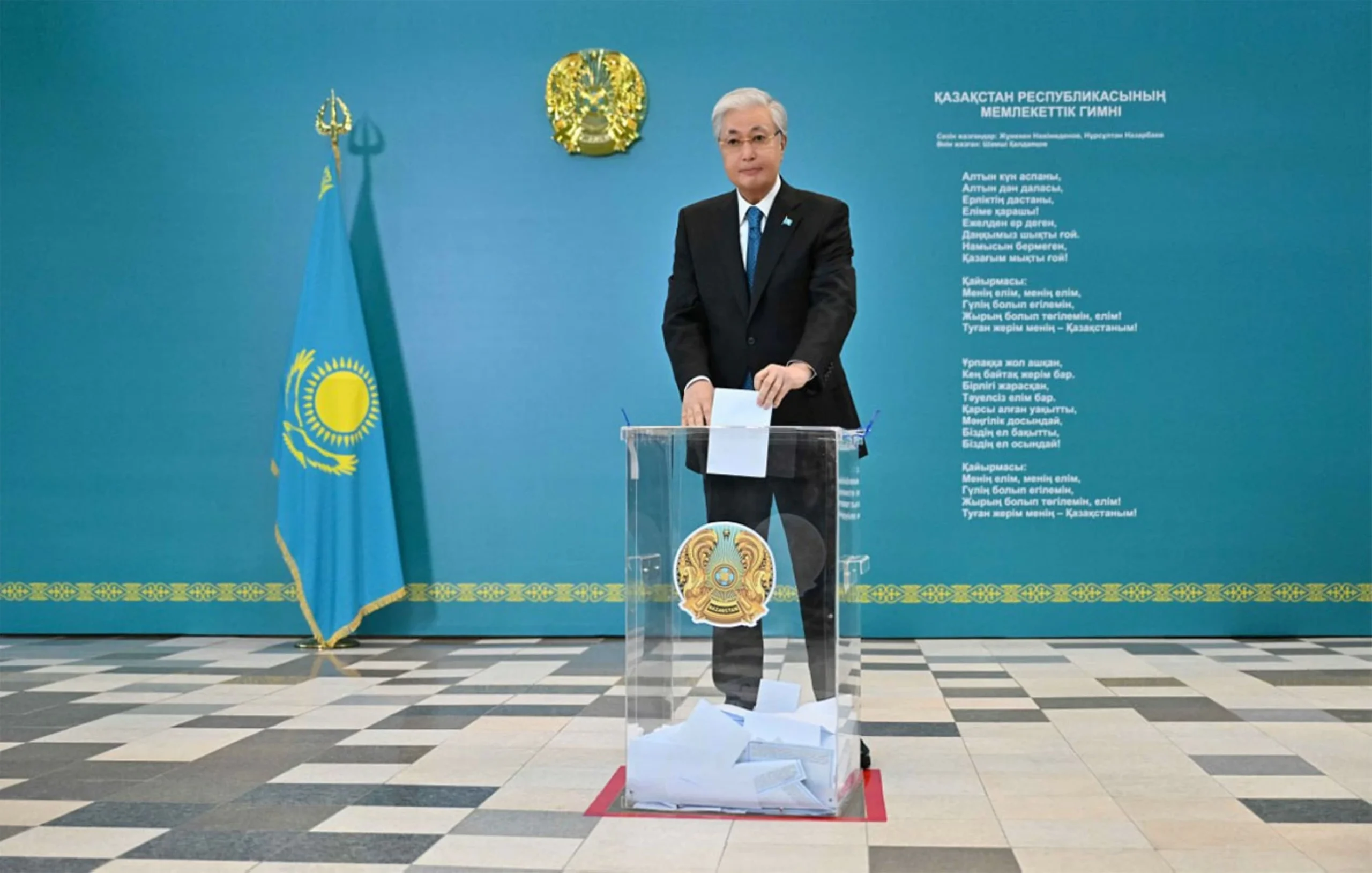
Voters in Kazakhstan headed to the polls Sunday for a referendum on a new constitution that would strengthen President Kassym-Jomart Tokayev's grip on power in Central Asia's largest country, noted Associated Press. The proposal merges
 admin
admin
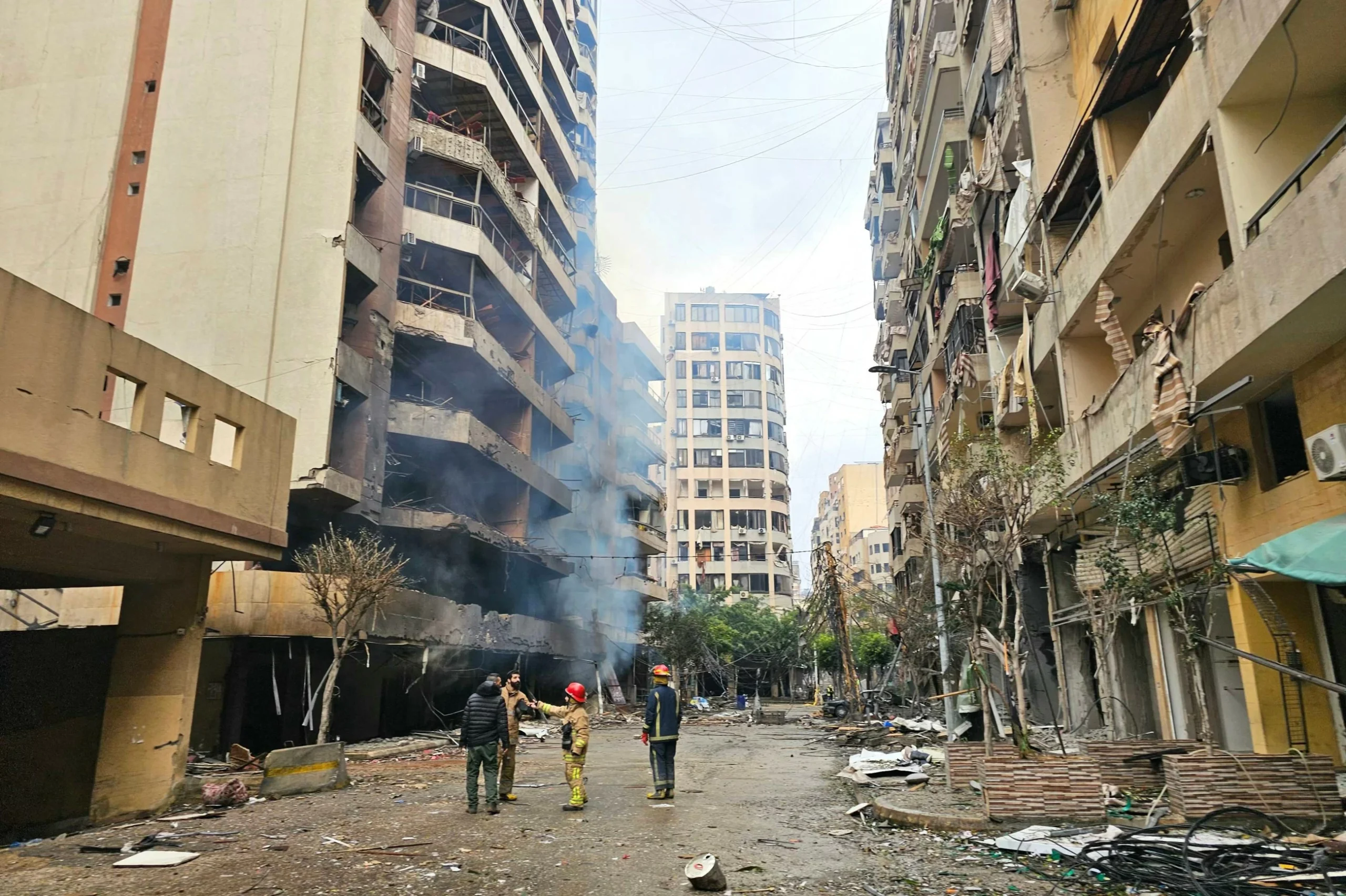
Beirut: While partnering the US in its expanding war on Iran, Israel has unilaterally opened a second front against Hizbollah in Lebanon. Israel has ordered the evacuation of east Beirut and expanded ground operations with
 admin
admin
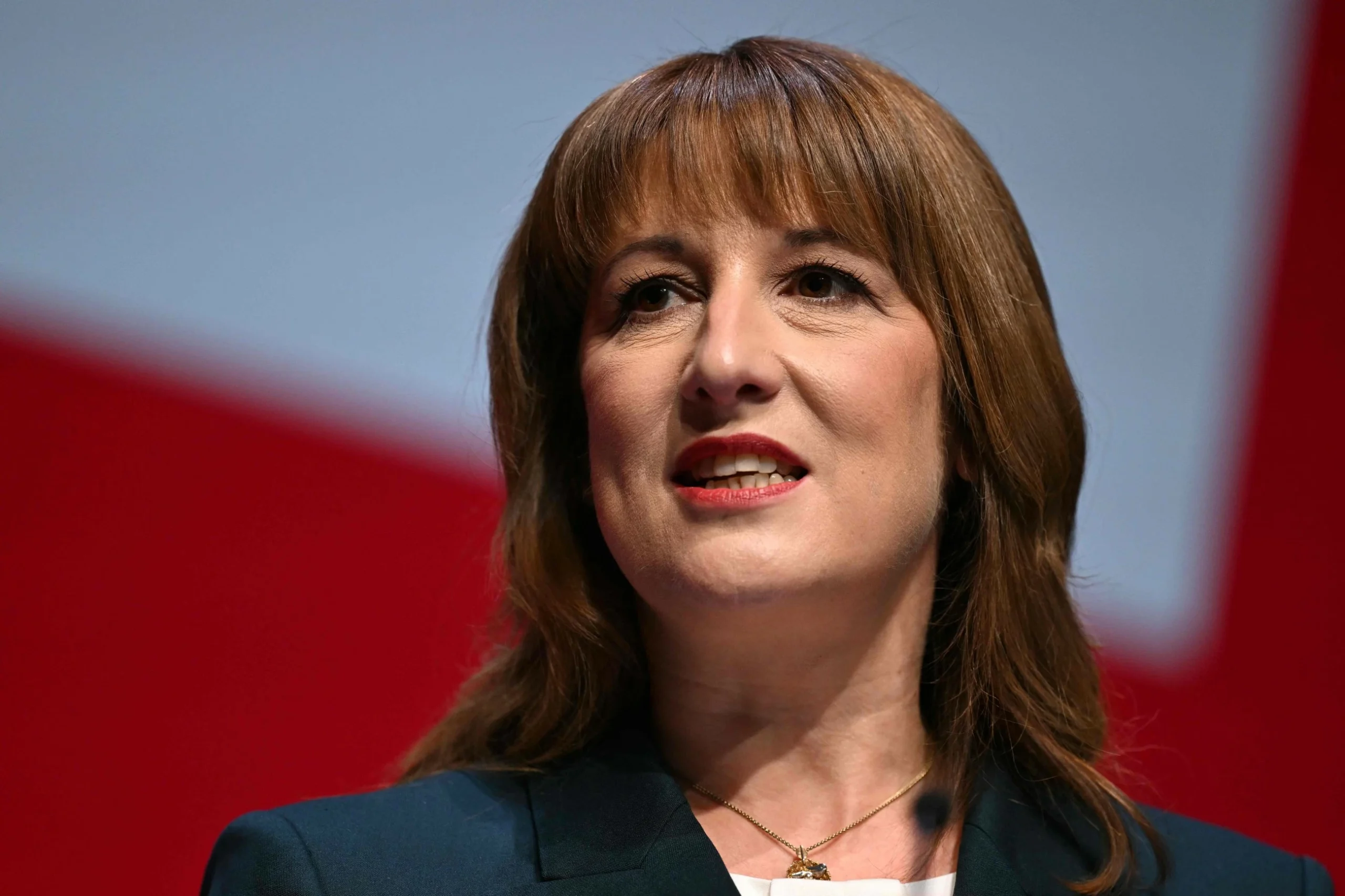
Millie Cooke, The IndependentBrexit has not been good for Britain, Rachel Reeves has said, saying the UK must align more closely with the EU. The chancellor was unequivocal in her criticism of Britain's EU exit
 admin
admin
Daniela Desantis and Lucinda Elliott, ReutersWhen Paraguayan opposition lawmaker Leidy Galeano returned from an all-expenses-paid tour of six Chinese cities late last year, she was convinced Paraguay risked missing out on major economic gains by
 admin
admin
Leftist mayors have transformed Paris over the past 25 years to include countless cycling lanes, a cleaner Seine river, and even fresher air. But concerns over safety and rubbish collection could usher in a return
