1. Home
  2. Opinion

Category: Opinion

Opinion
Tesla faces EU scepticism over automated-driving technology

Tesla faces EU scepticism over automated-driving technology

Tesla CEO Elon Musk has projected confidence that the European Union will soon green-light the carmaker’s “Full Self-Driving” (FSD) system, but emails from some European regulators show marked scepticism toward the ‌technology and its stated safety benefits. Tesla’s “FSD (Supervised)” technology got the nod from Dutch road regulator RDW in April. RDW is now ​seeking EU approval for FSD. “We expect to be approved in a lot of other countries,” Musk told analysts on an ‌April 22 conference call, adding that Tesla would then seek approval for ‌driverless robotaxis in Europe. Tesla has a lot riding on ‌FSD approval in Europe, where it is trying to regain market share it has lost over the last two years. The EV maker charges a monthly subscription for FSD, which can drive itself under certain circumstances but requires the driver to be fully attentive at all times. But in previously unreported email correspondence, regulators in the Netherlands, Sweden, Finland, Denmark and Norway -- who could prove critical to Musk’s approval push -- have raised a number of concerns over the technology. Those include the system’s tendency to speed, whether it is safe to use on icy roads and drivers’ ability to circumvent features designed to prevent cell-phone use, according to the emails, which were seen by Reuters through public records requests. They also expressed frustration with Tesla’s strategy of publicly encouraging vehicle owners to pressure regulators to approve FSD. For FSD to be approved, committee members representing 55% of EU member states and 65% of the bloc’s population must vote “yes”. Tesla also approached Estonia and Finland and asked the countries to recognize the Dutch approval, the countries said and the e-mails showed. Regulators for Sweden, Finland and Estonia told Reuters they would review the material presented at committee meeting before making any decisions. Some Wall Street analysts have projected a widespread rollout of FSD across Europe within months. Tesla has said FSD approval in Europe is crucial to increasing sales in the region, which fell 27% in 2025 amid protests over Musk’s political activities. In a confidential presentation included in the correspondence with regulators, Tesla said it expected “EU-wide” approval in the second or third quarter of this year. Michael Ashley Schulman, a partner at Cerity Partners, which manages investments in Tesla, said European approval of FSD could boost profit and help fend off competition from Chinese automakers. Hans Nordin, a Swedish Transport Agency investigator, wrote in an April 15 email that he was “quite surprised” to learn Tesla allowed FSD to ‌speed, and said that should not be permitted. Jukka Juhola, ‌an official in Finland’s transportation agency, wrote to other regulators in January questioning Tesla’s demos of FSD in wintry conditions. “Are they really introducing a system that allows hands-free driving also on icy 80 km/h roads?” Juhola asked. The Nordic regulators also questioned how the system would handle moose on the roads. Regulators also discussed whether Tesla’s “Full Self-Driving (Supervised)” branding could mislead drivers into thinking the car drives itself. Nordin, the Swedish Transport Agency investigator, asked in a January email whether the name “risks giving consumers a misleading impression” of FSD’s abilities. Some regulators were also complimentary of the software. A Danish regulator, Frank Schack Rasmussen, said in an October email that the vehicles “did perform very well in the complex traffic” of rush hour in Copenhagen. A Dutch regulator recounted how well the system performed around the Arc de Triomphe in Paris. Anders Eriksson, a Swedish Transport Agency investigator, told Reuters that the country is “generally positive” on automated driving ​technology, as long as it follows regulations. Regulators also discussed being inundated with emails from Tesla enthusiasts pushing for approval. Musk has long criticized European regulators for what he calls unnecessary delays. During Tesla’s November annual shareholder meeting, Musk said, “we obviously need to get it approved in Europe,” and encouraged customers to pressure regulators. Tesla owners obliged. 

Opinion
Dress codes are no way to fix what is broken

Dress codes are no way to fix what is broken

Late last year, Target Corp. started giving detailed guidance to store employees about how to act. The 10-4 rule, as the company calls it, directs them to smile, make eye contact and wave when a

Opinion
Decades-old cell block becomes modern inmate clinic

Decades-old cell block becomes modern inmate clinic

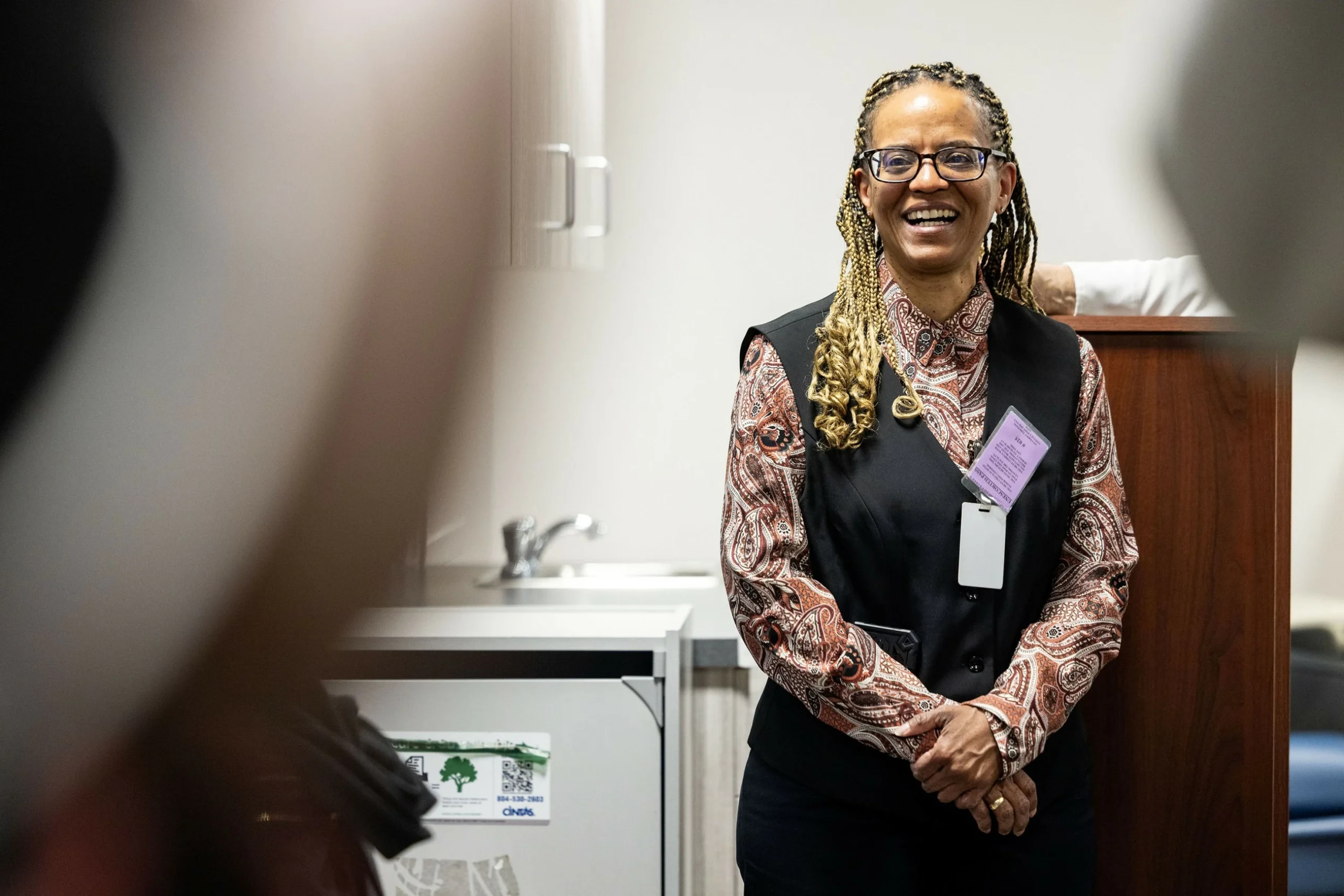
Nori Leybengrub, Tribune News ServiceWhat for decades was an eighth floor cell block housing 30-55 inmates in the Norfolk City Jail is now a fully-equipped medical and mental health services clinic, expanding the jail’s ability

Opinion
Are you experiencing AI withdrawal symptoms?

Are you experiencing AI withdrawal symptoms?

This one goes out to those who are either loners by nature or who’ve lost their friends because they either moved on, moved away or passed away. A quick disclaimer, this doesn’t apply to everyone

Opinion
Popular group

Popular group

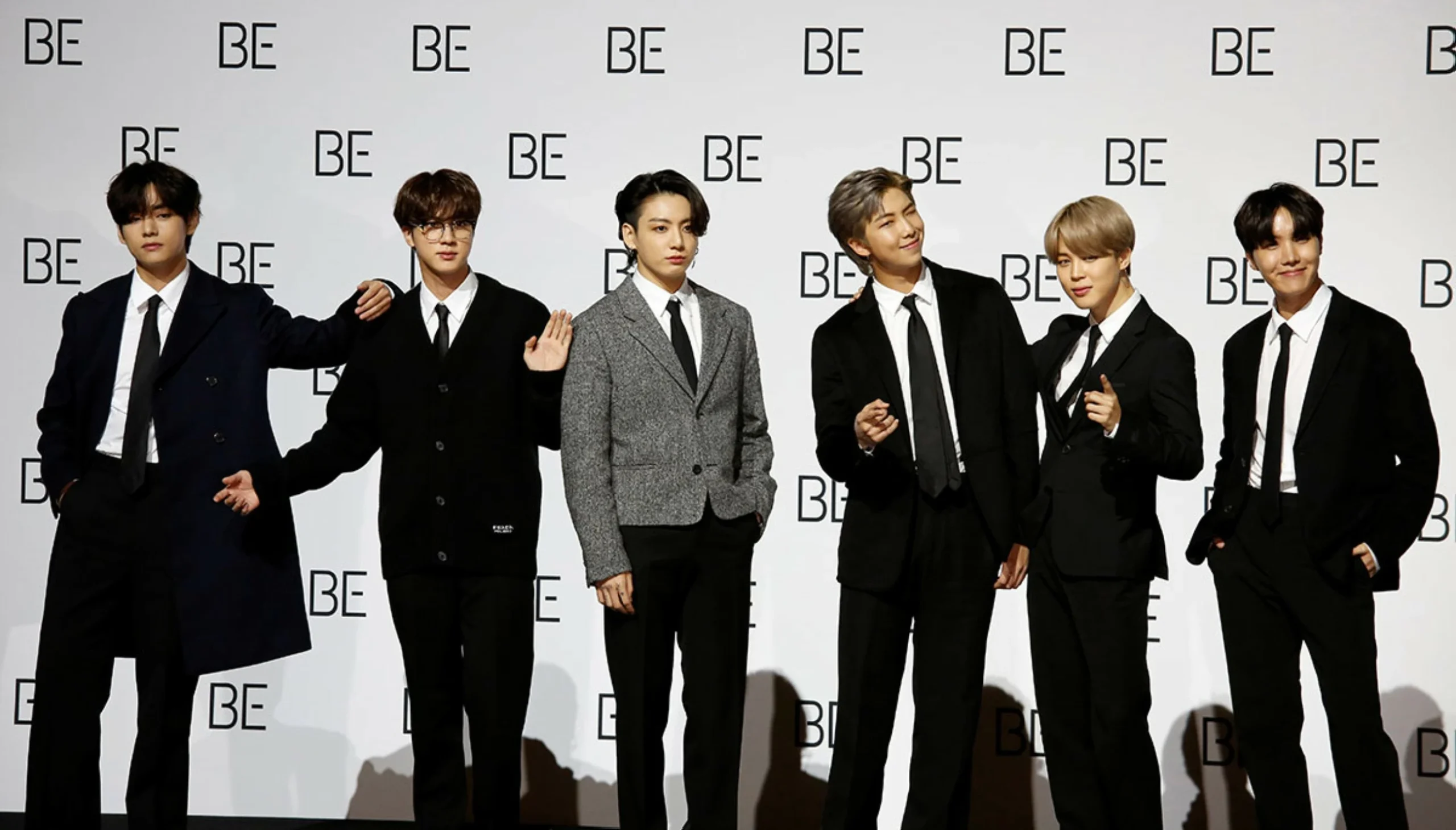
The news that went viral worldwide about K-pop sensation BTS drawing a 50,000-strong crowd in Mexico is yet another reminder of how powerful global stardom can be. It is true that fame is often described

Opinion
Power and principle

Power and principle

George and Amal Clooney are far more than just a handsome couple gracing the global scene. Film actor, producer, and director George Clooney and international lawyer Amal Alamuddin Clooney are renowned for their economic and

Opinion
Mind over ageing

Mind over ageing

We’re often told not to worry. It’s one of those throwaway lines that does not sit right especially when you’re already feeling overwhelmed. This week we are taking a look at how worrying might be

Opinion
Can Trump pull thousands of US troops out of Germany?

Can Trump pull thousands of US troops out of Germany?

President Donald Trump announced that he will withdraw 5,000 US troops from Germany as a rift over the Iran war widens between the Republican’s administration and Nato allies and other partners in Europe. Can the US president decide on his own to downsize the decades-long US presence in Germany? The US Department of Defense announced its plans for the troop withdrawal on May ​1. A senior Pentagon official told ‌Reuters Trump was reacting to German Chancellor Friedrich Merz saying Iran was humiliating the US in the ‌two-month-long war and that he did not see what ‌exit strategy Washington was pursuing. The Pentagon said the ‌withdrawal was expected to be completed over the next six to 12 months. Germany is home to some 35,000 active-duty US military personnel, more than anywhere else in Europe. The official said the drawdown would bring US troop levels in Europe back to roughly pre-2022 levels, before Russia’s invasion of Ukraine triggered a buildup by then-president Joe Biden, a Democrat and frequent target of Trump’s criticism. The US president, as commander-in-chief, has extensive power over the armed forces. However, Congress controls the military budget and thus can set priorities of its own. Alarmed by Trump’s criticism of Nato, lawmakers from both parties last year backed a provision in the National Defense Authorization Act, or NDAA, barring ​troop levels in Europe from falling below 76,000. Trump signed the measure into law in December. However, the administration has some leeway. The NDAA provision allows the president to cut troop levels below 76,000 if he certifies that he has consulted with Nato allies and provides independent ‌assessments of how it would affect US security, the alliance and deterrence of ​Russian aggression. “There’s a lot of flexibility baked in here. There’s ways you can see the Trump ​administration moving around troops within these constraints,” said Scott Anderson, a senior fellow in governance studies at the Brookings Institution. Late last year, there were about 85,000 US troops in Europe, meaning Trump could withdraw as many as 9,000 before reaching the 76,000 limit. Opposition Democrats spoke out against removing the troops. Representative Adam Smith, the top Democrat on the House of Representatives Armed Services Committee, said it “is not grounded in any coherent US national security policy, strategy or even analysis,” and would embolden Russia. Congress has leverage. Trump announced his plans to cut the troop levels shortly after his administration asked lawmakers to approve a huge increase in the military budget, to $1.5tn from about $1tn this year. The Pentagon is also expected to soon ask Congress for $80 to $200bn more to pay for the Iran war Trump started alongside Israel on February 28. “Having a very annoyed Congress, in particular annoying the armed services committees in both houses, is not a path to getting what it wants on defence,” said Kristine Berzina, a senior fellow at the German Marshall Fund. “Congress has made very clear that this is a priority, and a priority in a bipartisan way,” Berzina said. Trump ​has long been a critic of US allies in Europe, accusing them of relying too much on US taxpayer funds for their defence rather than paying for their own forces. Ironically, Germany is one of the countries that has increased its military spending the most. In 2020, near the end of his first term as president, the Trump administration announced that it would withdraw about 12,000 of 36,000 troops then in Germany, in fallout from what was then Trump’s long-simmering feud with Berlin over military spending. However, Trump lost the election that year and the plan was never carried out. This time, Trump has nearly three more years in the White House, and he hashinted that more troop withdrawals from Europe could be in ‌the works. Last week, he said “probably,” ​when asked whether he would consider pulling US troops out of Italy and Spain, two other allies whose leaders have not embraced the Iran war.   

Opinion
Media City Qatar: A global platform for content, technology and creativity

Media City Qatar: A global platform for content, technology and creativity

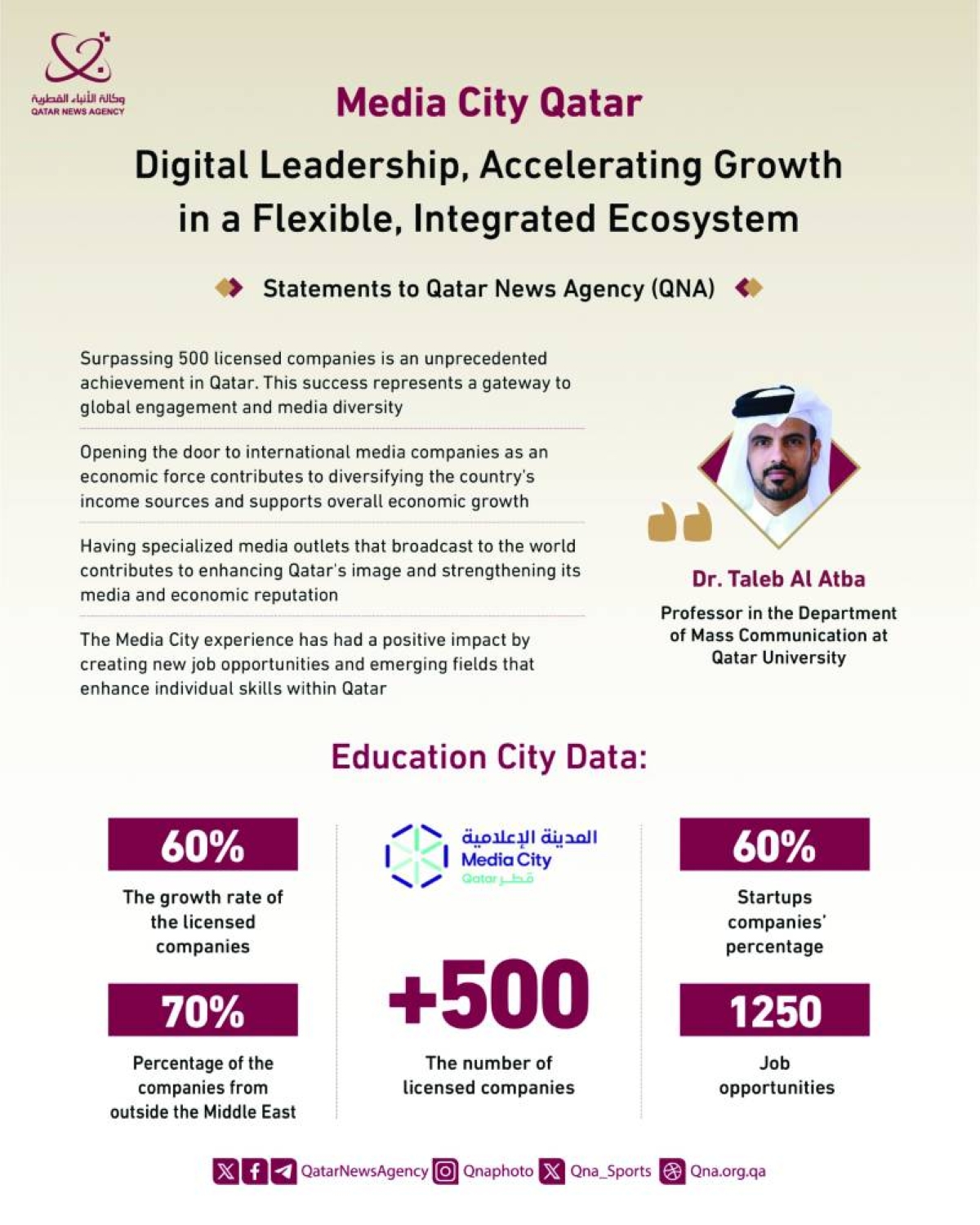
Amid the rapid transformations reshaping the global media landscape —driven by an unprecedented digital revolution and the growing role of advanced technologies in content production and distribution — Qatar is emerging as a key player in redefining the media and creative industries at both regional and international levels. At the heart of this transformation is Media City Qatar (MCQ), which is advancing steadily toward cementing its position as a comprehensive platform that brings together media, technology, and creativity. This progress is underpinned by a flexible business environment, high-value investment incentives, and advanced digital infrastructure aligned with the latest global trends. This growing presence is supported by a strategic vision aimed at building a diversified, knowledge-based economy driven by innovation, while strengthening Qatar’s standing as a regional hub for future industries in media production, excellence, and creativity. In this context, these advantages have contributed to attracting a wide range of companies from across the globe, reflecting increasing confidence in the Qatari market and its ability to provide a supportive environment for growth and innovation. In its latest statement, Media City Qatar announced that the number of licensed companies has surpassed 500 since the beginning of 2026, marking a record growth rate of 60% and a five-fold increase compared to 2024. This milestone clearly signals the accelerating pace of growth in the media and creative industries and underscores the success of policies aimed at supporting this vital sector and enhancing its competitiveness. This notable expansion reflects strong momentum in the media and creative sectors, driven by a flexible and integrated business environment that has attracted numerous local and international firms. Many global institutions have chosen Doha as a base for their regional operations, further reinforcing Qatar’s position as a preferred destination for media and technology investment. Fast-growing sectorsAccording to MCQ, the activities of licensed companies span a wide range of fast-growing sectors, including video gaming, interactive digital content, visual, audio, and music production, as well as digital technologies and social media platforms. The ecosystem also includes media agencies and technical and creative support services, highlighting the diversity of the creative economy. Indicators from the MCQ point to a qualitative shift in the nature of media investment, with digital innovation and advanced technologies taking center stage. This shift is driven by growing demand for digital content and the expansion of global markets, enhancing opportunities for startups, which account for approximately 60% of licensed companies-underscoring the vibrancy of the entrepreneurial environment within the city. Moreover, the strong international presence -- where companies from outside the Middle East account for around 70% -- reflects the success of the city’s open policies focused on attracting global talent and investment, fostering knowledge exchange, and facilitating technology transfer. Incentives offered by Media City Qatar -- including 100% foreign ownership, tax and customs exemptions, and streamlined licensing procedures -- have further supported business growth and accelerated expansion in line with rapid developments in the global media sector. The impact of this growth extends beyond the economic sphere to the labour market, contributing to the creation of approximately 1,250 jobs, according to the city’s statement. This strengthens the role of the creative sector in the national economy by developing qualified and specialized talent, supporting economic diversification in line with the objectives of Qatar National Vision 2030. As part of efforts to enhance media presence and highlight success stories, Media City Qatar launched a series of short documentary films titled ‘Behind the Scenes’, showcasing the experiences of licensed companies. This initiative marks a shift from earlier efforts limited to articles and social media posts, reflecting a growing emphasis on visual content production that mirrors the sector’s evolution. Commenting on this growth, Dr Taleb al-Atba, Professor in the Department of Mass Communication at Qatar University, told Qatar News Agency (QNA) that surpassing 500 licensed companies is an unprecedented achievement in Qatar. He described this success as a gateway to global engagement and media diversity, effectively positioning Media City Qatar as a “global village for media.” He added that this progress, along with continued collaboration, represents only a starting point, noting the city’s ongoing recognition through major awards, including Google’s AI award and public relations accolades. Dr al-Atba further explained that opening the door to international media companies as an economic force contributes to diversifying the country’s income sources and supports overall economic growth. He emphasized that Qatar has become a significant media hub in the Middle East, thanks to its experience in conflict coverage, hosting major global events, and maintaining a diverse domestic media landscape in terms of editorial approaches, languages, and content. He added that supporting and integrating these companies within the Qatari ecosystem contributes to knowledge growth and expands the knowledge-based economy, a key pillar of Qatar National Vision 2030. From an economic perspective, Dr al-Atba highlighted the contribution of the media and creative industries to Qatar’s GDP, driven by the Media City Qatar model. Dr al-Athba added that the Media City experience has had a positive impact by creating new job opportunities and emerging fields that enhance individual skills within Qatar. These roles combine local integration with global exposure through international companies, resulting in a workforce equipped with both domestic understanding and international expertise in media markets and investment. Such roles, he noted, diversify career opportunities and open new avenues of knowledge, potentially transforming traditional employment into innovative investment ventures. This is largely due to the diversity of Media City Qatar’s ecosystem, enriched by global best practices and specialized expertise. Regulatory environmentHe also pointed out that the city’s regulatory environment, coupled with logistical incentives, represents an important step toward keeping pace with technological advancements and the rapid growth of digital media. Looking ahead, he suggested that developing national technologies capable of producing and exporting data to global markets— such as advanced social media platforms and large-scale cloud servers managing big data — could become a future challenge and opportunity for Media City Qatar. Concluding his remarks, Dr al-Atba discussed potential scenarios for the city’s development over the next five years. He noted a growing trend toward producing specialised content for global audiences, citing examples such as Al Jazeera’s news output and beIN Sports’ coverage, as well as Qatar’s recent launch of QBC, a channel focused on economic content with ambitions to become an international economic publisher. Such initiatives, he said, contribute to enhancing Qatar’s image and strengthening its reputation in economic media. He expects Media City Qatar to continue focusing on diversifying media investment and integrating advanced technologies into content production-an approach highlighted in its published reports. He also emphasized that the prestigious awards the city has received, including Google’s AI recognition, demonstrate that the project is forward-looking, incorporating artificial intelligence into modern media production.