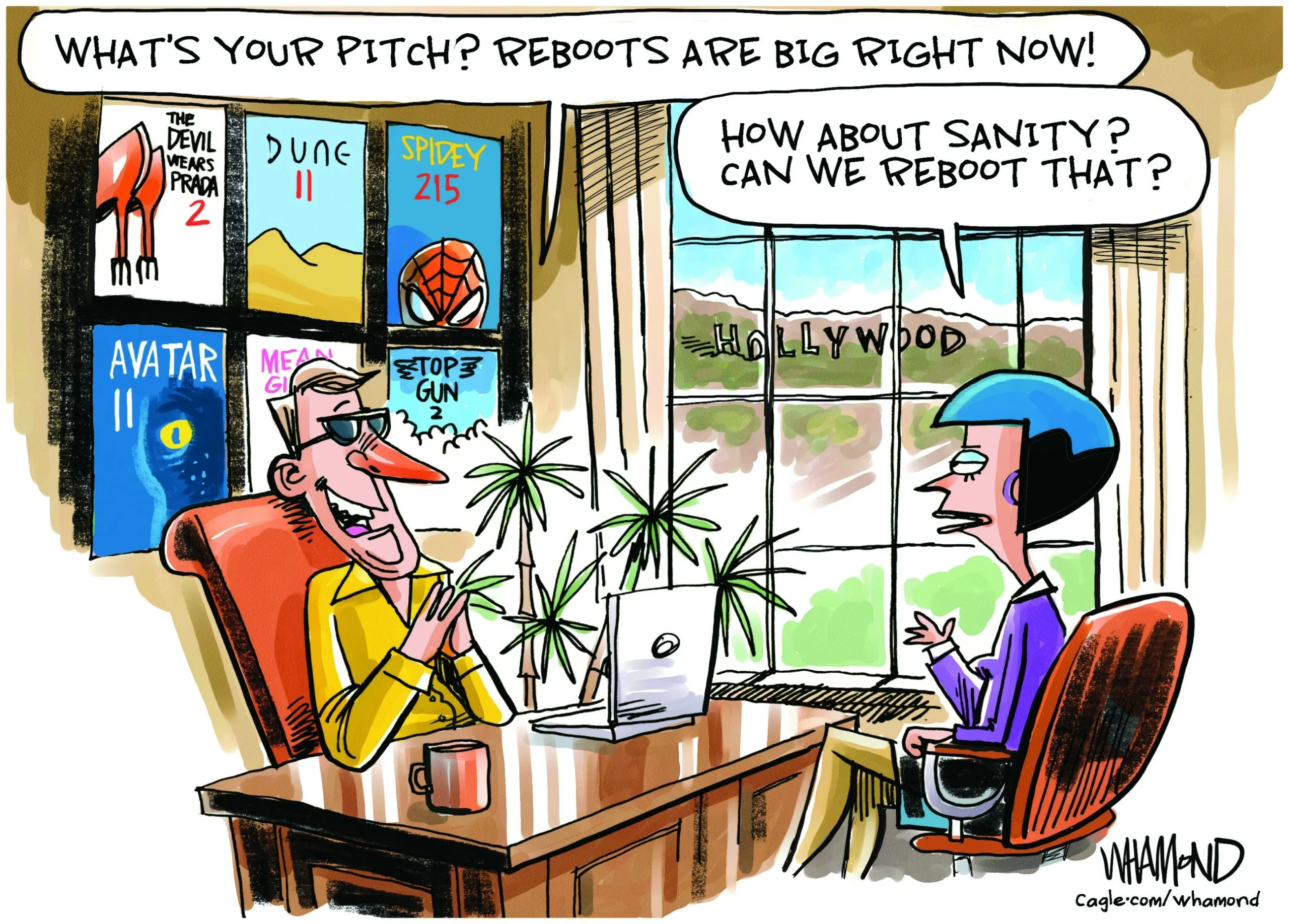
What's your pitch?
-
admin
- May 10, 2026
- 2
What's your pitch?

 admin
admin
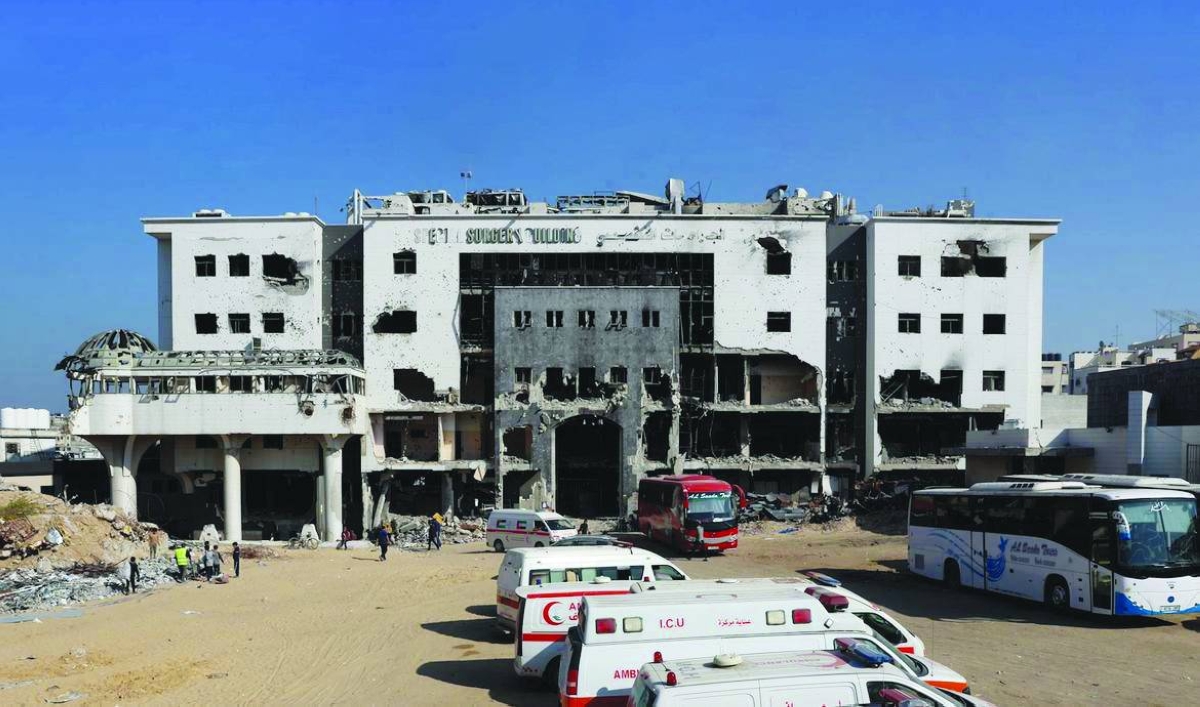
Ten years after the adoption of a landmark UN resolution aimed at protecting healthcare during armed conflicts, hospitals, medical workers, ambulances, and patients continue to face relentless attacks across global conflict zones. Senior international officials and major health organizations warned that commitments made under international law have yet to translate into meaningful protection on the ground, stressing that healthcare must never become a casualty of war. The warning comes amid continued assaults on medical infrastructure through bombardment, sieges, and deliberate destruction, leaving hospitals in many conflict areas unsafe and depriving civilians of critical medical care in what rights groups describe as grave violations of international humanitarian law. The World Health Organization (WHO), the International Committee of the Red Cross, and Medecins Sans Frontieres said attacks on healthcare facilities and personnel have intensified in recent years, raising serious questions about the effectiveness of international legal protections. UN Security Council Resolution 2286, adopted in May 2016, condemned attacks on medical facilities and personnel and called on warring parties to respect international humanitarian law, ensure safe access for medical teams, and investigate violations. Speaking to Qatar News Agency (QNA), Assistant Professor of International Affairs at Qatar University Dr Abdullah Bandar al-Otaibi said structural flaws have prevented the resolution from becoming an enforceable reality. International lawLegally, he said, the resolution lacks an independent enforcement mechanism and relies on states and conflict parties to ensure compliance without imposing automatic penalties on violators. Al-Otaibi added that political divisions within the UN Security Council, particularly the use of veto power, have further weakened accountability efforts, turning the protection of healthcare into a bargaining tool rather than an unconditional obligation. He stressed that the principle that healthcare is not a target remains fully binding under international law, citing the Fourth Geneva Convention and customary international law. What the world is witnessing in Gaza as well as in Ukraine, Syria, Yemen, and Sudan, he stressed, shows that the problem is not the law itself, but the absence of real consequences for violations. When hospitals are attacked without legal or political accountability, he continued, the principle risks being reduced from a deterrent into a moral slogan. On the effectiveness of international accountability mechanisms in deterring attacks on healthcare infrastructure and medical personnel, Assistant Professor of International Affairs at Qatar University Dr Abdullah Bandar al-Otaibi said existing international accountability mechanisms have largely failed to deter attacks on healthcare infrastructure and medical personnel in conflict zones. Speaking to QNA, al-Otaibi said institutions such as the International Criminal Court, UN investigative bodies, and targeted sanctions retain symbolic and legal importance, but remain hindered by limited jurisdiction, slow procedures, and political pressure from major powers. He added that current accountability mechanisms deliver delayed and partial deterrence rather than preventive deterrence, stressing that meaningful effectiveness requires independence from geopolitical calculations. Al-Otaibi described preventive diplomacy as the missing link between international legal texts and real-world enforcement, calling for explicit protections for healthcare facilities in all ceasefire agreements and peace negotiations. He also urged the activation of early-warning systems enabling the United Nations and the World Health Organization to monitor violations in real time and intervene before escalation. Generational scarsAccording to al-Otaibi, genuine political leadership requires states to move beyond rhetoric by linking military and economic assistance to respect for healthcare infrastructure and applying collective diplomatic pressure on violators regardless of alliances. He highlighted Qatar’s mediation role as a notable example of humanitarian diplomacy aimed at safeguarding medical neutrality during conflicts, suggesting that such efforts could form the basis of a broader coalition advocating for the protection of healthcare systems. On whether new legal instruments are needed, al-Otaibi said the core problem lies primarily in weak political will rather than a lack of legislation, noting that existing international laws already criminalise attacks on hospitals, medical staff, and patients. However, he said, updated legal frameworks could address emerging threats, including cyberattacks targeting hospital systems, the use of artificial intelligence and drones near medical facilities, and the misuse of dual-use claims to justify strikes on hospitals. Al-Otaibi warned that the continued absence of accountability carries profound legal and humanitarian consequences, eroding the principle of distinction between civilians and combatants, a cornerstone of international humanitarian law. When violations become normalised, he underlined, what was once considered a war crime risks being redefined as collateral damage, and eventually viewed as a legitimate tactic. He added that the collapse of healthcare systems leaves generational scars, reviving preventable diseases, depriving communities of medical care for decades, and deepening public distrust in international institutions and global justice systems. The real challenge facing the international community, he concluded, is not only saving hospitals in today’s wars, but preserving the very principle that war must have moral and legal limits. If healthcare loses its protected status, what remains untouchable after that?
 admin
admin
Three of the United Kingdom’s four nations are set for the first time to be governed by pro-independence parties after elections on Friday which nationalists said marked the death knell of the centuries-old union. A breakup of England, Scotland, Wales and Northern Ireland is by no means imminent, and polling showed voters were motivated by factors other than independence, but the outcome is likely to make Britain harder to govern. Michelle O’Neill, the Northern Ireland First Minister from Sinn Féin, which wants to end British rule of the province and unite it with Ireland, described the parliamentary votes in Scotland and Wales - held alongside English local elections - as a “moment of seismic change”. “I don’t think there can be any clearer sign that Westminster’s time is coming to an end for the people here and the people in Scotland and Wales,” she told Reuters. The United Kingdom’s four nations have proud separate identities and regularly fought wars before coming together as one political entity over the centuries, with ties often straining since then. In recent decades Irish nationalists and pro-British “loyalists” waged a 30-year war over Northern Ireland’s place in the union that ended in 1998. Parties representing both sides now govern together under a power-sharing peace deal, but Sinn Fein nationalists won the most seats in 2022 and chose the first minister for the first time in 2024. Pro-independence nationalists have run Scotland since 2007, although Scots voted to reject independence in a referendum in 2014. They managed to keep power in Friday’s election despite scandals that had weakened their leadership in recent years. And in Wales, nationalist party Plaid Cymru was on course to be the largest party in the Welsh Senedd assembly for the first time, with voters deserting Prime Minister Keir Starmer’s Labour Party and main opposition Conservatives who between them have governed the UK from London’s Westminster for a century. The populist Reform UK party of Brexit veteran campaigner Nigel Farage - who rose to prominence on a platform of English nationalism - also performed strongly across England, Scotland and Wales, with voters attracted to its rejection of what it calls “establishment politics”. With the electorate angry over a stagnant economy, a prolonged cost-of-living crisis and a widespread perception that Britain’s best days are behind it, anti-status quo voices are cutting through. “There is a real risk that we end up sleepwalking into the end of the United Kingdom,” said George Foulkes, a former minister for Scotland under Labour’s former Prime Minister Tony Blair. “Once these things get momentum, they are hard to stop.” He said the Westminster government should offer a new constitutional settlement - with a new chamber of parliament made up of the four nations, or risk one leaving in the next decade. For now the nationalist parties lack a short-term roadmap to leaving. Scottish leader John Swinney was expected to fall short of winning a majority of the 65 seats in the Scottish parliament that, he said, would have provided a mandate for a second referendum. British prime ministers have refused requests from the Scottish government for a new independence referendum in recent years, insisting that the one in 2014 when voters rejected it by 55% to 45% stands for a generation. In Wales, where Labour has been the biggest party for a century, Plaid was expected to form a minority government in the 96-seat Senedd to take control for the first time since the parliament was set up in 1999 to give locals more say over their own affairs. Officials in the pro-independence party said they would not push for a referendum in the first term as it would distract from tackling the nation’s many problems. Delyth Jewell, deputy leader of Plaid, told Reuters that independence would be considered if the party won a second term. In Northern Ireland, the terms of the 1998 Good Friday peace agreement oblige the British government to call a referendum if it appears likely that a majority would back a united Ireland. But polls show any vote would currently be defeated. While polls show support for independence stands at about 50% in Scotland, about 40% in Northern Ireland, and about 25% in Wales, they also indicate voters were backing these left-wing parties partly for other reasons. Independence was only the sixth most important issue for Scots at these elections, according to a YouGov survey, behind the economy, health, immigration, education and housing. In Wales, independence was the 14th most important issue.
 admin
admin
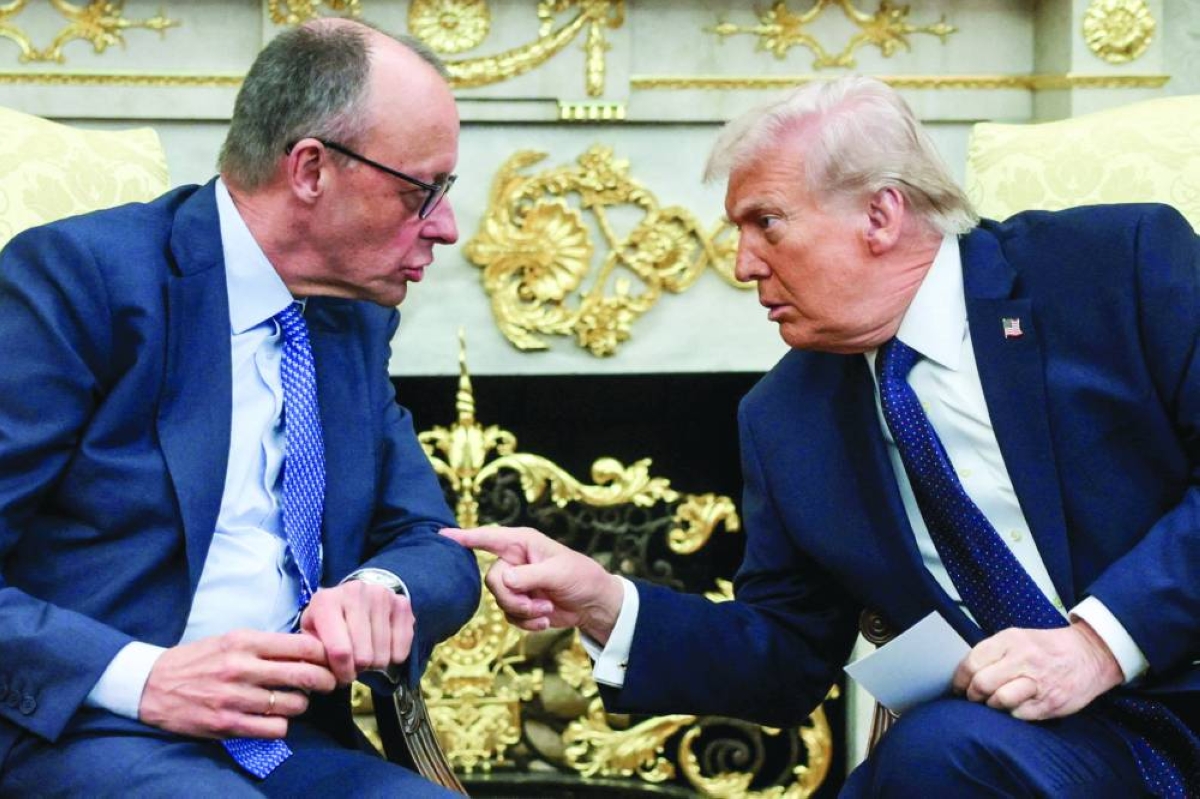
With his decision to pull some US troops from Germany, his threats to draw down forces elsewhere in Europe and his downplaying of Iran’s recent attacks on an important Gulf partner, President Donald Trump’s latest moves foreshadow what could be the war’s enduring legacy: the fraying of ties with key allies. Even as the US and Iran inch toward a potential off-ramp from their 10-week war, Trump’s words and deeds have revived fears among Washington’s long-standing friends - from Europe to the Middle East to the Indo-Pacific - that the United States might be unreliable in a future crisis. In response, some traditional US partners are starting to hedge their bets in ways that may bring long-lasting changes in relations with Washington, while adversaries such as China and Russia are looking to exploit strategic openings. It is not yet clear whether Trump’s war with Iran will mark a permanent turning point in US relations with the world. But most analysts believe his erratic conduct since returning to office, essentially upending the rules-based global order, will further erode US alliances, especially with Nato continuing to feel his ire for largely resisting his wartime demands. “Trump’s recklessness with respect to Iran is resulting in some dramatic shifts,” said Brett Bruen, a former adviser in the Obama administration who now heads the Situation Room strategic consultancy. “US credibility is at stake.” Tensions are especially high between Trump and the Europeans since he joined Israel in striking Iran on February 28, claiming without evidence that Tehran was close to developing a nuclear weapon. Iran’s retaliatory closure of the Strait of Hormuz unleashed an unprecedented global energy shock that has made European countries some of the biggest economic losers from a war they never asked for. Even before that, Trump had rattled allies by imposing sweeping tariffs, pushing to take over Greenland from Denmark and cutting military aid to Ukraine. The rift widened when Trump announced this week he was withdrawing 5,000 of the 36,400 troops the US has stationed in Germany after Chancellor Friedrich Merz angered him by saying publicly that the Iranians were humiliating the US. The Pentagon then scrapped a planned deployment of Tomahawk cruise missiles to Germany. Trump -- who has long questioned whether the US should remain in the Nato alliance it helped create after World War II -- said he was also considering reducing US forces in Italy and Spain, whose leaders have been at odds with him over the war. FEUDING WITH ALLIESThe move followed Trump’s accusations that allies have not been doing enough to back the US in the war and his suggestions that this meant Washington might no longer need to honor the alliance’s Article 5 mutual defense clause. “President Trump has made his disappointment with Nato and other allies clear,” White House spokeswoman Anna Kelly said, noting that some requests to use military bases in Europe for the Iran war had been denied by host governments. While insisting that Trump had “restored America’s standing on the world stage and strengthened relationships abroad,” she said he “will never allow the United States to be treated unfairly and taken advantage of by so-called ‘allies.’” Trump had earlier taken aim at British Prime Minister Keir Starmer, deriding him in March as “not Winston Churchill” and threatening to impose a “big tariff” on imports from the UK. And Trump’s Pentagon has floated the prospect of punishing Nato allies it believes have failed to support US operations against Iran, including suspending Spain as a member and reviewing US recognition of Britain’s claim to the Falkland Islands. European governments have responded by stepping up efforts to increase co-operation among themselves, shoulder more of their own defence burden and jointly develop weapons systems to reduce reliance on the US, while trying to convince Trump of the value of maintaining transatlantic allies. One European diplomat called Trump’s threats a clear signal for Europe to invest more in its own security but said leaders were resigned to having to roll with the punches for now. As “middle powers,” the Europeans have limited options, especially given their dependence on their superpower ally for strategic deterrence against any possible attack from Russia, and analysts say the transition to greater self-reliance will take years. In their efforts to mollify Trump, meanwhile, European officials have quietly stressed that many of their countries are allowing US forces to use bases on their soil and their airspace during the Iran campaign. But European leaders, some of whom had used flattery with Trump to defuse earlier crises, are also becoming wise to his negotiating tactics and more emboldened in standing up to him, analysts say. Jeff Rathke, president of the American-German Institute at Johns Hopkins University, said that while Merz had seemed to charm Trump during earlier meetings, now he “is not trying to hide the critical assessment of what the United States has gotten itself into.” But the Europeans are also mindful that Trump, barred by law from running again, could feel unrestrained “to do whatever he thinks” on the world stage before he leaves office in January 2029, the European diplomat said. NATO’S FUTUREAs some European leaders sound the alarm about Nato’s future, Polish Foreign Minister Radoslaw Sikorski told a conference in Warsaw there is no need to panic so long as Europe delivers on promised higher military spending, which Trump has long demanded. Even so, the strains on US alliances extend well beyond Europe. When Iran this week launched missile and drone attacks against the United Arab Emirates, a close US ally, Trump and his aides seemed to turn a blind eye, causing further unease among Gulf Arab states already hard hit by the war. Trump was quick to dismiss a strike on Monday as minor, though it set fire to the important Fujairah oil port and prompted the government to close schools, and even after further attacks later in the week he insisted that a month-old ceasefire was still holding. Trump went to war against the advice of some Gulf partners, some now worry he could strike a deal that leaves them facing a still-dangerous neighbour. The war has also stirred anxiety among Asian partners, many heavily dependent on oil that flowed freely through the strait before the conflict. Countries like Japan and South Korea have already been unsettled by Trump’s high tariffs and disparagement of traditional alliances. Some may now wonder whether the vulnerability he has shown to economic pressure at home, including high gasoline prices, could mean Trump might hesitate when asked to help in a conflict with China, such as an invasion of Taiwan. “What worries us most is that trust in, respect for, and expectations toward the United States - the core partner in the alliance Japan values most -- have been shrinking,” Takeshi Iwaya, who served as Japan’s foreign minister at the start of Trump’s second term, told Reuters. “It could cast a long shadow over the entire region.” Since the start of the war, Russia and China, long-time allies of Iran, have mostly steered clear, but analysts say they are watching closely.
 admin
admin
An indelible image from the Minnesota Star Tribune’s coverage of last August’s Annunciation Catholic School shooting — which on Monday, May 4, was deservedly awarded a Pulitzer Prize for breaking news — is of a
 admin
admin
Michelle Marchante, Tribune News ServiceOzzie Echemendia’s “second chance of life” came in the form of a wire that runs from his brain all the way to his upper chest. Echemendia is in a battle with
 admin
admin
Intelligence agencies often complain that they are judged unfairly because you hear about their failures, not their successes. It’s hard to evaluate anything based on what didn’t happen — even when that’s really the important
 admin
admin
The news that was published in your esteemed newspaper, “IPL: complimentary ticket pressure forced the final shift,” is a real shocker.It is a shame that every state cricket association is getting free 15% capacity of
 admin
admin
The attendees at the Met Gala were wealthy, or at least wealthy enough to give a large amount of money to charity. Well done.Most of them thought the theme ‘Fashion is Art’ was a call