1. Home
  2. Opinion

Category: Opinion

Opinion
Spain’s youth prisons provide a model for Britain

Spain’s youth prisons provide a model for Britain

Holly Bancroft, The IndependentLabour's radical plans to modernise youth prisons will take inspiration from Spain, where inmates are given schooling, train horses, make mosaics and play sport. Minister for youth justice Jake Richards last week

Opinion
Africa’s solar power market faces challenges

Africa’s solar power market faces challenges

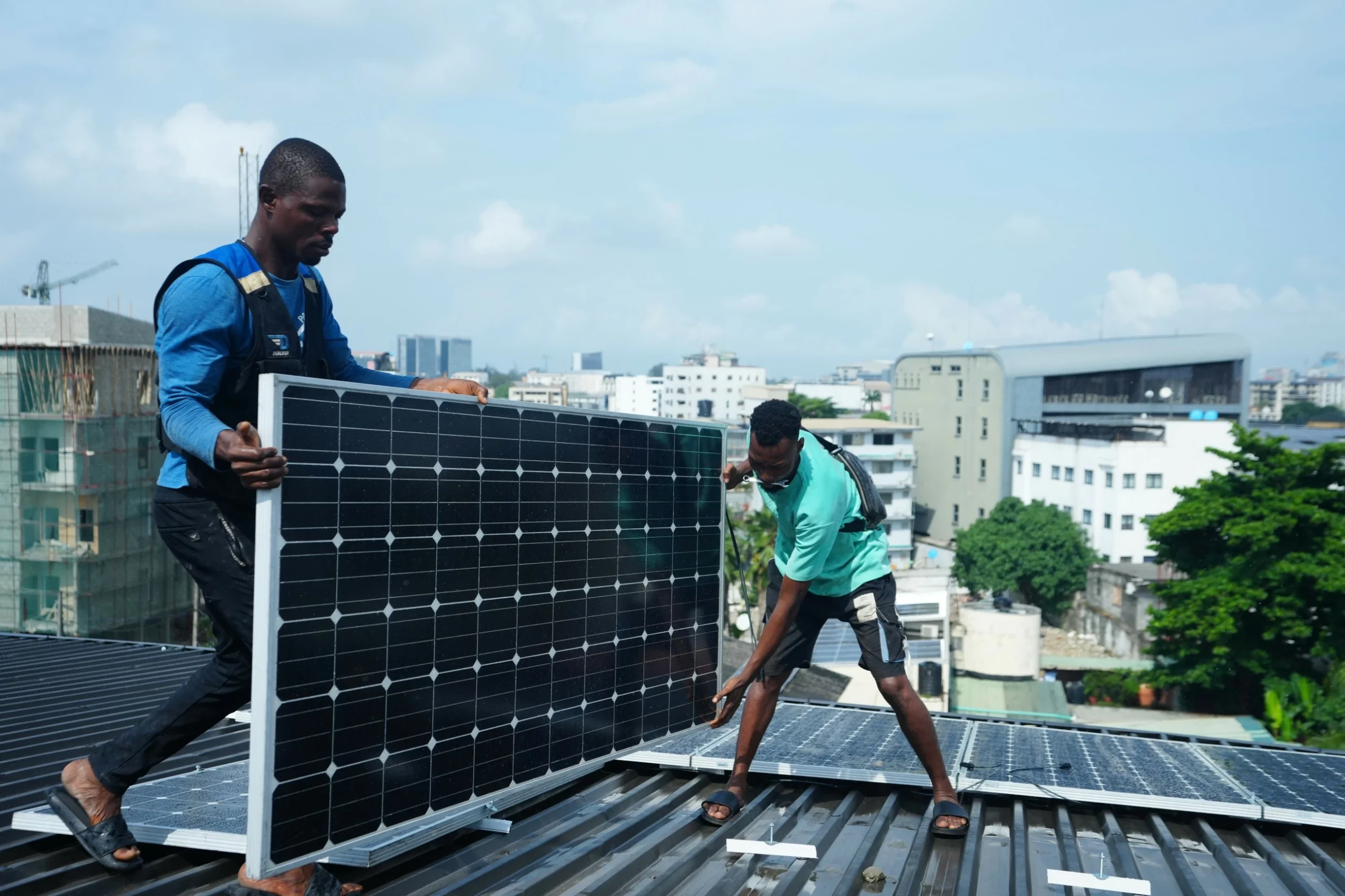
China's decision to end value-added tax rebates on solar panel exports and phase out incentives for making battery storage equipment could push up the cost of solar installations in Africa, which relies heavily on imported

Opinion
Reflect and reset

Reflect and reset

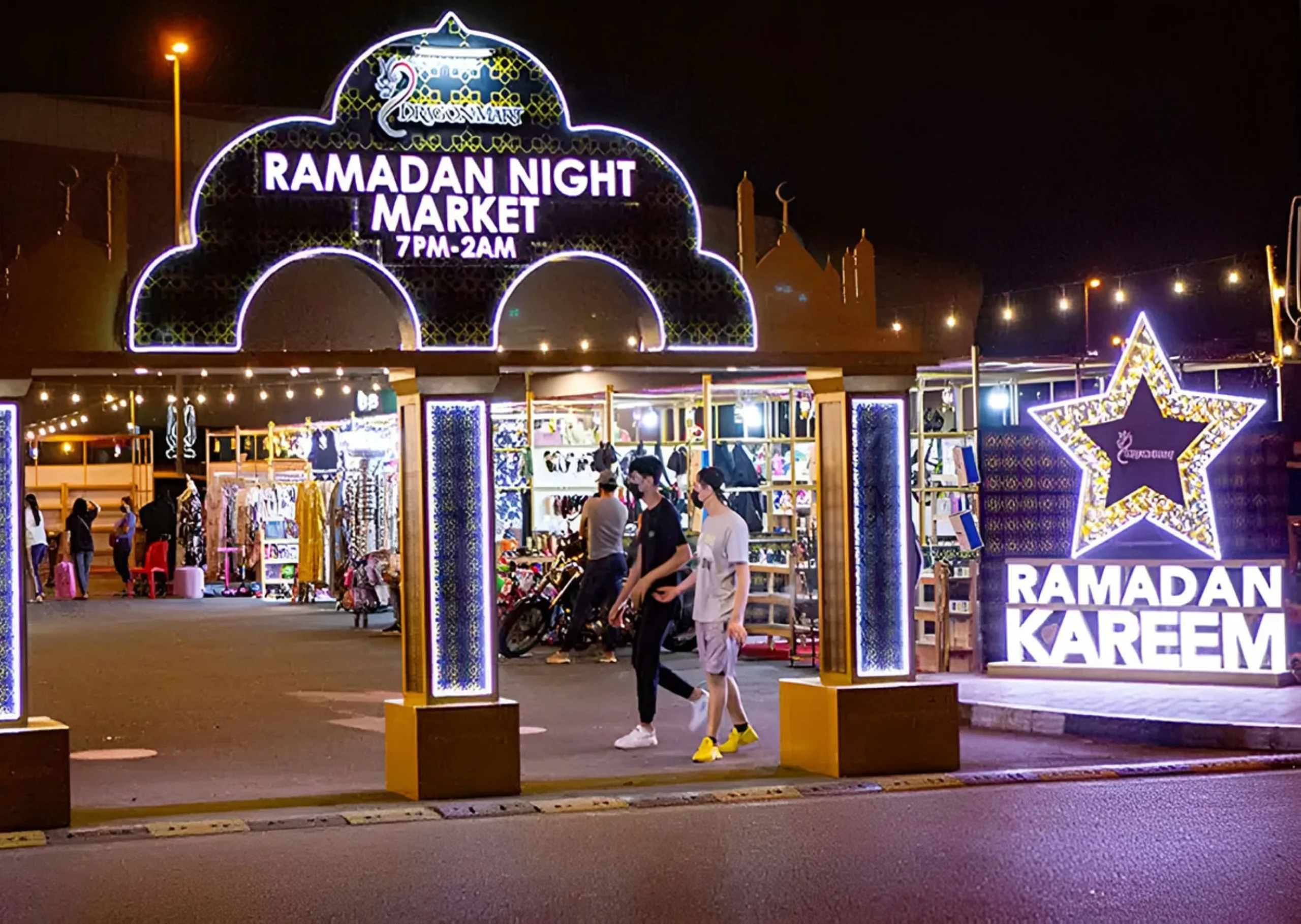
Ramadan this year feels exclusive calmer, more intentional, and surprisingly productive. With my current work schedule running from 10am to 5pm, handling customer service quality and development from home, I’ve revealed something I didn’t fully

Opinion
The situation!

The situation!

The situation!

Opinion
Solar lights in Johannesburg provide South African women safer nights

Solar lights in Johannesburg provide South African women safer nights

Johannesburg boasted grand public buildings and luxury hotels, ​but decades of state neglect and the exodus of wealthy residents and businesses have left the inner-city crime-ridden and crumbling.South Africa experiences some of the world’s highest

Opinion
Ultra-low-cost carriers pin their hopes on fuel-efficient planes

Ultra-low-cost carriers pin their hopes on fuel-efficient planes

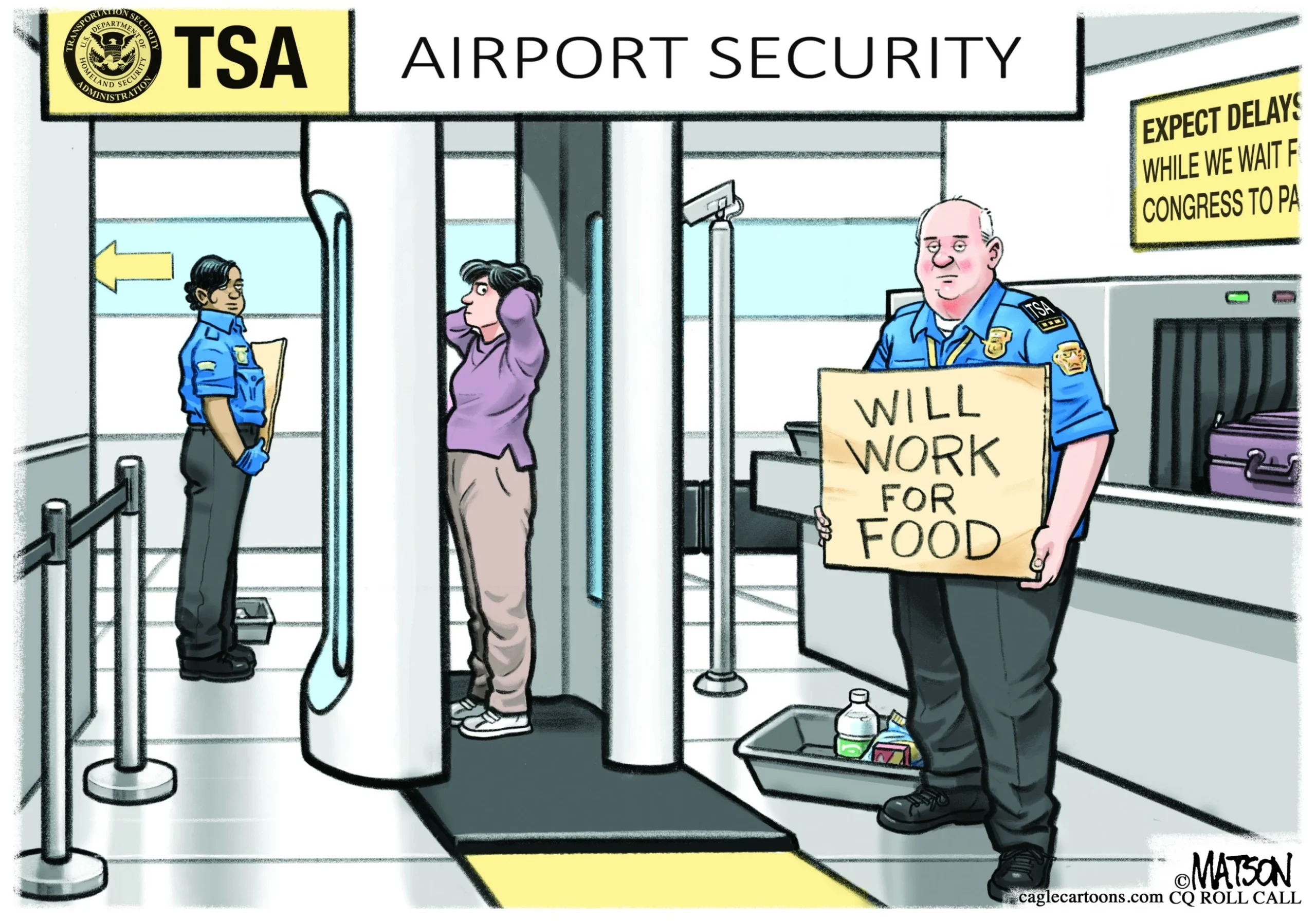
Ultra-low-cost carriers have some of the newest, most fuel-efficient planes in the industry, but if travel demand in the United States falters as a result of growing macroeconomic uncertainty, paying for the new planes could become a barrier to profit. US carriers on Tuesday said that they were seeing stronger-than-expected spring travel demand. Still, as the US-Israeli war on Iran has pushed US jet fuel prices above $200 per barrel, legacy carriers are starting to trim capacity like United Airlines or could park aircraft to save on costs, a luxury that Frontier Airlines may not have. Frontier said it saw an improvement in demand in the first quarter as it filled gaps left by Spirit’s contraction on the West Coast. The company’s adjusted revenue per available seat mile, a proxy for pricing power, was trending higher before the fuel spike, a company spokesperson said. Greater fuel efficiency is a clear advantage as airlines’ largest expense after labour is jet fuel. On Thursday, jet fuel surpassed $200 per barrel, according to Kloza Advisors principal analyst Tom Kloza, compared to about $105 before the conflict began. Frontier started 2026 committed to raising its aircraft utilisation rate to cut costs and lower fares for customers. Frontier said it has the most fuel-efficient fleet in the US and that its fuel burn per passenger is 40% below its peers. “We start from a better place on a per-passenger basis, given the high-density business model we have, and the predominance of new aircraft in the fleet,” said James Dempsey, Frontier CEO, at the JP Morgan Industrials conference. But low-cost carriers’ success depends on keeping the planes moving. The most fuel-efficient planes are the newest and most costly, and if demand starts to waver, it is financially tough to park them, said Michael Linenberg, Deutsche Bank research analyst in a note. “It is far more ‘expensive’ for an airline to idle a new aircraft rather than an older one that is fully depreciated and financially unencumbered,” Linenberg said, adding that if fuel prices more than double, operating an aircraft that is 15% more efficient than the older generation does not even come close to offsetting the financial pain. Spirit, aiming to emerge from bankruptcy later this year, decided to return to lessors or sell most, possibly all, of its newer, more fuel-efficient Airbus A320neo aircraft, aviation industry analyst Henry Harteveldt said. The decision reflects the higher ownership costs of these newer jets, he said, which were too expensive for the airline to retain in its fleet. Spirit declined to comment. Frontier has also made moves to cut its fleet size, terminating the leases on 24 jets currently in service. It also deferred the induction of 69 A320neo jets, which were expected to be delivered between 2027 and 2030. The Denver-based carrier’s full-year fuel expenses fell 11% to $929mn in 2025 in part due to a 10% decrease in fuel costs. But Frontier’s aircraft rent expense rose 11% to $748mn in the same period, as it brought on new aircraft. A company spokesperson said Frontier was confident in its ability to weather the current volatile fuel environment. Dempsey this week said that Frontier was “following suit” other airlines in raising fares. As of December 2025, about 85% of Frontier’s fleet was the more fuel-efficient Airbus A320neo family aircraft. Christopher Anderson, a professor at the Cornell SC Johnson College of Business, said carriers with newer fleets face pressure to generate sufficient cash flow to service those aircraft. The issue is not new, added Tom Fitzgerald, TD Cowen equity analyst. “Even prior to the fuel spike there was a dynamic where ultra-low-cost-carriers with newer planes were lowering utilisation and facing the headwind from parking expensive new assets,” he said. Newer planes also come with a higher maintenance bill, Fitzgerald said. “The fuel efficiency gains of the new generation engines came at a price of durability.” 

Opinion
Russia tightens the screws on the Internet

Russia tightens the screws on the Internet

Office workers toiling with blocked Internet. Teenagers continually forced to switch VPNs. Taxi drivers struggling to find their way around Moscow without online navigation. The Kremlin is flexing its muscles over the Internet. The government is periodically jamming the web in regions across Russia, while restricting messaging services Telegram and WhatsApp and ‌taking down dozens of virtual private networks that can be used to swerve bans on sites and apps. Over the past week, mobile Internet ​has been completely down every day in parts of ‌central Moscow, St Petersburg and other major cities, according to Reuters reporters in those areas and eight senior foreign diplomats in Russia. “These ‌measures are taking place,” Kremlin ⁠spokesman Dmitry Peskov told Reuters when asked about ‌restrictions to messaging apps and Internet service. “They are partly related to the ‌fact that a number of foreign companies refuse to comply with the norms of Russian legislation, and partly due to security measures against the threat of Ukrainian drones.” Attack ⁠drones can use cellular networks to aid navigation. Russia’s online clampdown this year has been accompanied by the introduction of new laws which oblige mobile operators to cut off any client at the demand of the Federal Security Service and give the agency powers to create a network of pre-trial detention centres under its own jurisdiction. The broader aim of the bolstering of online powers is to help the Kremlin shore up domestic control in the context of the war against Ukraine, according to the diplomats who requested anonymity to discuss sensitive matters. Should the conflict drag on, it could increasingly strain popular support, the envoys said. Should the war end, Russian officials are likely keen to prepare for any dissent that may ensue, they added. One said Moscow had assembled powers that gave it ​the option to enact a “great crackdown” online. The end of Moscow’s war in Afghanistan in 1989 caused major social ructions in Russia with returning veterans fuelling a wave of lawlessness that blighted the 1990s. The chaos was compounded by the collapse of the Soviet Union in 1991. “Russia’s leaders and security services remember 1991 and they remember what happened to Russia and ‌what happened to them when Moscow stopped a big ⁠war in Afghanistan: the country collapsed, the ​security services were split apart — it was a disaster,” said Andrei Soldatov, a Russian investigative journalist who is an expert on the ​security services. “What is happening now is that the security services are trying to create a situation in which — if Putin signs a peace deal or if Putin goes for a protracted war — it would not destroy the whole thing.” Two Russian sources with knowledge of the online clampdown said Moscow had studied the experience of other countries, particularly China and Iran, and had tasked authorities with developing a way to block swathes of the Internet, both mobile and fixed, while controlling online communications. KREMLIN TARGETS MESSAGING APPSAfter the 2022 invasion of Ukraine, Russia imposed the most repressive laws seen since Soviet times, bolstering censorship powers and the influence of the FSB, the main successor to the Soviet-era KGB. This year, Moscow has further ratcheted up security. President Vladimir Putin, who served as a KGB officer from 1985-1990, marked the fourth anniversary of the Ukraine war on February 24 by attending the FSB’s annual meeting in Moscow. He told the agency to step up the fight against terrorism — in which he included attacks from Ukraine — while strengthening the “information and digital space”. Kremlin spokesman Peskov said that all measures were lawfully ‌taken to ensure security amid the Ukraine conflict, which Putin casts ‌as a confrontation with the West.Two Russian officials close to ⁠the Kremlin disputed that the moves against the Internet and messaging apps were repressive, casting them as essential to improve security and ensure national unity against an attempt ⁠by the West to sow discord. Russia’s state digital and communications watchdog, Roskomnadzor, did ⁠not reply to a request for comment. The eight diplomats said Moscow’s Internet crackdown this year went much further than they had seen before in the country. Mobile Internet has been periodically shut down in some Russian regions for months, often after major Ukrainian drone attacks. By mid-January, Russia has blocked from than 400 VPNs, 70% more than late last year, according to Kommersant newspaper. In recent weeks, the crackdown has intensified in Moscow, according to the diplomats and Reuters reporters, and the government has also moved against Dubai-based Telegram and US service WhatsApp. Last month, Russia slowed down Telegram, which has more than 1bn active users and is widely used in both Russia and Ukraine, and ​investigated its billionaire founder Pavel Durov as part of a criminal case involving accusations of terrorism. Russian officials said Telegram had been penetrated by Ukraine and Nato member intelligence agencies, and that Russian soldiers had died as a result. Telegram has denied it has been penetrated and said Moscow is trying to force Russians to use Max, a state-backed messenger app that schools and universities have been told to use for parent and student chat groups. “Each day, the authorities fabricate new pretexts to restrict Russians’ access to Telegram as they seek to suppress the right to privacy and free speech,” Durov told Reuters. “A sad spectacle of a state afraid of its own people.” The Kremlin also completely blocked WhatsApp last month for failing to comply with local law. The app’s owner, tech giant Meta, decried the move as a backwards step for people’s security in Russia. Some young Russians vowed to evade the clampdown by switching to different VPNs as services were banned, not for politics but simply to engage ‌with Western apps such as Instagram and Snapchat, ​which are restricted in Russia. “If these quite old politicians want to block everything, why have they not made any Russian apps that are interesting?” said Andrei, who declined to give his second name due to the sensitivity of the situation.  

Opinion
Greenland seeks more leverage from Danish vote

Greenland seeks more leverage from Danish vote

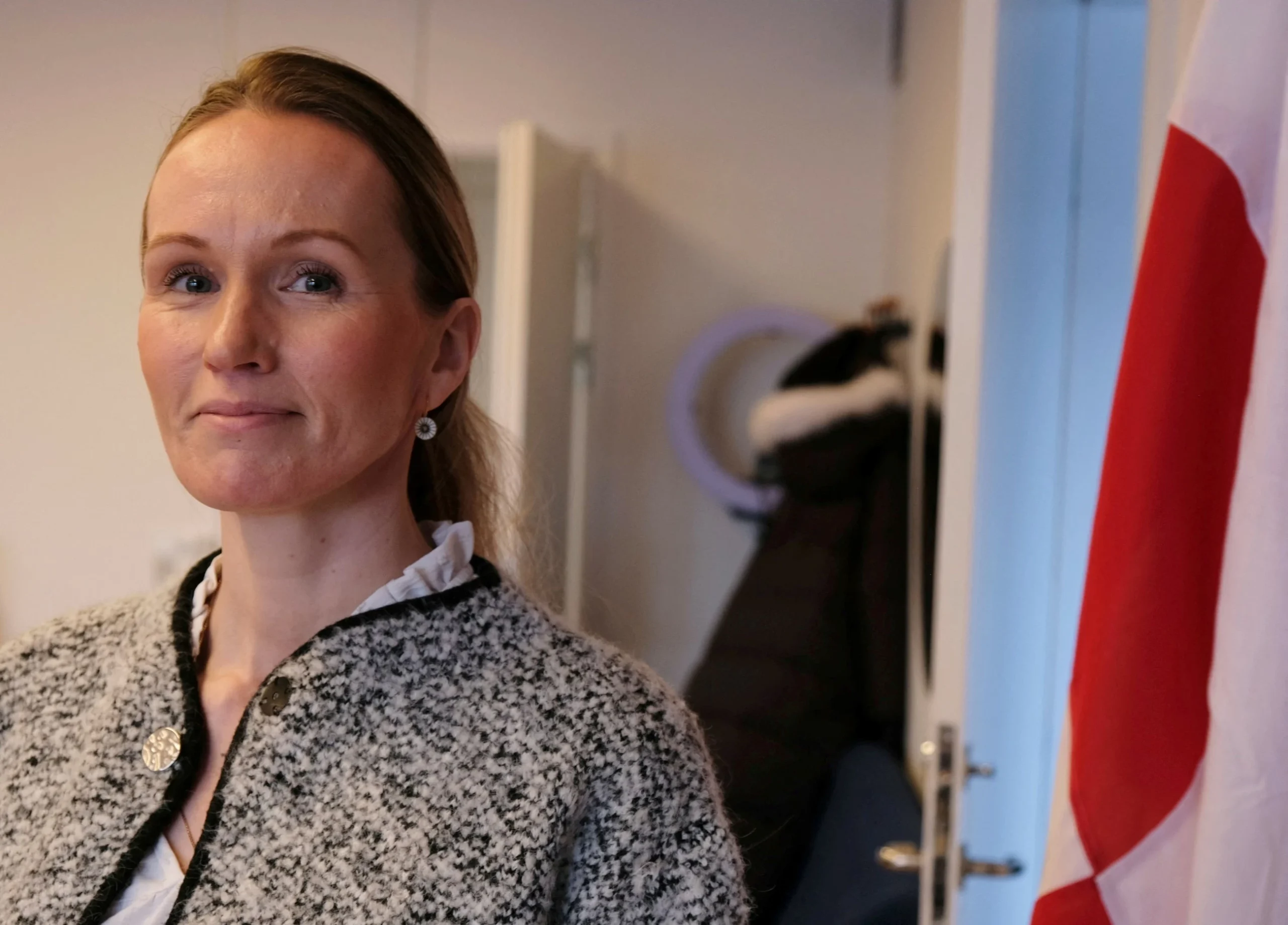
Greenlandic candidates competing for two seats in Denmark’s election next week hope to leverage the unprecedented attention brought to their island by US President Donald Trump to wrangle concessions from its former colonial power. Trump’s

Opinion
Records shattered as summer heat hits US Southwest in March

Records shattered as summer heat hits US Southwest in March

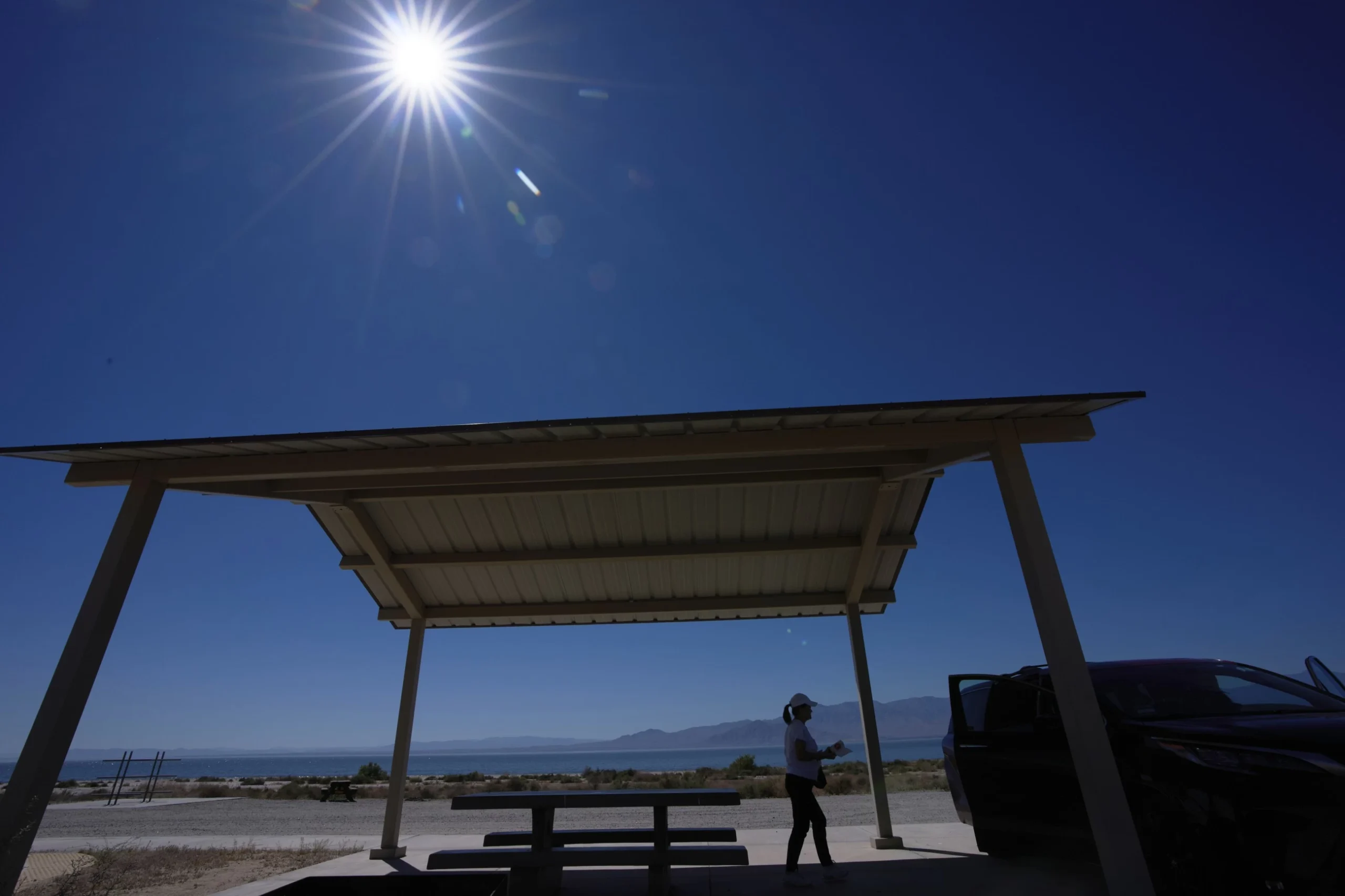
The dangerous heat wave shattering March records all over the US Southwest is more than just another extreme weather blip. It’s the latest next-level weather wildness that is occurring ever more frequently as Earth’s warming

Opinion
Republicans say only the right Americans should vote

Republicans say only the right Americans should vote

President Donald Trump doesn’t need the SAVE America Act to pass. He only needs the debate to continue. Every minute spent arguing about voter suppression repeats the underlying premise — that noncitizen voting is a