1. Home
  2. World

Category: World

World
UN General Assembly adopts landmark resolution to strengthen UN system

UN General Assembly adopts landmark resolution to strengthen UN system

The United Nations General Assembly adopted a "landmark resolution" to strengthen how UN mandates are developed, implemented, and reviewed by member states to guide the work of UN bodies.According to UN News, the move marks a major milestone under the UN80 Initiative, a system-wide reform effort to make the UN more effective, coherent and better equipped to deliver results in a changing world.Speaking in the General Assembly Hall, Secretary-General Antonio Guterres welcomed the adoption, calling it a "historic resolution” and "a major step”."The resolution adopted today reflects a shared understanding of the full mandate lifecycle - and a shared commitment to strengthen each step of it,” Guterres addressed member states. "Today’s resolution helps translate the ambition of the UN80 Initiative into concrete, practical action."By creating mandates, member states instruct and guide the whole UN system on how to address global challenges: from supporting peace and security and delivering humanitarian aid, to advancing development and protecting human rights. Over time, the large number of mandates has created practical challenges. Since 1946, more than 40,000 resolutions, decisions, and presidential statements have been adopted across key UN bodies - a landscape that is increasingly difficult to navigate.This has contributed to duplication and overlap, proliferating reports and meetings, and limited visibility and review mechanisms across the system, placing a heavy burden on both member states and the UN system, while making it harder to ensure effective and efficient mandate implementation.The resolution introduces, for the first time, a more structured approach across the full mandate lifecycle, from design to implementation and review. The resolution is intended to make it easier for member states to navigate an increasingly complex mandate landscape, while helping the UN reduce duplication, fragmentation and inefficiency. By strengthening how mandates are designed, delivered and reviewed, it aims to improve how the UN system translates decisions into results.The resolution builds on the work of the General Assembly’s Informal Ad Hoc Working Group on the Mandate Implementation Review, co-chaired by Jamaica and New Zealand.The working group was established by the General Assembly to consider the proposals contained in the Secretary-General’s July 2025 report on the mandate implementation review, prepared under Workstream 2 of the UN80 Initiative.
World
UN Security Council discusses deteriorating situation in Lebanon

UN Security Council discusses deteriorating situation in Lebanon

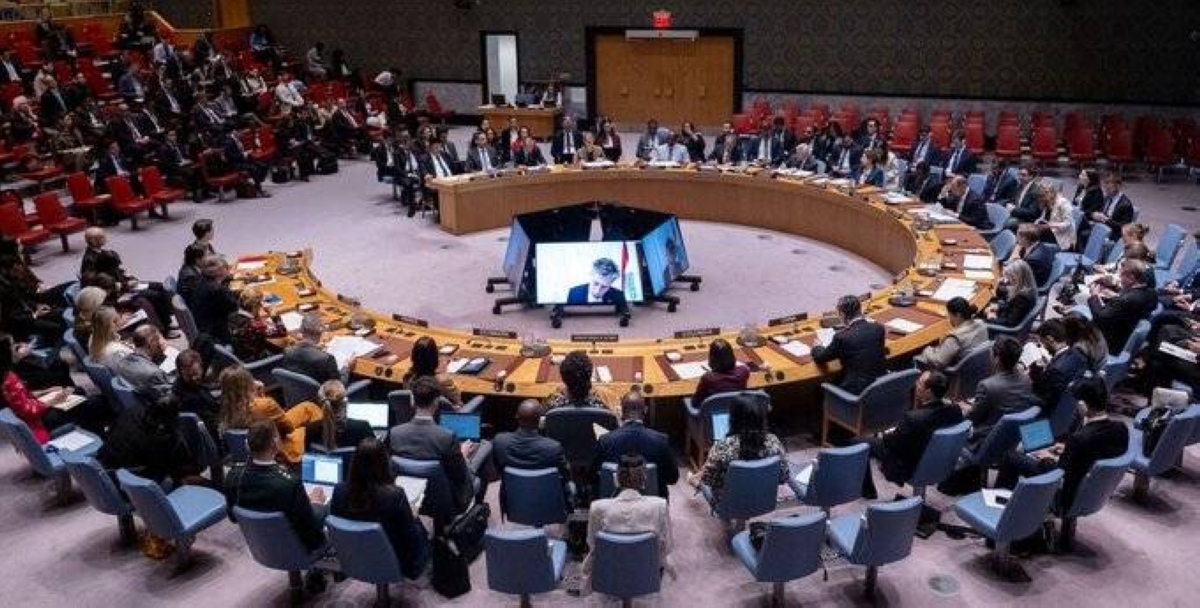
The UN Security Council held a session Tuesday night to discuss the situation in Lebanon, hearing briefings from three senior UN officials.Assistant Secretary-General for the Middle East and Europe, Khaled Khiari, told the Council that the situation in Lebanon continues to decline sharply within the context of wider regional tensions.Khiari reported intense exchanges of fire across the Blue Line, alongside Israeli military strikes across various Lebanese regions and the expansion of occupation forces' deployment deep into Lebanese territory. He emphasized that the UN continues to urge all parties to pursue diplomatic channels and renew their commitment to the full implementation of Resolution 1701.During the session, Khiari echoed a message from Secretary-General Antonio Guterres, noting that the Lebanese people did not choose this war but were instead dragged into it. He called for an immediate end to the fighting and bombardment, maintaining that diplomacy, dialogue, and the full implementation of the UN Charter and Security Council resolutions are the only paths to establishing a sustainable peace for all.Under-Secretary-General for Peace Operations, Jean-Pierre Lacroix, further warned that civilians are paying a heavy price for the ongoing hostilities.He highlighted that the UN Interim Force in Lebanon (UNIFIL) has suffered loss of life and stressed the urgent need to cease all actions that endanger peacekeepers.Lacroix concluded by calling on all actors to uphold their obligations to ensure the safety and security of UN personnel at all times and to respect the inviolability of United Nations premises. 

World
South Africa deploys military to Cape Town townships hit by crime

South Africa deploys military to Cape Town townships hit by crime

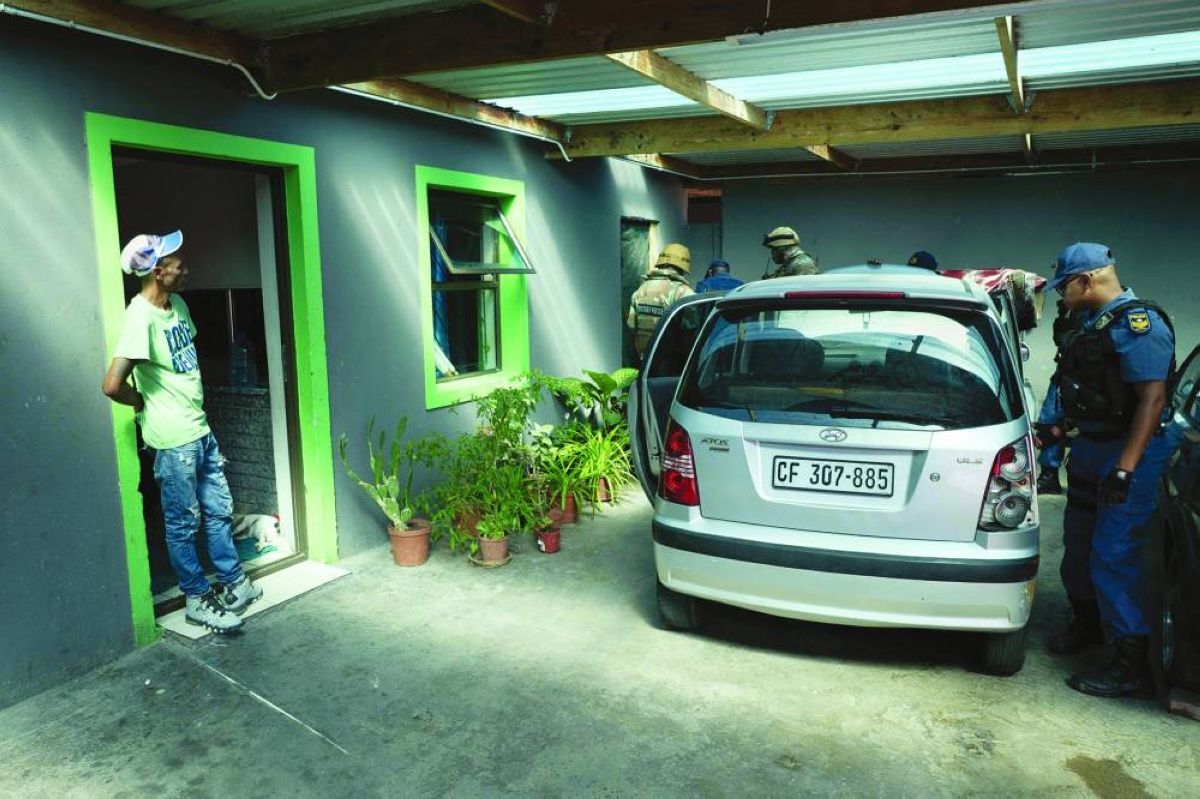
South African soldiers moved into gang-ridden Cape Town townships Wednesday, as two people were killed in fresh violence, nearly 50 days after the president ordered the deployment.Troops in full combat gear and carrying assault rifles stepped from armoured vehicles that arrived with sirens blaring in Mitchells Plain, a neighbourhood in the Cape Flats.The low-lying area, nestled between tourist magnet Cape Town and the scenic winelands, is a hotspot for murder and plagued by gang turf wars and retaliatory attacks.Two men, aged 25 and 33, were shot and killed in a 5 am (0300 GMT) attack in the neighbouring sprawling area of Hanover Park.Earlier, around 2:45 am, a 27-year-old man was wounded in a separate shooting in Mitchells Plain.'I am afraid for my children,' said a 65-year-old grandmother on condition of anonymity, suspecting her backyard was being used as a night lookout.'All night, I don't sleep,' she said, adding that her daughter leaving at 4 am makes her 'so anxious.'Shootings happen at all hours, including when children are going to and coming from school, said 69-year-old retiree Malvin Gordan.The deployment was a welcome relief, he said, with the troop's 'presence alone' forcing gang members to stand back.The Cape Flats saw one of its deadliest weeks last August when police recorded 59 murders in seven days.The violence and elsewhere prompted President Cyril Ramaphosa in February to announce the deployment to boost the country's struggling police force, saying crime was one of the biggest threats facing South Africa.Excluding countries at war, South Africa has one of the world's highest homicide rates, with an average of 60 killings reported each day.Codenamed 'Operation Prosper,' the deployment will last a year and cover five of the nine provinces, including Gauteng, home to the financial capital Johannesburg, according to a plan presented to parliament.It mobilises more than 2,200 soldiers to support police in tackling the surge in crime and illegal mining.South Africa has repeatedly turned to the army in times of crisis, from enforcing strict Covid-19 lockdowns in 2020 to deploying troops during the deadly riots sparked by the jailing of ex-president Jacob Zuma in 2021.Soldiers were also sent into the streets in 2023 after a wave of truck burnings raised fears of wider unrest. In 2019, around 1,300 soldiers were deployed to back up police in the gang-afflicted Cape Flats areas surrounding Cape Town. 

World
Fuel prices surge in Africa as Iran war hits supply

Fuel prices surge in Africa as Iran war hits supply

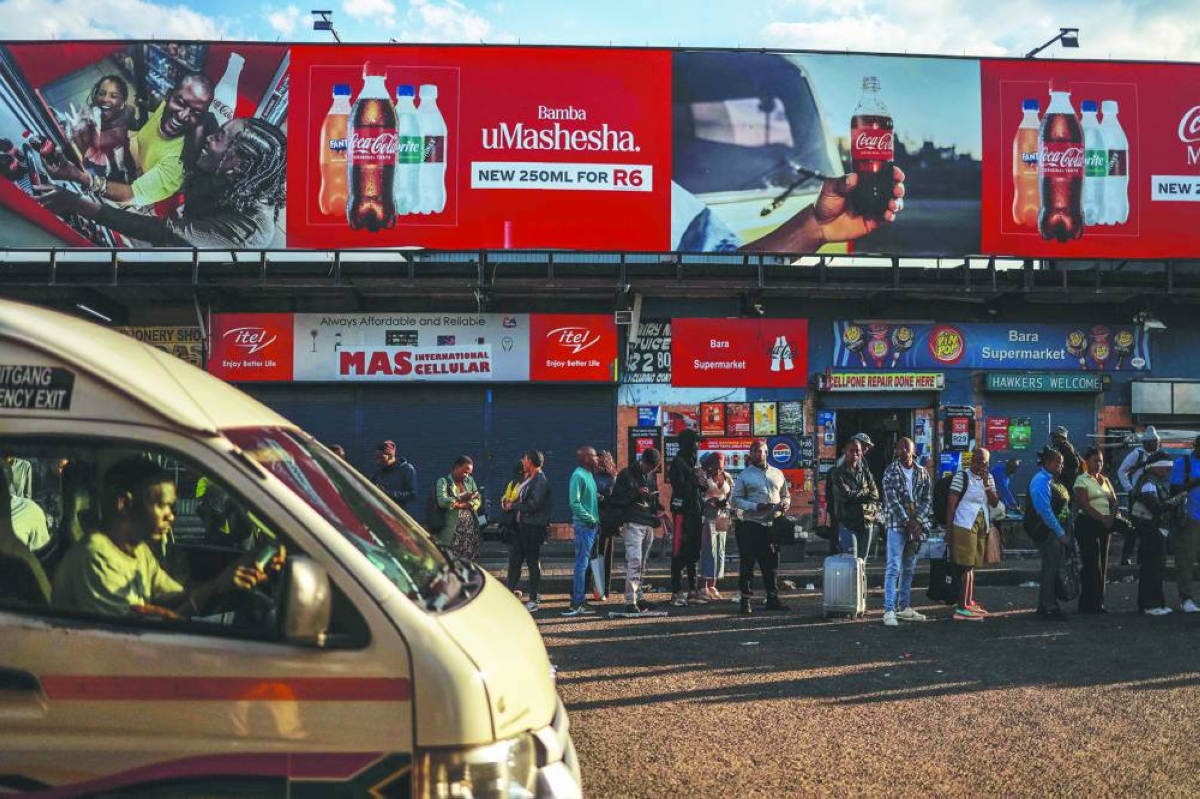
African governments have imposed sharp ‌fuel price increases as the Iran war sends global ​oil prices surging and ‌threatens to spark inflation across the continent.African countries import most ‌of their ⁠petroleum products, leaving ‌many highly vulnerable to supply disruptions.South ‌Africa, one of the continent's largest economies, Wednesday reduced its ⁠fuel levy for one month to help curb further prices rises in April, after trade unions and business groups pressured the government to intervene.CONSIDERING FURTHER STEPSIn Ghana, the National Petroleum Authority raised mandatory minimum price floors for the April 1-15 pricing window, pushing petrol prices up around 15% to 13.30 cedis ($1.21) per litre (0.26 U.S. ​gallon) and diesel up roughly 19% to 17.10 cedis.President John Mahama said on Monday that the government was considering steps to cushion consumers, including reducing ‌fuel margins and reviewing a ⁠recently imposed levy ​on petroleum products.He also raised the prospect of a formal ​supply agreement with Nigeria's Dangote refinery to secure alternative sources of refined petroleum. Ghana imports about 70% of its refined fuel.In Malawi, the Energy Regulatory Authority (MERA) imposed even steeper increases, raising petrol prices by 34% to 6,672 kwacha ($3.89) per litre and diesel by 35% to 6,687 kwacha from Wednesday.Petrol and diesel jumped by 42% and 87% between January and March on a free-on-board basis, MERA said, and that suppliers had shifted to fortnightly pricing averages.Tanzania's ‌Energy and Water Utility Regulatory ‌Authority has set a new ⁠petrol price cap of 3,820 shillings ($1.49) per litre in Dar-es-Salaam, up 33% ⁠from March. Diesel also ⁠rose 33% to 3,802 shillings.The regulator said fuel supply remained adequate to meet the country's needs.Mauritania Wednesday raised petrol by 15.3% and diesel by 10%. Economic Affairs Minister Abdallah Ould Souleymane, who compared the situation to the 1973 oil crisis, said the government would offset the ​impact on vulnerable households by raising the minimum wage and providing cash transfers to low-income families.Gambia increased fuel prices by 18.79% for petrol and 12.20% for diesel Wednesday, a finance ministry official told Reuters.Authorities in Botswana and Mali have also announced sharp fuel price increases.  Related Story

World
SA farmers grapple with rising diesel costs as harvest season approaches

SA farmers grapple with rising diesel costs as harvest season approaches

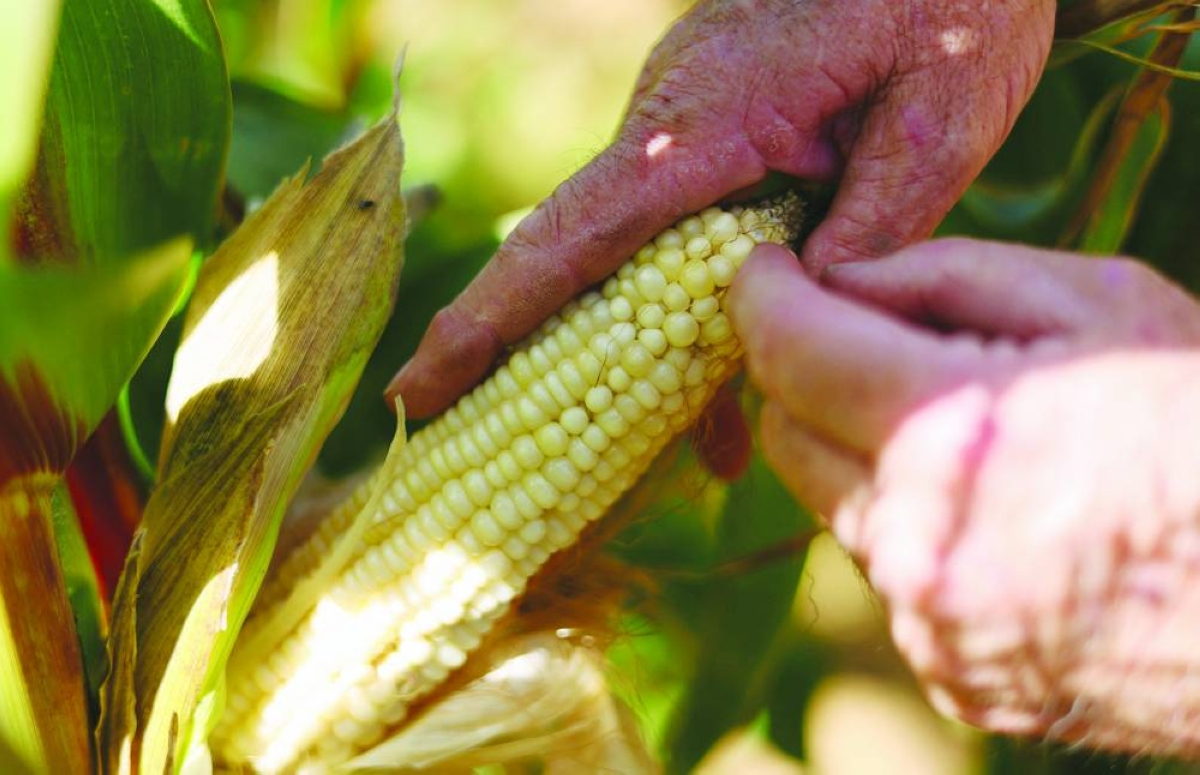
Derek Mathews watches as an old fuel pump fills a ​tractor with diesel on his ‌1,700-hectare arable farm in South Africa's North West Province. He frets ‌over a nagging ⁠concern: how to ‌secure and afford more fuel supplies before ‌harvesting starts.'It's terribly expensive to buy fuel at the moment, but the question I ⁠need to answer right now is can I get fuel?' Mathews, 64, told Reuters.Farmers in South Africa and many other countries are struggling with a double price blow — fuel and fertiliser costs have shot up as the US-Israeli war against Iran stifles key energy transit routes like the Strait of Hormuz.While South African government officials and fuel industry executives have assured that the country's stocks ​are sufficient for April, farmers say suppliers are grappling with higher demand, logistics constraints and hoarding of diesel.Mathews, who purchased 20,000 litres of diesel in February at 18 rand a litre, ‌said he had about 12,000 ⁠litres left by March ​30, or six days' worth of fuel for his farm as ​he prepares to harvest his sunflower and maize crops.According to a March survey by agricultural body AgriSA, slightly fewer than half of farmers surveyed had difficulty sourcing diesel. Others managed inadequate purchases of between 50 and 500 litres.'It's the uncertainty that keeps you awake,' AgriSA CEO Johann Kotze said, adding that disinformation about fuel supplies has induced panic buying.Mathews, who also produces dry beans and peanuts, ordered more diesel in March, by which time the price was 24 rand a litre, but the supplier ‌has yet to deliver it.Diesel ‌prices are not strictly regulated in ⁠South Africa. However, the government said Wednesday that it will temporarily intervene to ⁠cushion sharp fuel hikes by ⁠lowering the general fuel levy by 3 rand for April.In its latest fuel adjustment, the government said that diesel wholesale prices will rise by up to 7.51 rand a litre on April 1 to just under 26 rand, while petrol prices will rise by 3.06 rand a litre.For now, South Africa has sufficient crop production to keep a ​lid on food prices.'South Africa had a favourable agricultural season and has ample supplies that should contain excessive price increases,' Wandile Sihlobo, chief economist at Agricultural Business Chamber of South Africa, said during a Citibank client call on March 25.Mathews, however, fears that could change if the war in the Middle East leads to a prolonged rise in fuel prices.'If fuel prices remain at these elevated levels, with already depleted profit margins it doesn't make any financial sense at all to grow maize,' ‌he said of ​a food staple in South Africa. 

World
'Dozens' killed in Burundi after arsenal fire

'Dozens' killed in Burundi after arsenal fire

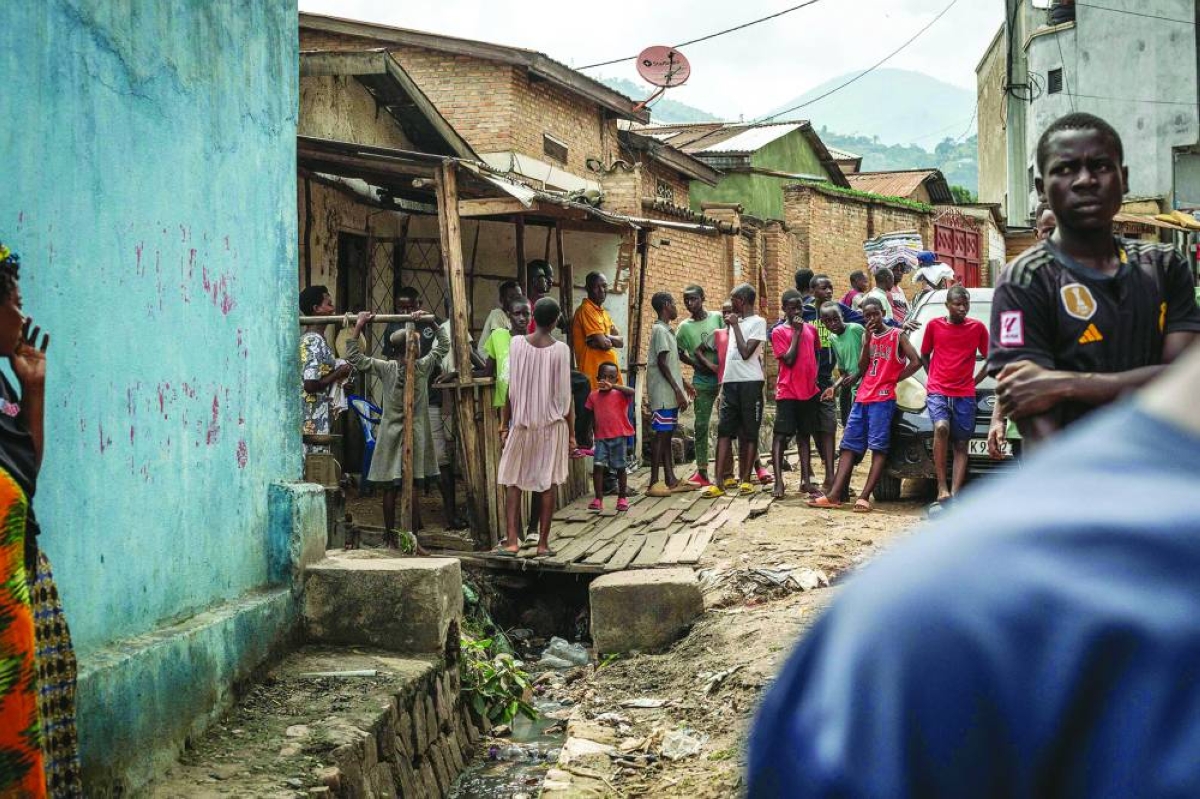
Explosions that ripped through the city of Bujumbura after a fire in a military arsenal have killed several dozen people in the Burundian economic capital, security sources said Wednesday.The explosions erupted late on Tuesday at the main ammunition depot of the Burundi National Defence Force (FDNB) in Musaga, a southern suburb of Bujumbura.An army spokesman said the cause was an 'electrical accident'.In videos seen by AFP, clouds of smoke loomed over the neighbourhood during the blast, sending panic through the city of more than a mn people.'It is impossible to establish a toll for the moment, but dozens and dozens of people have been killed, and there are hundreds or even thousands of injured,' a high-ranking army officer told AFP Wednesday.A senior police officer present at the site said the detonation broke out 'where heavy weapons and ammunitions are stored, which is why we immediately heard large explosions'.'There are dozens of dead, but the toll may be higher,' the senior police officer said.The arsenal in Musaga is located in a densely populated area and adjoins the Higher Institute for Military Cadres (ISCAM), where aspiring army officers are trained and housed.It also houses numerous army logistics depots and is next to another military base, Muha camp, and the central Mpimba prison.A source at Mpimba prison told AFP that eight inmates were killed and several others injured, who were taken to hospital by the Red Cross early Wednesday.Authorities have yet to provide casualty figures, and a Western diplomat speaking to AFP on condition of anonymity expressed doubt that 'there will be transparent communication'.'The regime here is very reluctant to communicate about deaths, especially military ones,' he said.Burundi, ranked by the World Bank as the world's poorest country by GDP per capita in 2023, has faced years of deep economic crises. The most recent saw a severe fuel shortage that has paralysed the nation for the past three years.Spageon Ngabo, director of the online bloggers' platform Yaga Burundi, said around 10 deaths had been reported by citizens to his organisation.'We haven't finished counting yet,' Ngabo said.The senior police officer, who joined the firefighting team late Tuesday, said efforts were immediately slowed by a water shortage.He said property had been destroyed by the 'massive inferno' and that the 'base camp was reduced to ashes'.On Wednesday afternoon, fire and smoke could still be seen, according to the police officer.Residents in surrounding neighbourhoods fled their homes at night, the officer said, as fire-triggered projectiles landed nearby.A witness speaking to AFP called the scenes 'horrible', adding that a projectile tore through a neighbour's bedroom, killing him.President Evariste Ndayishimiye, in a message on X, expressed his 'sympathy' to 'all those who have been victims of the fire'.Burundian authorities have urged citizens to report unexploded munitions by phone, warning: 'Be careful and do not touch.'On social media, dozens of posts showed children being searched for by parents who lost track of them while fleeing. 

World
Pakistan, Afghanistan open fresh talks in China to end conflict, say sources

Pakistan, Afghanistan open fresh talks in China to end conflict, say sources

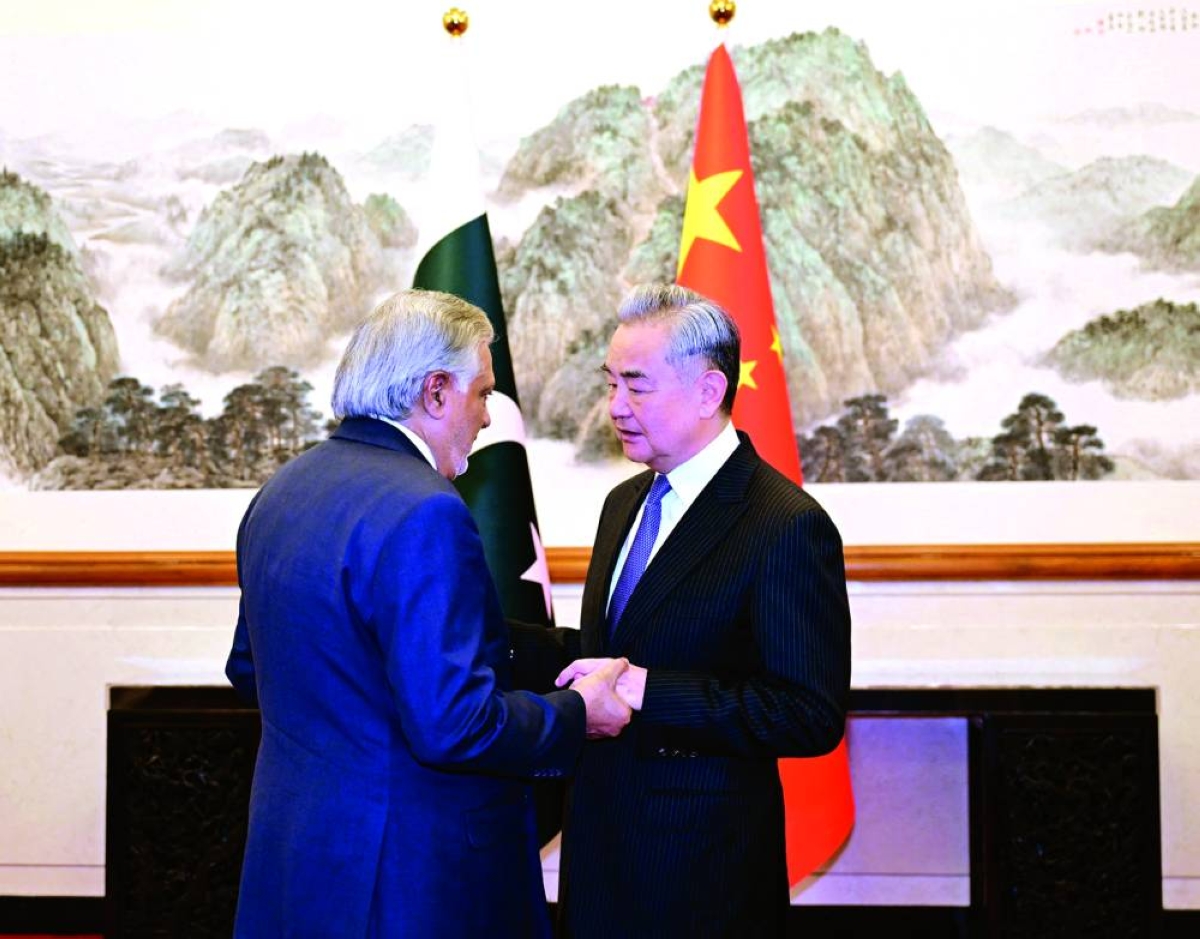
Afghanistan ​and Pakistan have opened ‌a new round of talks in China to end the deadliest ‌fighting between ⁠two Muslim nations since ‌the Taliban returned to power ‌in 2021, sources said Wednesday.Beijing has been trying to mediate a negotiated ⁠settlement to the conflict, which has claimed heavy losses on both sides, although many more on the Afghanistan side, since Pakistan launched air strikes in late February.Islamabad accuses the Taliban of harbouring and supporting militants who carry out attacks inside Pakistan. Kabul denies that claim, saying the militancy is Pakistan's domestic problem. The new round of talks coincides with Pakistani ​Foreign Minister Ishaq Dar's visit to Beijing to seek Chinese support for Islamabad's initiative to broker a peace deal between the US and Iran.Foreign and defence ministry delegates ‌from both countries have travelled to ⁠the northwestern ​Chinese city of Urumqi, four sources in Pakistan and Kabul said.The ​four spoke on condition of anonymity because they were not authorised to disclose the information, saying the talks involved mid-level officials.Pakistan's foreign ministry and the Kabul administration did not respond to requests for comment.The talks will focus on a potential ceasefire and on the reopening of border crossings to allow trade and travel, they said, adding that the new round of talks was a Chinese initiative.'Our top leadership agreed with them and decided to participate in the process,' a Taliban leader ‌in Kabul said.Both sides ‌traded heavy fire this week ⁠after a temporary ceasefire along their 2,600-km (1,600-mile) border.The pause in hostilities was announced ⁠for the Islamic festival of ⁠Eid al-Fitr, and was also requested by Turkiye, Qatar and Saudi Arabia, which Islamabad ended last week, saying it was responding to an attack from the Afghan side.Afghanistan has not yet announced officially whether the ceasefire was still holding on its side. Kabul said more than 400 people were killed in ​a Pakistani air strike on a drug rehabilitation centre in Kabul last month before the neighbours suspended the fighting. A Reuters reporter counted more than 100 bodies at one hospital after the air strike.Pakistan has rejected the Taliban's statements about the strike, saying it 'precisely targeted military installations and terrorist support infrastructure'.The Chinese mediation efforts come as Qatar, Saudi Arabia and Turkiye, who hosted talks between Pakistan and Afghanistan during previous clashes in October, find themselves embroiled ‌in the US and Israeli ​war on Iran. 

World
Pakistan’s blossom season brings calm in a troubled world

Pakistan’s blossom season brings calm in a troubled world

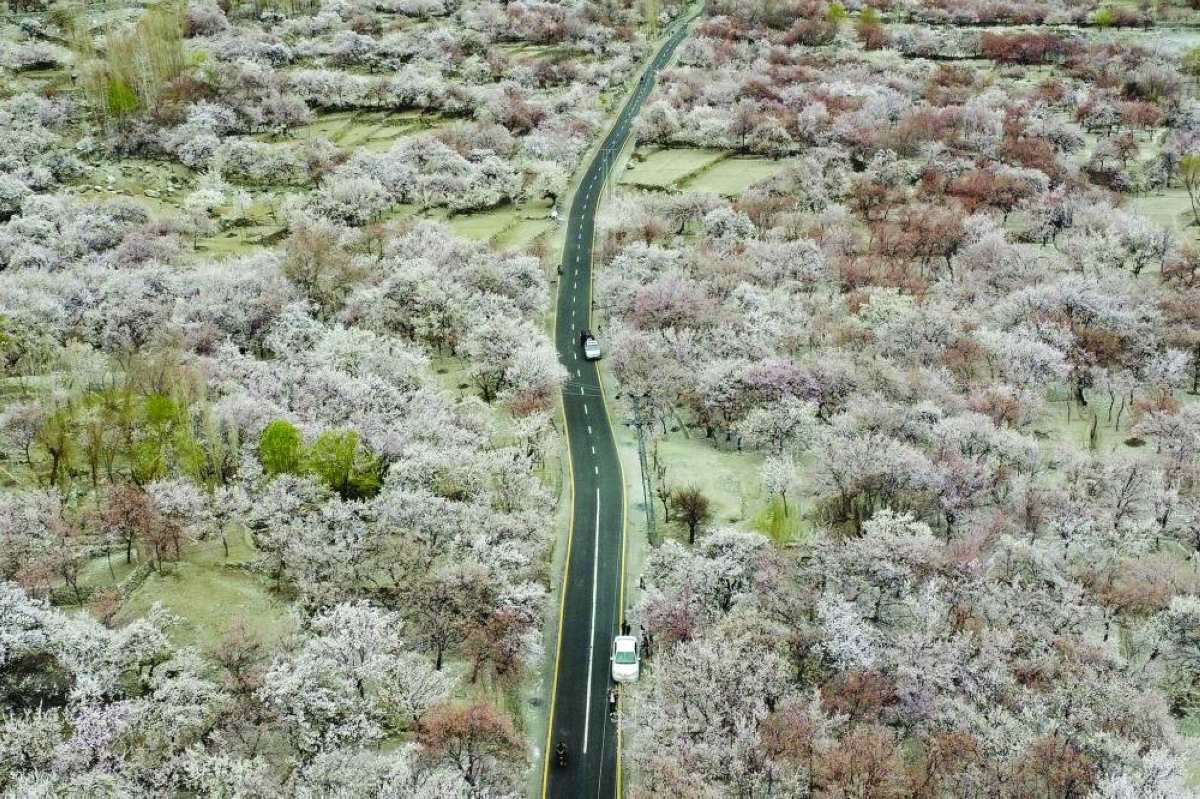
Commuters ride past apricot blossom trees at Ghanche district in Gilgit-Baltistan region. (AFP) The harsh days of winter are over in Pakistan's high north and while snow still tops the towering peaks that dominate the landscape, spring has arrived in the foothills.But this year, visitors who have come to witness the region's cherry and apricot blossoms see it as the perfect tonic to the war in the Middle East and its knock-on effects."There's war going on all over the world right now. It's petrol crisis, this and that, everything has become more expensive, everyone is in a depression," Hatib, 27, from Pakistan's biggest city, Karachi, told AFP."But to get out of depression, you need to step outside, go out somewhere for a bit, see places, explore, and relax the mind," he said.The blossoms that turn bare trees into a vibrant shade of pink carpet the thawing farmland of Gilgit-Baltistan from late March every year, marking renewal and the promise of fruit harvests to come for local people."The best part is when these flowers are falling. It literally feels like a dream," Hatib said.The region, home to about 1.7mn people, has some of the world's highest mountains, including K2, which soars to 8,611 metres (28,251 feet) — second only to Mount Everest.The jagged mountain ranges, high-altitude lakes and glaciers of Gilgit-Baltistan are a magnet for the daring and adventurous.But more sedate visitors can instead take selfies in the orchards of the flowering deep valleys, under a clear blue sky with only the chirrup of birdsong and the bleat of foraging goats to break the surrounding silence."No matter how much inflation there is in Pakistan today, no matter how much petrol prices are going up, tourists still don't want to miss the cherry blossom and apricot blossom season," said local visitor Maria Akbar, 29."Even if we have to spend extra money, it's not a problem, but we'll enjoy this view.""Things like cherry blossom and apricot blossom are what make Gilgit-Baltistan unique compared to all other regions," added Junaid Ahmed, 31."Tourists from all over the world come to enjoy this season. As you can see around me how beautiful it is, the beautiful view of these cherry and apricot blossoms is right before your eyes."  Related Story

World
Russian drones kill five, destroy postal terminal in Ukraine: Kyiv

Russian drones kill five, destroy postal terminal in Ukraine: Kyiv

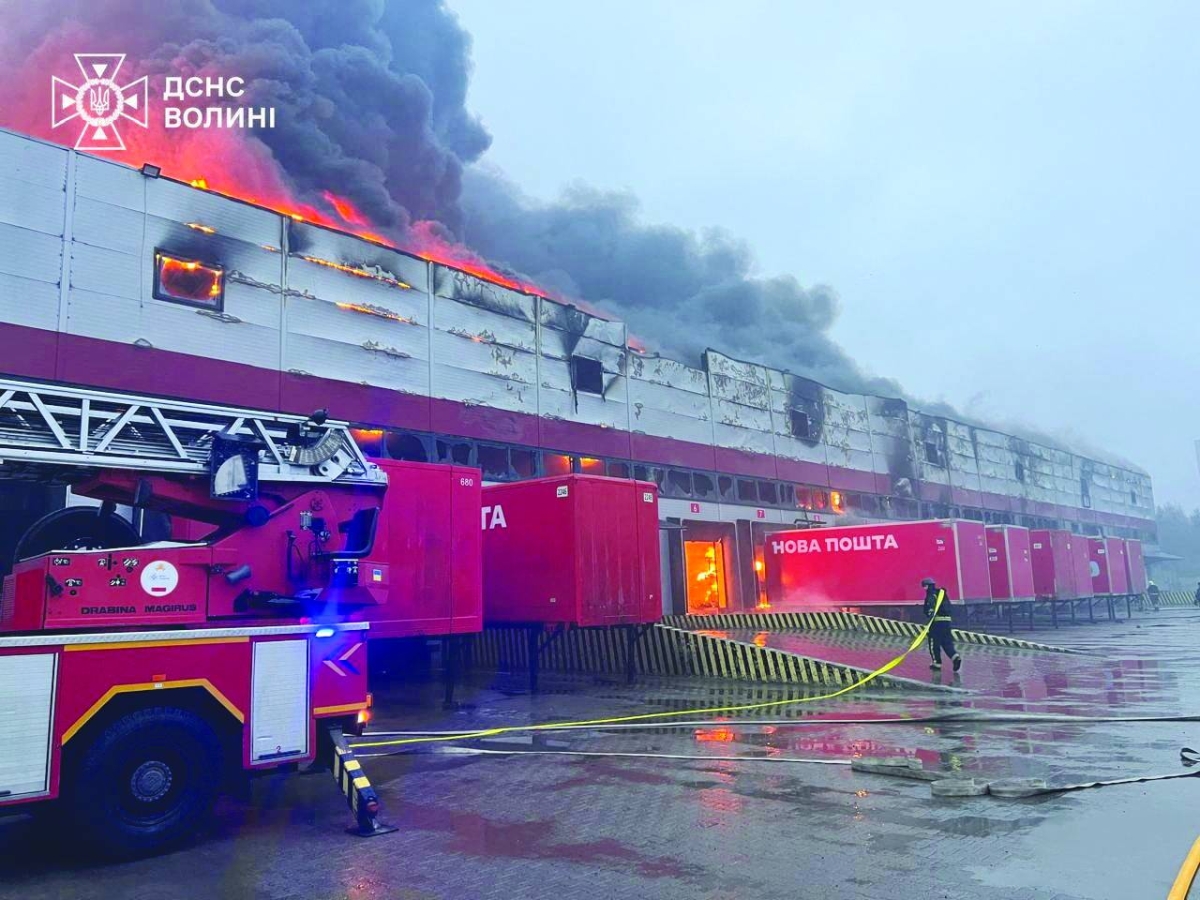
Firefighters work at the site of a postal distribution centre of Nova Post company hit by a Russian drone strike, amid Russia's attack on Ukraine, in Lutsk, Wednesday.(Reuters) Russia fired hundreds of drones at Ukraine Wednesday, killing at least five people and destroying a postal terminal, Ukrainian officials said.The attacks came a day after the Kremlin rejected a Ukrainian proposal for a temporary ceasefire over the Easter holiday.Diplomatic efforts to end Russia's four-year invasion have stalled in recent months, in part because the United States has shifted its focus towards the war with Iran.Zelensky said Wednesday he had had a "positive" call with US negotiators Steve Witkoff and Jared Kushner about reviving the peace process.The two sides had agreed to "strengthen security guarantees", he added, without elaborating."Ukraine is doing everything it can to support efforts for peace," Zelensky said in his evening address.Russia fired 339 drones at Ukraine overnight, and more than 360 drones during the day, according to the Ukrainian air force.A Russian drone killed four people in the central Cherkasy region. An earlier drone strike on a car in Ukraine's frontline Kherson region killed a woman and badly wounded two other people, regional authorities said.Ukraine's Nova Poshta mailing company published an image showing a warehouse in the western city of Lutsk in flames following a Russian attack, thick smoke pouring from its roof.Russia meanwhile stepped up pressure on the front line, claiming Wednesday to have taken two villages in eastern Ukraine and fully captured the Lugansk region, which its forces had already largely occupied.Zelensky described the situation on the front as "quite tense" in an earlier social media post.  Related Story

World
Rubio says Venezuela will ultimately need transition phase, free elections

Rubio says Venezuela will ultimately need transition phase, free elections

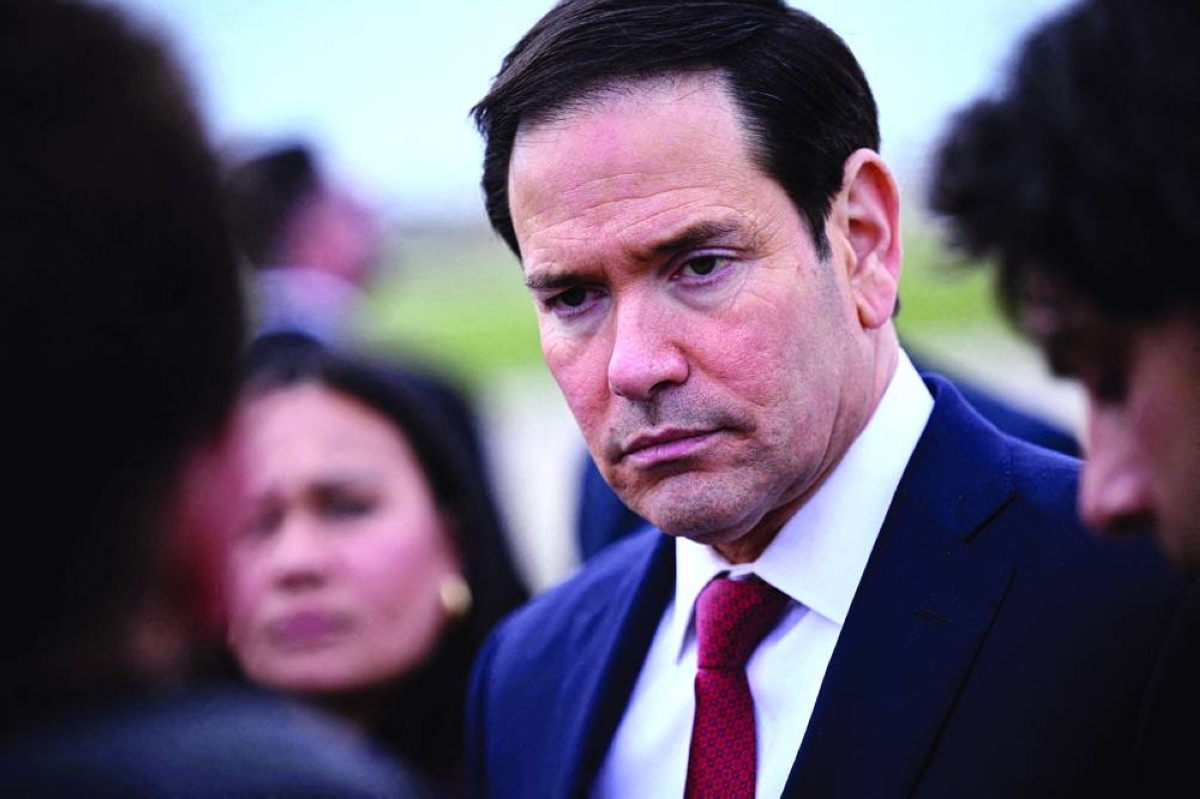
US Secretary of State Marco Rubio. (Reuters/File Photo) US Secretary of State Marco Rubio on Tuesday said there will have ‌to be a transition phase in Venezuela ​and the country ‌will need free and fair elections, though he ‌added ⁠that there ‌needs to be patience ‌until that point is reached."Ultimately, there will have to ⁠be a transition phase," Rubio said in an interview on Fox News Channel's "Hannity" show. "There will have to be free and fair elections in Venezuela. And that point has to come.""We have to be patient, but we also can't be complacent."The ​US military seized Venezuelan President Nicolas Maduro in a deadly raid in January that was ordered by President ‌Donald Trump. The United Nations' ⁠human rights ​office has said the raid was a violation ​of international law.At the time, Trump said Washington would "run" Venezuela. Maduro's former vice president, Delcy Rodriguez, subsequently took over and has been governing the country under US oversight.Following US moves in Venezuela, Trump has talked of acting against Cuba and pressuring its leadership.Rubio said in Tuesday's interview that Cuba needed economic and political reforms and ‌Washington would soon have ‌more news on that ⁠country."So I think Cuba is in need of ⁠two things, economic ⁠reforms and political reforms, you cannot fix their economy if you don't change their system of government," Rubio said.The US cut off Venezuela's oil exports to Cuba after toppling Maduro in early January and Trump threatened ​to apply punishing tariffs on any other country that sent crude to Cuba.Cuba's energy crisis has caused blackouts across the country of 10mn. Health officials say the crisis has increased the mortality risk for cancer patients, especially children.Human rights experts say Trump's focus on exploiting Venezuelan oil and his threats against ‌Cuba echoed an imperialist ​approach.  Related Story