1. Home
  2. World

Category: World

World
Chinese President presents proposal on promoting peace, stability in West Asia

Chinese President presents proposal on promoting peace, stability in West Asia

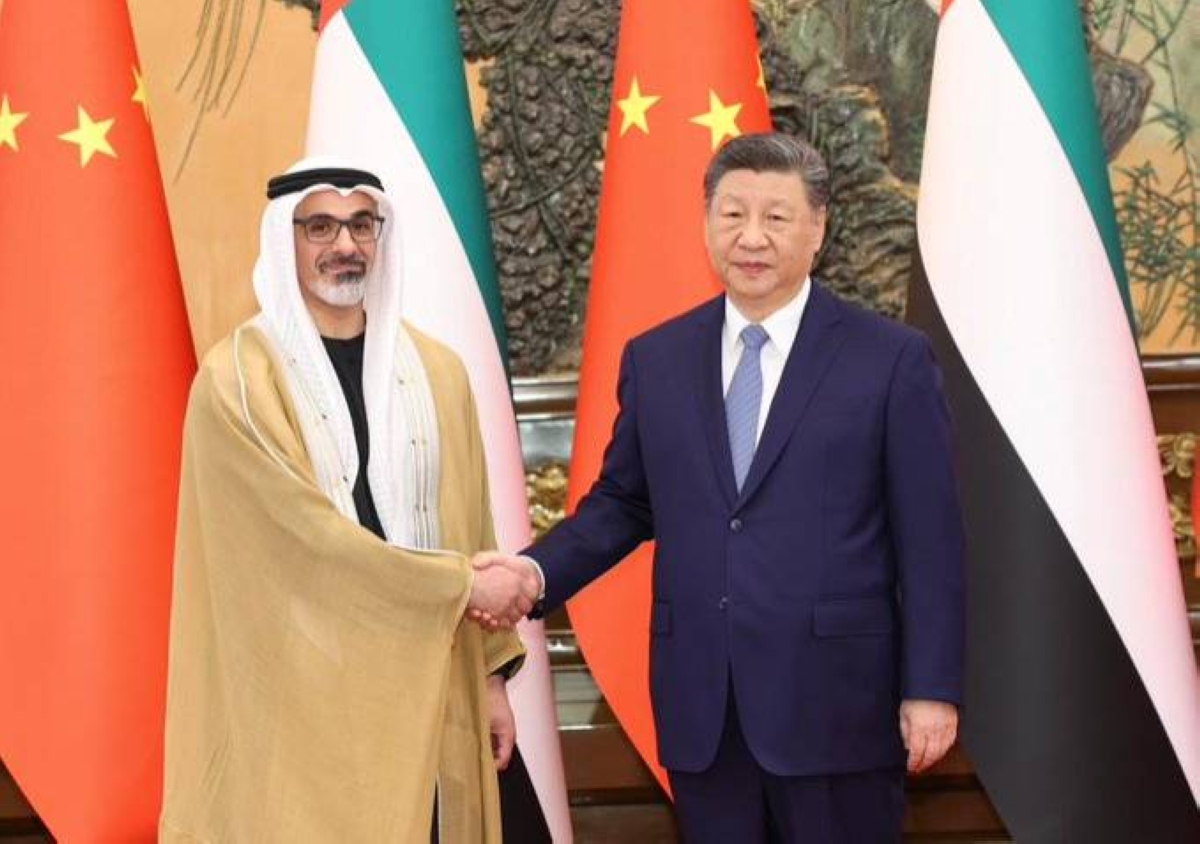
Chinese President Xi Jinping put forward on Tuesday a four-point proposal on promoting peace and stability in West Asia, when meeting with Crown Prince of Abu Dhabi, United Arab Emirates, Sheikh Khaled bin Mohamed bin Zayed Al Nahyan in Beijing.Xi called for adherence to the principle of peaceful coexistence. It is imperative to promote the building of a common, comprehensive, cooperative and sustainable security architecture for West Asia and the Gulf region, he noted.He urged adherence to the principle of national sovereignty. He said the sovereignty, security and territorial integrity of countries in West Asia and the Gulf region should be fully respected, and the safety of personnel, facilities and institutions of all countries should be effectively safeguarded.On adherence to the principle of international rule of law, Xi said the authority of international rule of law should be upheld to prevent the world from falling back into the law of the jungle.He said development and security should be coordinated. All parties should work together to create a favorable environment for the development of countries in West Asia and the Gulf region.On the other hand, the Chinese President said during his meeting with Spanish Prime Minister Pedro Sanchez, who is on an official visit to China, that China and Spain should strengthen cooperation to oppose a return of the world to "the law of the jungle."Noting the world today is in turmoil, confronted with the contest between the rule of law and the rule of power, Xi called on both China and Spain to jointly defend true multilateralism.For its part, Spanish Prime Minister Pedro Sanchez said that Spain opposes a "new Cold War," decoupling and severing of supply chains, and supports Europe and China in enhancing communication, mutual understanding and cooperation. 

World
UN calls on Lebanon, Israeli entity to leverage diplomatic avenues to end hostilities

UN calls on Lebanon, Israeli entity to leverage diplomatic avenues to end hostilities

The United Nations called on Lebanon and the Israeli entity to leverage all available diplomatic avenues at their disposal to immediately end hostilities and address outstanding provisions of Security Council resolution 1701, at a time when negotiations between the Israeli entity and Lebanon are expected to take place on Tuesday.In this context, UN spokesperson Stephane Dujarric affirmed, "We stand ready to work with the parties to facilitate efforts in this regard."The UN Special Coordinator for Lebanon Jeanine Hennis-Plasschaert, continues her good office’s role in support of the parties towards the full implementation of resolution 1701 towards a permanent ceasefire and long-term solution to the conflict. We call on all parties to engage constructively in this regard.On the peacekeeping front, the UN spokesperson said that the "UNIFIL continues its operations on the ground in support of deconfliction, protection of civilians and humanitarian access, to the extent possible amid ongoing hostilities.""Peacekeepers continue to report rocket fire towards Israel and airstrikes in UNIFIL's area of operations, including around Shama, At Tiri, and Bint Jbeil in Sector West, where heavy clashes continue," he added."On the humanitarian front, as high-intensity hostilities continue, as you can imagine humanitarian needs continue to deepen across the country and civilians continue to bear the brunt of the violence. Israeli military activity remains particularly intense in southern Lebanon and the western Bekaa governorate," he continued."As of yesterday, more than 2,000 people have been killed and over 6,500 injured, as casualties continue to rise, according to the Government," the spokesman said."Civilian infrastructure continues to be damaged. Our colleagues at UNICEF report at least 18 incidents affecting water systems across the country, damaging reservoirs, pumping stations and main supply lines, and disrupting people's access to safe water," Dujarric added. 

World
S. Korea calls for courageous step toward peace amid war in West Asia

S. Korea calls for courageous step toward peace amid war in West Asia

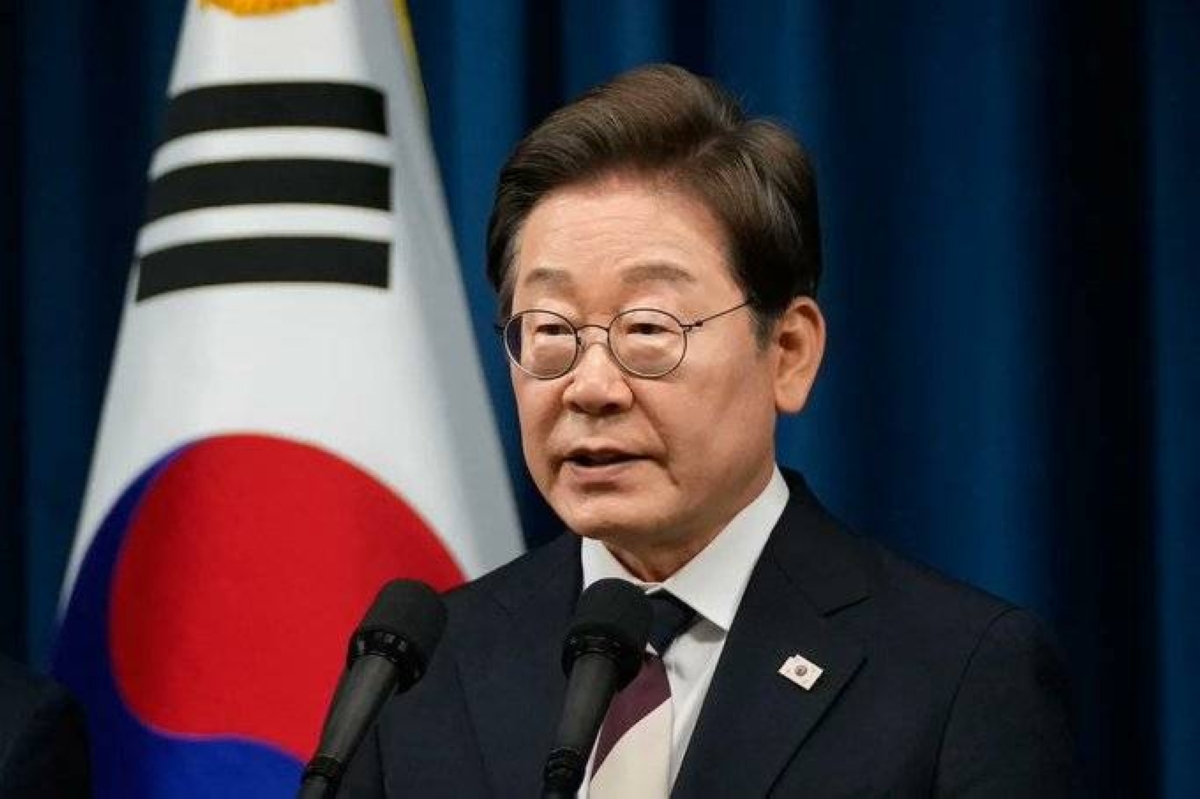
 South Korean President Lee Jae Myung urged on Tuesday nations involved in the war in West Asia to take a courageous step toward peace, with a fragile ceasefire deal between the US and Iran hanging in the balance and threatening the global economy.Speaking at a Cabinet meeting, Lee asked "the warring parties to take a courageous step toward peace that the world desperately wants based on the principles of the protection of universal human rights and lessons from history."With the war in West Asia entering its seventh week, Lee also called on the government to explore alternative supply chains and pursue structural reforms to address vulnerabilities exposed by uncertainties stemming from the ongoing war.Lee instructed the government to maintain the current emergency posture to brace for volatility in global energy markets and supply chains.Lee also called for the swift implementation of a KRW 26.2 trillion (USD 17.7 billion) supplementary budget aimed at supporting those affected by the war, stressing the urgency of distributing funds to support people's livelihoods. 

World
N. Korea test-fires ballistic missile, 3 anti-ship missiles

N. Korea test-fires ballistic missile, 3 anti-ship missiles

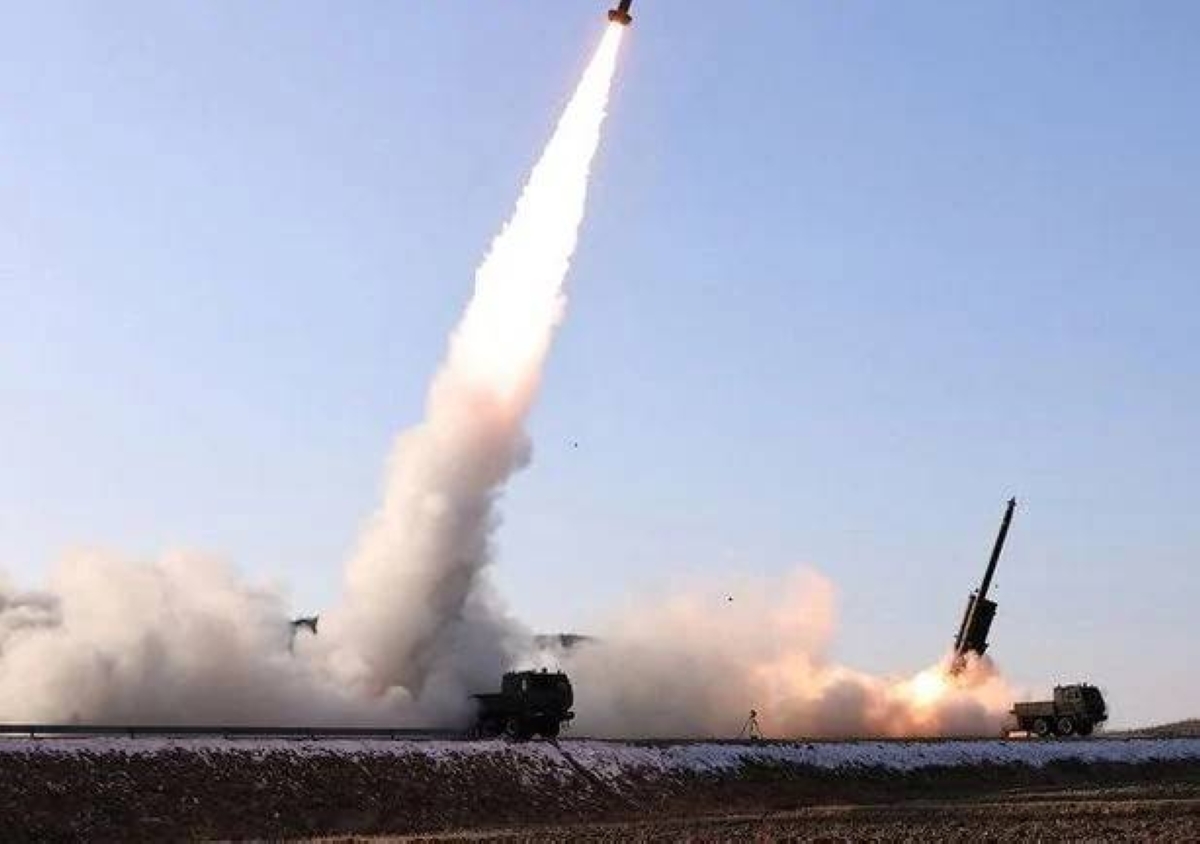
 North Korea test-fired, on Tuesday, two strategic cruise missiles and three anti-warship missiles as part of an "operational efficiency test".South Korea's Yonhap News Agency reported that North Korean leader Kim Jong-un has once again overseen the test-firing of strategic cruise and anti-warship missiles from the destroyer Choe Hyon, stressing that the country's top priority is to bolster a nuclear deterrent.Kim expressed great satisfaction over the fact that the preparedness of our army's strategic action has been strengthened in a qualitative way with various achievements recently made in the field of defence science, according to the North Korean Central News Agency (KCNA).In March, North Korea conducted similar strategic cruise missile tests from the 5,000-ton warship on two occasions ahead of its commissioning. Pyongyang's designation of the weapons as "strategic" suggests that it may possess nuclear capabilities. 

World
UN calls on all parties to respect freedom of navigation in Strait of Hormuz

UN calls on all parties to respect freedom of navigation in Strait of Hormuz

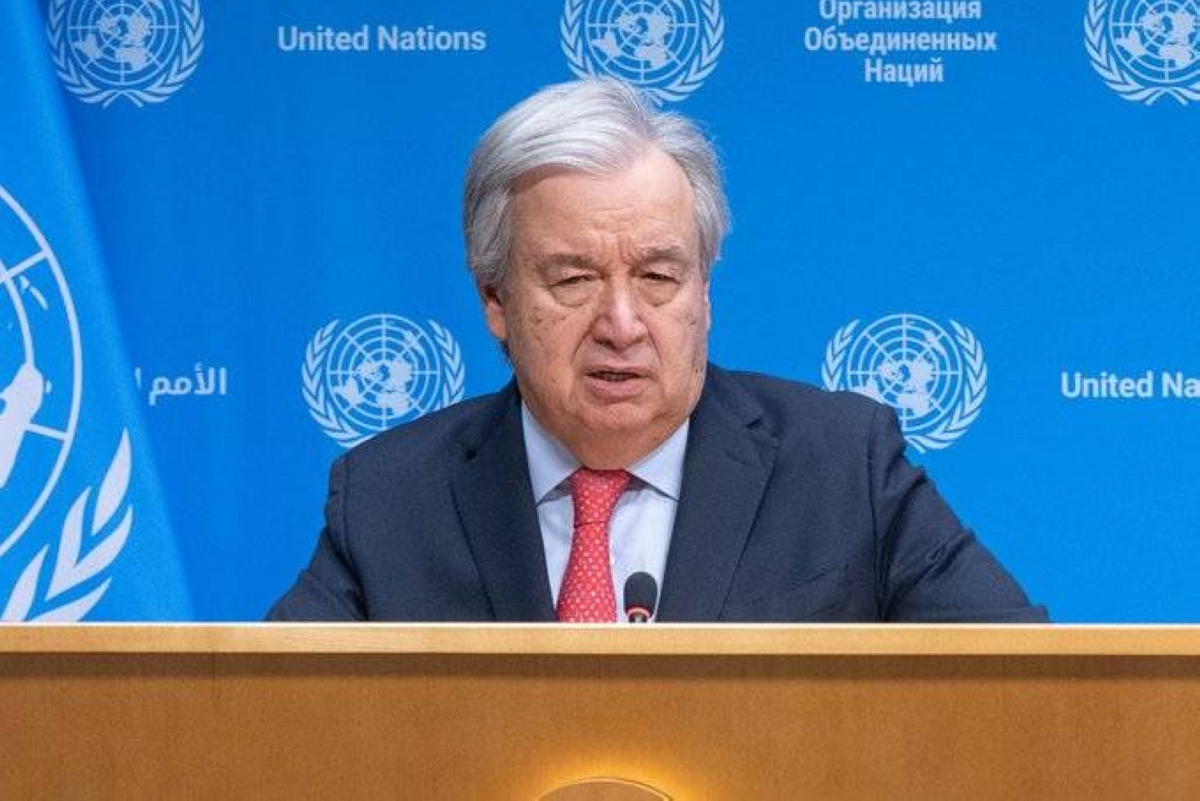
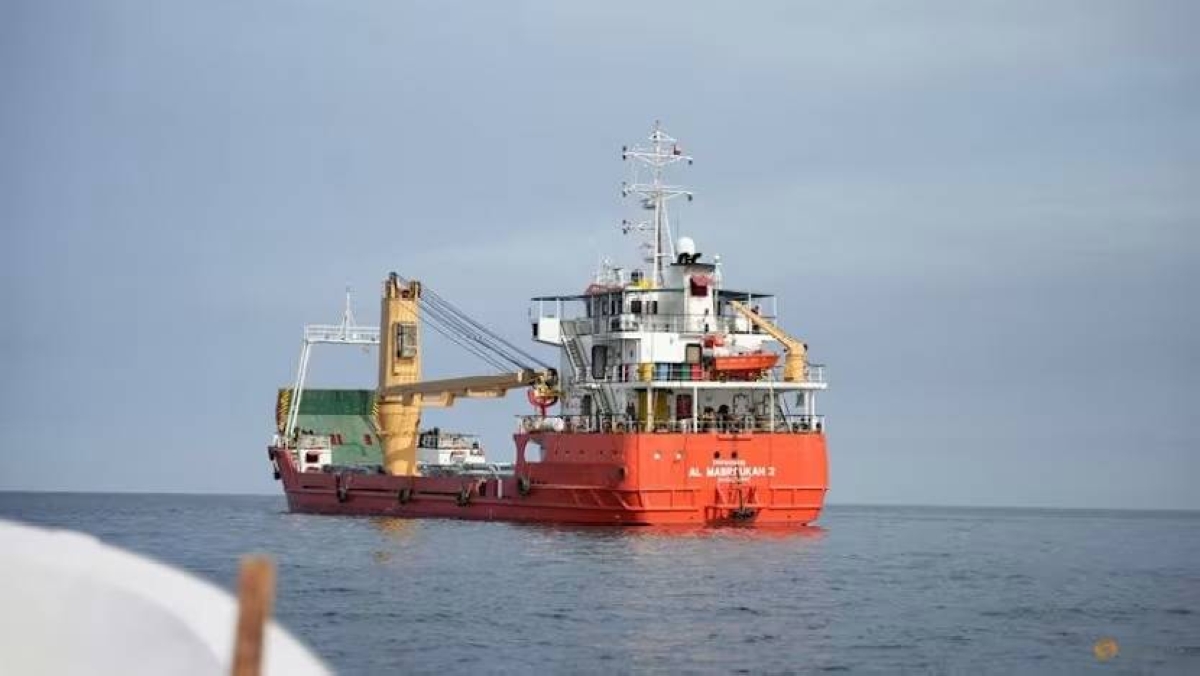
 UN Secretary-General Antonio Guterres today called on all parties to respect freedom of navigation in the Strait of Hormuz.UN Spokesperson Stephane Dujarric confirmed that Guterres stressed the need for all parties to the conflict to respect freedom of navigation, including in the Strait of Hormuz, in accordance with international law.It is worth noting that US President Donald Trump ordered a naval blockade on ships entering or leaving Iranian ports and coastal areas, which went into effect today.Trump threatened to destroy any Iranian military vessel that violates the US blockade imposed on this vital waterway, which Iran has effectively closed almost completely since the beginning of the war.Dujarric pointed out the need to remember that some 20,000 seafarers are caught in this conflict, aboard ships facing increasing difficulties every day, reminding everyone of the impact this has on the global economy.He called on the parties to continue negotiations to find a solution to the conflict, demanding an end to all ceasefire violations. 

World
EU Official: UN convention on law of sea is being undermined deliberately

EU Official: UN convention on law of sea is being undermined deliberately

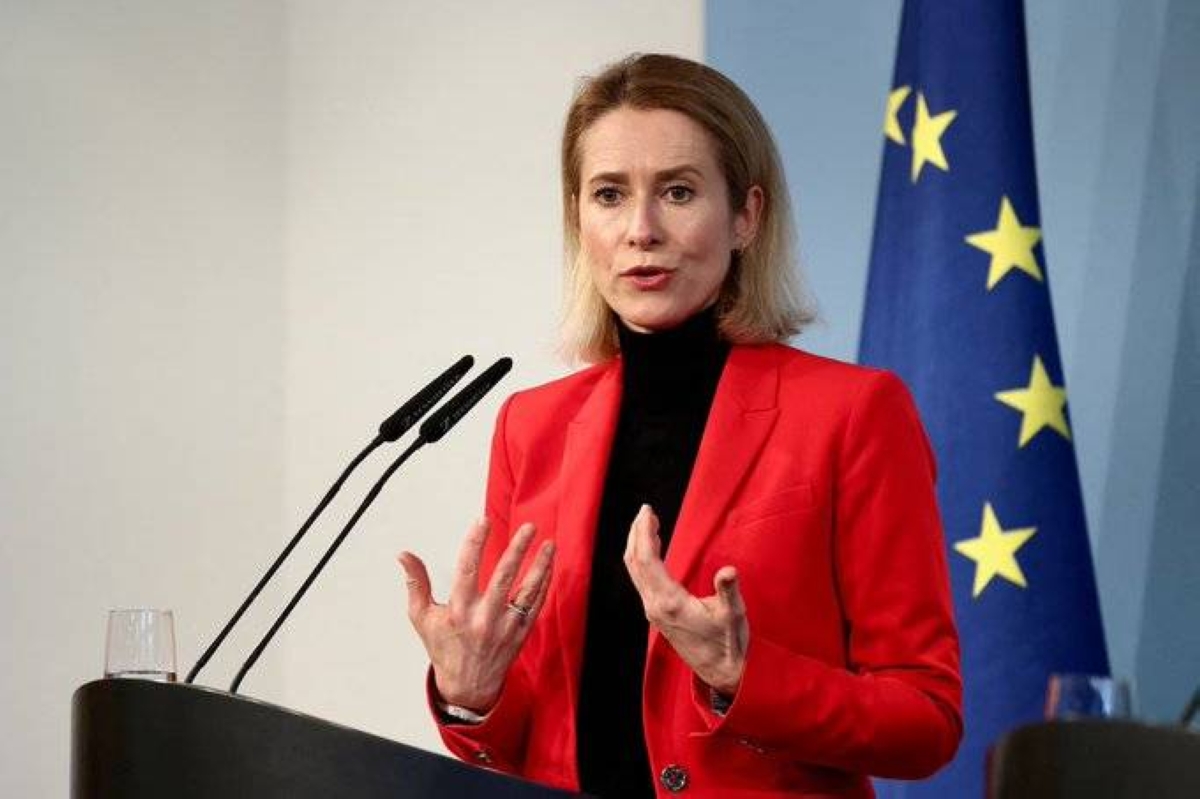
EU High Representative for Foreign Affairs and Security Policy Kaja Kallas stated that the current events in the Strait of Hormuz clearly demonstrate the need for a "strong international maritime security coalition."In her address to the UN Security Council session on cooperation between the United Nations and the European Union, Kallas emphasized the necessity of maintaining security at sea. "Yet, this domain has become increasingly contested. Whether we are talking about the Baltic, North or Red seas, the numerous straits or the Indo-Pacific, the UN Convention on the Law of the Sea/UNCLOS is being undermined deliberately.""International cooperation at sea has not evolved at the same rate as the threats in this domain. We must catch up," the European official added, noting that there have been many criticisms against the United Nations including the Security Council for failing to resolve conflicts.In this regard, Kallas pointed out that the record use of the veto in 2024, for example, suggests, that this body struggles to address conflicts as they arise.She further said: "If the Security Council was functioning as it should, we would not be where we are today. On the other hand, it is a chance for the UN to step up and show that it can deliver." 

World
US president’s comments are ‘unacceptable’: Meloni

US president’s comments are ‘unacceptable’: Meloni

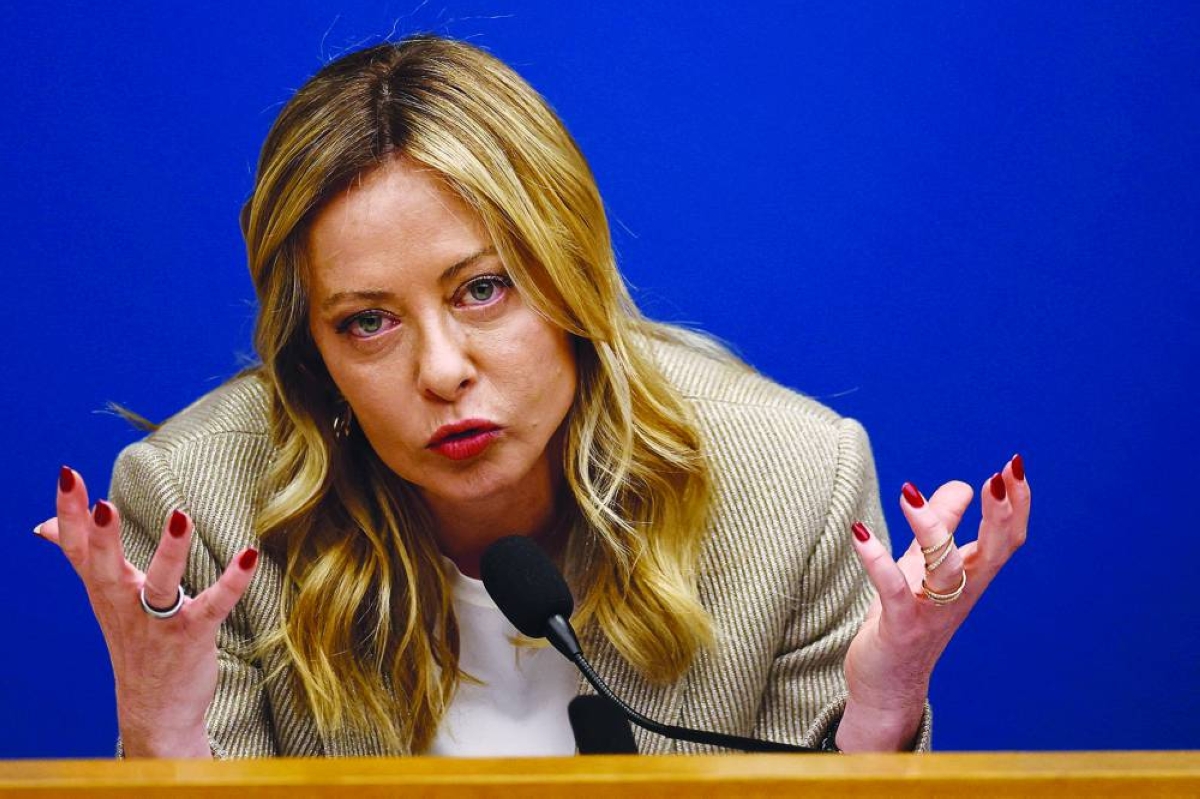
US President Donald Trump’s attack on Pope Leo was “unacceptable”, Italian Prime Minister Giorgia Meloni said Monday, joining forces with politicians of all colours in springing to the Pontiff’s defence. The statement represented an extremely rare public rebuke of Trump from Meloni, who has cultivated particularly close ties with the US president, underscoring widespread anger in Italy over his broadside on Pope Leo. Trump set off the furore by calling Leo “terrible” in a long tirade on Sunday. He subsequently posted an artificial intelligence (AI) image depicting himself as a Messiah-like figure, sparking further outrage among Christians who saw the image. Meloni issued an initial statement backing Leo as he flew off on an ambitious four-nation visit to Africa, but made no specific mention of Trump’s broadside. Opposition politicians accused her of lacking the courage to directly challenge Trump, prompting her to issue a second statement later in the day to clarify her position. “I thought the meaning of my statement this morning was clear, but I will restate it more explicitly. I find President Trump’s words about the Holy Father unacceptable,” Meloni said. “The Pope is the head of the Catholic Church, and it is right and normal for him to call for peace and to condemn every form of war.” Meloni was the only European leader to attend Trump’s inauguration in 2025 and she had hoped their friendship would boost her standing at home and abroad. However, Trump risks becoming a liability, with 66% of Italians having a negative view of the US leader. Pollsters say that Meloni’s ties to the White House might have been a factor in her defeat last month in a referendum on judicial reform. Deputy Prime Minister Matteo Salvini, who has also in the past associated himself closely with Trump, also distanced himself from the US leader Monday, highlighting how Europe’s far-right is trying to draw back from the MAGA (Make America Great Again) orbit. “Pope Leo is a spiritual leader for billions of Catholics, but beyond that, if there is one person striving for peace, it is Pope Leo, and so attacking him does not seem either wise or helpful,” he said in a statement. The Pope is the bishop of Rome and spiritual leader to millions of Italian Catholics, making politicians of all stripes wary about taking him on. “It has been centuries since such a blatant act of aggression against the Roman pontiff was seen,” said former centre-left prime minister Matteo Renzi, adding that it was vital for Catholics and non-believers alike to defend Leo. “He is, after all, a ‘builder of bridges,’ unlike Trump, a destroyer of relationships and of civilisation. The only advantage is this: Trumps come and go, popes remain,” he said. The comment echoed an Italian saying, “chi mangia papa crepa” which roughly means, “whoever tries to devour the pope dies” – a proverb born of centuries of tension between successive papacies and temporal rulers. “Trump has made the mistake of the century, because ‘chi mangia papa crepa’ has been borne out repeatedly,” said church historian Alberto Melloni, pointing to Italy’s royal family, the House of Savoy, which clashed repeatedly with the Vatican during the 19th century only to be swept away while the papacy lived on. Antonio Spadaro, a Roman Catholic priest and undersecretary of the Vatican’s Dicastery for Culture and Education, said Trump’s attack revealed his own weakness. “If Leo were irrelevant, he would not merit any comment. Instead, he is invoked, named, opposed – a sign that his words matter,” Spadaro wrote on X. “This is where the church’s moral force emerges. Not as a counter-power, but as a space in which power is judged by a standard it does not control.” 

World
China says Hormuz blockade against global interests, urges restraint

China says Hormuz blockade against global interests, urges restraint

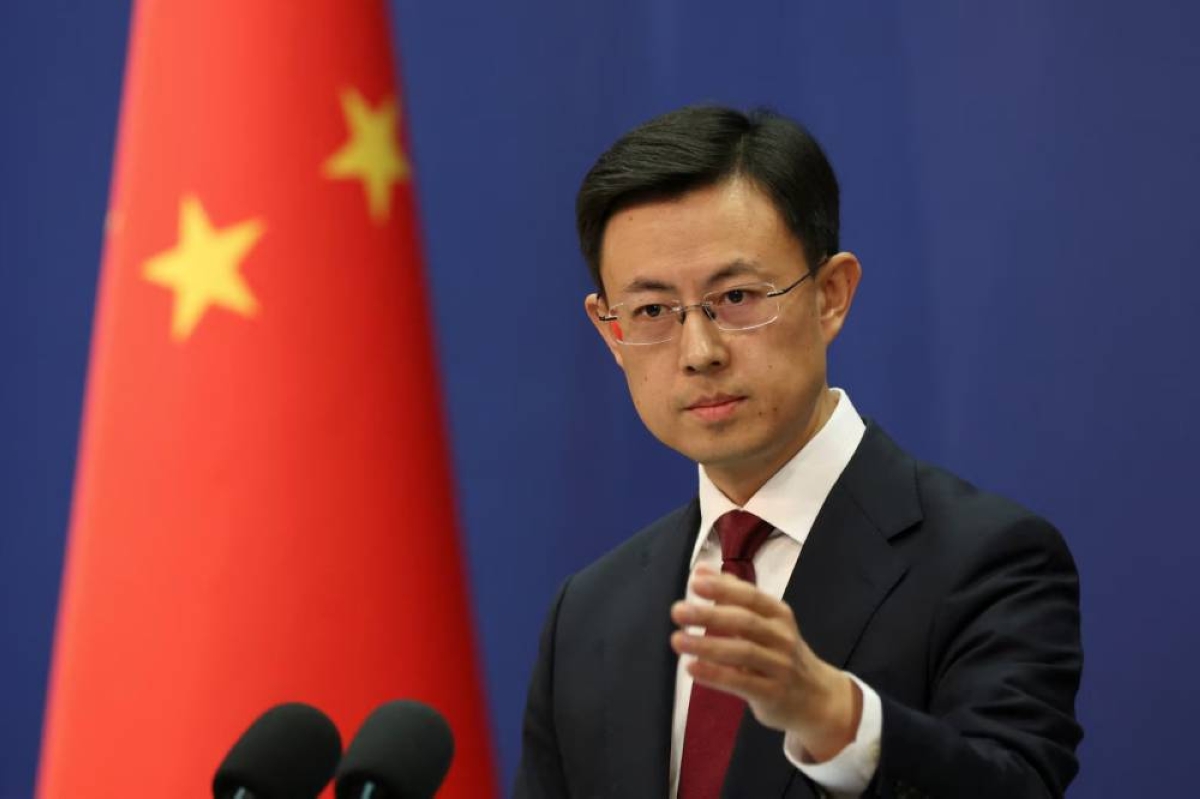
 China said a blockade of the Strait of Hormuz would go against the international community’s interests and urged ‌calm and restraint by all sides. The US military ​said it will begin ‌a blockade of all maritime traffic entering and ‌exiting Iranian ports and ‌coastal areas yesterday, after the ‌failure of weekend talks in Islamabad aimed at ending the Iran war. Before the war, most Iranian oil exports were shipped to China, the top global importer of crude. The blockade of the Strait of Hormuz does not serve the common interests of the international community, Chinese Foreign Minister Wang Yi told Khaldoon Khalifa al-Mubarak, special envoy of the UAE ​President for China, in Beijing yesterday, according to a ministry statement. Wang said China understood the legitimate security concerns of the Gulf Arab states, ‌and that the fundamental way to resolve the ​crisis was a comprehensive and lasting ceasefire achieved through ​political and diplomatic means. “China hopes the relevant parties will abide by the temporary ceasefire arrangements, remain committed to resolving disputes through political and diplomatic means, and avoid a resumption of hostilities,” foreign ministry spokesperson Guo Jiakun said at a regular press conference yesterday. China stood ready to “play a positive and constructive role” in resolving the crisis, Guo added, calling the weekend talks in the Pakistani capital a ‌step in a direction conducive ‌to easing tension. After the marathon talks failed, the US Central Command said its forces would begin a blockade of all maritime traffic with Iranian ports from 10am ET (1400 GMT) yesterday. 

World
US-Iran talks still alive after Islamabad round: Sources

US-Iran talks still alive after Islamabad round: Sources

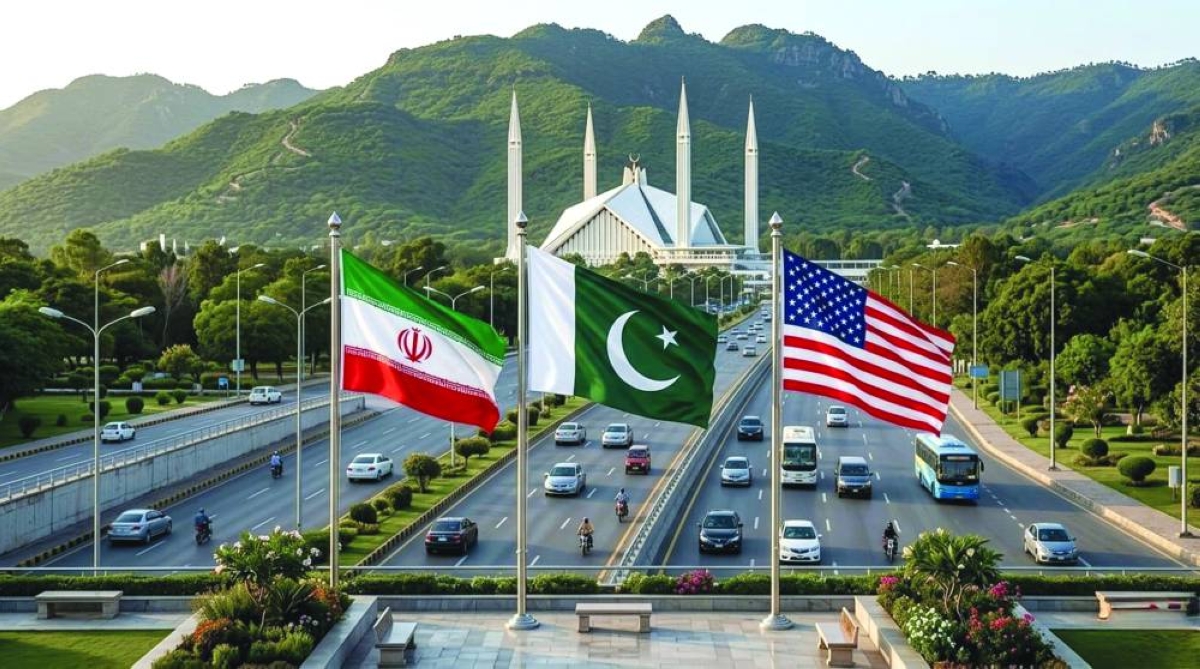
After a sleepless and at times tense night in Islamabad, Iranian and US officials ended their highest-level talks in decades without a breakthrough, but 11 sources familiar with the negotiations said dialogue was still alive.The weekend meeting to resolve the conflict between the US and Iran, held four days after last Tuesday's ceasefire announcement, was the ‌first direct encounter between US and Iranian officials in more than a decade and the most senior engagement since Iran's 1979 Islamic Revolution.Inside Islamabad's luxury Serena Hotel, the talks unfolded across ​two separate wings and one common area - one for the ‌US side, one for the Iranians and one for trilateral meetings involving Pakistani mediators, operational staff told Reuters.Among the slew of issues at stake was the Strait of Hormuz, a ‌major transit point for global energy supplies ⁠that Iran has effectively blocked but the US has vowed ‌to reopen, as well as Iran's nuclear programme and international sanctions on Tehran.Phones were ‌not allowed in the main room, forcing delegates, including US Vice President JD Vance and Iranian Parliamentary Speaker Mohammad Baqer Qalibaf, to step out during breaks to relay messages back home, two of the sources said.'There ⁠was a strong hope in the middle of the talks that there would be a breakthrough and the two sides would reach an agreement. However, things changed within no time,' a Pakistani government source said.Another source involved in the talks said the parties came 'very close' to an agreement and were '80% there', before running into decisions that could not be settled on the spot.Two senior Iranian sources described the atmosphere as heavy and unfriendly, adding that while Pakistan tried to soften the mood, neither side showed any willingness to ease tensions.At one point, atmosphere began to liftNevertheless the two Iranian sources said that by early Sunday morning the atmosphere had shown some improvement, and the possibility of a one-day extension began to take shape.However, differences persisted. A US source said the Iranians did not properly understand that the core US aim was to have a deal that ensured Iran would never obtain a nuclear weapon. Among Iran's concerns was a distrust of US intentions.This account, based on sources who spoke on ​condition of anonymity due to the sensitivity of the matter, offers a first account of the internal dynamics of the meeting, how the mood in the room shifted, how talks ended after signs the meeting might be extended, and how further dialogue remains on the cards.There was no immediate response from the Iranian government to a request for comment on the issues reported in this story.Monday US President Donald Trump said Iran had 'called this morning' and that 'they'd like to ‌work a deal.' Reuters could not immediately verify the assertion.A US official, ⁠referring to Trump's comment, said there was continued ​engagement between the US and Iran and forward motion on trying to get to an agreement.Asked for comment, White House spokeswoman Olivia Wales said the US position had ​never shifted in the Islamabad meeting.'Iran can never have a nuclear weapon, and President Trump’s negotiating team stuck to this red line and many others. Engagement continues toward an agreement,” she said.'Ups and downs'A Middle East-based diplomat said conversations between mediators and the Americans have continued since Vance left Islamabad, while the source involved in the talks said Pakistan was still passing messages between Tehran and Washington.'I want to tell you that a full effort is still on to resolve the issues,' Pakistan's Prime Minister Shehbaz Sharif said Monday.Despite numerous obstacles to peace, both sides appear to have strong reasons to consider de-escalation.The US strikes appear unpopular at home and look unlikely to topple Iran's theocratic ruling system, while Tehran's strangling of energy supplies is hurting the global economy and pushing up inflation months before US midterm elections.Also, war damage to Iran's ailing economy risks leaving the authorities there weaker internally just weeks after protests they were able to put down only with mass killings.In Islamabad, the longtime foes had gathered to try to chart a path to a long-term settlement, after a Pakistan-brokered ceasefire paused six weeks of war that has killed thousands of people and disrupted the world's energy supplies.Central to the dispute is a belief among Western countries and Israel that Iran wants a nuclear bomb. Iran denies seeking nuclear weapons.A White House official said the US wanted Iran to end all uranium enrichment, dismantle all major ‌nuclear enrichment facilities, turn over its highly enriched uranium, accept a broader peace, agree ‌a security framework that includes regional allies, end funding for regional proxies and fully ⁠open Hormuz, charging no tolls.Iran’s demands included a guaranteed permanent ceasefire, assurances of no future strikes on Iran and its allies in the region, lifting of primary and secondary sanctions, unfreezing of all assets, recognition of its right ⁠to enrichment and continued control of Hormuz, Iranian sources have said.Four of the 11 sources said ⁠that at times the dialogue appeared close to producing at least a framework understanding, but unraveled over Iran's nuclear programme, the Hormuz Strait and the amount of frozen assets Tehran wants access to.The Iranian sources said most of the substantive exchanges in Islamabad were between Vance, Qalibaf and Iranian Foreign Minister Abbas Araqchi.'There were ups and downs. There were tense moments. People left the room, and then came back,' the security source said.Pakistani representatives, including Army Chief Asim Munir, and Foreign Minister Ishaq Dar, moved between the sides through the night to keep things on track, five Pakistani sources said.'How can we trust you?'The talks stretched for more than 20 hours with on-duty hotel staff eating, sleeping and working on site after undergoing expedited background checks, they said.When discussions turned to guarantees, both non-aggression assurances and sanctions relief, the tone of the normally mild-mannered Araqchi grew sharper, the two Iranian ​sources said.The sources quoted him as saying: 'How can we trust you when, in the last Geneva meeting, you said the US would not attack while diplomacy was under way?”The US-Israeli attack on Iran began two days after the two sides held a previous round of talks in Geneva.In addition to differences over Hormuz, sanctions and other topics, the two sides also disagreed over the scope of any deal. While Washington focused on the nuclear file and Hormuz, Tehran wanted a broader understanding, according to two of the sources.During one tense moment, raised voices could be heard outside the negotiating room before Munir and Dar called a tea break and moved the two sides back into separate rooms, the government source said. 'Our final and best offer'Toward the final stages of the discussions, which spilled into Sunday morning, the US delegates were moving between the negotiating room and their private floor far more often than the Iranians, the senior Pakistani official said.A US source said the vice president came to the talks with the aim of making a deal and reaching a mutual understanding. The US side has been wary of protracted negotiations with Iran, believing the Iranians are adept at delaying tactics and refusing to make concessions, the source said.Despite the deadlock, when Vance appeared in front of reporters ‌later to announce the talks had ended, his remarks suggested ​more exchanges of some kind might be in prospect.'We leave here with a very simple proposal, a method of understanding that is our final and best offer,' he said. 'We'll see if the Iranians accept it.' 

World
Nato allies refuse to join Trump’s Iranian port blockade

Nato allies refuse to join Trump’s Iranian port blockade

Nato allies said yesterday they would not get involved in US President Donald Trump’s plan ‌to blockade Iranian ports, proposing to intervene only once fighting ends, in a move likely to ​anger Trump and increase strains in the ‌alliance. Trump said the US military would eliminate any Iranian ships that came near the blockade ‌that began yesterday, after weekend talks failed to ‌reach an agreement to end the six-week conflict with ‌Iran. Trump initially said the US would work with other countries to block ships passing through the Strait of Hormuz, but the US military later specified that the blockade would only apply to ships going to or from Iranian ports.Since the war started on February 28, Iran has largely blocked the waterway for all ships but its own. It has been seeking to make its control of the strait permanent and possibly collect levies from ships that use it.“The Blockade will begin shortly. Other Countries will be involved with this Blockade,” Trump said in a post on Truth Social on Sunday. But Nato allies, including Britain and France, said they would not ​be drawn into the conflict by taking part in the blockade, saying instead they were working on an initiative to open the strait, through which a fifth of global oil supplies normally passes. Their refusal to participate is another point of friction with Trump, ‌who has threatened to withdraw from the military alliance and is ​weighing pulling some US troops from Europe after several countries denied US military planes use of ​their airspace for attacks on Iran. “We’re not supporting the blockade,” British Prime Minister Keir Starmer told the BBC. “My decision has been very clearly that whatever the pressure, and there’s been some considerable pressure, we’re not getting dragged into the war,” he said. Nato Secretary-General Mark Rutte told European governments that Trump wants concrete commitments in the near future to help secure the Strait of Hormuz, diplomats told Reuters last week. Nato could play a role in the strait if its 32 members could agree on the formation of a mission, Rutte said on Thursday.Several European countries have said they are willing to help in the strait, but only once there is a durable end to hostilities and an agreement with Iran that their ships ‌will not be attacked.France will organise a conference ‌with Britain and other countries to create a multinational mission to restore navigation in the strait, French President Emmanuel Macron said on X yesterday. “This strictly defensive mission, distinct from the belligerents, will be deployed as soon as the situation allows,” Macron said.The initiative aims to establish rules for safe passage and the co-ordination of military vessels to escort tankers, Starmer said in parliament yesterday. “Let me be very clear, this is about safeguarding shipping and supporting freedom of navigation once the conflict ends. Our shared aim here is a co-ordinated, independent, multi-national plan,” he said. A meeting to draw up plans for the mission involving about 30 countries, including Gulf countries, India, Greece, Spain, Italy, the Netherlands ​and Sweden, could happen as soon as Thursday in Paris or London, a French diplomatic source said. The military ships would provide reassurance without being belligerent, the source said, adding that Iran and the US would be informed of the mission but play no direct part. Another European diplomatic source questioned whether Trump would welcome a mission now that he had ordered the blockade.“Since Trump is now using the strait as his own leverage, does he even want a mission there?” the source said.The Strait of Hormuz should be reopened by diplomacy, Turkish Foreign Minister Hakan Fidan said yesterday, adding that creating an international force to oversee it would be complicated. He called for ‌Nato to reset its ties ​with Trump at a summit in Ankara in July.