1. Home
  2. World

Category: World

World
China’s Xi, in call with Saudi crown prince, calls for Strait of Hormuz to remain open

China’s Xi, in call with Saudi crown prince, calls for Strait of Hormuz to remain open

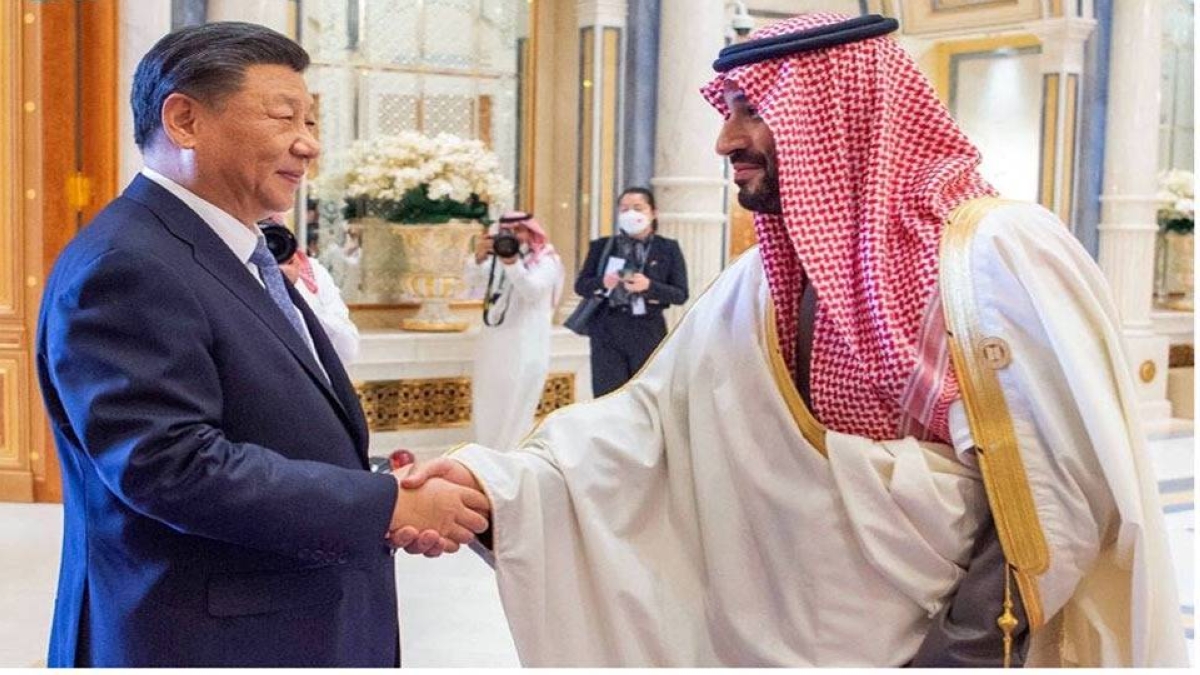
Chinese President Xi Jinping called for normal passage of ships through the Strait of Hormuz to be maintained, ‌in a phone call yesterday with ​Saudi Arabia’s Crown Prince ‌Mohammed bin Salman held as Beijing steps up ‌efforts to help ‌end the Iran war. China ‌is concerned over renewed instability around the strategic waterway, as a US-Iran ceasefire came under fresh strain after the US seized an Iranian cargo ship and Tehran signalled it would not join new peace talks for now. China is the main buyer of Iranian crude. Iran has largely closed the strait to ​ships other than its own since the US and Israel launched the war in February, while Washington has imposed ‌a blockade of Iranian ships since ​last week. China advocates an immediate and comprehensive ​ceasefire, and insists on resolving conflicts in the Middle East through political and diplomatic channels, state news agency Xinhua cited Xi as saying. “The Strait of Hormuz should remain open to normal passage, as this serves the common interests of regional countries and the international community,” he told the Saudi leader. Worries have mounted over the survival of the ‌ceasefire between Washington and ‌Tehran after the US seizure of the Iranian vessel. Trump had credited Beijing with helping to get Iran to the previous negotiations with the US in Pakistan. The Chinese foreign ministry yesterday expressed concerns over the “forced interception” by the US of the Iranian ship, while urging relevant sides to abide by the ​ceasefire agreement.Xi’s call with the Saudi crown prince followed a meeting in Beijing last week with the crown prince of Abu Dhabi, when Xi urged adherence to international law. Xi also told the Saudi crown prince that China supports countries in the Middle East in “taking their future and destiny into their own hands, and ‌promoting long-term ​regional stability and peace”. 

World
Pakistan prevails on Trump to extend ceasefire in nick of time

Pakistan prevails on Trump to extend ceasefire in nick of time

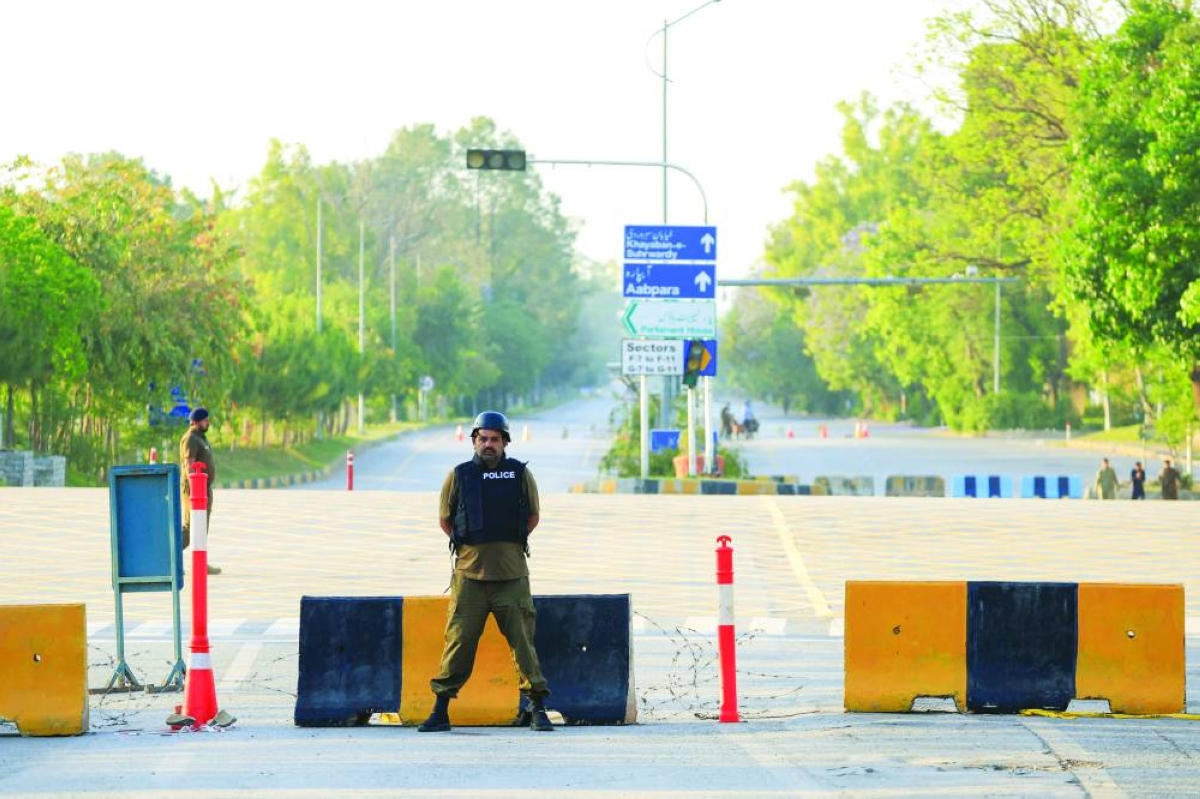
Police officers stand guard on a road leading to the Serena Hotel Tuesday as Pakistan prepared to host the US and Iran for the second phase of peace talks in Islamabad. (Reuters) US President Donald Trump Tuesday said he was extending a ceasefire with Iran to give more time for negotiations, but would maintain a US naval blockade of the country's ports. Trump posted on social media that he would "extend the Ceasefire" until Iran came up with a proposal to end the conflict.  However, he "directed our Military to continue the Blockade." Trump's ceasefire extension came hours before it was believed to be set to expire. It also came as the White House said Vice President JD Vance would not be going to Pakistan for what had been expected to be a second round of peace talks.  The US president cast the breakdown in more talks as resulting from Iranian infighting, adding that Pakistan's leaders had asked him to extend the truce. "Based on the fact that the Government of Iran is seriously fractured, not unexpectedly so and, upon the request of Field Marshal Asim Munir, and Prime Minister Shehbaz Sharif, of Pakistan, we have been asked to hold our Attack on the Country of Iran until such time as their leaders and representatives can come up with a unified proposal,"  Trump posted on his Truth Social site. But the blockade of ports on Iran's coast in the Strait of Hormuz will remain in place, Trump said, while the US military will "in all other respects, remain ready and able." The ceasefire, he said, will be extended "until such time as their proposal is submitted, and discussions are concluded, one way or the other." The turnaround was in stark contrast from what the American president in the morning had threatened a military attack if Iran did not agree to US demands. “I expect to be bombing,” Trump said on CNBC this morning. “The military is raring to go.” Iran said Tuesday it had still yet to decide whether to attend last-ditch peace talks, after US forces boarded a huge Iranian oil tanker at sea with just a day left before the ceasefire runs out in the war in the Gulf.  President Donald Trump said he hoped to reach a "great deal" to end the war, but he did not want to extend the ceasefire, and said the US military was "raring to go" if negotiations were not successful.  Vice President JD Vance, who was due to lead the US delegation, did not board a flight for Islamabad, where the centre of the city has been locked down and a luxury hotel has been cleared out to host the talks. A White House official said Vance would participate in additional meetings in Washington.  By the evening Tuesday, the spokesperson for Iran's foreign ministry, Esmaeil Baghaei, told state television Iran had still yet to decide whether to attend. He described the boarding of the tanker, as well as the seizure of a separate cargo ship on Sunday, as "piracy at sea and state terrorism", which he said called into question Washington's seriousness in negotiating.  "The aggression against Iranian ships and the continued pressure indicate the continuation of the opposing side's contradictory behaviour," Baghaei said. Pakistan's Information Minister Attaullah Tarar said in a post on X that Pakistan was still waiting for Iran's reply to its invitation: "Pakistan as the mediator is in constant touch with Iranians and pursuing the path of diplomacy and dialogue." Iranian government spokesperson Fatemeh Mohajerani said: "We do not want to be attacked again, but if such attacks occur, we will definitely ⁠respond more firmly than before," according to the state news agency IRNA.  Iranian officials have publicly cited a US blockade of their ships as a reason not to negotiate. On social media, Trump said Iran had carried out numerous violations of the ceasefire, without giving further details. He told CNBC that the blockade had been a success and the US was in a strong position to end up with a "great deal". The precise timing of the ceasefire's end had been a source of confusion. Trump initially announced it would last two weeks from the evening of Tuesday, April 7 in Washington. But he said this week that it runs until the evening of Wednesday, April 22, effectively giving it an extra ⁠24 hours. A Pakistani source involved in the talks said it would have expired at 8pm Eastern Time on Wednesday, which is 3:30am Thursday in Iran. Still, a Pakistani source involved in the discussions told Reuters there was momentum for talks to resume. Wall Street stocks turned mostly lower   Related Story

World
Pakistan confident of pulling Iran in for talks

Pakistan confident of pulling Iran in for talks

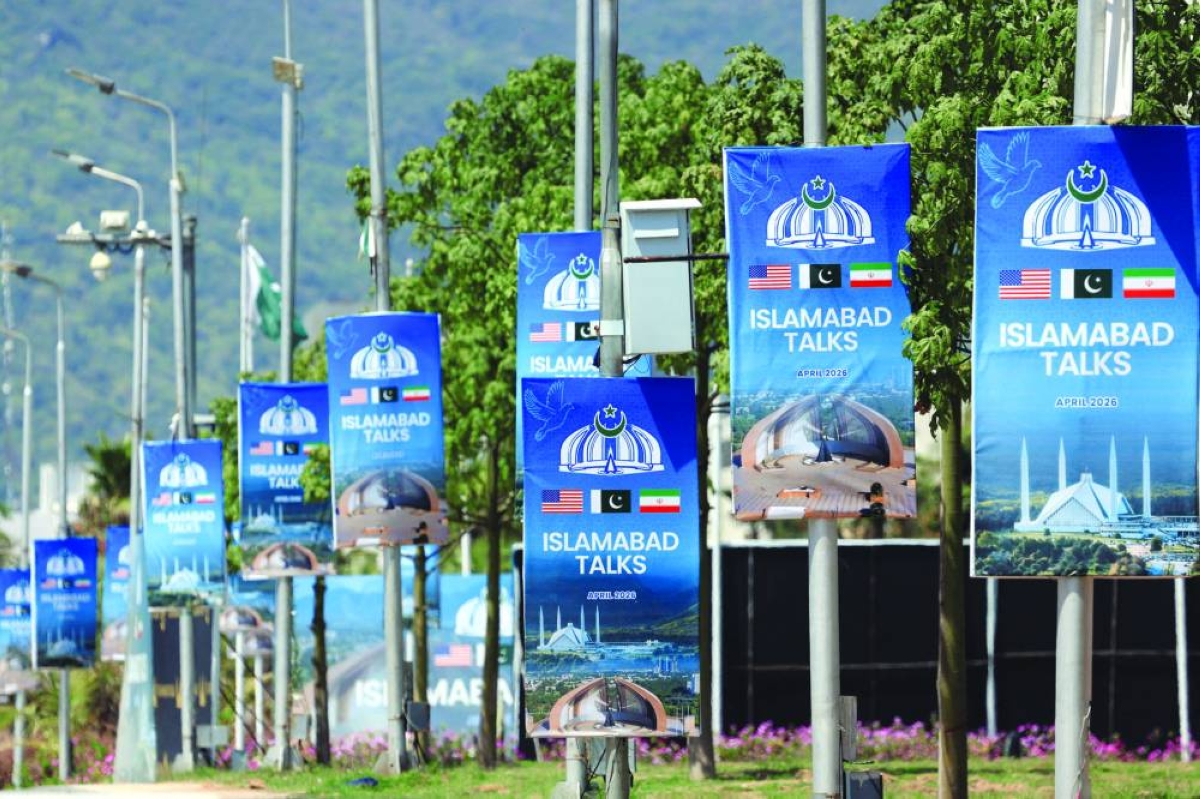
Hoardings are mounted on lamp posts as Pakistan prepared Monday to host the US and Iran for a possible second phase of peace talks in Islamabad. (Reuters) Pakistan is confident it ‌can get Iran ​to attend ‌talks with ‌the ⁠United ‌States, ‌a senior ⁠Pakistani government official said Monday."We have received a positive ​signal from Iran. Things are fluid ‌but we are ⁠trying ​that they ​should be here when we start the talks tomorrow or a day after," ‌the source ‌said, ⁠speaking on condition ⁠of ⁠anonymity.The source added Pakistan is actively engaged with Tehran and ​Washington as US President Donald Trump's ceasefire deadline looms.A senior Iranian officials also said Iran is considering attending peace talks with the United States in Pakistan, following moves by Islamabad to end a US blockade of Iran's ports, a major ​hurdle for Tehran to rejoin peace ‌efforts.However, the official stressed that no decision had been made.Iranian Foreign Minister ‌Abbas Araqchi said that "continued violations of the ceasefire" by the US are a major obstacle to continuing the diplomatic process.Araqchi told ‌his Pakistani counterpart Ishaq Dar in ⁠a telephone call that Iran, while taking ‌all aspects of the matter into account, had yet to decide ‌how to proceed further.Adding to the uncertainty, a source told ‌Reuters that Vice President JD ⁠Vance was still in the ‌US, denying reports that he was already on his ‌way to Pakistan's capital Islamabad for talks.With a two-week ceasefire set to expire this week, the senior Iranian official said Tehran ⁠was "positively reviewing" its participation but no final decision had been made. The comments conveyed a clear change of tone from earlier statements ruling out attendance and pledging to retaliate for US aggression.The Iranian official said mediator Pakistan was making positive efforts to end the US blockade and ensure Iran's participation.The ceasefire had appeared in jeopardy after the US said it had seized an Iranian cargo ship that tried to run its blockade and Tehran vowed to retaliate.A Pakistani security source said Pakistan's key mediator, Field Marshal Asim Munir, had told US President Donald Trump the blockade was an obstacle ​to talks, and that Trump had promised to consider ending it.The US was hoping to start negotiations in Pakistan shortly before the ceasefire expires, with sweeping security preparations under way in Islamabad.However, Iran's President Masoud Pezeshkian said that "unconstructive & contradictory signals from American officials carry a bitter ‌message; they seek Iran's surrender.""Iranians do not ⁠submit to force," he ​added on X.Trump announced the two-week ceasefire with Iran on April 7, and ​has not specified when precisely it ends.A Pakistani source involved in the talks said it would expire at 8pm ET Tuesday, which would be midnight GMT or 3:30am Thursday in Iran.The US has maintained its blockade of Iranian ports, while Iran lifted and then reimposed its own blockade of the Strait of Hormuz, which typically handles roughly one-fifth of the world's oil and liquefied gas supply. Oil prices rose around 5% as traders remained fearful that the ceasefire would collapse. Traffic through the Strait of Hormuz was at a virtual standstill with just three crossings in the space of 12 hours, according to shipping data.The US military said it had fired on an Iranian-flagged cargo ship headed towards Iran's Bandar Abbas port on Sunday after a six-hour standoff, disabling its ‌engines. U.S. Central Command released video showingMarines descending ‌ropes from helicopters onto the vessel.The vessel is ⁠likely to have been carrying what Washington deems dual-use items that could be used by the military, maritime security sources said ⁠on Monday.Iran's military said the ship had been ⁠travelling from China and accused the US of "armed piracy", according to state media. They said they were ready to confront US forces over the "blatant aggression", but were constrained by the presence of crew members’ families on board.China, the main buyer of Iranian crude, expressed concern over the "forced interception", and Chinese President Xi Jinping called for ships to resume passage through the strait as normal and for the conflict to be resolved through political and diplomatic channels, state news agency Xinhua reported.Trump warned on Sunday that the US ​would destroy every bridge and power plant in Iran if it rejected his terms, continuing a recent pattern of such threats.Iran has said that if the United States were to attack its civilian infrastructure, it would strike power stations and desalination plants in its Gulf Arab neighbours.Pakistan geared up to host the talks despite uncertainty over whether they would go ahead. Nearly 20,000 security personnel have been deployed across the capital Islamabad, a government official and a security official said. Thousands of people have been killed by US-Israeli strikes on Iran and in an Israeli invasion of Lebanon conducted in parallel since the war began on February 28, where a truce is also currently in place. Washington will host a ‌second round of ambassador-level talks between ​Lebanon and Israel on Thursday as part of efforts to protect a fragile ceasefire.  Related Story

World
France, Poland discuss boosted defence ties as US wavers on Europe

France, Poland discuss boosted defence ties as US wavers on Europe

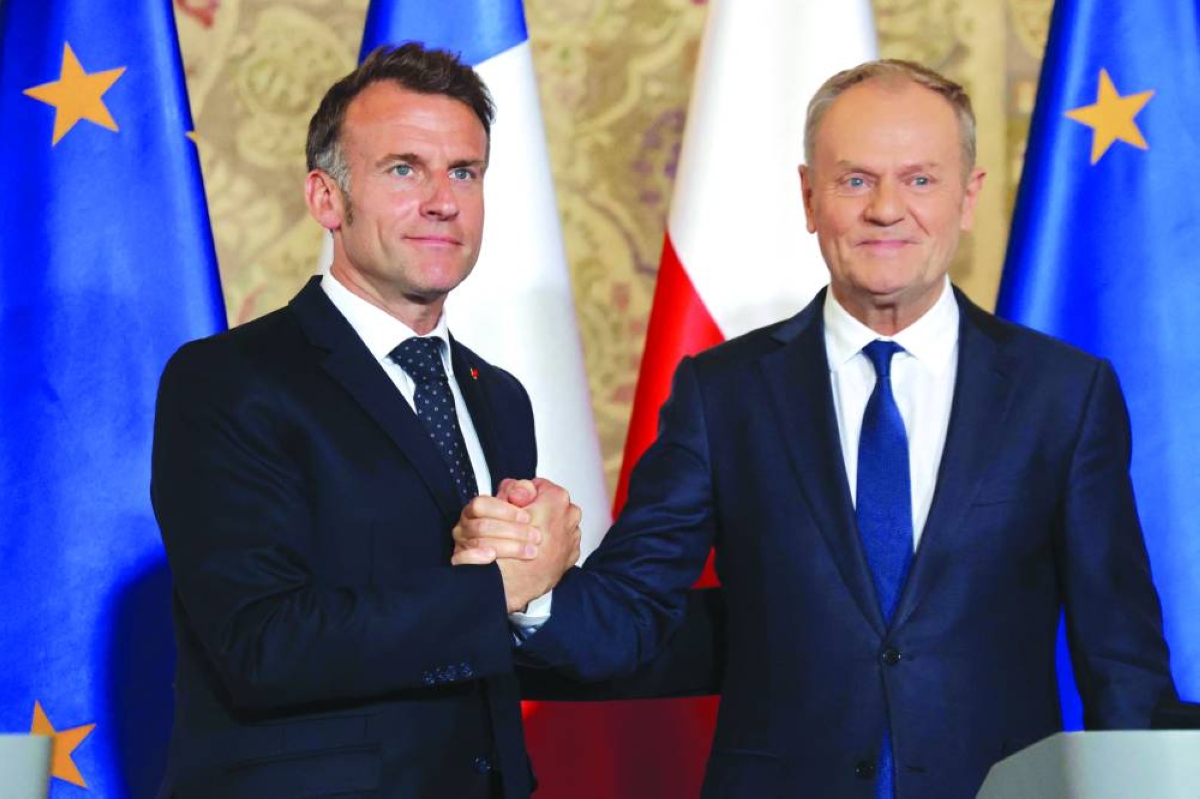
France and Poland planned increased defence co-operation in a meeting of their leaders Monday held against a background of Russia’s expansionist threat and a waning US commitment to Europe. French President Emmanuel Macron and Polish premier Donald Tusk told a news conference in Gdansk, northern Poland, that the scope of the boosted ties between the two Nato members could cover elements of nuclear deterrence, military satellites, joint drills, defence industry and shared intelligence. “Our co-operation, whether in the nuclear domain or in joint exercises... is a co-operation that knows no bounds,” Tusk said. Macron said work would be done in the next few months allowing “concrete progress”, notably when it came to nuclear deterrence. “There may be deployments” to Poland of French warplanes carrying nuclear warheads, he said. While France has specified it would retain full control over the decision to use force, Polish forces could contribute in areas such as early warning and air defence, both sides say. The public display of closer relations between the countries reflected adaptation by European Union nations of a changed threat environment, and to US President Donald Trump publicly disparaging Nato and toying with the idea of pulling his country out of the alliance. Trump has called Nato allies “cowards” and the alliance itself a “paper tiger” in frustration that its members did not join the US-Israeli war in the Middle East. Russia’s invasion of Ukraine — which shares a border with Poland — and growing concern, particularly among Baltic states, that Moscow may use its military and wartime economy to threaten Nato’s eastern rim are also spurring greater focus on defence. Macron’s trip to Gdansk to see Tusk followed their two countries signing a treaty of friendship and enhanced co-operation in May last year. During Monday’s visit, European industry giant Airbus, France’s Thales and Poland’s Radmor group announced an agreement on developing military communications satellites. The accord on the geostationary orbiters, which would serve Poland’s armed forces, was signed in the presence of the French and Polish defence ministers. On the eve of Macron’s arrival, Tusk said Warsaw and Paris “have very similar views on how to build Europe’s strength”. One theme Macron has repeatedly come back to is a “European preference” for military procurement to ensure greater independence and self-reliance on the continent. That has led to some tension with eastern European countries, including Poland, which are strongly attached to their relationship with the US and whose forces rely on US-made weapon systems. Poland, though, has in recent years massively invested in modernising its armed forces. Its military spending is among the highest in Nato, and is expected to exceed 4.8% of GDP in 2026. But the country has placed “colossal orders for American F-35s, Apache attack helicopters, Patriot missiles, and Abrams tanks”, a European diplomat close to the matter told AFP. Poland participates in a new EU programme called SAFE (Security Action For Europe) that came into effect last year and under which countries can get EU loans to buy weapons and expand defence manufacturing. But Tusk faces friction over that from his country’s nationalist president, Karol Nawrocki, who has called SAFE as a threat to Poland’s “independence”. Poland is now led once again by a pro-European government following Tusk’s electoral victory in 2023, but it remains fundamentally attached to its relationship with the US. “Washington’s strategy has indeed changed” toward Europeans, Tusk told a press conference. But “Polish-American and Euro-American relations” remain “very important,” he said. 

World
Trump says energy chief ‘wrong’ about fuel prices

Trump says energy chief ‘wrong’ about fuel prices

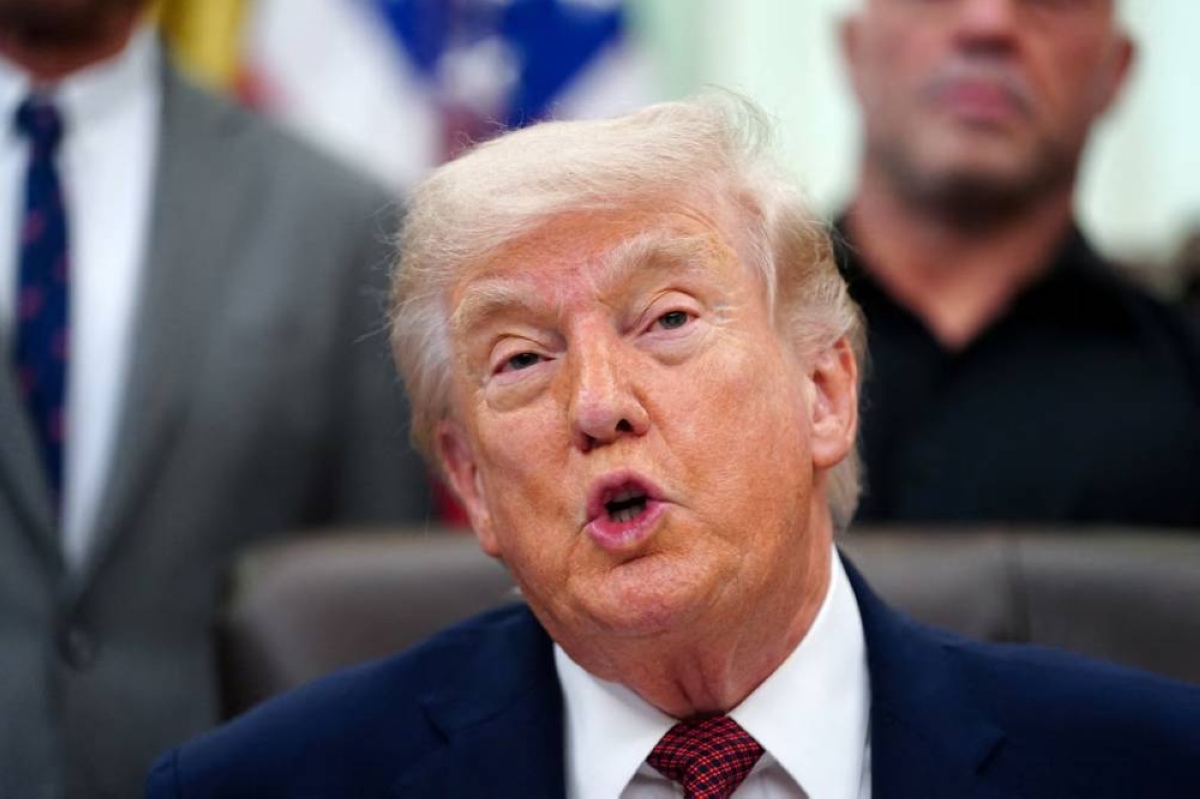
US President Donald Trump yesterday dismissed his top energy official’s view that gas prices will not drop until 2027, ‌saying Americans can expect lower costs as ​soon as the Iran ‌war ends. On Sunday, US Energy Secretary ‌Chris Wright told ‌CNN that while petrol below $3 ‌a gallon “could happen later this year, that might not happen until next year.” “I think he’s wrong on that. Totally wrong,” Trump told a reporter from ‘The Hill’, adding that prices are expected to come down “as soon as this ends.” While Wright, also on CNN, agreed that “with the resolution of this ​conflict, you’ll see prices go down,” no clear end is in sight. A fragile ceasefire is set to ‌expire shortly and the chances another round ​of peace talks succeeding are unclear. Trump and ​his fellow Republicans are under pressure ahead of November’s midterm elections after pledging to lower costs. With months left to go, US petrol prices remain high, inflation is rising and Trump’s approval ratings are down. The average price for a gallon of regular gas on Monday was $4.04, according to an estimate by AAA, ‌compared to $3.15 a ‌year ago. 

World
Blue Origin: New Glenn rocket puts satellite into wrong orbit

Blue Origin: New Glenn rocket puts satellite into wrong orbit

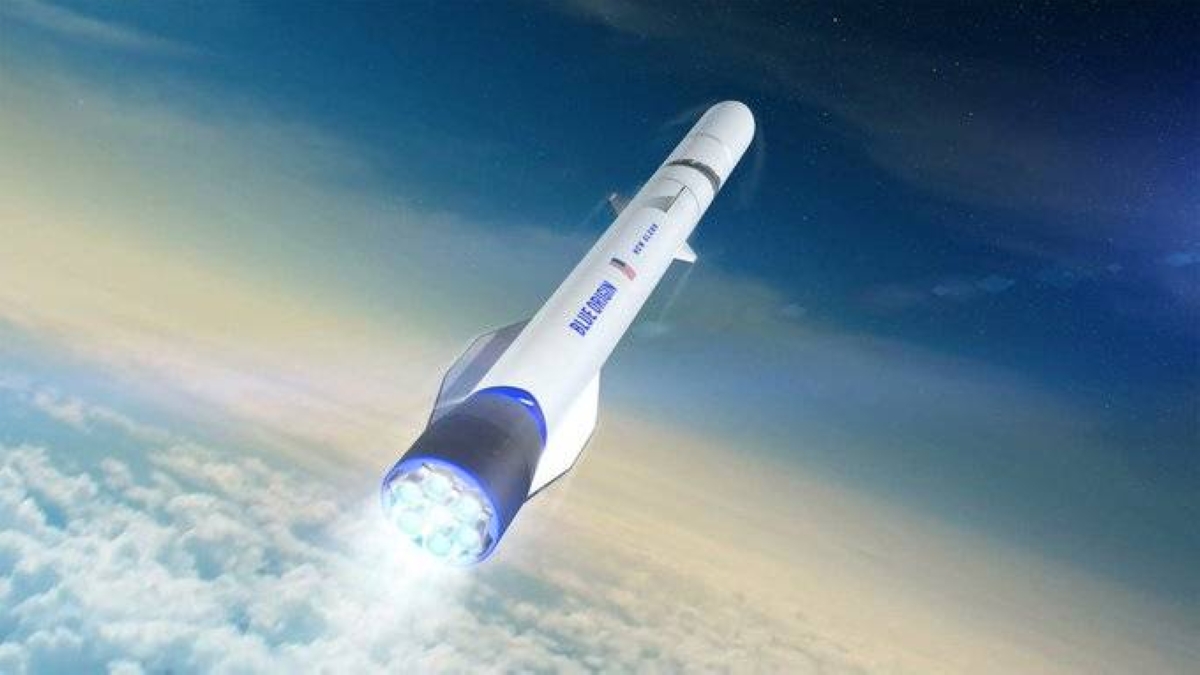
US space company Blue Origin announced that its heavy rocket 'New Glenn' launched a satellite and placed it in an unplanned orbit during its third launch, indicating that the circumstances are still under investigation.The company said that it is currently evaluating the situation and will provide more information when additional details become available, stressing that work is continuing to analyze flight data.The rocket launched as planned from Cape Canaveral Station in Florida, marking the first time that a former flight booster has been reused, as the booster was able to successfully land on a platform in the Atlantic Ocean after separation, but the BlueBird 7 satellite was placed in orbit lower than Target orbit.The 'New Glenn' arrived in space on its first flight in Jan. 2025, and while on its second mission about 10 months later, it carried two vehicles belonging to the US Space and Aviation Agency (NASA). 

World
Global leftists rally in Spain hoping to spark resurgence against far-right

Global leftists rally in Spain hoping to spark resurgence against far-right

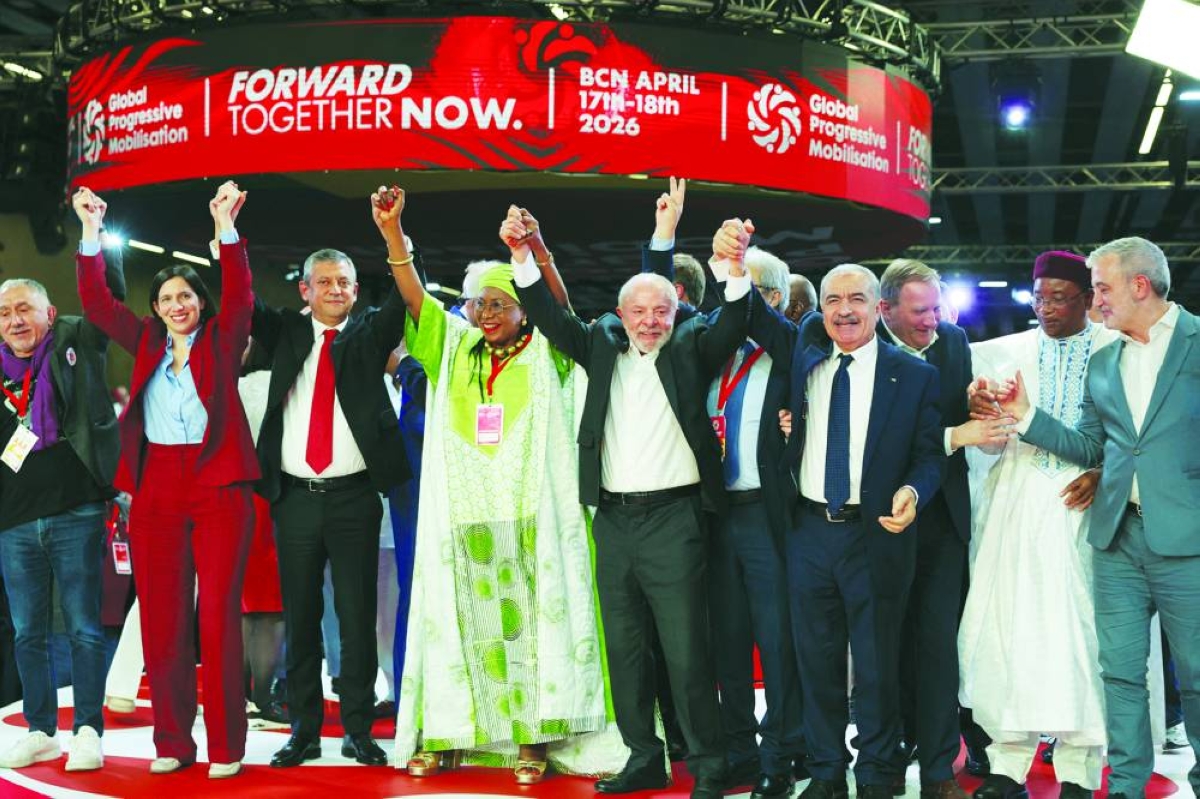
From reforming the UN Security Council to taxing billionaires, thousands of leftists gathered in Barcelona over the weekend to brainstorm ways to halt the rise of authoritarianism ‌and win back voters who have drifted rightwards.The gathering, which drew more than 6,000 people from over 40 countries, ​comes as far-right and nationalist forces have gained ‌ground globally, eclipsing the left with messaging that pins cost-of-living concerns on immigration, outdated institutions and out-of-touch political elites.Spearheaded ‌by Spain’s Socialist Prime Minister ⁠Pedro Sanchez, whose outspoken opposition to ‌US President Trump’s foreign policy has boosted his image, the summit ‌was buoyed by hopes that the far-right surge may have peaked, with Trump's polling numbers falling, Hungary's Victor Orban ousted after 16 years in ⁠government and the French far-right underperforming in last month's municipal elections.Leaders including South African President Cyril Ramaphosa and Brazil’s Luiz Inacio Lula da Silva rallied the crowd with calls to reform international organisations and cement new left-leaning alliances, as the shadow of Trump’s attacks on multilateral institutions loomed large."To be progressive is to defend a reformed multilateralism, where the rules work for everyone,” said Lula da Silva, addressing a packed closing plenary of supporters waving red flags, sporting ‘Make Science Great Again’ caps and periodically chanting Spanish anti-fascist anthems.Left-wing parties hoping for a resurgence need to address kitchen table issues such as the cost of living, said Marcus Roberts, CEO of ​political strategy consultancy Mandate Research.A 30-country Ipsos survey published last month showed voters were far more worried about unemployment, inflation, poverty and inequality than the rise of extremism or moral decline.Indeed, anger at rising fuel prices due to the war in the Middle East has seen Trump’s approval ratings tank, ‌polls show, in what Democrat strategists have described as ⁠a window of opportunity to ​make convincing arguments on the economy ahead of midterm elections in November.Economist Gabriel Zucman took the stage to advocate ​for higher wealth taxes on millionaires and billionaires, a policy which is hugely popular in polls across Europe and the US but was rejected by lawmakers in his native France."It's hard for people who can't afford eggs to be concerned about democracy," said Neera Tanden, former advisor in Joe Biden, Hilary Clinton and Barack Obama's administrations and director of the Center for American Progress think tank.Isabel Allende, former Senate president of Chile and daughter of Salvador Allende, Latin America’s first Marxist leader who was ousted in 1973 by a US-led military coup, warned that the left had become disconnected from citizens' concerns."It’s unimaginable to fight against the right if we can’t get closer to ordinary people,” she said.Attendees returning from the Spring meetings of the International Monetary Fund and World Bank said discussions in Barcelona reflected a similar urgency for reforming the balance of power in global institutions, though specifics on what would come ‌next remained unclear."The institutions are still standing but ‌the logic inside them is shifting,” said Mariana Mazzucato, ⁠a professor of economics advising governments and policymakers on how states can use public investment to foster growth."Trump is accelerating the crisis of the ⁠old order... but if progressives do not offer a credible ⁠alternative framework, someone else will fill that vacuum,” she said.Studies like Freedom House’s "Freedom in the World" index show the number of authoritarian governments swelling in the past two decades, as a rise in conflicts, coups, and crackdowns on freedoms has coincided with a pivot away from foreign aid programs by wealthy democracies, whose populaces have grown weary of sending funding abroad while facing cost-of-living challenges at home.While organisers were adamant the event, hosted by several left-wing political networks and Spain’s Socialist Party, was not a mobilisation against Trump, they also said the left could not afford to sit ​tight and wait for a new US administration, with many echoing Canadian Prime Minister Mark Carney’s call for "middle powers" to coalesce."Trump has become a symbol for the extreme right. But this is about social democrats coming together. The fact that US Democrats are so well represented is a first and shows that this movement is growing,” Lars Klingbeil, vice-chancellor of Germany and head of the German Social Democrats, told reporters on the sidelines.The American left and centre-left featured heavily in the closing plenary of the two-day gathering, with former vice-presidential candidate Tim Walz urging crowds not to give up on Democrats and voices from Bernie Sanders to New York Mayor Zohran Mamdani and Hilary Clinton sending video messages in support."The reality is that the tools that the right wing are using to try to destroy our democracy are similar from ‌country to country," US Democratic Senator and ​Foreign Relations Committee member Chris Murphy said in an interview with Reuters."We need to share experiences to understand how we can fight back,” he said.  Related Story

World
Carney says Canada’s US ties have become a weakness

Carney says Canada’s US ties have become a weakness

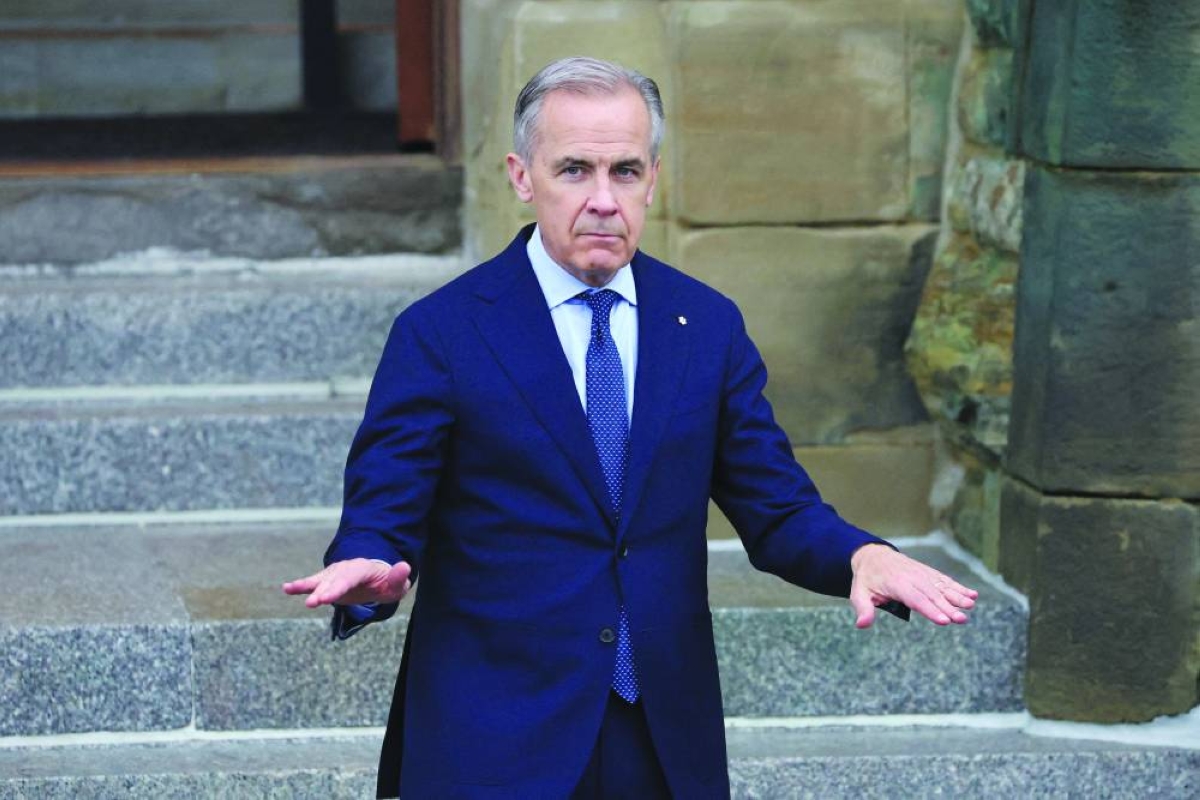
Prime Minister Mark Carney waiting for Finland’s President Alexander Stubb in Ottawa, Ontario. (Reuters/File Photo) Canada’s close ties to the US were once a strength but have become a weakness, Prime Minister Mark Carney said ‌Sunday, in a video message to his ​country in which ‌he also praised the heroism of military leaders ‌who fought against US ‌invasion more than two ‌centuries ago. Holding up a small toy soldier depiction of General Isaac Brock, the British military leader who died defending what is now Canada from a US invasion in the War of 1812, Carney said Canada can’t control the disruption coming from its US neighbours, and can’t bet its future on the hope that it will suddenly ​stop. “The situation today feels unique, but we’ve faced down threats like this before,” Carney said, referencing Brock and several other Canadian ‌historical figures, including Chief Tecumseh who united ​Indigenous Nations across the Great Lakes to resist US ​expansion in 1812. Carney, who secured a parliamentary majority for his Liberal government last week, has said his electoral win will help him deal more effectively in the trade war started by US President Donald Trump. US Commerce Secretary Howard Lutnick slammed Canada as a difficult trading partner last week. Canada, which sends almost 70% of its exports to the US, is ‌this year due to ‌review the trilateral US-Mexico-Canada free trade treaty. US officials have suggested they want major changes to the pact. As well as imposing tariffs on Canadian exports such as steel, aluminium and autos, Trump has repeatedly mused about annexing Canada and turning it into the 51st US state. Carney’s office did not immediately respond to questions about why he ​had released the video now and why he had praised figures who resisted US expansionism. Carney said he plans to give regular addresses to Canadians in the weeks and months ahead to update them on what his government is doing to grow Canada’s economy and defend its sovereignty. “It’s our country, it’s our future, we are taking back control,” ‌he said.  Related Story

World
Hollywood, Silicon Valley turn out for the ‘Oscars of Science’

Hollywood, Silicon Valley turn out for the ‘Oscars of Science’

Robert Downey Jr attends the 12th Breakthrough Prize ceremony gala in Santa Monica, California. (Reuters) Big names from the worlds of film, technology, music and sports gathered on Saturday in Santa Monica, California for the Breakthrough Prizes, popularly known as the “Oscars of Science.” The awards, co-founded by philanthropists and tech entrepreneurs, recognise the research achievements of leading scientists around the world in three broad categories: Life Sciences, Fundamental Physics and Mathematics. “These are some of the most heroic and inspiring people we get in the world,” actor Edward Norton told AFP. According to the American History X star, it was important to turn out and “to highlight what this kind of work contributes to all of us.” “The US has the most anti-science administration in US history,” the actor said. “It’s always important, but if it was ever especially important, the moment is now.” In the last year, the Trump administration has slashed funding for science, halting projects and devastating workforces. Rock climber Alex Honnold agreed with Norton, adding that he hoped the fluctuations “of the political climate... are short-term compared to the long-term effort required to make these kind of gains in human knowledge.” OpenAI CEO Sam Altman said the collaboration between his company’s artificial intelligence technology and some of the award-winning scientists “is moving things faster and faster, and letting them discover new things and bring them to the world faster than they could before.” “Change this fast is really disorienting. So there will be a lot of big questions that we’ll have to sort through as a society,” Altman told AFP. The Breakthrough Foundation was started by Google co-founder Sergey Brin; Mark Zuckerberg and his wife Priscilla Chan; science patrons Julia and Yuri Milner; and Anne Wojcicki, CEO of 23andMe. Six prizes worth $3mn each were presented at the 12th edition of the awards. French mathematician Frank Merle was honoured for his work on nonlinear equations describing the behaviour of waves, fluids and other systems. Merle told AFP the funding is “essential” for science. “Science is one of the foundations of our civilisation,” he said. Hollywood A-listers Ben Affleck, Lily Collins, Robert Downey Jr., Gigi Hadid, Anne Hathaway, Jessica Chastain, Naomi Watts and her husband, Billy Crudup, also attended the event, alongside public figures like Bill Gates and Paris Hilton. 

World
Peru presidential vote results delayed until mid-May

Peru presidential vote results delayed until mid-May

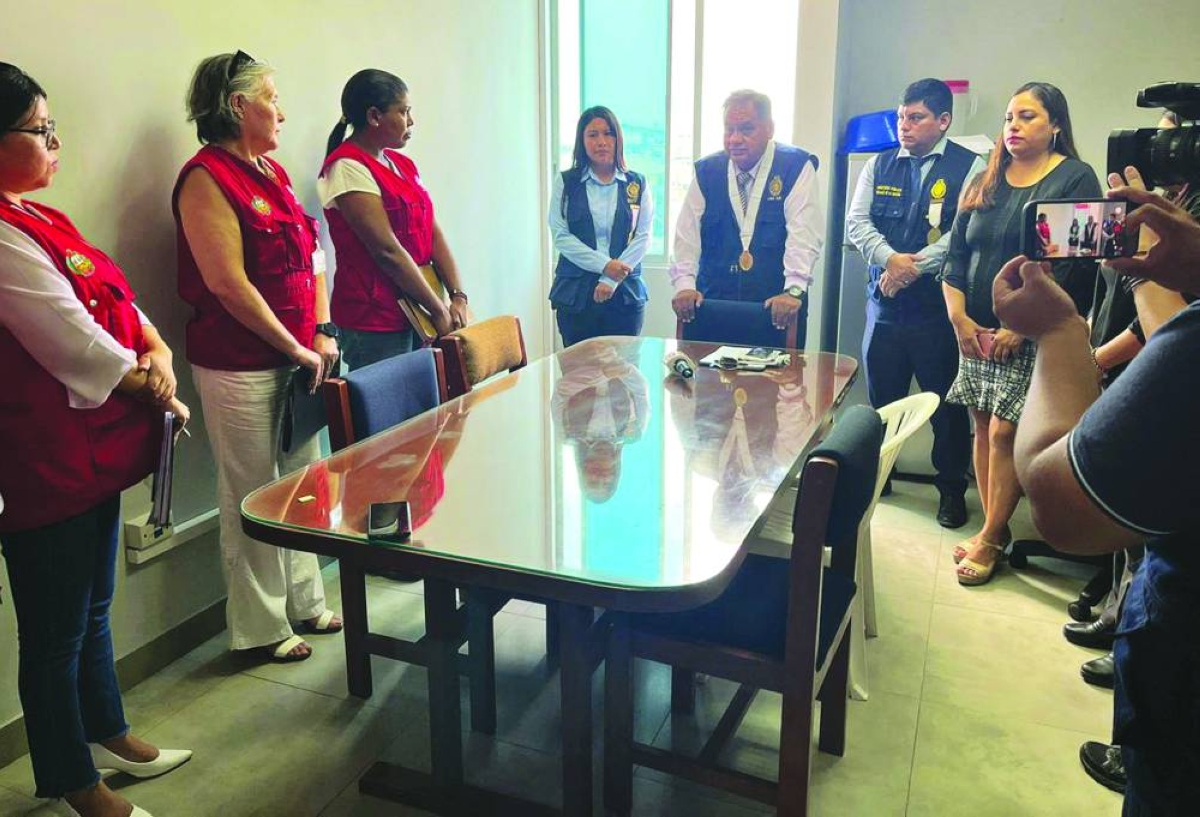
Results from the first round of Peru’s presidential election won’t be released until mid-May, an official said Saturday, after a chaotic vote leading to what appeared to be a tight race. “We expect to have the presidential results, which is what we need to determine the runoff candidates, by around mid-May,” said Yessica Clavijo, secretary-general of the National Jury of Elections (JNE) — Peru’s highest electoral justice authority — on radio broadcaster RPP. With 93.4% of ballots counted from last Sunday’s election, right-wing candidate Keiko Fujimori was leading with 17%. The top two candidates go to a runoff election, and a close race has emerged for a spot in the next round between leftist Roberto Sanchez, who received 12% of the vote, and ultra-conservative Rafael Lopez Aliaga, with 11.9%. The gap between the two increased slightly Saturday to 13,600 votes. Clavijo attributed the slow vote count to the review of more than 15,000 challenged ballots, about 30% of which involve the presidential vote and the remainder related to legislative elections. Lopez Aliaga, the former mayor of capital Lima, has emerged as the harshest critic of the vote’s delays. He has alleged fraud, without providing evidence, and called for the vote to be annulled. He called on supporters of his Popular Renewal Party to march on Sunday in protest. Sanchez, for his part, also criticised the vote, telling a press conference Saturday: “These serious organisational issues must be investigated and there must be appropriate sanctions.” A record 35 candidates ran for president in the chronically unstable Andean nation, where four of the last eight presidents were impeached by Congress. The election was marked by delays in the delivery of election materials that forced authorities to extend voting into Monday in parts of the capital Lima. The European Union’s election observer mission nonetheless gave the election a clean bill of health. On Friday, prosecutors raided a warehouse of the National Office of Electoral Processes (ONPE), which organises the vote, and four officials have been reported to JNE for alleged crimes against the right to vote.