1. Home
  2. World

Category: World

World
Qatar-China ties are at their strongest in history: envoy

Qatar-China ties are at their strongest in history: envoy

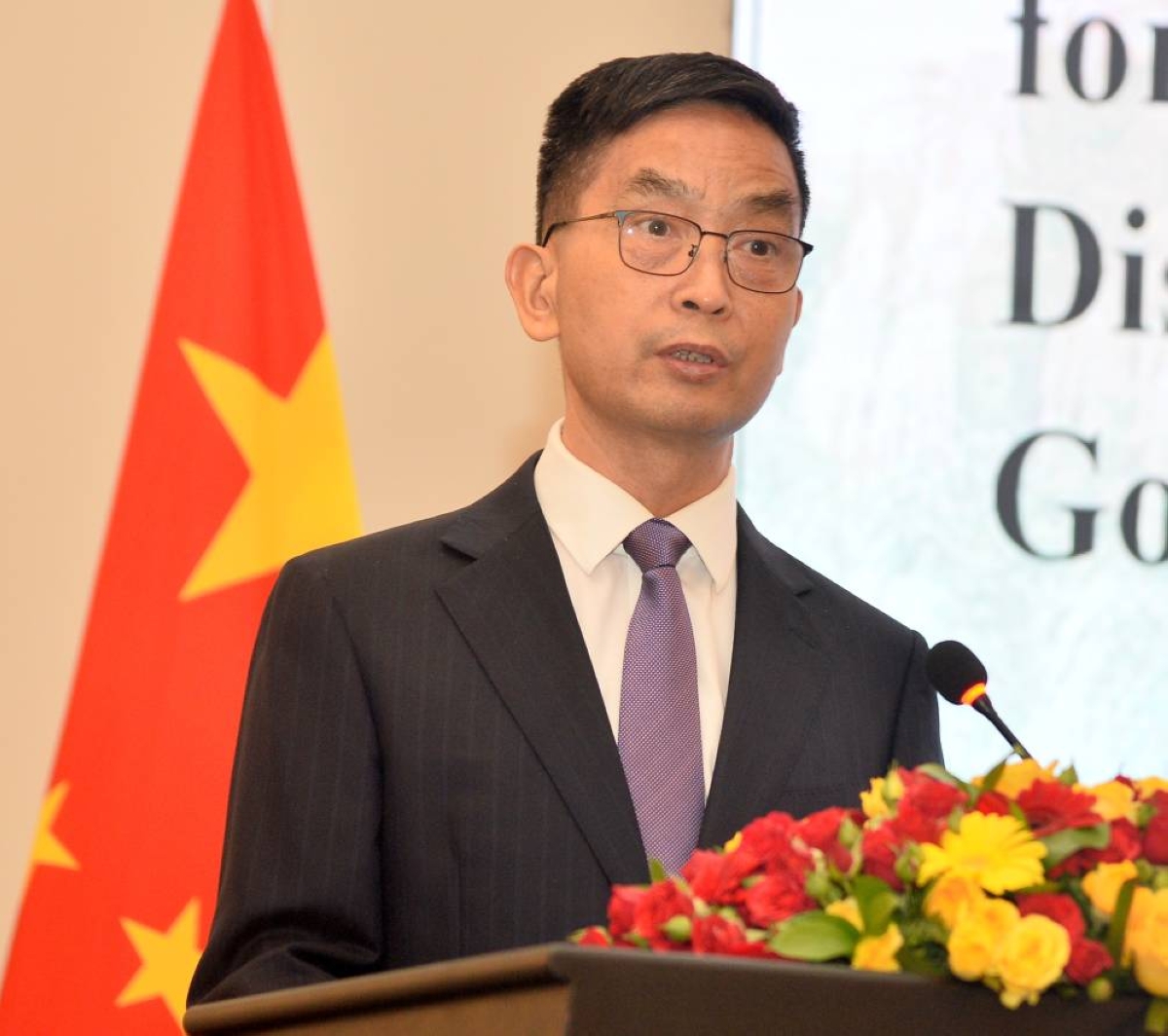
Qatar-China relations are at their strongest in history, with enormous potential and broad prospects for mutually beneficial co-operation between the two countries, China’s ambassador to Qatar Cao Xiaolin said yesterday. Speaking at a media briefing, the envoy noted that since the establishment of diplomatic relations in 1988, the Qatar-China strategic partnership has enjoyed 12 years of high-quality development under the strategicguidance of His Highness the Amir Sheikh Tamim bin Hamad al-Thani and Chinese President Xi Jinping. Mutual trust between the two countries has continued to deepen, the ambassador noted, and Xi and His Highness the Amir have reached a series of important understandings to advance the strategic partnership, which have served as a blueprint for bilateral friendship and co-operation.Co-operation between China and Qatar across various fields has yielded fruitful results. Since 2020, China has remained Qatar’s largest trading partner and largest export destination.Bilateral trade volume has risen from $10.6bn in 2014 to $23.81bn in 2025 – a nearly 125% increase. Turning to China’s policy on the Middle East, Cao referred to the five-point initiative jointly put forward by China and Pakistan in March this year on restoring peace and stability in the Gulf and the broader region. The initiative called for an immediate cessation of hostilities, the early launch of peace negotiations, protection of non-military targets, safeguarding the passage security of the Strait of Hormuz, and upholding the primary authority of the UN Charter. China maintains that countries in the Gulf region and the Middle East should hold their future and destiny firmly in their own hands, he said, adding that Beijing supports regional countries in establishing a peace and security architecture based on broad participation, shared interests and common development. On the recent summit between Xi and US President Donald Trump, the ambassador said the two leaders’ in-depth discussions had produced fruitful outcomes.“The most important political understanding they reached was the agreement to build a constructive China-US relationship of strategic stability,” he said. Cao explained that the two presidents had agreed on a new vision providing strategic guidance for bilateral relations over the next three years and beyond.“Both sides should maintain policy continuity and stability,” the envoy said. “It is very important for both sides to honour our words and move in the same direction. A positive outlook on China-US co-operation will provide more certainty for both countries’ development and for the international situation.” He stressed that the Taiwan question was an important topic at the summit.“China’s position is very clear: first, the Taiwan question is China’s internal affair,” the envoy stated. “Realising complete reunification is an aspiration shared by all sons and daughters of the Chinese nation.” On economic and trade outcomes, Cao said that Xi had emphasised that economic and trade ties are mutually beneficial and win-win by nature.Where disagreements and frictions exist, equal-footed consultation is the only right approach, he added, noting that the two economic and trade teams had produced generally balanced and positive outcomes. On the Middle East situation, the ambassador said Xi had set forth China’s consistent position: negotiation may not produce immediate results, but now that the door of dialogue has been opened, it should not be closed again. He said that China encourages the US and Iran to continue settling their differences and disputes through negotiation, including on the nuclear issue.Beijing has also called for reopening the Strait of Hormuz as soon as possible on the basis of a sustained ceasefire, and believes the fundamental solution to the stalemate lies in achieving a permanent, comprehensive ceasefire.The envoy concluded that, as Xi had pointed out, China-US relations concern the well-being of more than 1.7bn people in both countries and affect the interests of over 8bn people worldwide.China, Cao said, is prepared to work with the US to follow through on the important understandings reached by the two presidents in Beijing.  Related Story

World
US police investigating deadly mosque shooting as hate crime

US police investigating deadly mosque shooting as hate crime

,Police were investigating a shooting in the US state of California as a hate crime on Tuesday after a pair of teenage gunmen killed three people at a mosque complex.Tearful women emerged from a center set up to reunite families caught up in the shooting, and yellow police tape blocked access to the Islamic Center of San Diego, where the victims were found on Monday. Police said emergency response teams found the victims, all men, outside the sprawling complex, before later finding the shooters, aged 17 and 18, dead in a car from apparent self-inflicted gunshot wounds."We are actively investigating this as a hate crime," San Diego Police Chief Scott Wahl told reporters. "There was definitely hate rhetoric that was involved."The Islamic center describes itself on its website as the largest mosque in San Diego County, which is in southern California.After a short period of lockdown when authorities advised area residents to stay inside, San Diego police announced that the threat at the center had been "neutralized.""We received a call of an active shooter at the Islamic center. Within four minutes, officers arrived on scene and observed immediately three deceased victims out in front," Wahl said. "We immediately began to deploy with an active shooter response into the mosque and adjacent school," he said, adding that police had received calls about more gunfire nearby, where a landscaper had been shot at but not hit. "The suspects at this point appear to have died from self-inflicted gunshot wounds. There were no officers involved in firing their weapons," Wahl said.  Related Story

World
WHO worried about ‘scale and speed’ of deadly Ebola outbreak

WHO worried about ‘scale and speed’ of deadly Ebola outbreak

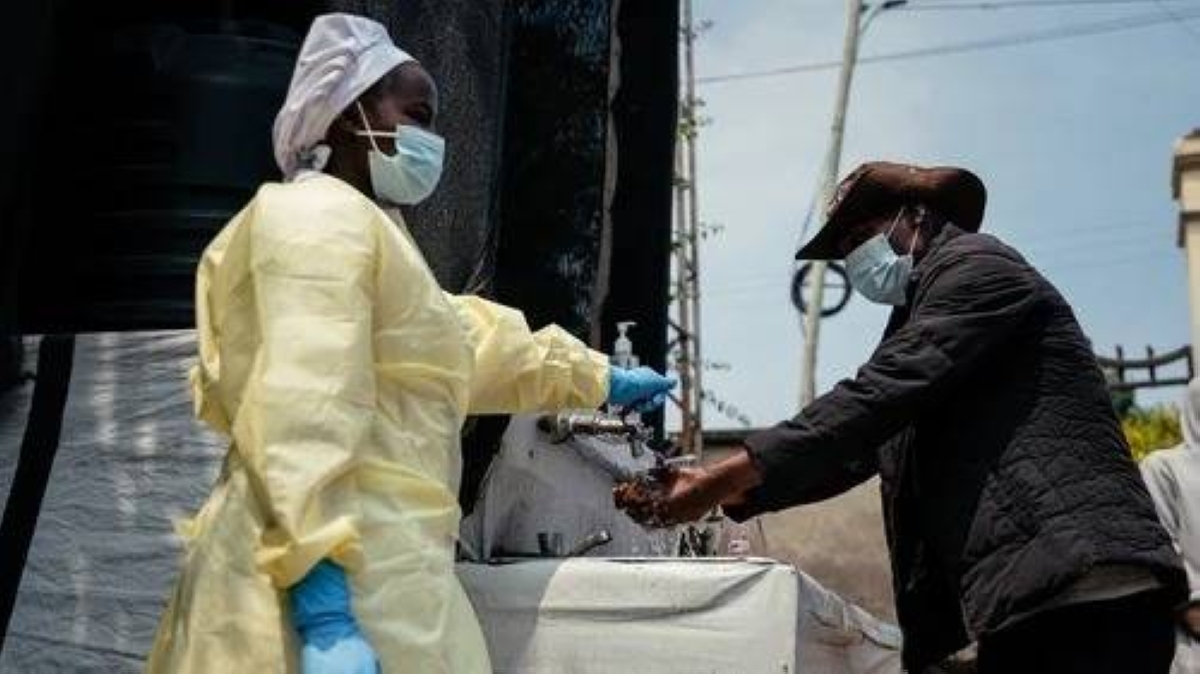
The World Health Organization chief voiced concern on Tuesday about the "scale and speed" of an Ebola outbreak in the Democratic Republic of Congo which has killed an estimated 131 people.The WHO has declared the surge of the highly contagious haemorrhagic fever an international health emergency and will hold an emergency meeting on the crisis on Tuesday. No vaccine or therapeutic treatment exists for the Bundibugyo strain of Ebola responsible for the latest outbreak of the disease, which has killed more than 15,000 people in Africa in the past half century.With the new outbreak largely concentrated in difficult-to-access areas, few samples have been laboratory-tested and figures are based mostly on suspected cases."We have recorded roughly 131 deaths in total and we have around 513 suspected cases," Congolese Health Minister Samuel Roger Kamba said on national television early Tuesday."The deaths we are reporting are all the deaths we have identified in the community, without necessarily saying that they are all linked to Ebola," he added. The previous figures from the outbreak, declared late last week in the country's east, gave a total of 91 dead out of 350 suspected cases.WHO chief Tedros Adhanom Ghebreyesus said the decision to declare the second-highest level of alert under international health regulations was not taken "lightly". "I'm deeply concerned about the scale and speed of the epidemic," he told the World Health Assembly in Geneva on Tuesday.The outbreak's epicentre is in northeastern Ituri province on the border with Uganda and South Sudan.The United States has announced it was bolstering precautions to prevent the spread of Ebola, including screening air passengers from outbreak-hit areas and temporarily suspending visa services.It is attempting to evacuate six additional people to monitor their health, the US Centers for Disease Control and Prevention (CDC) said on Monday. First identified in 1976 and believed to have originated in bats, Ebola is a deadly viral disease spread through direct contact with bodily fluids. It can cause severe bleeding and organ failure. The outbreak is the 17th in the central African country of more than 100 million people. The deadliest Ebola outbreak in the DRC claimed nearly 2,300 lives out of 3,500 cases between 2018 and 2020. The previous outbreak before the current one killed 45 people between September and December last year, the WHO said. Related Story

World
Qatar deems recognition of Nakba a key to just, lasting Palestinian peace

Qatar deems recognition of Nakba a key to just, lasting Palestinian peace

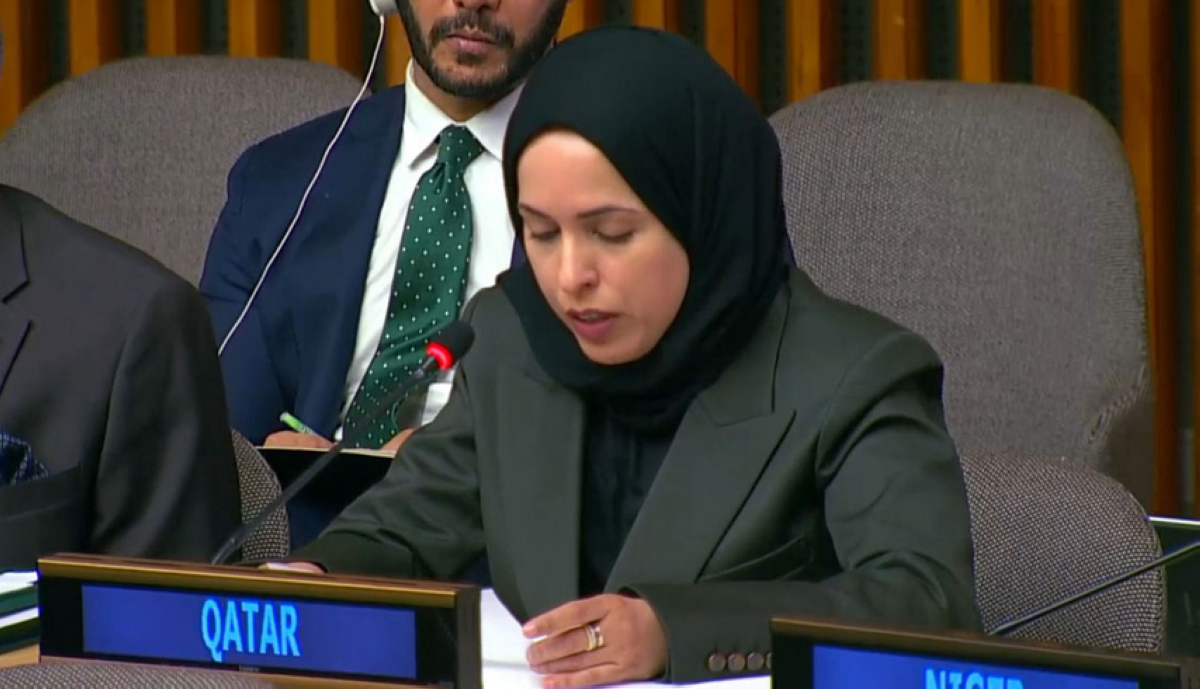
The State of Qatar affirmed that recognition of the Nakba is an indispensable foundation for any just, comprehensive, and lasting peaceful solution to the Palestinian issue. This was stated in Qatar's statement delivered by Her Excellency Permanent Representative of the State of Qatar to the United Nations, Sheikha Alya Ahmed bin Saif Al-Thani, during the special meeting of the UN Committee on the Exercise of the Inalienable Rights of the Palestinian People, marking the 78th anniversary of the Nakba at the UN headquarters in New York. Her Excellency emphasized the importance of adopting General Assembly Resolution 79/82, noting that Qatar takes pride in being among the sponsors of this resolution, as recognition of the Nakba is essential for achieving a just, comprehensive, and lasting solution to the Palestinian issue. She reaffirmed Qatar's commitment that the names of all Palestinian child martyrs will not be forgotten, describing them as victims of a continuing Nakba, whose suffering cannot be ignored by the international community. In this context, she highlighted Qatar's consistent positions regarding the situation in the occupied Palestinian territories, renewing Qatar's condemnation of Israel's illegal decisions concerning the West Bank, including reclassifying Palestinian land as so-called "state land" of Israel, accelerating settlement activity, enacting a law allowing the death penalty in the West Bank, and restricting freedom of worship for Muslims and Christians in occupied Jerusalem. Regarding the Gaza Strip, Her Excellency stressed Qatar's insistence on full implementation of the ceasefire agreement, opening crossings to ensure sustainable and unobstructed humanitarian aid, reaffirming Qatar's firm commitment to the peace council from the first day of mediation efforts until the signing of the Sharm El Sheikh agreement with partners, and highlighting the importance of implementing UN Security Council Resolution 2803. HE the Permanent Representative reiterated Qatar's principled and steadfast support for the Palestinian cause and the resilience of the Palestinian people, based on international legitimacy and the two-state solution. She emphasized the need to guarantee Palestinian self-determination, establish an independent Palestinian state on the 1967 borders with East Jerusalem as its capital, end occupation and settlement activities, halt Israel's illegal practices in occupied territories, and ensure the right of return for Palestinian refugees in accordance with international law. Her Excellency also stressed Qatar's ongoing commitment to politically, diplomatically, and financially support UNRWA in fulfilling its mandate to serve the Palestinian people, in line with General Assembly Resolution 302 (IV). Related Story

World
Musk loses blockbuster suit against OpenAI, co-founders

Musk loses blockbuster suit against OpenAI, co-founders

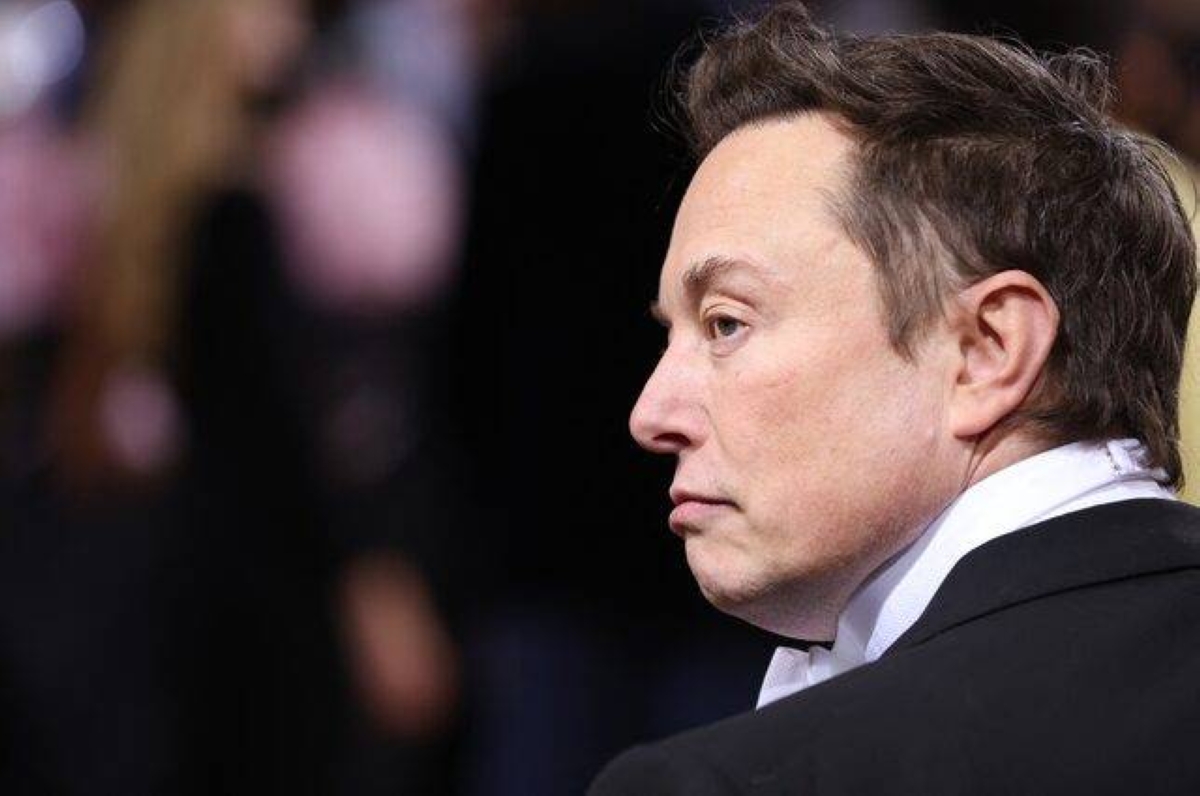
A federal jury ruled yesterday that Elon Musk waited too long to sue OpenAI and its co-founders, delivering a decisive victory to the ChatGPT startup and ending one of Silicon Valley’s most closely watched courtroom battles. The swiftly reached decision caps a three-week trial that saw a parade of tech titans take the stand, with Musk arguing that OpenAI’s pivot to a profit-driven business betrayed its original non-profit mandate. The jury in Oakland federal court found that Musk’s claims against OpenAI CEO Sam Altman, President Greg Brockman, The OpenAI Foundation and Microsoft were barred by statutes of limitations, rejecting the billionaire’s core arguments.Judge Yvonne Gonzalez Rogers, who had asked the jury to advise her on the matter, accepted and confirmed their decision. The outcome spared OpenAI from a potentially existential legal threat.Had Musk prevailed, he was seeking to force the company to revert to its non-profit structure — a move that would have derailed its planned IPO and unwound ties to major investors including Microsoft, Amazon and SoftBank, who have poured billions into the company amid the global AI race. “The finding of the jury confirms that this lawsuit was a hypocritical attempt to sabotage a competitor and to overcome a long history of very bad predictions about what OpenAI has been and will become,” OpenAI attorney William Savitt said outside the courthouse after the decision. “Musk can bring his claims, and he can tell his stories, but what the nine members of this jury found is that his stories were just that — stories, not facts,” he added. Musk, the world’s richest person, had sued OpenAI over its transformation from a scrappy non-profit into the $850 billion juggernaut behind ChatGPT, claiming Altman and Brockman improperly used a $38mn donation he had intended to sustain OpenAI as a research lab devoted to developing AI for the benefit of humanity.The jury first had to resolve a threshold issue: whether Musk, who filed suit in 2024 — four years after his last contribution — had done so within the statutory time limit.It found he had not, ending the case before jurors could weigh the underlying merits. 

World
Japan, Korea agree to boost energy co-operation amid Mideast war

Japan, Korea agree to boost energy co-operation amid Mideast war

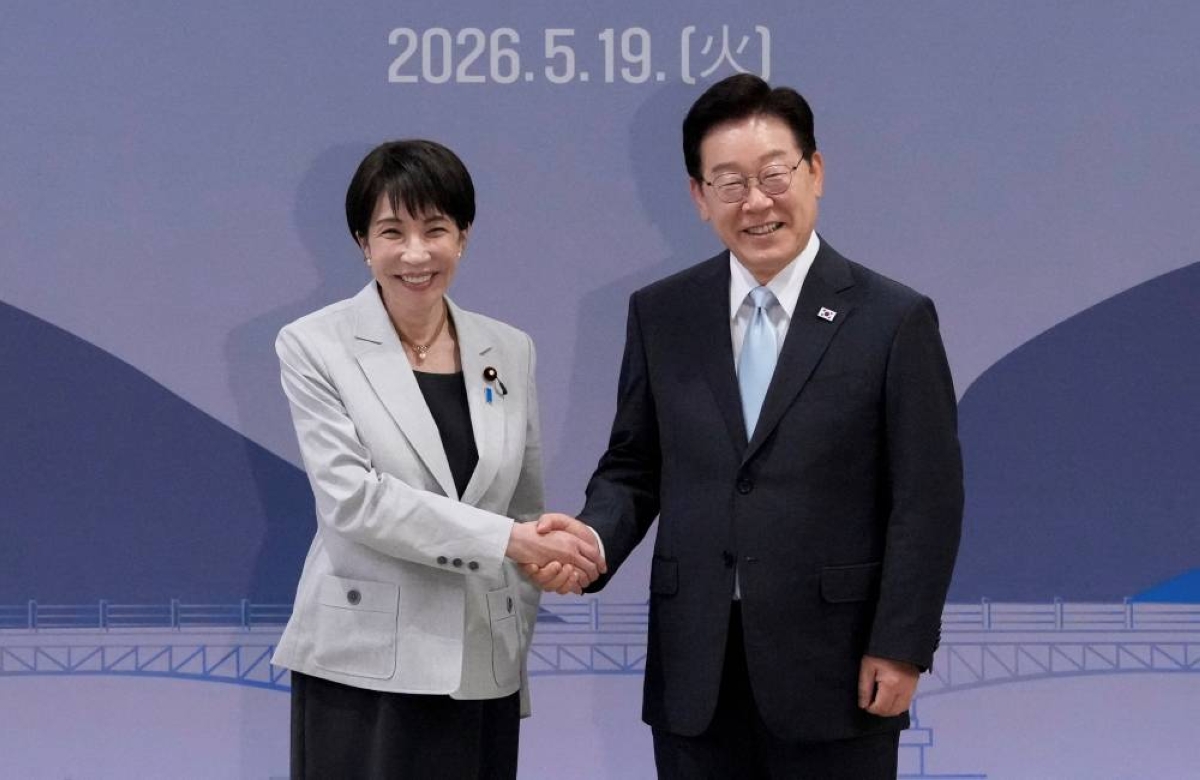
Japan's Prime Minister Sanae Takaichi, left, and Republic of Korea's President Lee Jae-myung poses for a photo during their meeting in Andong, Tuesday. (Reuters) Tokyo and Seoul have agreed to strengthen co-operation on securing energy supplies, Japanese Prime Minister Sanae Takaichi said during a visit to Republic of Korea Tuesday, as both nations grapple with the fallout of the Middle East war.Takaichi said she and Republic of Korea President Lee Jae-myung outlined a framework to bolster energy stockpiles in the Asia Pacific and would work towards "enhancing energy security for both Japan and South Korea"."Given the current international situation, co-operation between Japan and Republic of Korea on supply chains, including those for critical minerals, is important," Takaichi told a joint news conference after meeting with Lee.Japan depends on the Middle East for about 95 percent of its oil imports, while Republic of Korea gets about 70 of its crude from the region.Iran's effective closure of the vital Strait of Hormuz in retaliation for US-Israeli strikes on Tehran has rattled global energy markets.The two leaders met in Lee's hometown of Andong four months after Takaichi hosted Lee in her own hometown of Nara in January.Lee said they also discussed co-operation on technology related to space exploration and biohealth, among other issues.He said he outlined Republic of Korea's vision "of building a peaceful Korean Peninsula" as both countries face challenges from nuclear-armed North Korea."Going forward, the possibilities for Republic of Korea-Japan partnership are limitless," Lee said at the news conference.  Related Story

World
Taiwan opposition vote to impeach president fails

Taiwan opposition vote to impeach president fails

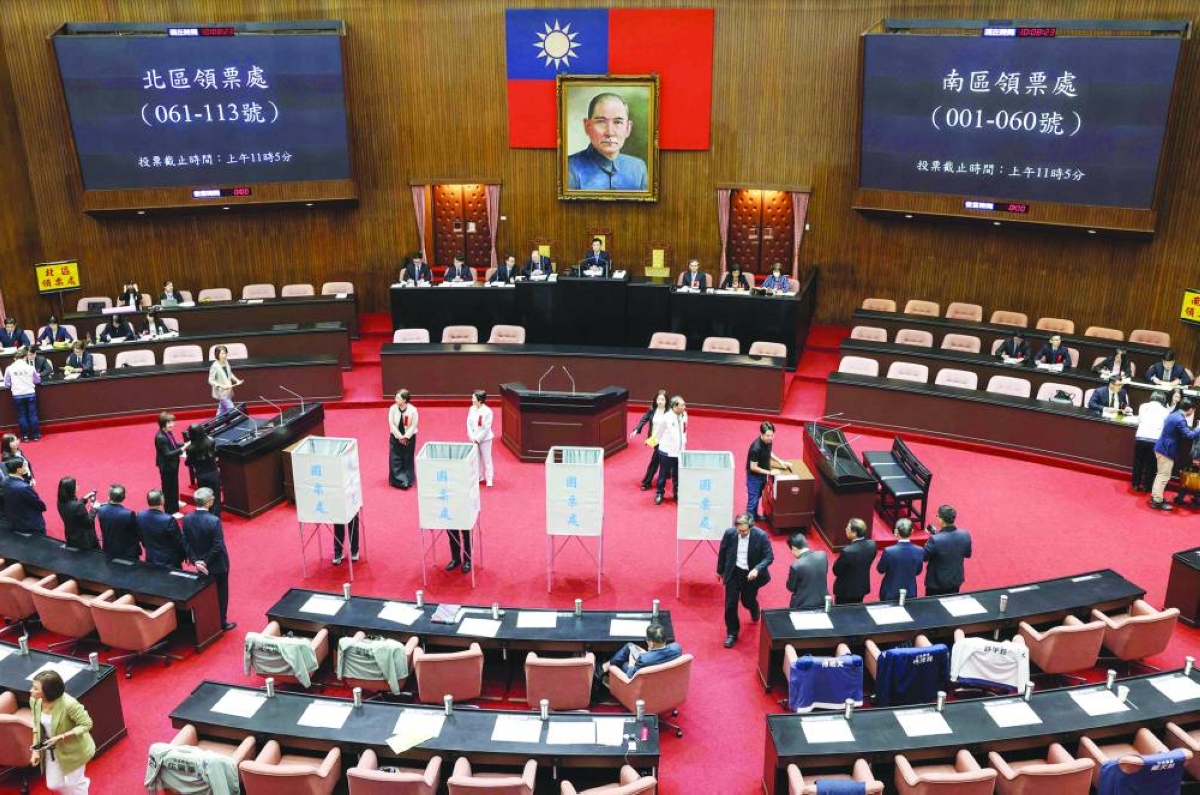
Taiwan's opposition lawmakers made a failed bid Tuesday to impeach President Lai Ching-te, after the number of votes in favour of the motion fell well short of the minimum required.Lai and his Democratic Progressive Party have been locked in a bitter conflict with the two opposition parties that control the parliament since he took office in May 2024.Lawmakers from the Kuomintang (KMT) and Taiwan People's Party (TPP) launched impeachment proceedings after Lai and his premier refused to sign off on a revenue-sharing bill passed by parliament.Both sides have accused each other of violating the democratic island's constitution.Opposition legislators have described Lai as 'dictatorial'. DPP lawmaker Wu Szu-yao said Monday the KMT and TPP 'are co-ordinating with external hostile forces to manipulate Taiwan's political struggles.'Fifty-six lawmakers supported impeaching Lai and 50 were against it. The number of votes in favour was below the minimum two-thirds of the 113-seat parliament needed for the motion to succeed.Premier Cho Jung-tai vowed Tuesday to 'continue to push for reconciliation and coexistence' with the opposition parties.But divisions remain deep. A key point of contention between Lai's government and the opposition has been over how much to spend on defending the island against a potential attack from China.China claims Taiwan is part of its territory and has threatened to seize it by force.The KMT and TPP rejected the government's proposed NT$1.25tn in spending on critical weapons, that included US arms and domestically procured drones and other munitions.Instead, after months of political wrangling, the opposition parties passed a budget of NT$780bn for US arms only.Lai, an outspoken defender of Taiwan's sovereignty, has accused China of being the 'root cause' of instability in the region.The KMT, which favours closer relations with China and whose chairperson Cheng Li-wun recently went to Beijing to meet Chinese President Xi Jinping, blames Lai for worsening cross-strait tensions. 

World
At least 21 killed as heavy rains drench southern, central China

At least 21 killed as heavy rains drench southern, central China

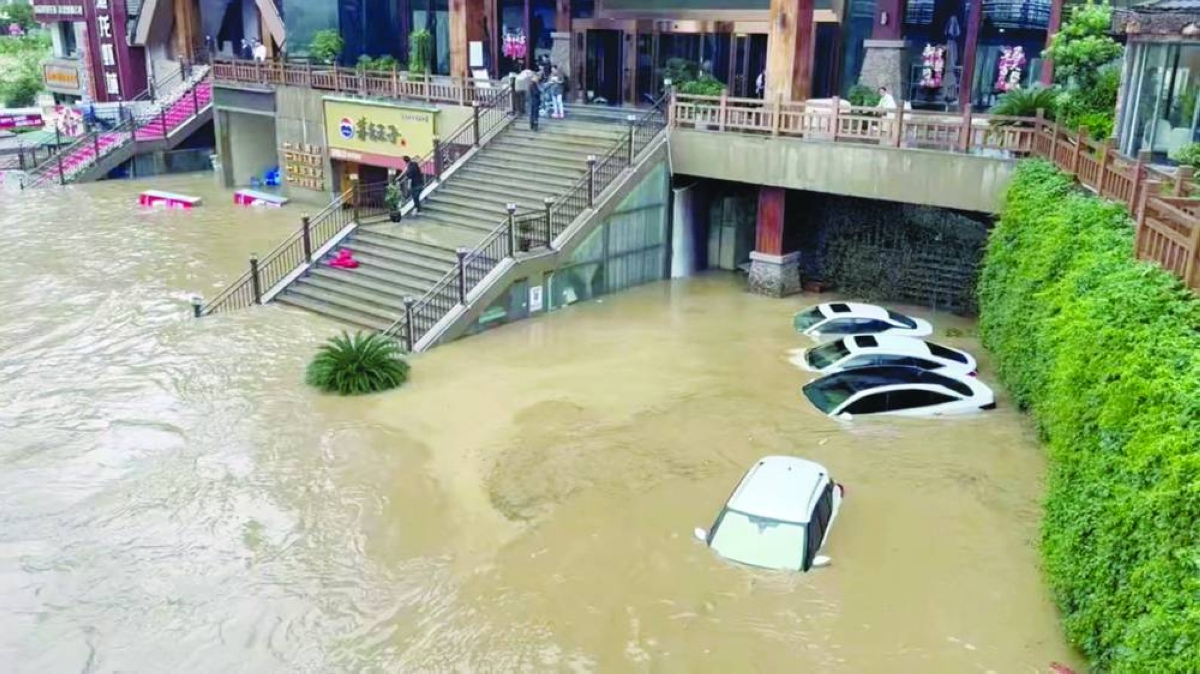
Cars lie partially submerged in floodwaters after heavy rainfall in Duyun, Guizhou Province, Tuesday. (Reuters) Torrential rain continued across southern and central China Tuesday with at least ‌21 people killed in widespread flooding that also closed schools and ‌businesses, and ⁠disrupted transport and ‌power supplies, authorities said.China's weather agency ‌said areas of Jiangxi, Anhui, Hunan, Hubei, Guizhou, Guangxi, Guangdong and Hainan ⁠faced a high risk of rain-related disasters, including landslides, flash floods and severe urban flooding and waterlogging.Authorities said they have allocated 150mn yuan ($22.04mn) for disaster relief and launched emergency responses in several affected areas.Many residents in Jingzhou, a city in central Hubei, were knee-deep in water and able to catch fish swimming in ​the streets, according to images posted on Chinese video platform Douyin. Some cars were nearly completely submerged on roads surrounded by residential and commercial buildings.Ten people were ‌confirmed dead after a pickup ⁠truck carrying 15 ​farm workers fell into a flooded river in China's southwestern ​region of Guangxi amid heavy rain, state broadcaster CCTV reported.In separate incidents, heavy rain and flooding killed four people in southwestern Guizhou province, four others in southern Hunan province, and three in a low-lying village in central Hubei province, CCTV said. A number of people remain missing.Schools, businesses and transport services have been suspended, and authorities are relocating residents in some parts of Hubei and Hunan, state media reported.HEAVY RAIN EXPECTED ALONG YANGTZE RIVERThe unusually large ‌area of intense rainfall — spanning ‌more than 1,000km (621 miles) — ⁠was due to the convergence of abundant moisture from the Bay of ⁠Bengal, the South China ⁠Sea and the Pacific Ocean. The slow-moving nature of the weather system also led to the high cumulative rainfall, according to Chinese meteorologists.China's National Meteorological Centre said severe weather would gradually move east and south across China over the next two days. From today, the heaviest rainfall is expected along the ​middle and lower reaches of the Yangtze River.China's southern Hainan island issued a geological disaster warning Tuesday, as a mountainside collapsed onto a highway in Lingshui, prompting authorities to close several major roads in that area of the island. Separately, authorities in Guangxi set up temporary shelters on 99 sites for more than 4,000 residents and relocated 7,000 people after a magnitude 5.2 earthquake on Monday, which sent tremors across multiple ‌cities in the ​region.  Related Story

World
Festival of Eastern Cultures showcases growing Russia–Arab ties

Festival of Eastern Cultures showcases growing Russia–Arab ties

Demand for Arabic and other Eastern languages is expected to continue growing in Russia amid increasing cultural, academic and economic engagement with the Islamic world, according to experts speaking at the Festival of Eastern Cultures during the 17th International Economic Forum “Russia–Islamic World: KazanForum.”Andrei Zeltyn, a leading simultaneous interpreter, Arabist and senior lecturer at the Faculty of World Economy and International Affairs at the HSE University, said younger generations are showing a strong interest in language learning despite the rapid development of artificial intelligence and translation technologies.“Young people today are very drawn to languages. Neural networks have significantly improved the efficiency of translation programmes, but the lack of emotion in machine translation encourages people to learn languages themselves,” Zeltyn said during a press conference dedicated to the festival.He added that demand for Eastern languages, particularly Arabic, is likely to rise further in the coming years due to their growing importance in international relations and global cooperation.  Zeltyn also highlighted the historic role of Kazan Federal University in the development of Arabic studies in Russia, describing it as one of the country’s pioneering centres for Oriental studies.Arabic remains one of the most widely spoken languages across the Middle East and North Africa and continues to play a key role in diplomacy, trade and intercultural communication, he noted.The Festival of Eastern Cultures was organised as part of the broader programme of the KazanForum, with the aim of promoting cultural dialogue and strengthening international academic and humanitarian cooperation.The festival featured a wide range of activities, including photo and art exhibitions showcasing Arab and Eastern cultures, competitions in photography, posters and video production, open lectures, workshops on Eastern languages and writing systems, cultural performances by representatives of Islamic countries, and screenings of documentary and educational films focusing on the East. 

World
Malaysia gains momentum as lifestyle-led investment hub

Malaysia gains momentum as lifestyle-led investment hub

As global property markets face tightening regulations, rising entry costs, and weakening yields, investors are increasingly shifting toward alternative destinations that offer both financial value and long-term liveability. According to Faizul Ridzuan, a prominent Malaysian property investor, author, and the founder and CEO of FAR Capital, this trend reflects a broader transformation in investor behaviour, where lifestyle considerations are now as important as financial returns.   Ridzuan said traditional property hubs are losing appeal due to escalating costs, stricter regulations, and saturated yields. “The shift is driven by a search for resilience and value,” he said. “Traditional hubs are facing high entry costs, tightening tax regulations, and saturated yields. Investors today, especially from the Gulf, are looking for safe harbours that offer a lower cost of entry without sacrificing legal security.” He noted that Southeast Asia, particularly Malaysia, is gaining attention for its combination of affordability, stability, and a familiar legal framework. Modern investors, he said, are no longer guided only by Internal Rate of Return (IRR), but by what he calls “Life Returns.” “We’ve moved into the era of the ‘Hybrid Investor.’ People are looking for a Plan B or a Safety Net. They want properties that generate strong returns while also offering a comfortable lifestyle for their families during travel or relocation,” he explained.At FAR Capital, this approach is defined as a “Utility-First Investment,” where property must work both as a financial asset and a lifestyle solution. Ridzuan highlighted Malaysia’s strong positioning compared to more established Asian markets. One key advantage is its relatively open ownership structure. “Unlike many Asian markets that restrict foreigners to leasehold ownership or specific zones, Malaysia allows freehold ownership in many cases,” he said. He added that Malaysia also offers modern infrastructure, advanced healthcare, strong highway connectivity, and comparatively lower property prices than many other markets.   Faizul Ridzuan. He further pointed to Malaysia’s legal transparency under English Common Law, alongside long-term performance indicators including stable capital gains, strong rental yields in selected properties, and consistent currency and government stability.For Gulf investors in particular, Malaysia’s Muslim-friendly environment is a major draw. “It is a decisive factor. Malaysia feels like a cultural home away from home,” Ridzuan said. He noted that the availability of halal food, Islamic banking, and shared family values creates what he calls a “Zero Friction” environment. “Investors aren’t just buying brick and mortar,” he said. “They are buying an ecosystem where their families can thrive without cultural compromise.” Ridzuan believes Malaysia has now evolved into a dual-purpose market, serving both investment and second-home needs. Programs such as Malaysia My Second Home (MM2H) and the Premium Visa Programme (PVIP) have strengthened this shift by enabling long-term residency pathways. He also observed that changing buyer expectations are reshaping industry practices. FAR Capital, he said, has moved from “selling units” to “structuring portfolios,” with a focus on transparency and long-term value.He warned that foreign buyers often face inflated pricing compared to locals due to “foreign premiums,” and stressed the importance of data-driven selection. “Our framework focuses on securing properties at or below market value,” he said, adding that the firm’s “8 Property Filter” helps identify safe, non-speculative investments and established developers. In his view, real estate has permanently shifted from being a pure asset class to a lifestyle-driven decision. “The work-from-anywhere culture has turned property into a lifestyle asset,” he said. “Buying in Malaysia is not only about diversifying your portfolio, but also your geography and quality of life.” When advising clients, Ridzuan said emotional appeal is always balanced with financial discipline. “We first ensure the math works — rental demand, capital appreciation potential, and exit strategies,” he said. “Only then do we consider lifestyle factors like schools, malls, or mosques.” Looking ahead, he believes Malaysia’s rising appeal is structural rather than temporary, supported by its role in global supply chains and status as a net energy exporter. “This isn’t a bubble,” he said. “It is the market finally recognising Malaysia’s undervalued status.” He concluded that success in property investment has fundamentally evolved. “A successful investment today delivers predictable cash flow, capital protection, and peace of mind,” he said. “If it allows you to sleep better at night knowing your wealth is secure and your family has a home in a welcoming country, that is the ultimate success.”