1. Home
  2. World

Category: World

World
Trump gives Spirit final rescue proposal as airline prepares possible shutdown

Trump gives Spirit final rescue proposal as airline prepares possible shutdown

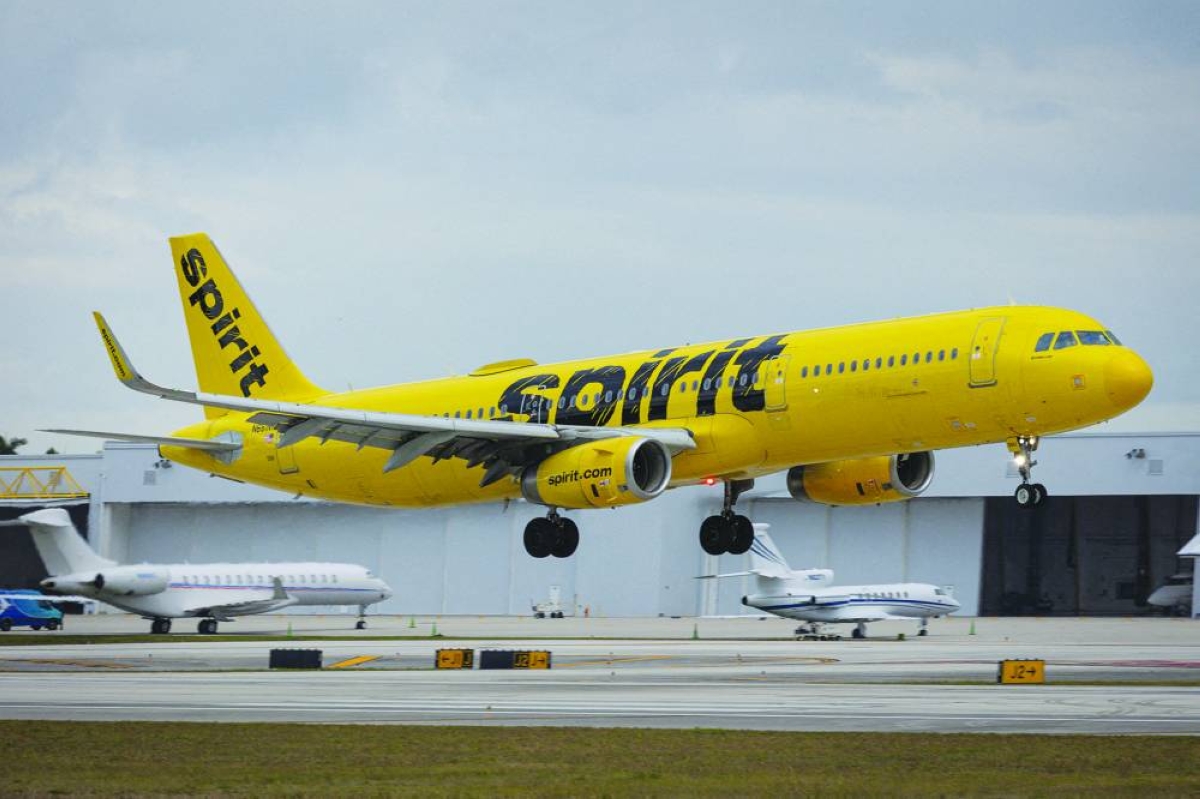
FILE PHOTO: A Spirit Airlines flight arrives at Fort Lauderdale - Hollywood International Airport, in Fort Lauderdale, Florida, U.S., April 23, 2026. REUTERS/Marco Bello/File Photo President Donald Trump said on Friday the White House had ​given Spirit Airlines and its ‌creditors a final proposal to try to rescue the bankrupt ‌airline, even as ⁠the budget ‌carrier makes preparations to shut down if ‌no deal is reached."We're looking at Spirit. If we can help ⁠them, we will, but we have to come first," Trump told reporters. "If we could do it, we'd do it, but only if it's a good deal."Trump added he expected an announcement later on Friday.Two people familiar with the matter confirmed a Wall Street Journal report that Spirit is preparing to cease operations after hitting an impasse in talks ​with some creditors on a $500 million government bailout plan. The White House has reached out to other airlines to discuss how to accommodate people who have Spirit tickets ‌and could be stranded if ⁠the airline stops ​operating. United Airlines said it was preparing to support Spirit customers ​if the rival shuts down. FINANCING FOR EQUITYTrump said last month his administration was looking to buy the embattled carrier at the "right price."Sources later said the administration had proposed $500 million in financing in exchange for warrants equivalent to 90% of Spirit's equity.There had been disagreements inside the Trump administration over whether and how to fund the bailout, the Journal report said, citing people familiar with the matter.Not all Spirit bondholders were on board with the deal, the report added.A rescue hearing ‌scheduled for Thursday did not ‌take place after talks over ⁠the terms of the government bailout continued.A company spokesperson declined to comment ⁠on ongoing discussions, adding, "Spirit is ⁠operating as usual." The carrier's demise would mark the industry's first casualty linked to the Iran war.Spirit's volatile stock was down 25% on Friday.Shares of rival Frontier Airlines rose 10%, while JetBlue Airways gained 7% following the Journal report. Spirit had earlier reached a deal with its lenders that would have helped ​it emerge from its second bankruptcy by late spring or early summer.Those plans were derailed after the war triggered a spike in jet fuel prices, upending Spirit's cost projections and complicating its bankruptcy exit.The carrier built its turnaround plan on jet fuel costs averaging about $2.24 per gallon in 2026 and $2.14 in 2027, according to March disclosures.By the end of April, prices had climbed to around $4.51 a gallon, double the level assumed in its projections.  Related Story

World
India raises cooking gas, jet fuel prices

India raises cooking gas, jet fuel prices

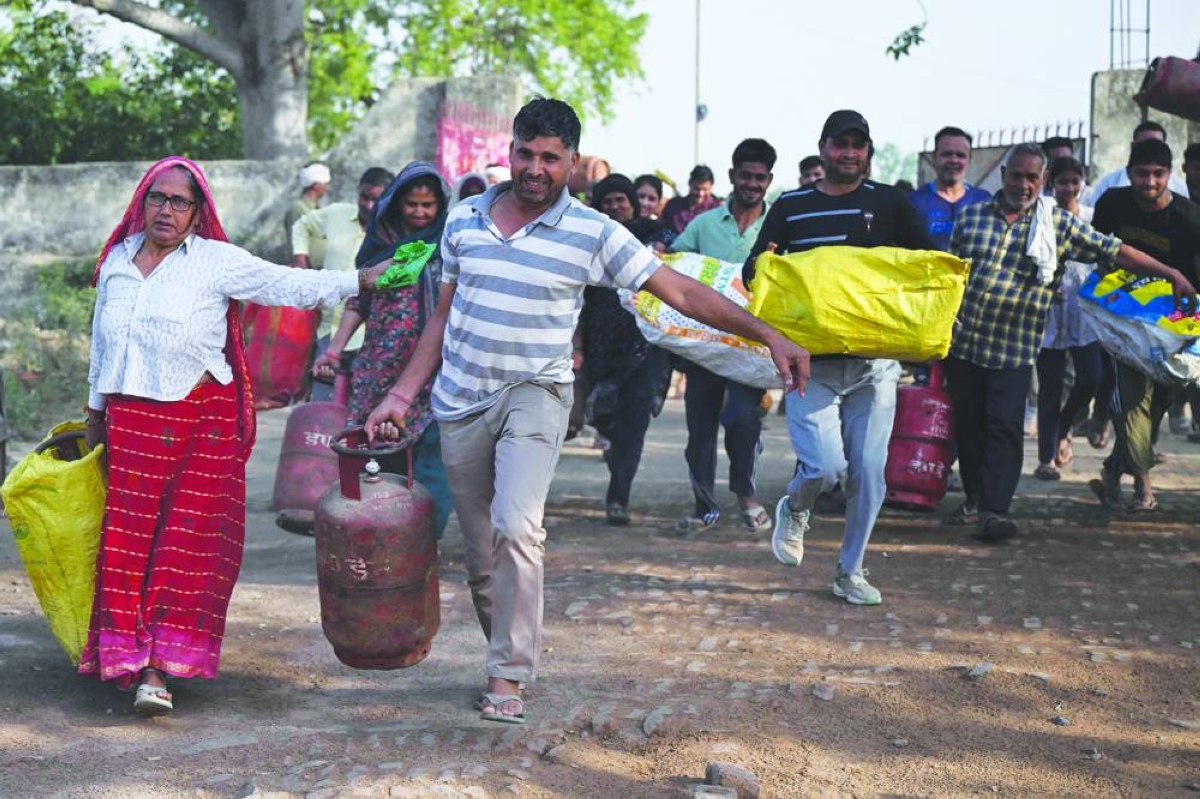
People arriving with empty LPG cylinders for refilling, in a village on the outskirts of Uttar Pradesh's Jewar district. (AFP) India raised yesterday the prices of commercial liquefied petroleum gas and jet fuel for international airlines, according to a state-run energy firm, as supply pressures from the Iran war mount.The South Asian nation is heavily dependent on imported energy, including for roughly 60% of its liquefied petroleum gas (LPG), the fuel used for cooking by a vast section of its population, the largest in the world.As imports have been disrupted since the Middle East war began in late February, New Delhi has moved to ensure households and essential sectors remain adequately supplied, leaving many restaurants, manufacturers and power plants in the lurch.The government has maintained India faces no overall fuel shortage."Prices of bulk and commercial LPG cylinders have been revised," the state-run Indian Oil Corp Limited (IOCL), the country's leading energy marketing company, said.IOCL's price chart shows an increase of 993 rupees ($10.50) in the price of a 19-kilogramme LPG cylinder meant for commercial use.That amounts to a nearly 48-percent rise in the capital New Delhi. Local levies mean rates vary across cities.The sharp hike will hit restaurants particularly hard, with many already scaling back operations during the Middle East war.The oil company said that the price of jet fuel for international airline operations has also "been adjusted upward".Aviation turbine fuel (ATF) has gone up by around five % in Delhi, according to IOCL's catalogue.  Related Story

World
Pakistan remains committed to facilitating US–Iran talks as channels stay open, says Foreign Ministry

Pakistan remains committed to facilitating US–Iran talks as channels stay open, says Foreign Ministry

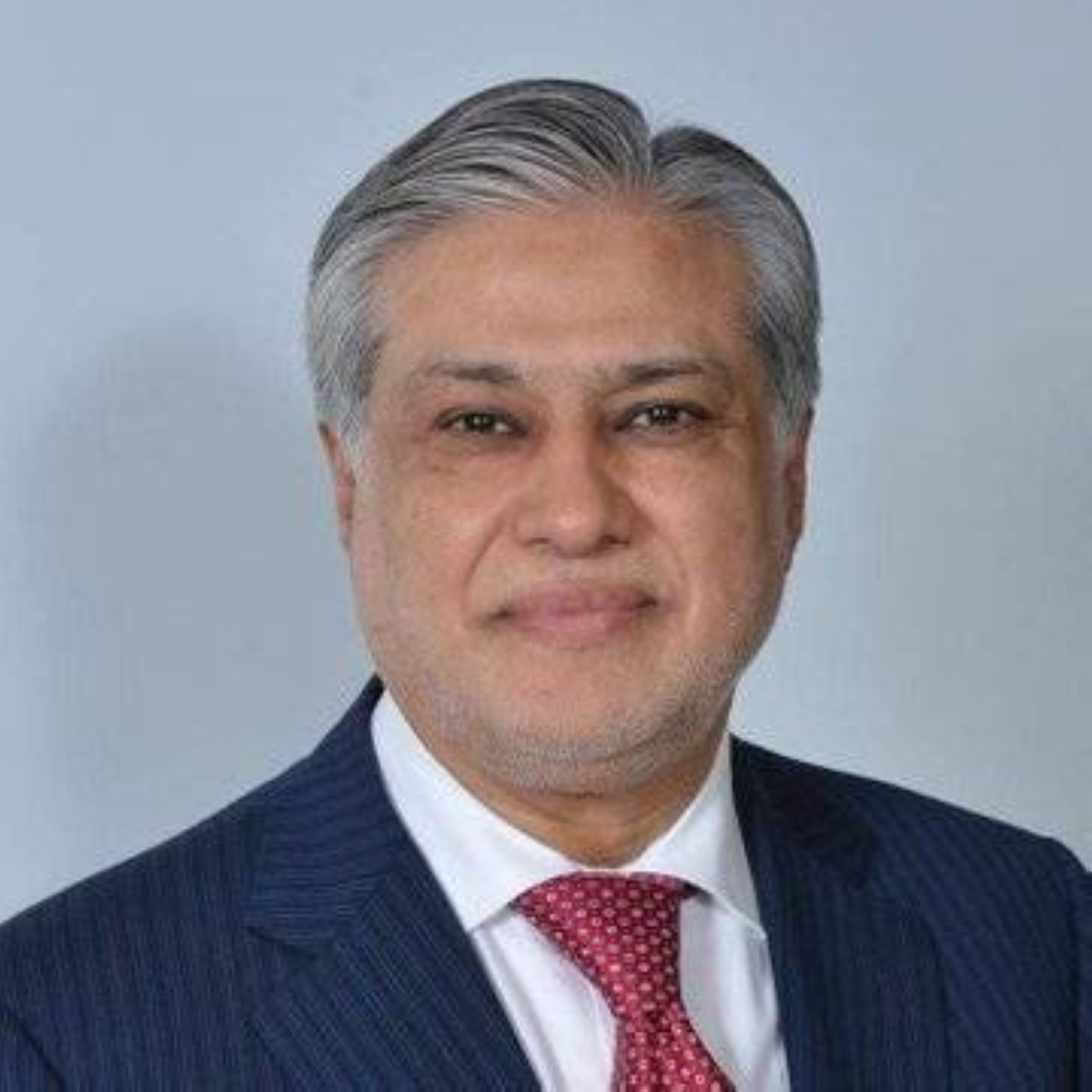
Pakistan’s Ministry of Foreign Affairs spokesperson Tahir Andrabi said the country’s “constructive” diplomatic engagement to support de-escalation between the United States and Iran has continued, with sustained efforts aimed at facilitating a ceasefire.Ongoing contacts maintained with both Washington and Tehran over the past two weeksIslamabad reiterates commitment to regional stability and international peaceEmphasis on dialogue and principled diplomacy to address complex geopolitical challengesHe added that, under the leadership of Prime Minister Muhammad Shehbaz Sharif, Deputy Prime Minister Muhammad Ishaq Dar, and Chief of Army Staff Asim Munir, communication channels with all relevant parties have remained open as part of Pakistan’s mediation approach.

World
24 people hospitalised after chlorine gas leak in west India

24 people hospitalised after chlorine gas leak in west India

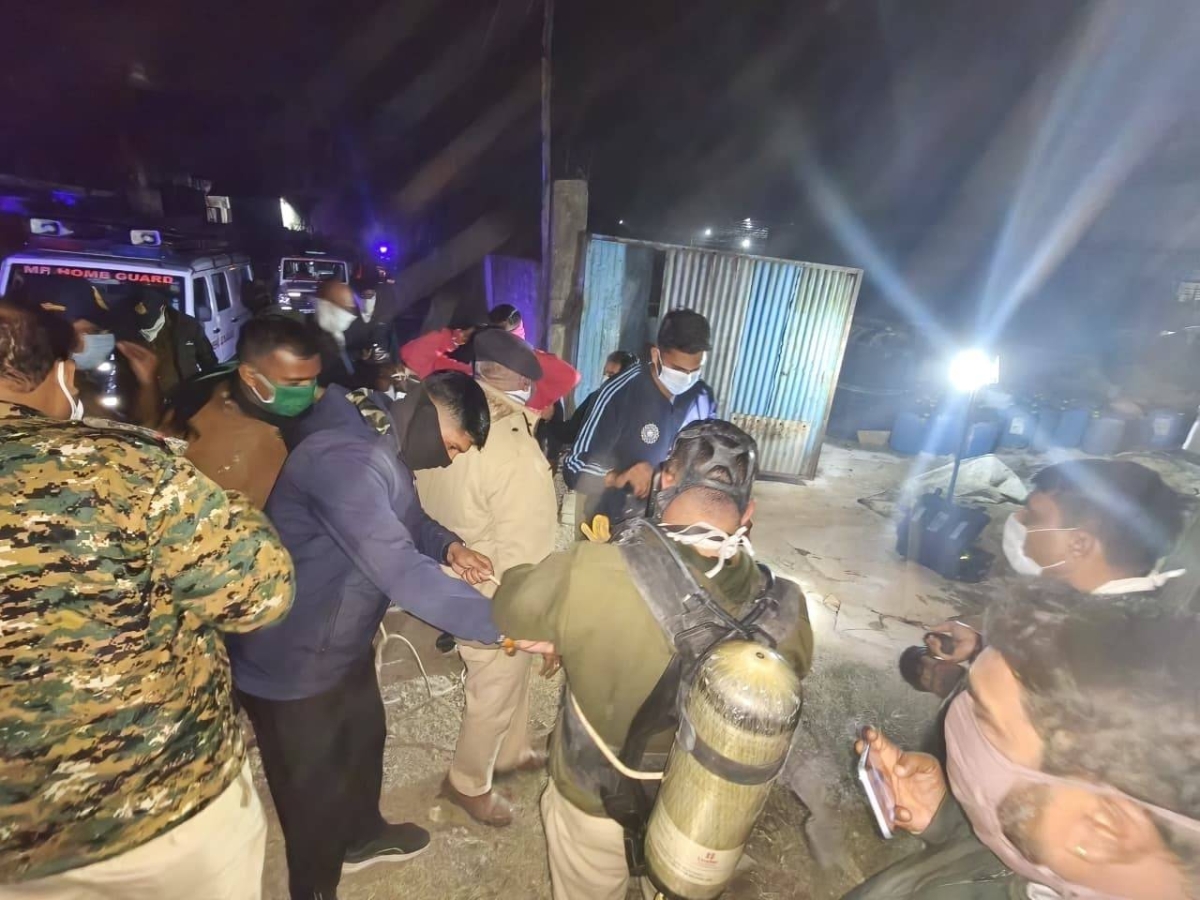
Twenty-four people, including two firefighters, suffering from breathlessness, were taken to the hospital after a chlorine gas leak in the Kondhwa area, western India.Local authorities stated that the leak originated from an abandoned tank containing chlorine at a defunct water purification plant.They added that those affected were taken to the hospital for treatment after inhaling the gas. 

World
Pakistani, British FMs discuss regional developments

Pakistani, British FMs discuss regional developments

Deputy Prime Minister and Minister of Foreign Affairs of Pakistan Mohammad Ishaq Dar discussed in a phone call Thursday with British Foreign Secretary Yvette Cooper the latest regional developments.Both sides emphasized the importance of maintaining constructive engagement to support stability and peace in the region and beyond, Pakistani news agency reported. 

World
7 rescued, 17 bodies recovered off Libya coast

7 rescued, 17 bodies recovered off Libya coast

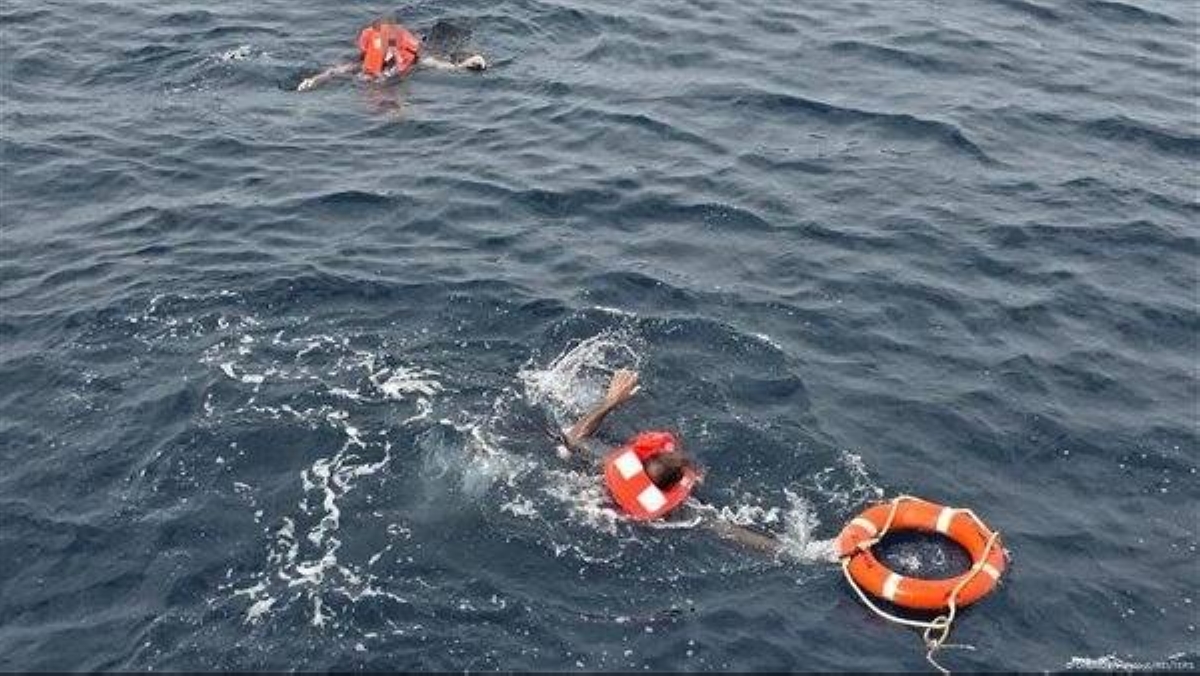
Seven people were rescued and 17 bodies recovered after a boat broke down off Libya's eastern coast and was stranded at sea for eight days, the Libyan Red Crescent said.In a statement, the organization said the operation was carried out in coordination with naval units and the Coast Guard in the city of Tobruk.The statement added that necessary legal procedures are underway, including the transfer of the bodies in coordination with local authorities and criminal investigation departments. It also noted that humanitarian assistance and medical care are being provided to survivors in cooperation with international organizations.Libya remains a major transit hub for irregular migrants due to its proximity to Europe and its long Mediterranean coastline. 

World
Uganda kindergarten murderer sentenced to death

Uganda kindergarten murderer sentenced to death

This picture taken last month shows Christopher Okello Onyum escorted by Uganda Prison guards during his trial at the Ggaba Community Church Grounds in Kampala. AFP A Ugandan court has sentenced a man to death for killing four young children this month at a nursery school, in an attack that sparked public outrage and concern for pupils' safety in the East African country.The judge said an investigation of Christopher Okello Onyum's phone and laptop had found searches including "schools near me" and "ISIS beheading", a reference to the Islamic State group.However, it was not clear if there was any political or religious motivation for the attack.In the attack, which took place on April 2 at a nursery school in the capital Kampala, 39-year-old Onyum stabbed his four victims – toddlers aged two and three years old – before a guard subdued him, police said.Angry parents tried to lynch him before he was detained.Prosecutors said Onyum, who holds Ugandan and US citizenship, confessed to the crime, believing the "human sacrifice" would help him become rich, although he eventually pleaded not guilty in court.The court earlier heard chilling testimony, including from a staff member at the Ggaba Early Childhood Development Centre."At first I thought he was beating a child. When I asked him why he was beating our children, before he responded I saw Kaisha (one of the victims) against a wall in the pool of blood," she told the court at the start of the trial."He got up and he had a knife in his hand. He was so quick that he immediately grabbed another child."I got one of the bicycles the children used. I threw it at him."When I threw the bicycle at him he left the child and started running after me. I ran but I later fell down. When I got up I found out he had cut the second child."The victims' parents also gave evidence, describing their last morning with their children before taking them to kindergarten, the phone call informing them of the attack and the discovery of the bodies at the hospital.One of Onyum’s lawyers had argued that he should be acquitted because he had long been mentally unstable and had been committed to a psychiatric hospital."I have no doubt in my mind that the search for 'ISIS beheading' prepared the accused person to launch this fatal attack," Judge Alice Komuhangi Khaukha said while delivering the sentence.She rejected his lawyer's assertion that Onyum was insane, saying that his attack, which took less than seven minutes, had been carefully planned.Onyum was seen laughing in the dock during his trial, which his lawyer said showed he was mentally ill.Although Uganda still hands down the death penalty for serious offences such as murder, the last execution was carried out roughly two decades ago.  Related Story

World
QF students reflect on Education City’s resilience, support, continuity

QF students reflect on Education City’s resilience, support, continuity

When regional tensions escalated, students across Qatar Foundation’s (QF) Education City found themselves navigating uncertainty, disruption, and concern. For many students, the greatest difficulty came in the early days, when the future felt unclear and routines suddenly shifted. During this intense period, QF ensured to safeguard its community through clear communication and swift co-ordination, while ensuring academic continuity during a challenging period. Usama Aliyu, a PhD candidate in Genomics and Precision Medicine at QF’s Hamad Bin Khalifa University (HBKU), described the initial moments as “deeply unsettling”. He said: “The biggest challenge was the initial panic and not knowing what might happen next and how it could affect our academic life and safety.” Beyond personal concerns, Aliyu also carried responsibilities as a student leader, acting as a link between students and administrators. “I was supporting others, answering questions, and providing reassurance, often without having complete information myself. Being the bridge between students and management during such a tense period required composure, clarity, and emotional resilience.” With families of students watching events unfold from afar, Aliyu feels that studying abroad during a time of regional tension carries additional emotional responsibility. “My main concern was reassuring my family that we were safe, despite what they were seeing on international news. Balancing their concerns while staying focused on my studies required emotional strength, but the strong support system at QF made that much easier.” For Kareem Fanous, a final-year medical student at Weill Cornell Medicine–Qatar, QF partner university, the uncertainty came at a particularly critical moment. “Being so close to graduation, there was constant concern about how the situation would evolve and impact the remainder of the semester,” he said. Fanous explains that logistical changes compounded these concerns. “Rapid transitions to online learning and multiple evacuations from student housing highlighted how unpredictable the situation was.” Despite these challenges, Fanous emphasised that Qatar Foundation’s response played a significant role in reducing anxiety and maintaining order, describing clear and frequent communication as “a recurring theme across student experiences”. Ameer Shamyl Ahmed, a Pakistani student completing his Master’s degree in Islam and Global Affairs at HBKU’s College of Islamic Studies this year, shared that the support he received went far beyond operational measures. Having lived in Qatar for two years, he noted that Student Housing at Education City demonstrated exceptional flexibility and care throughout the period. He also emphasised the value of community building efforts. “Initiatives such as creating gaming areas and organising small gatherings, including group Suhour and Iftar during Ramadan, offered moments of comfort and normalcy during a challenging time.” A similar sense of disruption was felt by Aya Abdelhamid, an Information Systems student at Carnegie Mellon University in Qatar and a Class of 2026 graduate. Born and raised in Qatar, Abdelhamid had spent most of her life immersed in a vibrant campus and social environment. Abdelhamid echoed QF’s consistent presence throughout the transition. “What I really appreciated was how responsive QF was,” she said. “It never felt like we were left to figure things out on our own.” “Even beyond academics, just knowing there were support systems in place made a big difference during such an uncertain time,” she added.  Related Story

World
Italy recovers looted antiquities from US

Italy recovers looted antiquities from US

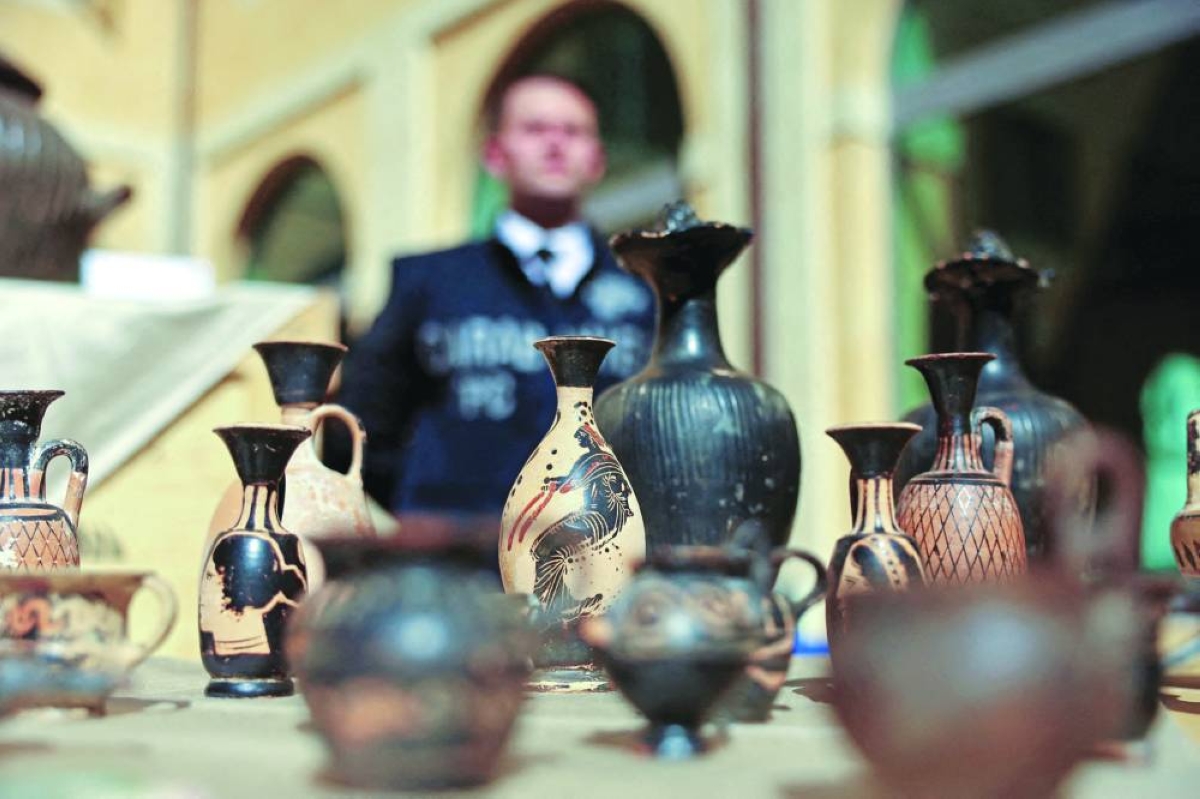
Artefacts recovered from the US following a repatriation operation are displayed during a presentation at the Carabinieri Command for the Protection of Cultural Heritage, in Rome, Wednesday. (Reuters) The US has handed back 337 antiquities looted from Italy in one of the largest recent ​returns of stolen cultural ‌property, officials said Wednesday, highlighting deepened co-operation between Rome ‌and Washington. The artefacts, ranging from ancient ‌Roman sculptures to Greek, Etruscan and Egyptian ‌pieces, were presented at the headquarters of Italy’s Carabinieri cultural protection unit following an array of investigations, many centred on New York. Italy has spent decades trying to curb a rampant trade in illicitly excavated antiquities, securing the repatriation of thousands of artefacts worth tens of millions of euros. The campaign has gained momentum in recent years, aided by online databases, advances in technology and closer co-operation with US authorities, particularly the Manhattan ​district attorney’s office, which found 221 objects of this latest haul. “There’s no country in the world that has history and culture like Italy, and the US ‌will always do whatever it takes to help bring ​these wonderful artefacts back to your very special country,” the ​US ambassador to Italy Tilman J. Fertitta told reporters. Among the most significant items unveiled Wednesday were a marble head of Alexander the Great dating to the first century AD, which was stolen from a Rome museum in 1960. Also recovered were a bronze sculpture looted from the Roman town of Herculaneum, two Egyptian basalt statues, Roman coins, jewellery, ceramics and architectural fragments spanning from the fifth century BC to the third century AD. Italian authorities said many of the objects were ‌taken from clandestine excavations or ‌stolen from cultural institutions before being funnelled into the international art market. “Protecting cultural heritage means defending memory, strengthening identity and passing on to future generations the value of culture as a universal public good,” said Italian Culture Minister Alessandro Giuli. Italy and the US last year renewed a memorandum of understanding tightening US import restrictions on Italian archaeological material, strengthening customs controls and expanding information-sharing. The US is one of the main markets for ​global antiquities, with an array of auction houses, private collectors and museums interested in acquiring rare artefacts. “Sometimes they do not pay enough attention as to why these antiques are up for sale. That can be a very costly mistake,” said an official from the Culture Ministry, who was not authorised to talk to the press. “We know what is missing and are getting much better at finding it,” she added, predicting more returns in the ‌future. The recovered objects will ​now be studied and, where possible, returned to their places of origin across Italy.  Related Story

World
US Supreme Court leans towards Trump’s move targeting immigrants

US Supreme Court leans towards Trump’s move targeting immigrants

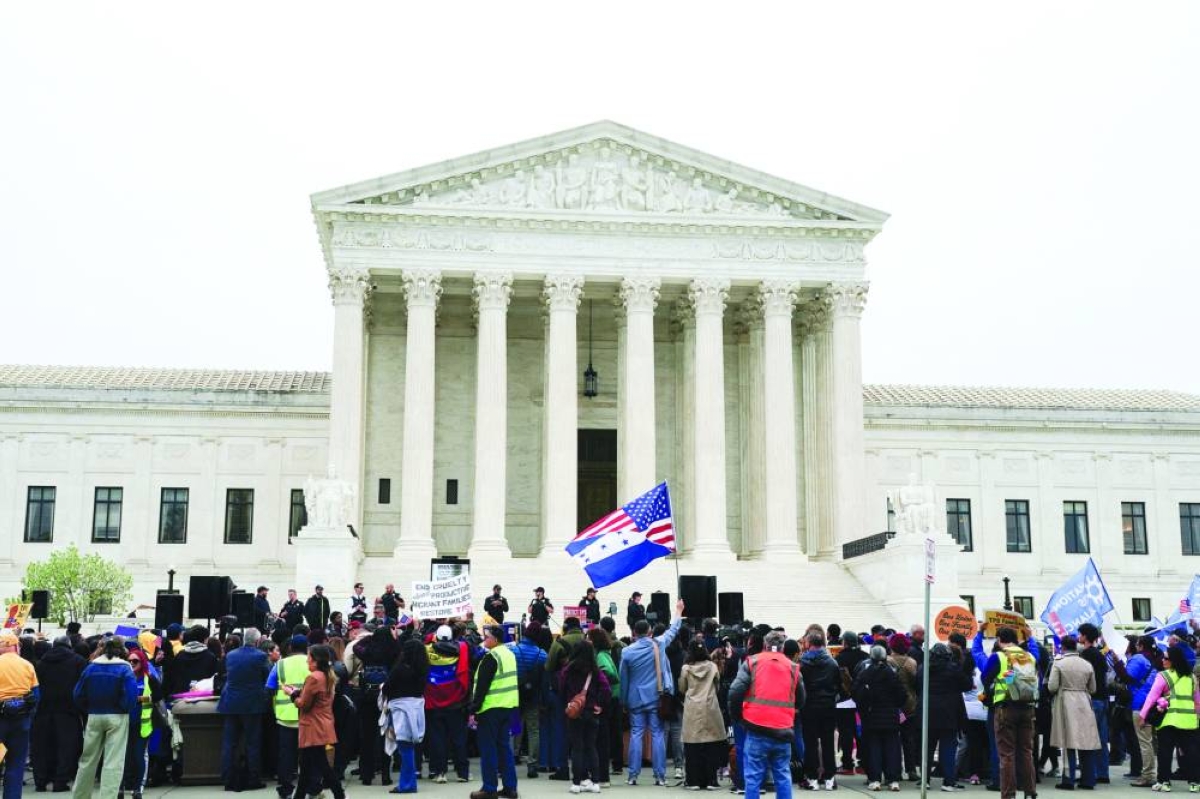
The US Supreme Court appeared sympathetic Wednesday towards moves by President Donald Trump’s administration to strip humanitarian protections from hundreds of thousands of Haitian and Syrian immigrants, part of his signature immigration crackdown. The justices heard arguments in the administration’s appeal of rulings by federal judges in New ‌York and Washington, DC, halting its actions to terminate Temporary Protected Status, or TPS, previously provided by the US government to more than 350,000 people from Haiti and 6,100 ​from Syria. The legal dispute presents a test of Trump’s executive power and the Supreme Court’s traditional deference to presidents ‌on matters of immigration, national security and foreign policy. The court last year let the administration ‌end TPS for hundreds of thousands of Venezuelans. US Solicitor General D John Sauer, ‌arguing for the Trump administration, said the lawsuits challenging the TPS revocation are meritless and barred by federal law. The lawsuits before the Supreme Court “challenge the very kind of foreign policy-laden judgments that are traditionally entrusted to the political branches,” Sauer said. Revoking TPS and other humanitarian protections is part of Trump’s broader rollback of legal and illegal immigration since he returned to office in January 2025. In defending its actions on TPS, the administration has said such protections were always meant to be temporary. The United States first provided these protections to Haitians after a major earthquake in 2010 and to Syrians after their country descended into civil war in 2012. Under US law, TPS is a designation that allows migrants from countries stricken by war, natural disaster or other catastrophes to live and work in the United States while it is unsafe for them to return to their home countries. Ahilan Arulanantham, the lawyer representing the Syrian immigrants, said the administration’s position “contravenes the text, bedrock administrative law and common sense,” adding that “the government reads the statute like a blank check.” The administration has said it followed proper procedures, and has made the broader ​argument that courts cannot second-guess its TPS decisions in the first place, an assertion that if accepted by the court could doom challenges going forward. The law governing TPS “bars judicial review of both the (Department of Homeland Security) secretary’s ultimate decision, whether to designate, extend or terminate and of each antecedent step along the way to that determination,” Sauer told the justices. “That provision means what it says,” Sauer said, adding that “attempts to carve out exceptions ‌to the review bar would eviscerate it.” The Trump administration has drawn parallels between the revocation of TPS and Trump’s travel ban targeting several Muslim-majority countries during his first term, which the Supreme Court declined to block in a 2018 decision known as Trump v. Hawaii. Justice Sonia Sotomayor, one of the three liberal justices, said the administration’s position is at odds with the relevant federal statute and the US Constitution. “Congress could have said any termination of TPS status is unreviewable, but it didn’t,” Sotomayor said. The relevant statute may not allow a challenge to the “substantive conclusions” of whether TPS should be terminated, but it does seem to allow challenges to the procedural steps undertaken to get there, Sotomayor said. “What you are basically saying is Congress wrote a statute for no purpose,” Sotomayor said. Federal law, Sotomayor said, clearly “set forth procedural steps that had to be followed.” TPS recipients, until the termination, “are here lawfully with permission,” Sotomayor added. “They are entitled to due process, and now Congress has given them a process — it may not be a court process, but that’s okay, it’s a process — and you are saying it is ‌unreviewable whether the president has followed that process.” The Supreme Court has granted ‌the Republican president’s requests to immediately implement various hardline immigration policies while legal challenges continue to play out in courts. For instance, it let Trump deport immigrants to countries where they have no ties and let federal agents target people for deportation based in part on their race or language. The legal dispute could have wide implications, affecting 1.3 million immigrants from all 17 countries currently designated for TPS, according to the plaintiffs. Trump’s administration has sought to rescind the protections for 13 of those countries so far. Conservative Justice Brett Kavanaugh asked Sauer why Congress would have wanted to prohibit judicial review of TPS determinations. Sauer responded that revoking a TPS determination is “the sort of foreign policy-freighted decision that lies at the heartland” of the executive branch’s competence. “Those sort of determinations being second-guessed at the district courts - it’s almost like these district court judges (are) appointing themselves junior varsity secretaries of state,” Sauer said. Lower courts ruled against the TPS terminations, finding that administration officials failed to follow mandatory protocols to assess conditions in a country before ​revoking its designation. The Trump administration has argued that courts should not be second-guessing whether government agencies engaged in sufficient consultant with each other before terminating TPS. Conservative Justice Samuel Alito seemed to endorse that argument, saying “it is always going to be possible to raise procedural objections to what’s been done.” When TPS for Syrians was terminated, “there was some consultation,” Alito said. “It was very brief, and maybe it was not what one would hope for, but still.” At issue are actions taken last year by Kristi Noem, Trump’s former Department of Homeland Security secretary, to revoke the TPS designations for Syria and Haiti, stating that providing this status to them was contrary to US national interests.  Related Story