1. Home
  2. World

Category: World

World
Indonesia begins social media ban for under-16s

Indonesia begins social media ban for under-16s

Children play online games against each other on smartphones and tablets along an alley in Jakarta on Thursday. (AFP)  Indonesia began enforcing a social media ban for children under the age of 16 yesterday, after a minister warned digital platforms there was “no room for compromise”. The southeast Asian nation announced the ban this month citing threats from online pornography, cyberbullying and internet addiction, as concerns grow globally over the impact of social media on children’s wellbeing. Communications minister Meutya Hafid said at a press conference late Friday that digital platforms X and Bigo Live have fully complied with the new rules and adjusted their minimum user age in line with the regulation.Other digital platforms operating in the country should “immediately align their products, features and services with applicable regulations,” Meutya said. “We reiterate that there is no room for compromise regarding compliance, and that every business entity operating in Indonesia is required to adhere to the laws in force within the country.” TikTok said in a statement late Friday that it was committed to complying with the regulation including “taking appropriate measures related to under-16 accounts” in close consultation with the ministry. Indonesia’s ban follows a similar policy in Australia implemented in December — signs that the global reckoning over social media’s potential harms to children is gathering steam. A Los Angeles jury on Wednesday found Meta and YouTube liable for harming a young woman through the “addictive design” of their platforms, ordering the companies to pay $6mn in damages. Britain’s upper house of parliament voted this week in favour of banning children from social media, adding pressure on the government to follow suit. 

World
India opens second international airport in capital

India opens second international airport in capital

Prime Minister Narendra Modi (front) riding an escalator after the inauguration of the Noida International Airport in Jewar, Uttar Pradesh state, yesterday. (AFP)  India opened a second international airport in the capital New Delhi yesterday, as part of the country’s rapid push to expand its air industry. The Noida International Airport is 75km (45 miles) from the city, and will serve 12mn passengers a year in its initial phase, with the potential to grow to as many as 70mn. It will also handle cargo, with the capacity to increase operations over time. India’s rapidly growing economy, and its 1.4bn people, has opened the door for the country to become the world’s fourth-largest air market, including domestic and international travel. Prime Minister Narendra Modi inaugurated the airport, a greenfield project in Jewar in Uttar Pradesh, the country’s most populous state with estimated 243mn people. Modi said he hoped the airport would become a gateway to the wider Delhi region, and once fully operational, a flight would take off every two minutes. “The airport would boost economic activity in western Uttar Pradesh, creating opportunities for farmers, small businesses and young people,” he said. It will complement the existing Indira Gandhi International Airport, 15km (9 miles) from the centre. “Together, the two airports will function as an integrated aviation system, easing congestion, expanding passenger capacity, and positioning Delhi NCR (National Capital Region), among leading global aviation hubs,”Modi’s office said. The development of the air industry sector has been a priority for Modi since he came to power in 2014, and launched a drive to boost air links between small towns and megacities. The number of airports has more than doubled in the past decade — from 74 in 2014 to 157 in 2024, according to aviation ministry figures. 

World
Fuel-thirsty Asian countries line up for Russian oil

Fuel-thirsty Asian countries line up for Russian oil

The Sierra Leone-flagged Sara Sky, which is carrying crude oil from Russia, is seen anchored at Limay port, Bataan province on Thursday. (AFP) Asian countries including Vietnam, Thailand, the Philippines, Indonesia ​and Sri Lanka ‌are lining up to buy Russian oil as the ‌Iran war blocks supplies, raising ‌the possibility that demand may ‌exceed supply, several sources including Russia said. Since the war in Ukraine prompted European customers — once the biggest buyers of Russian oil and gas — to shun Moscow, India and China have accounted for around 80% of Russian oil exports. Turkey has also been a significant buyer. But in recent weeks, a host of Asian countries have been lining up, according to various sources ​including media and Russia. “Demand is high, particularly for alternative destinations. As a result, a point may come when it becomes difficult to meet additional demand,” ‌Kremlin spokesman Dmitry Peskov said in response to ​a question about Russian oil demand. A fifth of ​global oil production has effectively been blocked from reaching the market due to the US-Israeli war on Iran which has halted traffic through the Strait of Hormuz. Russia has benefited from high oil prices and a 30-day sanctions waiver from the US for purchases of Russian oil at sea. Oil revenues and natural gas sales generate around a quarter of the country’s state funds. Russia’s ability to boost oil exports ‌is, however, constrained, in part ‌by Ukrainian drone attacks which have effectively shut down at least 40% of the country’s oil-exporting capacity. The Philippines has purchased two of Russia’s far-eastern ESPO Blend cargoes of some 1.5mn barrels, resuming its Russian oil purchases for the first time in five years, according to LSEG data. The Sara Sky and Tiger Wings tankers shipped oil to the country’s Limay port, ​where the terminal for the Bataan refinery is located. Thailand has also held discussions with Russia on potential crude purchases, according to its Deputy Premier Phiphat Ratchakitprakarn.Several Sri Lankan media outlets reported on talks about Russian oil supplies to Sri Lanka too. Vietnam’s Prime Minister Pham Minh Chinh visited Moscow this week, asking Russian oil and gas firm Zarubezhneft to boost its investment in Vietnam and to ‌supply crude ​oil to the Southeast Asian country on a long-term basis. 

World
Pakistan to host quadrilateral meeting with Saudi Arabia, Turkiye and Egypt on De-escalation

Pakistan to host quadrilateral meeting with Saudi Arabia, Turkiye and Egypt on De-escalation

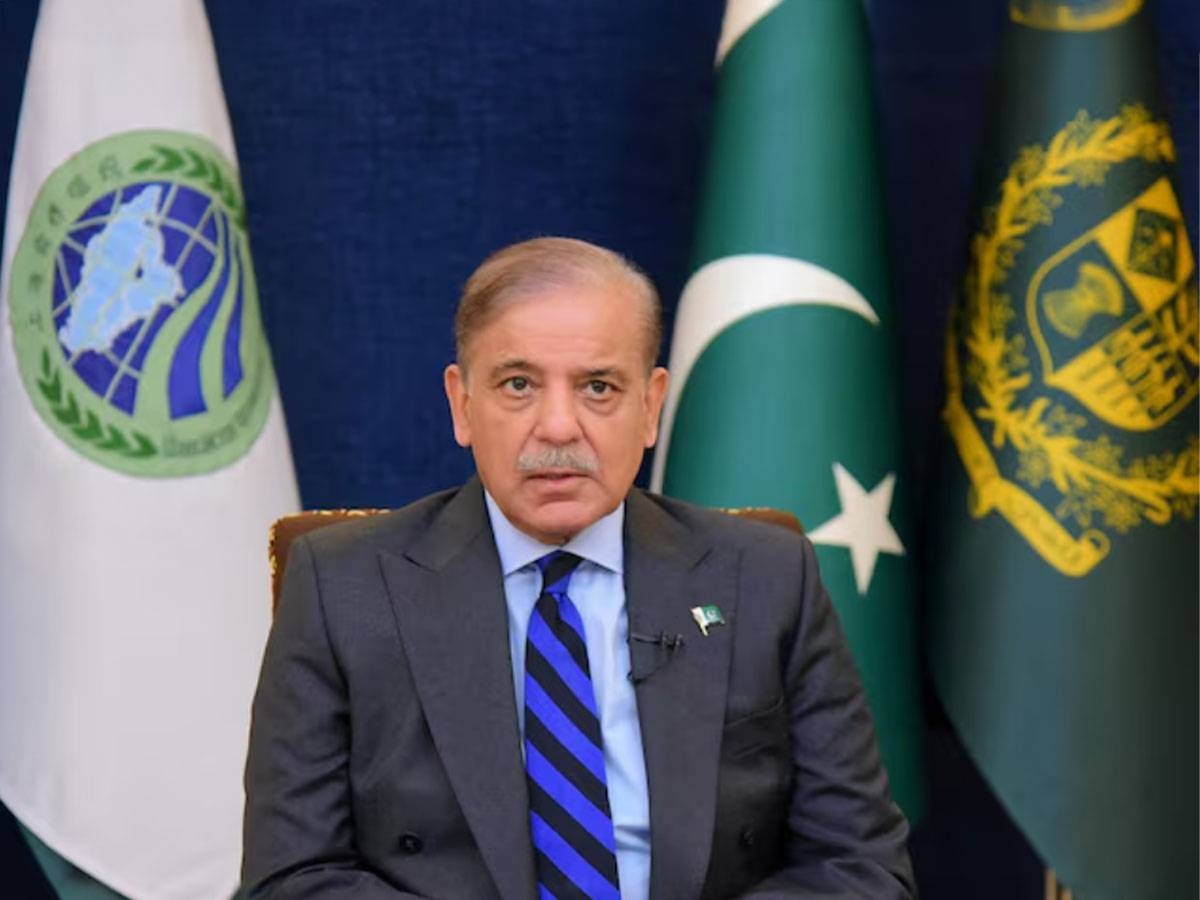
Pakistan will host a quadrilateral meeting of the foreign ministers of Saudi Arabia, Turkiye and Egypt on March 29-30 to discuss regional developments and efforts to de-escalate tensions.In a statement on Saturday, Pakistan's Ministry of Foreign Affairs said the meeting aims to hold in-depth discussions on a range of regional and international issues, including efforts to reduce tensions in the region.The statement added that the talks will provide an opportunity to strengthen cooperation and coordination across areas of mutual interest, in a manner that supports the strategic, economic and political interests of the participating countries. 

World
Washington, Tehran could hold talks this week, US Middle-East Envoy says

Washington, Tehran could hold talks this week, US Middle-East Envoy says

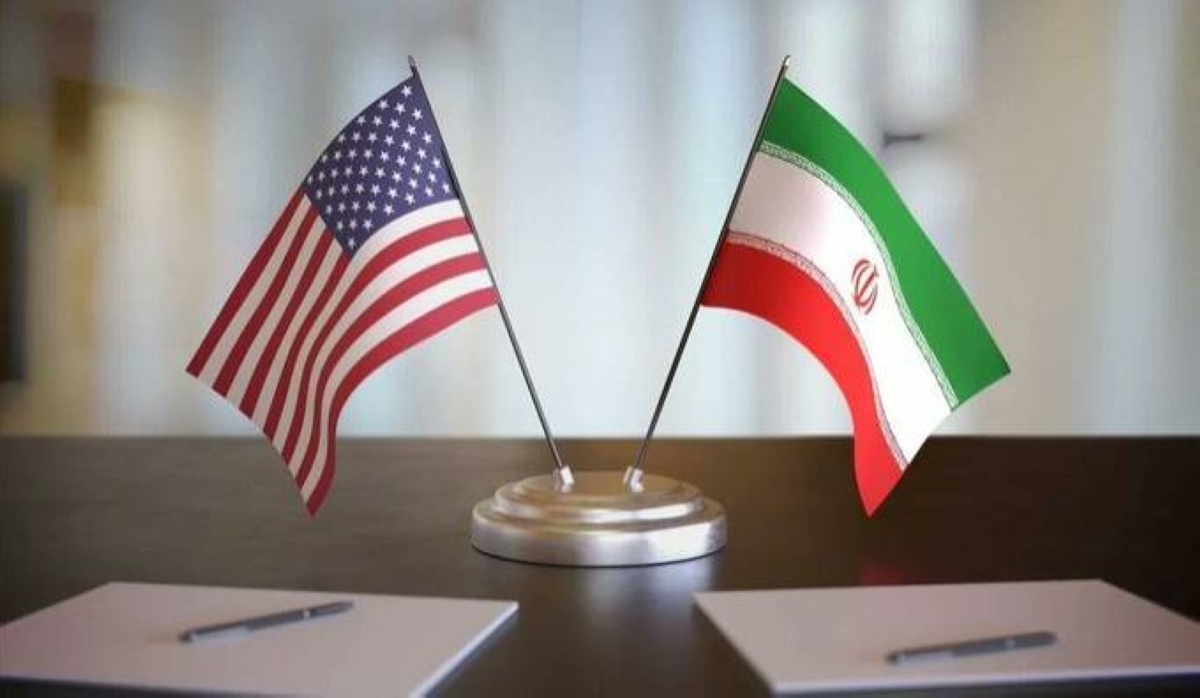
US Special Envoy to the Middle East Steve Witkoff said today that the US and Iran could hold talks this week.Witkoff did not provide further details on the potential meeting, but confirmed that Iran had received its 15-point plan, and that Washington was still awaiting Tehran's response. He also noted that, under any peace plan, Iran would have to hand over its enriched Uranium.It is worth noting that Turkiye, Pakistan, and Egypt have announced their participation in joint mediation efforts between Washington and Tehran to halt the ongoing escalation in the Middle East. 

World
IAEA calls for avoiding nuclear accident risks from escalation in the Middle-East

IAEA calls for avoiding nuclear accident risks from escalation in the Middle-East

The International Atomic Energy Agency (IAEA), affiliated with the United Nations, renewed its call today for all parties to exercise restraint and avoid any nuclear accident risks arising from escalation in the Middle East.IAEA's official X account said that Director General Rafael Grossi called for exercising restraint to prevent any risk of a nuclear incident in the region, noting that no increase in radiation levels has been recorded outside the Shahid Rezaei-Nejad facility for raw uranium production in Iran.Earlier this week, the Israeli occupation targeted one of Iran’s largest steel plants, a power station, civilian nuclear sites, and other infrastructure. 

World
UN announces Special Task Force for Strait of Hormuz

UN announces Special Task Force for Strait of Hormuz

 UN Secretary-General Antonio Guterres announced yesterday the formation of a special task force focused on developing and proposing technical mechanisms designed to address humanitarian needs related to the Strait of Hormuz and facilitate trade in fertilisers and related raw materials. During a press conference, UN Spokesperson Stephane Dujarric explained that the formation of this task force comes amid the ongoing conflict in the Middle East and serious concerns that disruptions to maritime trade through the Strait of Hormuz could have severe repercussions for humanitarian needs and agricultural production globally. He emphasised that, given the evolving conflict in the Middle East and the risks of escalation, any disruptions to maritime trade through the Strait of Hormuz threaten to have cascading consequences affecting humanitarian needs and agricultural production in the coming months. He stressed Guterres’ commitment to doing everything possible to reach a comprehensive and lasting settlement to this conflict, adding that “immediate action is essential to mitigate these consequences.” 

World
UNICEF says 370,000 children displaced in Lebanon

UNICEF says 370,000 children displaced in Lebanon

More than ​370,000 children ‌have been forced ​from ​their homes in ⁠Lebanon ​amid Israel's ​offensive against Hezbollah, with ​at ​least 121 children ‌killed ⁠and 399 injured, UNICEF's ​representative ​in ⁠Lebanon, Marcoluigi ​Corsi, ​said ⁠on Friday. He further noted that displaced people in Lebanon are finding no safe shelter, even in the capital, Beirut, amid the ongoing Israeli offensive. 

World
Chiefs of Staff of 35 countries discuss resuming navigation at Strait of Hormuz, France says

Chiefs of Staff of 35 countries discuss resuming navigation at Strait of Hormuz, France says

France's Ministry of the Armed Forces announced today that the chiefs of staff of the armed forces from 35 countries met virtually to form a coalition aimed at resuming navigation in the Strait of Hormuz after the cessation of hostilities.In a statement, the ministry said that the meeting, organized by the French Chief of Staff via video conference, allowed participating countries to register their positions regarding joining a coordinated initiative to enhance maritime security in this strategic area. The ministry did not disclose the countries that took part in the meeting. The statement added that the initiative was not related to ongoing military operations in the region and has a purely defensive nature, reiterating that several countries expressed willingness to help secure the strait but do not wish to be involved in attacks. It is worth noting that France, the United Kingdom, Germany, Italy, Japan, and the Netherlands had announced last week that they could contribute to efforts to ensure the safe passage through the Strait of Hormuz. 

World
Japan to boost coal-fired power as Mideast war causes energy turmoil

Japan to boost coal-fired power as Mideast war causes energy turmoil

Isogo Thermal Power Station, a coal-fired power plant operated by the Electric Power Development Co, Ltd, is seen in Yokohama, Kanagawa Prefecture, yesterday. (AFP) Japan's government plans to temporarily lift restrictions on coal-fired power plants as it seeks to ease an energy crunch caused by the Middle East war, officials said on Friday.Officials presented the plan at a meeting of a panel of experts, who approved the proposal, the industry ministry said on its website."Given the current situation in the Middle East affecting fuel prices, we believe that uncertainty regarding future LNG procurement is increasing," an industry ministry official said at the meeting, which was broadcast online."We think it will be necessary, by increasing the operation of coal-fired power plants, to... ensure the reliability of stable supply," he said.Power suppliers have previously been required to keep the operating rate of coal-fired thermal power stations that emit large amounts of carbon dioxide at or below 50 %.But the government now intends to allow the full operation of older, less efficient coal-fired plants, for a year from the new fiscal year starting April, according to the plan presented at the meeting.Japan relies on thermal power plants to generate around 70% of its electricity needs, with coal constituting 30% of their fuel.Liquefied natural gas (LNG) accounts for another 30%, and oil comprises seven %.The emergency measure to boost reliance on coal is estimated to "result in an LNG savings effect of approximately 500,000 tonnes", the official added.But Yoko Mulholland of climate think-tank E3G told AFP that the plans to lift coal power restrictions "deepen the risk that Japan will not meet its goal of phasing out inefficient coal plants by 2030".Not only threatening climate health, the move can also "lock Japan into a vicious cycle of fossil-fuel dependence" and delay progress toward Prime Minister Sanae Takaichi's stated goal of 100% domestic energy self-sufficiency, she said."This crisis has laid bare the risks of relying on imported fossil fuels, and now is the time for Japan to shift course to fully embrace renewable energy as a strategic national asset."Since the Middle East war prompted Iran to partially close the crucial Strait of Hormuz trade route and target energy facilities in the Gulf, many Asian nations have pivoted towards coal to power their economies.South Korea plans to lift a cap on coal-powered generation capacity while also increasing nuclear plant operations.The Philippines also intended to boost the output of its coal-fired power plants to keep electricity costs down as the war wreaks havoc with gas shipments.Japan is the fifth-biggest importer of oil with more than 90 % of it coming from the Middle East.Around 10% of its LNG imports are also from the region.Tokyo purchases nearly 80% of its coal imports from Australia and Indonesia, according to the Agency for Natural Resources and Energy.Japan on Thursday said it had also started to release another part of its strategic oil reserves, as it faced supply challenges to its oil imports.