
Simple solution
-
admin
- May 22, 2026
- 4
Simple solution

 admin
admin
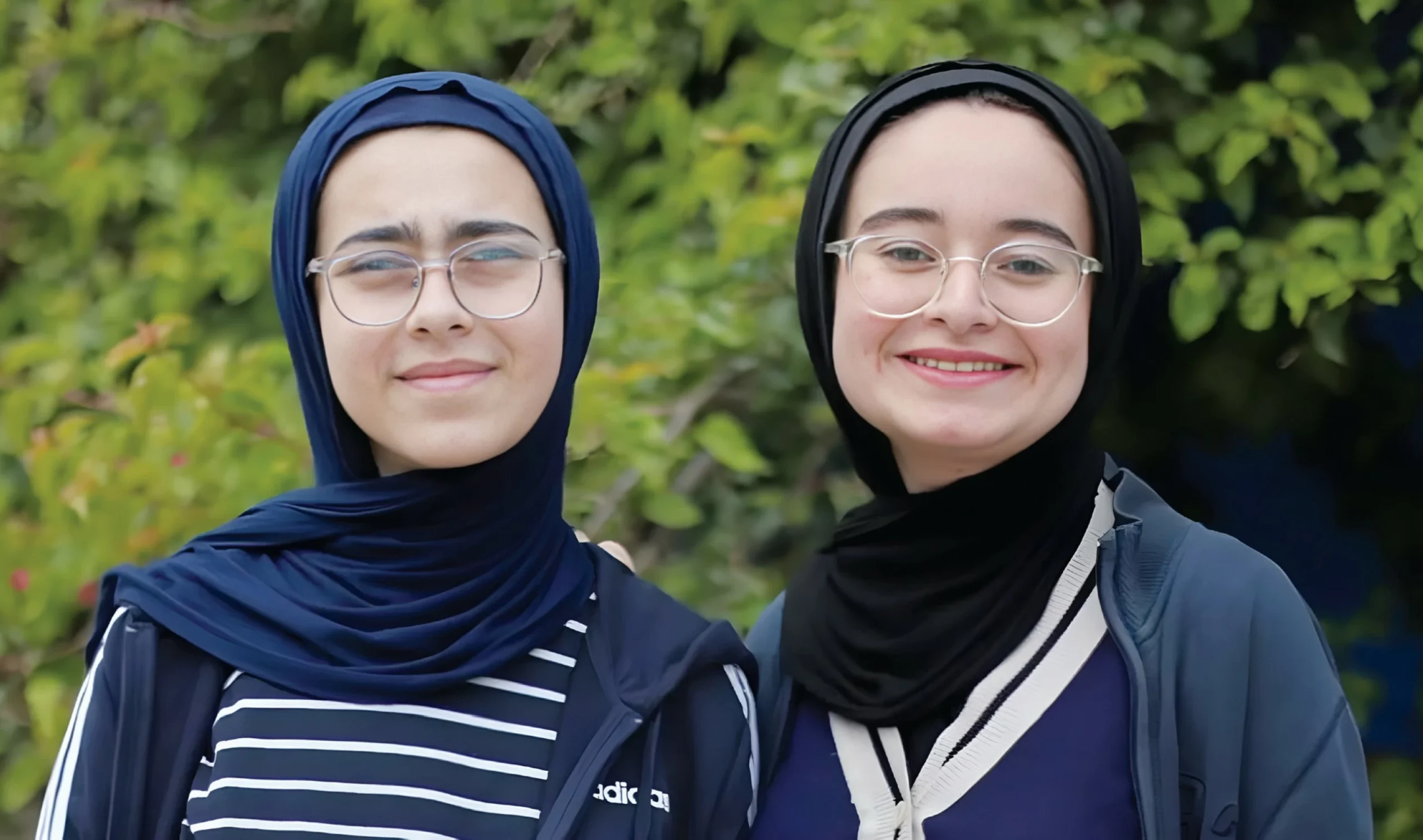
Teenage sisters from heavily bombed Gaza have won the United Nations regional Champions of the Earth Prize for turning rubble into eco-friendly bricks and have entered the competition for the global award. The first-ever Palestinian
 admin
admin
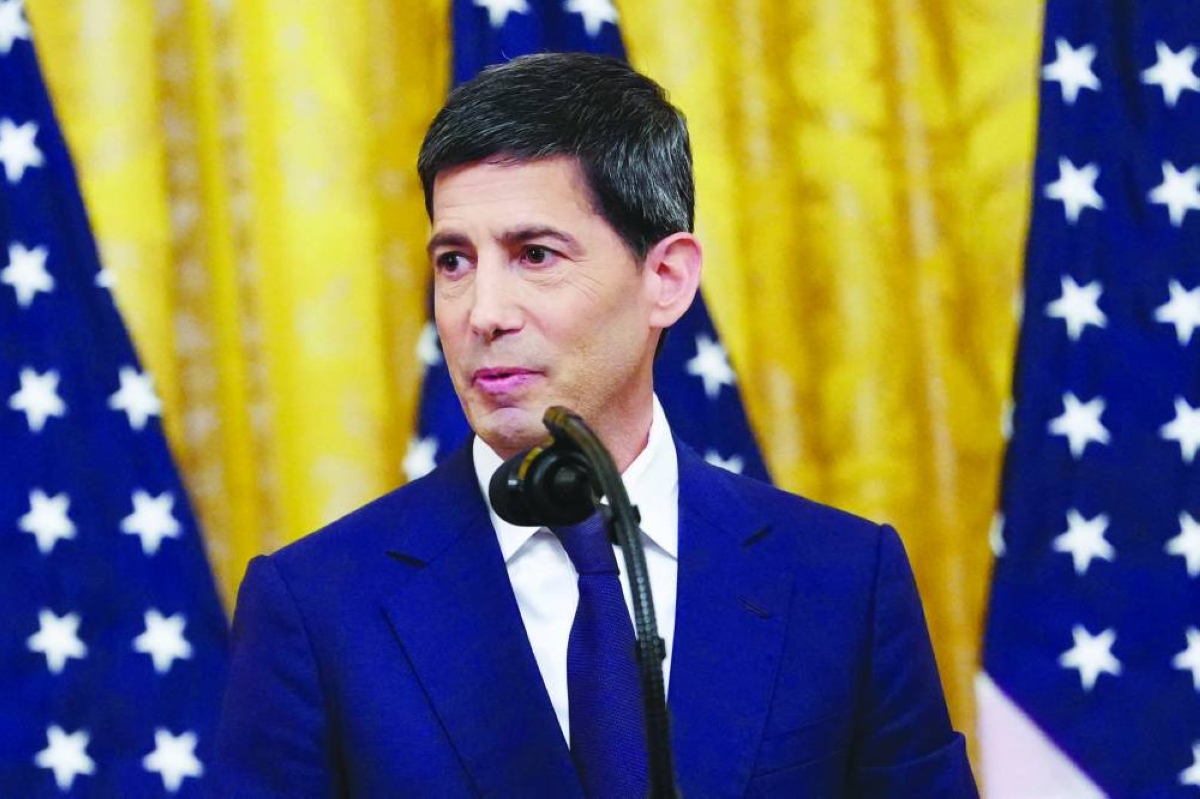
The new Chairman of the Federal Reserve Kevin Warsh speaks during a swearing-in ceremony in the East Room of the White House in Washington, DC, on Friday. Federal Reserve Chair Kevin Warsh’s suggestion that independence may not extend fully to the Fed’s crisis-fighting role abroad has unsettled central banking peers, who fear any reduction in its global footprint could risk market stability. With the dollar by far the world’s most used currency, the US central bank plays a pivotal role in stabilising financial markets during periods of stress. It has expanded its crisis-fighting tools over time to keep funding flowing. But Warsh, who was sworn in as Federal Reserve Chair on Friday raised eyebrows by suggesting that outside monetary policy, including in international finance, the Fed needs to work closely with the presidential administration and Congress. Warsh told his confirmation hearing that independence in setting interest rates did not fully extend to the Fed’s broader operations, prompting some to question whether it would remain fast and decisive when the next crisis hits. On- and off-the-record comments from more than half a dozen policymakers indicate they are attentive to Warsh’s remarks and await clarification. But they anticipate no big policy change for now, if only because Fed liquidity facilities ultimately protect the US economy as much as those of global partners. A less reliable Fed would encourage countries to keep moving away from the dollar, extending and probably accelerating a 15-year fall in the greenback’s global market share, they said. There is little central banks can do in the short term if the Fed curbs access to dollars, however, and even the suggestion that liquidity lines may not be readily available could generate market turbulence. “It’s a double-edged sword,” said one European Central Bank policymaker, who declined to be named. “The world relies on the dollar and if the dollar is not readily available, everybody pays a price - the US included.” The Fed currently provides dollars on demand to the ECB and the central banks of Canada, Japan, Britain and Switzerland, against collateral, via standing liquidity tools. Other central banks can also access dollars through a more onerous facility. The justification for that backstop is that commercial banks overseas sit on trillions of dollars worth of US Treasury bonds, and that market stress could force them to sell quickly to access cash, importing turbulence to the United States. Inserting politics into the provision of dollars would not be new. The Trump administration gave Argentina a $20bn liquidity line ahead of elections last year, and Gulf and Asian nations recently requested liquidity lines to help deal with energy shocks and the fallout from the Iran war. Korean President Lee Jae Myung reportedly raised the issue during a meeting with US Treasury Secretary Scott Bessent this month. Nomura Research Institute economist Takahide Kiuchi, a former BOJ board member, noted the impact Fed policies can have on other markets. “Warsh could attempt a tightrope of conducting dovish interest rate policy that aligns with Trump’s hopes, while guiding a hawkish balance sheet policy,” Kiuchi said. “Any rupture in the US market caused by such Fed moves, coupled with rising oil prices from the Iran war, could further push up 10-year Japanese Government Bond yields. That, in turn, could hurt Japan’s economy and stock prices.” Another source argued that it was in the Fed’s interest to keep dollars flowing from abroad to help finance the high US budget deficit. A less reliable Fed could ultimately channel market demand towards the euro, the world’s second most-traded currency. The ECB has made efforts to increase its market share and widen euro availability. But the single currency’s architecture is not yet adequate to take on a significantly greater role and vast internal reforms are still needed, a third source said.
 admin
admin
The deadly hantavirus and Ebola outbreaks are only the latest crises in “dangerous and divisive” times, the World Health Organization (WHO) chief said. Opening the body’s annual decision-making assembly in Geneva, Tedros Adhanom Ghebreyesus spoke of the new Ebola outbreak in the Democratic Republic of Congo, which he declared an international health emergency over the last weekend, and the rare hantavirus outbreak on the MV Hondius cruise ship. The two “are just the latest crises in our troubled world”, he told the gathering of health ministers and high level delegates from around the world. “From conflicts to economic crises to climate change and aid cuts, we live in difficult, dangerous and divisive times,” said Tedros, who was expected to elaborate on the risks during his main address to the week-long World Health Assembly. Spanish Prime Minister Pedro Sanchez, whose country has been hailed for allowing the stricken MV Hondius to anchor off its Canary Islands last week for the evacuation of passengers and crew, stressed that “protecting others is the best way to protect ourselves”. “No country can save itself” on its own, he said in a surprise address to the assembly, receiving a standing ovation. Currently, “defending common sense has become a form of rebellion”, he charged, lamenting an ongoing “pandemic of egoism”. Th 2026 World Health Assembly comes after a particularly difficult year for WHO, weakened by the announced US withdrawal and deep funding cuts. “The WHO’s budget has been reduced by around 21%, or nearly $1bn. Hundreds of jobs have been eliminated, programs have been reduced,” Swiss Health Minister Elisabeth Baume-Schneider noted in her address. “The WHO had to, and was able to, undergo profound reform in the midst of the emergency.” Suerie Moon, co-director of the Global Health Centre at the Geneva Graduate Institute, also suggested WHO had weathered the storm, and that the hantavirus crisis provided “a clear illustration of why the world needs an effective, trusted, impartial, reliably-funded WHO”, she added. Disagreement between wealthy and developing nations has meanwhile blocked closure on the WHO’s landmark 2025 pandemic treaty. Countries had aimed to finalise during this year’s assembly a key annex to the agreement, which deals with sharing access to pathogens with pandemic potential, then sharing benefits derived from them such as vaccines, tests and treatments. But they appeared set to grant themselves another year to finalise stalled negotiations. It also remains unclear what, if anything, will be decided on the withdrawal of the United States and Argentina. US President Donald Trump handed in a one-year notice to withdraw from WHO on his first day back in office in January 2025. Argentina soon followed suit. The WHO, whose constitution does not include a withdrawal clause, has not confirmed either withdrawal. The United States reserved the right to withdraw when it joined the WHO in 1948 — on condition of giving one year’s notice and meeting its financial obligations in full for that fiscal year. While the notice period has expired, Washington has still not paid its 2024 or 2025 dues, owing around $260mn. When WHO’s executive board met in January, Israel submitted a resolution to approve Argentina’s withdrawal — something countries are expected to discuss during the assembly — but not a word was said about the US.
 admin
admin
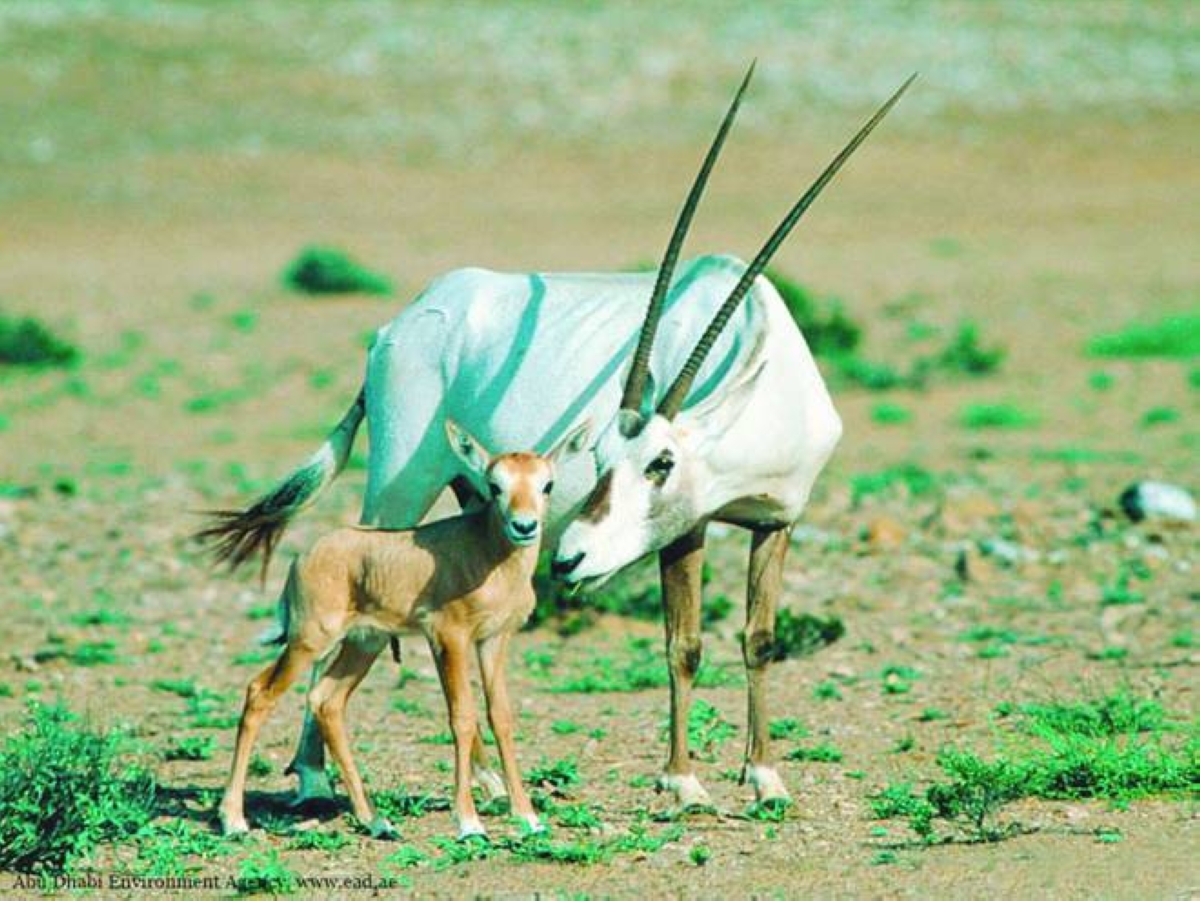
The world celebrates the International Day for Biological Diversity every year on May 22, amid intensive efforts to protect planet Earth-especially the lives of animals and plants, which form a cornerstone of human well-being now and in the future. They provide ecological balance, biological diversity, and an important source of resources that support the survival of ecosystems. However, indicators show that biodiversity is deteriorating at an unprecedented rate, as about 75% of terrestrial environment and 66% of the marine environment have been significantly altered by human actions. This has prompted international organisations to sound the alarm over the risk of extinction threatening nearly one million species of animals and plants. Experts attribute this worsening crisis, despite all efforts, to climate change, rising pollution levels, overexploitation of resources-especially forests-destruction of water sources, urban expansion at the expense of green spaces, and harmful human practices. This has sparked global calls for measures capable of transforming our lifestyles and renewing humanity’s connection with nature. Here, Unesco plays a leading role in global efforts to protect biodiversity by linking science, nature, and culture. Global modelsUnesco-designated sites, which cover nearly 10mn sq km across 195 countries, are considered global models for integrating biodiversity conservation with sustainable development. Collectively, World Heritage Sites, Biosphere Reserves, and Unesco Global Geoparks cover 6% of the Earth’s landmass. They represent key areas where people strive to live in harmony with other living organisms and exchange knowledge for the benefit of all. Mangrove forests are among the most important ecosystems for storing carbon, protecting coastlines, enhancing resilience to climate change, and supporting biodiversity. Approximately 26% of the world’s mangrove forests are found in Latin America and the Caribbean. However, these forests are rapidly declining due to habitat fragmentation and overexploitation of natural resources. To address this, Unesco’s “MangRes” project works to restore mangrove forests in seven World Biosphere Reserves through scientific initiatives led by local communities. One of the most significant efforts is the Biosphere Reserves project in the Amazon River region, which aims to halt forest degradation, preserve biodiversity and ecosystems, and support alternative livelihoods for local communities and indigenous peoples. Since 2021, Unesco projects have supported more than 42 initiatives aimed at rehabilitating ecosystems and creating sustainable job opportunities for local communities. These efforts combine scientific knowledge with local and indigenous knowledge to reduce negative impacts on biodiversity and strengthen resilience to climate change. In the same context, Unesco’s Environmental DNA (eDNA) Expeditions is a global citizen science initiative aimed at advancing knowledge of marine biodiversity and the impacts of climate change on the distribution patterns of marine life across Unesco World Heritage marine sites. It is the world’s first global use case for detecting ocean biodiversity with citizen-science using shared eDNA collection approaches. The sampling campaign engaged 250 citizen scientists across 19 countries, who identified over 4,000 species through eDNA sampling. The biosphere reserves are founded on the principle that communities and ecosystems thrive together. Indigenous Peoples and local communities, including civil society and business organisations, are active partners in protecting and restoring ecosystems while building resilient, sustainable livelihoods. Unesco Global Geoparks are established through a bottom-up process that combines environmental conservation with sustainable development while engaging and empowering local communities. There are currently 229 Unesco Global Geoparks in 50 countries. Qatar’s heritageIn Qatar, natural resources represent a central part of the country’s heritage that will be passed on to future generations. Biodiversity plays an important role across all ecosystems by acting as a natural regulator that helps maintain soil fertility, pollinate crops, control insects and epidemics, and support other activities that fall within the national strategic environmental and climate priorities. Qatar National Environment and Climate Change Strategy also aims to improve efforts to conserve and restore natural ecosystems and protect their unique characteristics. It seeks to ensure that the people of Qatar have access to clean air, pure water, food, and resources. To achieve this, the country is implementing effective management plans to conserve more than 25% of its total land area by 2030 through restoration programs, protection of threatened marine and terrestrial life, sustainable fishing practices, and the preservation and restoration of Qatar’s natural habitats. In this context, Assistant Director of the Wildlife Development Department Dr Dhafi Heedan told Qatar News Agency (QNA) that enhancing wildlife and preserving biodiversity in Qatar’s terrestrial and marine environments were a major focus of the ministry’s plans for 2025 and 2026. These efforts included implementing projects to protect sea turtles at Fuwairit Beach, monitoring nesting sites, and rescuing injured turtles, in addition to protecting mangrove trees, marine habitats, and endangered species. Dr Dhafi Heedan said that the ministry continued implementing projects to fence and rehabilitate natural areas and plant native trees and plants such as acacia, jujube, and ghaf trees, with the aim of restoring vegetation cover and improving natural habitats for wildlife. The ministry also worked to combat invasive species, conduct field studies and surveys on biodiversity, develop environmental databases, strengthen partnerships with academic institutions, the private sector, and the local community, and implement awareness programs and environmental initiatives that support sustainability and preserve natural resources for future generations. Human activitiesHe also warned of the dangers posed by certain human activities such as overgrazing, vehicle damage to vegetation, marine pollution, and invasive species that present challenges impacting ecosystems and biodiversity, noting that the ministry relies on specialized field teams and well-defined operational plans that mandate the application of occupational safety procedures and the provision of appropriate equipment for fieldwork, including modern monitoring and surveillance technologies. According to the Ministry of Environment’s website, Qatar launched the seed dispersal initiative, aimed at supporting natural vegetation cover, alongside the national campaign to remove the harmful mesquite tree. In addition, there are various initiatives to protect endangered species or to propagate animal species that were once found in Qatar, such as the protection of the hawksbill sea turtle, which began in 2003, and the establishment of the Arabian Oryx Sanctuary, which is now under Unesco protection. Attention is also being given to the annual migration seasons of whale aggregation areas, turtle nesting sites, and dugong habitats, as well as the development of nature reserves, islands, and reefs. Regarding the government’s complementary role with environmental centers, Head of the Nature Conservators Centre Saif al-Hajari told QNA that enhancing wildlife and preserving biodiversity in Qatar is a joint effort undertaken by government agencies such as ministries, universities and their affiliated research centers. There are also special initiatives by civil society organizations and nature reserves that complement the efforts of government agencies to achieve common goals in protecting endangered species and preserving natural habitats, such as the Arabian oryx, the sand gazelle, the houbara bustard and the ostrich, noting that a number of these animals have been released into the reserves for years to reintroduce them to their natural environment. He added that the efforts of specialized centers also include protecting marine life, such as whale shark monitoring programs, dugong tracking, and sea turtle conservation, in addition to marine ecosystem restoration efforts like mangrove cultivation and propagation projects to enhance the coastal environment and coral reef and seagrass restoration programs. Furthermore, Dr al-Hajari pointed to the importance of studying terrestrial and marine ecosystems, monitoring and documenting biodiversity, and developing databases for marine organisms. He noted the launch of the Biodiversity Database Project and the Arabian Oryx Genome Project, which is considered one of the most prominent projects in this field. Regarding the environmental and social challenges affecting ecological balance and biodiversity, Dr al-Hajari stressed the importance of strengthening environmental laws and regulations to a level that keeps pace with international legislation, expanding nature reserves, adopting sustainable practices, and implementing environmental rehabilitation projects and utilizing scientific research and technology. Qatar has ratified several international agreements and protocols, including the Convention on Biological Diversity, the Cartagena Protocol on Biosafety, and the Nagoya Protocol on Access and Benefit-sharing.
 admin
admin
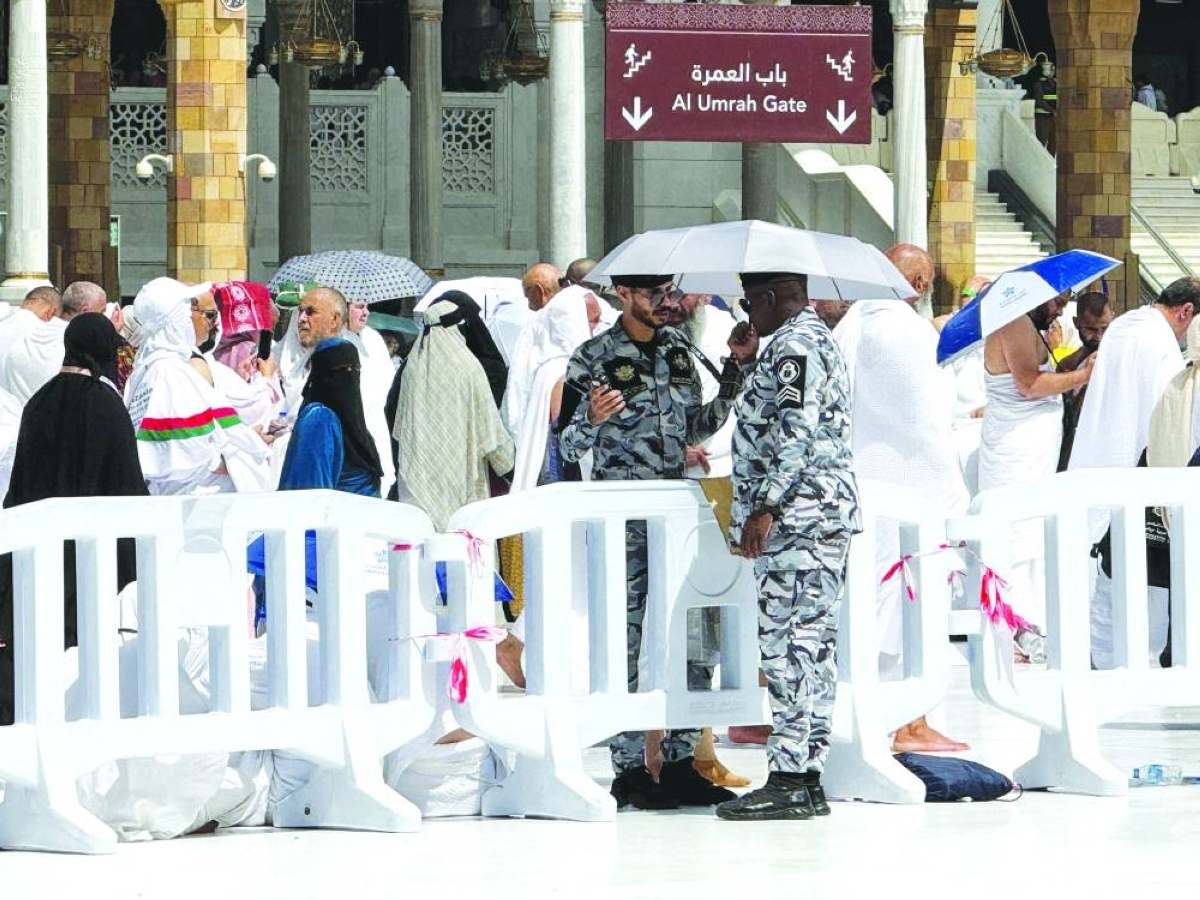
Security personnel speak before the Friday prayers yesterday at the Grand Mosque ahead of the start of Haj in the holy city of Makkah. – Reuters More than 1mn Muslims are gathering in Makkah for the Haj pilgrimage overshadowed by the Middle East war, as animosity smoulders across the region despite a fragile ceasefire.This year's rites, drawing Muslim worshippers from across the world, including Iran, follow waves of Iranian attacks on targets in Saudi Arabia and its Gulf neighbours.Saudi officials are keen to keep conflict far from the minds of visitors, who have travelled long distances for one of the world's biggest annual pilgrimages.However, for Fatima, a 36-year-old German housewife travelling with her family, "there was no second thought" about coming to Makkah."We know we are at the safest place in the world," she told AFP.As of this week, more than 1.2mn pilgrims had arrived in Saudi Arabia for the multi-day pilgrimage starting on Monday, officials said.Because of the "wartime situation", only about 30,000 Iranian pilgrims out of an expected 86,700 had travelled to Saudi Arabia for Haj, according to the IRNA state news agency.The Haj has been a point of tension in the past between Riyadh and Tehran, with repeated outbreaks of violence and unrest involving Iranian visitors.In the years following Iran's 1979 Islamic revolution, Saudi authorities accused Iranian pilgrims of triggering stampedes and other violence, while also chanting political slogans.A Saudi state broadcaster this week posted a warning from the interior ministry saying that any chanting or raising political or sectarian flags was strictly prohibited during the Haj.Relations were severed in 2016 after protesters attacked Saudi Arabia's embassy in Tehran and consulate in the northwestern city of Mashhad.No Iranian pilgrims were allowed that year, as the two sides were unable to organise a protocol for them to attend.Experts, however, said authorities would do their utmost to prevent any unrest from rattling this year's pilgrimage."Saudi Arabia and Iran have kept their political engagement open" despite the war, said Umer Karim, an expert on Saudi foreign policy.The two sides only re-established relations in a surprise 2023 deal brokered by China, which saw tensions ease and embassies reopen in their respective capitals.However, the detente was upended following the US and Israeli attack on Iran in late February that set off Iran's wide-ranging retaliation against its Gulf neighbours.Energy installations, airports, export terminals, ports and other civilian infrastructure were targeted by Tehran, as Iranian attacks on the Strait of Hormuz choked Gulf oil and gas exports to the outside world.Despite the ongoing situation, pilgrims were overcome with emotion as they kickstarted the Haj pilgrimage in Makkah."Haj has been the dream of a lifetime for me," Ahmed Abo Seta, 47, told AFP. "And it is finally coming true." Related Story
 admin
admin
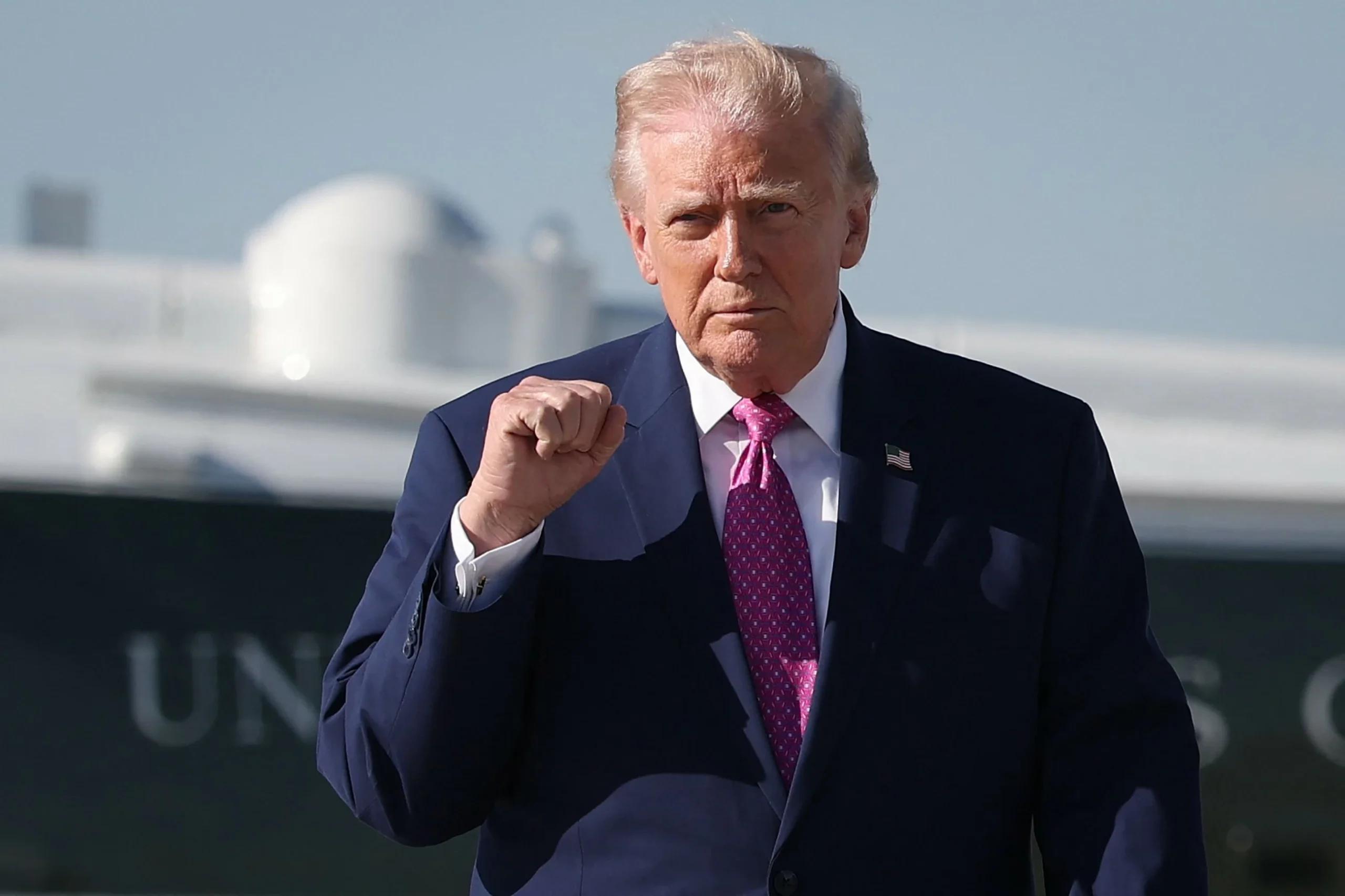
In September 1941, the death of a family member prompted President Franklin Delano Roosevelt to say how he should be remembered, according to the Tribune News Service.One of America’s greatest presidents wanted only a plain
 admin
admin
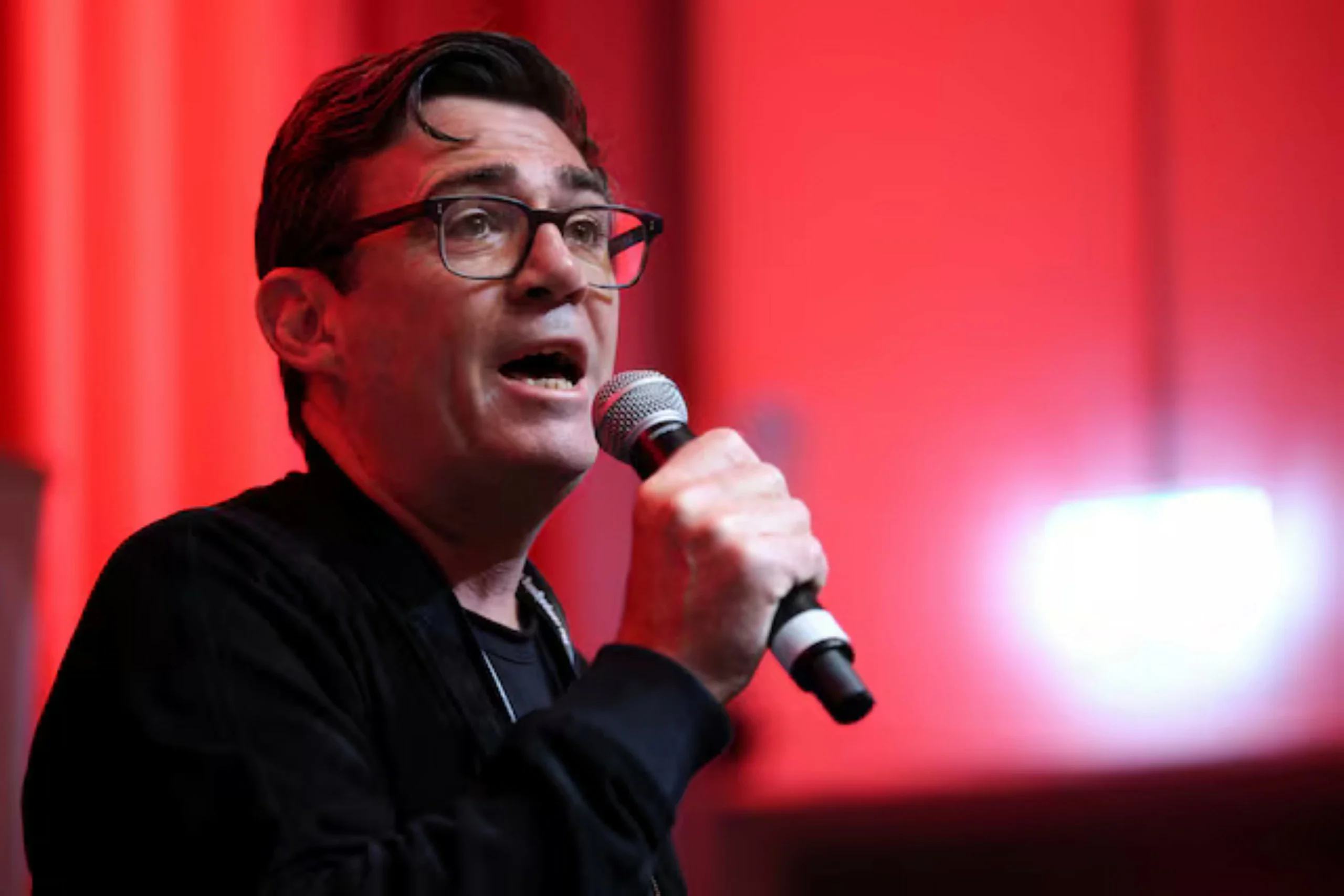
As Labour descends into renewed infighting over Brexit and the party's future after heavy local election losses to Nigel Farage's Reform UK, Independent readers have been deeply divided over how Labour's would-be leadership contenders should
 admin
admin
Life has its ups and downs on an almost daily basis. But there are some things that don’t happen very often but, when they do, the stress they can cause will often far outweigh all
 admin
admin
Veteran Hollywood actress Julianne Moore deserves attention when she speaks about the film industry. With more than four decades of experience in Hollywood, her views carry great importance and cannot be ignored.It is disappointing to
