1. Home
  2. Opinion

Category: Opinion

Opinion
Smart small states provide lessons for Gulf tech ambitions

Smart small states provide lessons for Gulf tech ambitions

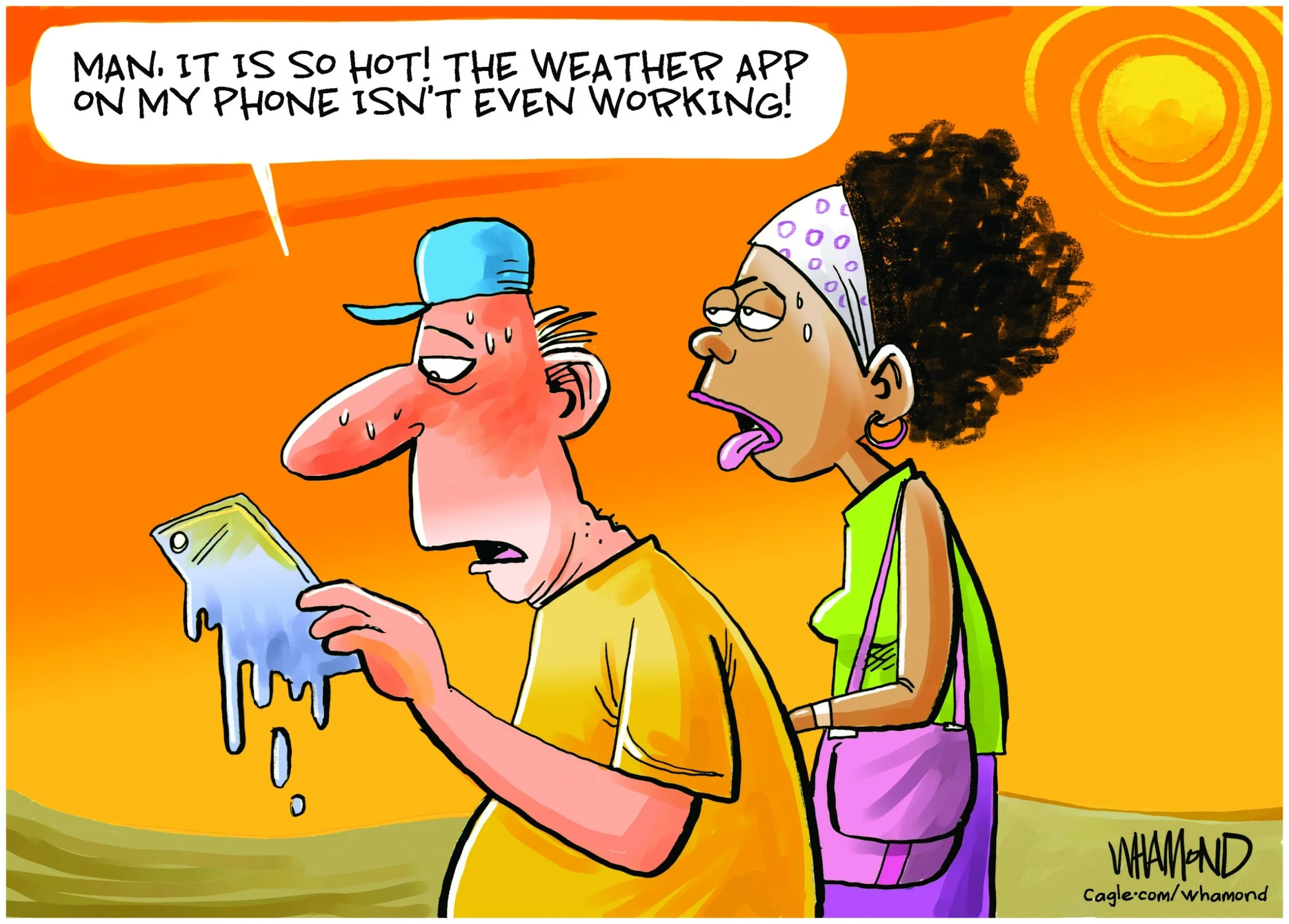
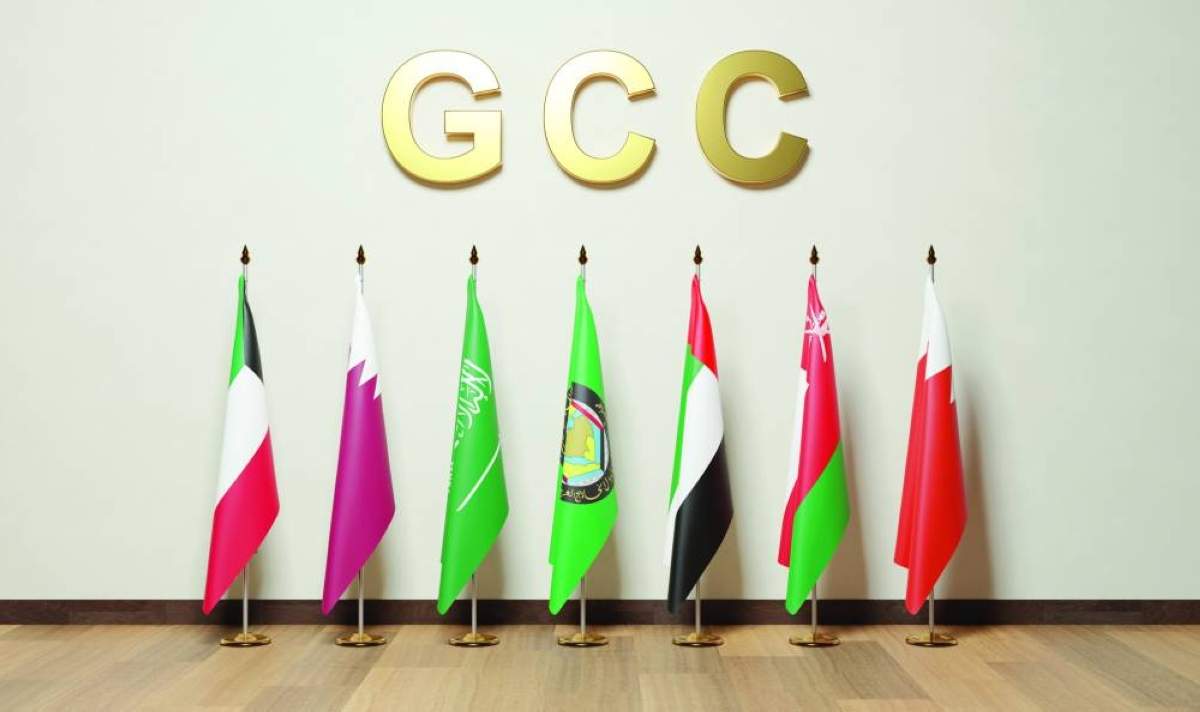
In recent years, Gulf states have worked hard to turn their home region into a hub for digital innovation and investment in AI, cloud computing and clean-tech. The region has also established itself as one of the world’s fastest-growing destinations for the data centres and other types of digital infrastructure. This makes it a useful and timely exercise to consider how smaller state actors in other parts of the world have undertaken similar projects to become important tech players on the international stage. Two excellent examples are Ireland and Singapore. Neither has access to the energy resources of the Gulf states. But like smaller states in the Gulf they are acutely aware of both the limitations and opportunities of their smallness. Since the early 2000s, decision-makers in Ireland and Singapore have prioritised their tech sectors as a way to overcome the limits of their small domestic economies and populations to build capacity and diversify their economies. In doing so, both states have leveraged geographic location — Ireland between the US, UK and Europe; Singapore between the Straits of Malacca and South China Sea. They have also championed economic openeness, and built tech-savvy educated workforces that attract talent from all over the world. These moves have been supported by new regulatory frameworks, special economic zones, and cross-border agreements to maintain competitive advantage. In economic terms, the results have been impressive. Ireland serves as the European base for 16 of the top 20 global tech companies. The tech sector accounts for around $50bn annually, over 13% of the country’s GDP, and employs roughly 120,000 workers. For Singapore the numbers are even bigger. With a total of S$128.1bn value-added, tech accounts for 18.6% of GDP and employs 214,000 workers. This tech success has not only increased economic competitiveness, efficiency, and resilience. It has also resulted in the routing of global flows of information as well as capital through both countries. Singapore has more data cables landing on its territory than any other country in Southeast Asia. Three-quarters of all cables in the northern hemisphere pass through or near Irish waters, and four transatlantic cables directly connect with Ireland. This has significant geopolitical as well as economic implications. Not least, it makes the subsea infrastructures of Ireland and Singapore strategically important components of the international security system. This has enabled both countries to extend their political, as well as economic, reach beyond existing territorial and physical limitations. In turn, this has helped them offset some of the political vulnerabilities of smallness. But tech success also raises important challenges related to energy security, environmental management and tech geopolitics. The energy demands of building a state-of-the-art digital infrastrucure are massive. A single hyperscale facility can require the same amount of energy as a small town. Tech infrastructure also takes up large amounts of other vital resources including water. It also monopolises the use of precious space, a real concern in small states. The energy resources and financial power of the Gulf states position them well to address the energy security and environmental challenges associated with tech-leadership. But even in the Gulf, the building of a cutting edge digital infrastructure requires hard financial choices and the commitment of large amounts of energy. It also requires next-generation cooling systems that operate efficiently in hot weather. On the geopolitical level, the roles of Ireland and Singapore as regional gateways for the flow of data has located both countries at the centre of US-Chinese technology rivalry. It has also entangled them in tech geopolitics and governance issues relating to the control and use of data. The experiences of both Ireland and Singapore in becoming tech strongholds offers some guidance for other state actors, including Gulf states, on all of these issues. First, their tech journeys demonstrate the importance of social and human capital, innovation, learning and adaptation for attracting high levels of inward investment and diversification into tech. The messae is clear. Even in a world of de-globalisation and resource nationalism, smaller actors that effectively use their national development plans to establish themsevles as innovative ‘hubs’ and ‘gateways’ will attract significant tech opprotunties. Both cases also highlight the close connection between trans-formative tech and US-China great power competition. Ireland and Singapore have had some success in navigating this challenge. In particular, they have presented themselves as neutral third parties that are ‘neither pro-China nor pro-America,’ as the Singaporean government put it in 2024. For example, Ireland has repeatedly used the courts to block US access to Irish data centres and has fined Meta over data transfers to the US. Attracted by Ireland’s reputation for strict data protection laws and keen to counter claims of Chinese state surveillance, TikTok’s ‘Project Clover’ relocated its European user data to an Irish centre. Singapore has not only eagerly signed agreements with both the US and China on cooperation in the fields of data analytics and AI. It has also developed a legal regime for tech that takes into account Chinese protectionism and US surveillance, as a way to attract major tech firms from both countries. Such strategies have enabled Ireland and Singapore to present themselves as tech gatekeepers as well as gateways. This adds to their influence in regional affairs and their reputation and standing on the international stage. This could not be more relevant for smaller states in the highly contested Gulf region. China and the US already use technology in the Gulf as a form of statecraft. It is inevitable that going forward both great powers and ambitious regional players will look to use the emerging tech eco-system to shape regional geopolitics and security in their favour. For all these reasons, the cases of Ireland and Singapore provide valuable lessons for the Gulf states in their transition from buyers to suppliers of technology and key players in the global tech revolution. The writer is Professor of International Politics and Director of the Small States and Energy Studies Programs at Georgetown University. @RoryDavidMiller

Opinion
For Yasser Abbas, it’s ‘Gaza first’

For Yasser Abbas, it’s ‘Gaza first’

The son of Palestinian president Mahmoud Abbas said Fatah would prioritise Gaza and return it "to the fold of Palestinian legitimacy", the day after being elected to the movement's top decision-making body. Fatah's first congress in a decade came as the Palestinian movement faces existential challenges in the wake of the devastating Gaza war.Veteran Palestinian leader Mahmoud Abbas, 90, was re-elected as head of the movement, with his 64-year-old son Yasser Abbas securing a place on its central committee. In his first remarks since his election, Yasser Abbas said he would focus on "Gaza first, prisoners and the families of martyrs, and the refugee camps.""We will work to return Gaza to the fold of Palestinian legitimacy," he told journalists in the occupied West Bank city of Ramallah. Fatah has historically been the dominant force within the Palestine Liberation Organisation (PLO), the sole representative of the Palestinian people in international forums. It groups most Palestinian factions but excludes movements Hamas and Islamic Jihad."Achieving full national unity requires agreement to all the conditions for joining the Palestine Liberation Organisation in all its provisions: one law, one state, one legitimate weapon, and recognition that the organisation is the sole legitimate representative" of the Palestinian people, Yasser Abbas said. "Whoever accepts that is welcome."In recent decades, Fatah's popularity and influence have dwindled amid internal divisions and growing public frustration over the stagnation of the Israeli-Palestinian peace process. The sense of disappointment led to a surge in support for rival Hamas, which won the last legislative elections held in 2006, before going on to expel Fatah from the Gaza Strip after a bout of factional fighting.Under US President Donald Trump's Gaza peace plan, Hamas is to play no role in the future governance of the territory. It also demands sweeping reforms of the Fatah-led Palestinian Authority as a condition for it to play any meaningful role in post-war Gaza. On Monday, the Fatah congress announced the official preliminary results of the elections for its central committee and the revolutionary council, the party's parliament. A closing statement read out on Monday said that: "there is no state without Gaza, and no state in Gaza"."Any international administrative arrangement must preserve the ceasefire, end the occupation, ensure the flow of aid, and begin recovery and reconstruction, all clearly linked to the Palestinian government, which must be enabled to exercise all its responsibilities in Gaza," it added.

Opinion
Britain needs to hold discussion on Brexit

Britain needs to hold discussion on Brexit

Whatever comradeship and fraternal fealty remain within Labour, the debate that has suddenly ignited in the party about Britain rejoining the European Union is hardly helping it.Two men who actually agree on that eventual goal,

Opinion
Deep lessons on resilience from a long conflict

Deep lessons on resilience from a long conflict

Dr. Jaya Jacob M. & Ms. Haritha GirishThe forty-day Mideast conflict that erupted in early 2026 subjected the United Arab Emirates to an unprecedented combination of direct military threat, regional economic disruption, and intense international

Opinion
Rare Jain manuscripts depart London’s Wellcome Collection

Rare Jain manuscripts depart London’s Wellcome Collection

Shahana Yasmin, The IndependentLondon's Wellcome Collection is returning over 2,000 historical Jain manuscripts to the religious community after concluding that most of them were acquired "at a low price and against the best interests of

Opinion
Illegal wildlife trade threatens Himalayan ecosystem

Illegal wildlife trade threatens Himalayan ecosystem

Rising illegal wildlife trade across Himalayan countries is threatening the mountain ecosystem, a Mongabay-India (MI) report highlights.The MI report cited a study titled ‘Ghost economy: The forbidden trade of the Himalayas’ published in January 2026

Opinion
Collective responsibility

Collective responsibility

The official visit of Russian President Vladimir Putin to China is highly significant, especially as it comes just days after the visit of US President Donald Trump. These back-to-back diplomatic engagements between leaders of powerful

Opinion
Art and AI

Art and AI

Art and AI

Opinion
Green cover widens across Qatar’s rangeland areas in past decade

Green cover widens across Qatar’s rangeland areas in past decade

The Ministry of Environment and Climate Change (MoECC) has revealed a marked improvement in vegetation density across Qatar’s rangeland areas, along with a significant increase in green cover, during the period from 2014 to 2026. In a statement, the ministry explained that this improvement was documented through aerial imagery that monitored the development of vegetation cover in a number of natural areas nationwide, demonstrating the impact of national environmental protection efforts aimed at protecting the terrestrial environment and boosting the sustainability of its natural resources. The aerial imagery provides clear evidence of the effectiveness of protection and rehabilitation programs, field monitoring and regulatory enforcement measures, revegetation efforts, and the implementation of hunting and grazing regulations, the statement read, alongside environmental awareness initiatives designed to strengthen public compliance with environmental requirements in natural areas. The ministry explained that the environmental requirements include adherence to designated routes, avoiding overgrazing and vehicle intrusion into sensitive habitats, refraining from igniting open fires directly on bare soil, prohibiting firewood collection, and maintaining rangeland cleanliness. The ministry noted that the ecological field survey conducted documented the presence of 40,761 native trees and wild plant species distributed across 1,273 meadows and sites throughout various municipalities and regions, reflecting the diversity of local vegetation cover and its distribution across multiple terrestrial habitats statewide. According to the survey findings, the number of natural depressions (meadows) and sites documenting vegetation presence reached 1,121 locations, compared to 152 non-vegetated sites where no trees or plant species were recorded, the statement continued. It added that the survey also identified 179 unique names of meadows, indicating that some mapped locations were registered under more than one geographic range. Assistant Undersecretary for Protection and Natural Reserves Affairs at MoECC Dr Ibrahim Abdullatif al-Maslamani emphasised that the aerial monitoring documenting the development of vegetation cover reflects the terrestrial ecosystem’s natural regeneration capacity in Qatar whenever the necessary habitat protection measures are provided, alongside the implementation of plans and initiatives aimed at reducing human-induced pressures affecting sensitive habitats and natural habitats. This marked improvement in vegetation density and the clear increase in the number of green sites cannot be viewed merely as a seasonal landscape, but rather as evidence of the importance of the environmental protection framework through which the ministry operates, he underlined. The framework, al-Maslamani outlined, includes monitoring terrestrial sites, tracking environmental changes, enforcement against environmental infractions and unlawful encroachments, as well as monitoring activities affecting soil integrity and native vegetation, alongside the enforcement of rehabilitation programs, native vegetation conservation initiatives, and updated hunting and grazing regulations. Al-Maslamani further suggested that the Protection and Natural Reserves Affairs Sector deals with the terrestrial environment as an interconnected ecosystem comprising soil systems, meadows, valleys, wildlife species, and sensitive natural sites, noting that any improvement in vegetation cover is directly reflected in ecological balance, provides better wildlife habitats, and supports sustainable biodiversity conservation in the country. He clarified that the ministry works to protect meadows and terrestrial sites through (combined measures) that include field inspections, remediation of environmental violations, and monitoring grazing impacts, habitat trampling, tree cutting, and illegal dumping, in addition to studying natural sites and identifying their protection or rehabilitation requirements to preserve their natural regeneration capacity.   

Opinion
Behind Bolivia’s widening protests – Gulf Times

Behind Bolivia’s widening protests – Gulf Times

Supporters of Bolivia’s former leftist president Evo Morales marched through La Paz, widening unrest that has blocked roads for nearly two weeks and triggered shortages of food, fuel and medical supplies across the country. The disruptions ‌have stranded trucks on highways and left patients unable to reach hospitals, authorities ​said. Argentina has sent a military ‌aircraft with food supplies at Bolivia’s request. Demonstrations that ‌began with strikes in early May ‌have grown into a nationwide movement involving ‌labour unions, miners, transport workers and rural groups. Protesters are pressing President Rodrigo Paz’s government to roll back austerity measures and address rising living costs, with some calling for his resignation. Analysts say the unrest has broadened from local grievances to wider anti-government sentiment over the country’s economic direction. The protests centre on rising economic pressures. Teachers are demanding higher pay and more funding, while transport unions have launched open-ended strikes amid fuel shortages and supply concerns. Indigenous and rural groups oppose agrarian reforms they say favour larger ​landowners. Despite the government repealing a controversial agrarian law this month, protests have continued. Paz, who took office in November and inherited an economy in turmoil, has defended spending cuts ‌and fuel subsidy reductions as necessary to stabilize public finances. He ​is preparing a reform package for Congress that includes gradually lifting fuel ​price controls and measures to boost domestic energy production and investment. The government has sought to ease tensions through negotiations and wage increases while deploying around 3,500 security forces to clear roadblocks. Authorities said about 57 people have been arrested. Officials have blamed the opposition and Morales allies for encouraging the blockades, which they say have contributed to at least three deaths, including patients unable to reach hospitals. Morales, who governed Bolivia from 2006 to 2019, has backed the protests, describing them as a response to economic hardship and political persecution. Thousands of his supporters have rallied after ‌a judge held him in contempt earlier ‌this month for failing to appear in court in a trafficking case. Morales denies wrongdoing. “As long as the structural demands such as fuel, food, and inflation are not addressed, the uprising will not be halted,” he wrote on X.