Opinion
US summer driving season hit as fuel supplies squeezed tight

US summer driving season hit as fuel supplies squeezed tight

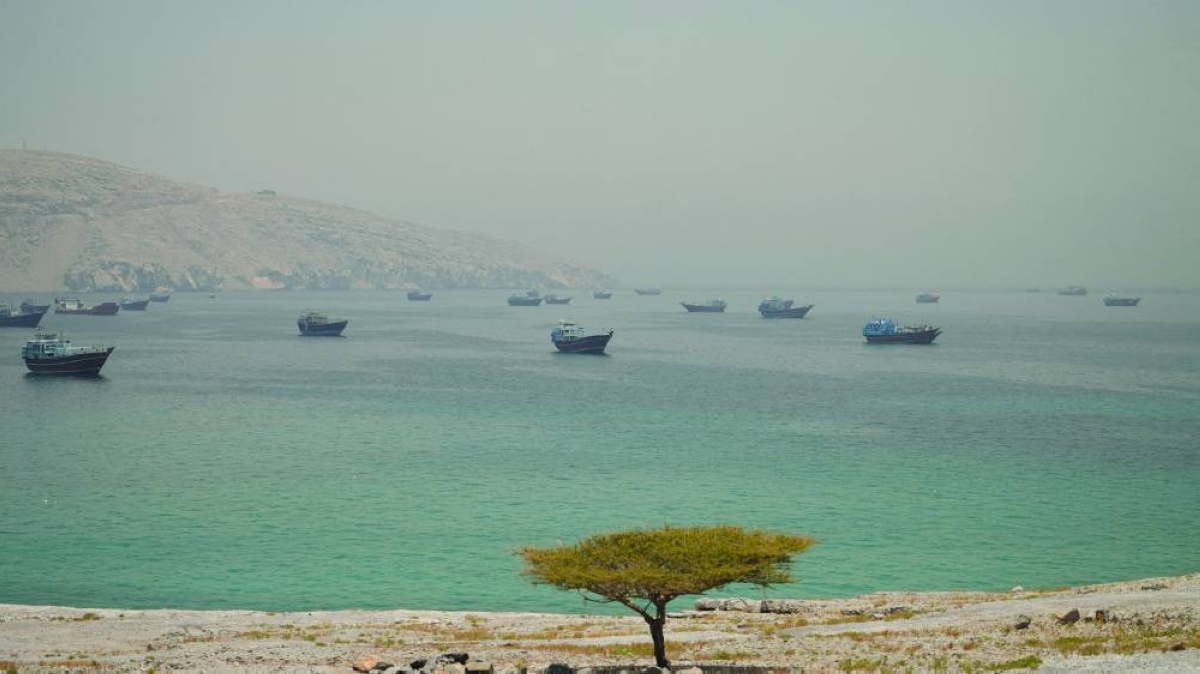
Vessels are anchored in the Strait of Hormuz. (Reuters) US vacationers are barreling into peak summer driving season just as the gasoline market faces a supply crunch, with resilient domestic demand and surging fuel exports threatening to strain thin inventories and send pump prices climbing.Surging summer demand ‌from American motorists has not stopped US refiners from increasingly prioritizing lucrative diesel and jet fuel production ​to backfill global shortages caused by shipping ‌disruptions at the Strait of Hormuz. The critical passageway handles nearly a fifth of global ‌oil flows and has effectively closed since the start ‌of the Iran war.Analysts warn that a supply deficit ‌is looming as US gasoline demand has remained robust despite US pump prices having surged roughly 40% since the war started, hovering above $4. Also, some analysts are worried that US refineries may not be able to keep running close to capacity, noting that there have been more unplanned outages than expected lately.The once-comfortable US gasoline supply cushion built during the low-demand winter months had evaporated by the end of May, when summer driving season kicked off during the three-day Memorial Day holiday weekend. US peak summer vacation season traditionally runs until early September.In the first week of June, gasoline inventories sank to their lowest seasonal level in a decade, ​just 215.1mn barrels, according to government data. Inventories have declined by more than 34mn barrels since the war started. Even more depleted distillate fuel oil inventories fell to a 23-year low in May, leaving the supply highly vulnerable to any more sudden ‌shocks.With domestic gasoline demand holding up in the face of high pump ​prices and exports strong, analysts warn that total demand for US-produced fuel could reach 9.5​mn barrels per day (bpd) this summer. That would outstrip the 9.2mn bpd that fuel makers are currently capable of churning out. “Balances will definitely be severely tight because (refining margins) incentives still support jet fuel and we all know that Middle Eastern refiners are not coming back quickly,” said Sumit Ritolia, lead analyst for refining supply and modeling at Kpler.US refiners, less reliant on Middle Eastern crude than Asian and European counterparts, are relatively shielded from the shipping disruption and able to maximise distillate output to capture strong margins. In late April, the four-week average of US jet fuel production surpassed 2mn barrels per day for the first time on record, the EIA said this week.The US exported 54.65mn barrels of diesel and ‌jet fuel in May, the highest in Kpler ‌data going back to 2017. The country exported 22.52mn barrels of gasoline in May, up from 20.10mn barrels in April.“This has left gasoline as the neglected stepchild of the refinery slate,” said Tamas Varga, analyst at PVM Oil Associates. Historically, the US could rely on European imports to ease regional gasoline deficits. That fallback option is logistically difficult and less economical now. Europe’s fuel supplies are also tight, while freight rates are soaring due to the blockage of the Strait of Hormuz.“Even if export rates stay where they are now and don’t rise with the desperate need of countries elsewhere, one can make a case for gasoline inventories to drop by 2 or 3mn ​barrels per week during summer crunch time,” said Tom Kloza, chief energy adviser to Gulf Oil. The refined products supply remains tight even if refineries continue to run unfettered.Analysts question whether refiners will be able to keep running their plants hard to capture these high margins. US refiners ran their facilities at 95.3% of capacity in the first week of June, the highest in nearly a year.There are already reports of some planned maintenance in the fall getting postponed, or moving to a smaller scope, said Raul Calzada, refining analyst at Energy Aspects. “If you defer maintenance, there’s a chance later that you know you’ll pay,” said Calzada.Some cracks are starting to show: April recorded the highest average unplanned ‌US refinery outages in ​the last five years, with roughly 483,000 barrels per day of crude oil processing capacity offline, according to IIR Energy data. 
Opinion
Strategic mistakes in Donald Trump’s Iran policy (2017–2021)

Strategic mistakes in Donald Trump’s Iran policy (2017–2021)

Iran expanded its nuclear program, deepened its regional influence, and became more militarily assertive. The following analysis outlines the core strategic mistakes that shaped this outcome.1. Withdrawal from the JCPOA without a viable alternative. Trump’s 2018 decision to exit the Joint Comprehensive Plan of Action (JCPOA) is widely viewed as the foundational error. The International Atomic Energy Agency had repeatedly verified Iranian compliance, and US intelligence concurred. Yet the administration withdrew without a replacement framework, assuming Iran would capitulate under pressure.Former Centcom commander Gen Joseph Votel warned that leaving the deal “removed a key tool for visibility into Iran’s nuclear program”. European diplomats echoed this concern, with the EU’s Federica Mogherini calling the withdrawal “a mistake that risks undermining global security”.The result was predictable: Iran resumed enrichment at higher levels, installed advanced centrifuges, and reduced cooperation with inspectors. The US lost the multilateral leverage that had constrained Iran’s nuclear ambitions.Donald Trump’s Iran policy was defined by maximalist rhetoric, tactical improvisation, and a persistent mismatch between ends and means. While the administration claimed it sought to “force Iran back to the table,” senior US military officials, diplomats, and think‑tank analysts across the political spectrum argue that the strategy produced the opposite effect: Iran expanded its nuclear programme, deepened regional influence, and became more militarily assertive. The following analysis outlines the core strategic mistakes that shaped this outcome.2. The “Maximum Pressure” strategy lacked a theory of victoryThe administration’s sanctions campaign was intended to force Iran into accepting a more restrictive deal. But as the RAND Corporation noted, “maximum pressure lacked maximum diplomacy”. Sanctions were escalated without offering credible off‑ramps, leaving Iran little incentive to negotiate.Iranian strategist Hossein Mousavian argued that the policy “united hardliners and moderates in Tehran against Washington”. Instead of weakening the Islamic Republic, it strengthened the factions most hostile to the US.Moreover, sanctions on humanitarian channels — despite exemptions — created severe economic pain for ordinary Iranians, fuelling anti‑American sentiment without altering elite decision‑making.3. Misreading Iran’s deterrence calculusTrump repeatedly asserted that overwhelming US military power would deter Iran. But Iran’s deterrence model is asymmetric: calibrated retaliation, deniable proxies, and strategic patience.The administration underestimated this. After the US withdrew from the JCPOA, Iran responded with tanker attacks, drone strikes on Saudi oil facilities, and rocket attacks by Iraqi militias. The 2019 strike on Saudi Aramco — which temporarily removed 5% of global oil supply — demonstrated Iran’s ability to impose costs without triggering full‑scale war.A senior US defence official told ‘The Washington Post’ that Iran’s actions “exposed gaps in US assumptions about escalation dominance”.4. The assassination of Qassem Soleimani escalated without a planThe killing of IRGC Quds Force commander Qassem Soleimani in January 2020 was tactically successful but strategically destabilizing. Trump claimed the strike restored deterrence, yet Iran responded with a ballistic‑missile attack on Ayn al‑Asad Air Base, injuring more than 100 US personnel.Gen Mark Milley later testified that Iran’s retaliation was *“intended to kill”— a significant escalation. Think tanks such as CSIS argued that the strike “removed a key Iranian strategist but did not degrade Iran’s regional networks”. In fact, Iranian proxies intensified operations in Iraq and Syria. The administration had no articulated plan for the day after, leaving U.S. forces exposed to a cycle of retaliation.5. Alienating allies and collapsing the international coalitionOne of the JCPOA’s strengths was its multilateral nature. By withdrawing unilaterally and threatening secondary sanctions on European companies, the US fractured the coalition that had pressured Iran effectively.European states created INSTEX — a mechanism to bypass US sanctions — signaling unprecedented transatlantic divergence. As a senior German diplomat put it, “Washington isolated itself, not Iran”. This fragmentation weakened US diplomatic leverage and allowed Iran to portray itself as the aggrieved party adhering to international law.6. Overreliance on economic coercion without diplomatic engagementSanctions can be effective when paired with diplomacy. But Trump’s team often dismissed diplomatic channels, insisting Iran must first accept 12 sweeping demands outlined by Secretary of State Mike Pompeo. The Brookings Institution noted that these demands “resembled terms of surrender rather than a negotiating framework”.Iranian Foreign Minister Javad Zarif responded that the US approach “made negotiation impossible by design”.Without diplomacy, sanctions became an end in themselves — not a means to a political settlement.7. Domestic political signaling overshadowed strategic coherenceTrump frequently framed Iran policy through the lens of domestic politics, emphasizing toughness and unpredictability. While unpredictability can be a tool, excessive volatility undermines credibility.The most striking example was Trump’s last‑minute cancellation of a retaliatory strike in June 2019, announced via Twitter. A former Pentagon official told Foreign Affairs that the episode “created confusion about US red lines and decision‑making processes”.Iranian leaders concluded that Trump sought to avoid war at all costs — reducing deterrence rather than strengthening it.Conclusion: A strategy that strengthened Iran’s handBy 2021, Iran had more enriched uranium, more advanced centrifuges, deeper ties with Russia and China, and a more assertive regional posture. The US, meanwhile, had fewer allies aligned on Iran policy and diminished leverage.As the Carnegie Endowment summarised, “maximum pressure produced maximum resistance”.Trump’s Iran policy was not a failure of power but a failure of strategy: ambitious goals unsupported by diplomatic, military, or political coherence(The writer is a prominent news anchor, programme presenter and media instructor) 

Entertainment
Aldon Smith Reportedly Found Unresponsive in Truck, Died in Hospital

Aldon Smith Reportedly Found Unresponsive in Truck, Died in Hospital

NFL Star Aldon Smith Reportedly Found Unresponsive in Truck by Friend Published June 14, 2026 1:55 PM PDT New details surrounding Aldon Smith's sudden death are coming to light ... with the reports the former

Entertainment
Oliver Tree’s Final Post From Brazil Prior to Tragic Helicopter Crash Death

Oliver Tree’s Final Post From Brazil Prior to Tragic Helicopter Crash Death

Oliver Tree See His Last Days in Brazil Before Fiery Helicopter Crash Published June 14, 2026 1:28 PM PDT Oliver Tree's death in Brazil happened suddenly ... and fans have rushed to social media to

News
UAE President tours Mina Zayed Fish Market in Abu Dhabi

UAE President tours Mina Zayed Fish Market in Abu Dhabi

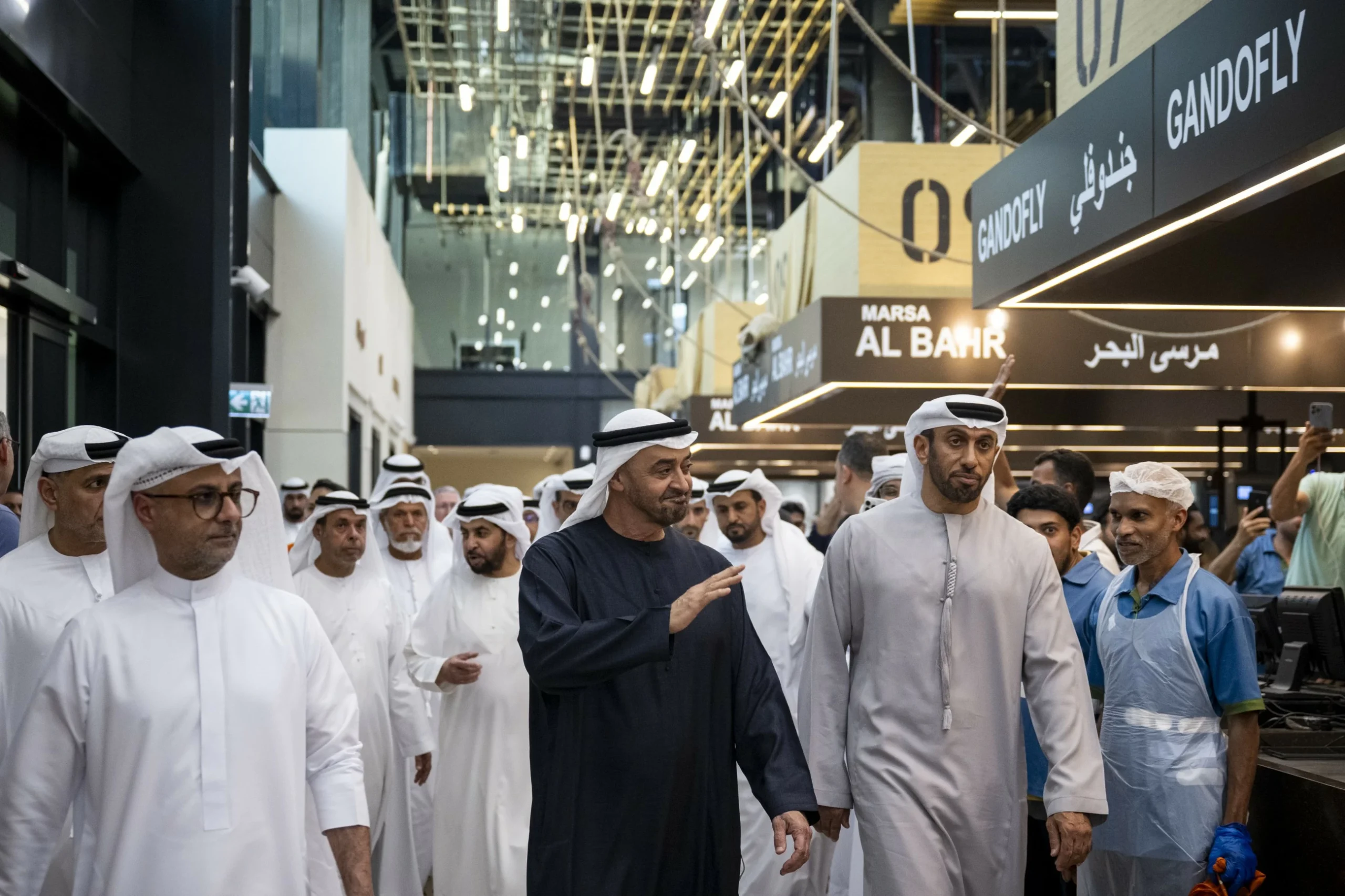
UAE President His Highness Sheikh Mohamed Bin Zayed Al Nahyan toured the fish market at Mina Zayed in Abu Dhabi, where he reviewed the quality of services provided at one of the capital’s key community

News
Sharjah Civil Defence rescues kittens trapped inside house column

Sharjah Civil Defence rescues kittens trapped inside house column

Teams from Sharjah Civil Defence Authority (SCDA) rescued kittens that were trapped inside a structural column in a house following a rapid response to an emergency report received by the operations room.A video clip that

Opinion
No more free passes for Pam Bondi

No more free passes for Pam Bondi

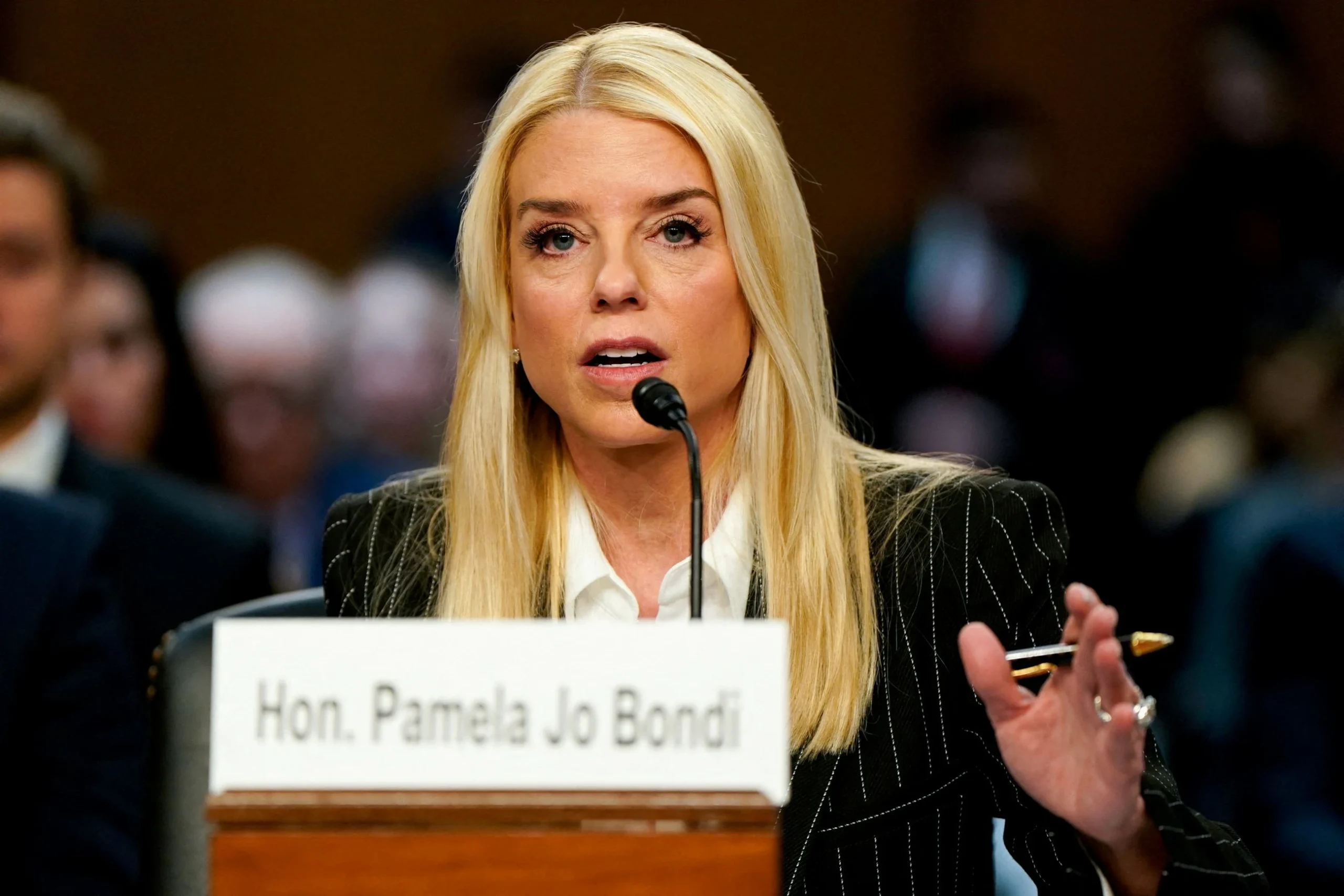
The most subversive aspect of Donald Trump’s tyrannical designs and paranoia is his corruption of the Department of Justice. He has made it into a personal weapon against any perceived foe whom he wants to

Opinion
Iran war – America, Israel yet to realise their goals

Iran war – America, Israel yet to realise their goals

The G7 summit convening today in France is expected to be dominated by Donald Trump’s dithering over his Iran war. He has once again demonstrated his predilection for abrupt policy changes. One moment he wants

Sports
Germany cruise to 7-1 win over debutants Curacao in Houston

Germany cruise to 7-1 win over debutants Curacao in Houston

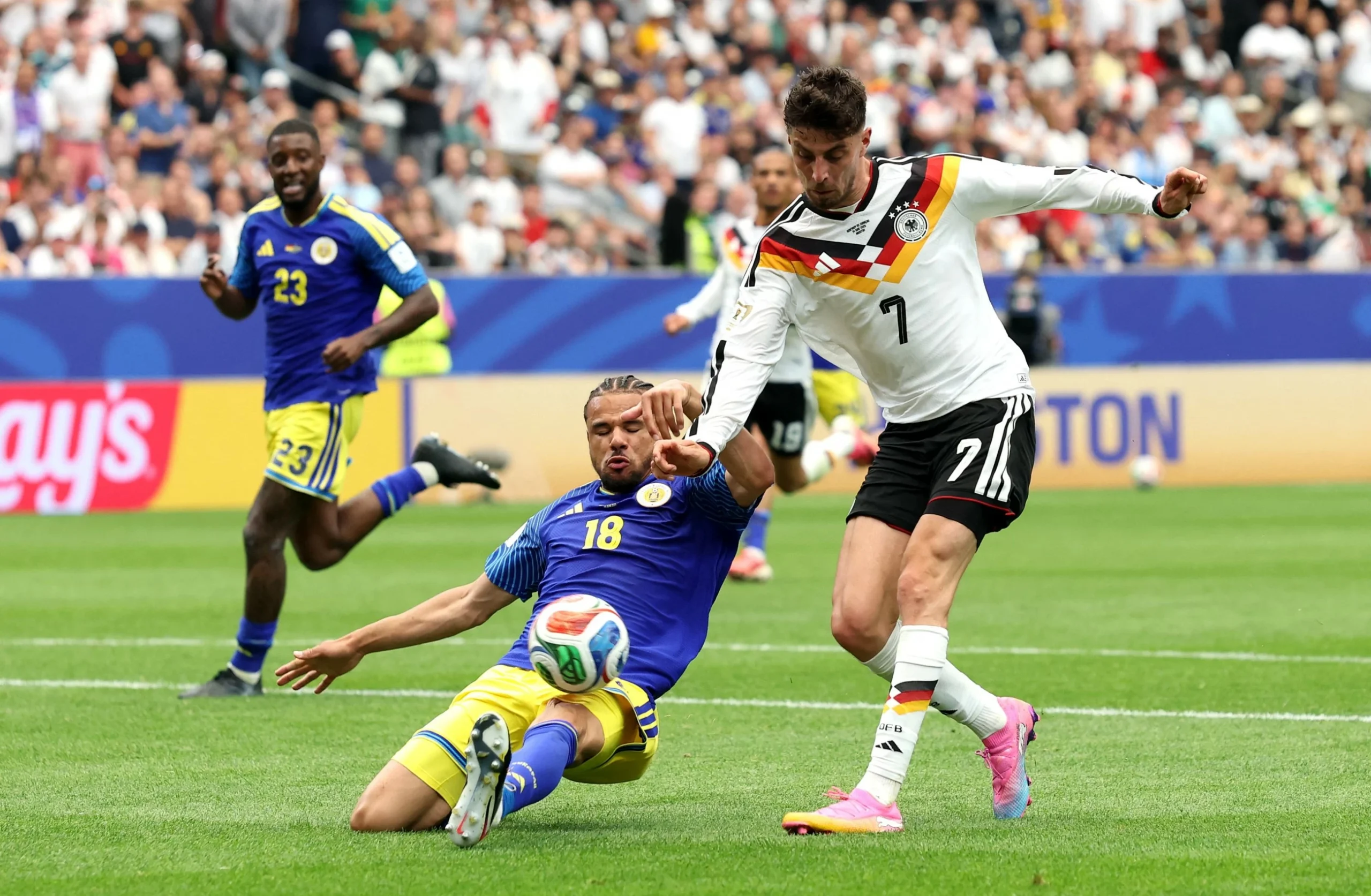
Germany began their World Cup campaign with a thumping 7-1 victory over debutants Curacao on Sunday in a match where history was made on several fronts and the one-sided result could not overshadow ‌the occasion

Opinion
Role model

Role model

Google tells me that Scrooge McDuck has an “estimated net worth at $315.36 quadrillion,” making him a good role model for Elon Musk.The only concern in that possibility is that Scrooge is usually thought of