admin
admin 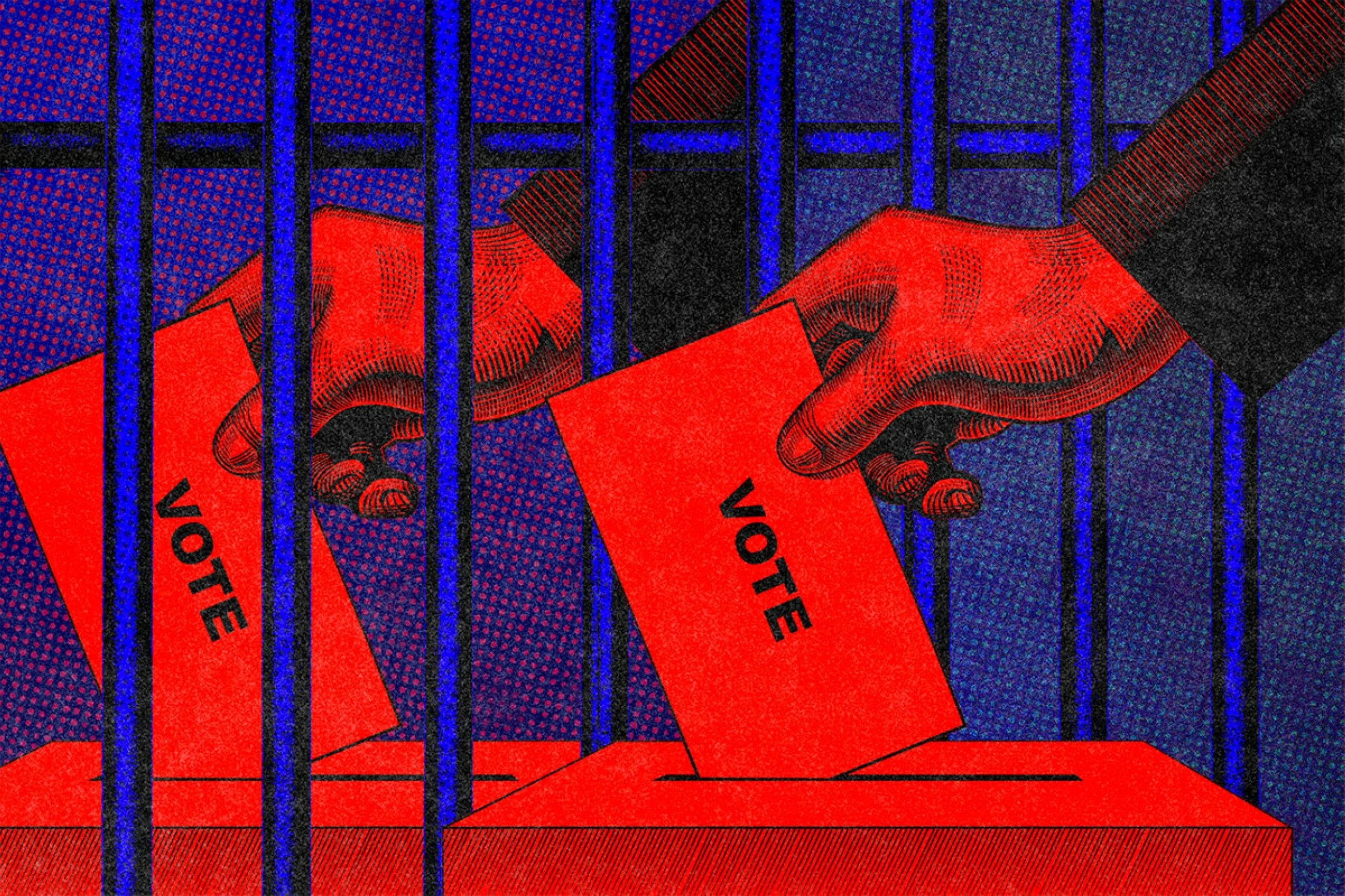
Here at Shawangunk Correctional Facility, a small maximum security prison in upstate New York, I am part of a nine-month reentry programme called Project Build. Every Friday morning, we gather around long, wooden tables and talk about who we were when we committed our crimes, and who we are striving to become, according to the Tribune News Service.
Last year, I had the opportunity to attend the graduation for the 2024-2025 group. At the event, one of the speakers, who was formerly incarcerated, informed the crowd that we — the nation’s past and present prisoners — were “civilly dead.” I wasn’t familiar with the concept, but I was intrigued to learn more.
Civil death ensures that prisoners and felons are stripped of basic rights, like voting, that are otherwise granted to them by the Constitution. They can live in a democracy, but cannot participate. After the Civil War, these rules were enshrined in the Constitution by way of the 14th and 15th Amendments. Slavery was over, but the yoke of racism and oppression was still intact.
Although New York and other states have restored voting rights to people on parole and other supervision, it still isn’t enough. Nationally, nearly 4 million prisoners and felons are still barred from the democratic process. In an era of consequential elections, it is time for states to allow all justice-impacted individuals the opportunity to vote.
The fact is, most prisoners will eventually reenter society. Having spent the last 10 years in prison, I know that the reentry process begins well before release. By offering the incarcerated a more inclusive role in our democracy, we can lessen the chance of recidivism and create safer neighbourhoods.
In New York, Assemblyman Edward Gibbs and others have proposed legislation that would end the voting ban for the incarcerated. The bill would also require the state’s prisons and county jails to facilitate voter registration and voting for the incarcerated. By giving prisoners like me a voice, you give us hope — and a chance to feel like we belong in the communities we are returning to.
New York is among a handful of states that count prisoners for redistricting purposes in the counties that they were convicted in, which should be the national standard. It highlights the importance of allowing prisoners to participate in the voting process. A large majority of the incarcerated hail from underprivileged communities where not enough emphasis is put on the democratic process.
Growing up in Queens, I can’t remember many conversations about politics. It wasn’t until I relocated to northeastern Pennsylvania, where the racial makeup was much different, that I became even remotely familiar with voting. How can communities, like the ones that I was raised in, hope to elect officials that truly represent them if some of their residents are locked out of the process?
Unfair voting practices don’t just affect prisoners. Since returning to office, President Donald Trump’s revenge tour has included attacking America’s most underrepresented voters. With midterm elections just months away, the president and his supporters have seen success with mid-decade redistricting in states like Texas and Louisiana.
These moves, coupled with the Supreme Court’s recent decision to drastically weaken the 1965 Voting Rights Act, will limit the voices of Black and brown Americans in areas that have been historically oppressive to them.
The promise of America comes down to five words: liberty and justice for all. But this promise is not being realised by the 4 million Americans who are unable to vote. Until we raise our voices and lawmakers enact change, current and former prisoners will remain in the throngs of civil death.