admin
admin 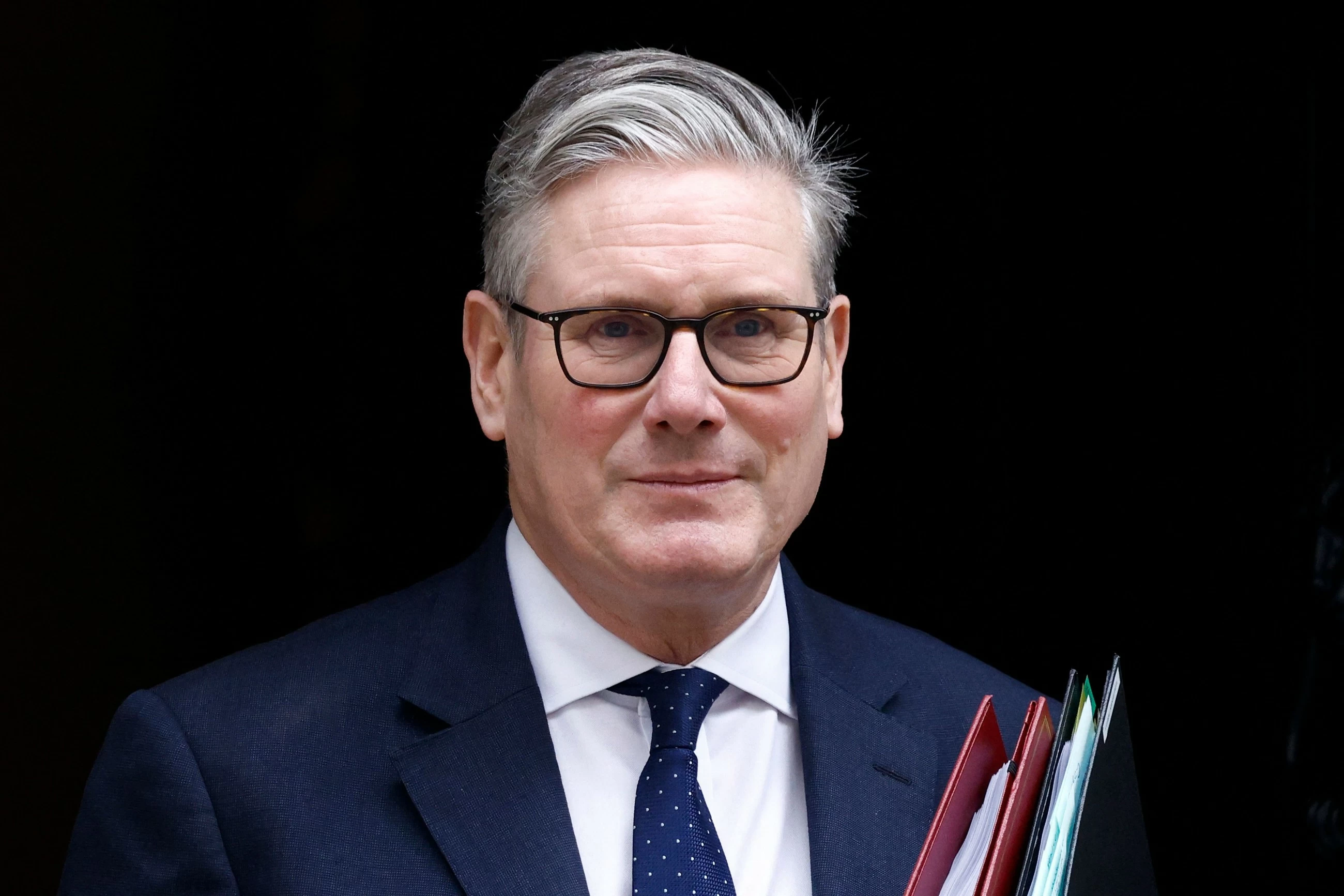
With his premiership imploding, Boris Johnson famously observed that: “As we’ve seen at Westminster, the herd instinct is powerful — and when the herd moves, it moves.”
The words will already be familiar to Sir Keir Starmer, who, in 2022, in a series of superb performances as leader of the opposition, did so much to bring down the then prime minister, according to The Independent.
Now, he is finding out first hand something of what Johnson experienced: being under constant attack from his own MPs, many of whom owe their parliamentary seats to his general election victory, and being ground down by a series of ministerial resignations that reach a crescendo when some of his most senior colleagues quit in protest.
Certainly, the Labour “herd” has been moving — with far less justification – and in a manner reminiscent of what eventually secured Johnson’s downfall. Indeed, a similar exercise in what might be termed incremental regicide ensured Tony Blair’s exit in 2007, although he was adept enough to avoid an ugly denouement.
Sir Keir is proving more stubborn in office than either of those forebears. That he should also fall victim to a political assassination is not inevitable — in a rearguard action, more than 100 backbenchers have pledged their loyalty to him. However, pressure is noisily building, and the discontent is real.
The prime minister pulled a surprising tactic by saying he wasn’t going to go just as cabinet was sitting down. In effect, he ambushed them — and his hijack of the initiative is what pushed them into acquiescence. It gives him breathing space, albeit for who knows how long? There is no point in denying it. More than 81 MPs have now called for him to go, the number needed to trigger a leadership contest if they were to rally behind a single candidate, which has not yet happened.
Some favour Wes Streeting, the health secretary and reputed leading replacement candidate who, in the words of The Independent’s chief political commentator John Rentoul, would bring “fluency, clarity and humour to the serious business of government”, but who is also “sometimes described as smug, too smooth, too young (he is 43) and too pleased with himself”.
For all his support on Labour’s soft left, Andy Burnham, the Greater Manchester mayor, lacks the necessary Westminster seat from which to launch a leadership campaign, and — following his party’s washout in last week’s local elections — would face an enormous challenge were he to mount a bid in a by-election. Angela Rayner, having urged Sir Keir to move harder to the left to stay in office, has made clear she is prepared to run if the role becomes available. Meanwhile, Shabana Mahmood’s spokesperson has confirmed that the home secretary, who was among a number of ministers calling for Sir Keir to set out a timetable for his resignation, now wants to get on with her own job rather than make a bid for the prime minister’s.
Which means that all that the public denunciations, the frustrated letters of resignation and the multifarious grievances aired on social media have achieved so far is to make Labour look unworthy of holding power. First, fundamentally, they have merely demonstrated that while there is a great deal of disappointment internally with Sir Keir, it is still not substantial enough to oust him. Collectively, they don’t know who they want to replace him. As the prime minister forcefully reminded his colleagues around the cabinet table, there is no party mechanism for facilitating a vote of no-confidence in the occupant of No 10. Sir Keir has said he will fight anyone who dares challenge him.
The second unfortunate feature the Labour Party has chosen to flout in front of a dismayed public is how utterly divided it is, and how confused are the various personalities now seeking to supplant an elected prime minister.