admin
admin 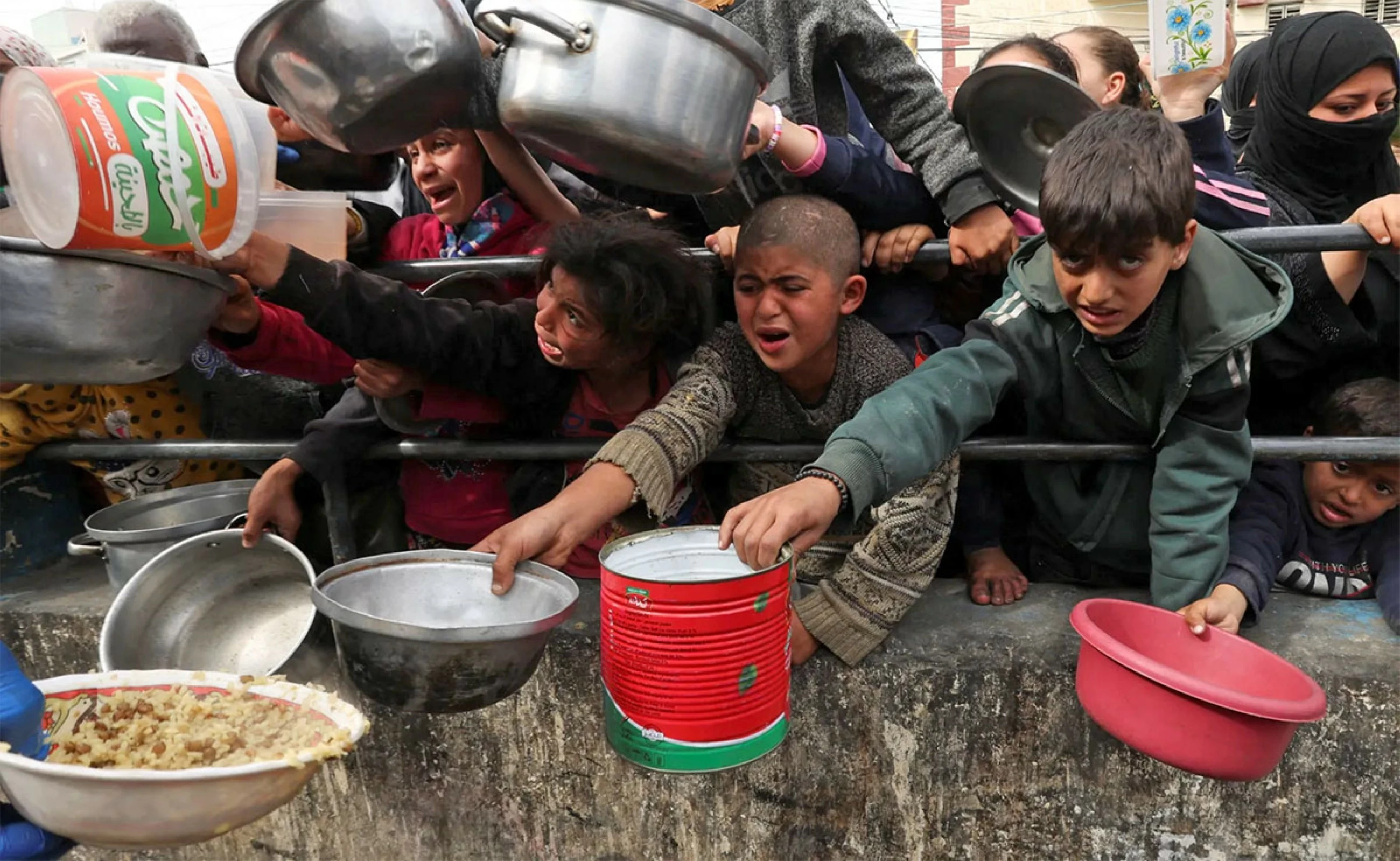
To maintain its tight blockade of the Gaza Strip, Israel’s navy last week illegally intercepted 22 ships from the latest flotilla and arrested 175 crew and passengers from dozens of countries. After smashing engines, destroying navigation equipment, and jamming communications on many vessels, the Israelis departed, leaving passengers and crew stranded on powerless vessels unable to call for rescue. They were eventually taken to Greece from where they could return home.
Israel’s interceptions were illegal because they took place off Crete in international waters 600 nautical miles or 1,150 km from Gaza. This was the furthest from Gaza, blockade-busting ships have been boarded, taken over, and their crews arrested since the Free Gaza Movement sailed from Larnaca in Cyprus and landed activists on August 23rd, 2008. Among those slated to sail on the initial attempt was octogenarian Holocaust survivor Hedy Epstein (1924-2016) who, while waiting to board, fell ill from heat stroke in Cyprus’ sweltering summer and could not join the voyage.
Forty-four passengers and crew from 17 countries risked sinking after settling sail on two clapped out Greek fishing boasts, the SS Free Gaza and SS Liberty. Nevertheless, they reached the strip and were greeted by tens of thousands of cheering Palestinians who thronged the small harbour. Youths swam out to meet the first foreign vessels to reach Gaza in 41 years. Having mounted a successful voyage, the movement bought a yacht in Limassol, christened her Dignity, and mounted out four more voyages to Gaza in October, November and December of that year. However, in early October, boats and activists on board were captured and detained.
On December 20th, the fifth and last boat to make the trip carried a Qatari delegation, Lebanese activists and journalists from Israel and Lebanon. On December 27th, Israel mounted a full-scale offensive against Gaza called “Cast Lead.” On the 30th, Israel rammed and crippled Dignity in international waters, forcing the yacht to make for the Lebanese port of Tyre. Flagged by Gibraltar, Dignity – which carried three tonnes of medical supplies – had a British captain and among its 16 passengers was Cynthia McKinney, a former US congresswoman.
Since then, no ships have been allowed to reach Gaza. A flotilla of three passenger and three cargo ships was launched on May 30th, 2010, by Turkish rights activists and the Free Gaza Movement. The largest vessel was the Turkish ferry Mavi Marmara which carried 663 passengers from 37 countries. Public figures on board included former UN Assistant Secretary-General Denis Halliday, ex-US ambassador to Mauritania Edward Peck, Israeli-Arab Knesset member Haneen Zoubi, chief of the northern branch of the Islamic Movement in Israel Raed Salah, Swedish novelist Henning Mankell, and European and Arab national legislators and members of the European Parliament.
The night of the 30th-31st, Israeli commandos on helicopters and speedboats raided the flotilla’s six ships which had survived Israeli sabotage and rough seas to the rallying location. Nine activists were killed outright, one died later, and dozens of passengers and seven Israeli soldiers were injured. Detained activists were deported by June 6th, the ships were towed to Israel and some were returned to their owners. Aid on board was delivered to Gaza under United Nations supervision on June 17th. There was widespread anger over Israel’s violent seizure of the ships although it claimed self-defence. The UN called for an investigation, popular protests were staged around the world, and dozens of governments in Europe, Asia, Africa and South America condemned Israel.
Attention suddenly focused on forgotten Gaza. This outpouring of outrage explains Israel’s determination to prevent further flotillas from reaching Gaza, 53 per cent of which is under Israeli occupation, the rest governed by a weakened Hamas while Gazans remain deprived of infrastructure and homes without hope of reconstruction.
Since 2010, Israel’s standing on the international scene has deteriorated due to its never-ending hostile occupation of the West Bank and East Jerusalem, and assault on Gaza. Israel has been charged with “genocide” against Palestinians and ecocide, the destruction of their land as well swathes of southern Lebanon. Of the 193 members of the United Nations, 157 recognise the virtual state of Palestine including Western nations Britain, France, Spain, Malta, Slovenia, Luxembourg, Monaco, Andorra, Belgium, Canada, Australia, Ireland, Norway and Portugal.
Gaza has long assumed a leading role in the struggle for Palestinian statehood. The 1994 Gaza — Jericho First Agreement signed in Cairo gave Palestinians autonomy in the Strip and the town of Jericho in the West Bank. This agreement, based on the 1993 Oslo accord, formally transferred civilian governance and internal security in these two areas from Israel to the Palestinian Authority. Israeli settlers and military forces pulled out of Gaza in August and September 2005 under the “Gaza Disengagement” agreement. The departure of 8,000–9,000 Israeli settlers from 21 settlements and of all Israeli troops ended Israel’s 38-year occupation of the strip which was governed by the Fatah-dominated Palestinian Authority until ousted by Hamas in June 2007.
Since then, Gaza has become the last redoubt of Palestinian resistance to occupation. In response Israel launched five major military campaigns against Gaza in 2008-2009, 2012, 2014, 2021, and June 2023 and October 7th, 2023, to the present and there have been near constant incursions and skirmishes throughout. Since October 2023, Israel has besieged Gaza and prevented foreigners, particularly journalists and activists, from entering the strip while blocking humanitarian aid and essential equipment and materials. By isolating Gaza, Israel seeks to deny Gazans a window on the world and the world a window on Gaza where leading international and Israeli rights organisations argue Israel is committing genocide.