admin
admin 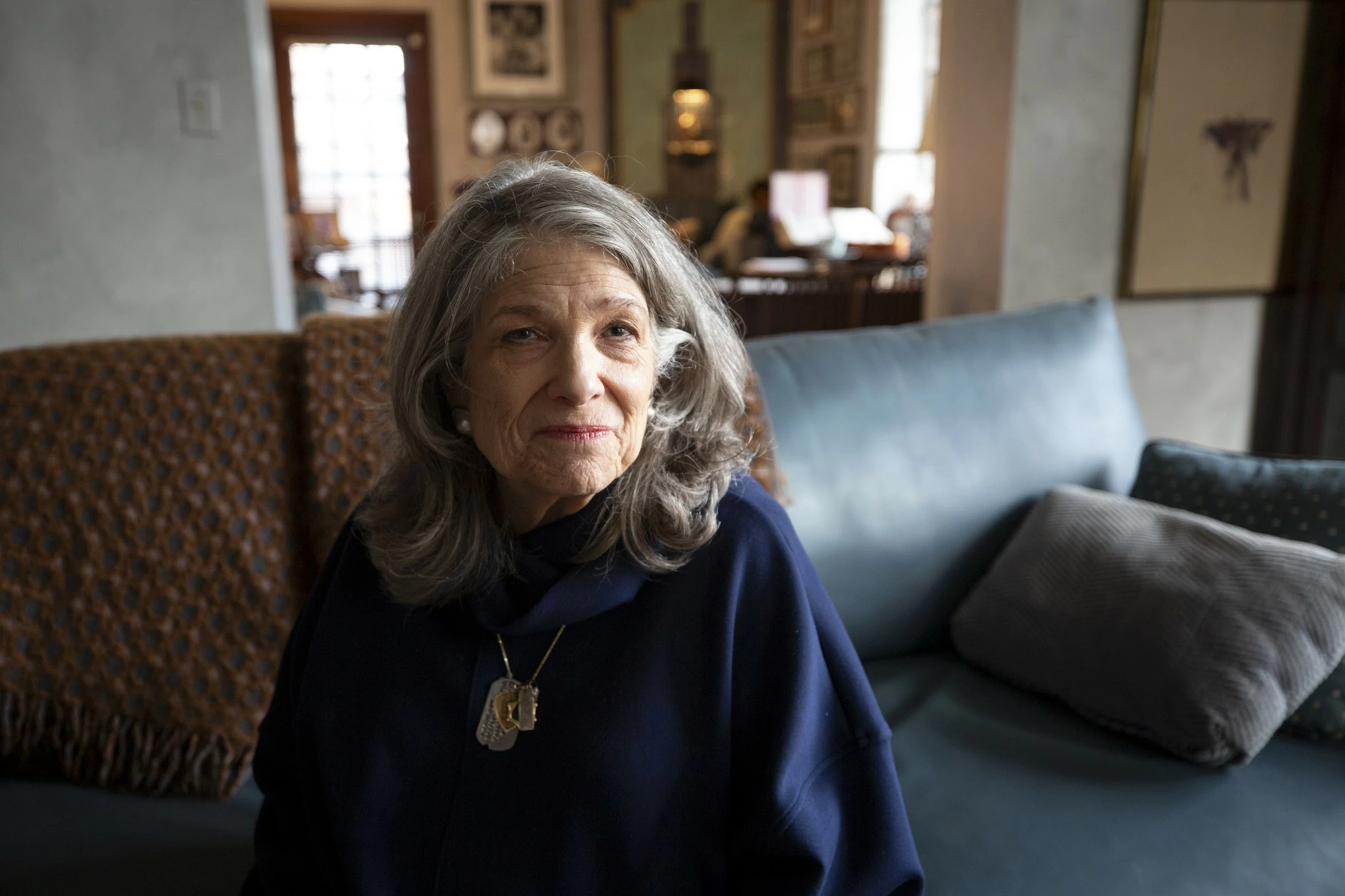
John Daley and Colorado Public Radio, Tribune News Service
In response to abrupt and politicised changes to federal vaccine policy, concerned Coloradans have taken several steps to shore up support for vaccine science. A bill passed by the state legislature in March then signed into law by Democratic Gov. Jared Polis allows Colorado to further uncouple itself from federal guidance. The law allows health officials to follow the recommendations of national medical groups when making decisions such as purchasing bulk vaccines for the Medicaid programme. “We are insulating our state from the dysfunction coming out of Washington,” said Democratic state Sen. Kyle Mullica, a co-sponsor of the bill and a registered nurse. “We’re going to rely on science.”
“From fighting during the pandemic for Coloradans to get vaccines as quickly as possible to combating the Trump Administration’s barriers to getting vaccinated, we have expanded access to vaccines for Coloradans who want them,” Polis said in a statement when he signed the law. Colorado is one of at least 29 states that, along with Washington, DC, have taken steps to bypass the new federal recommendations amid worries that the changes could chip away at public trust in vaccines and erode broad vaccine coverage.
Previously, Colorado, like most states, had followed federal guidance set by the Centers for Disease Control and Prevention. In January, CDC advisory panelists, selected by Health and Human Services Secretary Robert F. Kennedy Jr., removed six pediatric immunizations from the agency’s universal recommendation list. Last year, doctors, scientists, local leaders, and other supporters came together to form an outreach and advocacy coalition called Colorado Chooses Vaccines. The group aims to offer a clear, unified voice on the proven benefits of vaccines and reassure residents confused by the many federal changes.
Carol Boigon, a former Denver City Council member, joined the group because she wants more people to hear her own chilling story about vaccine-preventable illness. “Every summer everybody got sick,” Boigon said, recounting her childhood in 1950s Detroit. The illness was polio, a highly contagious viral disease that attacks the nervous system, sometimes causing partial or full paralysis. During the summer of 1953, “the whole block was sick and some of us got crippled, and that was just the way it was,” she said.
Boigon’s personal history will be part of the coalition’s work to educate new generations about the dangers of infectious diseases that were once common in the US but are now relatively rare. The group, which formed last September, will also compile vaccine information from medical groups and the state health department and advocate for policy proposals with the state government. “It was in direct response to the federal threats,” said another coalition member, former state lawmaker Susan Lontine. She leads the nonprofit Immunize Colorado. Another member, public relations specialist Elizabet Garcia, wants more outreach to Hispanics, whose vaccination rates lag behind other groups’.
“A lot of time it’s this fear that they’re going to have to pay out-of-pocket, that their insurance doesn’t cover it, that they might not even have insurance in general,” Garcia said. Boigon was five when she got sick and was hospitalised for six weeks with a fever. The virus attacked her spine.
“None of my limbs worked immediately afterwards,” Boigon said. Although she regained function in her other limbs, her right arm never fully recovered. She had to adapt, relearning everyday tasks such as reaching out to shake hands with people with her left hand. In 1955, not long after she got sick, the new polio vaccine became more widely available to the public. As vaccinations took off, US cases of polio, once one of the nation’s most feared diseases, dropped by an estimated 85%-90%.
State leaders have taken other steps to promote public health. After the Trump administration pulled the US out of the World Health Organization, several states, including Colorado, decided to join the WHO’s Global Outbreak Alert and Response Network on their own. Colorado also joined a multistate lawsuit challenging the Trump administration’s changes to the childhood vaccine schedule. And the new state law has provisions besides allowing the state to diverge from federal recommendations. It codifies pharmacists’ ability to prescribe and give vaccines themselves. It also increases legal protections for healthcare workers who give vaccines. “This law will provide more clarity to guide all Coloradans, including providers who administer vaccines,” Lontine said.
But the legislation has opponents who say it would interfere with parental choice and claim vaccines might be unsafe or ineffective.
“I just want to make sure we’re not just getting into a big political dispute between the federal recommendations — the CDC and so forth — and different political views in Colorado here,” said Republican state Sen. John Carson, who voted against the vaccine bill. NPR contacted the U.S. Department of Health and Human Services about Colorado’s new law. Spokesperson Emily Hilliard answered in an email: “The updated CDC childhood schedule continues to protect children against serious diseases.”