1. Home
  2. World

Category: World

World
Britain to allow combined flights to reduce jet fuel consumption

Britain to allow combined flights to reduce jet fuel consumption

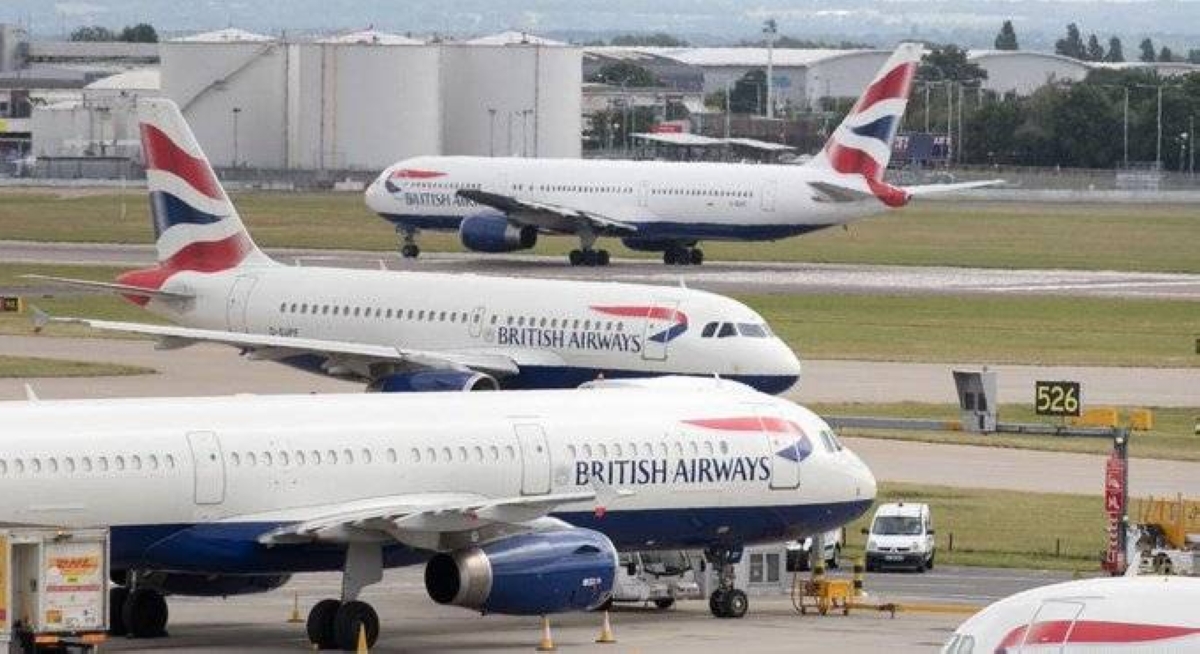
The British Department for Transport announced that airlines will be allowed to combine passengers from different flights onto fewer aircraft as part of temporary measures aimed at reducing jet fuel consumption.The department explained that the new amendment allows for the merging of flights on routes that have more than one flight per day to the same destination, allowing passengers to be transferred to similar flights if there are vacant seats, instead of operating flights that may be not full or are threatened with cancellation.The move aims to reduce fuel waste resulting from operating aircraft with fewer passengers than their operational capacity, as well as to enhance the operational efficiency of airlines.The Department for Transport confirmed that these amendments also aim to enhance the stability of flight schedules and give travelers greater confidence in the regularity of travel.These measures come at a time when warnings are increasing about a possible shortage of jet fuel as the holiday season approaches, amid supply chain disruptions linked to geopolitical tensions and their impact on fuel supplies from the Middle East. 

World
Mauritanian army denies infiltration of fighters from Mali, affirms complete border control

Mauritanian army denies infiltration of fighters from Mali, affirms complete border control

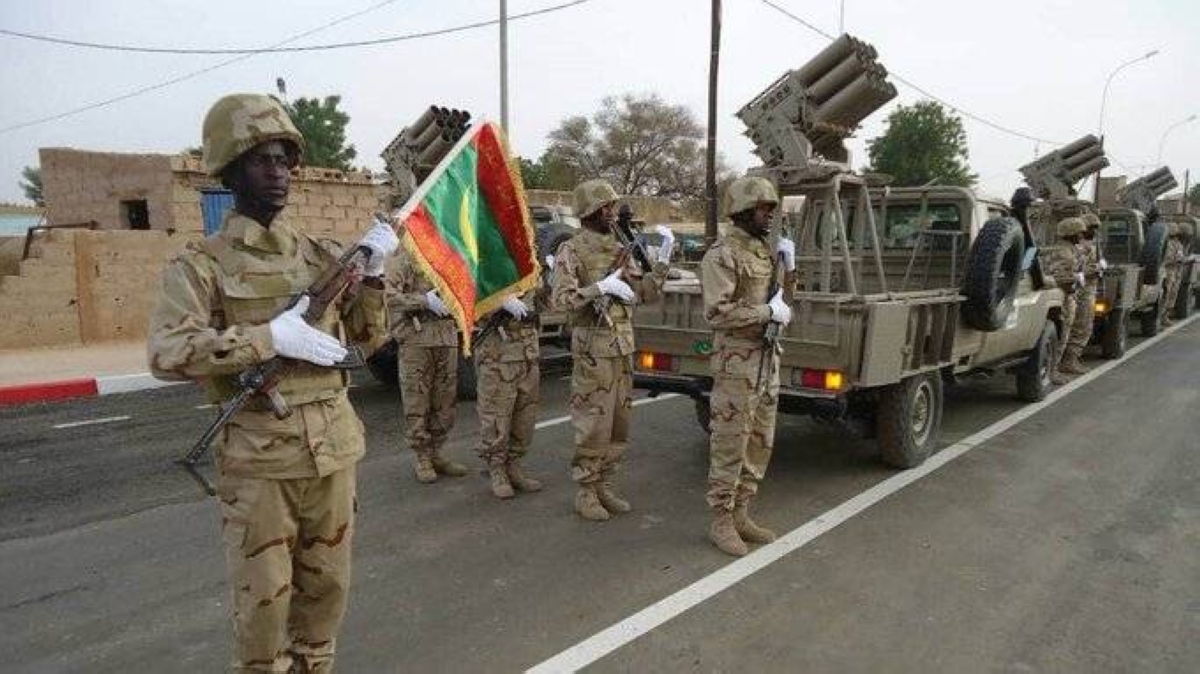
The General Staff of the Mauritanian Armed Forces denied the validity of what was circulated regarding the crossing of fighters into Mauritanian territory from Mali, stressing the readiness of the armed forces to deal firmly with any possible developments.In a press statement, the General Staff explained that these claims fall within attempts to mislead and sow confusion. The country has full control over all its territory, especially the border areas, and no hostile activity has been recorded so far, the statement added.It also warned against circulating or promoting what it described as false information, due to the potential disruption it could cause to public order, calling for vigilance and responsibility in dealing with news of a security nature.This denial comes after reports that armed men had been spotted crossing from Mali into Mauritania, as part of movements related to the ongoing conflict within Malian territory. 

World
Algeria ready to help resolve crisis in Mali

Algeria ready to help resolve crisis in Mali

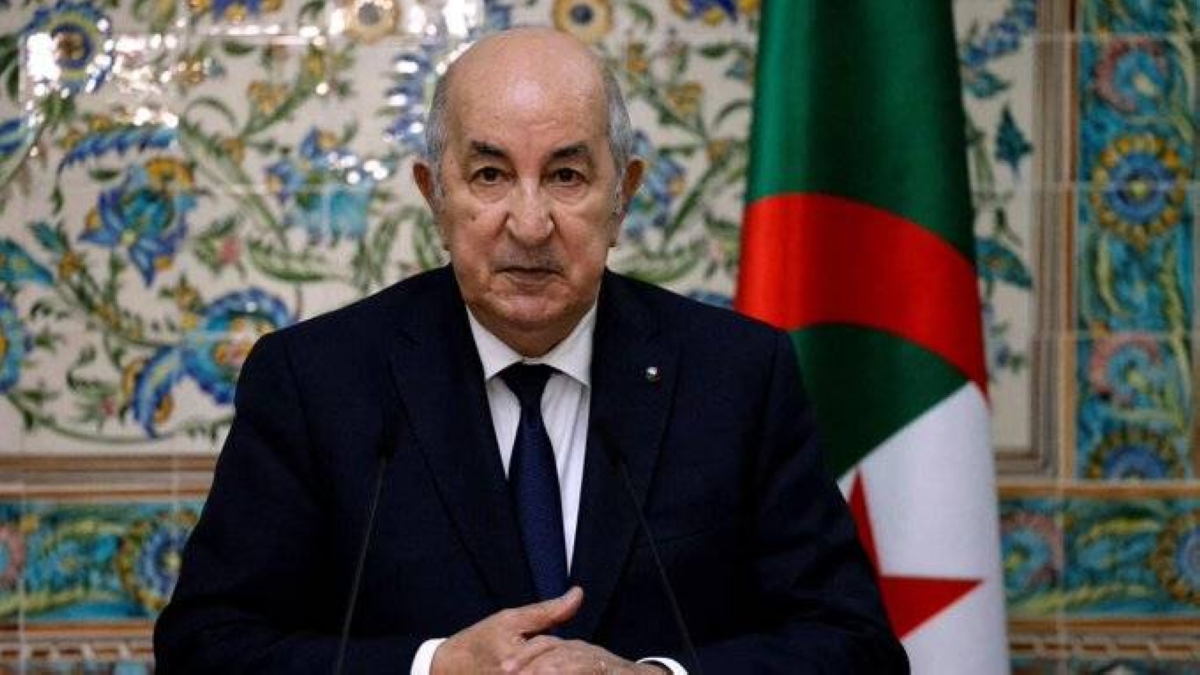
President of Algeria Abdelmadjid Tebboune expressed Algeria's readiness to contribute to efforts to resolve the crisis in Mali, in a way that would help restore security and stability, while emphasizing non-interference in the country’s internal affairs.During a regular meeting with representatives of local media, Tebboune said that Algeria is closely following developments in Mali with concern, expressing regret over what he described as a trajectory toward greater instability.He stressed that Algeria has not and will not intervene in Mali's internal affairs, affirming that relations between the two countries are based on brotherhood and that Algeria has been and will continue to support Mali without seeking any special interests.He added that military solutions do not represent a way out of the crisis, noting that Malians are capable of overcoming the challenges they face. He also indicated that Algeria is ready to provide support if Mali requests it, with the aim of de-escalation and helping to overcome the crisis.The Algerian president also revealed that there have been indirect contacts between the two countries in recent times, amid escalating security tensions in Mali, which has recently witnessed increasing attacks by armed groups, further exacerbating instability in the Sahel region. 

World
US President to review Iranian proposal to end war, doubts he’ll accept it

US President to review Iranian proposal to end war, doubts he’ll accept it

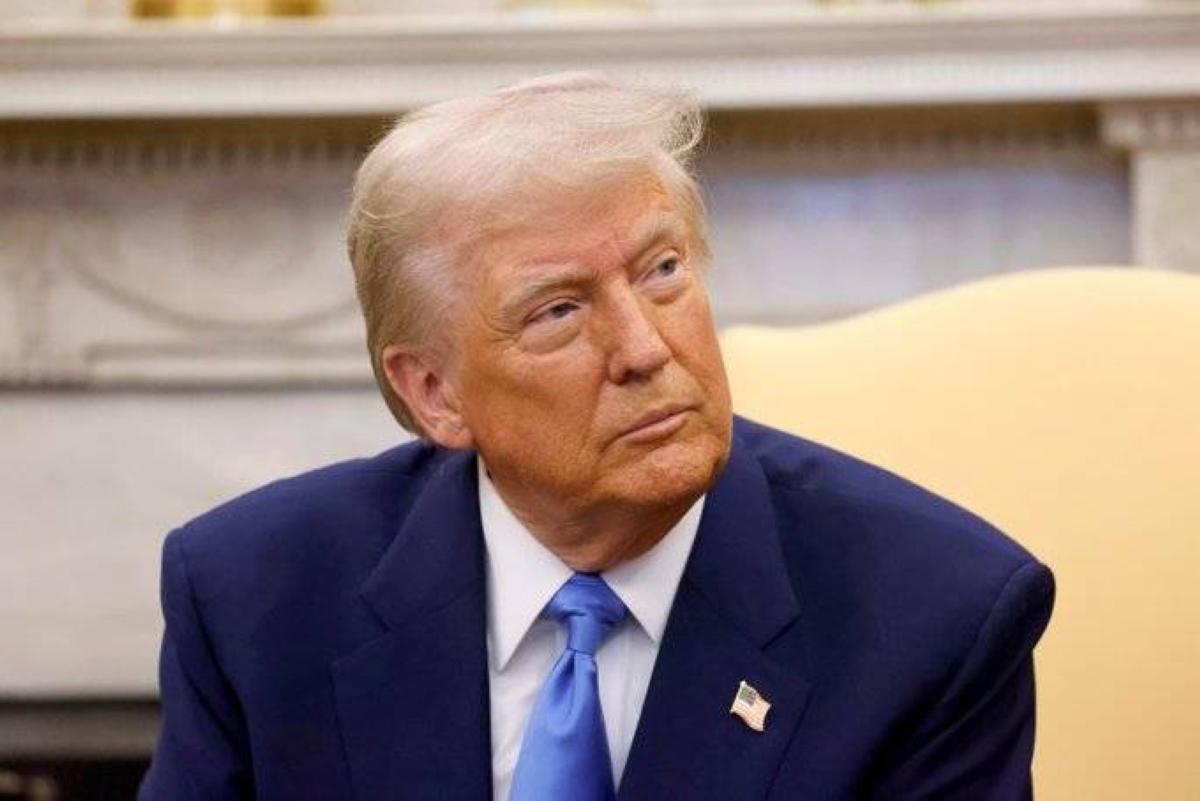
US President Donald Trump announced that he intends to review an Iranian proposal aimed at ending the war, while expressing doubts about the likelihood of accepting it.In a post on the Truth Social platform, Trump said he would soon examine the plan submitted by Iran, but voiced reservations about its viability, noting that Tehran had not yet paid a sufficient price for its actions.And at a press conference in West Palm Beach, he said he had reviewed the broad outlines of Iran's response to the US proposal and expected to receive the final version later. Regarding military options, Trump did not rule out resuming operations against Iran, saying that such a move could happen, and suggesting that Tehran would need a long time to rebuild its capabilities if the confrontation continued.He also referred to what he described as a lack of clarity in Iran’s leadership structure, noting that the new supreme leader had not appeared since the outbreak of the war.On the domestic front, Trump called on the Democratic Party not to obstruct US actions toward Iran, describing current blockade measures as relatively moderate. This comes as Trump continues to reject Iranian offers to advance stalled negotiations, maintaining his position of imposing a tight blockade on Iranian ports. At the same time, Iran has responded by closing the Strait of Hormuz.The Iranian Fars News Agency reported Saturday that Tehran had submitted a 14-point response to the U.S. proposal to end the war, outlining its framework for ending the conflict and conveying it to the Pakistani side. According to sources cited by Fars, the response to Washington's nine-point proposal included a clear roadmap for ending the war, along with an emphasis on Iran’s red lines. It added that the message was delivered through a mediator after passing through the usual decision-making processes within Iran’s relevant institutions and obtaining the necessary approvals.Meanwhile, the Tasnim News Agency reported, citing its sources, that Tehran responded to a US proposal that included a request for a two-month ceasefire, stressing that issues should be resolved within 30 days and that the focus should be on ending the war rather than extending the truce.Two days ago, Trump said he did not intend to seek approval from the United States Congress to continue any military action against Iran after the expiration of the 60 days allowed under the Constitution for military operations without legislative authorization. 

World
Iran military ‘expects renewed war with US’

Iran military ‘expects renewed war with US’

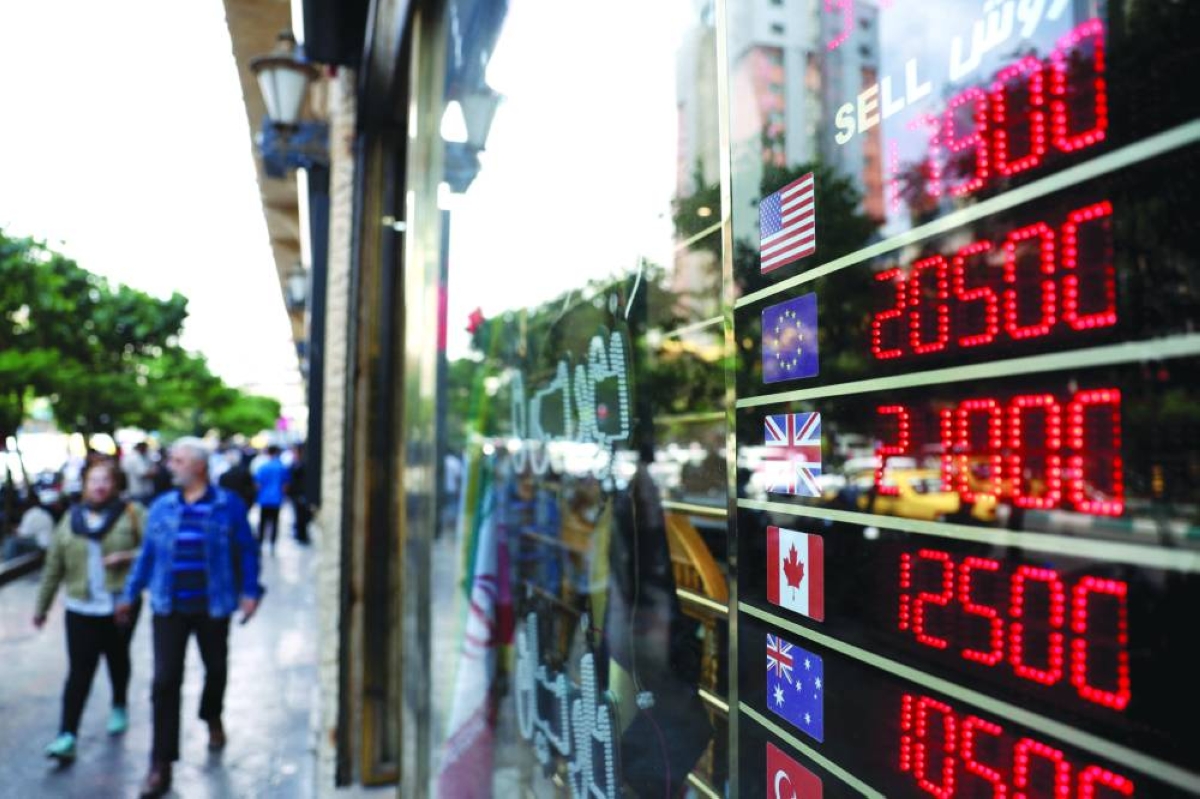
People walk near a display at a currency exchange bureau in Tehran, as the value of the Iranian rial drops. Reuters A senior Iranian military officer said Saturday that renewed fighting with the US was “likely”, hours after President Donald Trump said he was not satisfied with an Iranian negotiating proposal. Iran delivered the new draft to mediator Pakistan on Thursday evening, state media reported, without detailing its contents. The war, launched by the US and Israel in late February, has been on hold since April 8, with one failed round of peace talks having taken place in Pakistan. “At this moment I’m not satisfied with what they’re offering,” Trump told reporters, blaming the stalled talks on “tremendous discord” within Iran’s leadership. He added that the decision he faced was between whether to “just blast the hell out of them” or to “try and make a deal”, saying that he would rather not take the first option. Saturday Mohammad Jafar Asadi, a senior figure in the Iranian military’s central command, said “a renewed conflict between Iran and the United States is likely”, in quotes published by Iran’s Fars news agency. “Evidence has shown that the United States is not committed to any promises or agreements,” he added. Deputy foreign minister Kazem Gharibabadi told diplomats in Tehran that “the ball is in the United States’ court to choose the path of diplomacy or the continuation of a confrontational approach”. Iran, he said, was “prepared for both paths”. Iran’s judiciary chief Gholamhossein Mohseni Ejei said on Friday that his country had “never shied away from negotiations”, but would not accept the “imposition” of peace terms. The White House has declined to provide details on the latest Iranian proposal, but news site Axios reported that US envoy Steve Witkoff had submitted amendments to a previous one putting Tehran’s nuclear programme back on the negotiating table. Iran’s mission to the UN pointed to the United States’ massive nuclear arsenal, accusing it Saturday of “hypocritical behaviour” towards Iran’s own atomic programme. It went on to insist there was no legal “restriction on the level of uranium enrichment, so long as it is conducted under the International Atomic Energy Agency (IAEA)’s supervision, as was the case with Iran”. News of the new Iranian proposal had briefly pushed oil prices down nearly 5%, though they remain about 50% above pre-war levels amid the ongoing closure of the Strait of Hormuz.Iran has maintained a stranglehold on the strait since the war began, choking off major flows of oil, gas and fertiliser to the world economy, while the United States has imposed a counter-blockade on Iranian ports. Speaking at a rally on Friday, Trump said “we’re like pirates” as he described an earlier helicopter raid on an oil tanker under the blockade. The vice-speaker of Iran’s parliament, meanwhile, said Iran would not “relinquish our rights in the Strait of Hormuz, and the movement of vessels in the Strait of Hormuz will not be the same as before”. Ali Nikzad added that under legislation before parliament for managing the waterway, 30% of tolls collected would go towards military infrastructure, with the rest earmarked for “economic development”. “Managing the Strait of Hormuz is more important than acquiring nuclear weapons,” he said. Despite the ceasefire in the Gulf, fighting has continued in Lebanon, where Israel has carried out deadly strikes despite a separate truce with the Iran-backed group Hezbollah. Lebanese state media reported a fresh series of strikes in the south Saturday, while Hezbollah claimed new attacks targeting Israeli troops. In Iran, the war’s economic toll is deepening, with oil exports crimped and inflation surging past 50%. “Everyone is trying to endure it, but... they are falling apart,” 40-year-old Amir, a Tehran resident, told an AFP reporter based outside the country. “We still have not seen much of the economic effects because everyone had a bit of savings,” he said, adding: “They had some gold and dollars for a rainy day.” “When they run out, things will change.”  Related Story

World
US drawdown should spur Europe’s defence: Germany

US drawdown should spur Europe’s defence: Germany

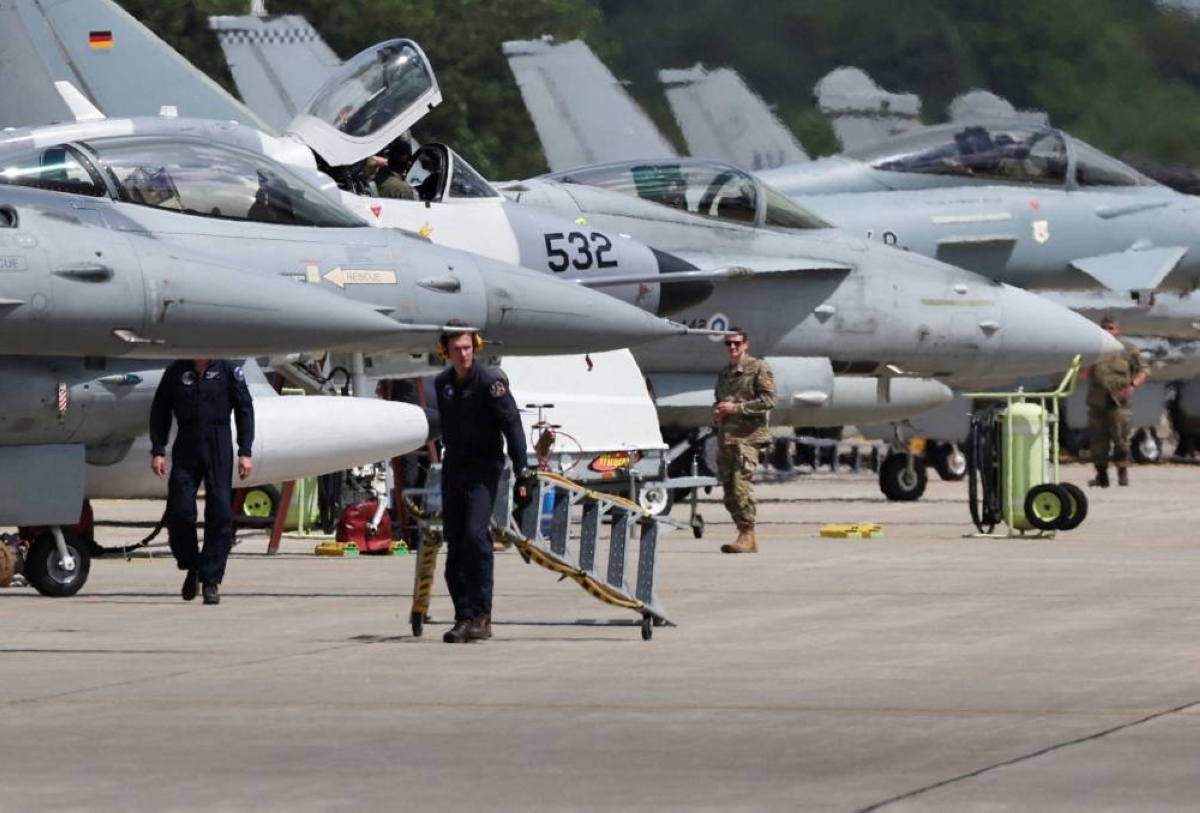
FILE PHOTO: Combat aircrafts from a NATO country stand in front of a hangar during a fighter plane maneuver exercise at the American military's Ramstein Air Base, near Ramstein-Miesenbach, Germany, June 6, 2024. REUTERS/Thilo Schmuelgen/File

World
‘Bookless bookstore’: audio-only book shop opens in New York

‘Bookless bookstore’: audio-only book shop opens in New York

Customers shop at the Audible Story House in New York, on April 30, 2026. The pop-up store labeled as a "bookless bookstore" is dedicated to audiobooks. (Photo by Thomas URBAIN / AFP) Audiobook giant Audible opened what it billed as the first “bookless bookstore” in New York on Friday as industry statistics show more American consumers embracing the format. There is no rustle of pages or stacks of best-selling novels at the pop- up store opened by the Amazon subsidiary on the Lower East Side in Manhattan. “This is a physical place entirely dedicated to bringing audio storytelling to life,” Audible CEO Bob Carrigan said during a press tour of the “Audible Story House” on Thursday. It was a slightly “wild idea” which “took quite a bit of imagination,” Carrigan said, adding that the month-long pop-up aims to “bring audiobooks to life in this environment where you can browse, you can connect with people.” According to the Audio Publishers Association (APA), audiobook sales reached $2.22 billion in the United States in 2024, nearly doubling over the past five years.In the store, audiobook tablets called “story tiles” line the shelves, ready to be inserted into a player for listening through headphones. Each tile plays a short excerpt and the full title can be accessed on the Audible app. The platform, which dominates the audiobook market, offers paid subscriptions, individual purchases and free access to some titles for Amazon account holders. The venue also has a room lined with speakers for headphone-free listening, as well as a “Listening Bar” where “Story Tenders” will “guide attendees in finding the perfect audiobook for their tastes and interest,” according to the press release. The space aims to reflect the fast-growing popularity of the format as well as the “shift toward offline experiences and real-world connection.”“Audible Story House taps into the nostalgia and community feel of book culture while bringing it fully into the present,” the company said.  Related Story

World
How Iran standoff could leave Trump in troubled waters

How Iran standoff could leave Trump in troubled waters

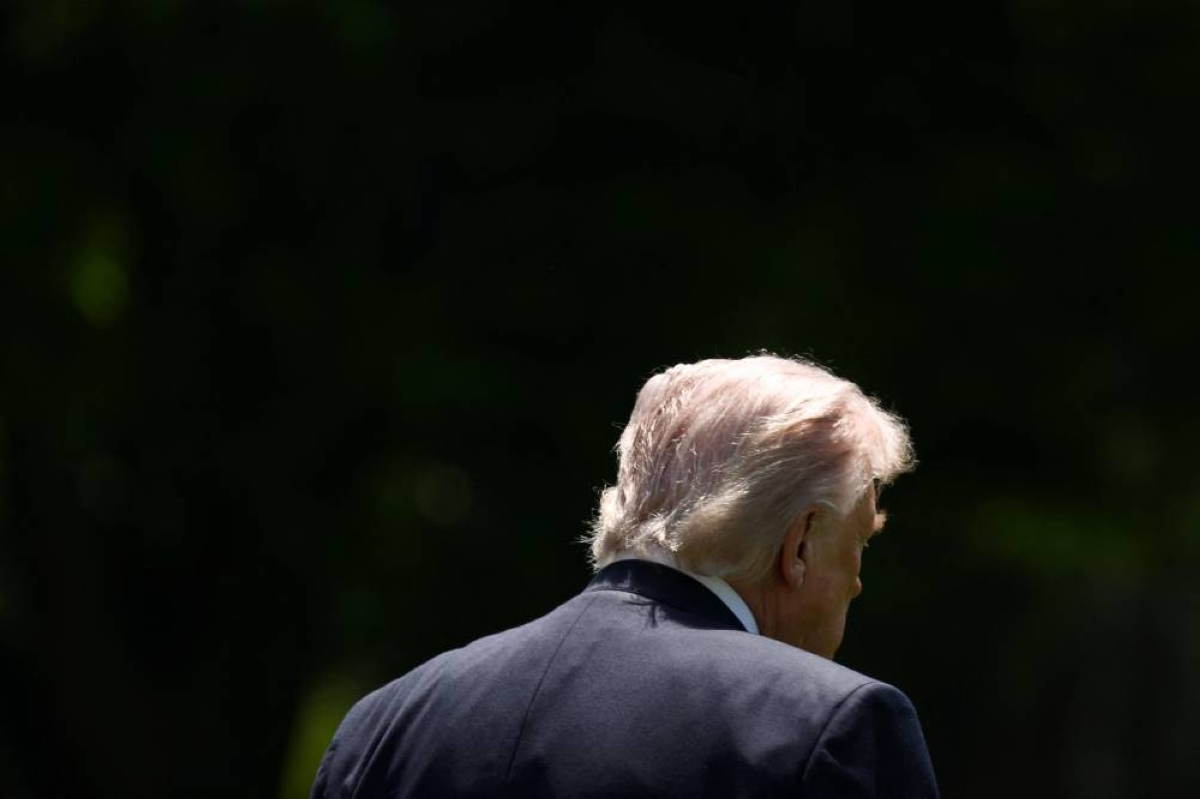
U.S. President Donald Trump departs the White House in Washington, D.C., U.S., May 1, 2026. REUTERS/Kevin Lamarque More than two months into a conflict that has failed to deliver a decisive military or diplomatic win, President Donald Trump faces the risk that a standoff with Iran will drag on indefinitely and leave an even bigger problem for the US and the world than before he launched the war. With both sides outwardly confident they hold the ‌upper hand and their positions far apart, there is no obvious off-ramp in sight, even as Iran submitted a fresh proposal to restart negotiations. Trump quickly rejected it on Friday. For the US president and his Republican Party, the implications of a ‌continued impasse are grim. An unresolved conflict would likely mean the global economic fallout, including high US gasoline prices, will persist, putting further pressure on Trump, whose poll ‌numbers are falling, and darkening Republican candidates’ prospects ahead of November’s midterm congressional elections. UNMET GOALSThose costs highlight a ‌deeper problem: the war has failed to achieve many of Trump’s stated goals. While there ‌is little doubt that waves of US and Israeli strikes heavily degraded Iran’s military capabilities, many of Trump’s often-shifting war objectives — from regime change to shutting Iran’s path to a nuclear weapon — remain unfulfilled. Fears for a more protracted deadlock have grown since Trump called off a trip by his negotiators to Islamabad last weekend and then dismissed an Iranian offer to halt the war, suspended since April 8 under a ceasefire agreement. Tehran proposed setting aside discussion of its nuclear program until the conflict is formally ended and a deal is reached on reopening the Strait of Hormuz. That was a non-starter for Trump, who has demanded the nuclear issue be dealt with at the outset. There was a glimmer of hope on Friday when state news agency IRNA reported Tehran had sent a revised proposal through Pakistani mediators, causing a drop in global oil prices that had risen sharply since Iran effectively closed the strait. Trump told reporters he was “not satisfied” with the offer, though he said there were ongoing contacts by phone. A failure to wrest the vital oil-shipping waterway from Iranian control at the conclusion of the conflict would be a major blow to Trump’s legacy. “He’d be remembered as the US president who ​made the world less safe,” said Laura Blumenfeld, a Middle East expert at Johns Hopkins University in Washington. White House spokeswoman Olivia Wales said Iran’s “desperation” is increasing due to military and economic pressure, and Trump “holds all the cards and has all the time he needs to make the best deal.” RESUMING HOSTILITIES?With his next steps uncertain and no clear endgame, Trump has in private meetings raised the prospect of a prolonged naval blockade of Iran, possibly for ‌months more, aimed at further squeezing off its oil exports and forcing it to reach a denuclearisation agreement, a White House official said on condition of anonymity. At the same time, he has left the door open to resuming military action. The US Central Command has prepared options for a “short ​and powerful” series of strikes as well as for taking over part of the strait to reopenit to shipping, Axios reported on Thursday. European diplomats said their governments, whose relations with Trump have been strained by the war, expect the current situation with Iran to persist. “It’s hard to see how this will end soon,” said one, speaking on condition of anonymity. Iran has remained defiant. It has exerted powerful leverage against the US and its allies, triggering an unprecedented energy supply shock by choking off shipping in the strait, where tanker traffic flowed freely before the war, carrying a fifth of the world’s oil. Analysts say Iran will be emboldened knowing that it will have this weapon at its disposal even after the war. “Iran has realised that, even in a weakened state, it can shut off the Strait at will,” said Jon Alterman of the Center for Strategic and International Studies in Washington. “That knowledge leaves Iran stronger than it was before the war.” Trump, who took office promising to avoid entanglement in foreign interventions, has also failed to achieve his main stated aim in attacking Iran on February 28: to close off its path to a nuclear weapon. A stockpile of highly enriched uranium is believed to remain buried following US and Israeli airstrikes last June and could be recovered and further processed into bomb-grade material. Iran says it wants the US to recognise ‌its right to enrich uranium for what it says are peaceful purposes. Another of Trump’s declared war goals — forcing Iran to stop support for proxy groups such as Lebanon’s Hezbollah, Yemen’s Houthis and Palestinian Hamas — also remains unmet. Renewed peace talks are unlikely to yield a quick resolution, given the large gaps. At the request of Trump’s aides, intelligence agencies are studying how Iran would respond if he declared a unilateral victory and pulled back, US officials have told Reuters. ‘FROZEN CONFLICT’ RISKWith negotiations deadlocked, some analysts have suggested the war could devolve into a frozen conflict that would defy a permanent solution. That could prevent Trump from significantly scaling down forces in the Middle East. The US is already paying new strategic costs. Those include fractures with traditional European allies, who were not consulted before Trump went to war.Trump also must deal with a more hardline Iranian leadership, dominated by the Islamic Revolutionary Guard Corps. The president’s call at the start of the conflict for the Iranian people to overthrow their rulers has gone unheeded. At home, Trump is under pressure to end a war that has dragged his approval rating to the lowest level of his term and spiked gasoline prices above $4 a gallon ahead of the midterms, in which Republicans are at risk of losing control of Congress. A second White House spokeswoman, Taylor Rogers, said Trump was committed to maintaining his party’s congressional majority and that high gasoline prices were only “short-term disruptions” that would be overcome as the conflict subsides. The Iranians, however, are mindful of Trump’s ‌domestic troubles and may be prepared to wait him out, but the questionremains how long they can stave off economic calamity.“Iran isn’t fractured or folding, it’s playing for time,” Sina Toossi, a senior fellow at the Center for International Policy think tank in Washington, wrote on X.  Related Story

World
No ‘meaningful’ shift from social media sites after Australia teen ban: govt report

No ‘meaningful’ shift from social media sites after Australia teen ban: govt report

There was “no meaningful shift” away from big tech platforms like TikTok and Instagram in the immediate wake of Australia’s world-leading teen social media ban, government documents obtained by AFP show.Australia in December banned under 16s from a raft of popular social media platforms, launching a world-first crackdown designed to protect children from online bullying and “predatory algorithms”. There is strong global interest in whether Australia’s laws could provide a blueprint for how to rein-in increasingly powerful tech giants.Government documents obtained by AFP using freedom of information laws give an early glimpse into how the restrictions are working. They showed that platforms such as Instagram and TikTok were still “dominating app store rankings and downloads” one month on from the ban.Data compiled throughout January showed “no meaningful shift away” from these platforms, noted an internal briefing from Australia’s eSafety Commission. Users dabbled with other apps not covered by the ban but “largely returned to major, established platforms”, officials wrote in the briefing dated February 2. A separate document cautioned it was hard to draw firm conclusions from app download data so soon after the ban.“Limitations of this data are that it does not reflect usage of an app or the age of the user, however it gives early indicators if an app is rising in popularity.” One of the chief concerns driving Australia’s social media ban was the desire to stamp out cyberbullying.Complaints of cyberbullying on banned social media platforms increased 26 % when comparing January 2026 with January 2025, the documents said. Complaints had largely stemmed from TikTok. A spokeswoman for the eSafety Commission — Australia’s online watchdog — said the documents only covered a short period of time as the laws were bedding down.“Continued analysis as more data becomes available will support more robust, evidence-based conclusions regarding longer-term trends, reporting behaviours and impacts of (a minimum age for social media),” the commission told AFP in a statement. TikTok was approached for comment.A raft of nations are now reportedly mulling a similar social media crackdown. The documents showed that Israel, the United Kingdom, Norway and New Zealand met with Australian officials after expressing an “interest” in the ban. “eSafety has experienced significant global interest in the world’s first social media minimum age legislation, including implementation and compliance,” the commission said.“The internet doesn’t stop at the border and nor should our efforts to minimise harm, especially to children.” Australia in March accused big tech companies of “failing to obey” their obligations under the new laws.The eSafety Commission found a “substantial proportion of Australian children” were still scrolling banned platforms. “Australia’s world-leading social media laws are not failing. But big tech is failing to obey the laws,” Communications Minister Anika Wells told reporters at the time.“Australia will not let the social media giants take us for mugs.”Tech companies face fines of up to $33.9mn (Aus$49.5mn) under the laws.More than 5mn accounts belonging to underage Australian users have been removed since the laws came into effect, according to government figures.  Related Story

World
Afghans celebrate spring in bright red poppy fields

Afghans celebrate spring in bright red poppy fields

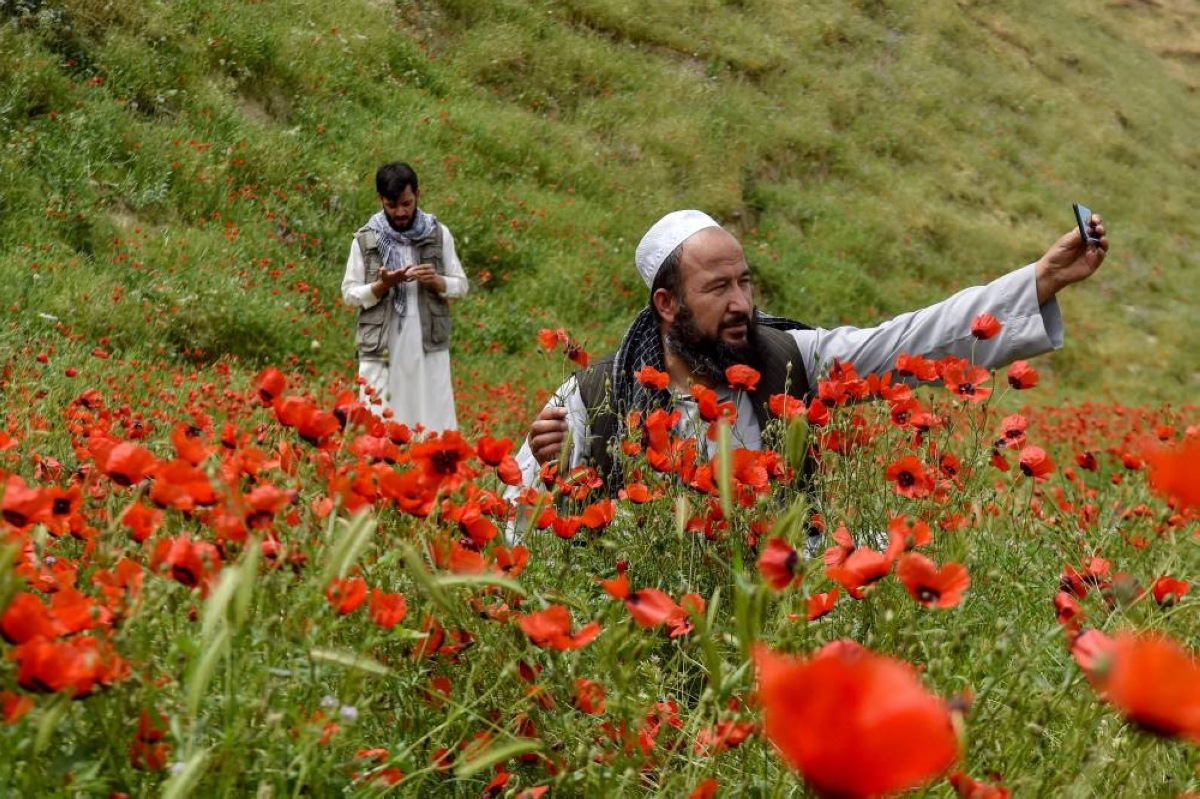
In the middle of a field filled with bright red poppies, Afghans frolic among the spring flowers in a tradition deeply rooted in the country’s north.Families flocked to the valleys of Shirin Tagab district, near the border with Turkmenistan, to be among thousands of flowers that appeared after abundant rain. “There has been a drought for almost 10 years. No flowers or greenery grew,” said Ghawsudin, who only uses one name.“This year has been very good, and God is merciful,” said the 79-year-old, who drove for three hours just to see the flowers. Mohammad Ashraf, a 35-year-old visitor, said he hadn’t seen so many poppies for more than a decade. “Now there are so many red flowers, and you see people come here for picnics,” he told AFP.The landscape in Shirin Tagab is brightened by the common poppy, not the opium poppy that authorities have banned. Many Afghans living in the north used to travel to see the poppies after celebrating Persian New Year, Nowruz, in the city of Mazar-i-Sharif. The Taliban government, which applies a strict interpretation of Islamic law, has stopped such celebrations each spring.But the tradition of visiting the poppies, which are widely revered in poems and songs, has endured. Oriane Zerah, a photographer who published a book about Afghans and flowers, said they are an integral part of daily life. “As soon as an Afghan has a little space in their garden, they plant a flower. Even in displacement camps, there’ll be a flower somewhere. They put them on their pakol, one of their traditional hats, and there are desserts made with flowers,” she told AFP. The poppy has also been associated with wartime in the country, with the flower often placed on the coffins of fighters, according to Afghan writer Taqi Wahidi. “Dying in the path of the homeland, or in the path of religion and faith, was considered a kind of new resurrection and entry into a new life,” he told AFP.The same flower is widely used in countries, such as Britain, Australia and New Zealand, where people wear artificial poppies to remember those killed in past conflicts.Nowadays in Afghanistan, however, the poppy “symbolises vitality and freshness”, according to Wahidi.“At the same time that nature is renewed, human beings also want to bring new colours into their lives,” he said.  Related Story