1. Home
  2. Opinion

Category: Opinion

Opinion
Qatar at the forefront of world’s most digitally advanced nations

Qatar at the forefront of world’s most digitally advanced nations

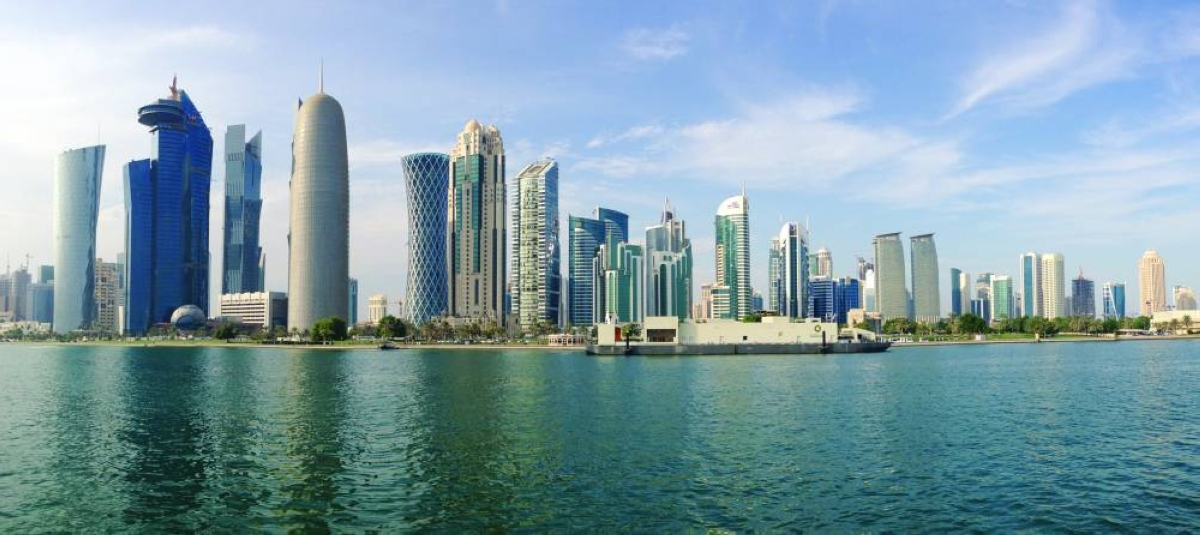
Global disparities in internet access are presenting an escalating challenge to international efforts aimed at promoting equality and achieving the Sustainable Development Goals, as gaps in digital accessibility persist across different social demographics and nations. The issue takes center stage on World Telecommunication and Information Society Day, observed annually on May 17. The 2026 theme, ‘Digital Lifelines: Strengthening Resilience in a Connected World’, underscores the critical role of digital infrastructure as a foundational pillar supporting vital services and bolstering societal resilience in an increasingly connected world. Against this backdrop, the international observance serves as a reminder of the urgent need to protect the digital technologies that underpin essential societal functions and critical infrastructure. Experts note this can be achieved through a comprehensive framework agreed upon by all United Nations member states. Such a framework would define common parameters for digital trust and security within a shared vision for digital co-operation rooted in universal values. Within this framework, international organizations and telecommunications experts are calling for the reinforcement of digital lifelines to ensure a more interconnected and resilient world. As reliance on secure communication networks grows, these lifelines-comprising terrestrial networks, submarine cables, satellites, and data systems-now form the core infrastructure of modern societies and economies. Conversely, despite the benefits of digital technologies, the potential for misuse remains high. Rogue actors can bypass laws and violate human rights through unauthorized access to personal data and the deployment of surveillance technologies. This risk has prompted widespread calls to place human rights at the center of regulatory frameworks and legislation. “Digital technology is shaping history,” United Nations Secretary-General Antonio Guterres said in a statement marking World Telecommunication and Information Society Day. “But it also raises profound questions about the human future, human rights, equality, and security in our societies.” Guterres added that addressing these challenges depends on the ability of diverse stakeholders to work collectively to maximize the benefits of technology while mitigating its risks and negative applications. On a national level, the Ministry of Communications and Information Technology continues to advance a strategic vision aimed at positioning the country as a global leader in digital transformation. Through a series of initiatives, Qatar has established itself among the world’s most digitally advanced nations. The country’s strategy relies on a robust infrastructure integrated with cutting-edge technologies, including artificial intelligence and blockchain. Furthermore, the ministry also focuses on digital literacy and cybersecurity, aiming to ensure that all members of society can engage safely across digital platforms, fostering a secure and inclusive digital environment. Speaking on the importance of the digital sector and the practical implications of its deployment, Director of the Digital Innovation Department at the Ministry of Communications and Information Technology (MCIT), Eman al-Kuwari, said digital innovation constitutes a central pillar in the country’s efforts to develop a knowledge-based digital economy, in line with the foundations of the Digital Agenda 2030, which aims to contribute QR40bn to the non-oil economy and generate 26,000 jobs. In remarks to the Qatar News Agency (QNA), al-Kuwari said the ministry is implementing this transformation through integrated pillars: advancing the performance of vital sectors by expanding the use of artificial intelligence, and enabling a nationally connected innovation ecosystem linked to global markets and systems. Al-Kuwari added that the ministry has strengthened strategic partnerships with major technology companies, including Microsoft, Google Cloud, Oracle and Scale AI, while also deepening co-operation with the private and academic sectors through digital transformation offices across several key industries. Al-Kuwari noted that one of the most significant achievements in entrepreneurship has been the inclusion of more than 521 startups in the Digital Incubation Center, with those companies securing more than QR 747mn in funding. She added that startups from 78 countries have also been attracted to Qatar, generating revenues exceeding QR 670mn. She said the 2030 Digital Agenda had received recognition from the United Nations as one of the leading international practices in digital transformation. For her part, Director of the Digital Society and Digital Competencies Department at MCIT, Duha al-Buhendi, said the ministry is committed to fostering a more digitally prepared society through investment in digital skills development and strengthening national capabilities to meet the demands of the digital future. Al-Buhendi told QNA that the ministry is developing initiatives and programs targeting various segments of society to enhance digital readiness and align skills with labor market needs. She said one of the ministry’s most prominent initiatives is the Qatar Digital Academy, which delivered more than 330 training programs last year, benefiting over 5,700 employees from more than 90 entities, in partnership with 17 global technology providers. She added that initiatives such as Studio 5 and the digital safety project Safe Space have contributed to promoting digital awareness and fostering a culture of innovation and online safety among children, youth, parents and teachers. Qatar ranks first globally in the Digital Accessibility Rights Evaluation (DARE) Index for 2020, issued by the Global Initiative for Inclusive ICTs, known as G3ict, which tracks countries’ progress in making information and communications technology accessible to all, in line with Article 9 of the Convention on the Rights of Persons with Disabilities. Qatar also ranked first globally in internet penetration, with a rate of 99% in 2021, according to the ‘Digital 2021: Global Overview Report’, issued by Hootsuite, which covered more than 230 countries and territories. In addition, the country ranked third in the Arab world in the 2023 Government Electronic and Mobile Services Maturity Index (GEMS). In the same context, Qatar placed third among Arab countries in the 2023 ICT Development Index, which covered 169 countries and is based on 10 indicators measuring universal and meaningful connectivity as well as the quality of internet access. In terms of achievements, Qatar received the World Summit Award for Arabic digital content through the government portal Hukoomi in the category of e-government and open data in 2011 and 2013. The Ministry of Communications and Information Technology also received ISO/IEC 27001 certification in 2018 following an assessment of information security systems in shared government services. In 2020, the ministry received the “Champion” award from the World Summit on the Information Society for the Safe Space platform in the category of “Building Confidence and Security in the Use of ICTs.” In 2021, the TASMU platform won a World Summit Awards award in the category of “Government and Citizen Engagement,” selected among 40 winners from nearly 800 nominations representing more than 100 countries.

Opinion
Reeves says election would damage recovery

Reeves says election would damage recovery

Rarely can an encouraging first estimate of quarterly GDP — up by an unexpected 0.6 per cent, making the UK the fastest-growing G7 nation — have had a greater political impact than when the chancellor

Opinion
FEMA can’t help until it handles its own disaster

FEMA can’t help until it handles its own disaster

Mark Gongloff, Tribune News ServiceThe government agency responsible for handling natural disasters is something of a disaster itself. The good news is that its prospects are marginally better today than they seemed just a few

Opinion
Drug ads are deceptive and deadly

Drug ads are deceptive and deadly

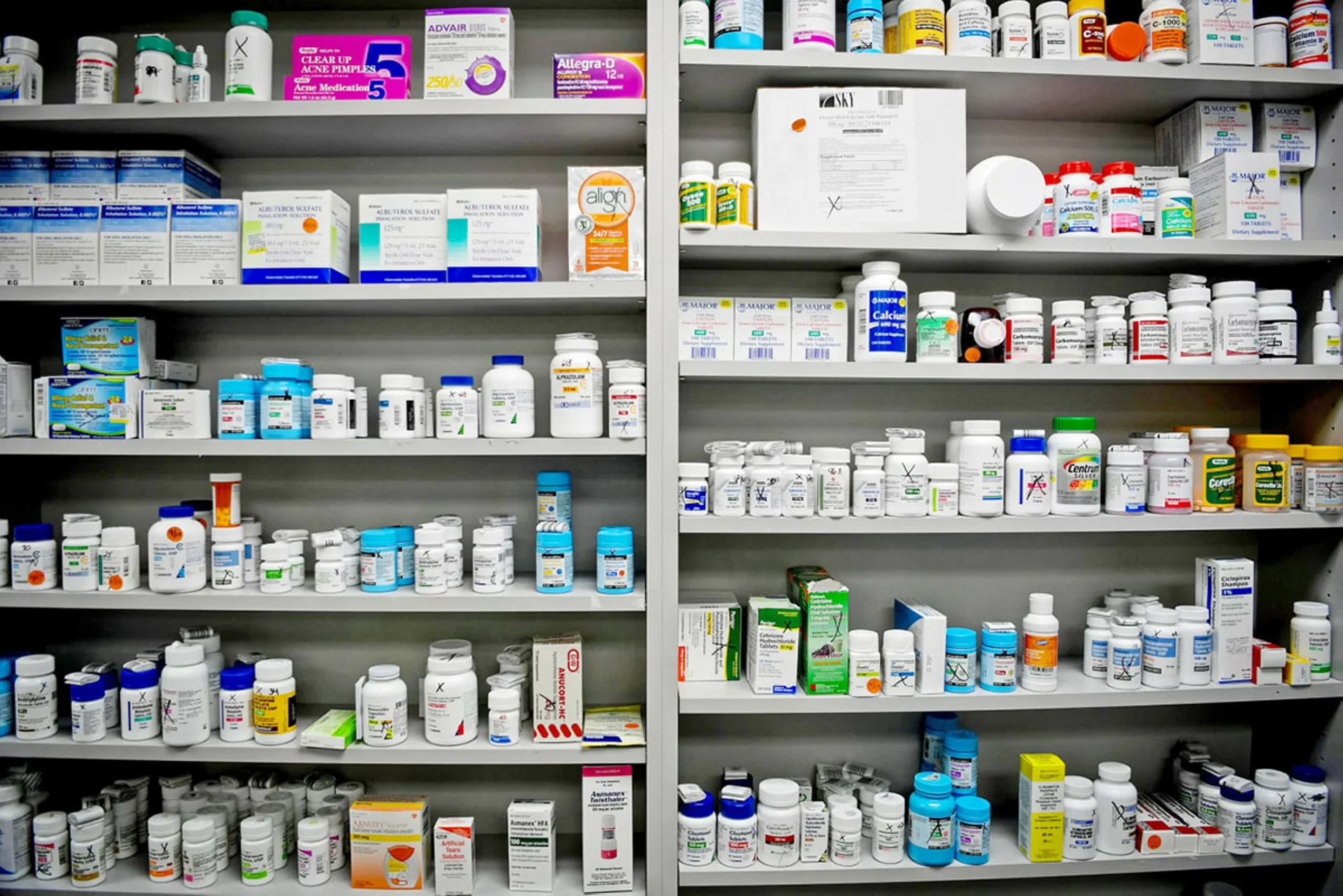
Brandon Novick, Tribune News ServiceImagine you are sick with a serious medical condition. How would you feel if someone constantly told you to buy their product because it would cure you, but this “cure” is

Opinion
Friends and foes

Friends and foes

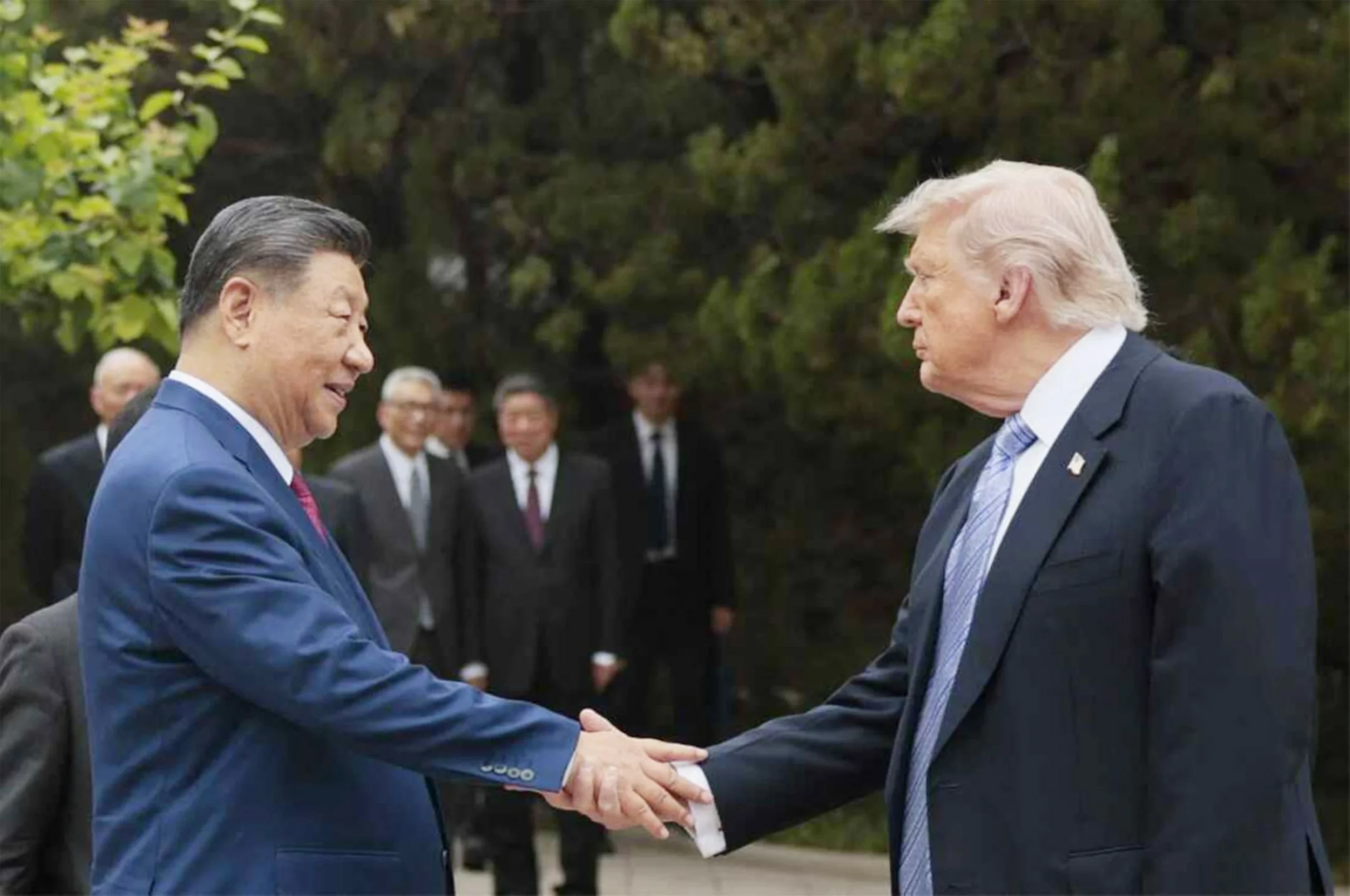
We see President Trump being greeted by President Xi Jinping in China today. There were lots of smiling, military precision and many words of praise from Trump. There were probably similar speeches from Xi but

Opinion
Tough competition

Tough competition

Tough competition

Opinion
Why India’s higher tariffs are unlikely to dent gold, silver demand

Why India’s higher tariffs are unlikely to dent gold, silver demand

India, the world’s second-largest gold consumer, has raised tariffs on gold and silver to 15% from 6% in a bid to curb imports and ease pressure on its foreign exchange reserves, as the Iran war strains New Delhi’s balance ‌of payments. The Indian Rupee (INR) has dropped to a fresh historic low, depreciating to over 95.86 against the US Dollar (USD) over the last week. India meets nearly all of its domestic gold demand through imports and has ​repeatedly sought to curb consumption. ‌Gold is deeply woven into India’s weddings, festivals and cultural traditions, making purchases more ‌essential than discretionary. India’s current account deficit ‌is under pressure from precious metals imports, which New Delhi views as non-essential. While gold and silver import volumes have remained broadly steady, soaring prices have sharply increased the bill, widened external outflows and weighed on the rupee. India spent a record $84bn on gold and silver imports in the fiscal year to March, from $35.5bn a decade earlier. India, which is also the world’s largest consumer of silver, uses it in jewellery, coins, bars and industrial applications ranging from solar energy to electronics. Over the past year, demand has been driven more by investment than traditional jewellery ​and silverware, with inflows into silver ETFs rising to a record high. Indian buyers are price-sensitive, and sharp price rises often prompt them to delay purchases. Yet despite local gold prices rising by ‌443% over the past decade, annual demand has remained broadly ​steady at 666-803 metric tonnes, averaging about 718 tonnes. Demand was also resilient when ​India raised gold import tariffs to 10% from 2% between 2012 and 2013. After already absorbing a 76.5% rise in gold prices in 2025, buyers are unlikely to stop purchasing because of a 9% tariff hike. Indian households buy gold for long-term value and a hedge against inflation and currency weakness, while in rural areas farmers often use it as a financial buffer during emergencies. Gold-backed loans are also among the quickest ways for millions of Indians to access funds, with banks and finance companies offering credit within minutes. Jewellery demand has traditionally accounted for nearly 75% of India’s total gold consumption, ‌while investment demand — in the form ‌of coins, bars and gold exchange-traded funds (ETFs) - makes up the rest. Domestic jewellery retail stocks have experienced sharp sell-offs and heavy selling pressure. The sudden hike of the precious metal import duty from 6% to 15% has triggered investor anxiety regarding short-term demand contractions and margin compression. Titan Company (Tanishq) — the market leader, saw its stock price drop sharply under pressure. Analysts fear that escalating retail pricing could lead to a temporary 10% volume sales dip ahead of the traditional festive seasons. Demand for jewellery was already weakening because of high prices, and further gains are likely to hit purchases in the short term and push buyers towards lower-carat items. Investors buy gold in anticipation of price gains, while Indian consumers traditionally view the metal as a safe-haven asset and a hedge against inflation. Higher tariffs raise local prices, reinforcing gold’s appeal as an appreciating asset. Rising prices can also draw in new investors worried about missing further gains. Investment demand for gold surpassed jewellery consumption for the first time in the ​March quarter as investors turned to the metal amid weak equity returns. Inflows into local gold ETFs have been rising and are likely to remain strong.Rising gold prices had already widened the margins for so-called grey market operators and the latest duty hike has pushed them to about 18%, from around 9%. Unofficial gold imports remained above 100 tonnes until 2023 but fell sharply after New Delhi cut tariffs in 2024. They dropped to 69.2 tonnes in 2024 from 156.1tonnes in 2023, and declined further to 20.4 tonnes in 2025. The ‌margin on smuggling a ​kilogram of gold has climbed to a record 3mn rupees, creating a stronger incentive for grey market operators.    

Opinion
Iran, Ukraine wars deliver worst hit in years to oil refining output

Iran, Ukraine wars deliver worst hit in years to oil refining output

Refinery attacks tied to the wars in Iran and Ukraine have knocked out nearly 9% of global oil ‌refining capacity in recent months, deepening a fuel supply crunch and likely delaying recovery by months ​after fighting ends. The Iran war has not only ‌slashed energy supply by disrupting tanker traffic out of the Gulf, but marks the biggest hit ‌to refining since the Covid-19 pandemic in 2020, ‌with damage to facilities and crude shortages forcing cuts ‌in processing. “The current tightness will continue to underpin the refined product market,” Saxo Bank analyst Ole Hansen told Reuters. “Not least considering the damage done to refineries.” Crude prices have surged, with benchmark Brent hitting $126 a barrel in April, a four-year high. Some prices have risen even faster, including jet fuel, which hit a record high in March. Tightened supply has forced refiners, traders and retailers to tap crude and fuel inventories to meet demand. About 500mn barrels of oil have been drawn from stocks, TotalEnergies CEO Patrick Pouyanne said on April 29, adding the figure could rise to 1bn barrels given the time needed to restart facilities and deliver to Asia. “Even if the war was ​to end quickly, prices are expected to remain at high levels,” he said. Daily demand for liquid fuels including petrol, diesel, jet fuel and fuel oil derived from crude is about 104mn barrels. The Iran war had shut as ‌much as 3.52mn barrels per day of refining capacity as of ​May 7, according to industry monitor IIR. Refineries impacted include the 550,000 bpd Ras Tanura plant, Saudi Arabia’s ​largest. It has restarted, though some units are undergoing turnaround, Saudi Aramco CEO Amin Nasser said on Monday. Two of Kuwait’s three refineries — Mina Al-Ahmadi and Mina Abdullah — were hit by drones. Both, as well as the 615,000 bpd Al-Zour refinery, Kuwait’s largest, have lowered processing rates. War between Russia and Ukraine has also removed an additional 1.42mn bpd, IIR said. Reuters calculations show Ukrainian drone attacks aimed at disrupting Moscow’s war machine have forced about 700,000 bpd in Russian crude processing capacity offline between January and May at 16 sites. Across Asia and Europe, a shortage of crude has reduced refinery processing volumes by about 3.8mn bpd, according to JPMorgan analysts. The outages linked to the two wars equal almost 9% of the 100.5mn bpd of global refining capacity, according to IIR. “Lower refinery runs in Asia ‌and Russia have had a disproportionately large impact on gasoil and diesel,” FGE analyst Qilin Tam said. “We see the balance in Asia flipping from a solid regional surplus to a glaring regional deficit.” Oil product stocks on May 7 in oil hub Singapore hit their lowest in more than nine months, official data showed. Europe could face jet fuel shortages as early as June if Gulf supplies are not fully replaced, the International Energy Agency has said. Reflecting that shortfall, Nigeria’s giant 650,000 bpd Dangote refinery almost doubled its exports of jet fuel to Europe in April, Kpler data showed. EU diesel prices at the pump hit a record 2.11 euros per litre in April, according to European Commission data, reflecting ​lost Gulf supply and halted intake from Russia, once Europe’s top supplier, over the Ukraine war. The refining industry entered the year with limited spare capacity after closures during and since the pandemic, Energy Aspects analyst George Dix said. About 9.69mn bpd of capacity closed between 2019 and 2026 because of the pandemic, operational issues, poor economics and the gradual rise of electric vehicles, IIR data showed, or about 10% of current working capacity. A return to normal is likely to take months. The IEA expects processing at Gulf refineries to fall to 8.7mn bpd this year, down 900,000 bpd from 2025. It has also lowered its forecast for Russian crude runs in 2026, pegging them as low as 4.8 ‌million bpd in the second ​quarter versus around 5.2 mn bpd earlier this year, citing Ukrainian attacks.     

Opinion
The water effect: Why we feel different by the sea

The water effect: Why we feel different by the sea

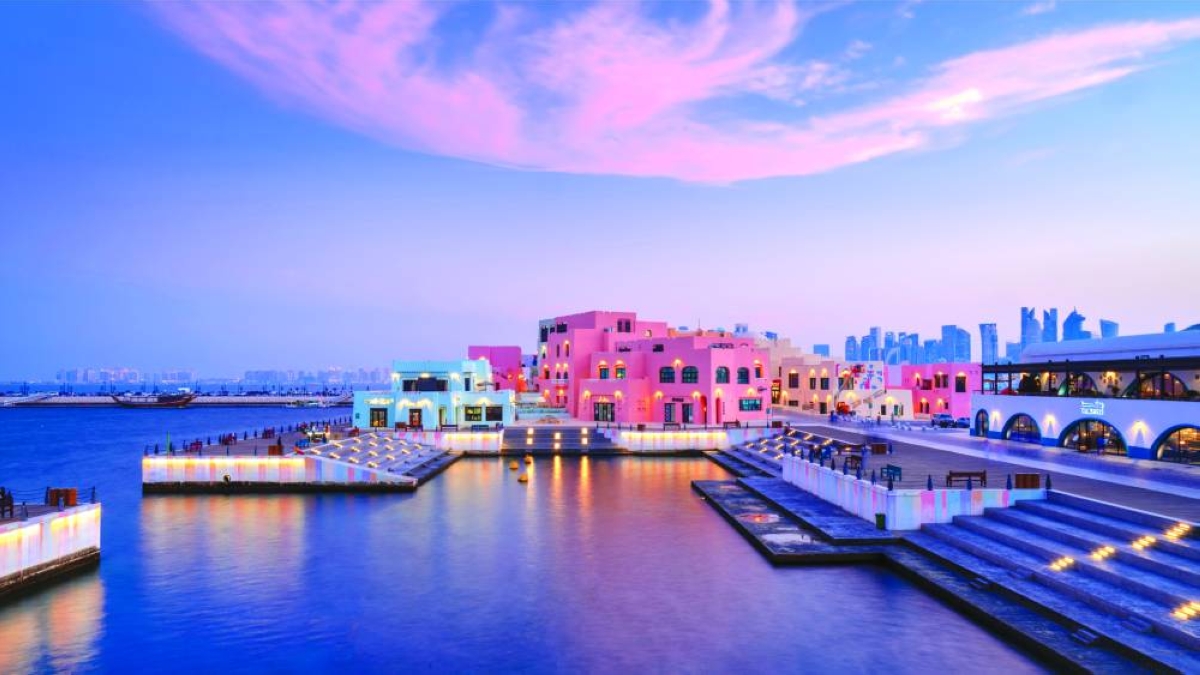
There is a moment just before sunset, when the light over Doha turns a particular shade of gold and the air begins to cool. Behind you, the hum of the city fades and in front, there is only water, flat and wide, stretching toward the horizon. A seagull crosses overhead while water moves gently against the edge of the dock. Most people would pass through this moment without naming it. However, something in the body responds all the same, a loosening in the chest, a shift in the pace of your breathing, and a sense that the weight you carry has started to lift. Along the waterfront at Old Doha Port, moments like this are part of the rhythm of the place. What feels like a private, passing experience turns out to be something science has spent the last decade trying to measure. What the body already knows, researchers are only now looking to fully explain. What blue spaces do to the mindScientists use the term blue space to describe any visible body of water including oceans, rivers, harbours, and coastal promenades. The research into what these environments do to us has grown steadily, and the findings point consistently in one direction, regular exposure to these environments is associated with lower levels of stress, improved mood, and better overall mental health. The question is not really whether water changes how we feel, it is why. Water has a quality that psychologists often call ‘soft fascination’. The idea that something can hold the eye without demanding anything from the mind. Unlike a screen or a meeting or a spreadsheet, it asks nothing of you. Your gaze follows the surface. The brain, relieved of the relentless processing that fills most of a working day, begins quietly to recover. The mind rests while the eyes stay open. The sound of recoveryThe body is listening too, even when the mind is not. The acoustic environment of a coastal setting plays a distinct role. Studies in psychoacoustics have shown that rhythmic, low-frequency sounds, such as lapping waves, distant marine engines, or the call of seabirds, activate the parasympathetic nervous system (Buxton et al., 2021). This is the body’s counterweight to the fight-or-flight response: it lowers heart rate, slows breathing, and eases muscular tension. The sounds do not need to be consciously noticed to have an effect. Instead, the nervous system responds to what is not being asked of it. Old Doha Port has its own acoustic character. The sound of a seagull carries across the water, and somewhere beneath it, the low knock of a dhow against its mooring keeps its own irregular time. For people who spend most of their time in an office or even hearing the noise of traffic, it is the quality of these sounds, unscheduled, undesigned, that register differently. It becomes a quieting effect that arrives from the outside and works its way in. Horizon, space, and the nervous systemThere is another, often overlooked, dimension to blue spaces: the open horizon. In dense urban environments, the visual field is constantly interrupted by buildings, traffic, screens, and signage. The brain processes each of these inputs, and over time, the accumulated cognitive load contributes to fatigue, irritability, and reduced capacity for decision-making. A waterfront reverses that equation. When the eye reaches an unbroken line between sea and sky, the brain receives a signal that the immediate environment is safe and spacious. Breathing deepens, and the nervous system begins to regulate itself. At Old Doha Port, this is part of the character of the place. The horizon is wide, the sky is uncluttered, and the view extends toward the water without interruption. For residents, the port’s waterfront offers a rare point of visual openness, a piece of coastline where the built environment gives way to the natural one. Why it matters hereIn a fast-moving city, spaces that allow for pause are not always easy to come by. Much of urban life is defined by enclosed environments, structured routines, and constant visual and mental input. What makes waterfront settings different is not just their openness, but their ability to interrupt that rhythm. At Old Doha Port, that shift is immediate. The transition from city to sea is not gradual; it happens within a few steps. One moment, you are within the pace of the city. The next, you are facing open water, with nothing between you and the horizon. That contrast is part of what makes the experience so effective. It is not about distance or escape. It is about proximity to a different kind of environment. One that slows the pace, softens the noise, and gives the mind a point to settle on, even briefly. None of this is to say that standing by the water will cure anything. Mental health is complex, and no single environment can substitute for professional care when it is needed. But the research is consistent on one point: the environments we spend time in shape how we feel, how we think, and how well we recover from the demands of daily life. What Old Doha Port offers, perhaps without anyone having designed it this way, is one of the few places in the city where the conditions for that kind of recovery exist naturally. The water, horizon, sounds, and space come together in a way that feels naturally harmonious. And on any given evening, if you watch the people walking along the waterfront, you can see it working. A father sitting on a bench, looking out. A couple walking slowly, saying nothing. A teenager with headphones, staring at the horizon. 

Opinion
Dubai worries about all

Dubai worries about all

When we see a picture, which we do regularly, showing hundreds of men, hundreds of women and hundreds of children, struggling to collect food and drinking water, we really can’t draw emotional comfort from moral