1. Home
  2. Author Blogs

Author: admin

admin

World
Trump ties Saudi nuclear deal to joining Abraham Accords

Trump ties Saudi nuclear deal to joining Abraham Accords

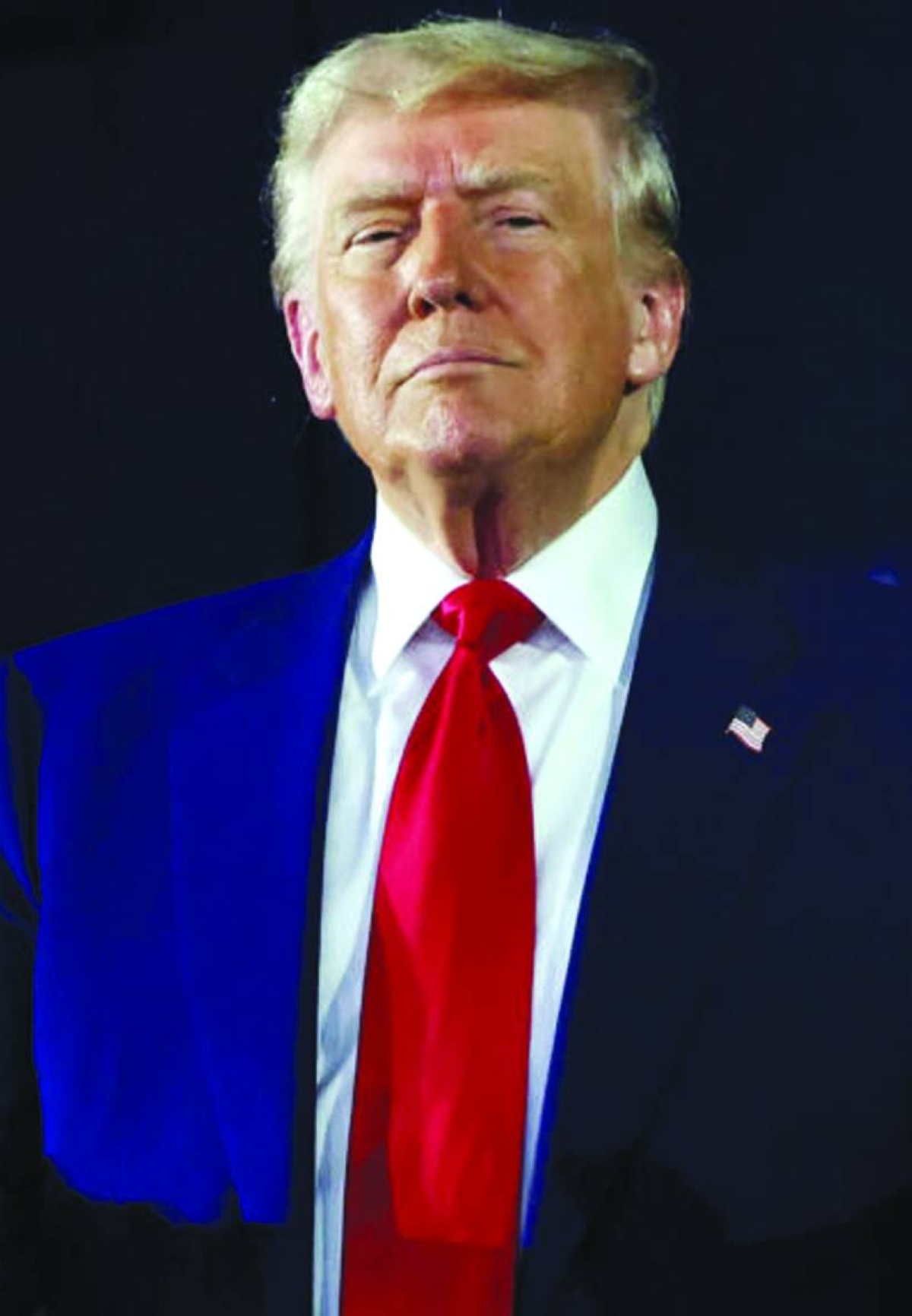
US President Donald Trump has thrown a fresh hurdle into Washington’s newly announced civilian nuclear deal with Saudi Arabia, saying the agreement now hinges on Riyadh recognising Israel and joining the Abraham Accords. The move injects immediate uncertainty into a pact that only a day earlier had been presented as a major diplomatic and commercial breakthrough. Trump said on Truth Social that the deal “will be approved” but is “totally subject to Saudi Arabia joining the very respected and successful Abraham Accords,” adding that there would be “no enrichment of material.” The White House said the president had long raised the issue with Saudi officials and insisted the kingdom was aware of the condition, even though it was not included in Wednesday’s announcement. Saudi Arabia has repeatedly said it will not normalise ties with Israel without a pathway to Palestinian statehood, a position that has only hardened since the Gaza war. That stance puts the latest US demand on a collision course with Riyadh’s long-held red line and could complicate one of Trump’s key Middle East goals. The nuclear agreement had been described as a strategic win for Saudi Arabia and a potentially lucrative opportunity for US companies. It also came as the Trump administration has intensified pressure on Iran over its nuclear ambitions, making the Saudi deal politically and regionally sensitive from the outset. Israeli Prime Minister Benjamin Netanyahu welcomed the condition, saying Saudi recognition would mark a “historic leap” for peace in the Middle East. But analysts warned that trying to force normalisation could backfire, especially given how consistently Riyadh has tied the issue to Palestinian statehood. The kingdom, they noted, is unlikely to reverse course simply because Washington wants a diplomatic victory. The deal itself remains subject to congressional review, with lawmakers given 90 session days to examine it. According to the Reuters account, the agreement would allow Saudi Arabia to enrich uranium and build reactors using US technology, while a two-year feasibility study would assess the enrichment component. That aspect has already drawn scrutiny from critics who fear it could one day open a pathway to weapons capability. US officials sought to calm those concerns, stressing that any civil nuclear arrangement would contain safeguards to prevent diversion toward military use. Energy Secretary Chris Wright said the deal would meet the highest standards of safety and nonproliferation, while the White House emphasised that the president remains the final dealmaker. The International Atomic Energy Agency said it was awaiting a request from Washington and Riyadh to put verification measures in place. Until those details are settled, and until the normalisation question is resolved, the deal that was billed as a breakthrough now looks more like a test of whether the US can align nuclear cooperation, regional diplomacy and nonproliferation in one package. The bigger question is whether Trump’s latest condition creates leverage or merely raises the odds of deadlock. For now, Saudi Arabia’s nuclear ambitions, Israel’s diplomatic agenda and Washington’s regional strategy are all locked in the same room, and none of them appears ready to move first.  Related Story
World
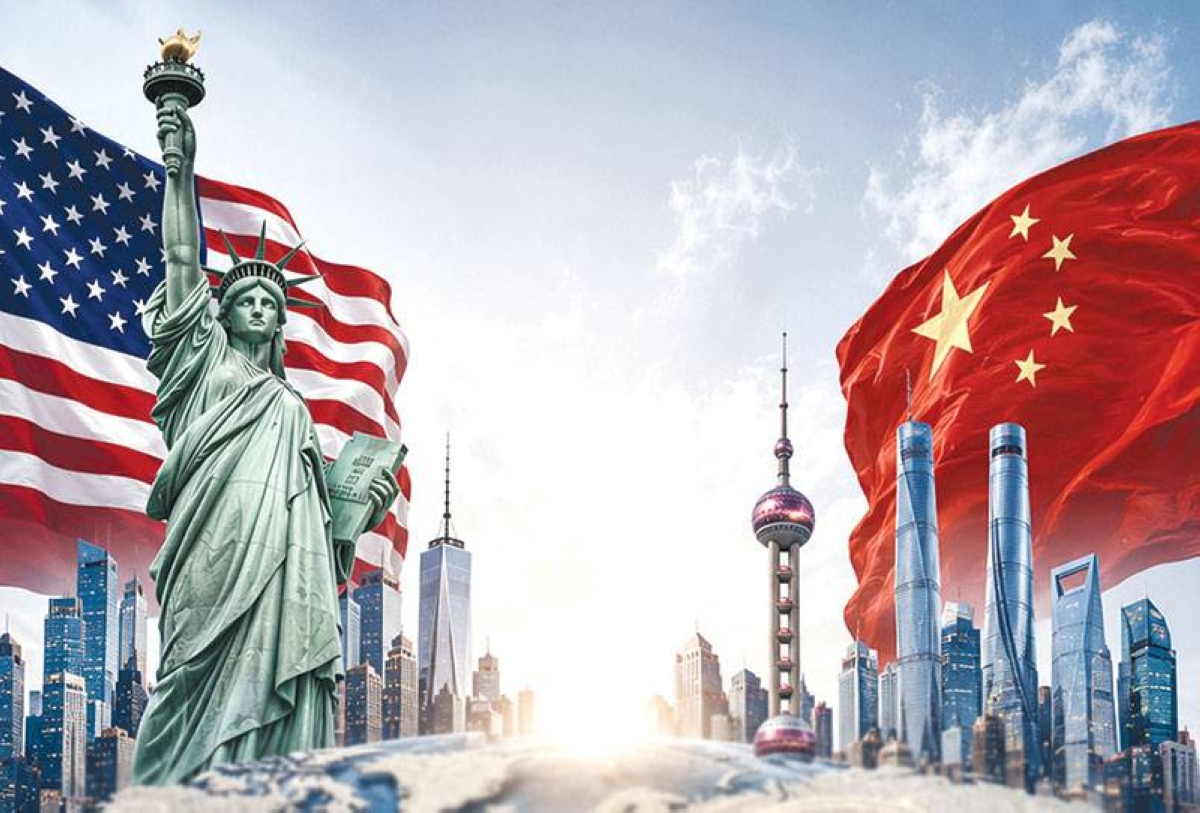
Rubio meets China’s Wang at ASEAN, lays groundwork for ‘positive’ Xi visit

Rubio meets China’s Wang at ASEAN, lays groundwork for ‘positive’ Xi visit

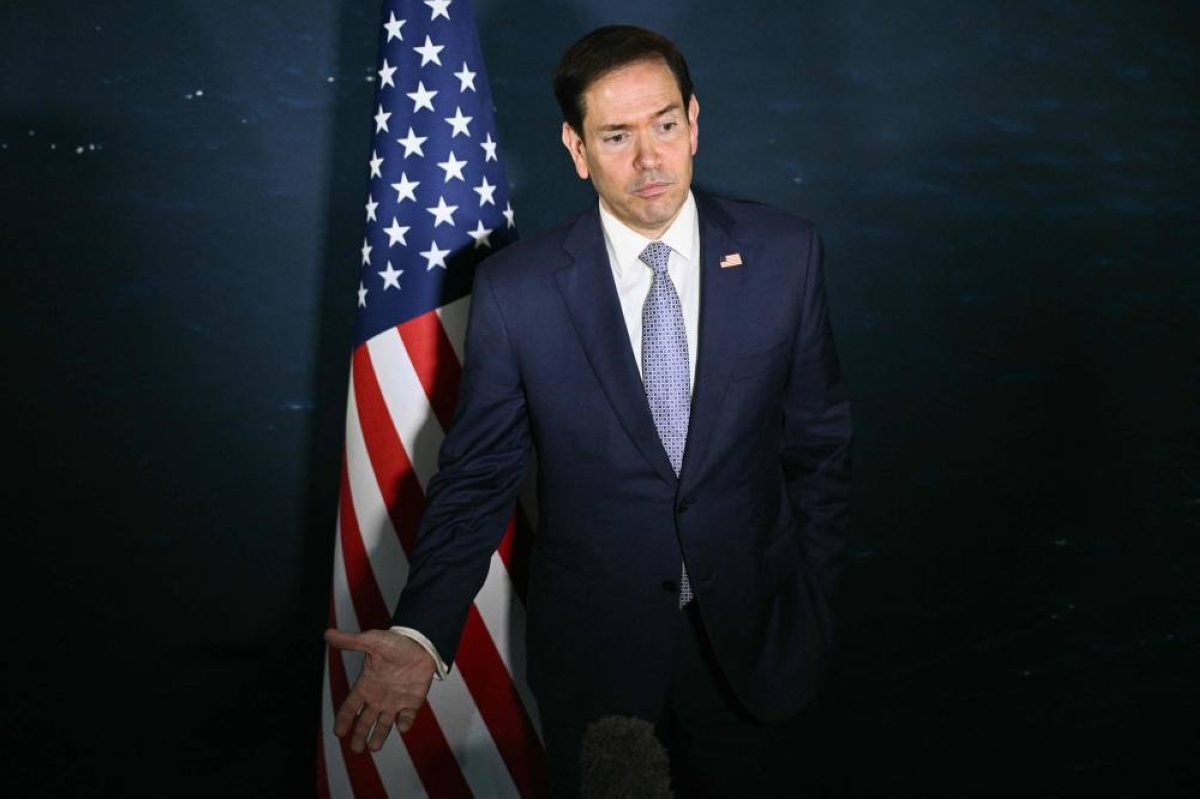
US Secretary of State Marco Rubio speaks during a press conference on the sidelines of the Association of Southeast Asian Nations (ASEAN) Foreign Ministers' Meeting in Pasay, Metro Manila on July 22, 2026. (Photo by

World
US intel probe ‘Russia role in Iran strikes on CIA facilities’

US intel probe ‘Russia role in Iran strikes on CIA facilities’

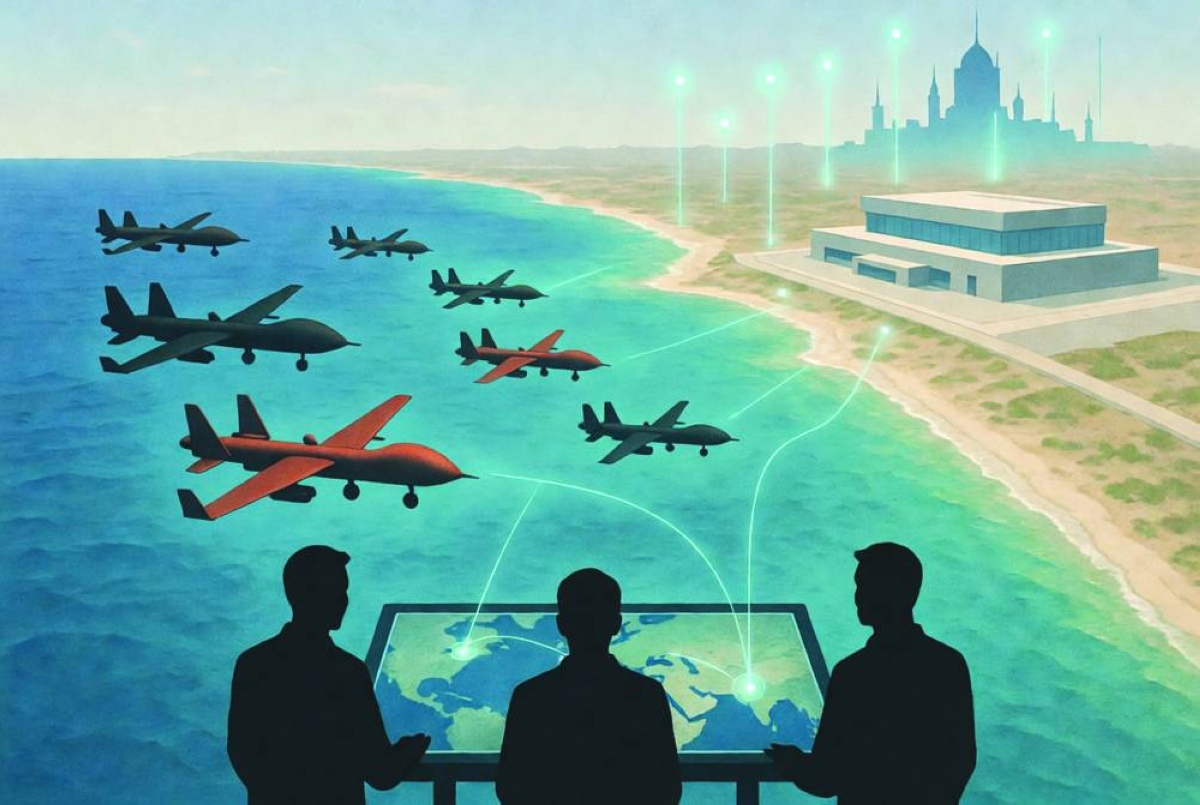
Iranian drone attacks on CIA facilities in the Gulf have prompted US intelligence analysts to investigate whether Russia assisted by providing targeting information or advanced drone technology, said four people familiar with US intelligence.These people, who spoke on condition of anonymity to discuss national security matters, said US intelligence officials have not yet reached firm conclusions about the possible Russian involvement in the attacks on CIA facilities. But they cited the strikes' effectiveness and apparent precision, as well as Russia's broader technical support for Iran, as possible evidence.Reuters and other media have reported - and US officials have acknowledged - that Russia has provided targeting and other support for Iran in its strikes on US targets in the Gulf region generally, but the intelligence community's investigation of possible Russian involvement in supporting the CIA facility attacks has not been previously disclosed. At least two CIA sites were struck in March, Reuters and other outlets have reported. One of the facilities was the CIA station in Saudi Arabia, which is located in the U.S. embassy in Riyadh, and a separate site was located in eastern Iraq. Some of the sources said additional CIA sites had been hit, but they did not disclose details.One internal memo from a Western intelligence agency, described by an official in the region with access to the document, concluded Russia has likely played a role in targeting regional CIA facilities. The official discussed the memo on condition that its precise authorship not be disclosed.Two Western officials in the Gulf who were briefed on intelligence reports said analysts thought the Saudi attack involved a pair of Russian-enhanced versions of Iran's Shahed drones. One of the aircraft blew a hole through a vulnerable part of the embassy's exterior and the second flew through the opening and detonated, they said. No deaths or injuries were reported. While Russian assistance for Iran is longstanding, given the countries' close ties, specific targeting of sensitive CIA sites would indicate Moscow is willing to go further in disrupting US operations as Washington struggles to bring the Iran war to an end. Concerns that Russia could be providing targeting data to Iran intensified this weekend after strikes on a US air base in Jordan, where Iran struck army barracks with ballistic missiles, killing two soldiers.The White House referred a request for comment to the CIA, which declined to provide one.Iran's mission to the UN, the Russian Defence Ministry and the Saudi government did not respond to requests for comment.The two Western officials in the region said Russia has helped Iran improve its Shahed drones' ability to reach targets, and said analysts suspected that Iran used these versions in its strike in Riyadh.Russia, said a separate source, has helped Tehran improve the accuracy of its Shahed-136s by supplying a satellite navigation system - the Kometa-M - that experts say is far more accurate and harder to jam than the one produced by Iran.The Wall Street Journal first reported in March that Russia has provided the Kometa-M to Iran. The Kremlin denied the report, calling it "fake news."CIA facilities overseas include the agency's main offices in individual countries that traditionally are housed in embassies and are called stations. Additionally, the CIA maintains offices, safe houses, logistics hubs and sites involved in surveillance or other operations.The locations of those sites are closely guarded secrets.The sources declined to disclose the exact number or locations of CIA facilities hit by Iranian drones. One source put the number at "more than one and fewer than a dozen." A second source said several facilities were hit.US intelligence analysts have been looking into whether Iran relied on Russian targeting data for the embassy attack, said the sources.Doubts remain, however. Some of the sources warned that Iran could have been aiming for the US embassy generally and by chance struck the CIA station.Some analysts have concluded that few nations beyond Russia would have the means to acquire and the interest in weaponising such sensitive targeting intelligence against the US, according to the sources.Daniel Hoffman, a former CIA station chief and undercover operations officer, said it would not be surprising for Moscow to help Tehran target CIA facilities given their close strategic partnership."They share an interest in trying to reduce or eliminate US influence altogether in their self-designated spheres of influence," he said.  Related Story

Sports
Norway set to make formal complaint to FIFA over Balogun red card saga

Norway set to make formal complaint to FIFA over Balogun red card saga

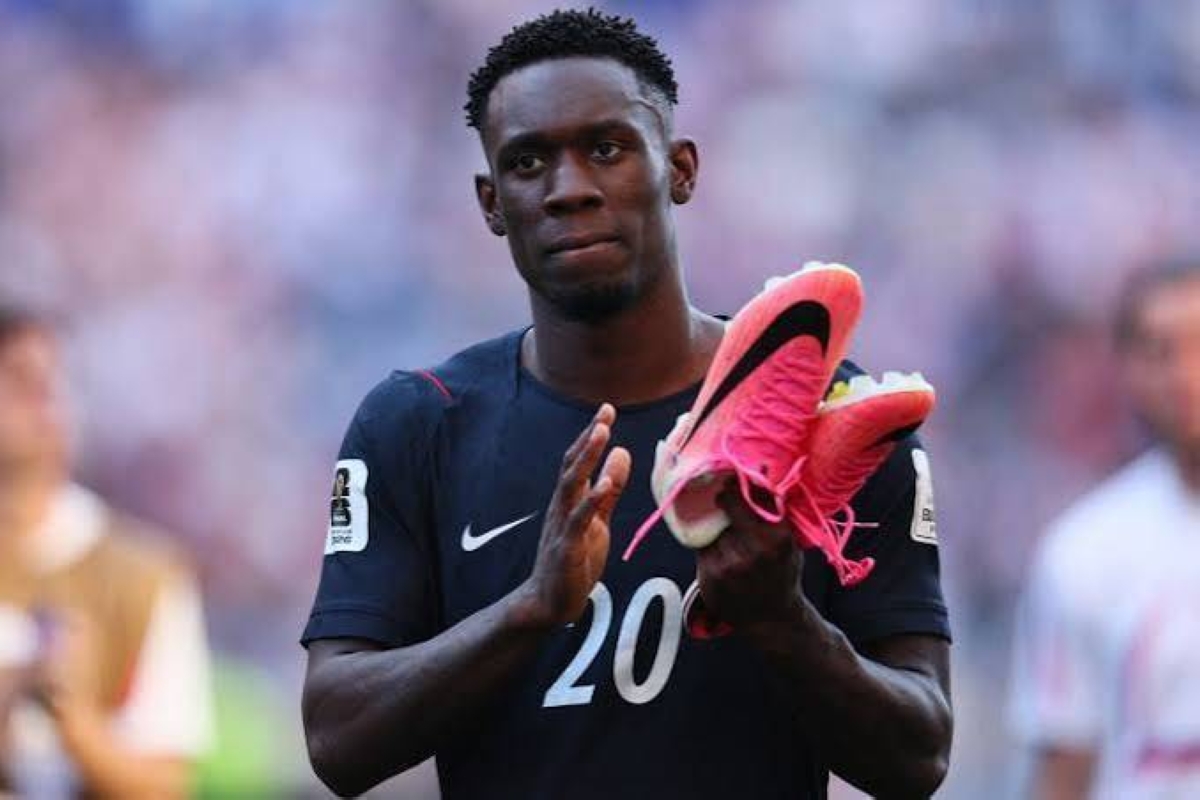
Folarin Balogun applauds fans after Belgium defeated USA in the last 16 of the FIFA World Cup. (Reuters) Norway's football chief told The Times they are set to make a formal complaint to FIFA over the suspension of Folarin Balogun's World Cup ban because it has put "the whole game at risk".Lise Klaveness, the president of the Norwegian Football Federation (NFF), says she will seek the backing of her board at a meeting on August 6 to lodge the complaint with FIFA's ethics committee over an incident that "should not have happened".Klaveness told AFP the intention is to "include the Balogun affair" in a complaint already filed by the NFF over FIFA president Gianni Infantino awarding football's governing body's inaugural Peace Prize to US President Donald Trump, which was widely ridiculed."I will bring it to a board meeting and discuss with my board, and then we do it," Klaveness told The Times in an interview published on Thursday."To me, it should be in the same sphere of ethical complaint."Trump's involvement in the Balogun affair sparked the controversy.Balogun's red card in the last-32 win over Bosnia and Herzegovina resulted in an automatic suspension for the match with Belgium.But FIFA stepped in and suspended his ban, leading to widespread condemnation, especially when it emerged that Trump had intervened by phoning Infantino.Belgium appeared inspired by the row and thrashed the co-hosts 4-1."When you bend a rule like this, you're on a slippery slope that will put the whole game at risk," said Klaveness."It is a worry for the game when you compromise fundamental rules of the game."First of all, it should not have happened. It is very important now to have honest communication around it."We all know that this verdict was influenced from external forces and did not have the proper process.""We need our leader in FIFA to say that this was an error," she added.'Under the carpet'Klaveness, a former Norway international who has been head of the NFF since 2022, said bending over for a head of state was a dangerous precedent."If you start to adapt in such a way towards state leaders and state politics, you will move your behaviour and the organisation's behaviour, and also the red line of what states' leaders should interfere with," she said."And that happened."Klaveness was unimpressed too that, according to The Times, the decision to suspend the ban had been taken solely by by the chairman of FIFA's disciplinary committee, Mohammad al-Kamali, who did not consult the other members."When you make controversial decisions, and when there has been an external, very powerful voice in your ear, it's very important that you have more voices (making the decision)," she said."And if you don't, it's a mistake."Klaveness said the issue could not just be laid to rest and forgotten about."To try to sweep this under the carpet now will not fly," the 45-year-old lawyer said."Too many felt this... coaches, players, fans... that this was too close to the game."Klaveness, who says she is not a contender to take on Infantino in the presidential election next year, is equally critical of the proposal by South America to increase the finals from 48 to 64 teams.Norway enjoyed a successful return to the finals after a 28-year hiatus, losing to England in the quarter-finals."Smaller nations like ourselves, that haven't been there for 20 years, showed the World Cup could be extended to 48 teams," said Klaveness."It's not in football's interest, or even reasonable, to now start to talk about 64 teams - 48 teams was a big change."If you bring the discussion now to 64, and powerful people say it, you will create distrust."The World Cup should not interfere with the domestic leagues, or the confederations, more than it does today."  Related Story

Opinion
The $121tn plus club: Big business at the heart of global power politics

The $121tn plus club: Big business at the heart of global power politics

This year’s Forbes business magazine “Global 2000” list tells us a lot about the interrelationship between big business and geopolitics in today’s world. Now in its 24th year, this annual report, published in late June and updated in mid-July, ranks the world’s largest public companies based on sales, profits, assets and market value. Banking, tech and energy dominate the top 10 (6 financial institutions, 3 tech firms and 1 energy company). Together the 2000 corporations on this list account for $56tn in annual revenues (total sales), roughly 45% of the total global economy. Their combined market capitalisation (total value) stands at $121.9tn and they make trillions in yearly profits. The annual revenues and market capitalisation of some of these corporations dwarf the GDPs of many countries. Amazon revenues exceeded the GDPs of Switzerland and Poland; Apple generated bigger revenues than the GDPs of Malaysia and Singapore. The chipmaker NVIDIA has a market valuation larger than the GDPs of Japan, India and the UK; the market valuation of Alphabet (Google’s parent company), is bigger than the combined GDPs of 38 African nations. Admittedly, comparing GDP and revenues or market capitalisation is not an exact measure of economic power. It also raises some anomalies. The Danish pharma company Novo Nordisk, the maker of the weight-loss drug Ozempic, has a market capitalization greater than the GDP of its home country. Nevertheless, the “Global 2000” list does effectively show the staggering concentration of wealth that drives the power of global multinationals. It is also a testament to how much these multinationals feed into geoeconomic and geopolitical power. American and Chinese companies account for 933 of the 2000 companies on the list (593 for the US and 340 for China). They also account for 9 of the top 10 companies (6 American and 3 Chinese). The Saudi energy giant, ARAMCO, completes the top 10. The rise of multinationals can be traced back to three interrelated processes. The first is the unprecedented rise in economic interdependence in the decades after the Second World War. In Southeast Asia, for example, this was the result of the spread of ethnic Chinese business networks and the growth and expansion of, primarily, Japanese multinational corporations in the 1950s and 1960s. Today Japan has the third most corporations on the Forbes list. The second is globalisation, which includes rising economic interdependence alongside deeper cross-border political, social and cultural ties. The third is the transformation of technology from a product you sell into a tool used to scale and dominate. Software, for example, can be distributed globally in seconds at nearly zero add-on cost. Digital platforms get stronger as they expand internationally, often crushing local competitors in the process (think Uber or Airbnb). Tech-giants and other major multinational corporations have combined these advantages and their vast financial resources to gain influence all over the world. They do so by offering recipient countries coveted foreign direct investment that brings jobs, taxes and prestige. They also promote their interests through political lobbying and “jurisdiction shopping”, whereby they benefit from local concerns that they will take their business and investments elsewhere unless they get priveleged terms. In one of the most famous cases, Ireland fought a European Union order to collect over $14bn in back taxes from Apple out of fear that if it took the money tech-giants would abandon the country. But the actual influence of these corporations goes far beyond these very visible activities. They play a role in almost all our day-to-day activities. Every time we use a bank, a hospital or engage with a government ministry we are dependent on the smooth running of Amazon (AWS), Microsoft (Azure), and Google Cloud. A whole host of other corporations beyond tech shape consumer behaviour, employment trends and urban and rural landscapes in both positive and negative ways. This influence provides CEOs a global platform to promote their own political, cultural and ideological views. This was evident in the very public feud between former UK prime minister Keir Starmer and Elon Musk. On several occasions before he left office this month, Starmer accused Musk of interfering in British politics and of spreading lies and misinformation. Recent geopolitical events – the Ukraine war, the Trump tariffs, the Iran-US conflict and the closure of the Strait of Hormuz – highlight something else: in an interconnected global system localised shocks never remain local. The same factors that make multinationals such important global players – economic interdependence, globalisation and technology – make them more vulnerable than ever to instability, insecurity and disorder. Apple products are designed in California, but they are manufactured by more than 150 suppliers all over the world. Social unrest in any of these locations can have a very detrimental impact. So can a cyber-attack on critical infrastructure in an important supplier country. The fact that geopolitics, commerce and technology are so bound together makes it increasingly difficult for corporations to treat the sourcing of raw materials, manufacturing or logistics as apolitical endeavours. In one recent case, 80% of CEOs polled after the introduction of tariffs by the White House last year said that the result would be widespread disruptions and the need for alternative supply chains. As one seasoned observer of corporate life recently summed up: “For CEOs, never before has there been so much emphasis on having to be close to what’s happening politically.....I think that CEOs in the past...assumed that the world would want what they could offer.” The most recent World Economic Forum Global Risks Report ranks geoeconomic competition alongside armed conflicts between states as the main sources of future instability. This raises another challenge for multinational corporations who risk getting caught in the crossfire of great power competition. It also underscores another, no less important, point: despite the size and influence of multinational corporations, we still live in a world dominated by the decisions of powerful sovereign nation states. Not even the mega-corporations on this year’s Forbes “Global 2000” list are immune from this reality. The writer is Professor of International Politics and Director of the Small States and Energy Studies Programs at Georgetown Univeristy in Qatar@RoryDavidMiller

Entertainment
‘Top Chef’ Eric Adjepong Allegedly Abused Daughter, Ordered to Stay Away From Her

‘Top Chef’ Eric Adjepong Allegedly Abused Daughter, Ordered to Stay Away From Her

'Top Chef' Star Eric Adjepong Allegedly Abused Daughter ... Must Stay Away for 1 Year Published July 22, 2026 12:51 PM PDT "Top Chef" and Food Network star Eric Adjepong has been ordered to stay

Lifestyle
Partnership to raise awareness about Chronic Hand Eczema in the UAE

Partnership to raise awareness about Chronic Hand Eczema in the UAE

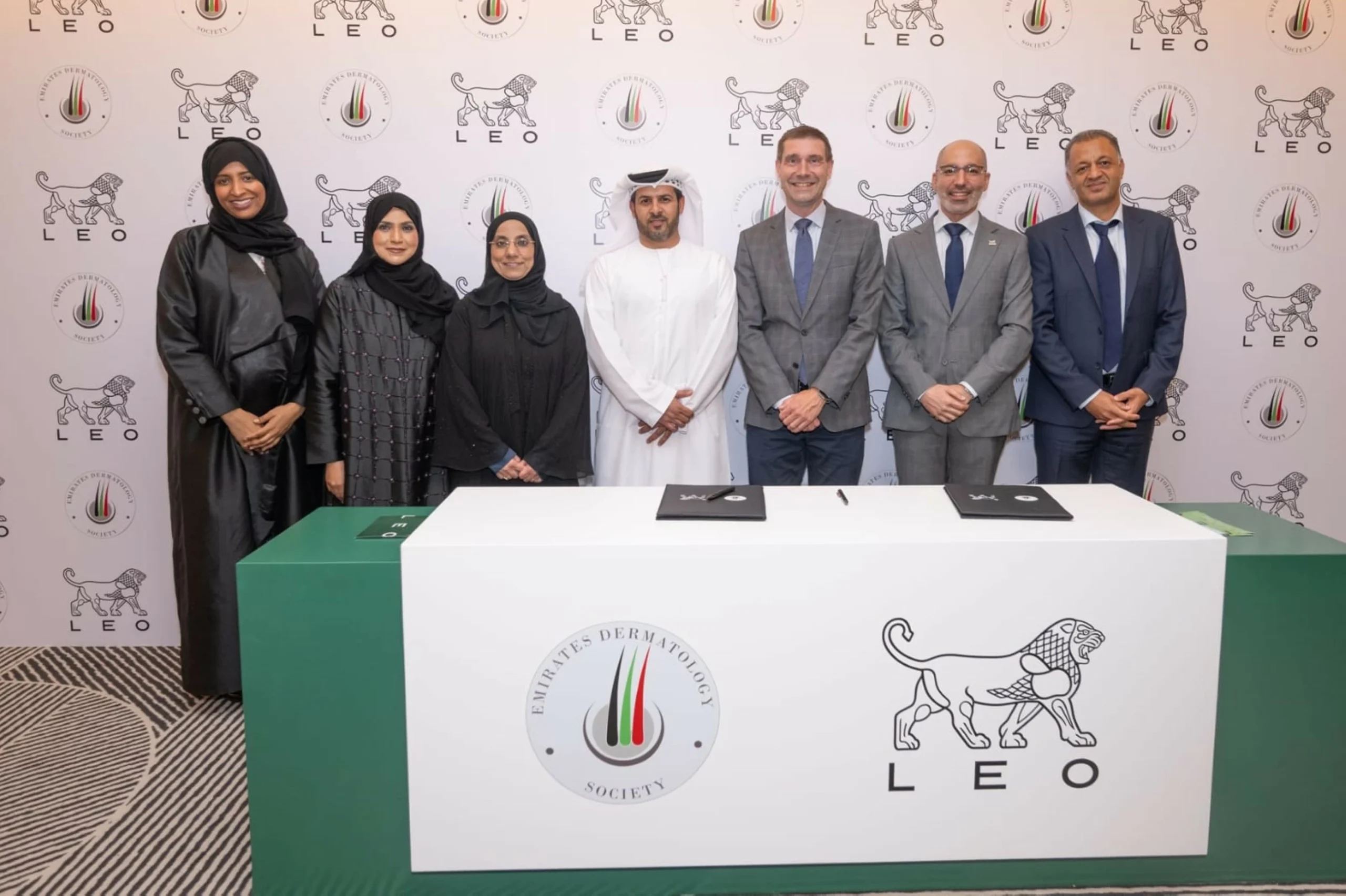
Gulf Today, Staff ReporterDUBAI: Emirates Dermatology Society (EDS) and LEO Pharma, a global leader in medical dermatology, signed a Memorandum of Understanding (MoU) to strengthen awareness, support earlier diagnosis, and improve the management of Chronic

Sports
Erdogan personally monitoring Mohamed Salah’s proposed Be…

Erdogan personally monitoring Mohamed Salah’s proposed Be…

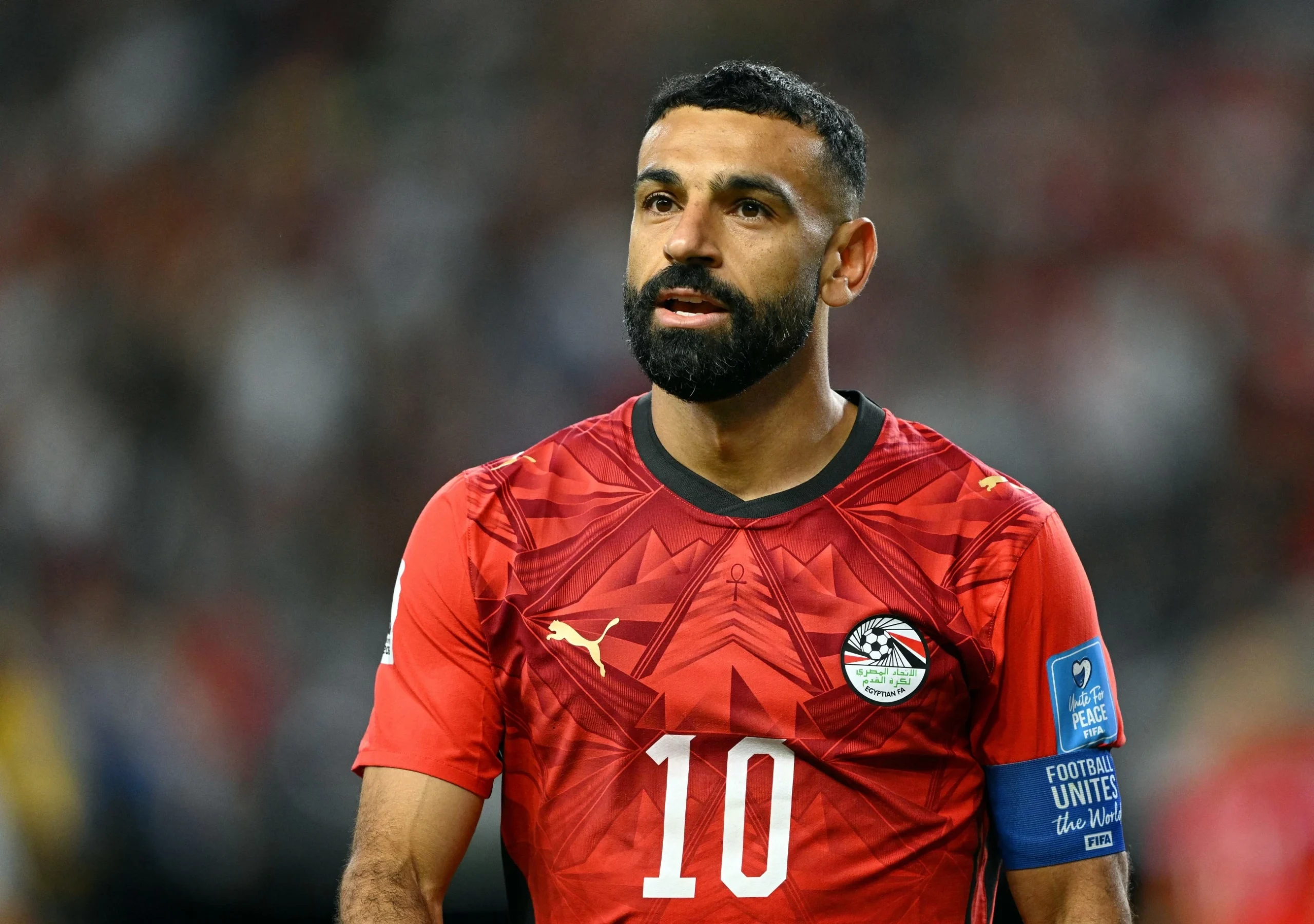
Turkish media have reported that President Recep Tayyip Erdoğan is personally following the proposed transfer of Egyptian star Mohamed Salah to Beşiktaş, believing the move could significantly boost the global profile of the Turkish league.Several

News
Sharjah Police nab motorist for driving with vision-block…

Sharjah Police nab motorist for driving with vision-block…

Sharjah Police arrested a driver for driving his vehicle on a public road using a windshield sunshade that obstructed his view, in a serious traffic behaviour that posed a direct danger to his life and

Entertainment
‘Godzilla vs. Kong’ Star Kaylee Hottle’s Cause of Death Revealed

‘Godzilla vs. Kong’ Star Kaylee Hottle’s Cause of Death Revealed

'Godzilla vs. Kong' Kaylee Hottle Cause of Death Revealed Published July 22, 2026 11:48 AM PDT Kaylee Hottle died from blunt force trauma ... TMZ has confirmed. The Maryland Office of the Chief Medical Examiner