1. Home
  2. Author Blogs

Author: admin

admin

Sports
Defender Miguel urges Qatar to show true character against Bosnia

Defender Miguel urges Qatar to show true character against Bosnia

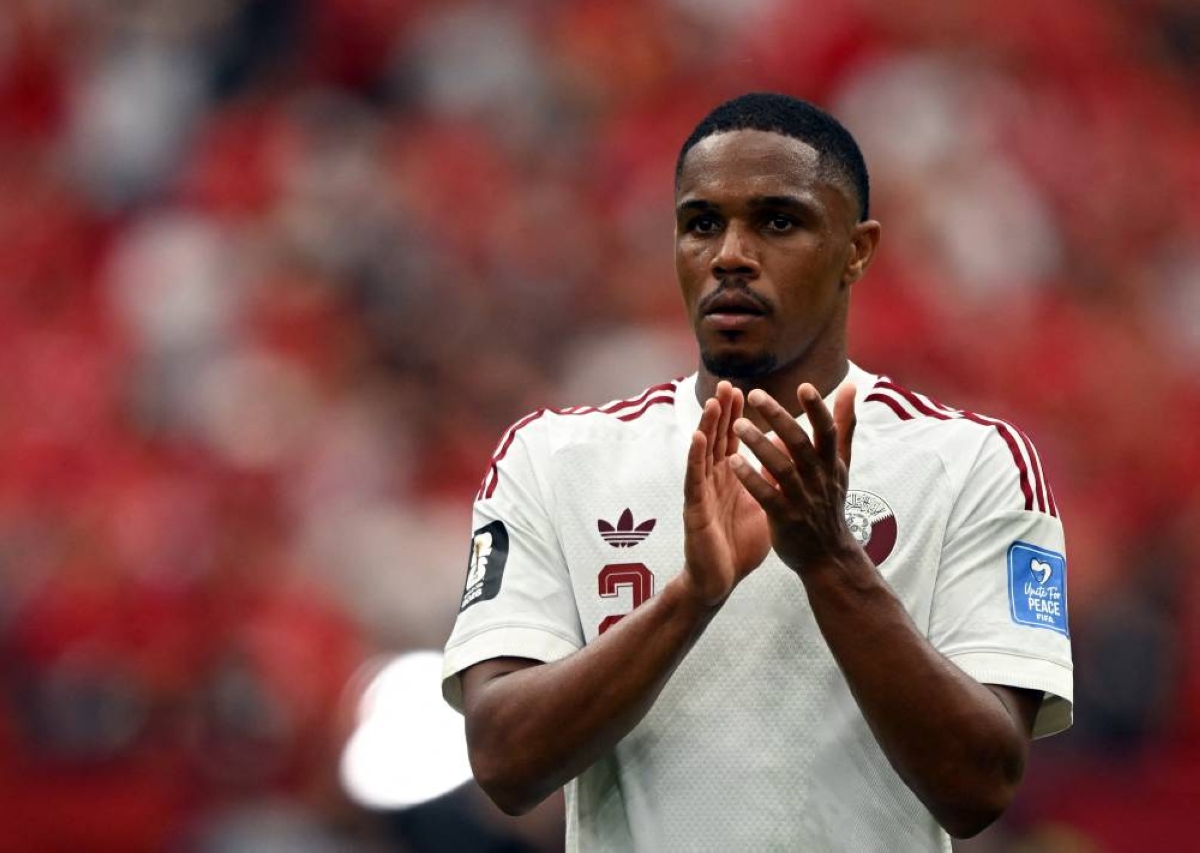
Qatar's Pedro Miguel looks dejected after the loss to Canada on Thursday. (Reuters) Qatar defender Pedro Miguel has called on his team-mates to respond with resilience and determination when they face Bosnia and Herzegovina in their final FIFA World Cup Group B match on Wednesday, insisting the team's crushing defeat to Canada will not define their campaign.Qatar suffered a damaging 6-0 loss to co-hosts Canada in Vancouver, a result that left Julen Lopetegui's side bottom of the group with one point and facing a must-win encounter in Seattle to keep their hopes of reaching the knockout stages alive.The defeat was made even more painful by the dismissals of Homam al-Amin and Assim Madibo, as Canada capitalised on their numerical advantage to record the biggest win in their World Cup history. Jonathan David struck a hat-trick, while Cyle Larin, Nathan-Dylan Saliba and an own goal completed a miserable evening for Qatar.Despite the setback, Miguel said the players remain determined to finish the group stage strongly. "The Qatar team still has a strong motivation to finish the tournament on a high note, and we still have a very important match ahead of us," Miguel said. "We will fight to win and to make our fans happy. We cannot allow this loss to undo all the work we have done over the past period."The experienced defender began by apologising to the travelling supporters who made the long journey to Vancouver. "First, I would like to apologise to the Qatari fans who travelled thousands of kilometres to support us. We know how saddened they are by this result, and we players feel even more pain because we know the value of the jersey we represent and the responsibility placed upon us."Miguel attributed the defeat to a poor start and the red card that shifted momentum firmly in Canada's favour. "I think the start of the match wasn't ideal for us. We conceded an early goal that gave the Canadian team a significant psychological advantage, and then the red card made things even more difficult. When you play against a strong team on their home ground, in front of their fans, and you're down to ten men, things become extremely challenging."He admitted Qatar were punished for mistakes as they attempted to recover from the setback. "The team tried to regroup after the first red card, but small details played a significant role in widening the gap. In such international tournaments, any mistake is immediately punished. We tried to get back into the game and maintain our organisation, but we faced an opponent who capitalised on almost every opportunity, and as time went on, the match became increasingly difficult for us."Miguel accepted collective responsibility for the heavy defeat and said the players had no intention of making excuses. "All the players feel fully responsible for the result, and we are not shirking responsibility or making excuses. When you lose by this margin, you have to be brave enough to admit that the performance wasn't up to par. We are all responsible, from the first player to the last on the pitch."The defender stressed that the result should not overshadow Qatar's encouraging opening performance against Switzerland, where they earned a historic first World Cup point. "Just a few days ago, we played a strong match against a well-organised Swiss team and managed to come away with a positive result. Therefore, I believe that what happened does not represent the true nature of this team or the quality of its players."Miguel described the atmosphere in the dressing room after the final whistle as one of disappointment and sadness. "The players' morale in the locker room after the match was honestly very low. The sadness was palpable. I didn't see a single player who wasn't affected by the result. Everyone was feeling down and disappointed. We're a very close-knit group, and we know the value of representing Qatar in the World Cup, so the atmosphere was incredibly tense after the final whistle." However, he said the squad had already begun focusing on the challenge ahead.With Bosnia also sitting on one point after two matches, the final group fixture carries enormous significance for both sides. Miguel believes Qatar's immediate task is to recover mentally before thinking about anything else.  Related Story
Sports
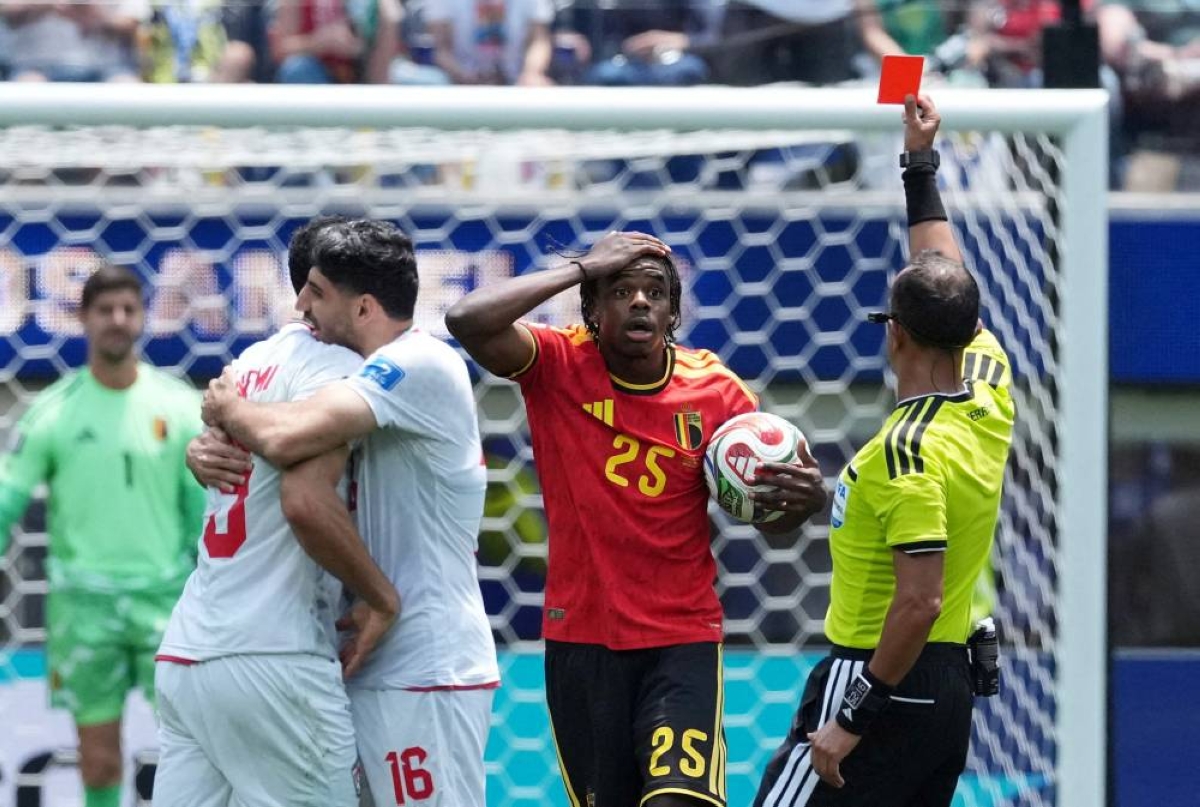
Belgium held by Iran as Ngoy sent off

Belgium held by Iran as Ngoy sent off

Belgium's Nathan Ngoy is shown a red card by referee Dario Herrera in Los Angeles. (Reuters) Belgium were held to a scoreless draw by Iran in a frustrating encounter Sunday that saw the Red Devils reduced to 10 men and facing the possibility of group-stage elimination for a second straight World Cup.A star-studded though ageing lineup including Kevin De Bruyne and Romelu Lukaku was if anything fortunate to leave Los Angeles with a point, controlling possession yet ceding the game's best chances to a resolute Iran team.Iran's Mehdi Taremi had the ball in the net from a well-worked first-half free kick that was overturned for offside by VAR, while Nathan Ngoy was sent off after the break for hauling down the striker after a badly mis-hit backpass.The result means all three games so far in Group G have ended in draws. Stuck on two points, Belgium at least have the comfort of playing the tournament's lowest-ranked team, New Zealand, in their final group game.Iran will also need at least a point against Egypt next Friday. Having been frustrated by visa issues as they travel from their base camp in Mexico to games in the US, Team Melli will hope to focus on the football as travel restrictions are reportedly eased for their crucial trip to Seattle.For the second Iran game running, protesters from Los Angeles' large Persian exile community gathered at the stadium to chant against the country's hardline regime.Inside the stadium, Iran's anthem again drew a chorus of boos and whistles – a reception at odds with the response to the players themselves, who were loudly cheered.Having switched to a back five, Iran sat deep in the first half, allowing Belgium to dominate possession and to play hundreds of passes around their penalty area without creating any clear-cut opportunities.Target man Lukaku, back in the starting lineup after making an impact from the bench in Belgium's 1-1 draw with Egpyt, managed a solitary headed effort in the 36th minute, which sailed over the bar.Iran had the first half's two best chances, entirely against the run of play. Hossein Kanani's low shot after a long throw was well saved by an outstretched Thibaut Courtois.And Iran's star striker Taremi had the ball in the net midway through the half after a cleverly worked free kick, but it was ruled offside.The former Inter Milan man span away from Belgium's wall, swiveled and buried the ball, before VAR overruled the effort, to the dismay of a vocally pro-Iran crowd.After the break, Belgium continued to huff and puff while Taremi again nearly scored at the other end. Courtois did well to save after Kanani had flicked on a long throw to the Iran forward.Belgium coach Rudi Garcia made a triple substitution around the hour mark and his side immediately came close, Maxim De Cuyper's point-blank effort from De Bruyne's cut-back well saved.Substitute Hans Vanaken blasted a shot from a rebound well over the bar moments later, as the Red Devils finally began to knock on Iran's door in earnest.But disaster struck for Belgium as Ngoy was sent off. The center-back had badly underhit a pass back to Courtois, and raised his arm into Taremi as the striker raced through on goal.The game settled into a nervous, scrappy stalemate, though De Cuyper again came close with a low effort from just outside the box. Related Story

Sports
Cape Verde stand tall as Uruguay’s pedigree wilts

Cape Verde stand tall as Uruguay’s pedigree wilts

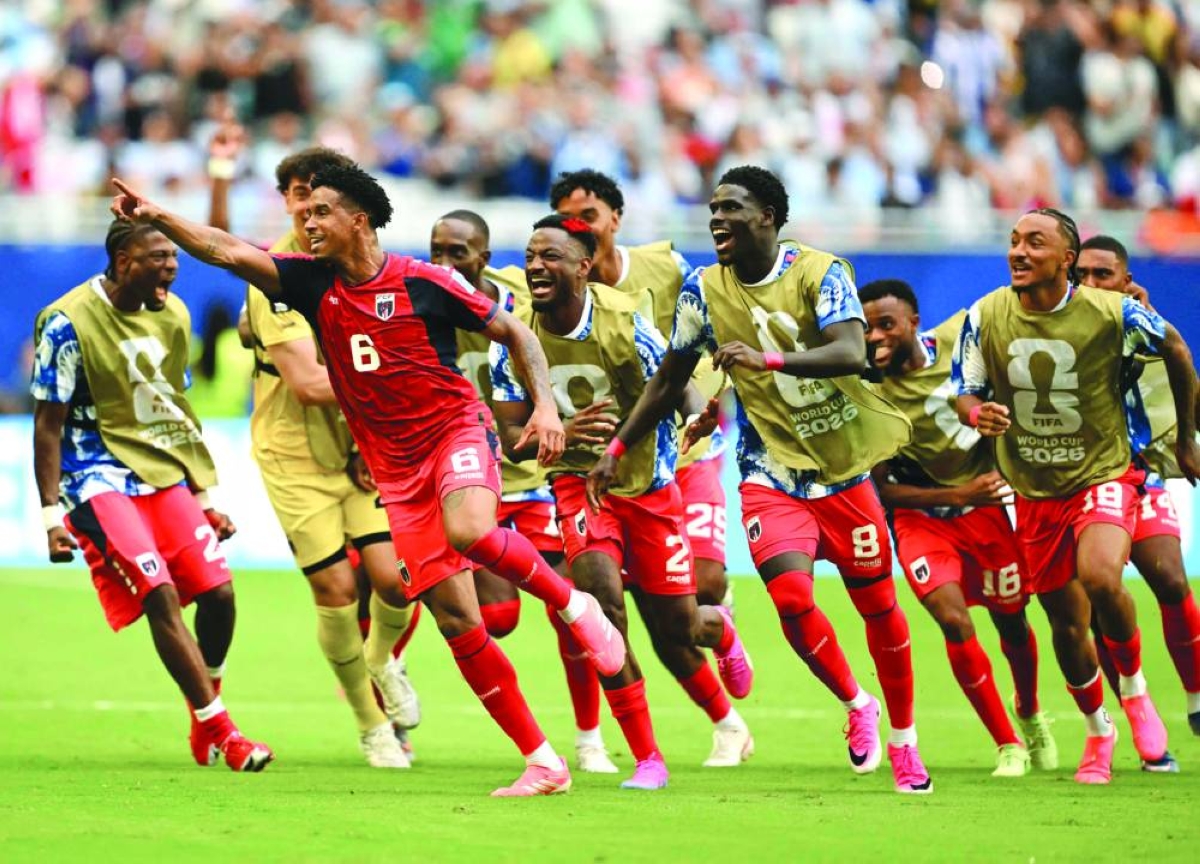
Cape Verde’s Kevin Pina celebrates with team-mates after scoring against Uruguay in Miami Gardens. (AFP) As Cape Verde celebrated one more precious World Cup point against yet another former champion, the shock was not that they scored twice against Uruguay in a pulsating 2-2 draw but that they never looked surprised themselves. This was only Cape ‌Verde’s second World Cup match, a fixture that on paper pitted newcomers against one ​of the traditional powers, with 51 ‌rungs separating the two sides in the rankings. Yet from the opening minutes, it ‌was difficult to identify which team carried the ‌weight of history and which players were ‌simply enjoying the moment as Cape Verde approached Uruguay without deference or fear. “This is something we owe to other smaller national teams, teams that struggle to qualify for a World Cup,” Cape Verde coach Bubista told reporters. “A country may be small, may struggle financially, but if they’re resilient, if they can endure struggle, if they work in an organised manner, they can also stand shoulder to shoulder with other major teams.” Marcelo Bielsa had packed Uruguay’s midfield, probably in the expectation that Cape Verde could sit back as they did against Spain, but that backfired quickly. Cape Verde’s ​confidence was visible in moments, when Garry Rodrigues spun away from Guillermo Varela with a turn that drew a roar from the crowd or when Telmo Arcanjo made a driving run from deep into Uruguay territory. Rodrigo Bentancur ‌could do little more than bring him down and accept ​a booking as Uruguay appeared unsettled and unsure where the next challenge would come ​from. Cape Verde’s opening goal reflected that boldness as Kevin Pina’s ambitious strike from over 30 metres out squeezed through the wall and beyond the desperate dive of veteran keeper Fernando Muslera. The celebrations carried the emotion of a country witnessing history and were so exuberant that the referee eventually had to usher players back towards the centre circle for the restart. Rather than retreat after taking the lead, Cape Verde became even more adventurous, attempting the improbable with a corner aimed directly at goal, while there was also an audacious shot from their own half when Muslera was off his line. Uruguay, also known as La Celeste, took Cape Verde’s showboating as an insult and the ‌lead disappeared with Maxi Araujo’s poacher ‌finish for the equaliser before setting up Agustin Canobbio for the second as they turned the match completely on its head. But Cape Verde remained unbowed and soon produced perhaps their defining moment of the tournament. Helio Varela came on as a substitute and his eyes lit up when Mathias Olivera’s loose back pass ended up in no man’s land, accepting the gift gratefully as he skilfully sent the ball into an empty net with Muslera off his line. As Olivera sank to his knees in despair, Varela struck a pose to show off his chiselled biceps as he was lifted into the ​air by his teammates, some of whom could not hold back tears. Cape Verde’s performance was built on more than just technical quality. Every lost ball triggered a sprint back towards their own box while they threw their bodies into challenges with no regard for their own safety. They also threatened on several counter-attacks, the Uruguay defence working overtime with almost no support as the men in red easily cut through a midfield that had lost complete control. When the final whistle blew, it was abundantly clear which side enjoyed the result more. As Uruguay’s squad walked down the tunnel with ‌their heads bowed, Cape ​Verde’s players stayed on the pitch, their heads held high as they basked in the love of their grateful fans.  Related Story

Opinion
Picture imperfect: How a photo at Évian framed a feud

Picture imperfect: How a photo at Évian framed a feud

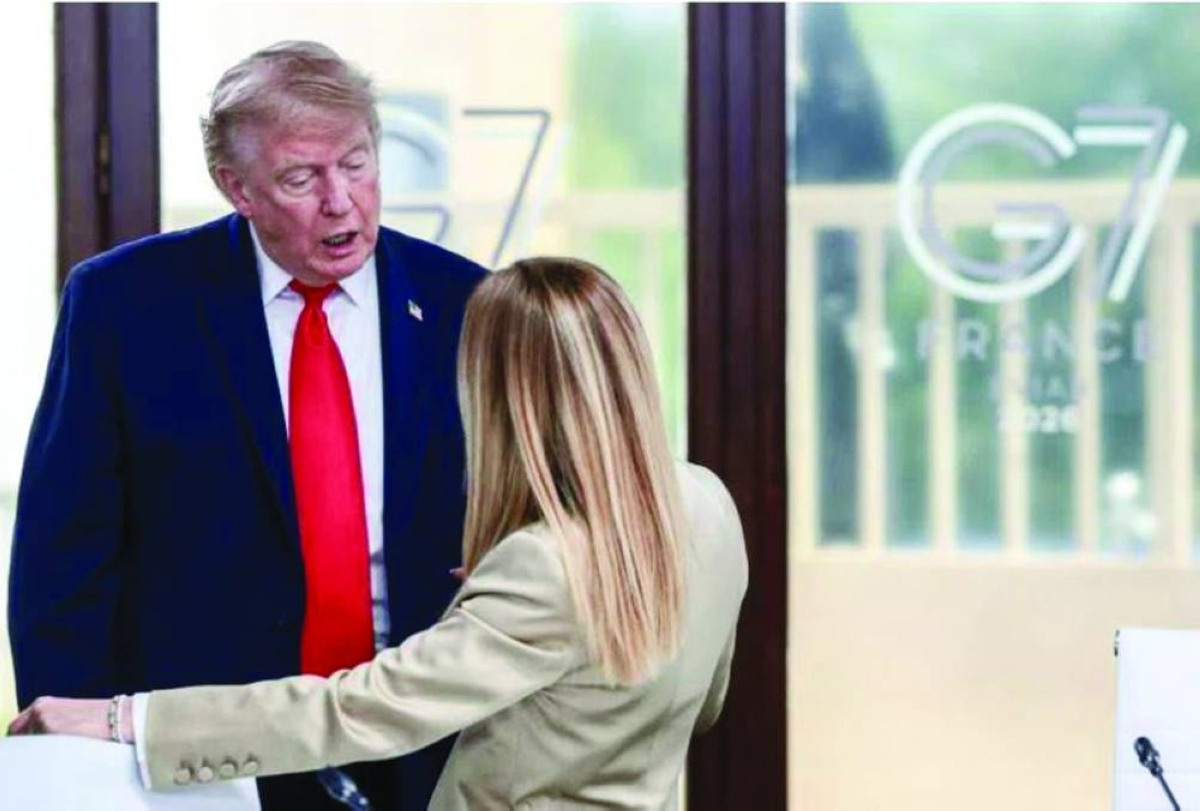
It began, as the most consequential quarrels often do, with something faintly absurd: a photograph that may or may not have been asked for. Two leaders on a small sofa at the Hotel Royal in Évian-les-Bains, a G7 session on artificial intelligence just adjourned, a handshake, a parting. From that single, unremarkable frame has unspooled the most public rupture between Washington and a European capital in years. The match was struck on a telephone line. Speaking to the Italian broadcaster La7 after the summit — and raising the subject himself — US President Donald Trump cast Italy’s prime minister as a supplicant. “She begged me to take a photo with her. She wanted a photo with me so badly — I could have skipped it, but I felt sorry for her,” he said. Pressed afterwards by NBC, he declined to retreat an inch: “That’s true. She wasn’t there for us.” One word did the damage. Beg. Giorgia Meloni’s reply, filmed and posted within hours, dispensed with three years of careful deference. “Donald Trump’s statements are completely fabricated. I’m frankly stunned,” she began, before sliding the blade in with a diplomat’s smile: she could only regret, she said, that he “doesn’t have the same determination with the enemies of the West ... with leaderships with which he instead appears much more accommodating.” Then the sentence that Italians of every stripe would carry like a banner: “But you must remember one thing: neither I nor Italy ever beg.” Trump, who guards the last word the way other men guard oxygen, was back on Truth Social by Saturday. “Italian Prime Minister Giorgia Meloni asked, over and over, for a picture with me during the G-7 meeting in France,” he wrote, before widening the grievance: “She wouldn’t even let us use Italy’s landing strips or runways, a great logistical inconvenience, and this despite the fact the U.S. contributes hundreds of Billions of Dollars a year to protect Italy, and other ‘so-called’ NATO Allies.” The sign-off was pure Trump: “Now, after the United States defeated Iran militarily, she wants to be friends again in order to get her ‘numbers up.’ No thanks!!!” Meloni did not blink. “President Trump, these constant, unprovoked attacks are senseless,” she answered on Instagram, before delivering the cut that travelled furthest: “As for my popularity, being your friend certainly has not helped it ... My popularity is none of your concern. I suggest you focus on yours.” The photograph was only the spark; the powder had been laid for months. The friendship was, once, genuine and conspicuous. Meloni was the lone European leader at Trump’s second inauguration; he had called her a “fantastic woman” who was “really taking Europe by storm,” and his circle returned the warmth — Don Jr. wrote a foreword for the English edition of her memoir, JD Vance another for the sequel. Then came the strains: tariffs that left a 15% levy on most EU goods despite Rome’s lobbying; Trump’s musings about annexing Greenland; and, decisively, the US-Israeli war on Iran. Meloni refused to let American warplanes refuel at the Sigonella base in Sicily and declined to call the campaign anything but illegal. When Trump turned his fire on Pope Leo XIV for condemning the war, she broke her silence to call the attack on the pontiff “unacceptable.” He retorted that she “lacked courage.” The sofa at Évian was meant to be the reconciliation. It became the detonator instead. To understand why a photo caption could rupture a friendship, look at the two principals. Meloni was forged in Garbatella, a working-class quarter of Rome built for rail and dock workers — abandoned by her father before she was two, sleeping as a child on a mattress on her grandparents’ floor after a house fire. Grit, her sister has said, is what that childhood bequeathed her. She built a brand — “I am Giorgia, a woman, a mother, an Italian, a Christian” — on the politics of dignity and national honour. For a leader who learned her English from Michael Jackson records and her defiance from being the outsider in every room, beg is not an insult; it is a desecration. As one Roman political scientist put it, for a nationalist honour is never merely personal but political — to slight the leader is to slight the flag. Trump is the photographic negative of all this. Where Meloni trades in honour, he trades in dominance and the ledger. His instinct is to recast every encounter as a favour bestowed — “I could have skipped it,” “I didn’t have to talk to her” — and every ally as a fan whose usefulness has lapsed. Loyalty, in his grammar, flows one way; the moment Rome declined to lend its runways, the warm adjectives curdled. He is, above all, transactional, with a documented habit of converting personal pique into economic pressure. That is what makes this more than theatre. There is a reason the insult landed across Italy’s entire political spectrum, drawing even opposition senators who cannot abide Meloni to her defence, prompting Foreign Minister Antonio Tajani to brand the remarks an offence to “all of Italy” and cancel his Washington trip, and moving Deputy Premier Matteo Salvini to declare that whoever attacks Meloni attacks every Italian. A post that paints a sovereign nation’s elected leader as a fawning beggar does not wound one woman; it reduces a country to a posture of servility before a watching world. Strip away the personalities and a hard truth remains: to depict another nation’s head of government as a supplicant is to spit, however casually, on its flag. Pride, once punctured in public, demands an answer — which is precisely why this one will not subside on command. Where, then, does it go? In the short run, paradoxically, the quarrel may be a gift to Meloni. Long mocked at home as Trump’s vassal in Europe, she now wears the role of the smaller nation’s leader standing up to the bully — a narrative tailor-made for an election season in which the firebrand Roberto Vannacci is hunting her right flank. The longer game is bleaker. Her foreign policy, built on being Washington’s bridge to Brussels, lies in tatters; she must rebuild it without appearing to flip-flop, for voters remember the MAGA hats. And looming over everything is a trade relationship worth some $120bn and a president whose tariff machinery has, before now, run on grudges. The photograph at Évian has been printed, dubbed and disowned. What it develops into — a passing squall or the first frost of a longer estrangement — will be decided not by who begged whom, but by whether a man who never apologises and a woman who never begs can each, somehow, find a way to look away. The writer is Deputy Managing Editor, Gulf Times.  

Opinion
Alan Greenspan: longtime Federal Reserve chief with a divided legacy

Alan Greenspan: longtime Federal Reserve chief with a divided legacy

Alan Greenspan, the longtime US Federal Reserve chief who presided over an unprecedented period of American economic expansion but was faulted for failing to rein in markets ahead of the 2008 global financial crisis, has died aged 100. Greenspan guided the world’s biggest economy through a stock market crash in 1987 as he first took up his post, the Mexican and Asian financial crises, the dotcom boom and bust, and the September 11, 2001 attacks. A native New Yorker who excelled at math as a child but initially studied music before pivoting to economics, Greenspan spent decades in the inner circles of power in Washington, ultimately leading the Fed for presidents of both political parties. Greenspan was hailed by some as the greatest central banker the world has ever known, winning praise for his steady hand and cool demeanor. Supporters admired his willingness to cut interest rates and keep them low even as unemployment rates fell, which conventional wisdom said would cause inflation to spiral out of control. But his impenetrable prose — used to avoid committing to any particular course — and his confidence in unfettered markets and institutions to correct themselves frustrated critics, who believed the US economy needed stronger guardrails. And after the world sank into crisis in 2008, soon after his retirement in 2006, his decision not to do anything to rein in the mortgage markets was viewed as naive. Born on March 6, 1926, Greenspan grew up an only child raised mostly by his mother after she separated from his stockbroker father. Initially, rather than going to college, he attended the elite Juilliard School to study music. After he was declared unfit to serve in the military due to a lung issue, he went on to play clarinet and saxophone in a band. Greenspan earned $62 a week — more than his mother was making in her job at a department store, according to biographer Sebastian Mallaby, who wrote The Man Who Knew: The Life and Times of Alan Greenspan in 2016. He read books on finance in his free time and helped his bandmates with their taxes. In 1945, he quit music to attend New York University, where he would eventually earn a PhD in economics. Greenspan started a consulting firm where he delved into economic and manufacturing data, a habit that would become the trademark — he was known for poring over statistics in his bathtub. His thinking evolved during his career, but he never fully relinquished his Randian support of laissez-faire economies free from government intervention. Greenspan entered politics in the late 1960s as an adviser to Richard Nixon during his successful campaign for president, but initially declined to take a job in the Republican administration. When he did accept the post of White House economic adviser, he was not confirmed until after Nixon resigned in disgrace, and working for Gerald Ford. In 1987, another Republican president, Ronald Reagan, named Greenspan to serve as chair of the Federal Reserve. It was a position he would hold until January 2006 serving under four presidents — Reagan, George H W Bush, his Democratic successor Bill Clinton and George W Bush. Greenspan was tested early in his new post — on “Black Monday” in October 1987, the benchmark Dow Jones Industrial Average collapsed by nearly 23 percent — still the biggest single-day percentage drop in the index’s history — as part of a global market crash. The new Fed chair issued a terse statement promising central bank support, and the Fed pumped liquidity into the financial system. It worked. Rather than another Great Depression like the one that followed the 1929 crash, markets recovered quickly. 

Sports
Magical Messi makes World Cup history to send Argentina into last 32

Magical Messi makes World Cup history to send Argentina into last 32

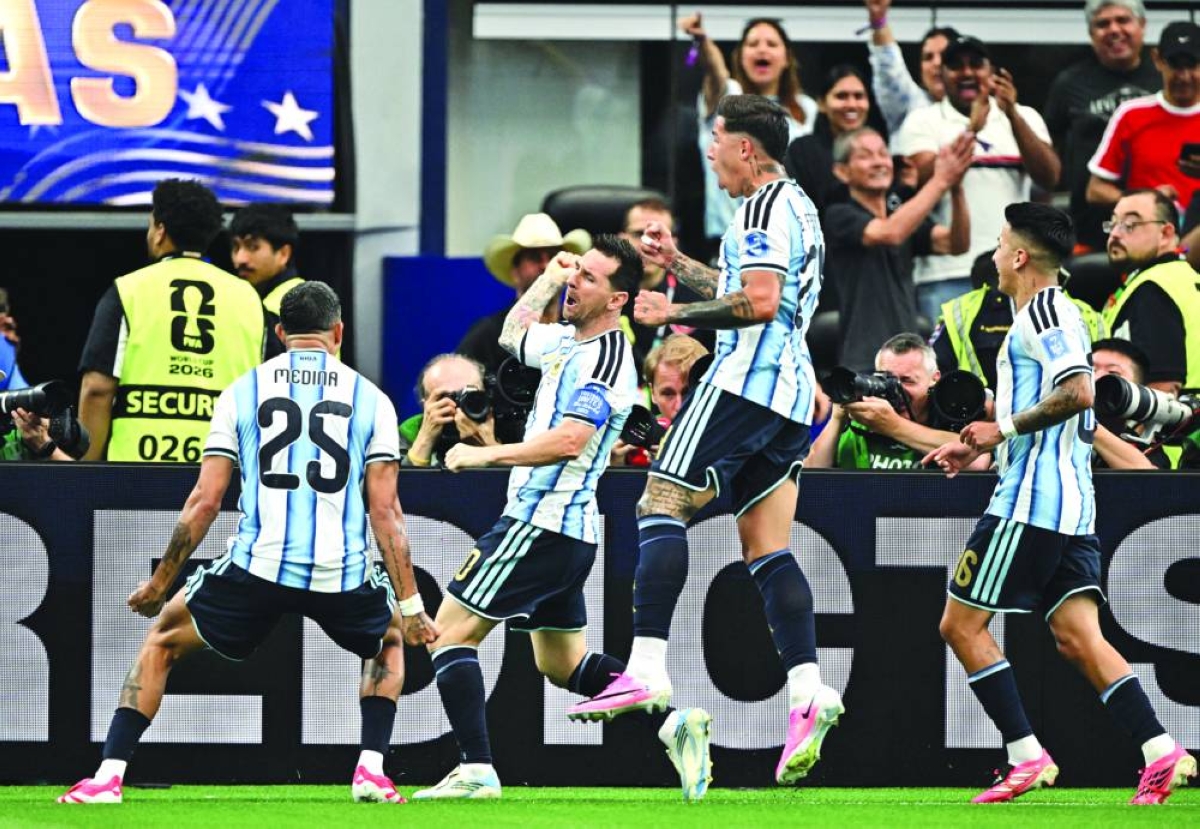
Lionel Messi rewrote the World Cup record books on Monday, becoming the tournament's all-time leading scorer with both ‌goals in Argentina's 2-0 victory over Austria that secured the holders' passage to the last ​32. (Reuters)

Sports
Qatar-Bosnia fight for third spot, possible US clash after winless start

Qatar-Bosnia fight for third spot, possible US clash after winless start

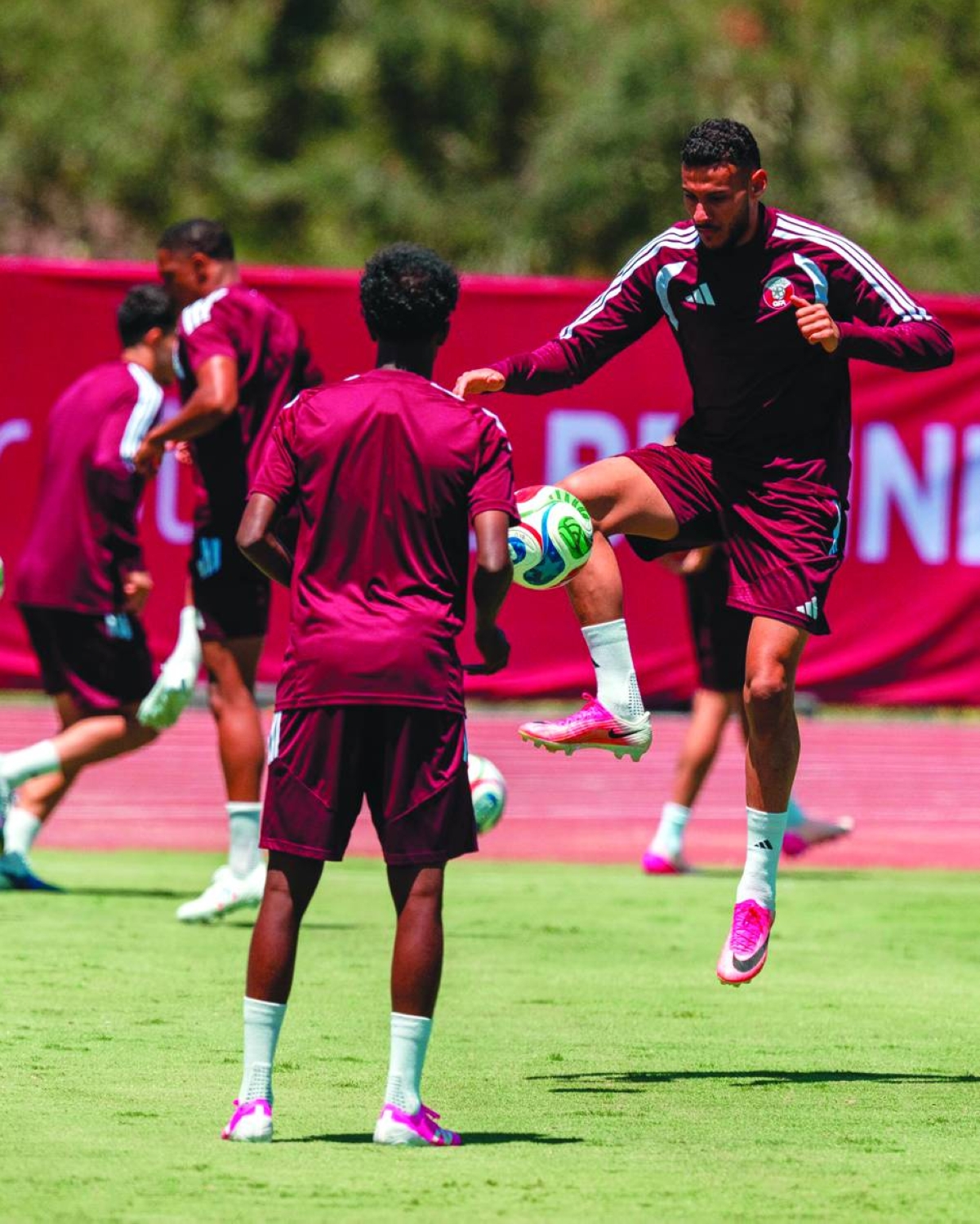
Qatar players train ahead of their decisive FIFA World Cup Group B clash against Bosnia and Herzegovina in Seattle on Wednesday. Qatar and Bosnia and Herzegovina go into their final World Cup Group B game on Wednesday in Seattle knowing they realistically must win to progress, ‌with a possible last-32 clash against co-hosts the ​United States the prize ‌on offer. The two sides began their tournaments well enough ‌as Qatar, whose only previous finals appearance was on home soil in ⁠2022, snatched a late equaliser against Switzerland while Bosnia ⁠held Canada ‌to a creditable draw.  Their disastrous second matches, however, leave them targeting third in Group B, which could set up a knockout game against the US in San Francisco on July 1 - but only if one of them can grab all three points in Seattle.   Qatar were simply blown away, ‌already 2-0 down when ⁠Homam al-Amin was ​sent off to open the floodgates in a ​6-0 drubbing. Bosnia held out ​for more than 70 minutes until the wheels fell off in a 4-1 defeat by the Swiss. The hefty margins of defeat severely damaged their goal difference, which could hamper their chances of progress if they are level on points with rival third-placed teams. With two points surely not enough to qualify, a draw is no use to either side and could make for an open game. Neither nation have made it out of the group before, though, and ‌are more comfortable setting ‌up to defend and counter. Qatar will ​miss both al-Amin and Assim Madibo after they were sent off against Canada, with Madibo's rash challenge leaving Ismael Kone with a broken leg. Their coach Julen Lopetegui sought to emphasise the positives after last week's hammering, saying Qatar still had everything to play for.   "There are other countries, big countries, they are looking at the World Cup on TV - and we are here," he ‌said after ​the Canada game. "Now we have one final in front of us."  Bosnia - ⁠who defeated Italy on penalties to qualify - will be strong ⁠favourites, but are without ⁠highly-rated 23-year-old defender Tarik Muharemovic after his straight red against Switzerland. Coach Sergej Barbarez said Muharemovic would be missed for the must-win game, but added: "I don't like whining. I think we have a sufficient number of good players to replace him." With Canada and Switzerland occupying the top two places, victory is essential for either side to boost their chances of progressing as one of the tournament’s eight best third-placed teams. Goal difference could prove crucial, with Canada leading the group at +6, ahead of Switzerland (+3), while Bosnia (-3) and Qatar (-6) face a difficult challenge. A positive result would keep Qatar firmly in contention heading into the final phase of qualification calculations.  Related Story

News
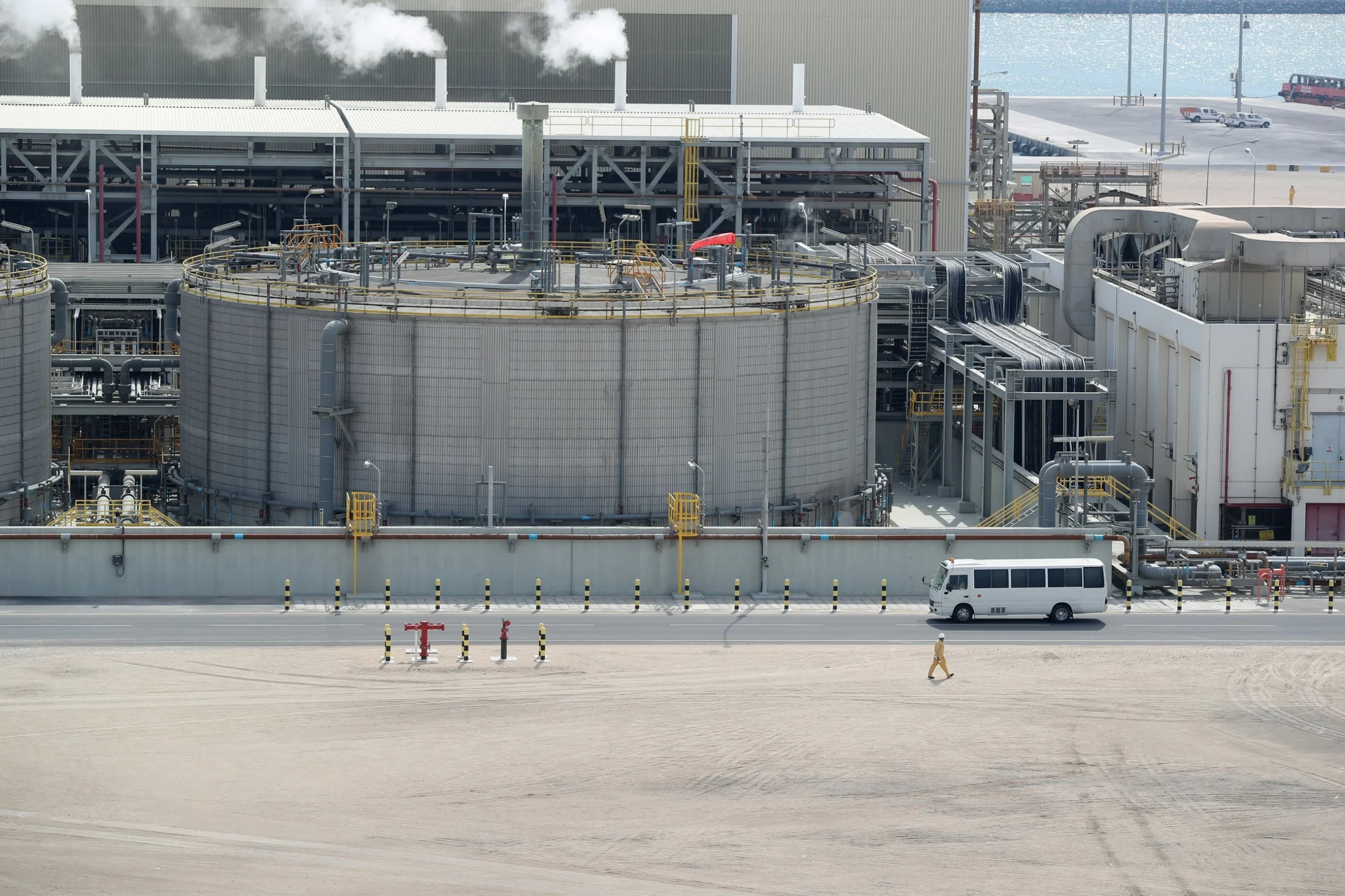
Explosion rocks Qatar’s Ras Laffan industrial zone

Explosion rocks Qatar’s Ras Laffan industrial zone

An explosion occurred on Sunday in Qatar's Ras Laffan industrial zone, home to the world's largest liquefied natural gas hub, as the result of a "technical incident", the interior ministry said."An internal explosion occurred in

Entertainment
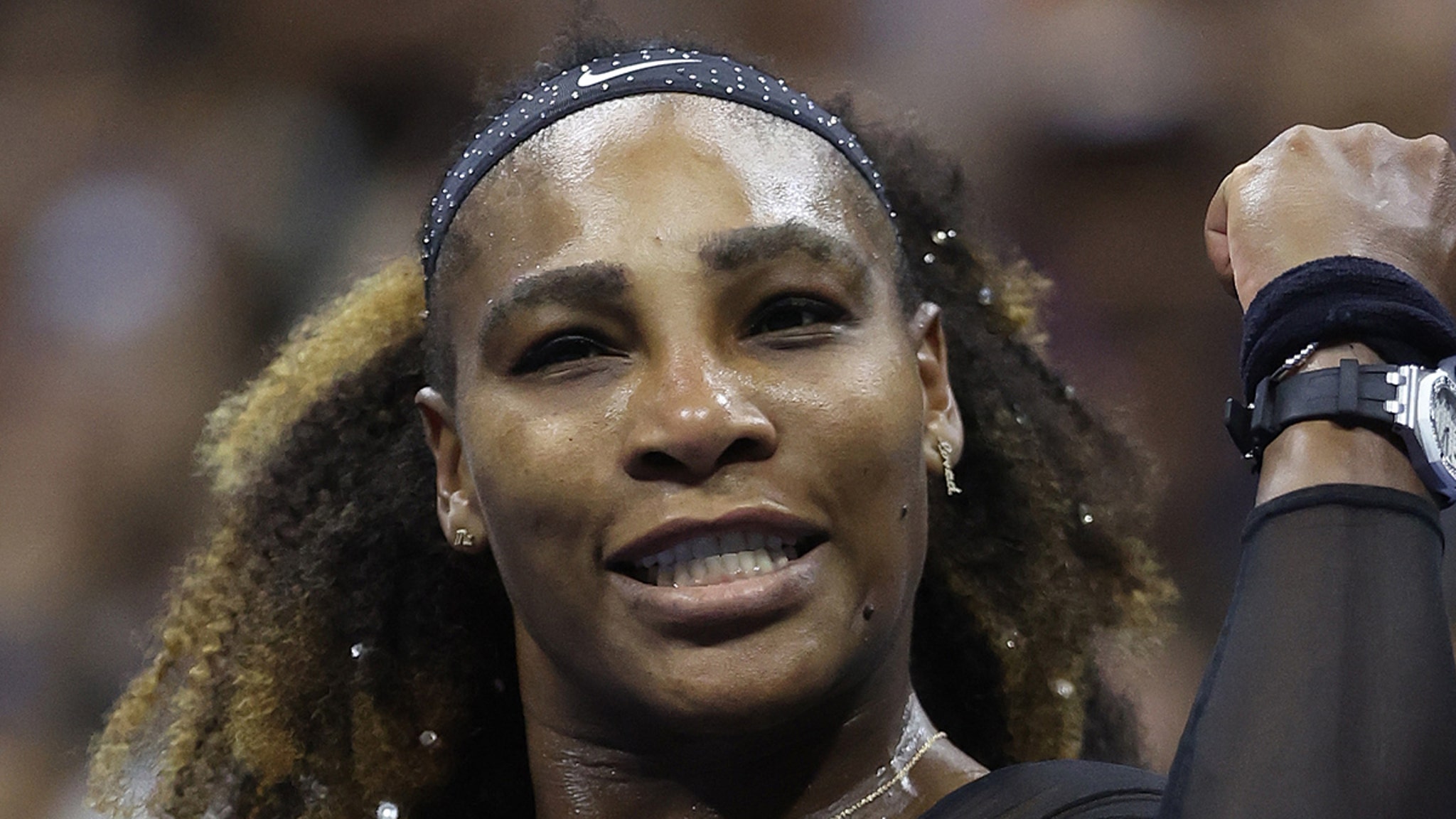
Serena Williams to Play Singles at Wimbledon

Serena Williams to Play Singles at Wimbledon

Serena Williams I'm A Singles Lady ... Playing Solo at Wimbledon!!! Published June 21, 2026 1:21 PM PDT Serena Williams is fully back in the tennis fold ... not only is she playing doubles at

Entertainment
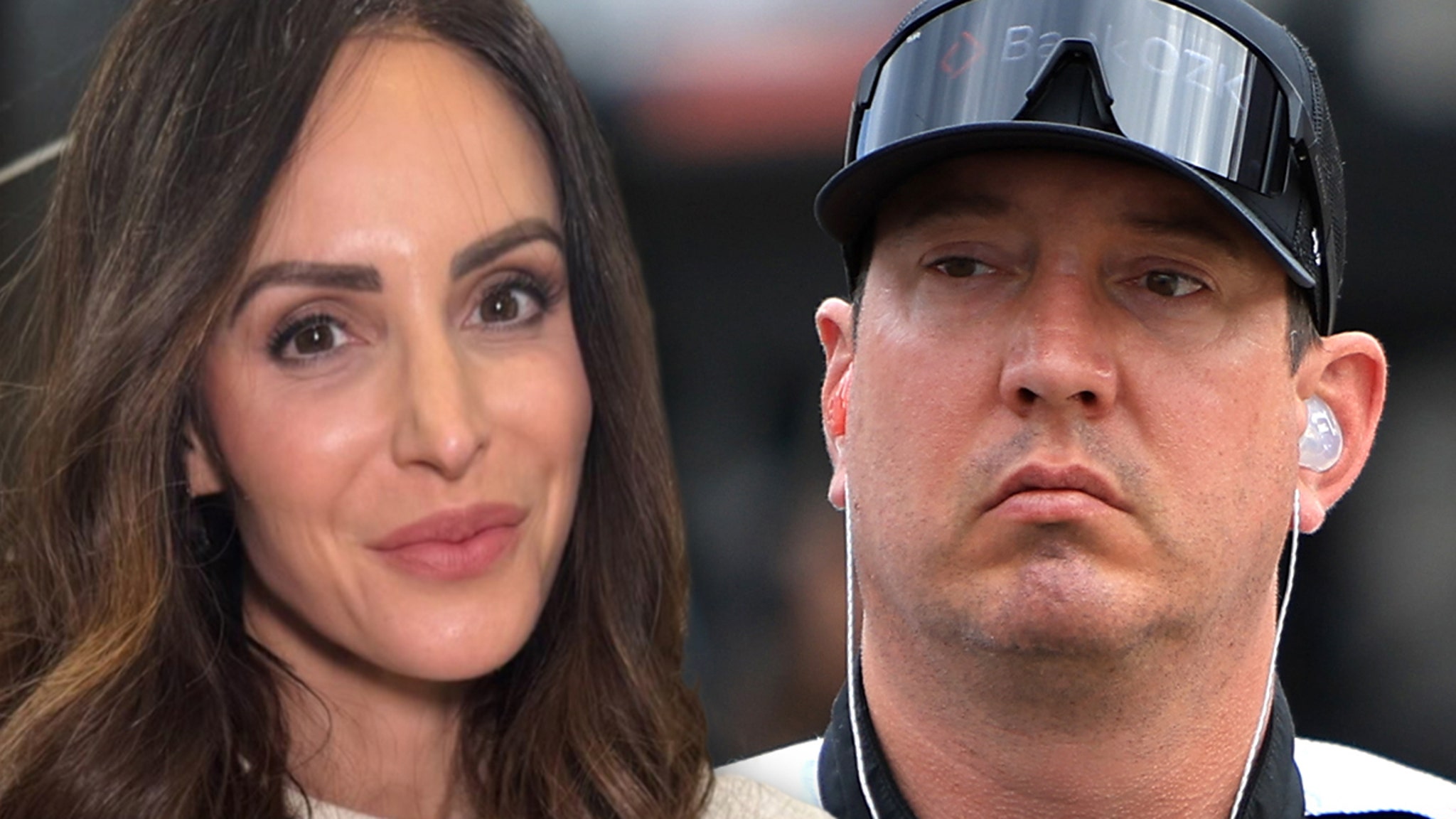
Kyle Busch’s Widow Shares Devastating Father’s Day Tribute, Says Cards Were Made

Kyle Busch’s Widow Shares Devastating Father’s Day Tribute, Says Cards Were Made

The widow of NASCAR legend Kyle Busch posted an emotional video montage Sunday celebrating the racing icon, whom she shares 2 kids with, while opening up about the painful reality of navigating the holiday without