1. Home
  2. Author Blogs

Author: admin

admin

World
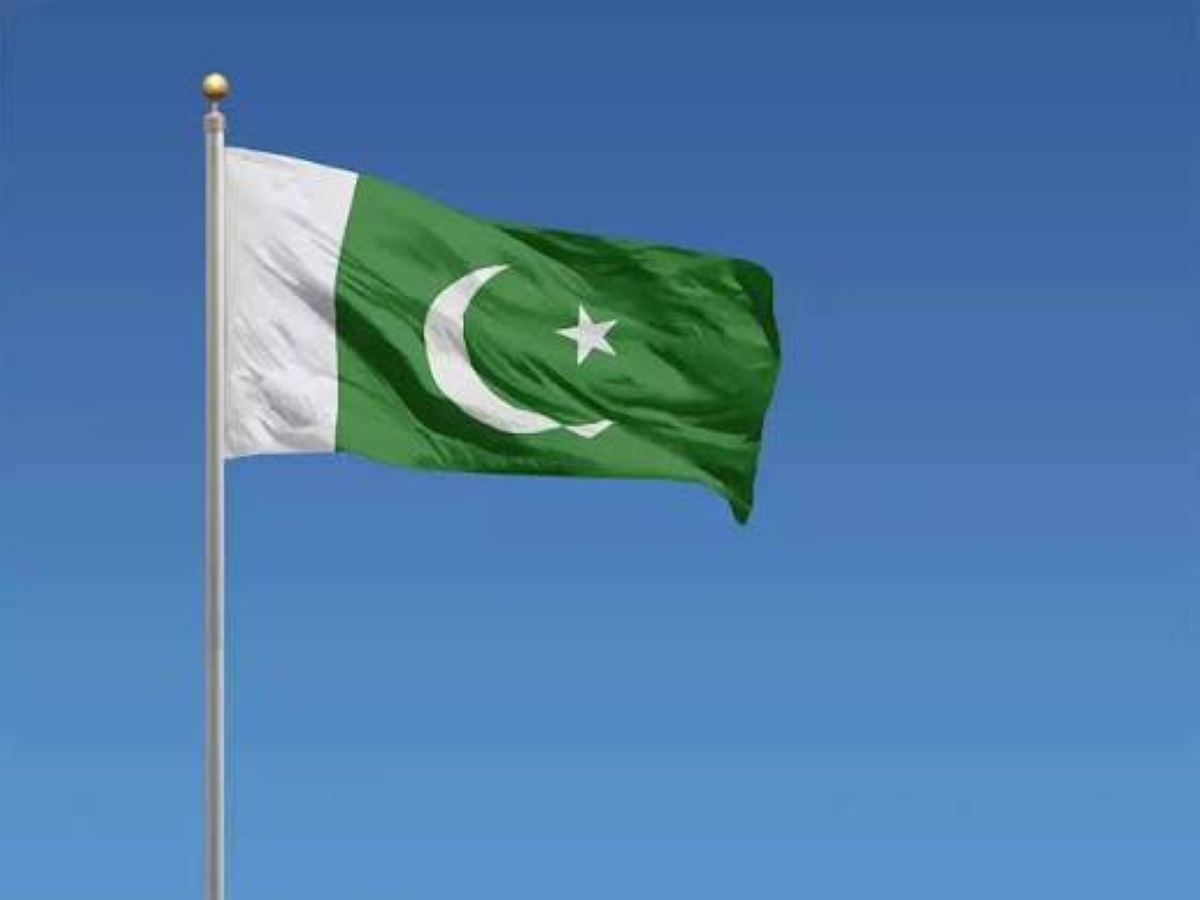
Pakistan Declares National Mourning for HH the Father Amir

Pakistan Declares National Mourning for HH the Father Amir

The Pakistani government has declared official mourning on Monday following the passing of His Highness the Father Amir of the State of Qatar Sheikh Hamad bin Khalifa Al-Thani. In an official statement, the government said Prime Minister Muhammad Shehbaz Sharif had declared a national day of mourning to express the fraternal solidarity of the government and people of Pakistan with the ruling family, the government, and the people of the State of Qatar following this loss. The statement added that flags would be lowered to half-mast across the nation throughout the day of national mourning. Related Story

Entertainment
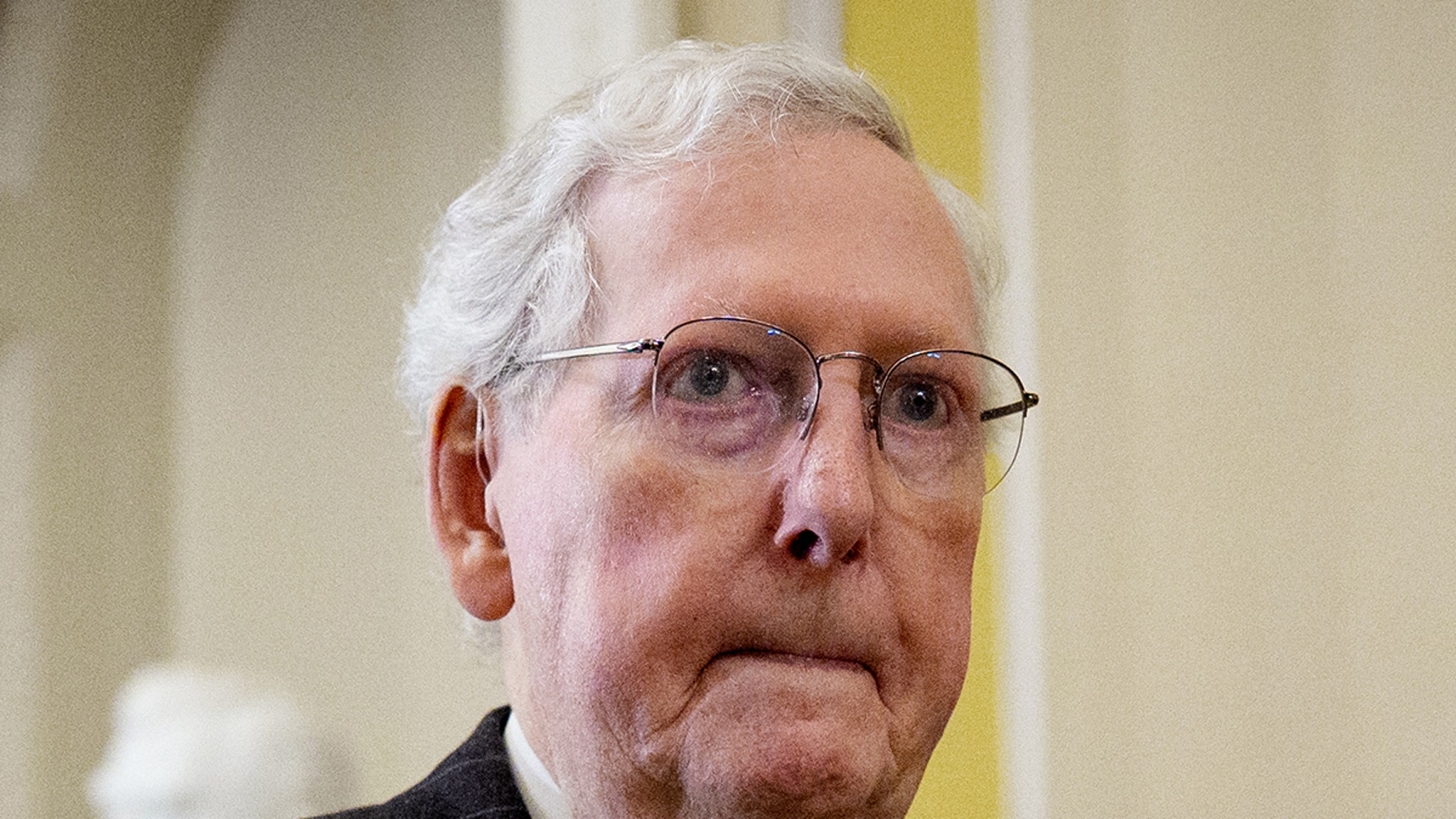
Senator Mitch McConnell Releases Photo From Hospital, Says He Fell Last Month

Senator Mitch McConnell Releases Photo From Hospital, Says He Fell Last Month

Senator Mitch McConnell Smiling and Alert in Hospital Pic ... Says He Didn't Have Heart Attack Published July 12, 2026 2:34 PM PDT Mitch McConnell has shared the first photo of himself since he was

Entertainment
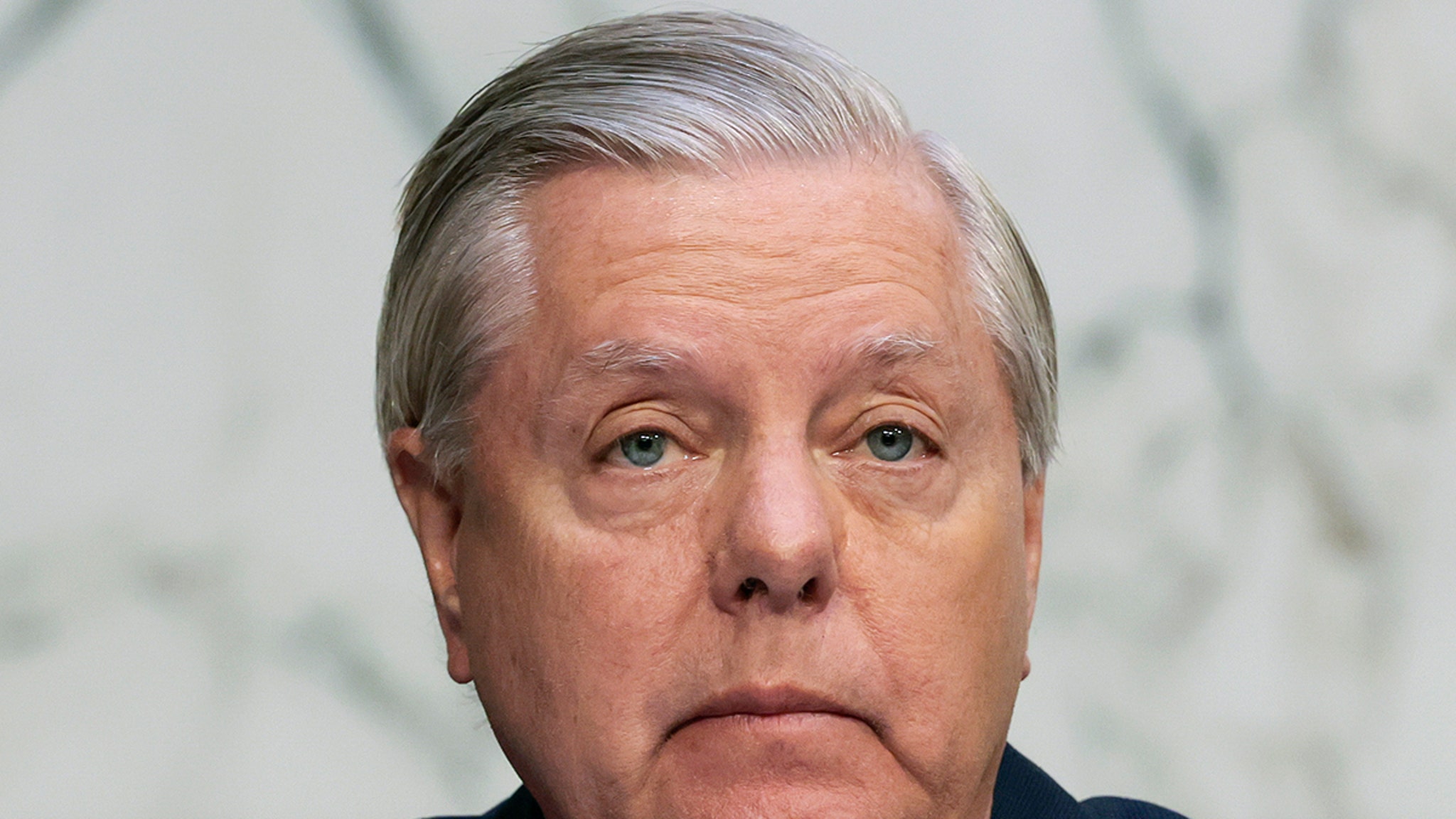
Lindsey Graham’s Cause of Death Revealed by Spokesperson

Lindsey Graham’s Cause of Death Revealed by Spokesperson

Lindsey Graham Died From Tear in Aorta Caused By Heart Disease Published July 12, 2026 2:10 PM PDT Lindsey Graham's died from a tear in his aorta ... this according to his longtime spokesperson. Taylor

Sports
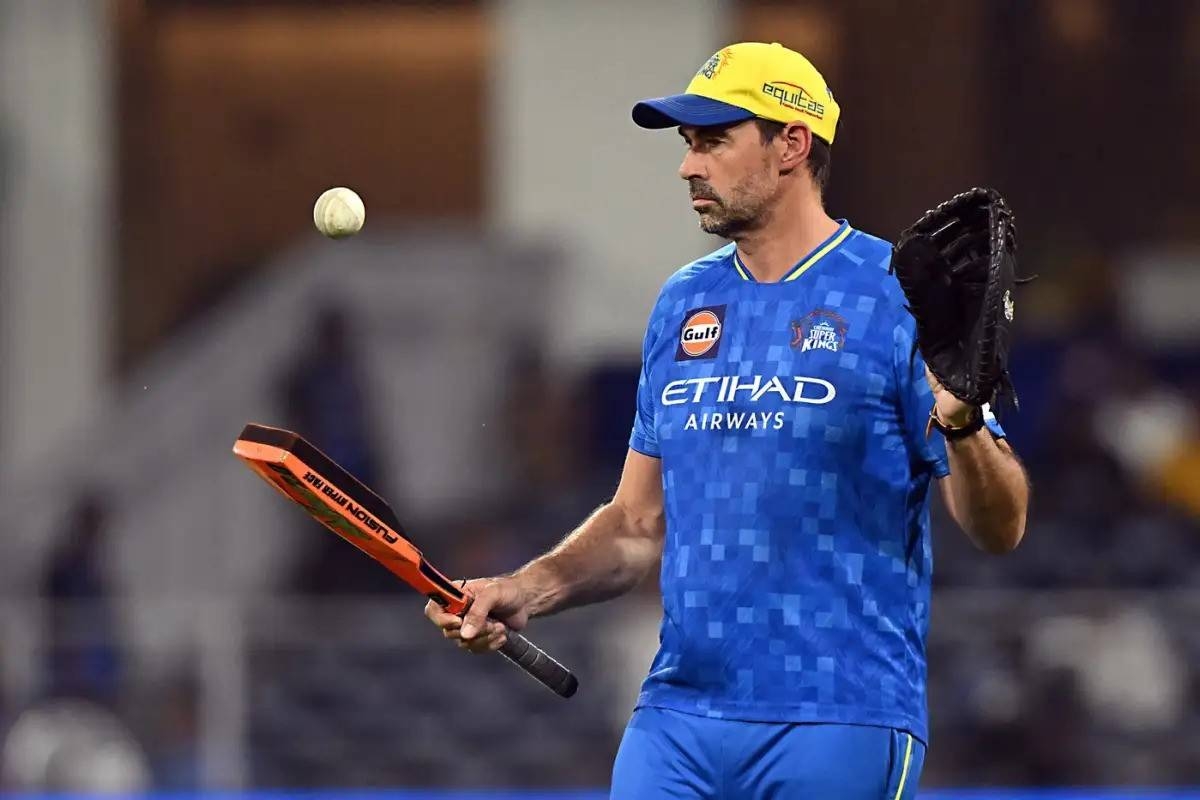
Fleming quits IPL’s Chennai after 18 years as coach

Fleming quits IPL’s Chennai after 18 years as coach

Stephen Fleming had been under fire in the last few years after CSK failed to qualify for the Playoffs in the last three seasons since it’s title-winning campaign in 2023. Former New Zealand skipper Stephen Fleming is leaving his IPL team Chennai Super Kings (CSK) after 18 years as coach, the franchise said on Monday.Fleming, 53, joined Chennai as a player in the inaugural edition of the T20 tournament in 2008 and took charge as coach the following year.He forged a formidable partnership with long-time skipper M.S. Dhoni, with Chennai becoming one of the most successful IPL franchises with five titles."The Super Kings and Head Coach Stephen Fleming have mutually decided to part ways," the franchise said in a statement."Together, we shared one of the most successful and enduring partnerships in IPL history. The legacy you've built will continue to inspire us. With immense respect and gratitude, Thank you, Stephen."Under Fleming's leadership, Chennai entered the Indian Premier League play-offs a record 12 times, while also being part of 10 IPL finals.Fleming also guided the team to two Champions League T20 trophies.Fleming had been under fire in the last few years after CSK failed to qualify for the Playoffs in the last three seasons since it’s title-winning campaign in 2023."Eighteen years is a lifetime in sport, and I leave with nothing but gratitude," Fleming was quoted as saying in the statement."My time with Chennai Super Kings has been the privilege of my coaching career. I am proud of everything we have achieved."Together, we celebrated unforgettable victories, overcame difficult moments, and built memories that will stay with me forever," he said.Fleming, a left-handed batter, scored 7,172 runs at an average of 40.06, including nine centuries, in 111 Tests for New Zealand between 1994 and 2008.He also played 280 one-day international and five T20 matches for the national team.  Related Story

Sports
Scaloni’s quiet revolution carries Argentina towards England showdown

Scaloni’s quiet revolution carries Argentina towards England showdown

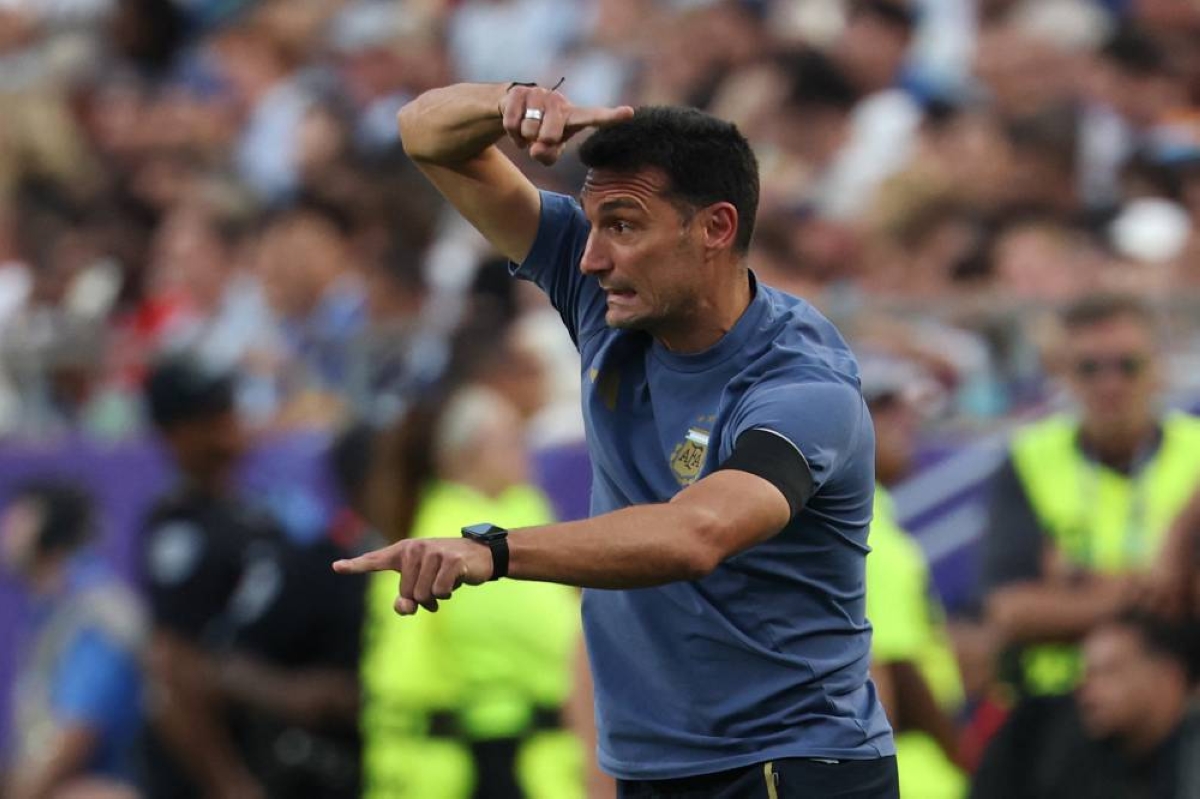
Lionel Scaloni, Head Coach of Argentina, gestures during the World Cup quarter-final match between Argentina and Switzerland at Kansas City Stadium on July 11, 2026 in Kansas City, Missouri. (AFP) Lionel Scaloni barely registered among the coaching royalty gathered in Bilbao.Brazil’s Tite drew the crowds to the International Football Summit. Fabio Capello, ‌Unai Emery and Ernesto Valverde commanded attention. Scaloni, only months into one of world football’s most unforgiving jobs, looked like ​an afterthought.Then lunch was served. Initially quiet at ‌the table, the former Argentina fullback gradually relaxed into easy conversation, thawing the room with warmth and easy humour ‌and drawing laughs from even the ⁠famously stern Capello. Six years later, ‌the understated coach from the small town of Pujato takes ‌Argentina into a World Cup semi-final against England, one victory from a second successive final and a chance to lead Argentina to become ⁠the first team since 1962 to win back-to-back World Cup titles.Back in February 2020 at the Bilbao summit, Scaloni was still best known as a former hardworking player who had built his career in Spain playing for Deportivo La Coruna and Racing Santander, with less memorable spells in England and Italy, before drifting into Argentina's national set-up after serving as Jorge Sampaoli's assistant at the chaotic 2018 World Cup.Argentina's Round of 16 exit in Russia had pushed Lionel Messi away from the national team, exhausted by the old accusation that he could not reproduce his Barcelona brilliance in blue and white. Scaloni was handed Argentina in no small part due to the fact that Mauricio Pochettino, ​Diego Simeone and others had declined the AFA's poisoned chalice. Few then imagined Scaloni would go on to become one of the most successful figures in the country's football history.Aided throughout by former players Pablo Aimar and Walter Samuel, Scaloni first coaxed Messi back. Then came the COVID-19 pandemic, the postponement of ‌the Copa America and, eventually, the day in ⁠Rio de Janeiro that changed ​everything. At the Maracana in 2021, thanks to Angel Di Maria's 21st-minute goal, Argentina beat Brazil in the Copa ​America final, ending their 28-year trophy drought and giving Messi his first major senior title with his country. It was the spark for the golden era that conquered France in the 2022 World Cup final in Qatar.Yet Scaloni has never turned Messi or Argentina into a way of seeking vindication for his work. He conquered the world without appearing to believe he owned it. That restraint has become part of his power. In a football culture often caricatured as extravagant or arrogant, Scaloni has built a side around emotional force without making himself the show."I'm not a coach because I like the 4-3-3," he said at a press conference ahead of the game with Switzerland. "I like to be in a group with colleagues, drinking mate, eating asado (barbecue), playing cards ... if you only think of the game you end up burned out."He also represents an Argentine coaching school that has spread across South America and beyond. Eight of the 10 CONMEBOL ‌teams in the most recent World Cup qualifiers were ‌managed by Argentines, while six Argentine coaches worked at ⁠this World Cup.Brazil, by contrast, suffered their second-worst World Cup finish, ending 11th after a Round of 16 loss to Norway. For the first ⁠time, no Brazilian head coach was present at a World Cup, ⁠with Brazil themselves led by Italy's Carlo Ancelotti. Before Euro 2024, former Barcelona and Brazil fullback Sylvinho, then Albania coach, told Reuters that Argentine players often think earlier and more seriously about their long-term development.He pointed to Scaloni, once his rival in Galicia, recalling how the Argentine regularly travelled to Madrid with Sylvinho's Celta Vigo teammate Eduardo Coudet, now River Plate coach, to attend Spanish FA coaching courses while still playing. That discipline helps explain the boy from a small agricultural town in Santa Fe and his relationship with work, fame and responsibility even after becoming a World Cup winner.Scaloni ​has had every chance to become louder. Instead, he has kept stepping aside, allowing Messi and the players to remain the protagonists. His tears after Argentina's comeback against Egypt in the Round of 16, when they trailed 2-0 late in the second half, said plenty. They recalled the image of him after Gonzalo Montiel's decisive penalty against France in 2022: motionless, hands over his face, as if trying to confirm that reality had not played a trick on him.His greatest achievement, however, seems to be solving how to manage Messi without being consumed by Messi's figure and all the pressure that surrounds him.Under Scaloni, Argentina became more than a side built around Messi. Instead, players seem to feel inspired and driven by their icon to become pillars of the same mission, brilliantly described by midfielder Leandro Paredes: "We work so that Messi's last game ‌never arrives." Scaloni, typically, reached for perspective ​after Saturday's victory over Switzerland. "This is nothing more than a football match," he said.Match by match, the former defender once seated among more celebrated coaches has grown larger than them all.  Related Story

Opinion
A Rubicon crossed: Trump, FIFA and the politics of red card

A Rubicon crossed: Trump, FIFA and the politics of red card

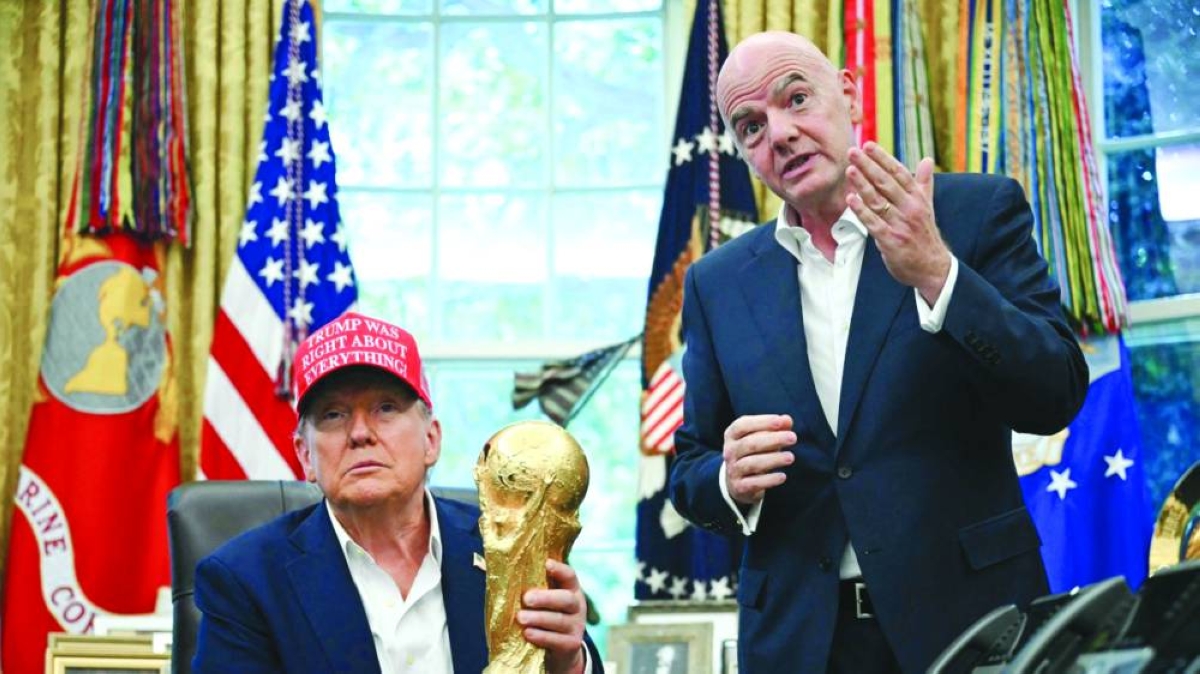
US President Donald Trump and FIFA president Gianni Infantino, at the Oval Office of the White House, Washington, on August 22, 2025. (AFP/File Photo) As the 2026 FIFA World Cup enters its final stages, the competition had been going well, both on and off the field. On the pitch, the performance of nations such as Cape Verde and the Democratic Republic of Congo captivated fans and justified the controversial expansion to 48 teams from the previous 32. Thrilling games proved the adage that in all World Cup the football does the talking once the matches begin. Off the pitch, the stadiums were largely full and worries that Immigration and Customs Enforcement might target vulnerable communities at games were unmet, despite a sharp rise in ICE arrests more generally. Above all, US President Donald Trump had refrained from commenting on the games even as the US team performed strongly and won the group to advance to a Round of 32 clash with Bosnia and Herzegovina. While the US cruised to a 2-0 win that marked their first victory in a knockout round since 2002, the game was marred by a red card for star US striker Folarin Balogun, who had scored the opening goal in the match. As anger mounted over the sending off, Trump suddenly took credit for a FIFA decision to suspend Balogun’s one-match ban that freed him to play in the Round of 16 against Belgium. In the furore that followed, a sharp divide opened up between American commentators, who praised FIFA for reversing a harsh decision, and international fans, mainly from Europe, who condemned FIFA president Gianni Infantino for bowing to political pressure. As with so much of the discourse around Trump, there was little in the way of middle ground, as further comments by Trump, calling into question the character of the Brazilian referee who had sent Balogun off, and by Senator Lindsay Graham thanking Trump for intervening, added further fuel to the flames. Belgium’s subsequent 4-1 win dampened the debate, but the events cast a shadow over the 2026 World Cup and Infantino’s leadership. Infantino spent much of the 18 months preceding the World Cup developing a personal relationship with Trump that he may have hoped would translate into political capital during the tournament were it to become necessary to seek Trump’s assistance. And yet, at several critical junctures, this approach appears to have failed, notably when Somali referee Omar Artan was denied entry to the US despite being on the FIFA list of approved referees for the World Cup and in possession of a valid visa. If there was ever an occasion for Infantino to use the relationship he had cultivated with Trump it was then, particularly as Infantino had given assurances in 2025 about access for all participants. The restrictions placed on Iran’s team also reflected poorly on Infantino’s seeming inability to pressure the White House on an issue as basic as ensuring fair treatment of all nations. FIFA will survive the controversies of 2026 although Infantino, who is seeking election for a third term as president, may emerge weakened if UEFA, the European governing body, and individual football federations, such as Norway or Germany, increase their scrutiny of him. The outcome of the vote, to take place at a FIFA Congress in Rabat in March 2027, is hardly in doubt as the expansion of the World Cup and the record levels of revenue expected to be distributed to the 211 member federations has won Infantino widespread support. However, the intensity of European backlash to Infantino may only deepen the splits within world football between ‘legacy’ and ‘frontier’ markets that became so evident and vocal during the 2022 World Cup in Qatar and may be so again ahead of Saudi Arabia in 2034. What is perhaps more unusual is that the brazen nature of Trump’s phone call and appeal to Infantino to reverse Balogun’s red card, while in character for the most transactional and unconventional president in modern times, should have happened at all. Few had Trump and the White House publicly boasting of their role in getting a refereeing decision overturned on their list of potential issues before the tournament began. While it is not the first time that a World Cup has been overshadowed by direct political intervention, the two most direct parallels were long in the past and believed to belong in the history books rather than have any contemporary relevance to the global game in the twenty first century. Thus, the second World Cup, which took place in fascist Italy in 1934, was marred by allegations that Benito Mussolini had intervened to secure favourable refereeing outcomes in Italy’s games in both the quarter-final and the semi-final, although match-fixing was never proven. Forty-four years later, another host nation, Argentina, went into their final game in the second-round group in 1978 needing to beat Peru by a minimum of four goals to advance to their first World Cup final at the expense of great rivals and three-time champions, Brazil. Peru duly lost 6-0 as it emerged that General Videla, the president of military-run Argentina, had visited the Peruvian changing room before the game, again sparking allegations, never fully dispelled, of political interference at the highest level. The lasting significance of Trump’s action, and the perception that it worked, given that the red card was rescinded, may be that it sets a precedent for other leaders who may be tempted to make a similar intervention in future competitions. Already this week, a Labour member of parliament wrote to Britain’s outgoing Prime Minister, Keir Starmer, to request that the government raise with Infantino the red card given to an English player during their Round of 16 game against Mexico. While that particular intervention was frivolous and more of a populist stunt than anything else, a Rubicon has been crossed for political leaders who may seek relief in high-stakes clashes in coming World Cups. It will certainly be harder for FIFA to push back against any such attempts, given the events of the past week, which only further reinforce how sport and politics remain so deeply intertwined. The writer is a leading scholar specialising in Gulf politics and international political economy, and a fellow at the Baker Institute and co-director of the Middle East Energy Roundtable.  

Sports
‘VAR-gentina?’: Conspiracy theories swirl ahead of World Cup semi-finals

‘VAR-gentina?’: Conspiracy theories swirl ahead of World Cup semi-finals

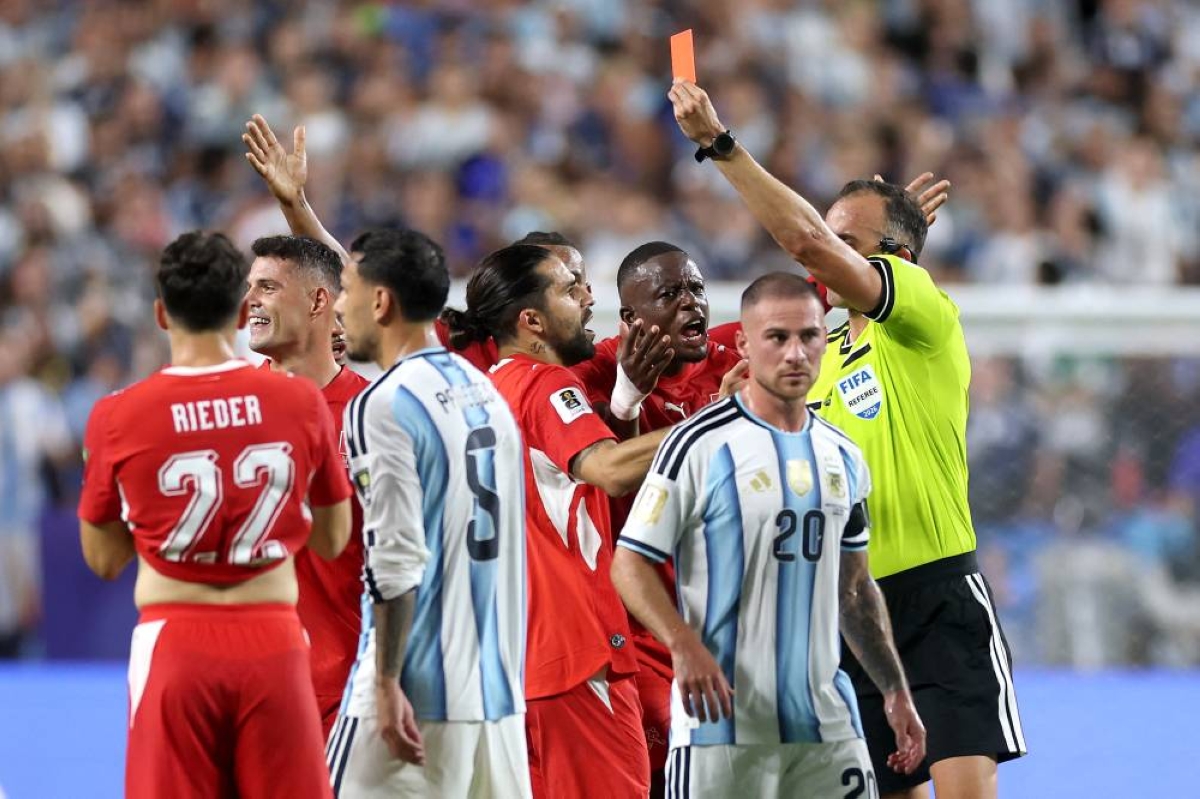
Referee Joao Pinheiro shows a red card to Breel Embolo of Switzerland during the FIFA World Cup quarter-final against Argentina at Kansas City Stadium on July 11, 2026 in Kansas City, Missouri. (AFP)  AFPAtlantaLionel Messi's brilliance has helped carry Argentina into a blockbuster World Cup semi-final with England in Atlanta on Wednesday.But the defending champions' journey to the last four has been engulfed by online conspiracy theories claiming - without evidence - that the playing field has been tilted in their favour.Social media is awash with AI-generated videos and memes which amplify this narrative, whether it's FIFA President Gianni Infantino and Messi sharing a loving embrace on the deck of the Titanic in the style of Leonardo DiCaprio and Kate Winslet, or simply Infantino's face being superimposed at the heart of the Sun of May at the center of Argentina's flag. From contentious refereeing decisions to claims of being handed a kind draw to the final, AFP breaks down the main incidents which have given rise to the conspiracy theories:Messi escapes redIn Argentina's group stage win over Algeria, with the South Americans leading 1-0, captain Lionel Messi raked his studs down the right calf and Achilles tendon of Algeria skipper Aissa Mandi in the 30th minute.Polish referee Szymon Marciniak gave Algeria a free-kick but Messi received no further sanction and would go on to score a hat-trick.Several pundits however were adamant that Messi had been guilty of serious foul play and under the letter of the law, should have been shown a red card that would have led to a suspension."It should have been a red card in my opinion," said ESPN pundit and former Manchester City defender Nedum Onuoha."Messi knew he did something that could have got him in trouble. I personally feel it is a red card."Former Bundesliga referee Patrick Ittrich agreed: "For me, that is a red card. We have various examples from the Bundesliga where that was punished with a red. By the letter of the law, that is a red. If I had seen it like that on the pitch, I would have shown red."Algeria's football federation subsequently filed an official complaint to FIFA over "refereeing injustice" in the game.Egypt cry foulArgentina produced one of the all-time great comebacks to keep their World Cup campaign alive in the last 16 against Egypt, recovering from a 2-0 deficit to win 3-2 and reach the quarter-finals.But Egypt's players and coaching staff were outraged by several decisions by French referee Francois Letexier that went in Argentina's favour at key moments.The biggest post-game talking point surrounded a goal scored by Egypt in the second half which was disallowed after an intervention by the Video Assistant Referee (VAR), who had spotted a foul on an Argentina player several phases before Egypt's Mostafa Zico put the ball in the net, at the other end of the pitch.Several analysts questioned whether VAR had overstepped its reach."VAR was looking at something too deeply and looking for something that has happened in the game to try to cancel the Egypt goal," former FIFA referee Mark Clattenburg said.Egyptian coach Hossam Hassan also claimed that Egypt should have been awarded a penalty in the build-up to Enzo Fernandez's late winner for Argentina."There seems to have been pressure on the Argentinian side on the referee that has brought about this outcome," Hassan said."Perhaps they wanted to keep the world champions in the competition?" he told BeIn Sports."Perhaps they wanted Messi to stay in the running? In football, there are sometimes external factors that go beyond the technical aspects."FIFA referees' chief Pierluigi Collina rejected the Egyptian allegations as "unfounded".Pivotal VAR callAnother pivotal VAR call helped shape the outcome of Argentina's 3-1 extra-time quarter-final win over Switzerland on in Kansas City on Saturday.In the 70th minute, referee Joao Pinheiro gave Argentina's Leandro Paredes a yellow card for a foul on Breel Embolo, shortly after Switzerland had equalised at 1-1 and were dominating the weary world champions.However a VAR intervention using FIFA's new mistaken identity rule determined that Embolo had initiated the foul in an act of simulation and the call was overturned. Yet because Embolo had already received a yellow card, he was shown a red and sent off -- leaving Switzerland down to 10-men and halting their momentum. Argentina would on to secure victory in extra-time."We were punished because of a rule that, in my opinion, is completely unacceptable," Swiss coach Murat Yakin said afterwards.Many commentators though point out that Embolo was rightly punished for a clear dive."If you want to argue FIFA is rigging the World Cup for Lionel Messi and Argentina, and some of you are hellbent on doing just that, you're going to have to do better than this," wrote USA Today columnist Nancy Armour.A kind draw?Critics of Argentina's run to the semi-finals cite the ranking of their opponents as evidence of favouritism by FIFA.So far Argentina has not had to face a team ranked higher than 19th in the world heading into their clash with England on Wednesday. After topping a group that included Algeria, Jordan and Austria, Argentina's knockout round opponents were Cape Verde, Egypt and Switzerland.But this is due in in large part to FIFA's decision to seed the top four teams in the world in such a way that would keep them apart until the semi-finals.England have not faced a team ranked in the top 10 so far while France did have to play seventh-ranked Morocco in the quarter-finals.Spain have had the hardest route to the semi-finals, needing to beat fifth-ranked Portugal and Belgium (ninth) on their way to the last four.  Related

World
Growing list of countries move to ban social media for children

Growing list of countries move to ban social media for children

A blue verification badge and the logos of Facebook and Instagram are seen in this picture illustration taken January 19, 2023. REUTERS/File picture The European Union's plan to regulate children's access to social media follows the implementation or proposal of similar measures around the world.This list now stretches to more than 20 countries, including five where restrictions are already in force, according to an AFP tally.In most, the measures are very recent and target children under the ages of 15 or 16.An expert committee is due to submit its recommendations to the European Commission on Monday about a potential social media ban for children in the 27-nation EU.Social media has been banned for under-16s in Australia since December 2025, while Brazil introduced a law in March requiring platforms to link the accounts of users aged under-16 to those of their parents, while also requiring platforms to verify users' ages.In China, where the internet is tightly regulated by the state, minors' access to social media has been restricted progressively since 2019.Initial measures imposed time limits and curfews on online gaming, before similar restrictions were extended in 2023 to social media and streaming platforms.Indonesia has banned social media for under-16s since March and Malaysia has taken a similar approach, with legislation coming into force in June excluding under-16s from major platforms.Turkiye is set to join the list after passing legislation to bar under-15s from social media in April. The law is expected to take effect in late 2026.The United Arab Emirates announced a ban on social media for under-15s last month, with implementation set for around a year's time.Restrictions announcedWithin the EU, the Greek government announced in early April that it intends to ban social media access for under-15s from January 1, 2027.Austria and Slovenia are also preparing legislation to prohibit access for under-14s and under-15s respectively.In Germany, where Chancellor Friedrich Merz supports restricting or even banning social media for children, an expert commission has proposed two options: a ban graded by age or platform-specific restrictions.A similar debate is under way in Sweden, where a government commission has proposed banning social media for under-15s by early 2028.The Irish government has warned that it is considering legislating in the absence of an EU decision.In Denmark, the government announced in October 2025 that it would propose banning "several social media platforms" for under-15s.Outside the EU, the Norwegian government will present a bill by the end of the year to ban access for those under 16.The UK is looking to ban social media for under-16s by early 2027.Canada also wants to set the minimum age for social media use at 16.Several states in India are considering restrictions for children and the government said it is holding discussions with platforms over potential measures.A proposal to ban social media for children under 15 is currently wending its way through parliament in France.The National Assembly approved the bill at first reading in January but the Senate later amended it to target only the most harmful platforms, prompting concern in Brussels.A final version of the legislation is expected in the coming weeks, with the government hoping it can come into force in September.Portugal is considering a bill that would set the age for independent access to platforms, services, games and applications at 16.Spain has proposed raising the minimum age for registering on a social media platform from 14 to 16.In Italy, parliament is considering legislation that would ban social media use for children under the age of 15.  Related Story

Sports
Iraola vows to remain true to himself at Liverpool

Iraola vows to remain true to himself at Liverpool

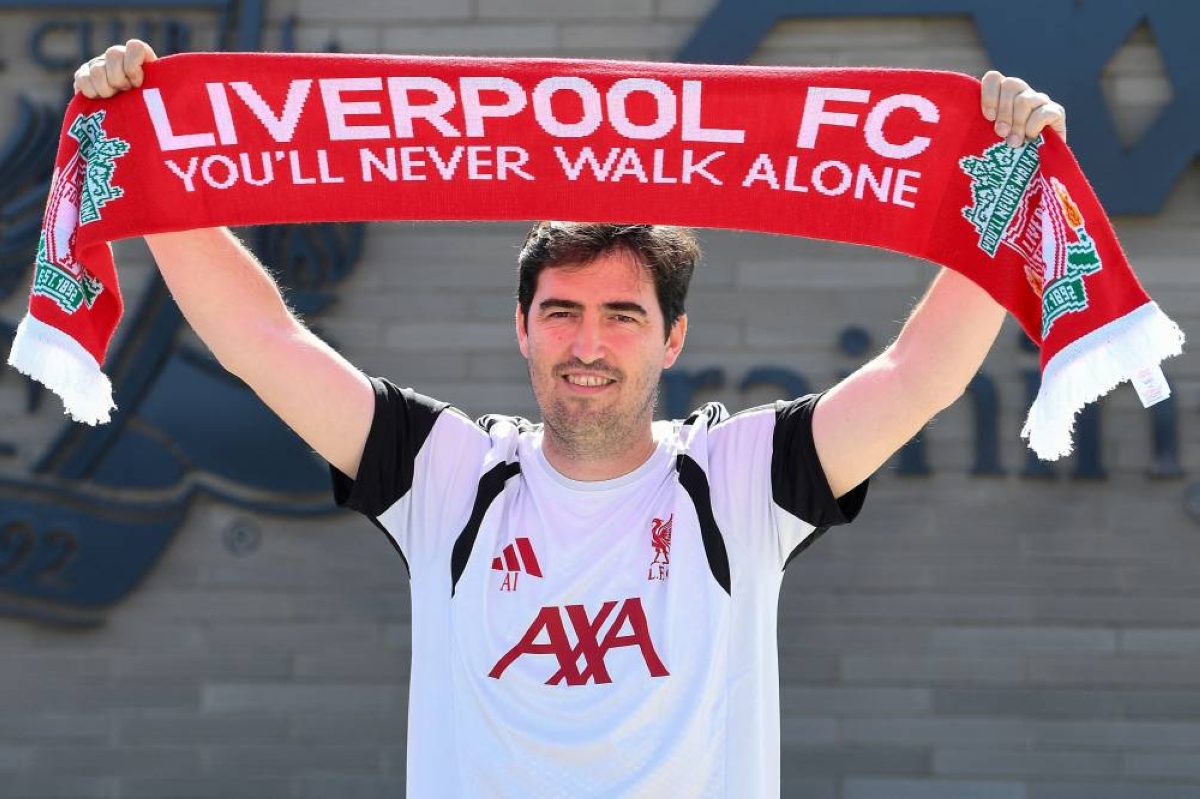
Andoni Iraola, the new manager for English Premier League side Liverpool, poses as he meets the media at the team's training ground in Kirkby in Liverpool on July 13, 2026. (AFP) Andoni Iraola said on Monday he wants to enjoy the "magic" linked with being the manager of Liverpool but is determined his Anfield appointment does not change him fundamentally.The former Bournemouth boss is well aware of the magnitude of the position he holds, with Liverpool's demand for success exemplified by the fact he arrived in Merseyside as a result of the six-time European champions sacking Arne Slot a year after the Dutchman led the club to the Premier League title."Until I go through certain experiences I will not fully know but I'm here to experience those situations, I'm ready for it," said the 44-year-old Iraola in his first press conference as Liverpool manager."I understand this is a massive club. Everything that I'm going to say now, it's going to get the biggest scrutiny. You have to be very aware of the mistakes but I wouldn't like to be too careful.""I would like to act quite normal: I'm not going live in my bubble - just training ground, home. I would like also to go to the city, experience the city - I know some places."But it's part also of the magic of being the Liverpool manager and I would like not to change too much," the Spaniard added.Liverpool finished a disappointing fifth in the Premier League table last season, losing 12 matches, and Iraola understands the need to refresh his squad following the recent departures of Mohamed Salah and Andy Robertson."Obviously we've signed two players already (centre-back Jeremy Jacquet and winger Victor Munoz) but we need more players, we know this."As a coach, selfishly, I want the players here from day one ready to train for pre-season but understand football doesn't work like this. I know the club is working hard for those signings and I'm trying to help also."Iraola, meanwhile, wants to restore trust with fans frustrated by the team's performances under Slot by providing the kind of attacking football not seen at Anfield since the end of Jurgen Klopp's reign in 2024."I would like to give them a team that they can feel proud of," he said. "I think football - and especially Liverpool - is about connecting: connecting with the people, connecting with our supporters."We have to be a team that works hard, intense, aggressive, vertical so everyone can be identified and everyone can feel comfortable supporting this team."  Related Story

Sports
World Cup gets set for pair of blockbuster semi-finals

World Cup gets set for pair of blockbuster semi-finals

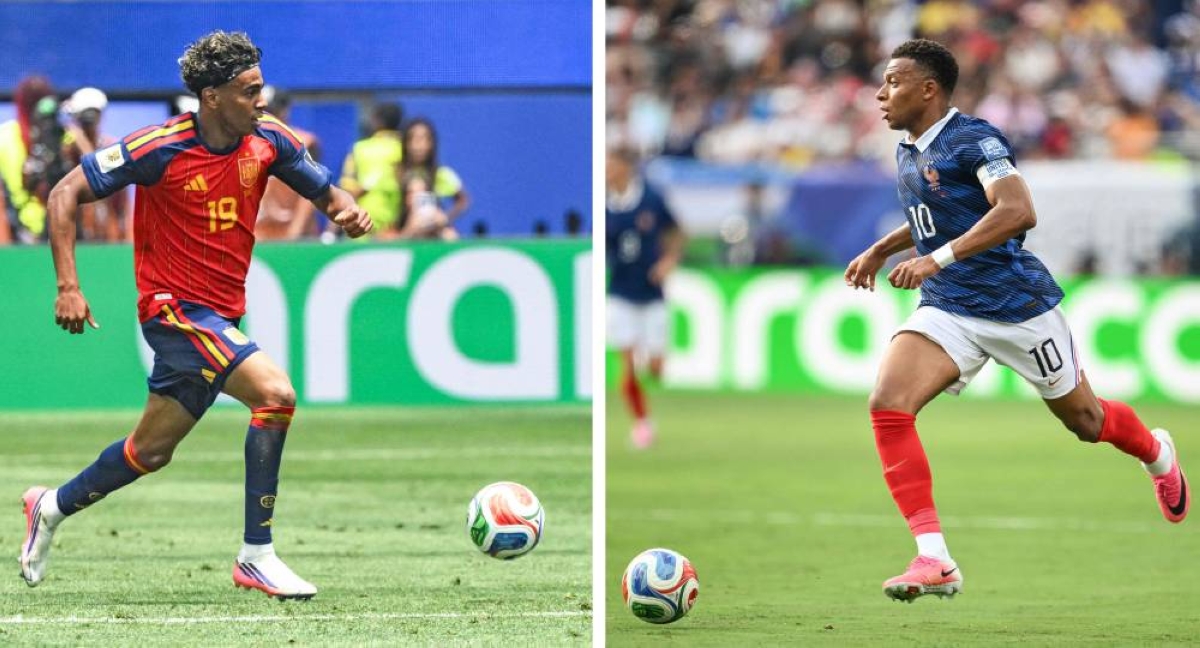
This combination of photos show Spain's forward Lamine Yamal in Inglewood on July 10, 2026 (left); and France's forward Kylian Mbappe in East Rutherford on June 30, 2026. France and Spain will meet in a