Entertainment
‘RHOC’ Kelly Dodd Denies Ties to John J. Cafaro Amid Reflecting Pool Controversy

‘RHOC’ Kelly Dodd Denies Ties to John J. Cafaro Amid Reflecting Pool Controversy

"The Real Housewives of Orange County" alum Kelly Dodd says her connection to Trump donor and Lincoln Memorial Reflecting Pool contractor John J. Cafaro starts and ends with one thing ... she thought the guy

Entertainment
Taylor Swift Has Not Invited Blake Lively to Wedding Amid Friendship Fallout

Taylor Swift Has Not Invited Blake Lively to Wedding Amid Friendship Fallout

Taylor Swift and Blake Lively's once tight friendship doesn't appear to be headed for a quick comeback ... at least if a new report is any indication. According to Page Six, Lively hasn't been invited

Entertainment
Alessandra Ambrosio vs Izabel Goulart Who'd You Rather?! Brazilian Babes

Alessandra Ambrosio vs Izabel Goulart Who'd You Rather?! Brazilian Babes

Alessandra Ambrosio and Izabel Goulart are reppin' their Brazilian pride in their yellow and green bikinis, but which sexy star is body goals and who's taking home the big W?! The question here is: Who'd

Entertainment
Mystikal Allegedly Spit On Rape Victim, Forced Her To Pray Before Assault

Mystikal Allegedly Spit On Rape Victim, Forced Her To Pray Before Assault

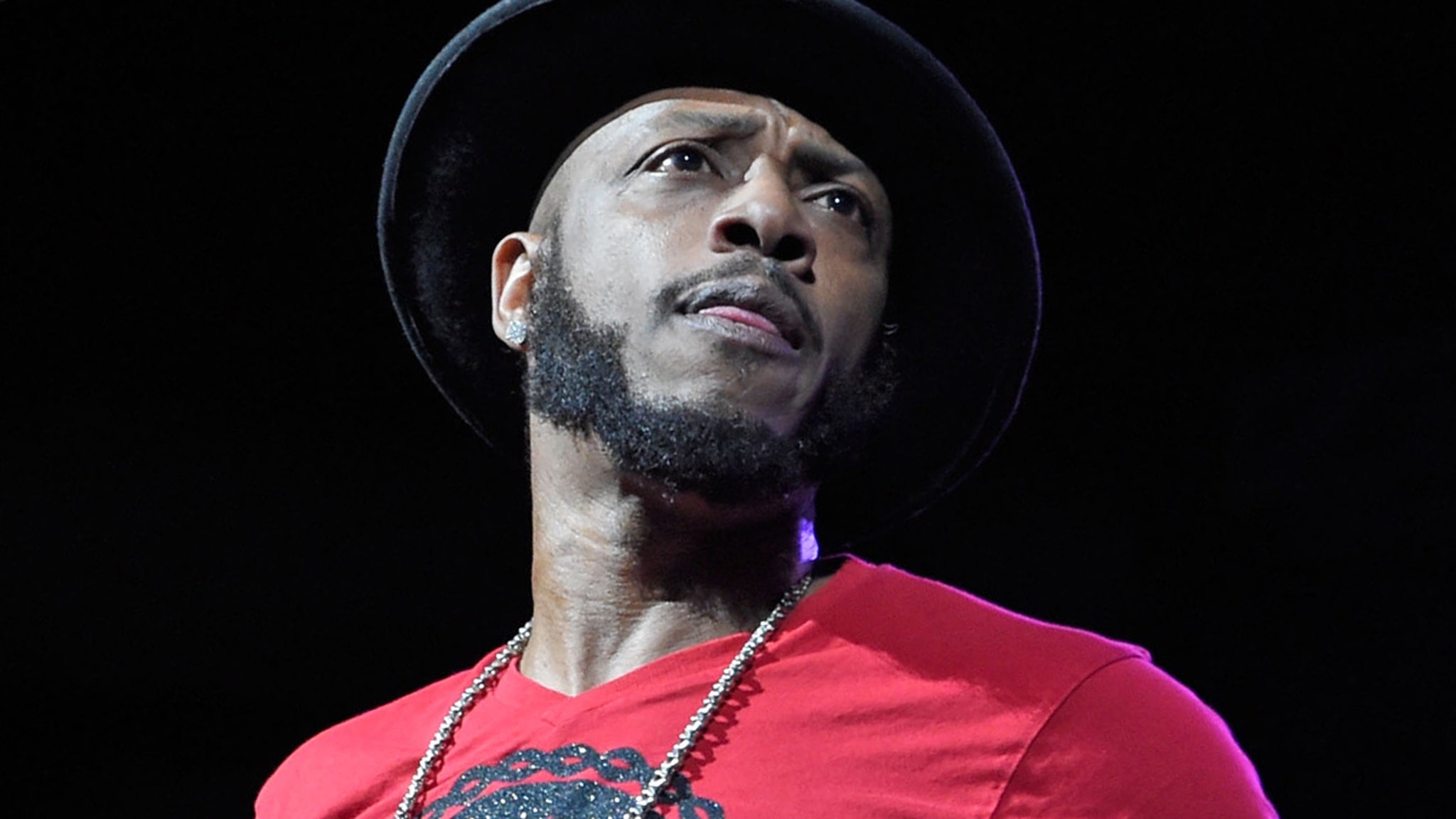
Mystikal Allegedly Forced Rape Victim To Pray Before Assault ... Spit, Threw Rubbing Alcohol On Her Published June 22, 2026 3:00 PM PDT Mystikal is still being sued by the woman he pled guilty to

Entertainment
Lincoln Memorial Reflecting Pool Water Retested For Algae After Renovations

Lincoln Memorial Reflecting Pool Water Retested For Algae After Renovations

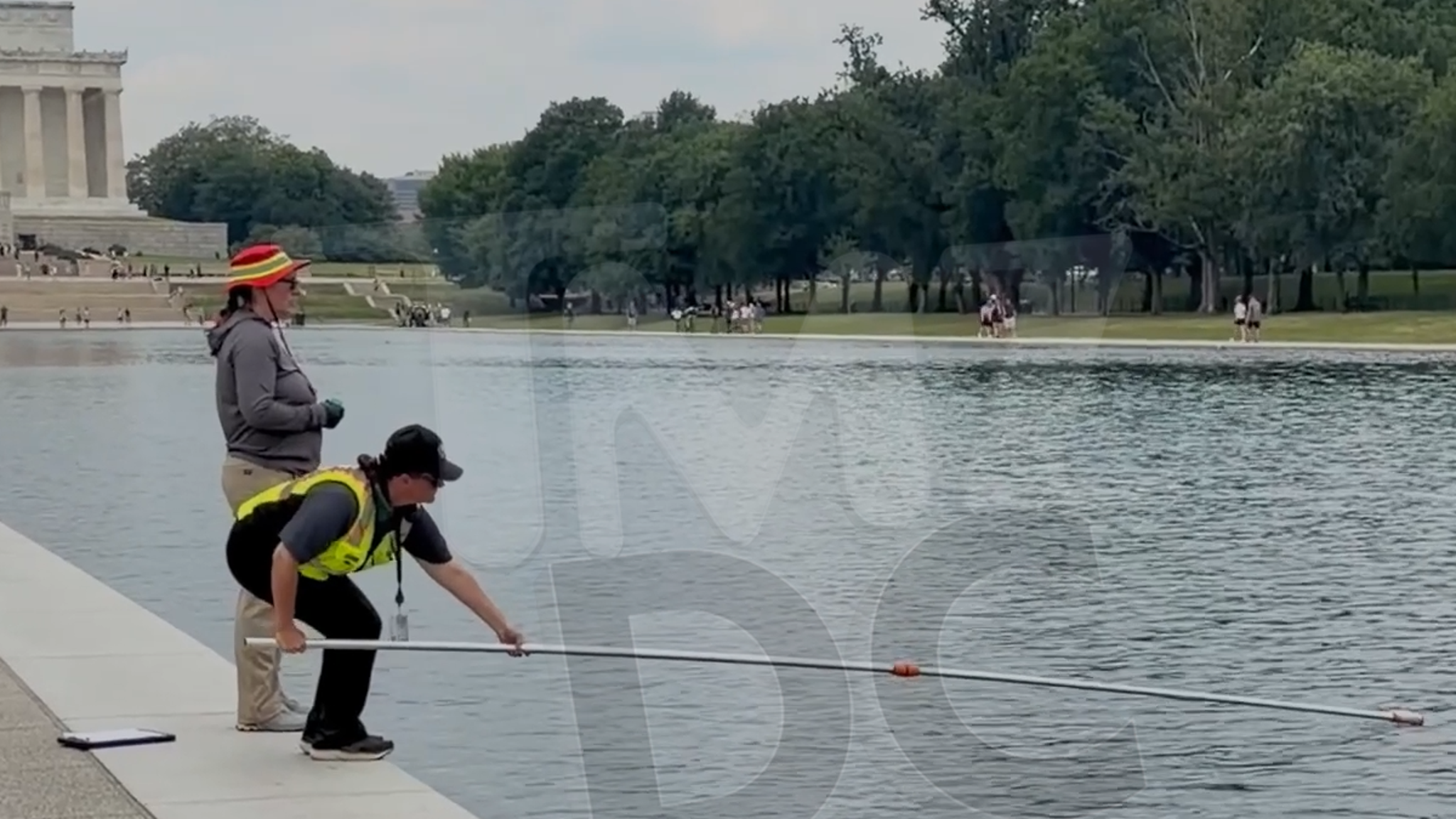
Lincoln Memorial Reflecting Pool Green Watergate?!? New Testing For Algae Published June 22, 2026 2:01 PM PDT Play video content The Lincoln Memorial Reflecting Pool is literally under the microscope ... and TMZ DC spotted

Sports
Coach Lopetegui urges Qatar to fight until the end against Bosnia

Coach Lopetegui urges Qatar to fight until the end against Bosnia

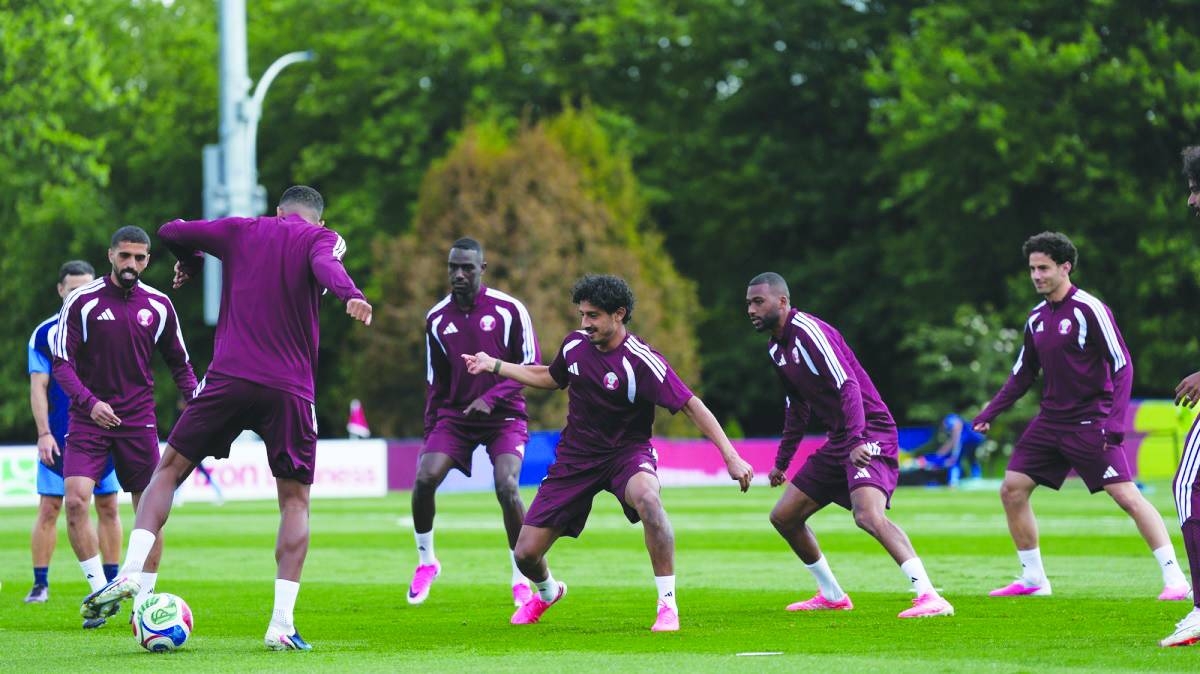
Qatar need to produce their best performance of the World Cup against Bosnia to keep their knockout hopes alive. Qatar's FIFA World Cup hopes will go on the line when they face Bosnia and Herzegovina in their final Group B match in Seattle tonight at 10pm, with victory the only realistic route to the Round of 32.Julen Lopetegui's side have collected one point from their opening two matches and sit level with Bosnia, leaving both teams locked in a direct battle to keep their campaigns alive. While Canada and Switzerland lead the group on four points each, the expanded tournament format means a win could still be enough for Qatar to progress as one of the competition's best third-placed teams.The two-time Asian champions began their campaign with an encouraging 1-1 draw against Switzerland, but their momentum was halted by a painful 6-0 defeat to Canada - a result that left Al Annabi with the second-worst goal difference in the group and facing renewed scrutiny over their defensive organisation.  Qatar coach Julen Lopetegui wants his players to embrace the challenge rather than be weighed

Sports
‘I’m back’: Ronaldo scores at sixth World Cup as Portugal run riot against Uzbekistan

‘I’m back’: Ronaldo scores at sixth World Cup as Portugal run riot against Uzbekistan

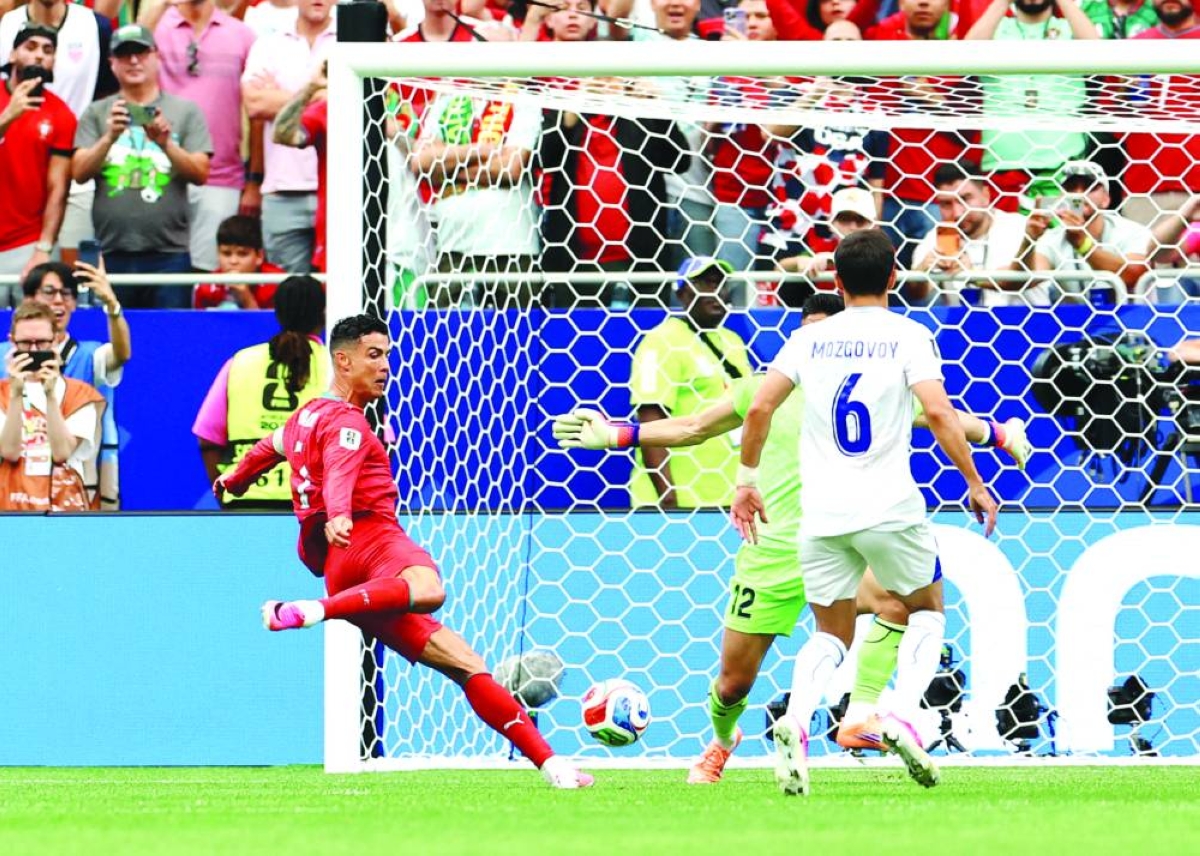
Portugal's Cristiano Ronaldo scores against Uzbekistan in Houston. (Reuters) Cristiano Ronaldo became the first player to score in six World Cup campaigns and silenced his critics after "a dark week" as the Portugal captain struck twice in a 5-0 annihilation of Uzbekistan on Tuesday.The big win in Houston put Portugal on the brink of the knockout rounds and was a resounding response to the 41-year-old's doubters. Ronaldo's goal after six minutes made history -- trumping even Lionel Messi -- by scoring at six World Cups stretching back to 2006. The former Manchester United, Real Madrid and Juventus ace pulled out his trademark "Siu" celebration and let out a throaty roar in front of 68,777 fans. After Nuno Mendes made it 2-0, Ronaldo neatly got his second with a cool finish six minutes before the break. That took him to 10 World Cup goals, more than any other Portuguese player including the great Eusebio. Ronaldo was seen saying, "I'm back, I'm back", and told broadcasters: "It's always nice to break records, but my goal is to help the national team achieve its objectives."He added: "It was a difficult week, a dark week. It seemed like I was already retired from football. But I held on, as always, because I believe more in hard work than in anything else. It was hard, I have to admit it, but we're back." Ronaldo came into the group encounter against tournament debutants Uzbekistan with 143 goals, the most in international men's football. But once widely regarded as a competitor to Messi for the unofficial title of best player, his powers have been on the wane at the highest level. He had limited service in the disappointing 1-1 draw with the Democratic Republic of Congo to start Portugal's World Cup title bid. But when he did have two chances he missed the target, igniting calls for coach Roberto Martinez to drop him. His travails in front of goal were in glaring contrast to the likes of Messi, Kylian Mbappe, Erling Haaland and Harry Kane, who all made lightning starts to the World Cup. But Martinez has stuck defiantly by his skipper, who was given a rapturous reception when he came out to warm up at Houston Stadium, and again each time he appeared on the big screens.Ronaldo nearly pounced after just three minutes, narrowly failing to make contact at the far post after a cross by Mendes. Ronaldo slapped the turf in frustration. He did not have to wait long for his goal, swivelling on the six-yard box to meet a cross first time from Joao Cancelo and smash the ball beyond goalkeeper Abduvohid Nematov. The outclassed Uzbeks, coached by the Italian 2006 World Cup winner Fabio Cannavaro, were perfect opponents for Ronaldo to rediscover his scoring boots. It was 2-0 on 17 minutes when Mendes curled in a free-kick. The Uzbeks thought they had pulled one back, after a screamer by Azizjon Ganiev, but the goal was ruled out after a VAR intervention for a foul on Cancelo. It was Ronaldo's day, and he rolled in a third for Portugal with only the goalkeeper to beat with a smart, controlled finish. He might have had a hat-trick following an intricate free-kick routine, but Nematov denied him, clattering into the veteran attacker in the process. From the resulting corner it was 4-0, with Ronaldo in the thick of it again before the ball went in off Nematov for an own goal. Substitute Rafael Leao scored an emphatic fifth in the 87th minute. Before this, the evidence against Ronaldo was beginning to stack up. In the previous 10 games at major competitions (World Cup and Euros) before the Uzbekistan match, he had zero goals and one assist. He did though have a successful season with Al Nassr in Saudi Arabia, scoring 28 goals in 30 league games. Portugal's final group match is on Saturday against Colombia, who beat the Uzbeks 3-1. Colombia meet DR Congo later Tuesday in Group K knowing a win will propel them into the last 32. Related Story

Opinion
Undoing the ‘tangled nest’ of Iran sanctions won’t be easy or quick

Undoing the ‘tangled nest’ of Iran sanctions won’t be easy or quick

Tehran stands to gain billions of dollars from a 60-day reprieve from US sanctions announced on Monday, but unwinding more than four decades of restrictions poses legal, political and ‌commercial challenges that could take years. At issue is whether an interim US deal with Iran can translate into lasting economic relief, ​given the complexity of dismantling a sanctions regime that ‌spans US law, international measures and private-sector risk concerns. The United Nations, the US and the European Union have imposed sanctions ‌and trade embargoes and have frozen assets since the late 1970s over ‌Iran’s nuclear program, human rights violations and support for militant groups ‌around the region. Under a 14-point memorandum of understanding signed by the US and Iran last week, Washington is to start abolishing all types of sanctions using a schedule to be forged in a final deal within 60 days, a period that can be extended. On Monday, the US Treasury issued a temporary general license allowing the production, delivery and sale of crude oil and petrochemical and petroleum products of Iranian origin through August 21. Removing the remaining sanctions - if it happens - would represent a stark change in US policy toward the Middle East, which has long focused on curbing Iran’s influence and using financial pressure to weaken its theocratic government. It would also be difficult, requiring executive action for some measures, approval by Congress for others and close coordination with the UN and other countries that have imposed their own sanctions. Companies, wary after decades of restrictions, could also ​blunt the impact. “You have this tangled nest of sanctions, and it’s not just executive orders, it’s congressional sanctions,” said Juan Zarate, deputy national security adviser for combating terrorism under former President George W Bush. CONGRESS IS SKEPTICALWashington first sanctioned Iran in 1979, after revolutionary students seized the US embassy in Tehran, holding diplomats hostage. Since then, Congress has ‌passed half a dozen sanctions laws and presidents have issued executive orders over Iran’s ​nuclear program and its support for groups the US deems terrorist organizations. Since early 2025, the ​Treasury’s Office of Foreign Assets Control (OFAC) has imposed sanctions on more than 1,000 people, vessels and aircraft, according to Treasury data. Delisting thousands of entities designated for sanctions would take OFAC at least a year, said Jeremy Paner, a partner at law firm Hughes Hubbard & Reed and a former US sanctions official. President Donald Trump can rescind executive orders issued on Iran, but some measures - including sanctions on Hamas and Hezbollah - are mandated by law and will have to be removed or amended by Congress, where the interim deal has already sparked sharp public criticism from his fellow Republican lawmakers. Undoing 40 years of sanctions would be difficult, added Matt Zweig, managing director of policy at FDD Action, the lobbying arm of the Foundation for Defense of Democracies. “Any attempt to comprehensively remove layer upon layer of sanctions will be like peeling back an onion - exposing the administration - not just to legal complexities but political risks,” said Zweig, a former aide on the House Foreign Affairs Committee. The licence issued on Monday ‌could be worth up to $3bn for Iran over two ‌months, by some estimates. That could swell to “at least tens of billions of dollars” if made permanent, erasing a discount on Iranian oil, allowing Tehran to sell to additional buyers beyond China, and increasing exports, said Edward Fishman, senior fellow at the Council on Foreign Relations. China now buys about 90% of Iranian oil, despite the sanctions. The new licence is broader than the one issued in March, calling for inclusion of not just oil and petroleum products, but also banking, insurance and transportation related to the oil trade, giving Tehran quicker access to its revenues. “There are a number of thorny issues involved,” said Stephanie Connor, a former OFAC official now a partner with law firm Holland & Knight, adding that lifting sanctions could mean funds flowing to groups the US considers a threat. “Are we really going to let money start flowing to Iran’s Islamic Revolutionary Guard Corps?” she asked, referring to the powerful ​paramilitary force that the U.S. has designated a foreign terrorist organization. WARY COMPANIESBanks, oil firms and insurers will face evolving regulations, tougher due diligence and exposure to sanctions-evasion risks tied to Iran links with countries such as China, North Korea and Russia. They also remain subject to separate sanctions from Britain, the UN, the EU and others. “We’ve kind of beaten the markets up with the risk of doing business with or through Iran, so you can’t just flip a switch and say, ‘Oh, now it’s okay to do business with Iran,’” Zarate said. Companies that deal with Iran would still face lawsuits from victims of attacks, who can sue investors and companies for aiding designated groups under the 2016 Justice Against Sponsors of Terrorism Act, which aides say is unlikely to be repealed. Given such risks, companies may steer clear of working with Iran to escape legal and reputational risk as long as the Iranian ‌government remains in power, said Brett ​Erickson, principal with Obsidian Risk Advisors. “We’re not going to see massive multi-billion dollar commitments until things are far more cemented and politically stable,” he said. “There’s just a long way to go.”  

Opinion
Ten years on, Britain still counts the economic cost of Brexit

Ten years on, Britain still counts the economic cost of Brexit

Ten years ago, Britain chose to abandon its membership of the world’s largest single market. The watershed decision triggered a period of political instability and economic upheaval that is still being felt a decade later. Up to two thirds of British voters, across all party lines, believe Britain’s decision to leave the European Union in 2016 has had a negative impact on the country, a poll by the European Council on Foreign Relations (ECFR) showed on Sunday. The UK economy is marked by persistently weak per-capita GDP growth, elevated inflation compared to Western Europe, slumping business investment, and a diminished lead in financial services exports, though areas like fintech and life sciences still show strength. Brexit was meant to “take back control” of immigration, free up more money for the country’s health service, and foster prosperity with new trade deals. But the UK economy has largely failed to experience a post-Brexit boost after upending ties with its largest trading partner. While shocks such as the coronavirus pandemic in 2020 and Russia’s invasion of Ukraine in 2022 hit growth globally, Stanford professor Nicholas Bloom estimates that by 2025, Brexit had reduced the UK’s GDP by 6%-8%, according to a CNBC report. The “Vote Leave” campaign pledged to take back control of the UK’s migration policy, but its departure from the bloc had unintended consequences. The UK now has net emigration with EU countries, but migration from non-EU states surged amid work supply shortages, an increase in international students, and emergency visa schemes extended to countries such as Ukraine. On the other hand, fewer Europeans are moving to the UK, and net migration from the bloc has gone into reverse. One of the clearest indicators of the impact of Brexit is the value of sterling, which crashed following the vote and is yet to regain its pre-referendum highs against both the euro and the dollar. The pound has typically operated around 10% below its June 2016 value, according to Convera. Convera has found that GBP/EUR has averaged €1.16 since the referendum, down from €1.27 in the decade before, with sterling spending 98% of trading since the Brexit vote below €1.20. The performance divergence between the large-cap, multinational FTSE 100 and the more domestically-oriented FTSE 250 also paints a muted picture for London’s capital markets. To be sure, some of the worst-case predictions did not materialise, such as an immediate recession or a housing market crash. Britain remains second only to the US as a destination for foreign capital, hosting more than £12tn ($16tn) in foreign direct investment, portfolio investment and cross-border deposits at the end of 2025 according to IMF data cited by Barclays. Yet economists broadly agree that leaving the EU has weighed on the UK’s economic growth potential – with estimates ranging from 2% to as much as 8% of foregone output. Andy Burnham, the overwhelming frontrunner to succeed outgoing leader Keir Starmer, has promised not to “re-run” Brexit arguments, as he said he was not proposing the UK considers rejoining the European Union. But the UK is experiencing a form of “divorce regret” with surveys showing most Britons now believe leaving the European Union was a mistake. Would Britain really want back into the club as it is now? The political situation in the island nation, with the hard-right, anti-EU Reform UK party running high in the polls, calls for caution. European nations are wary too, of weaving closer ties now — only to possibly have to unravel them later. 

World
Aoun discusses deconfliction mechanism with US officials

Aoun discusses deconfliction mechanism with US officials

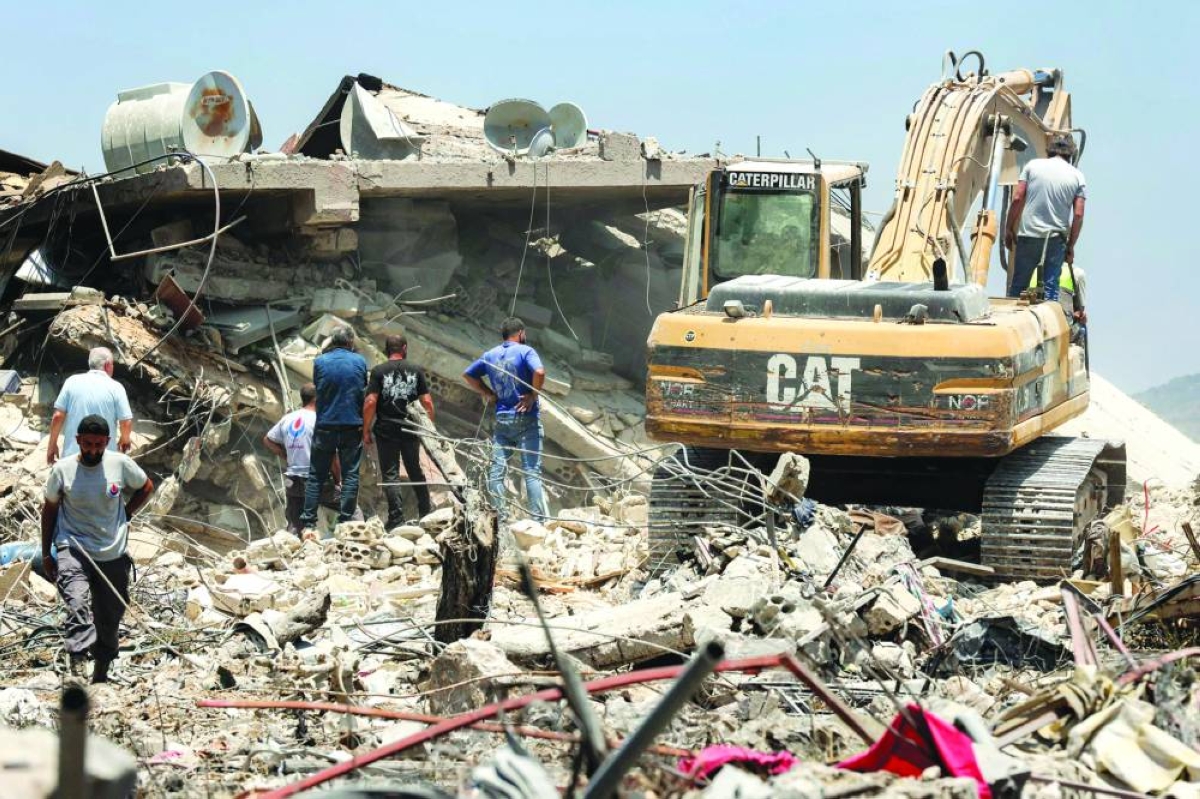
An excavator clears rubble from the site of a collapsed building, following Israeli bombardment in Nabatieh in southern Lebanon. (AFP) Lebanese President Joseph Aoun and US Vice President JD Vance discussed a de-confliction mechanism for Lebanon Monday, Aoun’s office said, as Vance said the move aimed to prevent spiralling Israel-Hezbollah violence. Israeli Prime Minister Benjamin Netanyahu nonetheless declared that Israeli forces had been granted “full freedom” to engage any threat encountered in southern Lebanon, reaffirming that troops would remain deployed in the region for as long as deemed necessary. “My directive, and that of the minister of defence, to the IDF is clear and has not changed: Our fighters in southern Lebanon have full freedom of action to thwart any direct or developing threat to them or to the residents of the North,” Netanyahu said in a statement. “The IDF has no restrictions on this matter.” After a first round of US-Iran talks in Switzerland on ending the Middle East war, mediators Pakistan and Qatar said Monday that Tehran and Washington had agreed to set up a “de-confliction cell” with Lebanon “to ensure the adherence of the termination of military operations” there. Fighting between Israel and Hezbollah, which drew Lebanon into the Middle East war on March 2 with rocket fire at Israel in support of its backer Iran, has repeatedly threatened to derail regional peace efforts. Aoun received a call from Vance, US senior adviser Jared Kushner and His Excellency Prime Minister and Minister of Foreign Affairs Sheikh Mohammed bin Abdulrahman bin Jassim Al-Thani, a statement from the Lebanese presidency said. They discussed “the issue of consolidating the ceasefire in Lebanon, stopping the Israeli military escalation and steps that should be taken in this regard, including the possibility of forming a cell for this purpose,” the statement added. Vance later told a press conference in Switzerland that the “de-confliction mechanism” was being set up to ensure “that when things happen, they don’t spiral into a broader escalation”.“We do believe... that we can get to a place where Lebanon’s territorial integrity and sovereignty is protected, Israel’s security is protected,” he said. “That’s going to require some coordination with the Lebanese armed forces, and also it’s going to require the Iranians to rein in Hezbollah,” Vance added. After the talks in Switzerland, Iran’s Foreign Minister Abbas Araghchi wrote on X: “1st real test: Lebanon deconfliction cell.” The negotiations came after Washington and Tehran last week signed a memorandum of understanding to end the broader Middle East war that includes Lebanon. Israeli strikes and clashes with Hezbollah late last week threatened to derail the deal, but fighting in Lebanon has been paused since Saturday evening. Stephane Dujarric, spokesman for the UN secretary general, on Monday said “yesterday marked the first day since the resumption of hostilities on March 2 in Lebanon, that peacekeepers from our peacekeeping force in Lebanon did not detect any trajectories or observe any interceptions”. He said “this lack of activities has continued through this morning”, welcoming the “reduction of hostilities”. Israel on Sunday said all war-related restrictions in its northern border areas were lifted from Monday morning. Under US pressure, Lebanese officials began direct talks with Israel in April in Washington, and a fifth round of negotiations is scheduled to begin Tuesday. Lebanese authorities are seeking the withdrawal of Israeli troops from the country and to separate the negotiations from the US-Iran deal. “We negotiate for ourselves, and we do not accept any other party doing so for us,” Aoun said Monday. “We welcome any assistance that comes from any country to end the war, particularly as the situation in the region is interconnected,” he added. “But there is a big difference between trying to help us and interfering in our internal affairs,” he said, alluding to Iran, which through Hezbollah has long wielded significant political influence in Lebanon.  Related Story