Opinion
How Burnham could try to displace Starmer as UK prime minister

How Burnham could try to displace Starmer as UK prime minister

Andy Burnham, the mayor of Greater Manchester, won a parliamentary seat on Friday, a vital step towards fulfilling his ambition to replace his party colleague Keir Starmer as Labour leader and Britain’s prime minister. The scale of the victory, ‌with 54.8% of the vote, will bolster the view of some in the governing Labour ​Party that only he can lead Labour ‌to defeat Nigel Farage’s populist Reform UK party in a future national election. That could spur ‌the party to seek a coronation for Burnham, forcing ‌Starmer to step aside in a coordinated ‌move rather than embarking on a months-long leadership contest. About a quarter of Starmer’s lawmakers have urged the prime minister to resign since his Labour Party last month suffered the heaviest local election losses of any governing party in more than three decades, largely due to a surge in support for Farage’s anti-immigration party. Burnham has said he would contest any leadership race, and is the frontrunner to replace Starmer. But his supporters are debating how, and when, to challenge the prime minister. Former health minister Wes Streeting has said he also has the backing of enough lawmakers to enter any contest. Below are some of the ways that Burnham could ​topple Starmer: Burnham could be the beneficiary of an uncontested handover. Many Labour politicians have urged Starmer to set out a timetable for his departure rather than awaiting and then contesting a leadership election. Such a contest ‌could damage the party if rivals engage in personal attacks. If Starmer ​chose not to stand, and Burnham secured enough backing from members of parliament to enter ​the race while his rivals failed to do so, Burnham would become prime minister. Lawmakers have suggested Streeting could also accept a senior role in a Burnham government, such as finance minister, in return for not triggering a leadership contest. Burnham will be sworn into parliament next week, giving him a chance to formally challenge Starmer, as only members of parliament can lead the government. Labour has strict rules governing the removal of a party leader. They require lawmakers to coalesce around specific candidates rather than just express “no confidence” in their current leader. Any challenger must secure the backing of 20% of the party’s lawmakers in the House of Commons, equating to 81 lawmakers, including the challenger, in the current ‌lower house of parliament. If Burnham decides to move ‌early, he will most likely need to declare a challenge before parliament goes into recess on July 16, when lawmakers return to the areas they represent to work and take summer holidays. Starmer has an automatic right to stand in any leadership contest, and has said he would do so. After candidates gather support from local party branches and trade unions, party members would then vote. Overall, that could take two to three months. Burnham could seek to delay any leadership bid until after the summer, to give him time to campaign for the Labour candidate to be the next Greater Manchester mayor, ​in an election expected around the end of July. It would also give Burnham a chance to build relationships and seek more support from Labour members of parliament, particularly those elected since he left in 2017. A Starmer ally, housing minister Steve Reed, said in the wake of the by-election that Labour should now focus on campaigning for the Greater Manchester mayoralty. A leadership contest could also be triggered by another politician, with Burnham then choosing to stand. Streeting, who resigned as health minister in May, has said Starmer should consider his position over the weekend. If the prime minister fails to set out the terms of his departure, Streeting says ‌he is prepared to challenge ​him soon. If Starmer and Streeting stand against Burnham in a vote among Labour members, polls suggest Burnham would win.   

World
Forced conscription returns as war looms in Ethiopia's Tigray

Forced conscription returns as war looms in Ethiopia's Tigray

As the funeral drew to a close, distraught guests were aghast as regional Ethiopian forces stormed the gathering and arrested young attendees, bundling them into vans destined for army training camps.Witnesses and NGOs have denounced a forced recruitment campaign by the authorities in Tigray, the northern Ethiopian state, which has fought the federal government in recent years and again looks on the verge of conflict.'We were suddenly rounded up and detained,' said Abel, a man in his 20s, now in hiding after he escaped by bribing a guard.Abel is not one to shirk a fight: he volunteered in 2020 when the Tigray Defense Forces (TDF) began a bloody two-year war against the federal government that claimed at least 600,000 lives, according to African Union estimates.A 2022 ceasefire has never been fully implemented, and now both sides accuse the other of preparing a new offensive, with troops massing on the region's border, according to security sources.NGOs allege that forced conscription is once again happening in Tigray, with young men snatched from their homes and the streets in preparation for the war.Human Rights First-Ethiopia said there were indications that 'forced military recruitment is taking place across most areas of Tigray'.The NGO interviewed 27 witnesses, including 35-year-old Gebre, who said he was arrested in March in northern Tigray as he was opening his shop.'They informed us that we were entering the military,' he said, describing how he managed to escape by jumping out of a window.Gebre now lives in hiding, missing his five-year-old son.Kinfe, 36, who fled to the federal capital, Addis Ababa, said forced conscription was not new in Tigray.During the recent civil war, the Tigray People's Liberation Front (TPLF), the dominant political party in the region, went door-to-door to check each family had contributed at least one son. If not, Kinfe told AFP, the parents had to volunteer.This time, the TPLF has blockaded roads, trapping and detaining young people, before transferring them to a compound and then a camp.Alem, also hiding and near-destitute in the capital, said conscription had begun in his area roughly a month ago.'At first it seemed to be targeted operations, but progressively it came to target all young people,' he said.'I saw security forces unleash warning shots into the air to stop young people fleeing,' he added.Amanuel Assefa, TPLF vice-president, told AFP military recruitment was usually 'only based on consent'.However, he added there are 'exceptional provisions' because 'every Tigrayan has to defend the territory against an existential threat'.Federal authorities did not respond to AFP's requests for comment.Ethiopia's constitution forbids arbitrary detention and forced recruitment.The trauma and exhaustion of the previous war lingers in Tigray, discouraging many from re-joining the military.'Nearly every family lost a family member,' said Kinfe.Many were bitter at how their leaders behaved after the war.'They kept their comfort while forgetting the martyrs,' he said, making many believe any future war will only benefit the 'few' on top.'The war shouldn't happen, it has to be solved politically. Firing bullets solves nothing,' he said. 

World
Online threats, insults fuel South Africa’s anti-foreigner hate

Online threats, insults fuel South Africa’s anti-foreigner hate

Inflammatory social media posts — including of men brandishing a machete or calling foreigners "leeches" — are stoking emotions around an unofficial demand for illegal immigrants to leave South Africa by the end of the month, fuelling a volatile situation, analysts say.Thousands of foreign nationals — including from Ghana, Mozambique, Nigeria and Malawi — have already headed for the borders as fringe anti-illegal immigration groups push their June 30 "deadline".The ultimatum has no legal backing but has gained traction through countrywide protests, threats at places where foreigners live or work, and a toxic social media campaign that analysts say has been building for years."Every morning, when you wake up, you see a traumatising video telling people that they're going to kill people before June 30," said Tino Maclean, an activist helping Zimbabweans to leave."You know the impact of social media these days: when people say they're going to kill you, you can't sleep," he told AFP.Social media has also been effective in rallying South Africans behind radical citizen-led groups mobilising against undocumented migrants, experts said."The best disinformation campaign is to convince a few people that thousands are convinced," said Aldu Cornelissen from Murmur Intelligence, which analyses online content.The company has found that a relatively small number of highly active accounts, influencer communities and alternative media networks generate and amplify a disproportionate share of the anti-immigrant content.Posts have included videos with captions reading "June 30, I can't wait," or images of the date pierced by bullet holes.The inflammatory rhetoric has been accompanied by a wave of disinformation.AFP Fact Check has debunked numerous videos falsely presented as evidence of attacks on foreign nationals that were in fact filmed years earlier or in other countries.Other posts falsely claimed to show an official government announcement of the June 30 "deadline" using AI-generated notices bearing the national coat of arms."It is very clear online that there are groups and organisations and individuals who are happy to light a match on a very volatile situation and then walk away when that fire erupts," public works minister Dean Macpherson told journalists Friday, calling on police to act.Police spokeswoman Athlenda Mathe told AFP that intelligence officers were monitoring social media and engaging platforms where necessary.TikTok this week banned the account of one of the movement's most vocal leaders, Jacinta Ngobese?Zuma, which had more than 378,000 followers, but her other social media accounts remained active.Murmur Intelligence says today's anti-foreigner mobilisation reflects an ecosystem that has been developing for years, transforming emotionally charged incidents into broader narratives that blame migrants for crime, unemployment and other state failures."These interests converge around xenophobic civil unrest," co-founder Kyle Findlay said at a Johannesburg event against hate speech this week.The roots included 2020 campaigns by #PutSouthAfricaFirst campaign and the radical Operation Dudula group that evolved into a "self-sustaining ecosystem" fuelled by anonymous media channels, political support and coordinated online mobilisation, he said.South Africa's "modern xenophobic movement has been built intentionally over the past six years" but repeated warnings have "fallen on deaf ears", Findlay said.This "movement has been working to make the forest drier and drier and to raise the grievances that can turn into the sparks to light the forest fire," he said.South Africa's laws prohibiting hate speech and incitement to violence mostly predate modern social media platforms, said Kimal Harvey, an attorney at the Legal Resources Centre.The challenge is "translating the South African legal system to the online space", he told AFP.In 2023, a former Operation Dudula activist was issued a fine or jail term for circulating an inflammatory anti-foreigner voice note on WhatsApp.Duduzile Zuma-Sambudla, daughter of former president Jacob Zuma, is on trial for incitement over social media posts following her father's jailing in July 2021 which sparked unrest that claimed more than 350 lives.Experts say algorithms continue to reward emotionally charged content to the profit of the companies running social media platforms."They are not going to self-regulate. It is too lucrative," said Sharon Ekambaram, who heads the Refugee and Migrant Rights Programme at Lawyers for Human Rights."Algorithms decide what we get to see first," said Phathiswa Magopeni, chair of Unesco's Social Media 4 Peace coalition. "This is why outrage outperforms accuracy." 

World
Ebola spreading ‘fast’ in DR Congo, warns WHO

Ebola spreading ‘fast’ in DR Congo, warns WHO

The fatal Ebola outbreak in the Democratic Republic of Congo is spreading rapidly, the World Health Organization warned Friday, despite accelerating efforts to tackle the virus.The WHO said it was still racing to catch up with the worsening situation gripping the northeastern DRC."The outbreak remains serious" and is "evolving so fast", said Marie-Roseline Belizaire, the WHO Africa emergencies chief."However, I have seen a response that is growing stronger every day," she told reporters in Geneva, speaking from Bunia, the capital of the DRC's Ituri province, the outbreak's epicentre.The outbreak was declared on May 15, though transmission had been going undetected for some time beforehand.It is caused by the rare Bundibugyo strain of the virus, for which there is no vaccine or specific treatment.There have been 896 confirmed cases so far in the DRC, including 232 confirmed deaths, with 21 new cases in the last 24 hours, according to the latest WHO update.More than 90% of known cases in the DRC have been in conflict-wracked Ituri.The outbreak has also spread to North Kivu and South Kivu provinces.Belizaire said the epidemic was evolving so quickly that the response was racing to keep pace with the virus, which spreads by close contact and infected bodily fluids.The number of treatment beds available for Ebola patients had gone from zero to more than 500, she said.And surveillance teams were now investigating nearly 400 alerts and were capable of administering more than 2,000 tests a day, she added.Belizaire also highlighted that efforts to trace contacts of known Ebola cases had ramped up, with 75% of all contacts now being reached.The WHO has said 95% of contacts must be traced to get on top of the outbreak.Belizaire said some people falling ill were staying at home, then going to traditional healers, before finally going to healthcare centres, delaying access to treatment.In the DRC, 78 people have recovered after contracting Ebola, which she called a "powerful reminder that a timely diagnosis, access to quality healthcare can save lives".Belizaire said health workers were hit hard in the early stages of the epidemic.So far, 75 healthcare workers have been infected with Ebola, of whom 17 have died, she said."In DRC, as we are seeing a large community outbreak, we cannot say for sure they have been infected in a health facility," she added."It is a really high price that the healthcare system is paying."Belizaire said a Chinese medical team had arrived in the capital Kinshasa and would be heading to Bunia.In neighbouring Uganda, the only other country hit, there have been 19 confirmed cases including two deaths, and 10 recovered patients.Uganda has reported no new cases for 12 days.Meanwhile the UN migration agency said it had done more than a mn health screenings at borders and on travel corridors as part of surveillance measures aimed at detecting potential cases.  Related Story

Sports
India’s javelin superstar Chopra returns in Doha after injury-hit layoff

India’s javelin superstar Chopra returns in Doha after injury-hit layoff

The 2021 Olympic champion Neeraj Chopra of India threw beyond 90m for the first time in the Doha Diamond League last year, to set a national record of 90.23m. After nine months of rehabilitation and self-reflection, India's javelin icon Neeraj Chopra is finally ready to throw again.The Indian superstar returns to competition at the Doha Diamond League at Qatar Sports Club today, making his 2026 season debut after a lengthy injury layoff that forced him to rethink not only his body but also his approach to the sport.For Chopra, Doha is more than just another stop on the Diamond League circuit. It is the venue where he finally conquered the elusive 90-metre barrier last year with a throw of 90.23m, a milestone that had long defined his career. Yet even that unforgettable night carried mixed emotions as Germany's Julian Weber produced an even bigger throw moments later to snatch victory.Now, the 28-year-old returns to the same stage hoping to launch a fresh chapter after admitting that competing at the 2025 World Championships in Tokyo while injured was a mistake."I had some injury last year before the Tokyo World Championships and we worked a lot, but I competed in Tokyo. I don't think it was a good decision because I already knew that I had some problems," Chopra said ahead of Friday's meeting.The consequences were severe. What began as a back injury turned into months of recovery, with fresh issues emerging in his ankle and shoulder. "In our life as athletes, there is one injury, we try to fix that injury, and then we hit another one. Then I had an issue in my ankle, then somewhere in the shoulder. Together with my team and physio, we worked on every part," Chopra sad.The extended absence meant Chopra delayed his return until he was completely satisfied with his fitness, confirming his participation in Doha only after his final training session."We started throwing one-and-a-half months ago and took our time. I talked to organisers in Doha and asked if I could confirm very late. After my last session, we decided to come here. It is always my preference to open my season in Doha," he said.His affection for the Qatari capital is understandable. Beyond the memories of his first 90-metre throw, Doha has consistently produced some of the biggest javelin marks in history. Curiously, Chopra believes his landmark throw still had room for improvement."Technically it was not that good. It was really fast from the arm, but if I could do better with the lower body then maybe two or three metres more," he said.Instead, the two-time Olympic medalist says he prefers watching his qualification-round throws from major championships because they reflect his natural rhythm. "When I compete in finals, I always try really hard and become very aggressive. Then I forget my technique. I really like my qualification throws because they are technically better," the affable Chopra said.That emphasis on returning to his natural technique has also shaped a major coaching change. After parting ways with Czech legend Jan Zelezny in January, having previously worked with biomechanics expert Dr Klaus Bartonietz, Chopra has reunited with his long-time mentor Jaiveer Chaudhary, who guided him during his formative years."He knows my story from the last 15 or 16 years. He was my senior, when I started my career. Now we are working on my technique as it originally was when I started. We are not working on anything very specific or very deep. I have a good team and I feel very good," he revealed.While Chopra is making his season debut, he faces one of the strongest fields assembled this year. Sri Lanka's Rumesh Tharanga Pathirage arrives as the world's in-form thrower after producing a world-leading 92.62m in Rome, while world champion Keshorn Walcott, former world champion Anderson Peters, Curtis Thompson, Jakub Vadlejch and Julius Yego add further quality to an event that has become one of Doha's signature attractions.Chopra welcomed the emergence of Pathirage. "I'm happy for Rumesh. He is a good thrower and it is good to see someone from Sri Lanka throwing that well," he said.With no World Championships or Olympics this season, Chopra said his focus is firmly on building momentum towards the Commonwealth Games and Asian Games later this year. “I feel really good and fit. Let’s see how I do tomorrow,” he said.  Related Story

Sports
I’m on the final lap, says Barshim as Qatari icon driven by legacy over medals

I’m on the final lap, says Barshim as Qatari icon driven by legacy over medals

 There was a time when Mutaz Essa Barshim chased heights. Now, as the curtain slowly begins to fall on one of athletics' greatest careers, he is chasing something far more enduring - legacy.On the eve of Friday’s Doha Diamond League at Qatar Sports Club, the four-time Olympic high jump medallist and three-time world champion spoke not about medals or metres, but about ensuring that when he finally walks away from the runway, his name remains inseparable from the sport he transformed."I want to create a legacy. I want to separate myself from the pack. I want whenever I leave this sport, it won't be like I've done something - you cannot mention high jump without mentioning my name," Barshim said on Thursday, with the same effortless elegance that has long defined his high jump run-up.For the Qatari icon, who turns 35 on June 24, Friday's competition is another step in what he openly described as "the final lap" of his extraordinary journey."I feel like I'm definitely on the final lap of my career. Just to make sure that cherry on top, it's tasty and shiny. The message now is legacy," he said.Those words carry even greater significance after two injury-ravaged seasons that threatened to bring his legendary career to a premature end. Since claiming bronze at the Paris 2024 Olympics, Barshim has battled recurring physical setbacks, limiting him to just two low-key competitions this year before returning to the global spotlight at the Doha Diamond League.Yet, after months of rehabilitation, the most decorated athlete in Qatar's history is simply grateful to be back doing what he loves. "I'm happy to be back. It's been a long time since my last jump at 2.41m or something. Unfortunately, I was injured and couldn't do what I wanted for the last few seasons. But now I feel good, I feel healthy, and I just need to go out and do what I know best - jumping," Barshim said.  From left: Athletes Cordell Tinch (110m hurdles), Marileidy Paulino (400m), Mutaz Essa Barshim (high jump), Thea Lafond (triple jump) and Neeraj Chopra (javelin) pose after a press conference on Thursday, on the eve of

Opinion
How extreme climate change is affecting children’s wellbeing

How extreme climate change is affecting children’s wellbeing

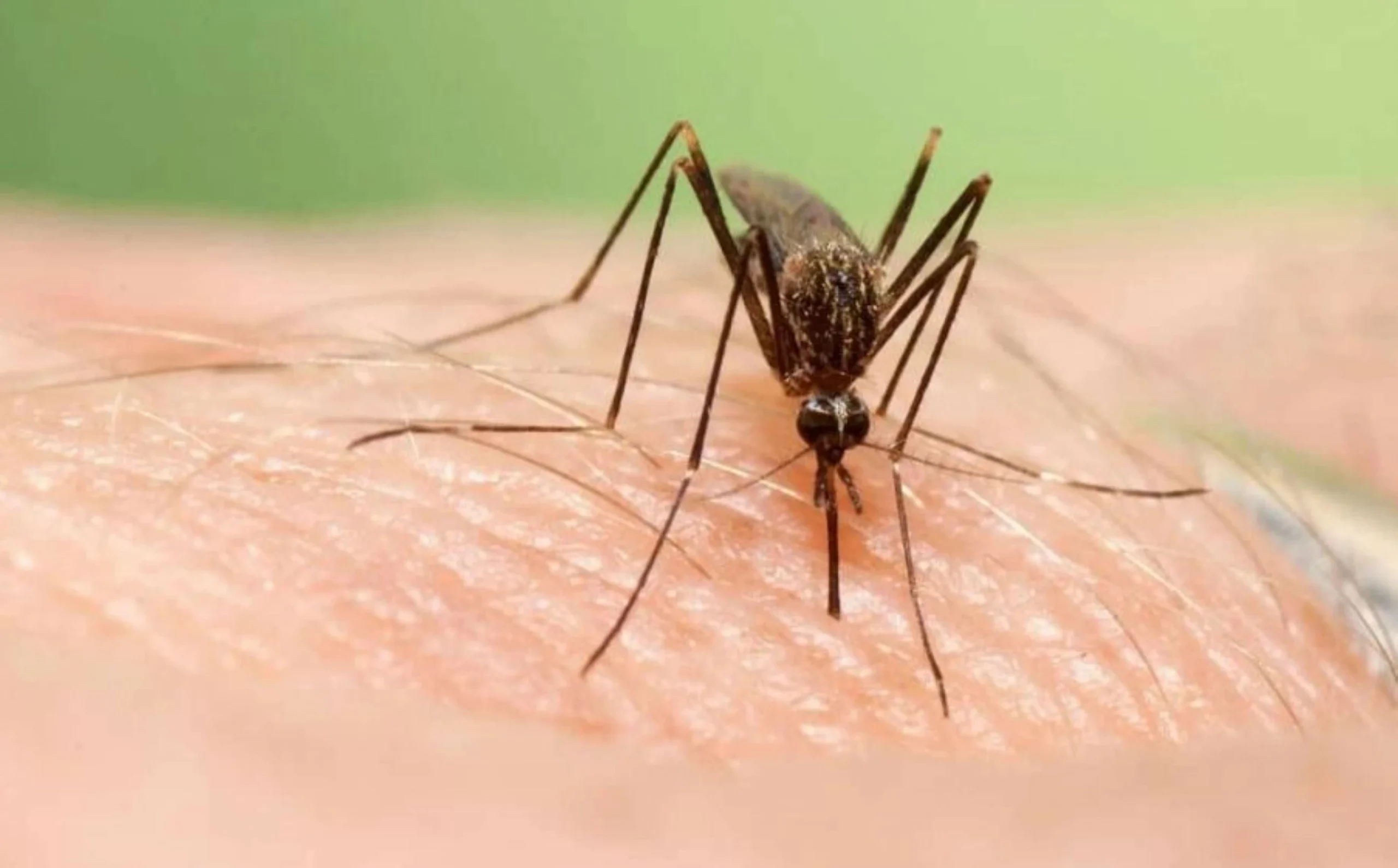
Children’s health constitutes the fundamental strongpoint for building resilient societies and securing a sustainable future. Accordingly, advanced nations accord special attention to this important matter through thought-out and synchronous measures that enable children to grow properly, augment learning, achieve upward mobility, and integrate successfully into society. These efforts are set in motion through coordinated strategies that square with the objectives of physical development, cognitive advancement, and disease prevention, supported by scrupulously implemented programs and sustained commitment. Against the backdrop of a world confronting an avalanche of challenges, ranging from climate volatility and digital pressures to mounting social strains, safeguarding children’s mental wellbeing and educational attainment has become an imperative rather than a mere window-dressing exercise. Such efforts are essential to foreclose any deterioration that could snowball into alarming proportions, while reinforcing healthy habits, balanced nutrition, and supportive family and school environments that enhance readiness for learning and reduce the long-term risk of chronic diseases. The world has witnessed remarkable progress over recent decades in reducing mortality among children under five years of age. Official figures released by the United Nations Children’s Fund (Unicef) show that 37 children per 1,000 live births died in 2022, compared with 93 in 1990. These developments eloquently indicate the effectiveness of advances in diagnosis, monitoring, medical intervention, and preventive healthcare, alongside the growing capacity of health systems to address complications associated with modern childbirth. Despite mounting evidence regarding the impact of climate change on children’s health and development, much of the existing research has hitherto been focused on the effects of individual hazards in societies facing climate-related hardships or intractable conflicts. Such conditions frequently trigger displacement and migration under circumstances that may culminate in humanitarian catastrophes. Among the principal threats are extreme heat, drought, wildfires, floods, storms, air pollution, and ecosystem disruption. A Unicef report issued earlier this week concludes that a combination of endogenous factors and exogenous factors -- including water scarcity and contamination, food insecurity, pollution, infrastructure damage, service disruption, and displacement -- affects virtually every aspect of children’s health, from pregnancy through adolescence. The report notes that harsh climatic conditions and the absence of a supportive environment can contribute to premature births and lower birth weights, while rendering newborns and infants more vulnerable to mortality associated with air pollution and extreme heat. Malnutrition, which remains responsible for approximately half of all deaths among children under five worldwide, together with infectious and communicable diseases such as malaria, dengue fever, and the Zika virus, continues to exact a staggering humanitarian toll. These conditions frequently emerge in polluted environments and unsanitary settings and may generate a lasting psychological and humanitarian malaise that extends well into adulthood. The antecedents of children’s vulnerability are rooted in the developmental stage of their organs and immune systems. As these systems continue to mature, children are less equipped to withstand climate-related stresses. They often lack immunity to certain diseases because vaccines may be unavailable, incomplete, or inaccessible. Moreover, the ongoing development of respiratory and cardiovascular systems leaves them particularly susceptible to climate-related hazards, exacerbating respiratory illnesses and undermining overall health outcomes. The risk of death among children under five in sub-Saharan Africa and South Asia is 80 times higher than in developed countries. Unicef’s Children’s Climate Risk Index, published in 2021, found that 1bn children were highly exposed to the consequences of the climate crisis, the report shared. Among them, 559mn children experienced severe heat exposure, a figure projected to exceed 2bn by 2050, underscoring the threat of an increasingly volatile climate future, it added. In 2022, approximately 953mn children worldwide were exposed to water stress, while 182mn people across 108 countries were affected by at least one climate-related disaster. The same year witnessed nearly 43.1mn cases of child displacement, meaning that close to 20,000 children were forced to leave their homes every day. Executive Director of Unicef, Catherine Russell, says that the Climate Risk Report eloquently indicates where these risks occur and the extent of their severity, and it can help governments and other decision-makers improve planning and investment in a more effective way in basic service systems. For his part, Executive Director of Unicef National Committee for Germany, Christian Schneider, said that children and young people are the least responsible for climate change, yet they are disproportionately the most affected. He urged the German government to take stronger climate action and provide more support to the most vulnerable countries. According to Unicef, climate risks often overlap and snowball into alarming proportions, compounding one another. Around 300mn children live in areas simultaneously exposed to drought, extreme heat, and heatwaves, while more than 115mn children face drought, extreme heat, and tropical storms together. The Sahel region in Africa is among the most affected areas, where more than 4mn children are exposed simultaneously to heatwaves, extreme heat, and sand and dust storms. In Asia, Bangladesh, Myanmar, and Pakistan are particularly affected by these factors. International reports indicate that the severity of harm is determined by factors of inequality and vulnerability to which children are exposed based on socio-economic status, gender, location, current health condition, the circumstances of the country concerned and its capacity, as well as vulnerabilities that had hitherto been associated with children throughout their lives. If these findings and causes are considered, then a question arises among researchers and experts regarding measures that can reduce these climate impacts and provide conditions for a more stable childhood, ensuring sustainable development and societies that come closer- even minimally-to internationally accepted standards, recognizing that what cannot be achieved in full should not be entirely abandoned. The first of these requirements is mitigating the burdens of climate change through reducing greenhouse gas emissions from fossil fuels, industrial smoke, and vehicle emissions so that global warming does not exceed the 1.5°C threshold. Wealthy, high-income countries must take thought-out and urgent mitigation measures to reduce emissions and provide support to low- and middle-income countries to assist their energy transition. In this context, the adoption of sustainable energy in sectors providing essential services for children comes into focus, along with the transition to green infrastructure and social awareness of its integration into daily life, and increasing the use of advanced mechanisms and modern technologies to accelerate efforts to augment the mitigation of climate impacts on children, including universal access to modern fuels and cooking technologies, in order to reduce emissions and child deaths caused by household air pollution. The extraction and excessive, unregulated use of natural resources, along with the widespread spread of infections due to pollution and waste, have exacerbated climate change, increased toxic pollution of water, air, and soil, led to ocean acidification, and destroyed biodiversity and ecosystems that sustain life in general. The Declaration of the 28th Conference of the Parties on Climate and Health recognises that it is significant to protect communities and prepare healthcare systems to address the health impacts of climate factors such as extreme heat, air pollution, and changing disease patterns. The participating parties have also agreed on international adaptation goals, specifically aiming to build resilience against climate-related health impacts and reduce climate-related morbidity and mortality.  

Sports
Subs Manzambi and Vargas help Switzerland crush Bosnia 4-1 in World Cup clash

Subs Manzambi and Vargas help Switzerland crush Bosnia 4-1 in World Cup clash

Switzerland's Johan Manzambi celebrates with Breel Embolo after scoring a goal as Bosnia and Herzegovina's Nikola Vasilj, Nikola Katic and Tarik Muharemovic look dejected during the FIFA World Cup Group B match in Los Angeles.

Opinion
G7 critical minerals alliance a safeguard from supply shocks

G7 critical minerals alliance a safeguard from supply shocks

The G7 nations are implementing a strategy to reduce dependence on Chinese critical minerals while aligning domestic stockpiles to address shortages. Additionally, a new supply chain platform will launch to enhance the role of the International Energy Agency. Western powers are racing to diversify ‌supplies of metals vital to defence, technology and renewable energy and reduce dependence on China. Beijing rattled global markets last year when export curbs on permanent magnets disrupted industries, exposing their reliance on a single source. Without naming China, the leaders said they aim to reduce dependence on any one supplier outside the G7 and partner countries for rare earths and permanent magnets to below 60% by 2030, with an ultimate goal of 50% “as soon as possible”. “We are committed to working towards establishing harmonised, interoperable mechanisms .... This would start with two pilot critical minerals - lithium and ​nickel - and aim to avoid undermining competitiveness or imposing excessive cost burdens,” the leaders said in a joint statement. The mechanisms would later expand to five new minerals each year with a focus on rare earth elements. The 60% target will be challenging, analysts said, especially in terms ​of processed rare earths and magnets where China controls 90% of global output. “The ​G7 statement is an important signal of intent, but the pace of diversification will ultimately depend on whether policy support translates into investment across the midstream and downstream parts of the value chain,” said Neha Mukherjee, research manager at consultancy Benchmark Mineral Intelligence. The G7 will also set up a platform to coordinate policy, data sharing and crisis response, working with the IEA to monitor markets and flag risks, as first reported by Reuters. The platform will draw on the agency for analysis and “early warnings of market distortions”, the group said. G7 countries and allies face the challenge of building full supply chains from mining to end-product, requiring ‌billions of dollars of investment. The leaders ‌said G7 development finance institutions and export credit agencies should work together, including with the private sector, to back projects and infrastructure. So far, countries have announced 195 projects since the start of 2026 with €64bn ($74bn) in investment. The statement added that countries would explore “price-gap subsidies, joint procurement instruments and trade-related instruments such as quotas and price floors”, including through “plurilateral trade agreements”. The US is expected to propose legally binding deals with Japan and the EU this month. The lack of commitment on elements such as price floors reflected what diplomatic sources told Reuters ahead of the meeting was scepticism by ​G7 allies about the Trump administration’s push to boost critical minerals production by regulating prices. The G7 committed to boost domestic stockpiling of critical minerals in both the industrial and public sectors. The US launched its $12bn critical minerals reserve, Project Vault, earlier this year and said in April the first funding tranche was due to close soon. The EU has shortlisted tungsten, rare earths and gallium for its first joint stockpile of critical minerals, sources told Reuters last month. The statement also pledged to boost recycling of critical materials, aiming to increase the joint G7 ‌recycling capacity to account for ​a “significant share” of annual consumption by 2030.     

Entertainment
Comedian Carlos Mencia Charged By L.A. Business Tax Fraud Unit, Watch Live

Comedian Carlos Mencia Charged By L.A. Business Tax Fraud Unit, Watch Live

Carlos Mencia Charged By L.A. Tax Fraud Unit Watch Live! Published June 18, 2026 1:59 PM PDT Play video content Carlos Mencia is getting hit with criminal charges in Los Angeles today ... and TMZ