World
As Colombia goes to the polls, guerrilla violence traumatises its children

As Colombia goes to the polls, guerrilla violence traumatises its children

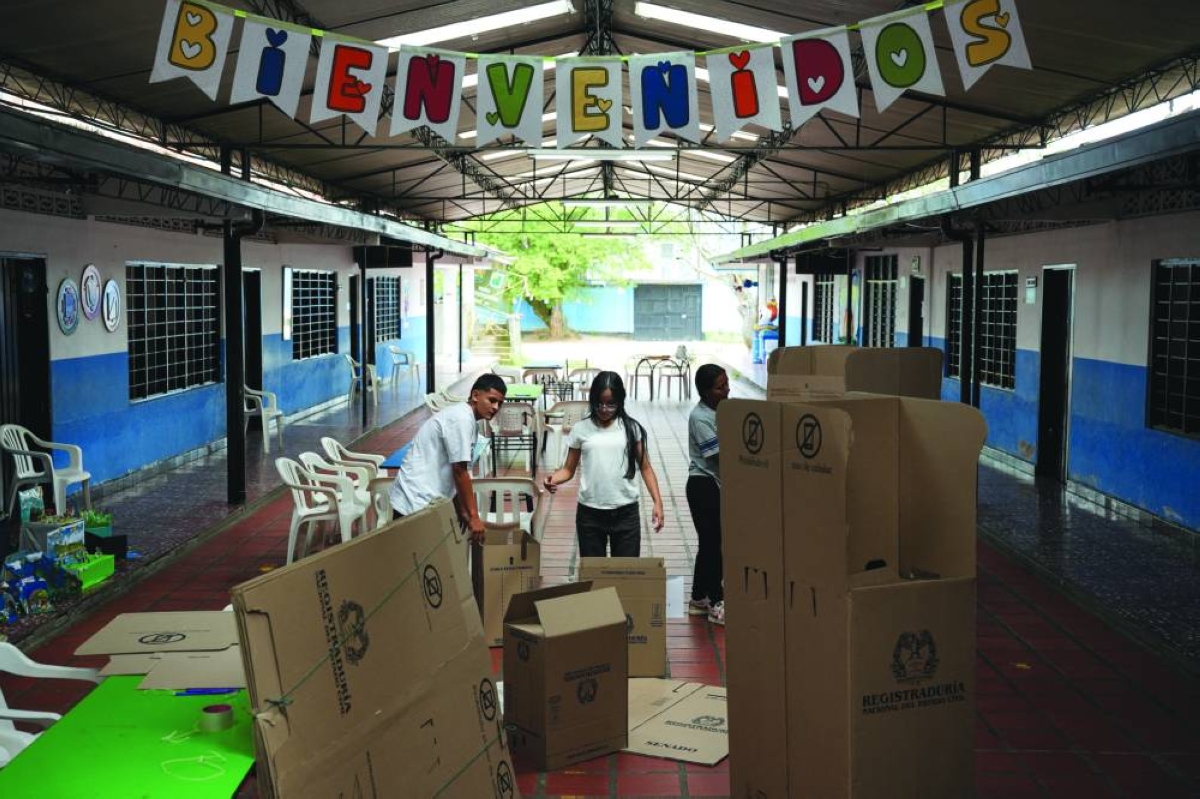
Staff of the National Electoral Registry prepare voting materials for the first round of the presidential election to be held on May 31, in Santander de Quilichao, Colombia, May 30, 2026. REUTERS/Jair F. Coll Jose Moran arrived at his town's community center this week to find its zinc roof destroyed by an explosives-laden drone, the result of guerrilla violence that has blighted this region of Southwestern Colombia.As the Latin American country prepares to vote today for a new president, Moran is pleading for peace, saying that the conflict is taking its toll on residents of the municipality of Suarez, particularly its children."We live here in a state of great anxiety, with constant nervousness," the 73-year-old community leader told AFP."And the saddest part is that the children — well, they see a helicopter... or they hear any little sound, and immediately they cry out, 'The war is coming! The war is coming!'""So the children are deeply traumatized."Surrounded by cloud-shrouded Andean mountains and lush tropical vegetation, their community sits near a military base that is under constant assault by dissident factions — groups that broke away from a 2016 peace accord with the now-defunct FARC guerrilla organization.Inhabited predominantly by Afro-Colombian and Indigenous peasant communities, the town of Suarez is a key operational zone for the forces of Ivan Mordisco, the country's most-wanted guerrilla commander, who has waged relentless attacks against both security forces and civilians.The rebels also clash with rival organizations over the spoils of illegal mining and drug trafficking within Colombia, the world's largest producer of cocaine."They may have their own reasons for their conflicts, but the problem is that we are the ones caught in the middle," laments Moran.Outgoing leftist President Gustavo Petro attempted unsuccessfully to negotiate peace with the various armed groups, and Sunday's presidential election will pit opposing visions on how to end Colombia's half-century of conflict.The frontrunner in the polls, leftist Senator Ivan Cepeda, advocates continuing Petro's "Total Peace" policy — a strategy criticized by the opposition as being too lenient toward armed groups.His closest rival, right-wing lawyer Abelardo de la Espriella, pledges instead to confront guerrilla groups with an iron fist.He plans to dismantle the tribunal established under the peace accord with the FARC, which adjudicates the conflict's worst crimes by offering alternatives to imprisonment for those who tell the truth about their offenses.Regardless of who wins the election, "may they search their conscience... and be able to bring a little peace and tranquility," said Flor Valencia, who runs a local school and has witnessed the conflict's impact on children.Petro held peace negotiations with Mordisco for a year, but the rebel leader abandoned the talks in 2024 and redoubled his offensive against the state."When those sounds start — the explosions — you just want to weep out of sheer desperation," said Valencia, who recounted how the children become "terrified" and she must shield them from stray bullets.Mayor Cesar Ceron said that last year Suarez saw 77 attacks involving explosives and drones — primarily targeting the military base and the police station — though civilians are regularly caught in the crossfire.The violence is "out of control," he said.At a hotel across from the police station, staff members are at their wits' end over car bombs and drone attacks."Out of fear of the violence, tourists have stopped wanting to stay at our hotel," said its 25-year-old manager, Tania Cervantes."Please, let peace finally come."Suarez is the birthplace of Petro's Vice President Francia Marquez, who was the 2018 recipient of the prestigious Goldman Environmental Prize for grassroots activists.In 2019, Marquez survived a gun and grenade attack for defending black communities' water resources against mining operations in the region.Ceron said that the next president "absolutely must provide us with complete security," but added that cannot be achieved "solely through military force."He called for social policies that "provide economic guarantees to families." 
Sports
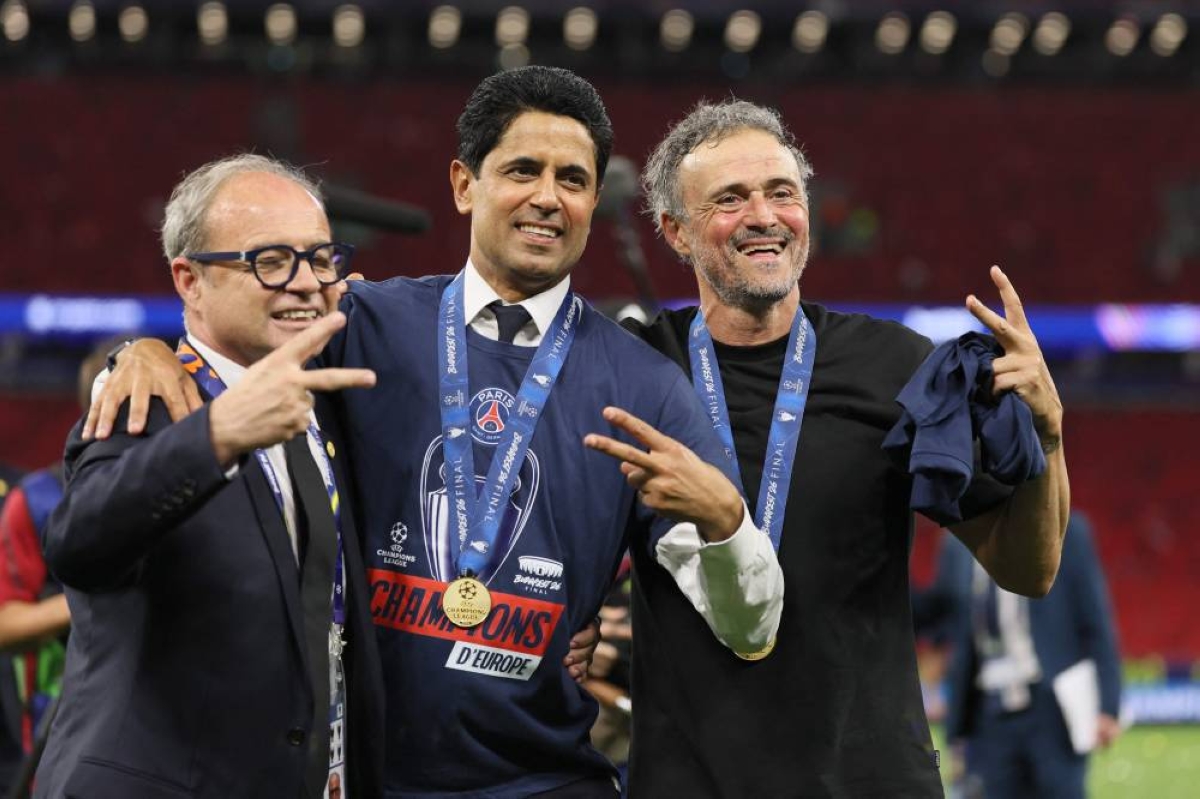
‘This is even bigger’, says Luis Enrique as PSG retain Champions League

‘This is even bigger’, says Luis Enrique as PSG retain Champions League

PSG's President Nasser al-Khelaifi (centre) and Spanish head coach Luis Enrique (right) pose with the club's Portuguese Football Advisor Luis Campos winning the UEFA Champions League final against Arsenal at the Puskas Arena in Budapest

Sports
PSG edge Arsenal on penalties to retain Champions League title

PSG edge Arsenal on penalties to retain Champions League title

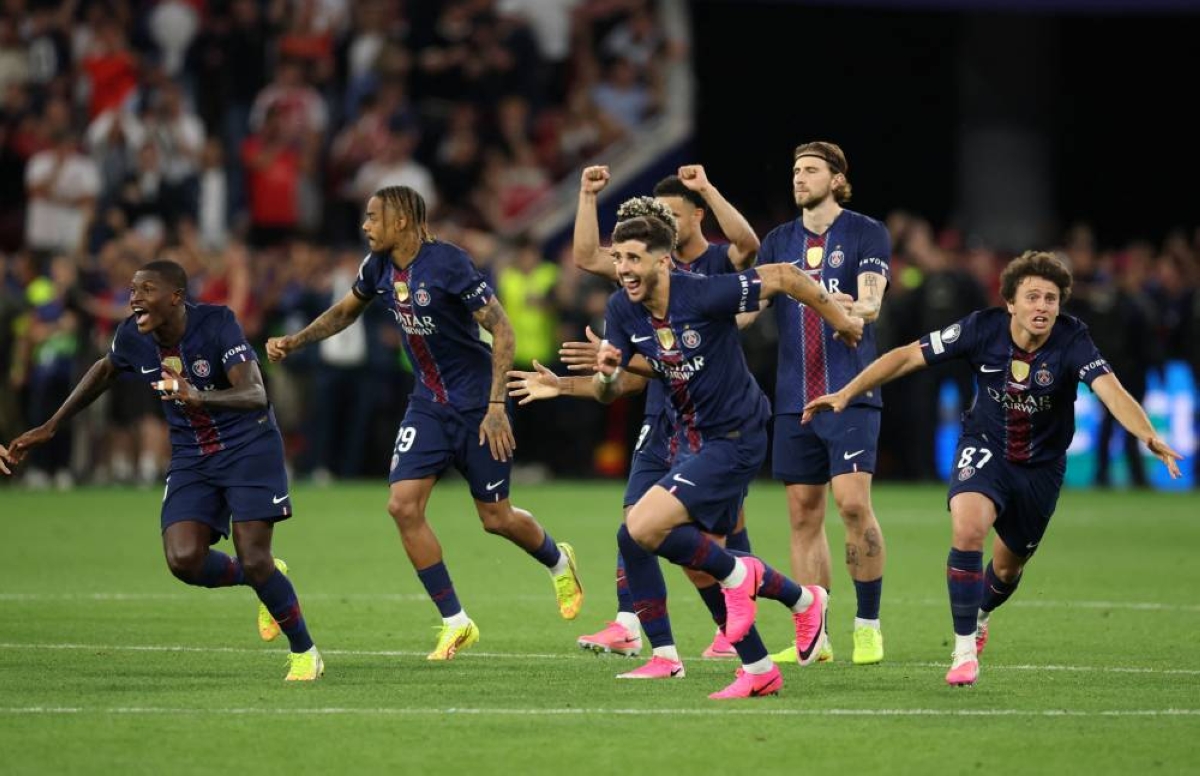
Paris St Germain players celebrate winning the UEFA Champions League final against Arsenal at Puskas Arena, Budapest, Hungary, on May 30, 2026. (Reuters) Paris Saint-Germain claimed back-to-back Champions League triumphs with a 4-3 shoot-out win over Arsenal following a 1-1 draw after extra time on Saturday in Budapest, with Eberechi Eze and Gabriel missing from the spot.Mikel Arteta's Premier League champions showed great resilience to take the game beyond 120 minutes, but fell to a second final defeat, 20 years after their first in Paris against Barcelona.Luis Enrique's side became only the second besides Real Madrid to win the competition in consecutive years in the Champions League era.PSG's first triumph was 55 years in the making, 14 of those under Qatari ownership, the second could start what they hope is an era of dominance and dynasty-building.Luis Enrique rebuilt the team swiftly and efficiently, removing the club's superstars and building a cohesive and committed attacking side, capable of shredding opposition with terrifying pace.It was the Spaniard's third Champions League triumph, making him one of only five coaches to complete a hat-trick -- the first coming with Barcelona in 2015.For a while it looked unlikely as Kai Havertz powered Arsenal ahead after six minutes but Ousmane Dembele's penalty midway through the second half took a tight game to extra time and ultimately penalties.Arsenal's Jurrien Timber was fit after a groin injury but his rust from over two months out led Arteta to deploy Cristhian Mosquera out of position at right-back.The coach also opted for Havertz in attack over Viktor Gyokeres, and for an hour it seemed like his calls would pay off.Luis Enrique selected 10 of the side which demolished Inter Milan 5-0 in last year's final as PSG finally lifted the trophy they so badly craved.In Arsenal's only prior final German goalkeeper Jens Lehmann was sent off in the opening stages as they were defeated by Barcelona in Paris in 2006.They got off to a far better start at the Puskas Arena, with Lehmann's compatriot Havertz firing the Gunners ahead after just six minutes.Havertz, who scored the winning goal in Chelsea's 2021 Champions League final victory, could not believe his luck after Marquinhos's attempted clearance hit Leandro Trossard and bounced into his path.The forward galloped into open space behind PSG's defence and towards Matvey Safonov's goal. Havertz had a tight angle to overcome but rifled a strike into the roof of the net.It was the worst possible start for PSG against a miserly Arsenal side who had conceded just six goals on the run to the final.Their disciplined defending kept the Parisians at bay with consummate ease, as Luis Enrique's side controlled the ball but could not break through Arsenal's defensive bastion.Gabriel Magalhaes made an excellent last-ditch challenge to pick Khvicha Kvaratskhelia's pocket. The dynamic Georgian has been the tournament's best player but in the first half was not allowed room to breathe.The French champions appealed for a penalty when Bukayo Saka bungled an attempted clearance and the ball hit both his arms, but referee Daniel Siebert was unmoved. Fighting back  PSG were reduced to frustrated pot-shots from distance and after the break moved the ball quicker to try and destabilise Arsenal's rearguard.Arsenal goalkeeper David Raya saved from Achraf Hakimi's bouncing free-kick before Kvaratskhelia finally had his say. After the winger's slick one-two with Dembele, Mosquera bundled him down in the box with a clumsy foul.Dembele sent Raya the wrong way with a low penalty to level, with PSG fans igniting several flares in celebration. It was their 45th goal of the competition, matching the all-time record.PSG almost set a new one when Kvaratskhelia hurtled down the left but teenager Myles Lewis-Skelly deflected his shot against the post.Substitute Bradley Barcola fired a fine chance wide on the break before extra time, as the French side threatened frequently, a tiring Arsenal suddenly giving them too much space.The Gunners pleaded for a penalty of their own when substitute Noni Madueke went down under pressure from Nuno Mendes, but it would have been harsh on the PSG defender whom the winger was pulling.To a shoot-out it went, with PSG confident after already claiming three trophies on penalties this season, and winning their last five. They also took the first spot kick, and at the end in front of their own supporters.Arsenal blinked first, with Ebereche Eze firing wide but Raya then saved from PSG's Mendes. Declan Rice drilled home to level at 2-2.After Lucas Beraldo put the Ligue 1 winners 4-3 up, Arsenal defender Gabriel was left with the fifth kick for his side and lashed it high over the crossbar to hand PSG the trophy. Related Story

Sports
Pakistan outspins Australia in milestone ODI as Minhas makes history

Pakistan outspins Australia in milestone ODI as Minhas makes history

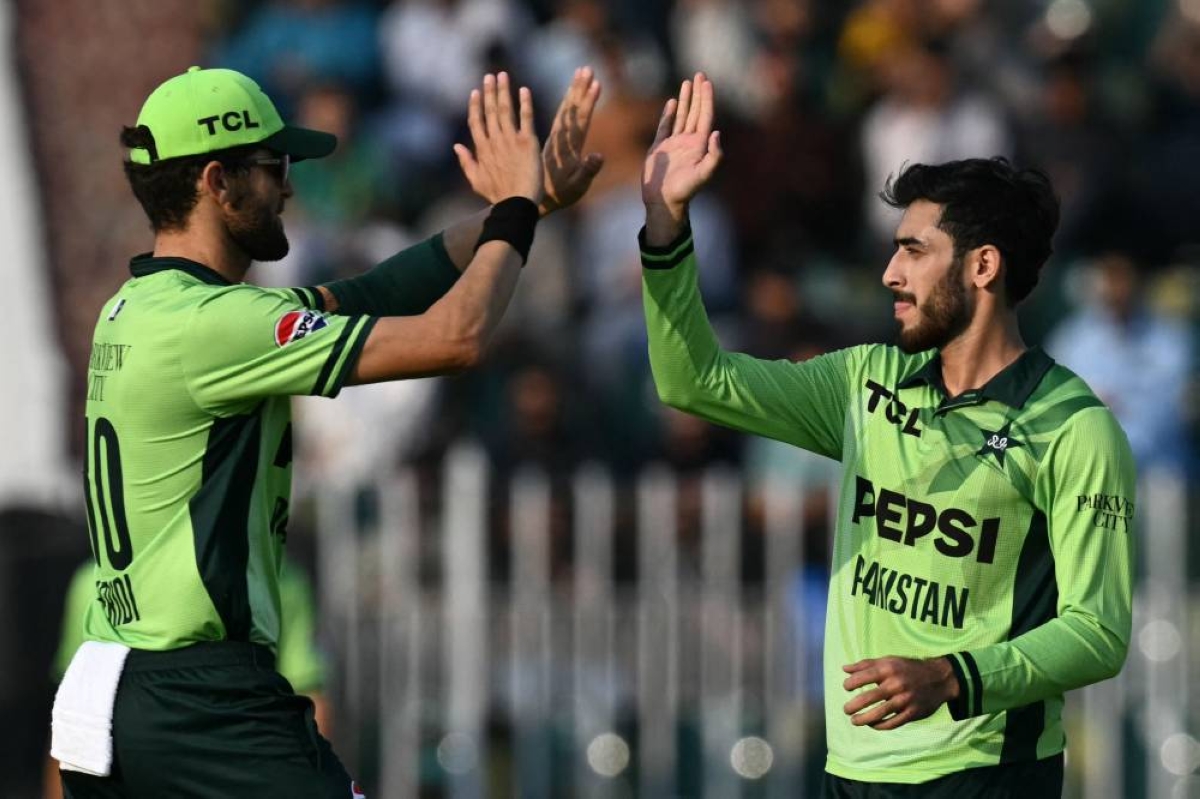
Spinner Arafat Minhas (right) and Pakistan's captain Shaheen Shah Afridi celebrate after the dismissal of Australia's Cameron Green during the first one-day international (ODI) at the Rawalpindi Cricket Stadium in Rawalpindi on May 30, 2026.

Sports
French Open champion Gauff knocked out by Potapova in third round

French Open champion Gauff knocked out by Potapova in third round

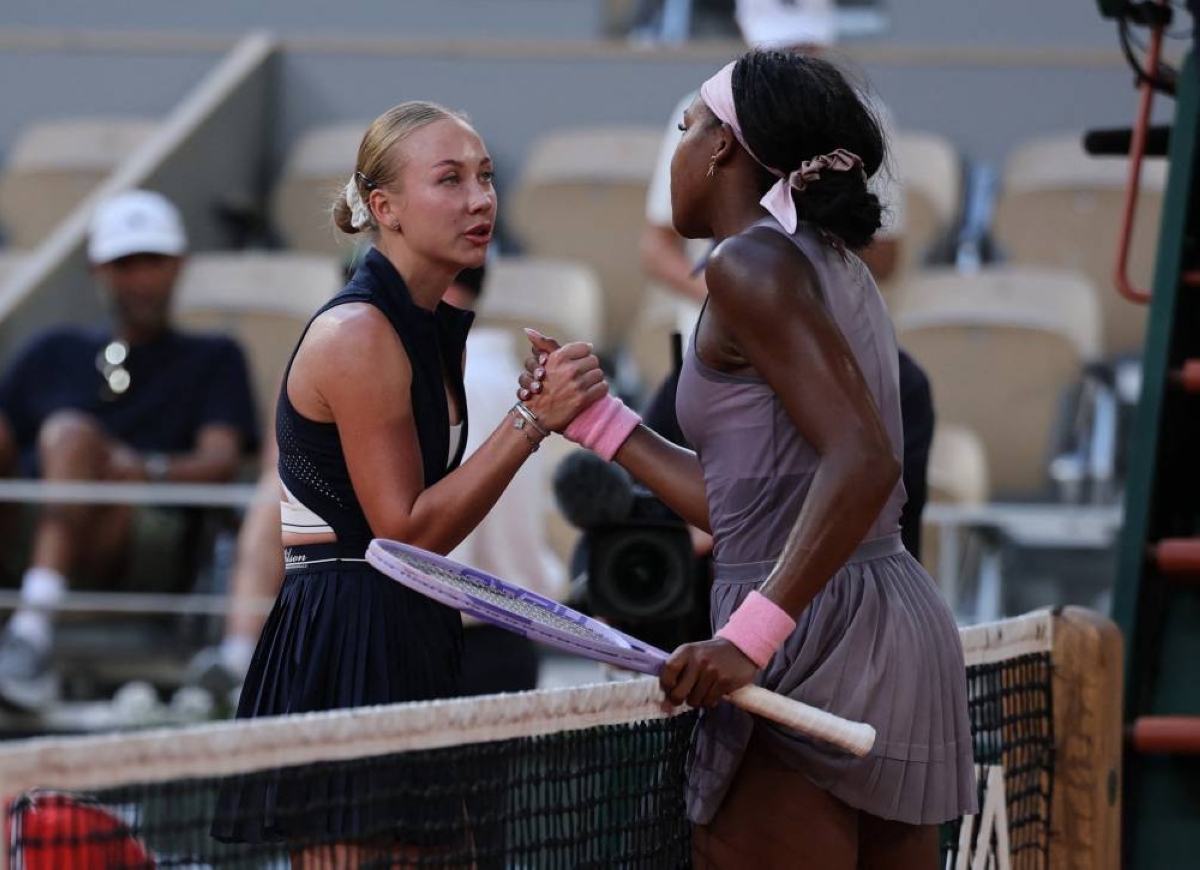
Austria's Anastasia Potapova (left) shakes hands with Coco Gauff of the U.S. after winning their third-round match at the French Open in Paris on Saturday. (Reuters) Defending champion Coco Gauff was sent spinning out of the French Open as Austria's ‌Anastasia Potapova claimed a 4-6 ​7-6(1) 6-4 victory ‌to reach the fourth round on ‌Saturday and ⁠stay ‌on course to win ‌her maiden Grand Slam title.Potapova rattled Gauff ⁠with powerful baseline hitting and broke to love in the opening game, before taking a 4-2 lead when the American slipped and dropped to the floor of Court Philippe Chatrier while trying to reach ​for the ball.Gauff dusted herself off and won the next two games in front of a ‌sparse centre court ⁠crowd, with ​the attention split between Paris St ​Germain's Champions League soccer final with Arsenal in Budapest and Frenchman Moise Kouame in action at Roland Garros.The 22-year-old raised her game again to take the first set, but Russian-born Potapova immediately ramped up the pressure and targeted the American's wobbly serve to grab a double ‌break at the ‌start of the ⁠second set.Potapova was on the verge of ⁠levelling the ⁠match while ahead 5-2 but Gauff moved through the gears to surge ahead by claiming four games in a row, only to lose the next game and then the set ​in a tiebreak where her serve let her down.The pair traded breaks in a breathless decider, but world number four Gauff lost her way as Potapova took control and went through in style for a meeting with 22nd seed Anna Kalinskaya in the ‌fourth round.  Related Story

Opinion
UN peacekeepers: A humanitarian mission in midst of global risks

UN peacekeepers: A humanitarian mission in midst of global risks

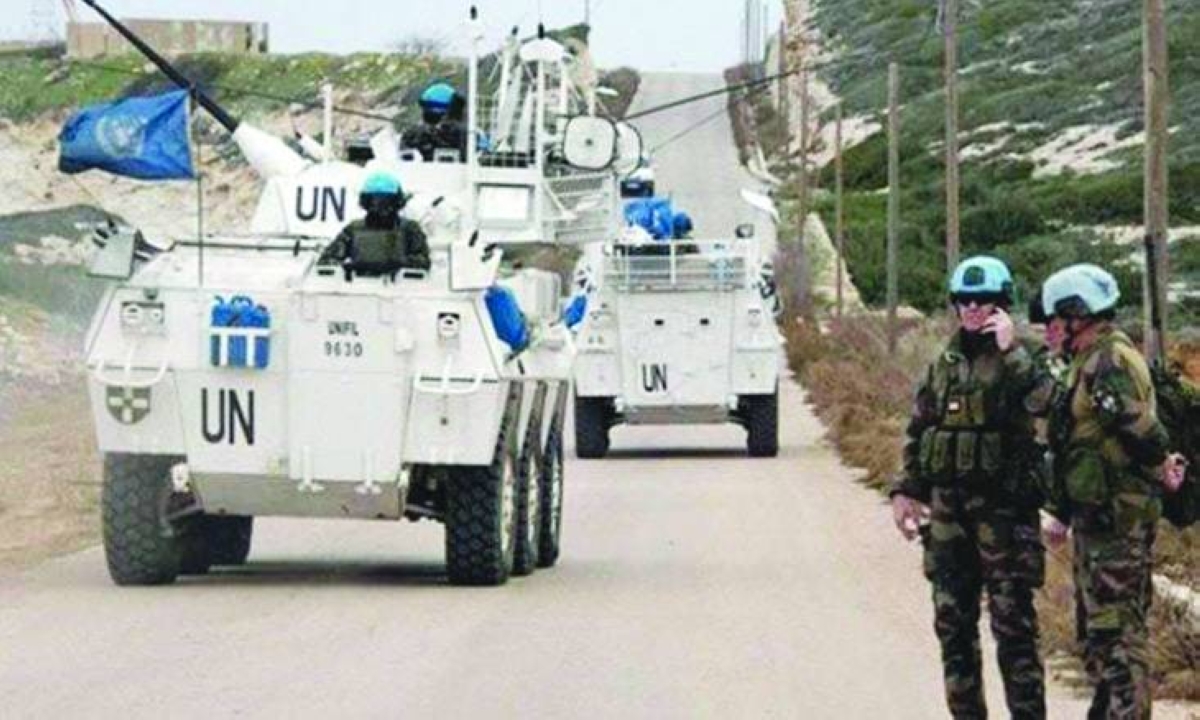
For nearly eight decades, United Nations peacekeeping forces have played a vital role in supporting stability and protecting civilians in conflict zones around the world, helping countries move from violence toward peace. The world marks the International Day of UN Peacekeepers on May 29 each year, commemorating the establishment of the first UN peacekeeping mission in 1948. This year’s observance is held under the theme “Invest in Peace”. UN Secretary-General Antonio Guterres said more than 50,000 UN peacekeepers are currently deployed in some of the world’s most dangerous regions to protect civilians and support political solutions. He also paid tribute to nearly 4,500 peacekeepers who have lost their lives since 1948.  Commenting on this year’s theme, Assistant Professor at the Department of International Affairs at Qatar University Dr Abdullah Bandar al-Otaibi told Qatar News Agency (QNA) that the world today faces a difficult balance between military deterrence and investing in peace. He stressed that investing in conflict prevention and addressing the root causes of crises is essential, adding that greater efforts are needed in mediation, development, and tackling poverty, discrimination, inequality, and injustice. Dr al-Otaibi also highlighted growing divisions within the UN Security Council, warning that political polarisation and the use of the veto have weakened the effectiveness of international peacekeeping efforts and obstructed responses to major crises. He emphasised that despite these challenges, peacekeeping forces remain essential to preventing wider instability and chaos, calling for stronger international co-operation, clearer mandates for peacekeeping missions, and increased support and resources. On the legal protection of peacekeepers, Dr al-Otaibi noted that around 4,000 peacekeepers have lost their lives since UN peacekeeping operations began. He said the 1994 Convention on the Safety of UN Personnel lacks effective accountability mechanisms, stressing the need for an international court specialized in crimes committed against peacekeepers. Commenting on the performance of peacekeeping missions in the Middle East amid continued Israeli violations, Dr al-Otaibi expressed regret over what he described as ongoing Israeli violations against the Palestinian people, calling the issue one of the most controversial files within the international security system. He noted that the United Nations Interim Force in Lebanon (UNIFIL) has repeatedly come under Israeli attacks without any real deterrent from the United Nations or meaningful action capable of influencing the situation. He added that during the war in Gaza, Israeli military operations in southern Lebanon included attacks on UNIFIL headquarters and injuries to international peacekeepers, despite such actions constituting a serious violation of UN Security Council Resolution 1701. He added that all have become accustomed in the international system to Israel being above the law, and this represents one of the biggest problems not only for the region but also for the world, because some actors behave as though they are beyond accountability, creating space for what can be described as political recklessness. For his part, Professor of International Affairs, Security and Defense at Qatar University Dr Ali Bakir said Israel’s willingness to target peacekeeping forces and UN institutions in Palestine, Lebanon, and elsewhere can be explained by several factors. Speaking to QNA, he added that the most prominent factor is Israel’s entrenched belief that violating or ignoring international law carries no meaningful deterrent cost, even when UN facilities are targeted or international missions are obstructed, especially given the Western military and security support and the political and diplomatic cover provided to it. He continued that the erosion of the international system’s credibility over recent decades, due to successive wars and growing polarization among major powers, has further encouraged Israel to challenge these institutions. Despite criticism, Dr Bakir stressed, UN peacekeeping missions remain among the world’s most important conflict-management tools. He highlighted their contributions in protecting civilians in conflict zones, supporting ceasefire agreements, facilitating humanitarian aid delivery, and assisting post-conflict elections and institution-building efforts. At the same time, he pointed to several weaknesses, including limited mandates that restrict decisive intervention during escalating violence, insufficient funding and equipment, slow Security Council decision-making due to geopolitical rivalries, and criticism directed at some missions for failing to prevent massacres or adequately protect civilians. Dr Bakir added that peacekeeping forces today face increasingly complex challenges, including the changing nature of warfare involving cross-border militias, drones, and digital technologies, as well as direct attacks against peacekeepers themselves. He also warned of the growing impact of misinformation campaigns and digital incitement, which undermine trust in UN missions among local populations. In addition, peacekeepers are now expected to address mass displacement, collapsing services, epidemics, and climate-related crises alongside traditional security responsibilities, while operating under severe psychological and operational pressures. He stressed that international divisions weaken the effectiveness of UN missions because political backing becomes fragmented and inconsistent. Looking ahead, Dr Bakir said the success of peacekeeping operations in the coming decade requires rethinking the entire philosophy of peacekeeping, not merely improving its tools. He emphasized the need to reform the UN Security Council, arguing that effective peacekeeping depends on unified international political will. He also called for more flexible and proactive mandates focused on civilian protection, greater investment in technology such as artificial intelligence, data analysis, early warning systems, and cybersecurity, as well as stronger partnerships with local communities. Dr Bakir further stressed the importance of advanced training in human rights, crisis management, cultural mediation, and hybrid warfare, in addition to ensuring sustainable funding and linking peacebuilding efforts to development by addressing poverty, marginalisation, corruption, and the absence of justice.  

World
Trump postpones final decision on Iran deal

Trump postpones final decision on Iran deal

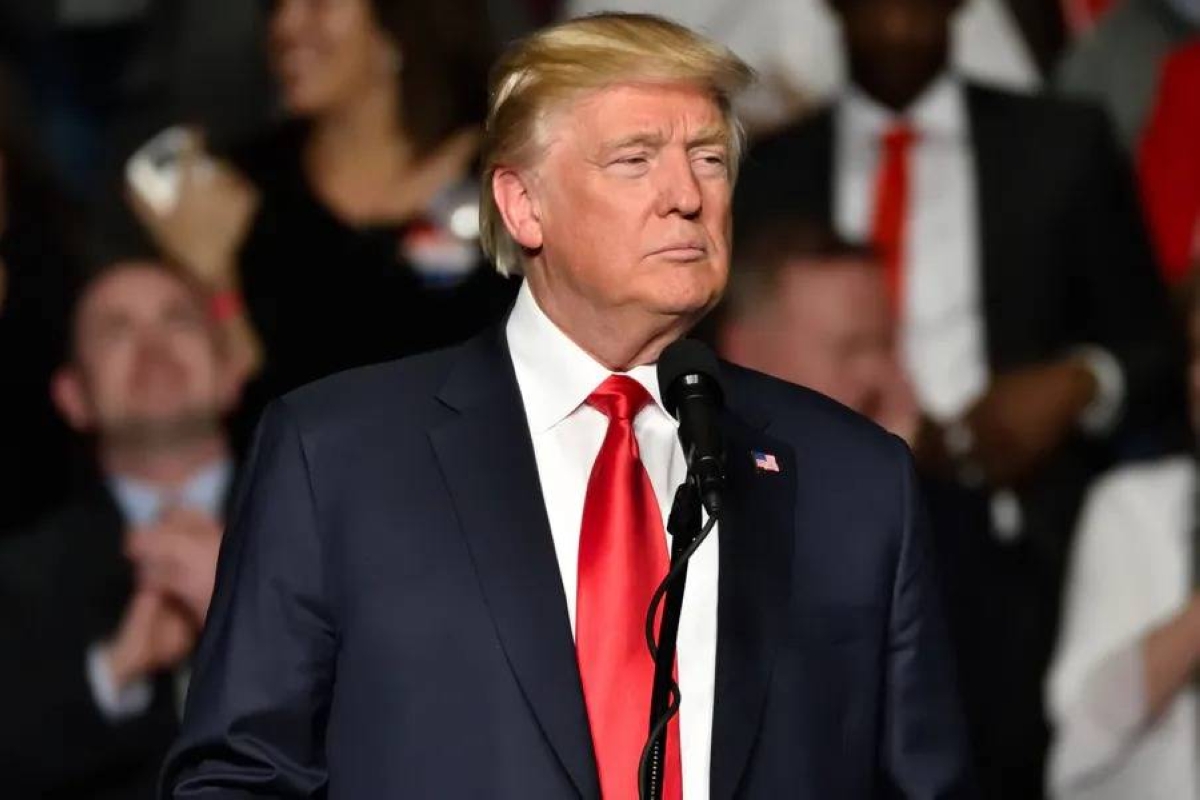
US President Donald Trump said yesterday he would soon decide on a proposed deal to extend the ceasefire with Iran, though the two countries still appeared to differ on significant issues that have been central to the conflict. Trump said last morning that he would meet ⁠in a secure White House room to make a “final determination” on the proposal, which would extend an early-April truce for another 60 days, giving negotiators time to forge a permanent end to the war. Several hours later, the White House said the meeting had concluded but did not provide any more information. The New York Times reported the decision had been postponed after a tow-hour meeting.A senior Iranian source likewise told Reuters an agreement was close but had not yet been approved. However Trump also said Iran would have to end its chokehold on the Strait of Hormuz and dismantle its capacity to make a nuclear weapon – two conditions that Tehran has not agreed to. “Iran must agree that they will never have a Nuclear Weapon or Bomb. The Hormuz Strait must be immediately open, no tolls, for unrestricted shipping traffic, in both directions,” Trump said, adding that nuclear material would be “unearthed” by the US Iran’s semi-official Fars news agency, citing sources, said Trump’s comments were an “attempt to portray a fabricated victory.” To Page 23 The senior Iranian source, ⁠speaking on condition of anonymity, said the potential deal does not include any nuclear-related issues, while Iran’s Foreign Ministry spokesperson Esmaeil Baghaei said on state TV that the management of the strait must be decided by Iran and Oman. The semi-official Fars news agency, citing sources, said the strait would be reopened under Tehran’s conditions after the US lifts its blockade on Iranian ships.Fars said there was agreement to release $12bn of Iran’s frozen assets. Trump said no money would be exchanged “until further notice” — a possible reference to Iran’s demands for toll payments in the strait, war damage reparations or a release of frozen Iranian assets.Oil prices fell and stocks rose yesterday on news of the potential deal. Trump is under pressure to reopen the Strait of Hormuz and get US gasoline prices down ahead of the November congressional elections, as voters show increasing frustration over ⁠rising prices. At the same time, he faces a potential backlash from Iran hawks in his own party ⁠over any concessions to Tehran. The war ⁠launched by the US and Israel on February 28 has killed thousands of people, mainly in Iran and Lebanon, and caused global economic pain by pushing up energy prices due to Iran’s effective closure of the Strait of Hormuz. In his post on Truth Social, Trump said mines would be removed from the strait and ships trapped there may start to go home: “Say HELLO to your wives, husbands, parents, and families from me, your favorite President!” 

Entertainment
Vanilla Ice Shrugs Off Freedom 250 Drama, Says He’d Play for Biden or Putin

Vanilla Ice Shrugs Off Freedom 250 Drama, Says He’d Play for Biden or Putin

Vanilla Ice on America 250 I'd Play for Biden, Putin Too ... Just Let Me Rock the Mic!!! Published May 29, 2026 1:01 PM PDT Play video content Vanilla Ice says President Donald Trump isn't

News
Israel plan to seize more of Gaza means ‘more children wi…

Israel plan to seize more of Gaza means ‘more children wi…

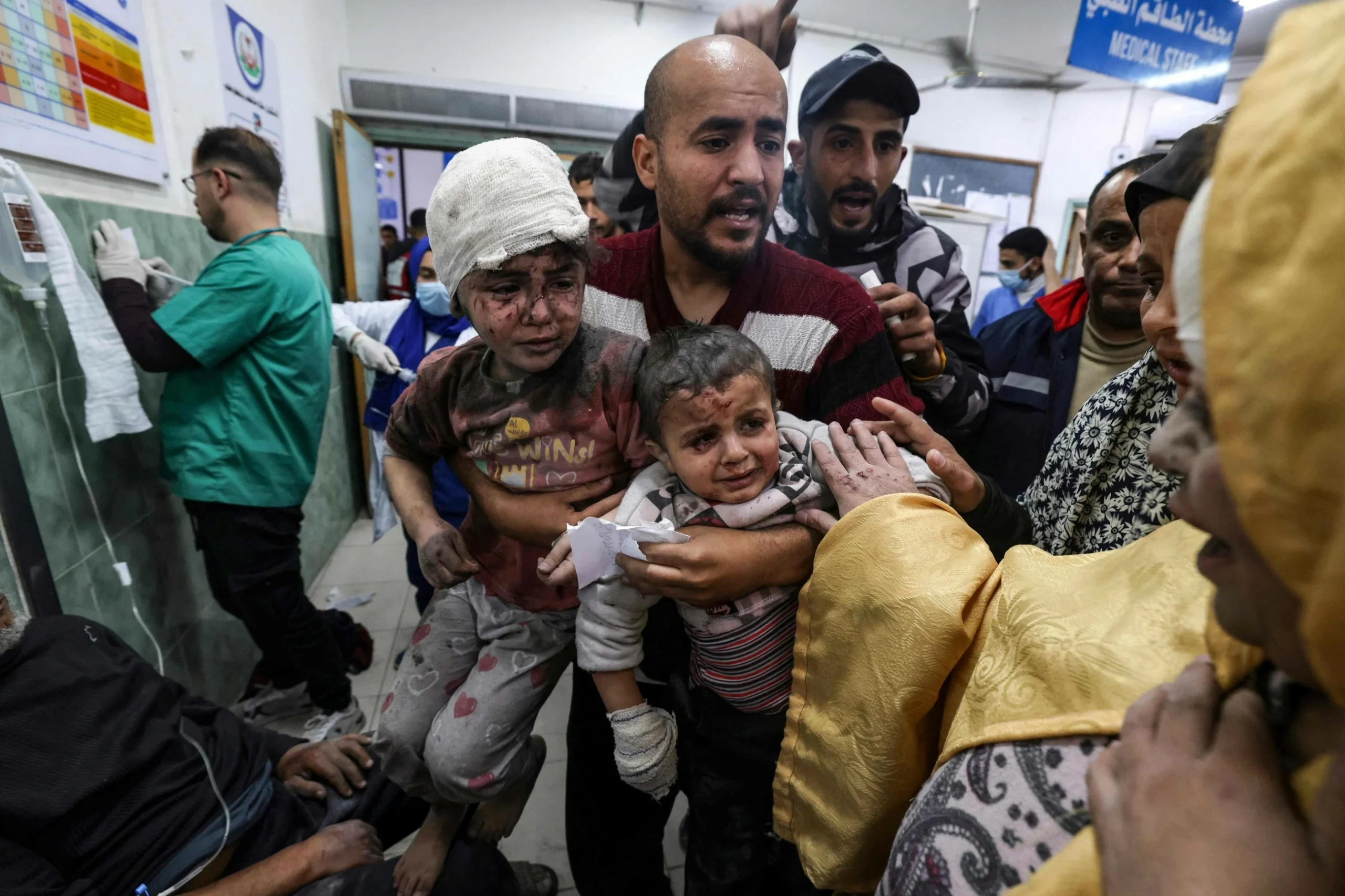
The UN warned on Friday that an Israeli plan to take control of 70 per cent of Gaza will increase suffering among children already hit by the impacts of severe overcrowding.Israeli Prime Minister Benjamin Netanyahu

News
Woman fined after refusing to pay for 349 SIM cards in Abu Dhabi

Woman fined after refusing to pay for 349 SIM cards in Abu Dhabi

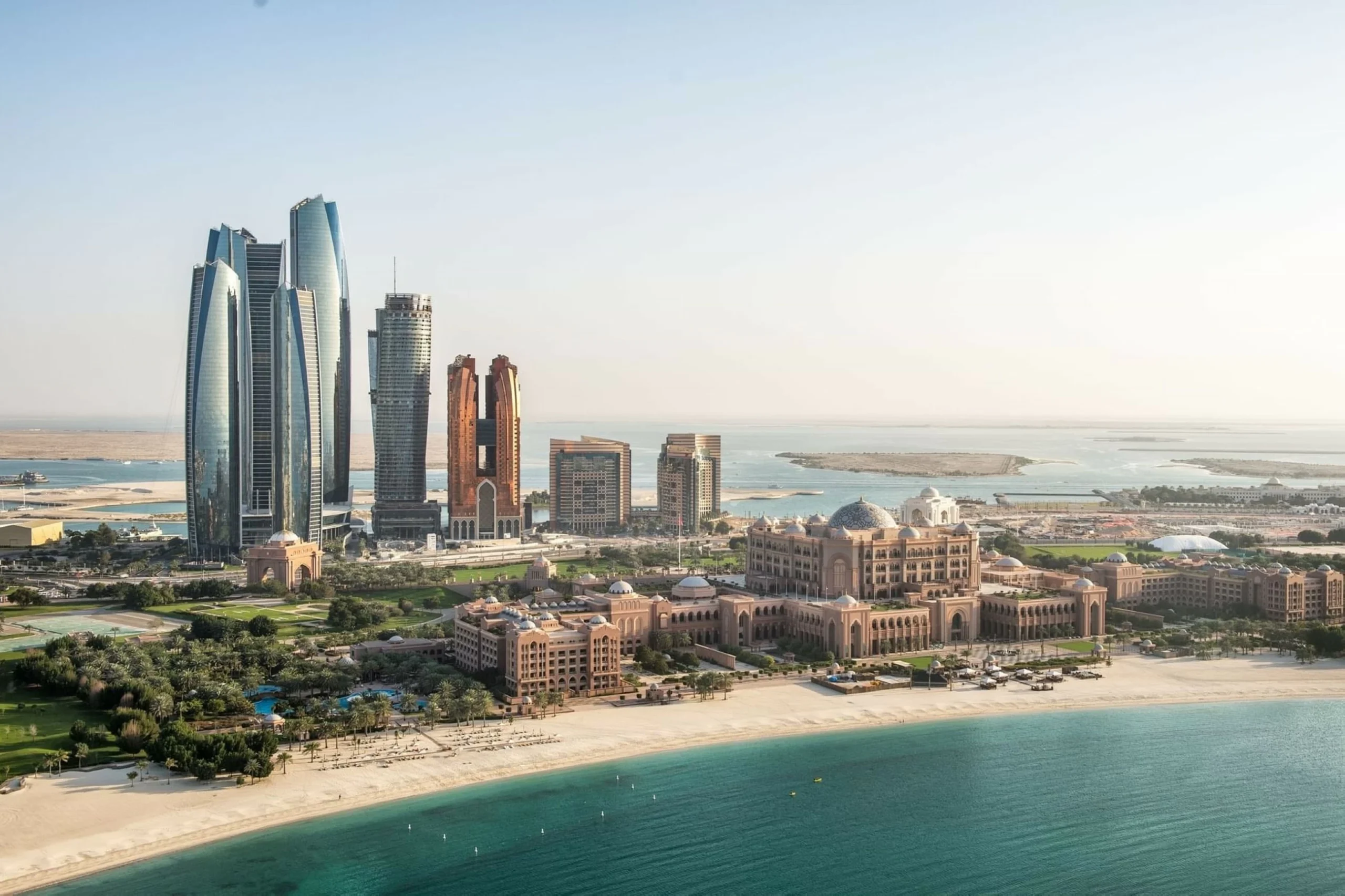
Abu Dhabi Family, Civil and Administrative Cases Court ordered a woman to pay Dhs14,000 and fined her Dhs1,000, as she had purchased 349 SIM cards with the agreement to pay for them later, but she