Entertainment
Stefon Diggs Sexual Assault Accuser Wants Him To Cough Up Financial Info In Legal War

Stefon Diggs Sexual Assault Accuser Wants Him To Cough Up Financial Info In Legal War

Stefon Diggs Sexual Assault Accuser You Don't Get To Sue and Hide!!! Published April 21, 2026 5:43 PM PDT The social media star alleging Stefon Diggs sexually assaulted him, who Diggs then sued for defamation,

Entertainment
‘Real Housewives’ Star Jill Zarin Sued by Pickleball Company

‘Real Housewives’ Star Jill Zarin Sued by Pickleball Company

'RHONY' Star Jill Zarin Sued by Pickleball Company ... Allegedly Selling Machine Without Permission Published April 21, 2026 4:09 PM PDT The ball is in Jill Zarin's pickleball court ... because a lawsuit has just

Entertainment
D4vd Hawked New Music Day After Prosecutors Say He Murdered Celeste Rivas

D4vd Hawked New Music Day After Prosecutors Say He Murdered Celeste Rivas

D4vd was heavily focused on promoting his new album around the time prosecutors say 14-year-old Celeste Rivas was last seen at his home. TMZ has combed through D4vd's social media pages around the date of

Entertainment
Mark Geragos Calls BS on LAPD, Prosecutors Being in Lockstep in D4vd Murder Case

Mark Geragos Calls BS on LAPD, Prosecutors Being in Lockstep in D4vd Murder Case

Mark Geragos On D4vd Murder Case Cops, D.A. Being In Lockstep Is Total BS Published April 21, 2026 3:15 PM PDT Play video content Mark Geragos is sticking to his guns ... telling us Los

Entertainment
Donald Trump Jr. & Bettina Anderson Weighing Elopement vs. Intimate Ceremony

Donald Trump Jr. & Bettina Anderson Weighing Elopement vs. Intimate Ceremony

Don Jr. & Bettina Anderson Weigh Eloping vs. Small Wedding Published April 21, 2026 2:18 PM PDT Donald Trump Jr. isn't rushing down the aisle just yet, because he and Bettina Anderson are still figuring

Opinion
Qatari women at the fore of digital advancement

Qatari women at the fore of digital advancement

As Qatar advances its digital transformation, opening new horizons for growth and development, Qatari women have assumed an active and influential role in driving technological progress. Supported by a conducive environment enshrined in the Constitution, which guarantees equality in education and employment, they have confidently entered the technology sector, making notable contributions to the ICT field. As the world marks International Girls in ICT Day, observed annually on the fourth Thursday of April, statistics underscore the significant progress made by Qatari women in technology, a sector that has become increasingly vital globally. A key indicator of this progress is the academic excellence of Qatari women, who account for nearly 70% of graduates in information systems, computer engineering, science, medicine, and pharmacy, according to official statistics. At the Web Summit hosted by Qatar in 2025, women-founded startups accounted for 47% of participating companies, marking an increase of more than 50% compared to the previous year. Web Summit Qatar 2026 also dedicated significant space to showcasing the success stories of female entrepreneurs and digital innovation. Qualitative leapThis qualitative leap in the participation of Qatari women in scientific and digital fields has been driven by sustained state support and constitutional principles that uphold equality and equal opportunity. It is further anchored in Qatar National Vision 2030, which aims to build a more capable and modern state responsive to the demands of sustainable development. Dr Dena Ahmed al-Thani, Associate Professor at the College of Science and Engineering at Hamad Bin Khalifa University, attributed the strong presence of Qatari women in the digital transformation to advanced digital infrastructure and significant investment in education. She noted that Qatar Foundation for Education, Science and Community Development has played a pivotal role through its schools and universities by fostering academic environments that support women’s excellence in STEM fields. She added that the Qatari model goes beyond opening opportunities, focusing instead on building an integrated ecosystem that ensures sustained participation and enables women to contribute effectively to the knowledge-based economy, reflected in their growing presence in leadership roles in information technology. She further noted that participation by Qatari women in technology and digital fields is steadily increasing, with female students accounting for around 40% of enrollments in computing and electrical engineering at Hamad Bin Khalifa University, an indicator of a growing shift in interest, supported by strong academic performance and a clear focus on research and innovation. She stressed that boosting girls’ participation in ICT is not only a matter of equality, but a strategic necessity, as diverse teams produce more inclusive and innovative solutions. Dr Dena al-Thani said Qatar is committed to building a sustainable knowledge-based economy by harnessing all human capital, including female talent, noting that the growing number of Qatari women studying computing and ICT fields reflects their ability to excel when supported by an enabling environment. She added that Qatar National Vision 2030 provides the overarching framework guiding this sector, with its human development pillar placing women at the centre of progress and emphasizing their empowerment, particularly in technology fields. Dr Dena Ahmed al-Thani, Associate Professor in Information and Computing Technology at the College of Science and Engineering of Hamad Bin Khalifa University, said economic development requires a shift towards a knowledge and innovation-based economy supported by qualified national talent, including women. She said ongoing national investment in artificial intelligence and digital transformation was creating “real opportunities” for women to contribute to major national projects, from healthcare to smart infrastructure, in line with Qatar National Vision 2030. National visionDr al-Thani added that the national vision had gone beyond policy, describing it as a “practical driver” that has reshaped classrooms and the technology and research landscape in Qatar. Separately, Dr Raian Ali, Unesco Chair in Digital Technologies and Human Behaviour at Qatar Foundation, said the organisation has played a significant role in supporting women’s participation in science, technology, engineering and mathematics (STEM). He said initiatives such as open days, academic programs, and student awards had helped highlight female achievement, noting that women students had secured a significant share of academic distinctions. Dr Ali also pointed to research initiatives supported by the Qatar Research, Development and Innovation Council aimed at promoting gender equality and social inclusion in digital spaces, including efforts to reduce discriminatory online content. Meanwhile, Dr Mustafa Aqeel of Qatar University said the strong presence of Qatari women in technology fields reflected their persistence and ambition, as well as the country’s legal and policy framework supporting women’s participation. He said Qatar’s progress in digital and knowledge sectors could not be separated from broader national strategies that have enabled women to play a visible role in education, research and development. The academics said increased participation of women in technology would not only support equality but also strengthen innovation and sustainable development in the country. 

Opinion
EU is at ‘a critical point’ in ensuring new drug access

EU is at ‘a critical point’ in ensuring new drug access

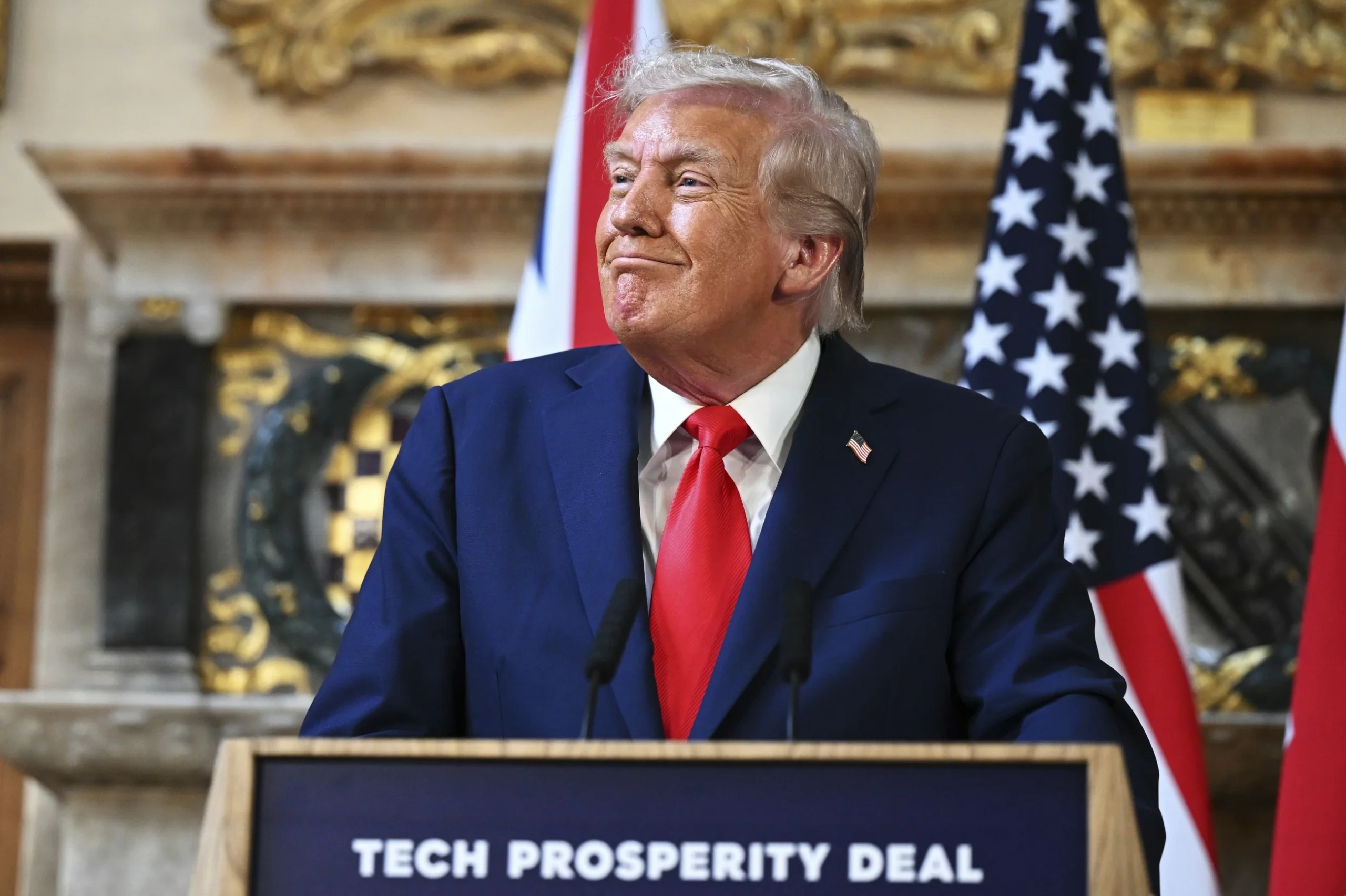
Europe is at a critical juncture for ensuring future access to new ‌drugs as US pricing policies shake the sector, the head of the European Medicines Agency ​Emer Cooke said yesterday, ‌urging regional authorities to work together more closely. The number of drug launches in Europe ‌has fallen by more than a third, an ‌analysis of data found, potentially hindering patient access ‌to the latest innovative medicines, since US President Donald Trump last May introduced a new drug pricing policy. “I think we’re at a very critical point at the moment,” Cooke told the Reuters Pharma Europe 2026 event in Barcelona, Spain. “Everybody’s struggling with what the impacts of the US policy on pricing will be. And that’s not just on pricing, it’s on where you do your clinical trials, where you market, where you launch.” As of April 2, 2026, President Trump imposed 100% tariffs on many imported patented pharmaceuticals and active ingredients under Section 232 to bolster national security and domestic manufacturing. These tariffs, which take effect for large firms on July 31, 2026, and others on September 29, 2026, can be reduced or eliminated if companies enter onshoring and pricing deals with the US government. Targeted Products: The tariffs apply to patented pharmaceuticals and their active ingredients (APIs) listed in the FDA’s Orange or Purple Book. Exemptions: Generic drugs, biosimilars, and officially designated orphan drugs (for rare diseases) are currently excluded. Trump’s “most-favoured-nation” policy aims to cut US medicine prices by linking them to lower ones paid in other wealthy countries, including ​in Europe, but analysts and executives say it has led drugmakers to push for higher prices there or delay launches. “MFN is creating a huge hesitation to launch in Europe if it exposes price in the US, which, ‌of course, is the major driver of profit for the ​entire industry,” Bill Coyle, global head of biopharma at consulting firm ZS, told the ​conference. Asked about drugmaker complaints Europe no longer offers attractive enough returns, Cooke said she met senior industry leaders at the EMA last week to discuss how the regulator could support innovation and speed medicines to market. Europe is the second biggest market for pharmaceuticals and has universal healthcare, putting it in a “very strong place in terms of access” overall, Cooke noted, while urging measures such as collective procurement negotiations within the EU. European regulators have faced growing criticism from the pharmaceuticals industry, which says companies are increasingly likely to invest and conduct research in the United States and China rather than Europe, where prices are lower, regulation burdensome and incentives to innovate weaker. Cooke defended Europe as ‌a base for business and research. She ‌said the region was working on reforms, including pharmaceutical legislation that covers joint procurement for the bloc to access newly approved drugs and a life sciences strategy focused on innovation and competitiveness. “We have a lot of very positive things going on in Europe,” she said. Cooke also said in the interview that the EU regulatory review of the first of a new generation of weight-loss pills would be concluded “very soon”, indicating it would be in the coming weeks or months ahead of the northern hemisphere summer when institutional decision-making generally slows. Two new oral drugs by Eli Lilly’s ​LLY.N and rival Novo Nordisk , which could shake up the lucrative weight loss market, have been cleared for a US launch this year. Referring to upheaval at the US Food and Drug Administration since the start of Trump’s second administration last year, Cooke said Europe was also attracting some scientific talent from the United States. “I think we’re getting some already - quietly,” she said. Cooke said ties with the FDA remained strong, but leadership changes meant the EMA was having to build new relationships with counterparts there. In the interview, she also addressed Europe’s efforts to prevent drug shortages and said it was important for the ‌EMA to train its staff to ​use artificial intelligence responsibly, with human oversight and without weakening the judgment needed for regulatory decisions.  

World
Under-fire Nepal minister quits after weeks in office

Under-fire Nepal minister quits after weeks in office

Newly appointed Home Minister Sudan Gurung poses for a picture after taking oath at "Shital Niwas", the presidential building in Kathmandu. (Reuters/File Photo) Nepal's home minister stepped down Wednesday over growing criticism of his finances, the second member of the cabinet to leave the new government just weeks after it was formed.Sudan Gurung, a key figure in the Gen-Z protests in September that toppled Nepal's previous government, said he was leaving his post ensure a "fair investigation"."For me, morality is greater than a position and there is no greater power than public trust... Public life should be clean, leadership should be accountable," said 38-year-old Gurung, who took office on March 27.Gurung is the second minister to leave the new government after the labour minister Deepak Kumar Sah was dismissed over allegations of committing misconduct by getting his wife appointed to a health insurance board.Dipa Dahal, press adviser to Prime Minister Balendra Shah, confirmed Gurung's resignation had been received.Gurung participated in the deadly protests that began as a demonstration against a brief social media ban, but were fed by wider grievances over corruption and a poor economy.At least 76 people were killed and more than 2,500 wounded during the two days of violence in September.In January, Gurung joined the Rastriya Swatantra Party (RSP) and won a seat in parliament after the party swept to a landslide victory in the March elections.Gurung made headlines a day after taking his oath of office for arresting former prime minister KP Sharma Oli and ex-home minister Ramesh Lekhak for their alleged involvement in the deadly crackdown on protesters in September.'Impartial' probe But soon he himself was beset by allegations over his financial investments and assets, as well as links with a businessman being investigated for money laundering.Last week, Shah and his cabinet disclosed their assets to the public, in line with local laws requiring lawmakers to declare their financial status.Soon after the disclosure, local media reported that Gurung had not revealed some of his financial investments.At least two Nepali websites published a government-stamped document that listed Gurung as an investor in a company that he did not specifically name in his disclosures.Gurung claimed that he had lumped his investments together in the disclosure documents.Public pressure had since been mounting on the government to investigate Gurung.The opposition Nepali Congress said it would not be possible to carry out an impartial probe if Gurung remained in his position."It is natural that there will be doubt over direct or indirect influence over the investigation process," it said in a statement on Monday, calling for an "independent and impartial" probe.On Monday, Gurung dismissed the allegations as "rumours" and denied withholding information regarding his investments."I would just like to say that accusations and truth are not the same thing. Decisions should be based on evidence, not emotion," he said on social media.Earlier this month, the government formed a five-member commission led by a former Supreme Court judge to investigate the assets of politicians and officials.The commission was a part of the government's 100-point reform agenda issued after Shah took office to tackle corruption in the Himalayan nation.Nepal currently ranks 109th out of 180 countries on Transparency International's Corruption Perceptions Index.  Related Story

World
India orders school water bells to beat heat

India orders school water bells to beat heat

Schools in India's capital must ring regular bells to remind schoolchildren to drink water as the megacity gears up to face heatwave conditions, a new city order has said.Summer heat in the world's most populous nation can be brutal — putting millions of people at risk, with nearly 11,000 people dying due to heat stroke between 2012 and 2021, according to government data.A heatwave in May 2024 in New Delhi saw temperatures match the capital's previous record high: 49.2C clocked in 2022.That year was India's hottest year since thorough records began in 1901, with sizzling temperatures following a global pattern of extreme weather driven by climate change.The temperature Wednesday morning in New Delhi and the wider sprawling metropolitan region of 30mn residents was a relatively balmy 29.4C.But weather forecasters predict temperatures will hit 41-43C later Wednesday, and rise to 42-44C later in the week.The India Meteorological Department has issued a 'yellow alert' for Delhi, indicating the likelihood of a heatwave later in the week.On Tuesday, guidelines issued by the Delhi education directorate asked schools in the city to adopt a plethora of steps to shield students.They included avoiding 'outdoor physical activities' and conducting 'awareness sessions' to remind them of the importance of hydration.'Outdoor assemblies to be curtailed or conducted in shaded/indoor areas with minimal duration,' the note read. 'No open air classes to be conducted.'Quirkier directions are also on offer: schools have been asked to start a 'water bell' initiative to prevent dehydration and also implement a 'buddy system' for students to look out for each other.'Schools shall implement a 'Water Bell' system, whereby a bell is rung at regular intervals (every 45-60 minutes) reminding students to drink water to prevent dehydration,' the circular notes.'Each student may be paired up with another student during school hours to monitor and take care of the each other's physical well-being,' it added. 

World
EU unblocks 90-bn-euro Ukraine loan after Hungary row

EU unblocks 90-bn-euro Ukraine loan after Hungary row

Ukrainian and European Union flags fly, amid Russia's attack on Ukraine, in central Kyiv. (Reuters/File Photo) The EU Wednesday gave the green light to unblock a 90-billion-euro ($106bn) loan for Kyiv, after the deadlock was broken in a months-long row between Ukraine and Hungary over a damaged pipeline.Diplomats said the definitive sign-off should come by today as Budapest waits for Russian oil to arrive through the Druzhba pipeline after Kyiv said operations had restarted.The bitter feud over the pipeline pitted Hungary's nationalist premier Viktor Orban against Ukrainian President Volodymyr Zelensky, stalling the vitally needed funds for Kyiv.Resolving the standoff will allow Brussels to start paying out the loan in the coming months that Ukraine requires to plug its budget four years into Moscow's invasion."Implementation of our agreement with the European Union to unblock a EUR90-billion support package for Ukraine over two years is now effectively underway," Zelensky, who is expected to join a summit of EU leaders in Cyprus today, posted online."The unblocking is the right signal under the current circumstances. Russia must end its war."Kremlin-friendly Orban — who suffered a crushing election defeat this month — had vowed that he would not budge until Ukraine repaired the pipeline hit by a Russian strike.Officials said Wednesday Ukraine had restarted pumping oil to Hungary and Slovakia, a day after Zelensky announced the repairs had been completed.Hungarian energy giant MOL said it "expects the first crude oil shipments following the restart of the Ukrainian section of the pipeline system to arrive in Hungary and Slovakia by tomorrow at the latest".Slovakia's Economy Minister Denisa Sakova also said the first deliveries were expected in the early hours of today, in a post on Facebook.Hungary and Slovakia — among the most Kremlin-sympathetic EU member states — had accused Kyiv of dragging its feet over the repairs.Zelensky has made no secret of his opposition to the fact that some EU members still buy Russian oil and gas — a key source of revenue for Moscow to fund its invasion launched more than four years ago.Sanctions approved The row with Hungary has held up EU support for Ukraine at a time when the US has largely cut Kyiv off and eased sanctions on Russian oil amid the Iran war.Orban's loss in elections after 16 years in power had fuelled hopes the funds would be unlocked — and the EU could move past the frequent blockages experienced during his tenure.But EU officials had believed they might have to wait until his pro-EU successor Peter Magyar took office in May to get it approved.EU countries also gave the preliminary go-ahead to a fresh round of sanctions on Russia that had been stalled by both Hungary and Slovakia over the pipeline row.The new round of economic punishment for Moscow — the 20th from the EU since the war started in 2022 — includes measures on Russia's energy, banking and trade sectors.Zelensky on Tuesday had urged the EU to begin ratcheting up sanctions on Moscow again at a time when US President Donald Trump has eased pressure on the Kremlin.  Related Story