Entertainment
VP J.D. Vance Says He Will Investigate Claim A U.S. Official Threatened A Vatican Rep

VP J.D. Vance Says He Will Investigate Claim A U.S. Official Threatened A Vatican Rep

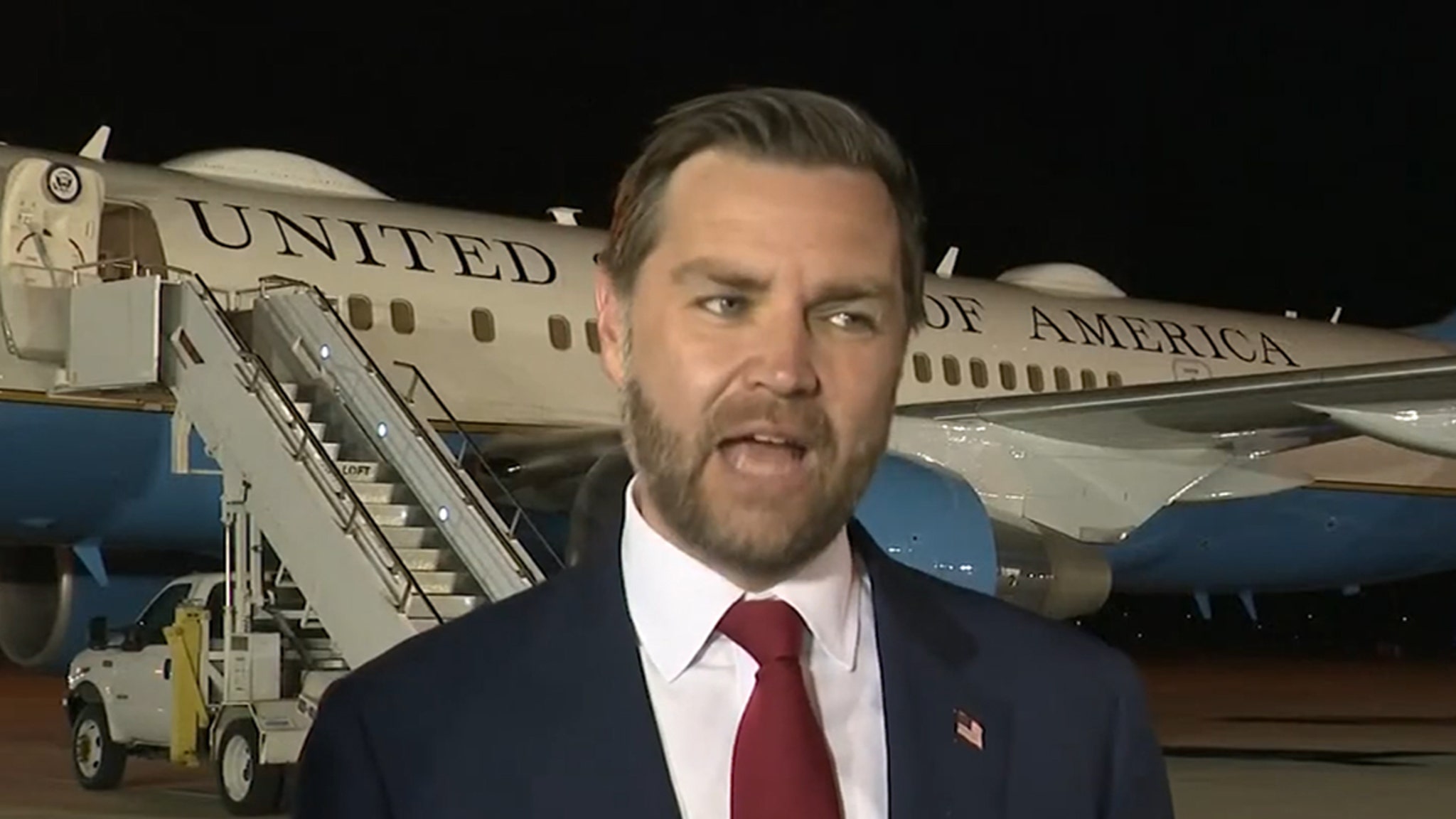
Play video content Vice President J.D. Vance may need some divine intervention to help him on his next task ... saying he'd like to speak to the principals allegedly involved in a confrontation between the

Entertainment
‘The Thing’ Star T.K. Carter Was Fighting With Late Wife’s Fam When He Died

‘The Thing’ Star T.K. Carter Was Fighting With Late Wife’s Fam When He Died

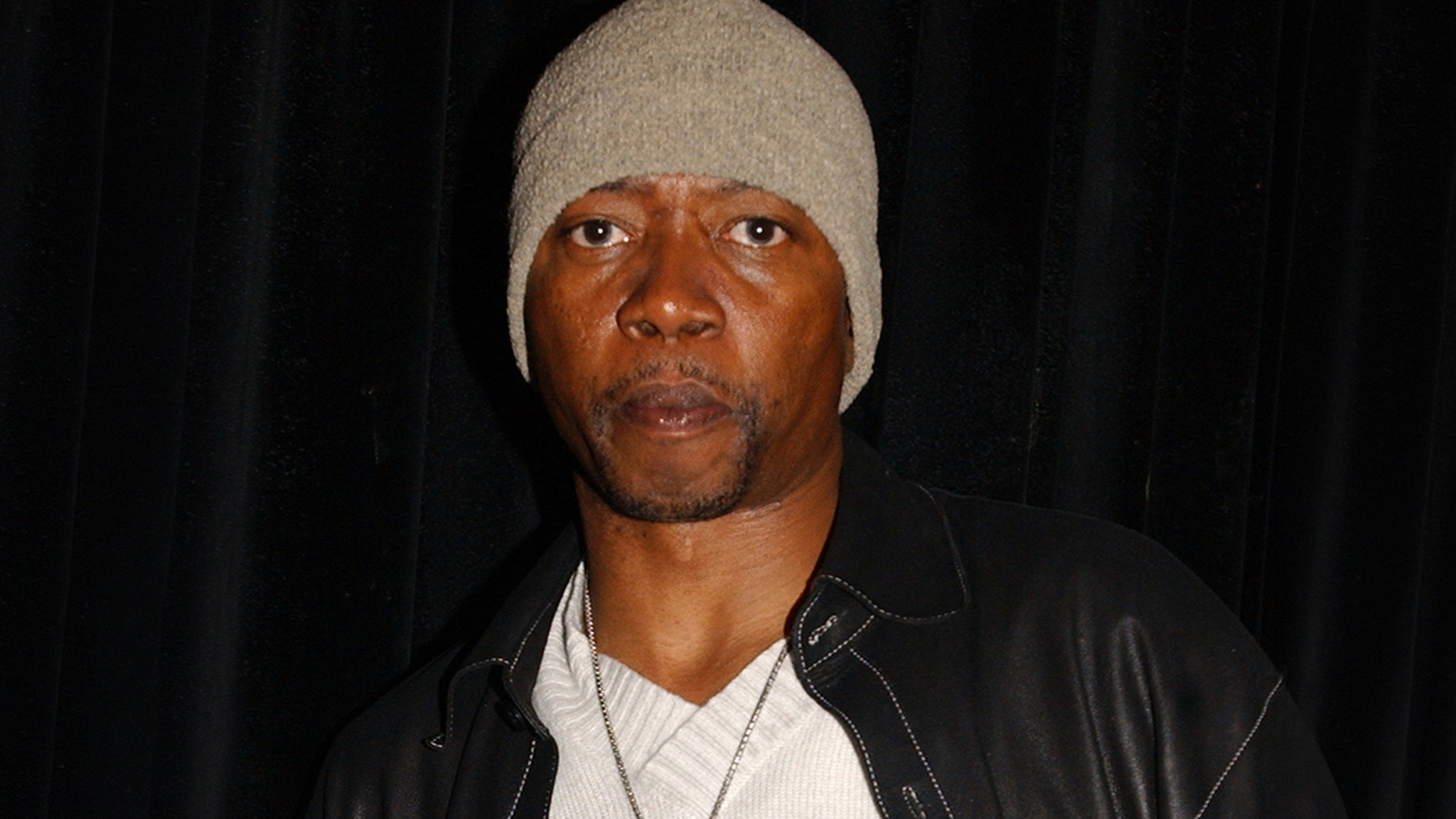
'The Thing' Star T.K. Carter In Bitter Fight With Late Wife's Family When He Died Published April 8, 2026 4:07 PM PDT Actor T.K. Carter was involved in a bitter fight over his late wife’s

Entertainment
Felicity Huffman Says Actress Daughter Is So Good She Takes Advice From Her

Felicity Huffman Says Actress Daughter Is So Good She Takes Advice From Her

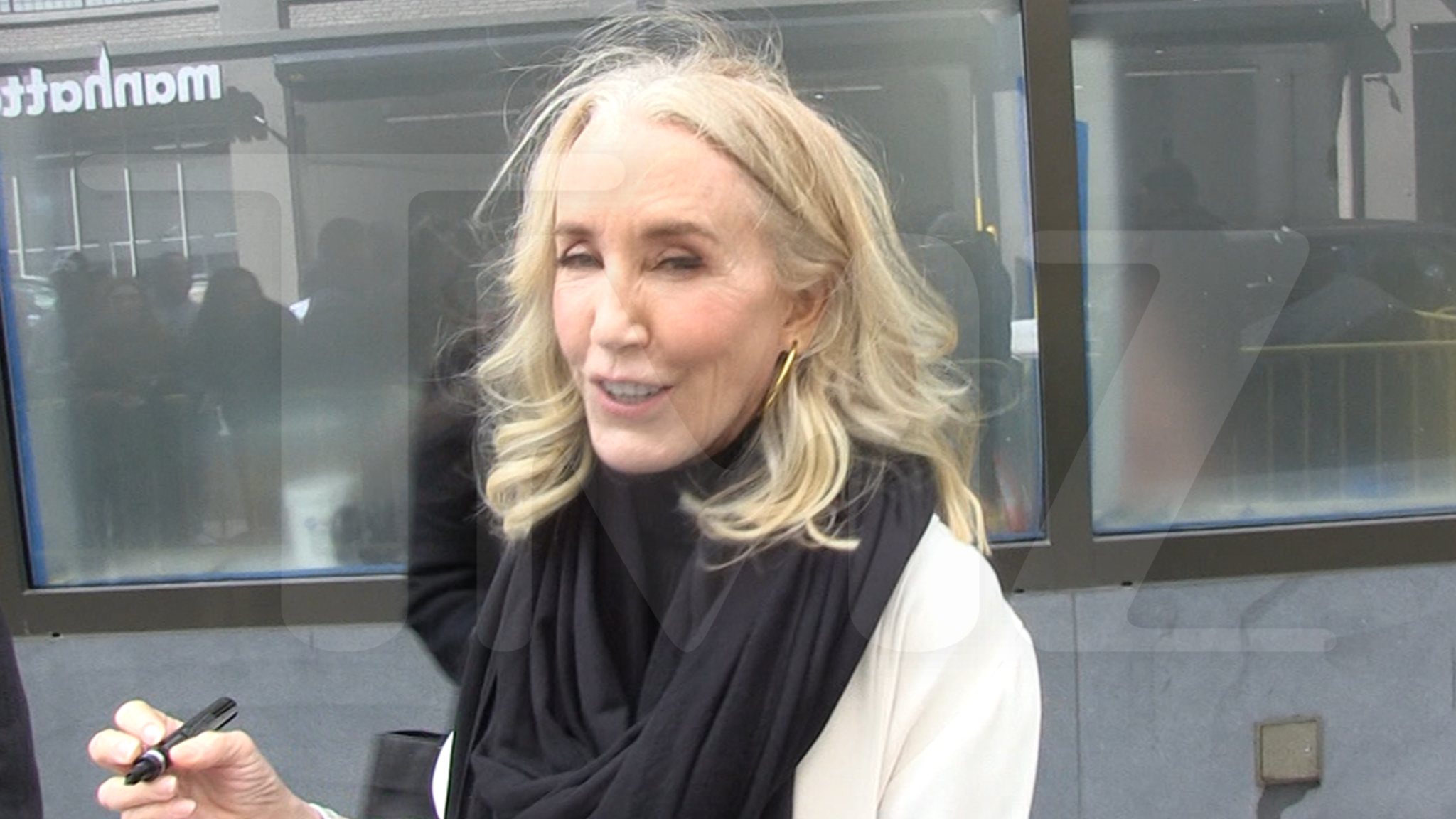
Play video content TMZ.com Felicity Huffman really didn’t need to pull all that college admissions drama for her daughter Sophia Macy -- turns out she’s doing just fine ... actually, better than her! We caught

Entertainment
Shannen Doherty Ex-Husband Ashley Hamilton Hospitalized After Overdose

Shannen Doherty Ex-Husband Ashley Hamilton Hospitalized After Overdose

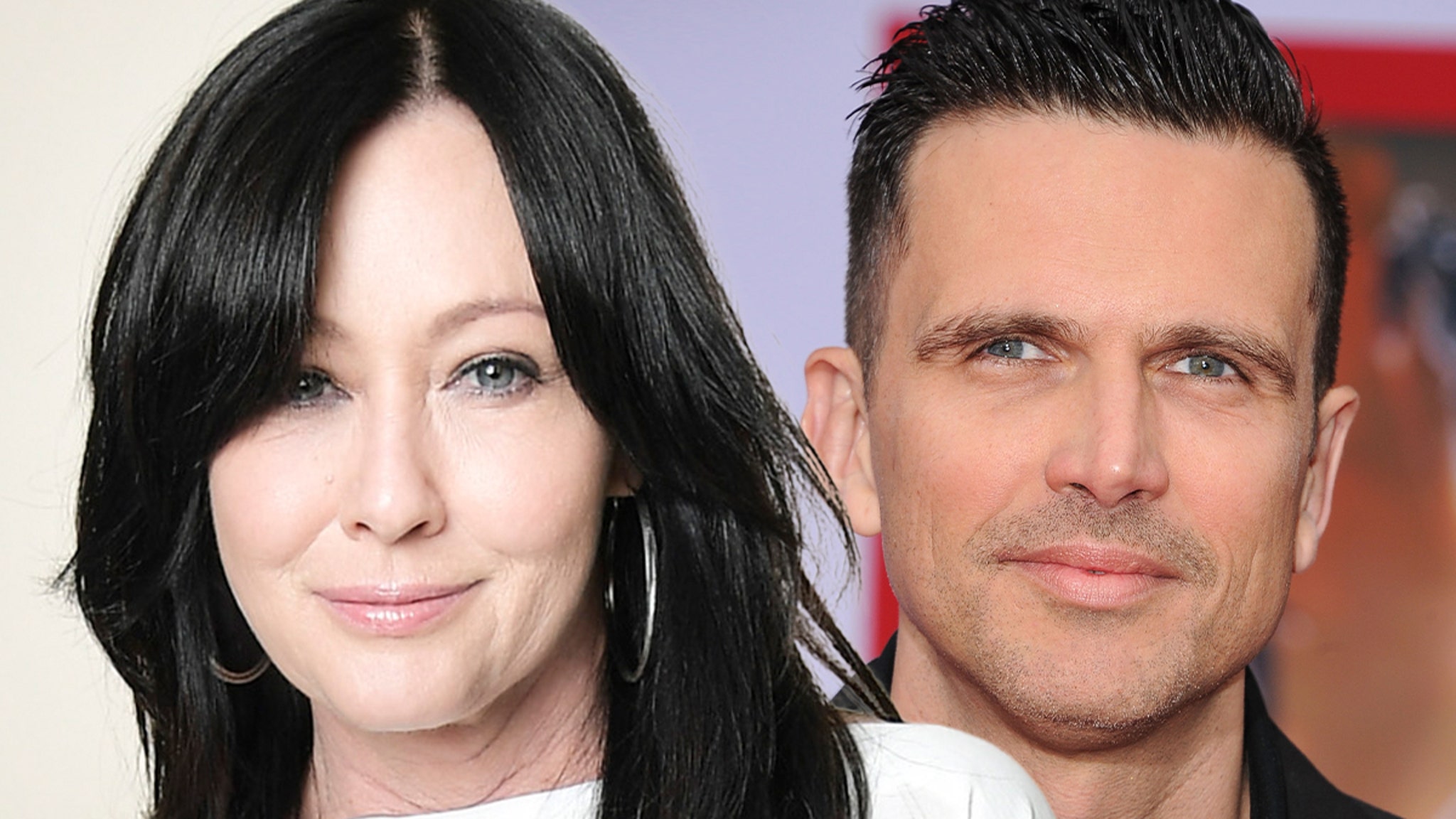
Shannen Doherty's Ex-Husband Ashley Hamilton Hospitalized After OD Published April 8, 2026 2:49 PM PDT Shannen Doherty's ex-husband, Ashley Hamilton, is recovering in a hospital after suffering an apparent overdose ... TMZ has learned. Sources

World
Brazil’s Chief Raoni backs Lula in elections

Brazil’s Chief Raoni backs Lula in elections

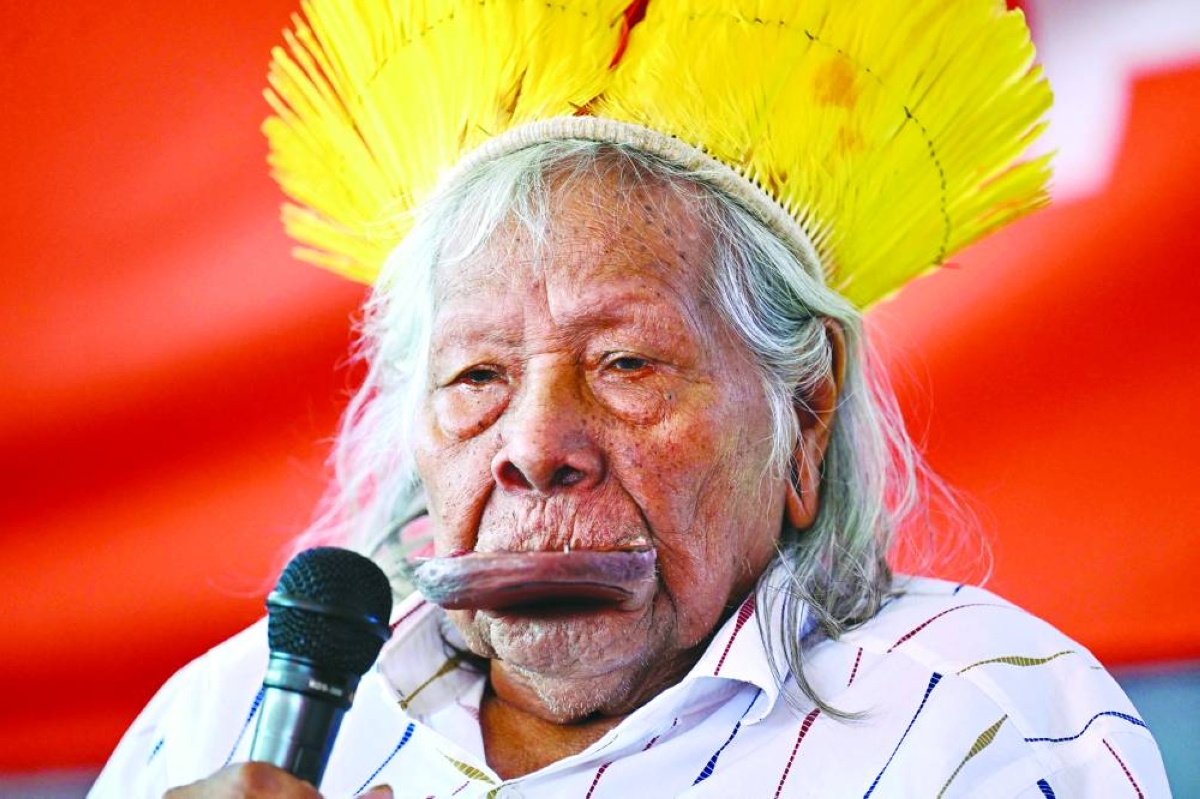
Brazilian indigenous leader Chief Raoni Metuktire of the Caiapo people, speaks during a press conference in Brasilia on Wednesday (AFP) Brazil's renowned Amazonian tribal chief Raoni Metuktire told AFP on Wednesday he supported the re-election bid of President Luiz Inacio Lula da Silva in October polls, despite criticising him for expanding oil exploration.Now in his nineties, the Indigenous leader who has spent decades rallying the world to protect the rainforest has forged close ties with the president, known widely as Lula.At the start of Lula's third term, Raoni — instantly recognisable with his large wooden lip plate — walked alongside him up the ramp of the presidential palace for his inauguration."I am going to support him," in October, Raoni told AFP in the Kayapo language through an interpreter on the sidelines of a gathering of Indigenous people in Brasilia.The Kayapo chief last year said he was prepared to give the president a "talking-to" if he ignored concerns over oil exploration near the mouth of the Amazon River.He demanded the veteran leftist "listen to us... he must respect us."Lula is seeking a fourth term in October and his main rival is Flavio Bolsonaro, son of the far-right former president Jair Bolsonaro whose government froze land demarcations — official recognition of Indigenous land — and facilitated deforestation in the Amazon.Lula "has already demarcated some Indigenous lands, so I support him so that he may continue to be president," said Raoni.Since 2023, Lula has approved the official demarcation of some 20 territories for the exclusive use of Indigenous communities, and has overseen a dramatic decline in deforestation in the Amazon.Nevertheless, he has come under increasing pressure to do more from Indigenous groups who are protesting in Brasilia this week to demand the protection of more of their ancestral lands.In recent months Indigenous groups have also protested the expansion of ports for grain transport along Amazon rivers, as well as plans to build a railway line through the world's largest forest."You non-Indigenous people harbour this destructive mindset of destroying nature and polluting rivers, which is what causes this climate crisis," said Raoni."This harms all of us in Brazil. It is not only Indigenous people who will feel the effects of climate change." 

World
World Bank trims Latin America growth estimate for 2026

World Bank trims Latin America growth estimate for 2026

The World Bank trimmed its estimate for economic growth in ‌Latin America and the Caribbean for 2026, citing ​the region's long-standing structural challenges, ‌compounded by high borrowing costs, weak ‌external demand, geopolitical ⁠tensions and ‌persistent inflation.In its latest ‌Latin America and the Caribbean Economic Update, published on Wednesday, the ⁠World Bank forecast the region to grow 2.1%, below the 2.4% growth recorded in 2025 and lower than the 2.5% growth that the group forecast in October.The report noted that private consumption remains the main driver of demand."The binding constraint is investment, which ​remains subdued as firms wait for clearer signals on the external environment and domestic policy frameworks," the report said. It highlighted Argentina as ‌the regional exception, "as ⁠stabilisation and reforms have ​improved expectations and financial conditions" in the region's ​third largest economy.The World Bank forecast sluggish growth for the region's two largest economies for this year and next, pointing to "slower momentum amid tight domestic financial conditions, limited fiscal space, and trade policy uncertainty."Gross domestic product (GDP) for the region's largest economy, Brazil, is forecast to grow 1.6% this year, before ticking up to 1.8% next year, the report said.Growth in ‌Mexico, where the ‌ongoing review of Mexico's ⁠trade deal with the US and Canada has fuelled ⁠uncertainty and hit investment ⁠flows, is forecast at 1.3% in 2026, before rising to 1.7% next year.On the upside, the region has significant untapped potential for future growth, the World Bank said, emphasising that the region possesses roughly half of the world's lithium ​reserves, a third of its copper, a clean energy mix and ongoing reform efforts in several nations.The report advises countries in the region against jumping straight to complex industrial policies to harness that potential. Instead, it urges governments to focus on "getting the basics right first," such as investing in skills, maintaining open economies and strengthening institutions to create ‌an environment ​where businesses can thrive, ultimately creating quality jobs.  Related Story

World
Corruption,crime top voter concerns in Peru election

Corruption,crime top voter concerns in Peru election

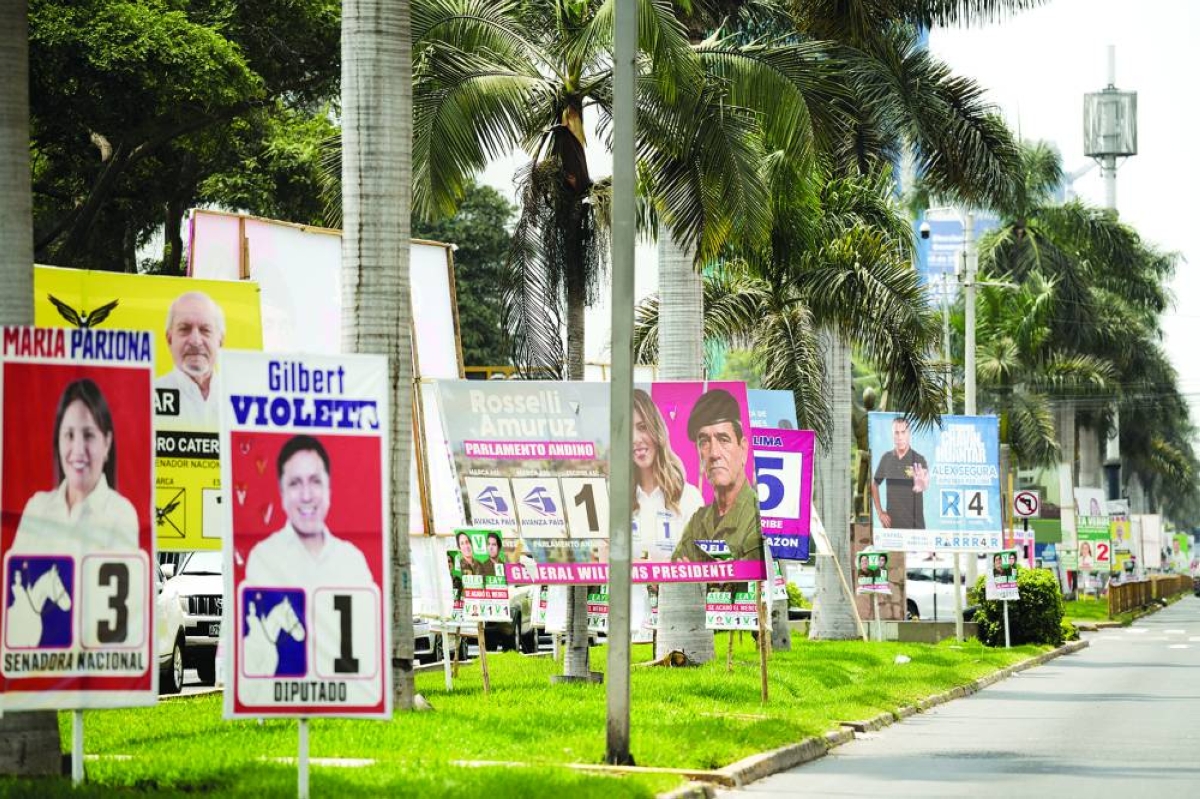
Peruvians head to the polls on April 12, ‌hoping to break a cycle of political turmoil that has prevented any president ​from completing a full term ‌over the past decade, amid corruption scandals, rising crime and voter frustration.About 27mn Peruvians are ⁠eligible to vote ‌for a new president and a newly ‌reinstated bicameral congress. Polling stations open at 0700 local time (1200 GMT) on Sunday and close at ⁠1700, when paper ballots measuring nearly half a meter (44 centimeters)-the longest in the country's history-will then be counted.In a busy Lima suburb, campaign posters for dozens of presidential hopefuls crowd roundabouts and lamp posts as a record 35 candidates vie for attention.'I've seen the ballot and it honestly gave me a headache,' said shopkeeper Marlene Jimenez. 'I don't know who to vote for.'Opinion polls suggest right-wing candidate Keiko Fujimori holds a narrow lead ​ahead of Sunday's vote. She is closely followed by at least three contenders-including two former mayors of Lima, the ultra-conservative Rafael Lopez Aliaga and media entrepreneur Ricardo Belmont, and political outsider, Carlos Alvarez, a former ‌comedian.None of the candidates poll ⁠above 15%, making ​a runoff on June 7 almost certain, analysts said. The three candidates trailing Fujimori, ​daughter of late former president Alberto Fujimori, are also in a technical tie, said Urpi Torrado of polling firm Datum Internacional.'There are four days to go (until Sunday), and the story can change,' Torrado said.The high number of undecided voters means that the second tier of candidates 'cannot be ignored', said Nicolas Watson at consultancy Teneo, even if they only garner 4.5-6% support.Surveys suggested about 13% of voters remained undecided.For many Peruvians, the fragmented contest reflects deeper institutional decline. The country has cycled through eight presidents since 2018, as leaders were either impeached, jailed or forced from ‌office.These elections could mark a ‌break from this cycle of instability, or 'keep ⁠us trapped in it', said political analyst Fernando Tuesta.The fight against corruption is a prominent ⁠campaign theme. Four former presidents are ⁠currently in prison, most linked to bribery cases that involved Brazilian construction firm Odebrecht. Alberto Fujimori served 16 years in jail for human rights abuses and died in 2024 after being released on humanitarian grounds.Crime, however, now rivals-and in many cases surpasses- corruption as the top voter concern.Peru was not traditionally associated with organised crime, but homicide and extortion have surged, particularly hitting transport workers ​and small businesses, said professor Paula Munoz at Lima's Universidad del Pacifico.Official data shows extortion cases were up nearly 20% last year, and homicide rates reached new records.The rise has fuelled support for tougher, populist responses on the right, Munoz said, reflecting a broader Latin American trend in which crime is increasingly seen as an issue best handled by hardline leaders, like El Salvador's President Nayib Bukele.Proposals by some candidates include deploying troops, reinstating the death penalty, withdrawing from international human rights courts, and allowing magistrates handling criminal cases to remain ‌anonymous that would reinstate ​the country's so-called 'faceless judges,' which Peru has not had since 1997. 

World
Indonesia probes torpedo-like object found in its waters

Indonesia probes torpedo-like object found in its waters

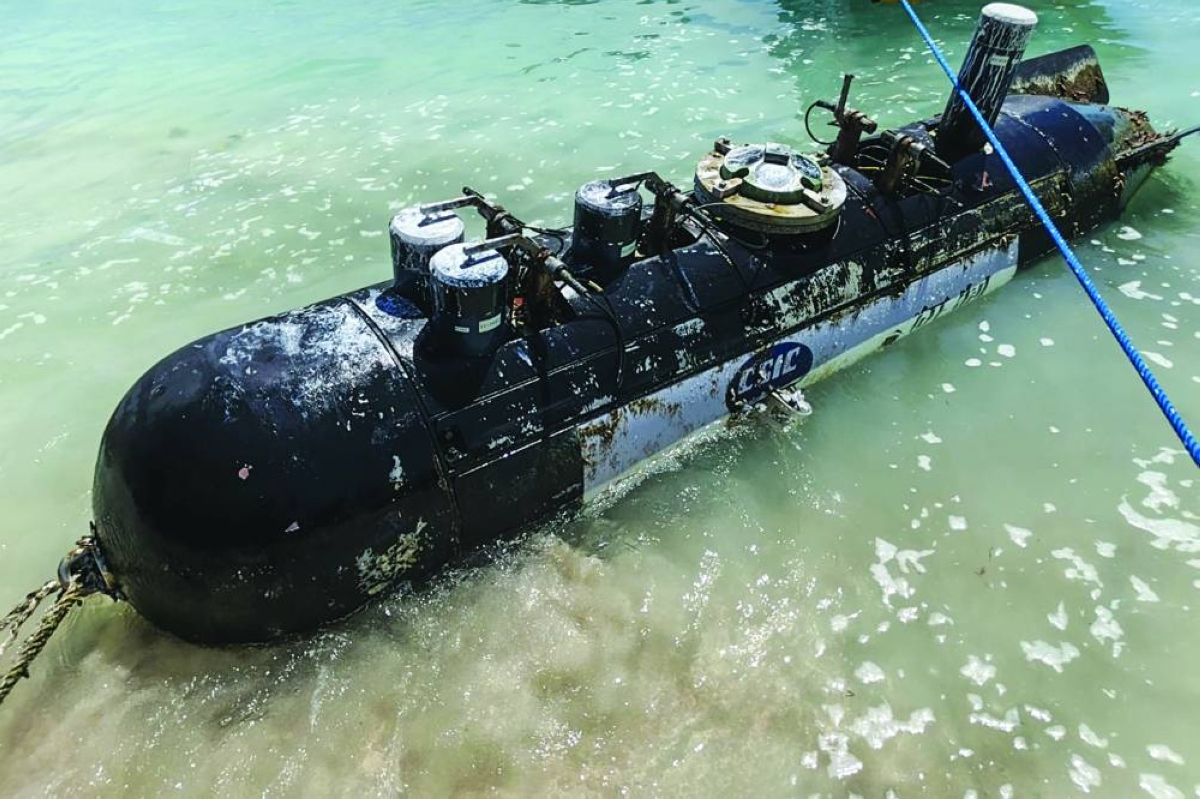
A torpedo-like 3.7m-long and 65cm-wide object, discovered by a fisherman near the Lombok Strait after being towed ashore onto a beach on Gili Trawangan, West Nusa Tenggara. (AFP) The Indonesian navy said Thursday it was investigating a torpedo-like object discovered by a fisherman near the Lombok Strait, a key maritime route connecting the Indian and Pacific Oceans.The 3.7m-long and 65cm-wide object was fished from the ocean on Monday about 10km from the popular tourist island of Gili Trawangan, West Nusa Tenggara, the navy said.A 28-year-old fisherman immediately reported the unusual find to the local authorities, who retrieved it."The Indonesian navy will promptly carry out an in-depth examination... of the device to determine its origin, function, and the data contained within it," navy spokesman Tunggul, who like many Indonesians has only one name, told AFP."The Indonesian National Armed Forces will remain fully committed to safeguarding the sovereignty and security of Indonesia's territorial seas from all forms of unauthorised activities, including the use of underwater devices or equipment by unauthorised parties in Indonesian waters."Mataram naval base chief Asep Tri Prabowo told reporters Wednesday the object was under strict supervision and would be sent to Jakarta for further investigation.An initial examination by the West Nusa Tenggara Police's bomb squad confirmed it did not contain any explosive or radioactive substances, he added.Indonesian media reported that lettering on the object suggested it may have been manufactured by the China Shipbuilding Industry Corporation. It appeared to be a device to measure the speed of currents.This was not the first time a foreign object has been found in Indonesian waters.In 2021, a fisherman discovered a seaglider in the Selayar Islands, South Sulawesi that the military suspected was being used for oceanographic research. 

World
Taiwan opposition leader talks peace with China as her party skips defence talks in Taipei

Taiwan opposition leader talks peace with China as her party skips defence talks in Taipei

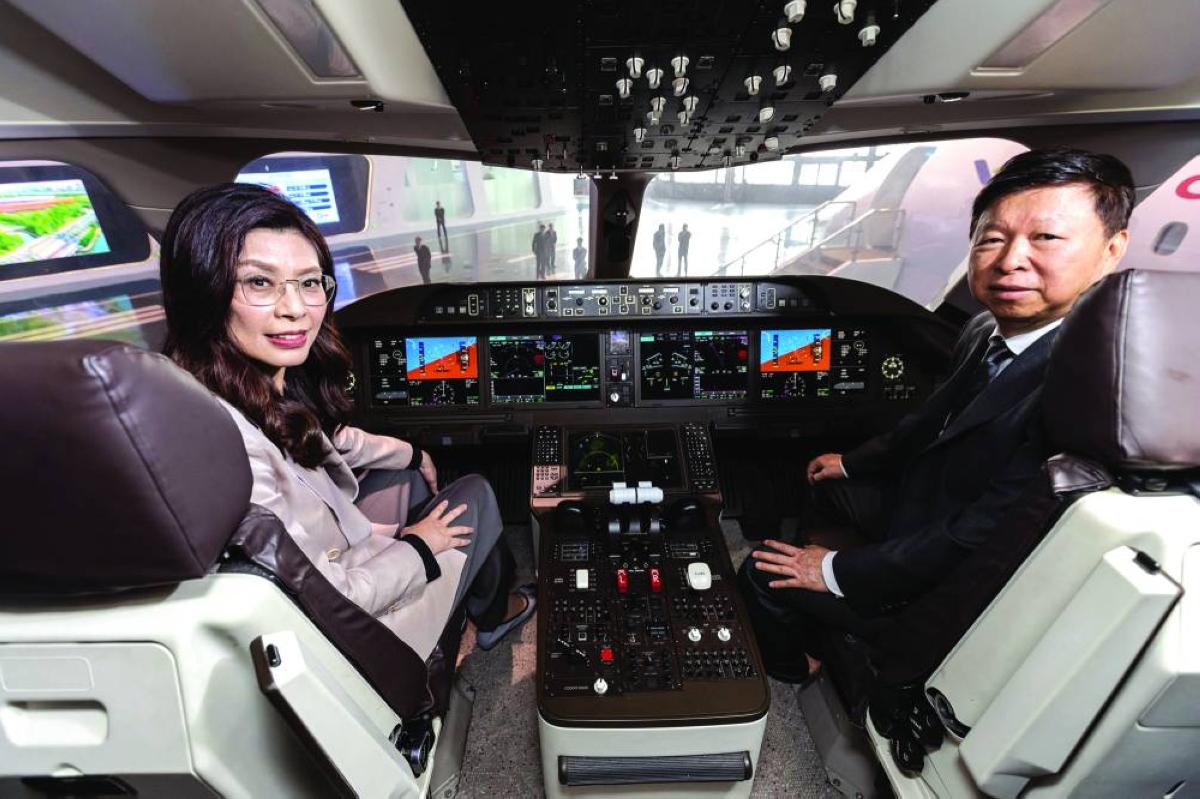
Kuomintang Chairperson Cheng Li-wun (left) sitting in the cockpit of a display aircraft with Song Tao, Director of the Taiwan Work Office of the Communist Party of China Central Committee and Taiwan Affairs Office of

Opinion
From Australia to Europe, countries move to curb children’s social media access

From Australia to Europe, countries move to curb children’s social media access

Australia in December became the world’s first country to ban social media for children under 16, blocking them from platforms including TikTok, Alphabet’s YouTube and Meta’s Instagram and Facebook. The ban comes amid mounting concerns over the impact of social media on children’s health and safety. Here is a summary of what countries and companies are doing to regulate access to social ‌media. Austria will ban social media for children up to ‌the age of 14, the conservative-led, three-party government said on March 27. Vice ‌Chancellor Andreas Babler and junior digitisation minister Alexander Proell said draft ‌legislation for the ban would be finalised by June. Similarly, Britain is considering an Australia-style ban on social media and tighter AI chatbots safety rules for children under 16 as early as this year, technology minister Liz Kendall said in February. Social media bans, curfews and app time limits will be tested in the homes of 300 teenagers to gauge the impact on children’s sleep, family life and schoolwork, the government said on March 24. In Asia, China’s cyberspace regulator has put in place a so-called “minor mode” programme that requires device-level restrictions and app-specific rules to restrict screen time depending on age. In the Indian state of Karnataka, home to the tech hub of Bengaluru, on March 6 became the first Indian state to ban social media for children under 16. Neighbouring states of Goa and Andhra Pradesh are also weighing restrictions. India’s chief economic adviser called for age restrictions on social media platforms in January, describing them as “predatory” in how they keep users engaged online. Indonesia will restrict access to social media platforms for children under 16, its communications and digital ministry said on March 6. From March 28, accounts owned by children under 16 on “high risk platforms”, including TikTok, Facebook, Instagram and Roblox , will be gradually deactivated, Communications and Digital Minister Meutya Hafid said. France’s National Assembly in January approved legislation to ban children under 15 from social media amid growing concerns about online bullying and mental health risks. The bill needs to pass through the Senate before a final vote in the ‌lower house. In Germany, minors aged 13-16 are allowed to use social media only if their parents ​provide consent. But child protection advocates say controls are insufficient. Greece will ban access to social media for children under the ​age for 15 from January 1, 2027, Prime Minister Kyriakos Mitsotakis said on April 8. Children under the age of 14 in Italy need parental consent to sign up for social media accounts, while no consent is required above that age. Malaysia said in November it would ban social media for users under the age of 16 starting from 2026. Spain will ban access to social media for minors ​under 16 and platforms will be required to implement age verification systems, Prime Minister Pedro Sanchez said early in February. It was unclear if the proposed ban would require approval by the country’s highly fragmented lower house. The Children’s Online Privacy Protection Act in the US prevents companies from collecting personal data from children under 13 without parental consent. Several states have passed laws requiring parental consent for minors to access social media, but they have faced court challenges on free speech grounds. The European Parliament in November agreed on a resolution, which is not legally binding, calling for a minimum age of 16 on social media. It urged a harmonised EU digital age limit of 13 for social media access and an age limit of 13 for video-sharing services and “AI companions”. Social media platforms including TikTok, Facebook and Snapchat say people need to be at least 13 to sign up. Child protection advocates ‌say the controls are insufficient, and official data ​in several European countries shows huge numbers of children under 13 have social media accounts.