Actress Nadia Farès Dead at 57
Actress Nadia Fares Dead at 57 ... Reportedly Found Floating Unconscious in Pool Published April 18, 2026 4:18 PM PDT Nadia Farès -- a popular French actress -- has died several days after reports say
Play video content WrestleMania 42 is underway, and TMZ’s "Inside The Ring" podcast is on the ground in Las Vegas ... catching up with all of the WWE superstars, including the G.O.A.T. John Cena! Yes,
Justin Theroux is a father! He and wife Nicole Brydon Bloom announced on Instagram Saturday they welcomed their first child together -- a baby boy! They did not reveal his name. The pair announced the
Celeste Rivas' Dad 'Thank God' Cops Arrested D4vd Published April 18, 2026 3:02 PM PDT Celeste Rivas' family wants justice for their slain teenager ... and, according to their attorney, D4vd's arrest makes them feel
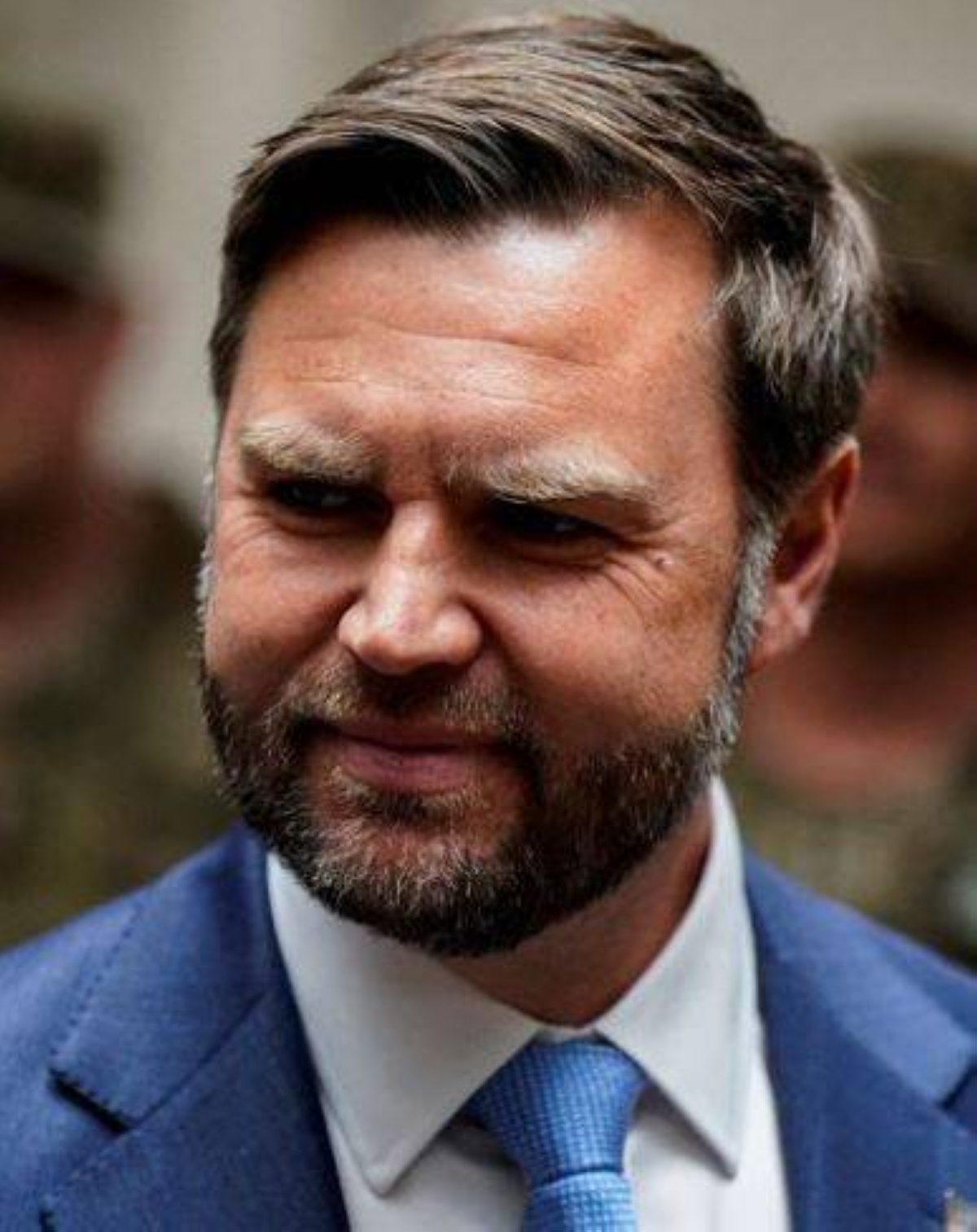
US Vice President JD Vance will lead the US delegation for talks with Iran in Pakistan, a White House official said Sunday — shortly after President Donald Trump said he would not make the trip.Early in the day, Trump announced he was sending negotiators to Islamabad for meetings with Tehran about ending the conflict that has raged in the Middle East, with a ceasefire soon set to expire.The president however said Vance — who led the last round of talks with Tehran in Islamabad, but came away with no deal — would not make the trip, citing security concerns."It's only because of security," Trump told ABC News. "JD's great."But the White House quickly flipped the script, when asked about those comments.Vance, special envoy Steve Witkoff and Trump's son-in-law Jared Kushner will attend the talks, a White House official told AFP on condition of anonymity.The trio were on hand last time around on April 11-12. Related Story
The idea that children go “online” is already outdated.For most young people today, there is no meaningful distinction between online and offline life. Their friendships unfold across group chats, their sense of identity is shaped
European allies fear an inexperienced US negotiating team is pushing for a swift, headline-grabbing framework deal with Iran that could entrench rather than resolve deeper problems, diplomats with past experience dealing with Tehran said.They worry that Washington, eager to claim a diplomatic win for President Donald Trump, could lock in a superficial agreement on Iran’s nuclear programme and sanctions relief, then struggle through months or years of technically complex follow-on talks.“The concern isn’t that there won’t be an agreement,” said a senior European diplomat, who has previously worked on the nuclear file or continue to do so. “It’s that there will be a bad initial agreement that creates endless downstream problems.”Diplomats from France, Britain and Germany – which began negotiating with Iran in 2003 – say that they have been sidelined.From 2013 to 2015, the three worked with the US to secure a deal on curbing Iran’s nuclear programme in exchange for sanctions relief, known as the Joint Comprehensive Plan of Action (JCPOA).Trump withdrew from the accord – the signature foreign policy agreement of his predecessor Barack Obama – in 2018, during his first term, calling it “horribly one-sided”.After 40 days of airstrikes, US and Iranian negotiators opened talks in Islamabad earlier this month, again focused on the familiar trade-off of nuclear restrictions for economic relief.There were some signs in the Pakistani capital yesterday of preparations for a resumption of face-to-face negotiations.Diplomats say that deep mistrust and sharply different negotiating styles raise the risk of a fragile framework neither side can sustain politically.“It took us 12 years and immense technical work,” said Federica Mogherini, who co-ordinated the talks from 2013 to 2015. “Does anyone seriously think this can be done in 21 hours?”The diplomats said that a skeletal agreement may be achievable, built around a nuclear package and an economic package.“The Americans think you agree on three or four points in a five-page document and that’s it, but on the nuclear file, every clause opens the door to a dozen more disputes,” a second European diplomat said.Talks are focusing on Iran’s stockpile of roughly 440kg (970 pounds) of uranium enriched to 60%, material that could be used for several nuclear weapons if further enriched.The favoured option is “downblending” inside Iran under International Atomic Energy Agency (IAEA) supervision.Another is a hybrid approach, with some material shipped abroad.“Whatever happens now is only a starting point,” said a diplomat previously involved in nuclear talks. “That’s why the 2015 JCPOA ran to 160 pages.”Beyond stockpiles lies the deeper dispute over Iran’s right to enrich uranium at all: Trump has publicly pushed for zero enrichment, while Iran insists it has the right to enrich uranium for civilian purposes and denies seeking a bomb.One possible compromise would be a temporary moratorium followed by resumption at very low levels under strict conditions.Europeans stressed that a central role for the IAEA, including intrusive verification and unrestricted access, was essential.“A negotiation with Iran is meticulous and subtle: every word matters,” said Gérard Araud, France’s chief negotiator from 2006 to 2009. “That’s not something you rush.”The economic track focuses on lifting sanctions and unfreezing Iranian assets.In the short term, Iran wants access to frozen funds overseas.Broader sanctions relief would come later and require European buy-in, diplomats said.Officials say Washington is again separating an agreement in principle from its painstaking follow-up, an approach they say risks misreading Iranian political culture.“These talks aren’t a real-estate deal settled with a handshake,” said a senior regional diplomat briefed by Tehran, referring to the background of Trump’s main negotiators Steve Witkoff and Jared Kushner. “They involve sequencing, sanctions relief and reciprocal nuclear steps.”“There’s simply not enough expertise in this US team,” said one European official, noting that roughly 200 diplomats, financial and nuclear experts were involved in the 2015 talks. “We’ve worked on this file for two decades.” – Reuters

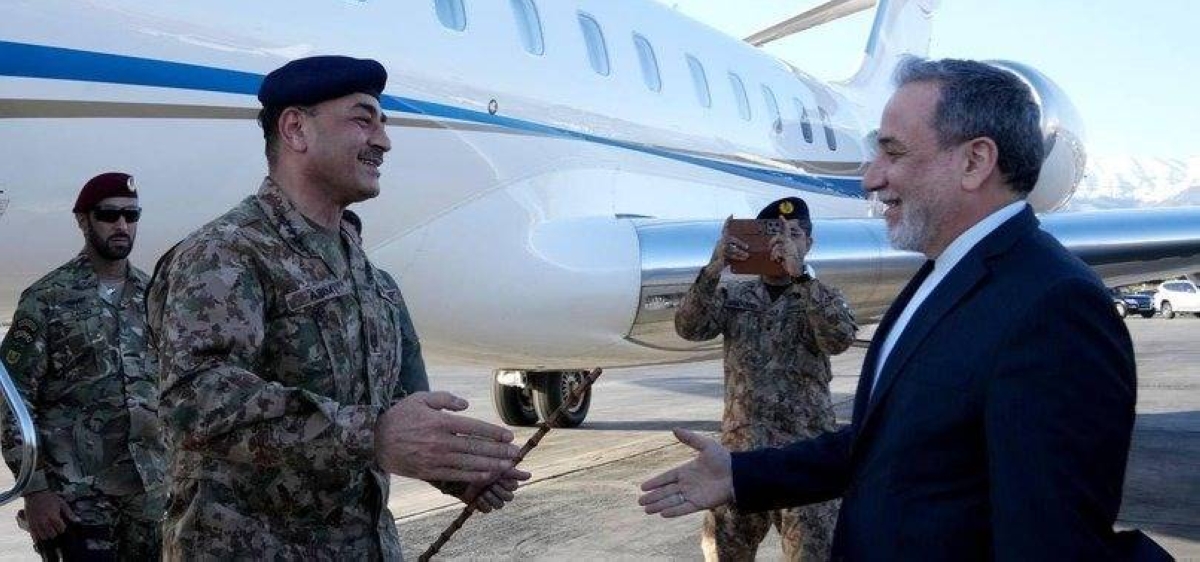
Pakistan’s powerful military chief and prime minister concluded yesterday separate visits aimed at ending the Iran war, with Field Marshal Asim Munir leaving Tehran and premier Shehbaz Sharif headed home from Turkiye. Munir met Iran’s top leadership and peace negotiators during a three-day visit to Tehran, a Pakistani military statement said. The visit showed Pakistan’s “unwavering resolve to facilitate a negotiated settlement... and to promote peace, stability, and prosperity”, the military said ahead of expected US-Iran talks in Islamabad in the coming days.The Pakistani military chief held negotiations with the country’s president, foreign minister, parliament speaker and the head of Iran’s military central command centre. Parliament speaker Mohammad Bagher Ghalibaf and Foreign Minister Abbas Araghchi led the Iranian delegation to Islamabad for peace talks with the US last week, the highest level face-to-face contact between the two countries in decades. Those talks ended without an agreement, but diplomacy continued thereafter, with Pakistan’s prime minister undertaking a three-country tour to Saudi Arabia, Qatar and Turkiye to push the peace process. That visit also concluded yesterday, with Sharif and Foreign Minister Ishaq Dar departing a diplomacy forum in Antalya, according to statements from both officials. A second round of talks between the United States and Iran is expected in Islamabad this coming week. In Tehran, “the Field Marshal underscored the need for dialogue, de-escalation, and peaceful resolution of outstanding issues through sustained diplomatic engagements”, the Pakistani statement said.
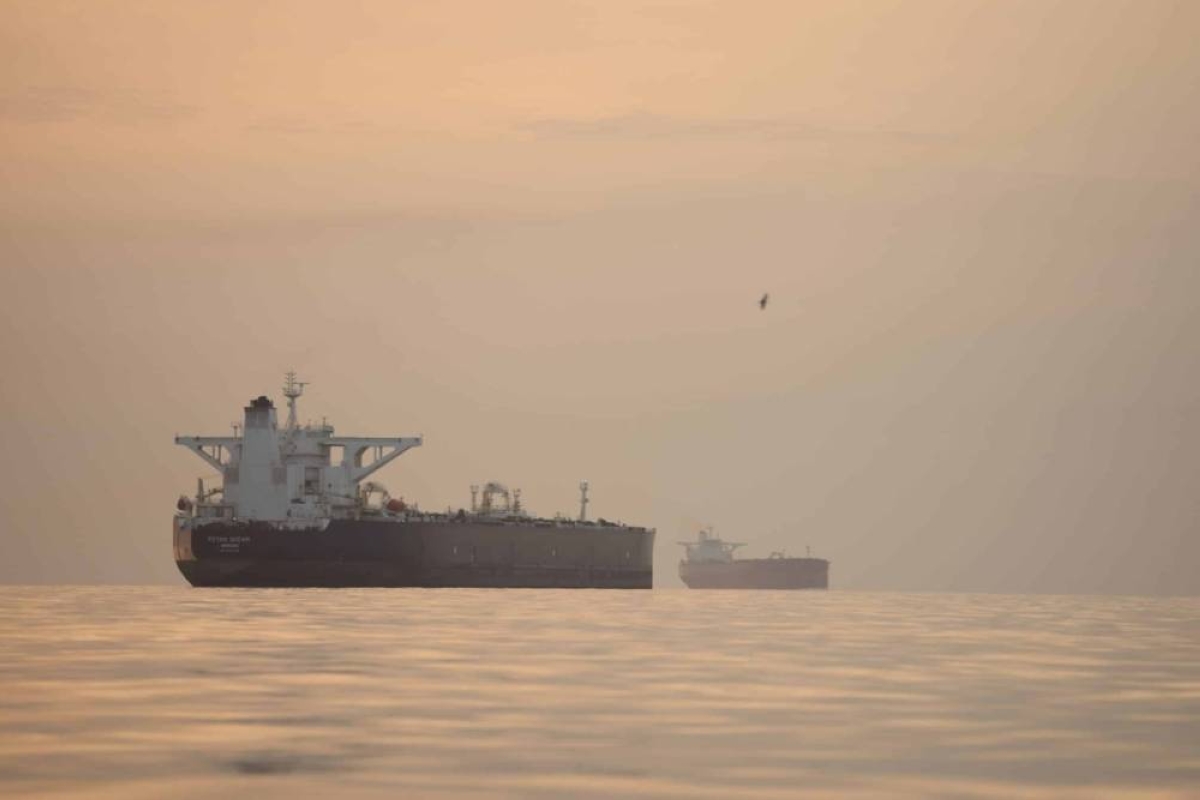
New Delhi summoned the Iranian ambassador yesterday to lodge a protest over a “shooting incident” involving two Indian-flagged ships in the Strait of Hormuz, the foreign ministry said. Iran has reversed its pledge to reopen the strategic trade route to commercial traffic during a ceasefire in the Middle East war in protest at a US counter-blockade of the waterway, a crucial passage for crude oil and gas.Security monitors said several commercial ships came under fire and threats from Iranian forces yesterday as they tried to cross the strait. India’s foreign ministry said in a statement that Secretary Vikram Misri summoned the Iranian ambassador and “conveyed India’s deep concern at the shooting incident earlier today involving two Indian-flagged ships in the Strait of Hormuz”. New Delhi also urged Iran to “resume at the earliest the process of facilitating India-bound ships across the Strait”, the statement said, adding that the envoy “undertook to convey these views to the Iranian authorities”. Monitoring site TankerTrackers.com said in post on X that “two Indian vessels were forced back west out of the Strait of Hormuz by Iran’s Sepah (IRGC) Navy”, adding one of the vessels was “an Indian-flagged VLCC supertanker carrying 2 mn barrels of Iraqi oil”. India, the world’s second-largest buyer of liquefied petroleum gas, has managed to secure passage for several Indian-flagged vessels in recent weeks. India imports about 60% of its LPG needs and has been grappling with a gas crunch since the war in the Middle East began on February 28. New Delhi maintains strong relations with Tehran but has steadily expanded co-operation with Iran’s rival Israel in defence, agriculture, technology and cybersecurity.
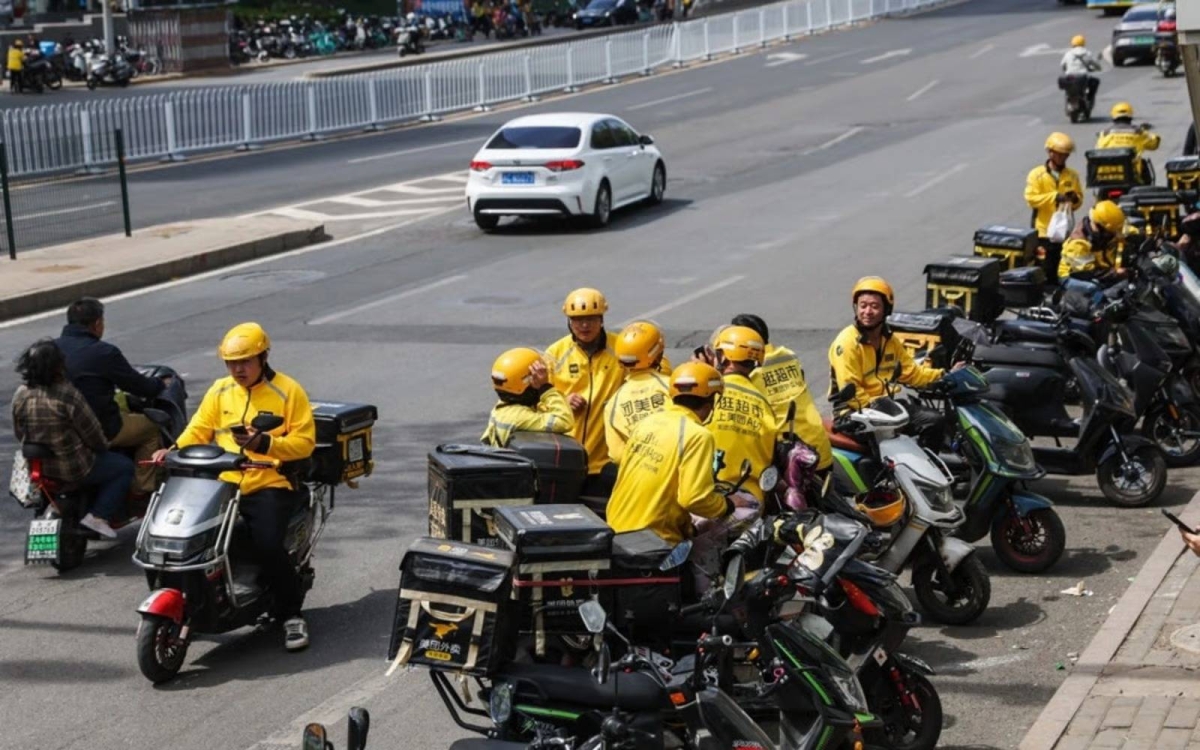
China has issued fines totalling 3.6bn yuan ($527mn) to seven major e-commerce platforms for food safety violations, the State Administration for Market Regulation (SAMR) said on Friday. The regulator said platforms, including Alibaba-owned Taobao, JD.com, Meituan, Temu-owner Pinduoduo and Douyin — China’s version of TikTok — had failed to check the licenses of stores on their apps and allowed “ghost food deliveries” from unverified vendors. SAMR said in a statement it had “ordered seven e-commerce platforms to rectify their illegal activities... and imposed fines and confiscations totalling 3.597bn yuan”.The legal representatives of the companies were also fined a total of 19.7mn yuan ($2.9mn), the market regulator said. An investigation showed the platforms had “not strictly reviewed and checked the licenses of food operators entering their networks, and failed to fulfil the obligation of qualification review in accordance with the law,” SAMR said. They had also signed agreements with order-transfer platforms, which infringed on consumers’ rights, SAMR said.