admin
admin 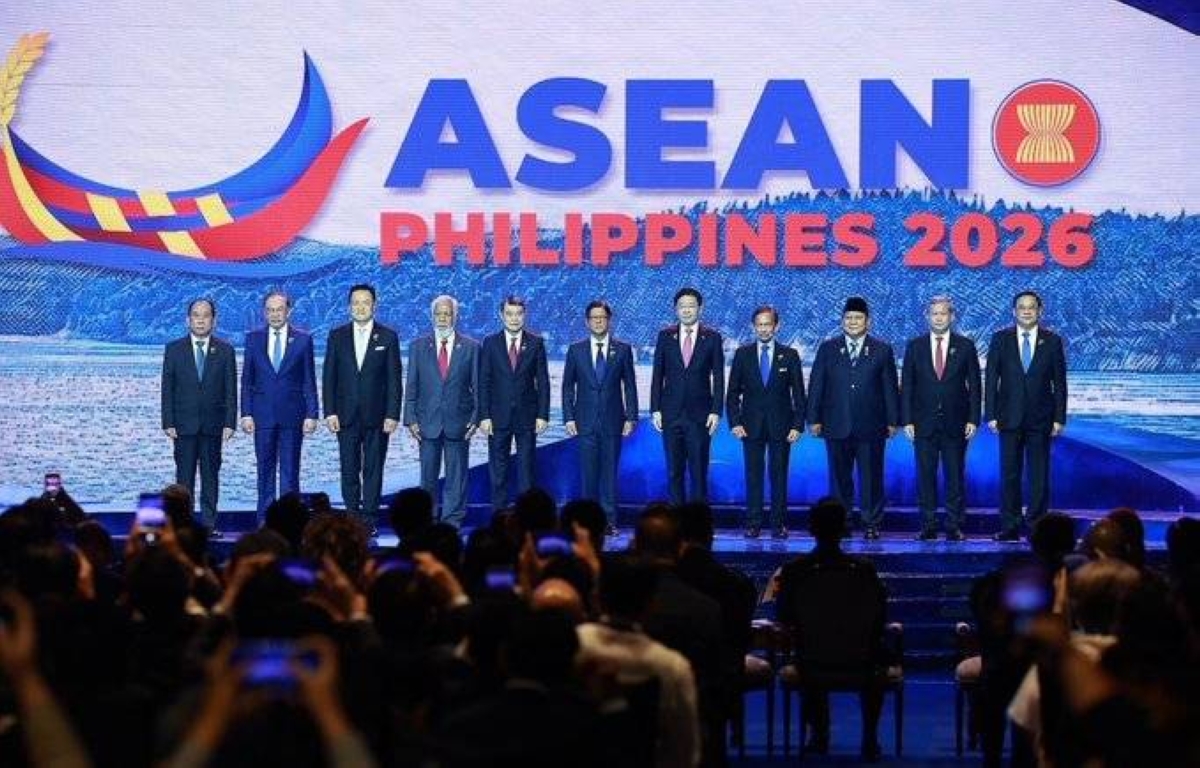
Leaders of the Association of Southeast Asian Nations (ASEAN) today adopted an emergency plan aimed at mitigating the impact of the war in the Middle East on their populations and economies, while acknowledging that implementing complex measures such as establishing a regional fuel reserve to ensure stable supplies would be difficult.
During the opening of the annual ASEAN leaders' summit in Cebu, President of the Phillippines Ferdinand Marcos Jr. said that the highly volatile situation in the Middle East would affect the Asian region, making it necessary to remain flexible in confronting uncertainty that threatens livelihoods, living standards, and lives.
He noted that ASEAN's emergency plan calls for measures including ratifying an agreement paving the way for coordinated fuel-sharing during emergencies, planning for a regional electricity grid and a shared fuel reserve, diversifying crude oil sources in the region, encouraging the use of electric vehicles, and studying the potential use of new technologies, including nuclear energy for civilian purposes.
Marcos stressed that emergency measures would be implemented immediately, but said that establishing a regional fuel reserve and a unified power grid would be complicated and could take a long time. He questioned whether the fuel reserve would be located in one place or distributed across ASEAN countries.
He also pointed out that the idea of creating a regional electricity network allowing countries to exchange power had been discussed for years, but had so far only been implemented on a relatively limited scale, while emphasizing that leaders had not abandoned the project.
The 11 ASEAN member states rely heavily on oil imports from the Middle East, with more than 55% of the region’s crude oil imports coming from the area. This leaves them vulnerable to supply disruptions, especially as the continued closure of the Strait of Hormuz severely affects energy security in Southeast Asia.