admin
admin 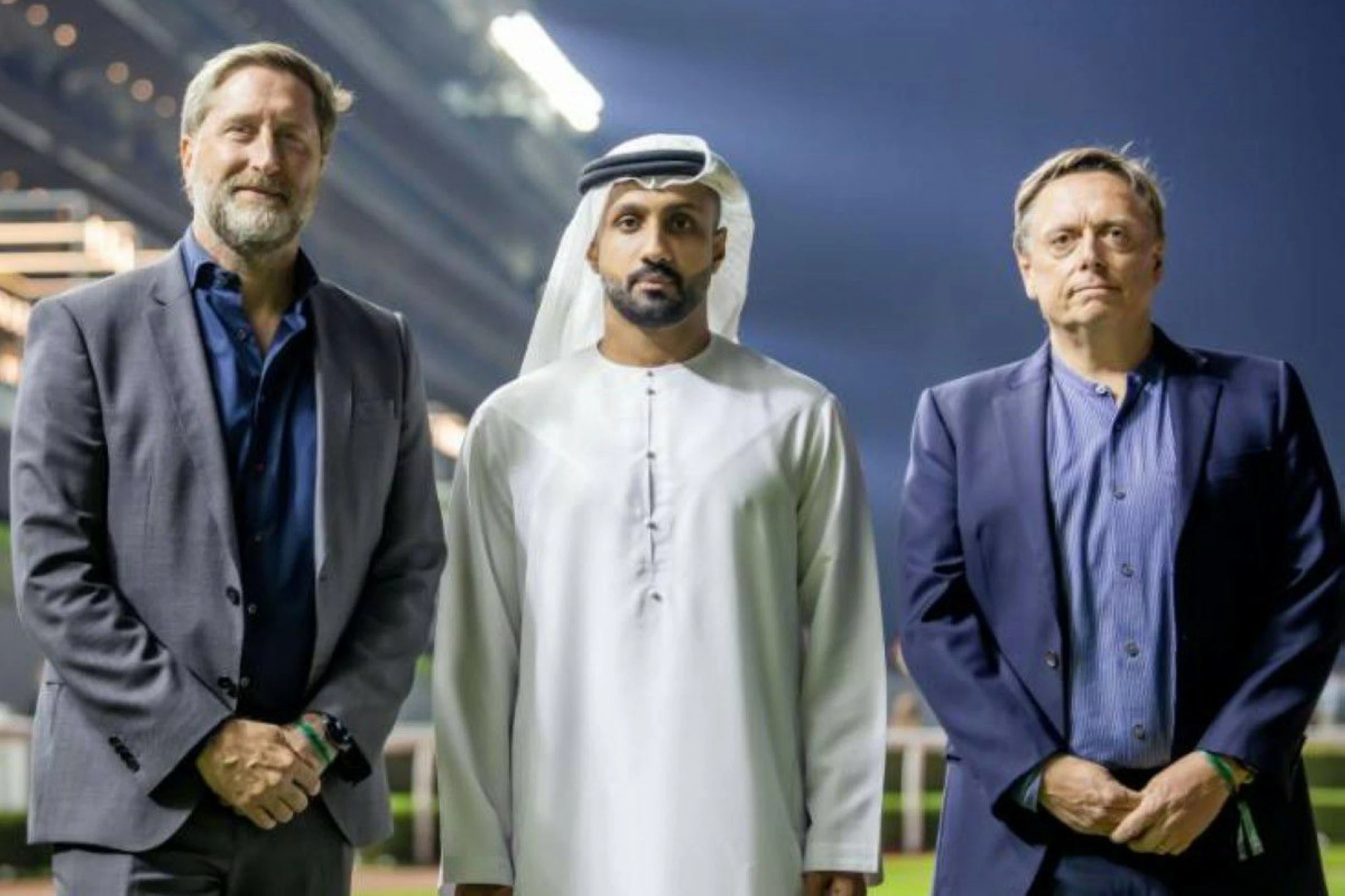
Horse racing in Dubai is more than just a sport — it’s a cultural institution, steeped in heritage and recognized worldwide.
Building on that legacy, a new partnership between Tokinvest and Dubai Racing Club is bridging tradition with innovation in a way that could redefine participation in the sport.
Dubai Racing Club has long championed the future of horseracing, aiming to broaden access, support existing owners, and ensure the UAE remains at the forefront of global racing innovation.
Scott Thiel, CEO and Founder of Tokinvest, said: Horseracing in Dubai isn’t just a sport, it’s part of the cultural fabric of the region, with a long-standing heritage and global significance. That’s exactly why this partnership with Dubai Racing Club is so important.
Dubai Racing Club has a clear vision for the future of the sport: broadening access, supporting existing owners, and ensuring Dubai remains at the forefront of innovation in global horseracing. Tokinvest’s role is to provide the technology-enabled and regulated platform to support that vision.”
Tokinvest brings to the table a technology-enabled and fully regulated platform to make that vision a reality. Through Dubai Digital Syndication, this initiative doesn’t change the essence of horseracing; it enhances it.
“At a simple level, tokenisation allows ownership in a racehorse to be divided into smaller, structured interests. Instead of a single owner carrying the full cost and risk, participation can be shared across a wider group within a regulated framework,” Thiel added.
“What’s important is that nothing changes about the underlying asset it’s still a physical racehorse, trained and managed in exactly the same way. The difference is in how participation is structured.
That shift makes it easier to access while maintaining transparency and oversight, which is critical when you’re dealing with both investors and a sport with a long-standing heritage.”
By introducing a modern, structured ownership model, the platform allows more people to participate without compromising the integrity or standards of the sport. Owners retain full control over their horses and racing decisions, while new participants can join in a more flexible, shared structure. It’s a careful balancing act—honoring tradition while embracing the opportunities of modern technology.
At the heart of this innovation is tokenisation. By dividing ownership into smaller, structured units, tokenisation reduces the financial burden and risk on individual owners while maintaining complete transparency. The racehorse itself remains unchanged—trained and managed as before—but now participation can be shared, regulated, and more accessible. It’s an elegant way to open the sport up to a wider audience while safeguarding its long-standing heritage.
The impact is twofold. For existing owners, it provides flexibility in managing capital and risk, allowing them to bring in additional participants without losing control over key decisions. For newcomers, it offers a gateway into a sport that has traditionally been exclusive—turning spectators into active participants in a horse’s journey. On a broader level, this approach has the potential to expand horseracing’s global audience while supporting sustainable growth in a regulated, responsible way.
While the current focus remains on Dubai, the possibilities are vast.
“Right now, the focus is very much on getting this right with Dubai Racing Club. It’s important that the model is well understood, operationally sound, and aligned with the regulatory framework before thinking about expansion,” he added.
“That said, the broader concept has relevance beyond a single market or even a single asset class. We’ve already seen how tokenisation can be applied across real estate, commodities, and other sectors, and horseracing is another step in that direction.
As the model matures, there’s definitely potential to explore how it could be applied more widely, but always in a structured and regulated way.”