admin
admin 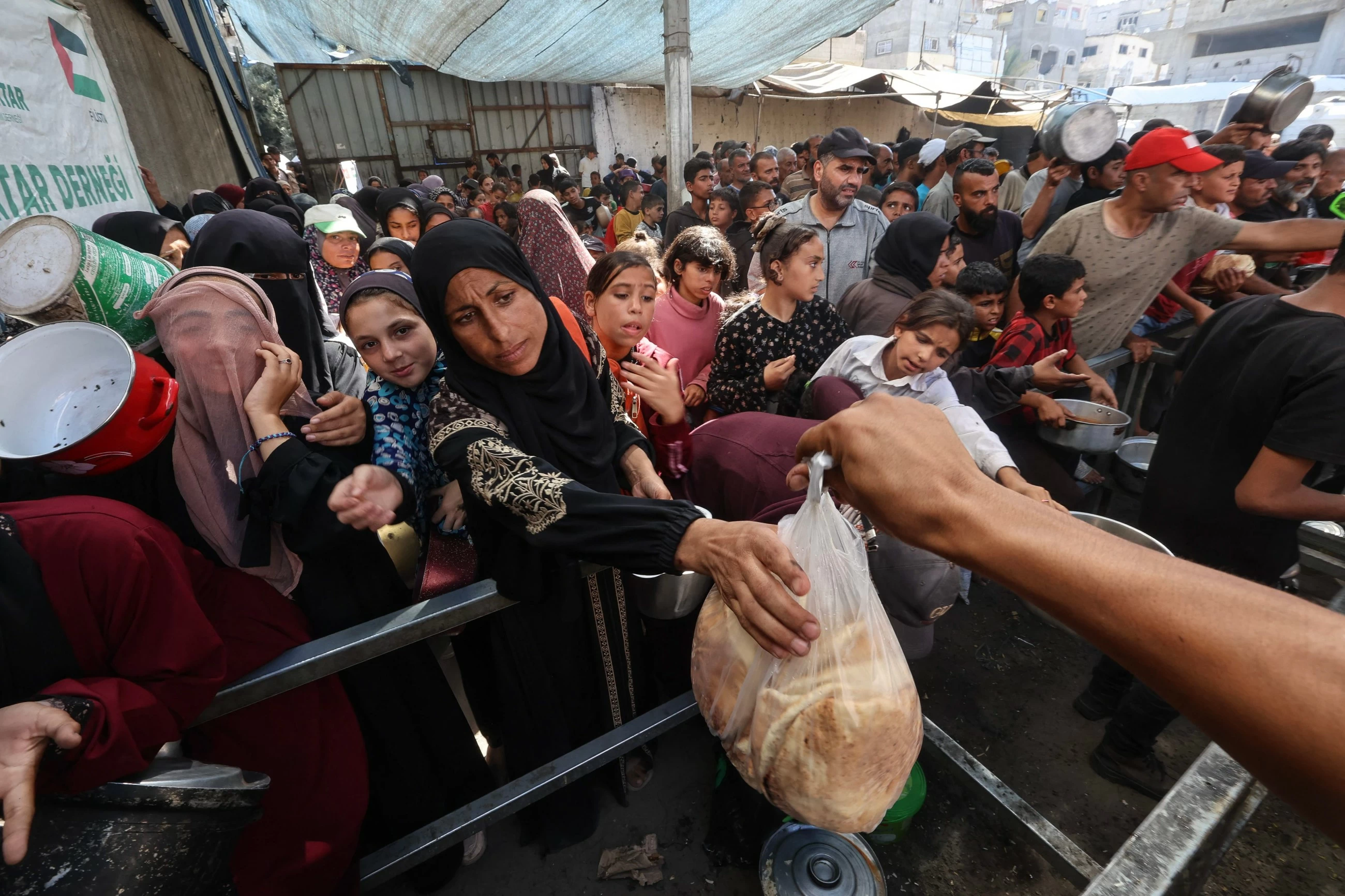
The World Central Kitchen (WCK) has reverted to the level before last October’s ceasefire for delivering hot meals to Gaza’s 2.3 million Palestinians. The WCK said the decision to reduce output is driven entirely by financial pressure; it does not reflect any reduction in need. “We will still be delivering hundreds of thousands of hot meals every day to families in need and maintaining one of the largest food relief operations anywhere in the world.”
Following the eruption of the ongoing conflict in October 2023, WCK has “invested more than half a billion dollars feeding the people of Gaza.” Gaza Response Director Wadhah Hubaishi stated, “Every meal represents a family that can breathe a little easier. The determination and strength our teams and partners show every single day to reach that goal is extraordinary, and it reflects the spirit of WCK: showing up, together, when it matters most.” Late last year, after Israel closed the border, WCK expanded operations to one million hot meals a day.
However, no single non-governmental agency can sustain this rate, especially WCK and other independent agencies which are financed by private donations and respond to need elsewhere in the world. “The people of Gaza have lost their homes and their economy,” WCK founder and head José Andrés said. “The world must step up — not just talk about the plight of the Palestinians. Governments, institutions, and international partners need to commit the sustained, secure funding that this crisis demands.” WCK is partnered by Chef Corps, a global network of over 450 prominent culinary figures.
WCK is a “not-for-profit, non-governmental organisation that provides food relief” founded in 2010 by Spanish-American chef and restaurateur José Andrés in response to an earthquake in Haiti. Andrés — who is now 56 — emigrated to the US in the early 1990s at 21 and began a remarkable career building and running restaurants in several American cities. He has won a number of awards for cooking and for WCK. He is the founder of the Global Food Institute at George Washington University where he is a professor. Andrés is credited with introducing to the US small plates of different preparations (tapas and mezze) as well as Mediterranean specialities. He is an outspoken critic of Donald Trump.
WCK has delivered food to victims of the 2017 Hurricane Harvey in Texas and Louisiana, the 2018 eruption on the island of Hawaii, the 2023 Turkish–Syrian earthquakes, the ongoing Gaza humanitarian crisis, and the 2025 Los Angeles wildfires. WCK carries out its mission by setting up multiple local kitchens in stricken areas. In February 2024, the Spanish relief agency Open Arms employed a tugboat to deliver to Gaza a barge loaded with 200 metric tonnes of food and water provided by WCK with donations from the UAE and others. This was the first time in 20 years a vessel landed in Gaza. Open Arms and WCK completed a second mission, but the Israelis intervened to prevent them from establishing a permanent humanitarian aid sea corridor from Larnaca in Cyprus to Gaza.
Nevertheless, WCK continues to access Gaza by land from Egypt. In April 2024, seven WCK employees in Gaza were killed by Israeli drone strikes in the city of Deir al-Balah. Andrés rejected Israeli and US claims that the attack was accidental. He said employees who were travelling in a convoy were “targeted deliberately” and killed “systematically, car by car.” The Gaza war, he said, is “not a war against terrorism anymore” but a “war against humanity itself.” He argued Israelis know “food is not a weapon of war. Israel is better than the way this war is being waged” by blocking the entry into Gaza of food and medicine and targeting humanitarian workers.
Although regional conflicts have threatened to close border crossings into Gaza, WCK’s Palestinian kitchen staff are currently “receiving just enough trucks to sustain our operations.” But Andrés said, “Every day we need more trucks and more food so we can keep feeding hungry families. We need a constant flow of food and fuel. Every day. This is the lifeline for Gaza, and it needs to stay open.” He was referring to the sole entry point, the Karem Shalom goods crossing with Egypt where the flow of food, medicine, and fuel depends on the Israeli government and military which bans certain items and limits the number of truckloads crossing into Gaza.
At least 600 daily loads are needed to sustain the population but according to the UN an average of 150 to 200 aid trucks enter Gaza, but this can drop to fewer than 100 trucks. From time-to-time smaller convoys deliver supplies. For example, last Thursday a convoy of 15 lorries carrying more than 195 tonnes of supplies from a UAE relief operation entered Gaza. The Rafah crossing, which handles Palestinians entering and exiting the strip, appears to depend on the whims of Israeli army officers in charge as well as Tel Aviv’s policies.
According to Gaza’s Health Ministry, Israel’s war on Gaza has killed at least 72,760 Palestinians since October 7th, 2023, including 871 since the oft violated ceasefire began last October. Israel’s army has transformed 60 per cent of Gaza into a “buffer zone” and expelled Palestinians who live in this occupied area, squeezing Gaza’s 2.1 million into 40 per cent of the strip.