admin
admin 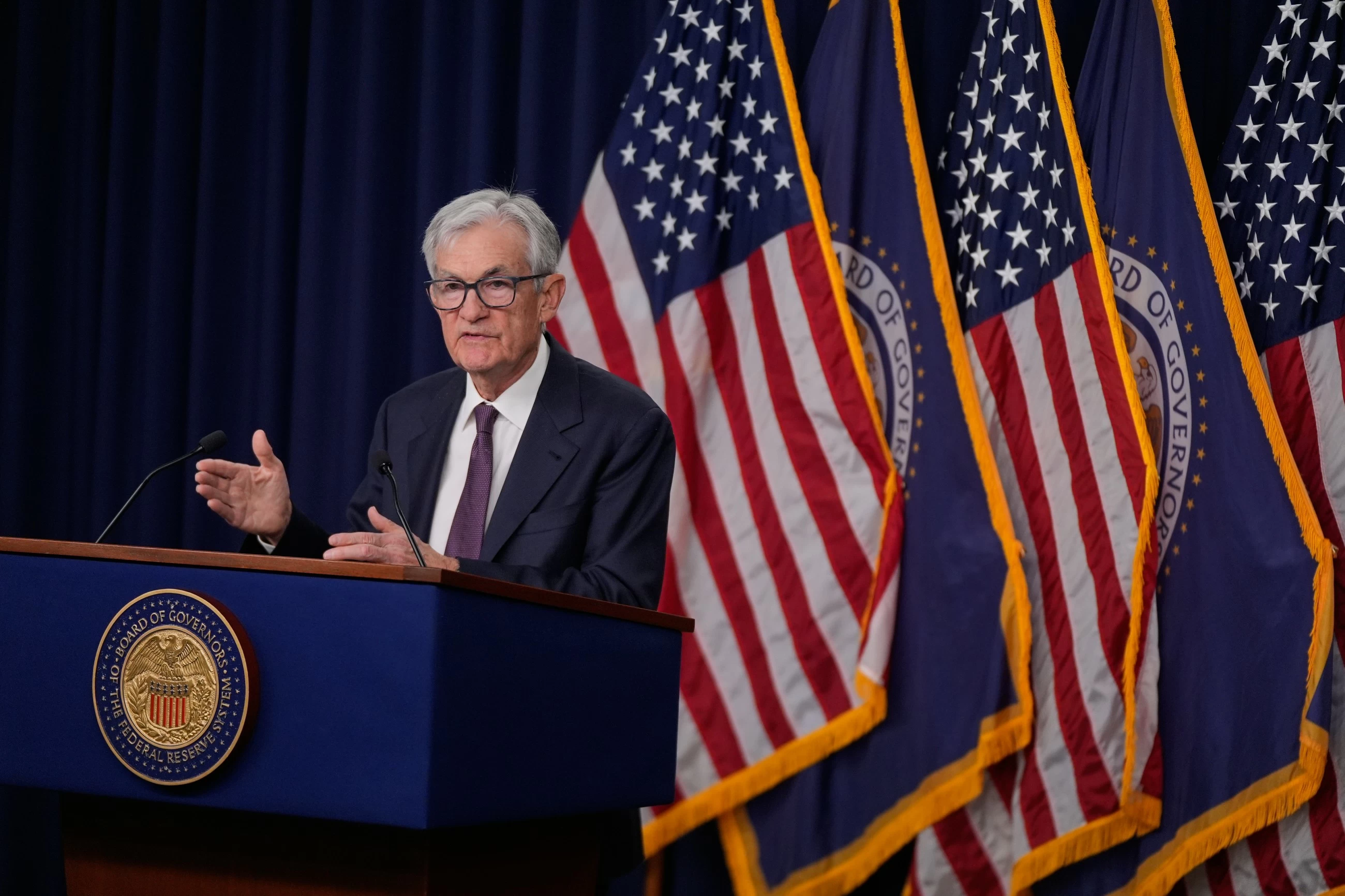
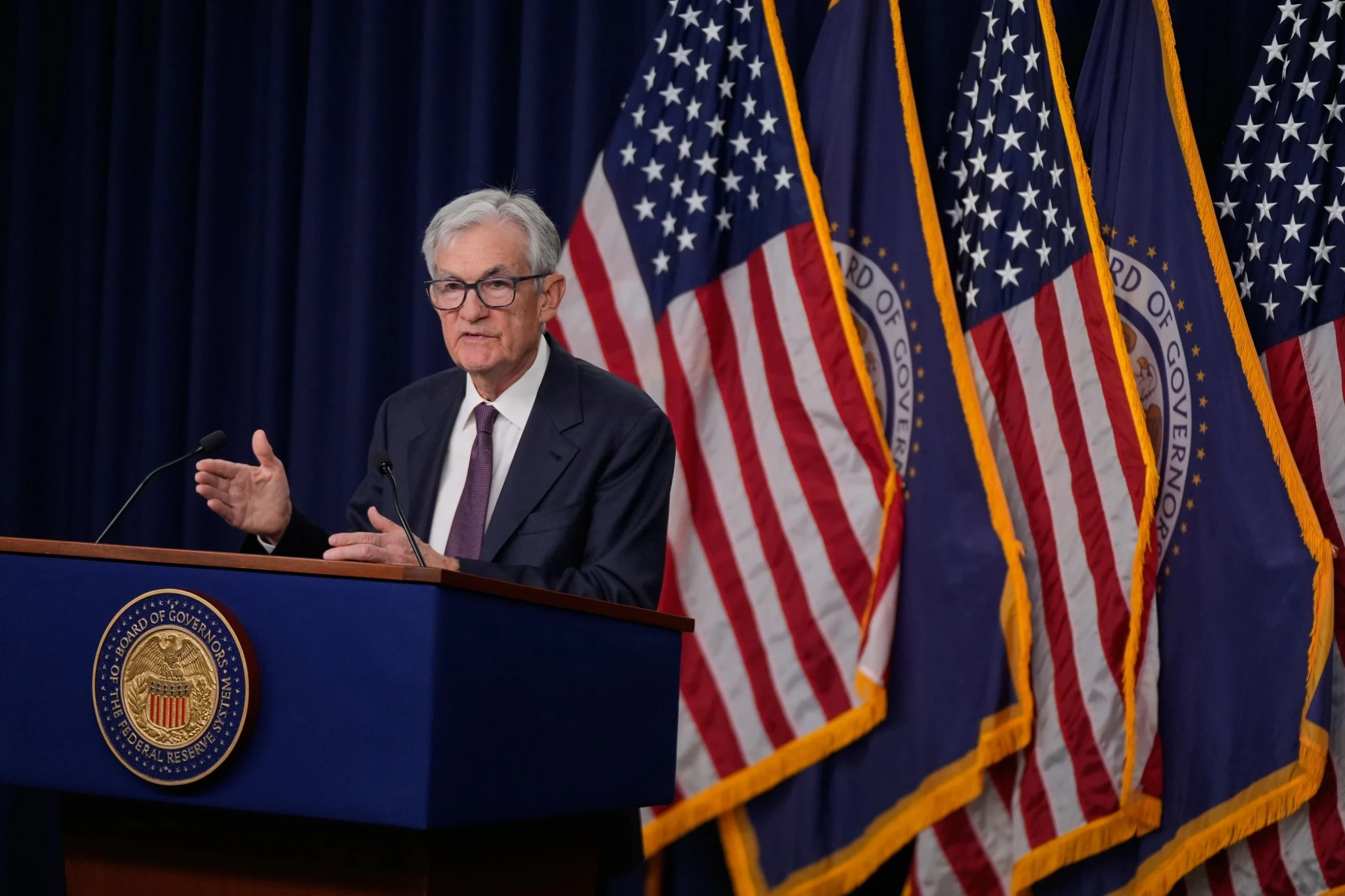
The Federal Open Market Committee of the Federal Reserve at the end of its two-day meeting on July 29 kept the interest rate unchanged at 3.5 per cent to 3.75 per cent by a 9-3 majority. The nine of the 12 who voted in favour of keeping the interest rate unchanged recognised the fact that inflation was fare higher than the 2 per cent limit set by the Federal Reserve. Inflation is above 3 per cent and more. Fed Reserve chairman, Ken Warsh, a Donald Trump appointee, had conceded that inflation was indeed high, but his hope was that inflation would find its own way down.
That is indeed high-level optimism. Warsh declared much like his predecessor Jerome Powell that there would be “no tolerance for persistently elevated inflation.” Trump’s demand from Powell was for lowering interest rates. But given the slow recovery in the economy after Covid, inflation was high and Powell declared the main objective of the Fed Reserve is to tame inflation.
Warsh has been a critic of Powell, though his disagreements with Powell are not about inflation. It is mostly about providing future guidance as to how the economy would move, and also indicate the path of inflation.
Warch is sticking to his stand. There is no ‘guidance’ from the Fed. He however seems to believes that Fed Reserve should not interfere and that inflation needs to auto-correct as it were. Three of 12 Fed governors had taken a public position that interest rates should have been raised minimally instead of waiting for inflation to reach a critical level because that would force the Fed to raise the interest rate and it would also mean raising the interest rates sharply high.
The persistent inflation is directly related to the US war with Iran and the pressure on oil prices because of the closure of Strait of Hormuz and how it had drastically affected oil supplies. Experts are of the view that even if the war ended today, it would take weeks before oil prices could stabilize based on the adequacy of supplies. Trump is unable to make up its mind whether war with Iran should continue, or should the US return to the negotiating table. Trump has been pursuing a now-on, now-off ceasefire. The oil prices would go down at news of a truce, but shoot up when Trump calls off the truce and fighting resumes. Many fail to recognize the effects of foreign policy on domestic economy.
Whatever his personal predilections and economic biases, Warsh cannot ignore the facts about the US economy. And the issue of interest rates has to be decided based on economic facts. Warsh’s personal biases and ideological perspective. An independent central bank is a safeguard for the smooth functioning of the economy. Trump’s twin agenda comprises lowering the interest rates and raising the tariff barriers. Raising tariff barriers, which at times appear to be the main plank of his economic programme.
It is not clear where high tariffs are helping the American economy in a positive manner. Trump has not been able to call the shots over interest rates though his intention in choosing Warsh as the Fed chairman was to do so. Had Trump succeeded in fiddling with interest rates, American economy would plunge American economy into greater volatility. One of reasons that American economy is relatively less volatile because the independent status of the Fed Reserve helps in keeping the politicians out of the process of setting the interest rates. Warsh, a Trump appointee, is standing between President Trump and further trouble for the American economy. Interest rates and inflation are too important to be handed over to a mercurial president like Trump.