admin
admin 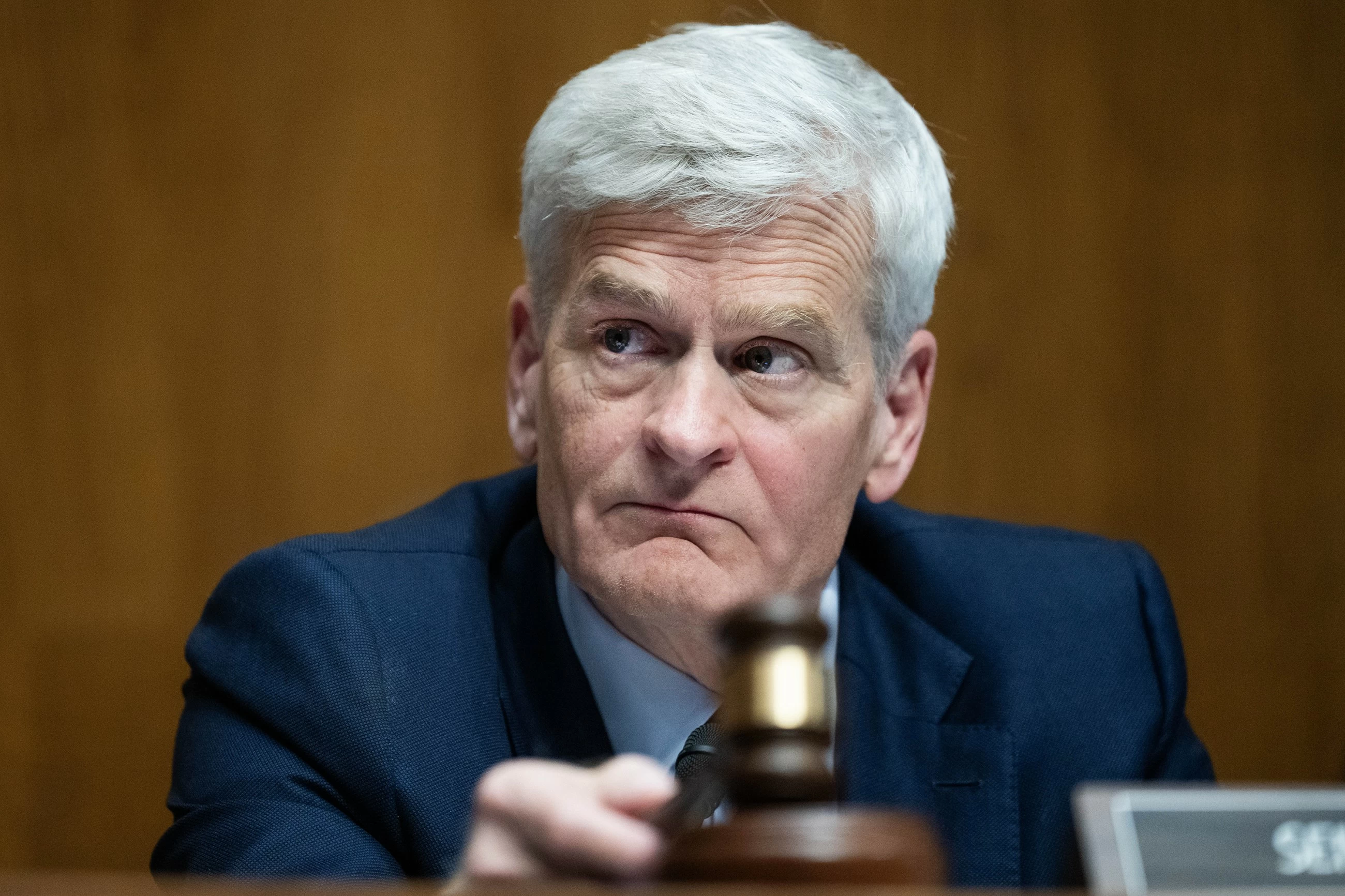
Jessie Hellmann, Tribune News Service
Despite bipartisan agreement on the need for testing and treatment for the life-threatening liver disease hepatitis C, potentially hundreds of thousands of Americans remain untreated or even unaware they’re infected as efforts to expand access to cures have stalled in Congress. Legislation introduced last year has struggled to gain traction as lawmakers focus on other priorities and succumb to partisan divisions. The result is that while countries like England are on track to eliminate hepatitis C as a public health threat within the next few years, the United States is falling well behind.
“It comes back to money and political will,” said Daniel Raymond, director of policy for the National Viral Hepatitis Roundtable in the US “How do you convince Congress, especially these days — a very divided Congress — to make this a priority?” A bipartisan bill introduced by Sen. Bill Cassidy, R-La., a liver specialist and chair of the Senate’s main health committee, would create a national plan to scale up testing and treatment, but it has yet to receive hearings or vote. The bill is co-sponsored by Sen. Chris Van Hollen, D-Md. At the same time, the Trump administration has signaled a pullback from infectious disease priorities, dimming prospects for a coordinated federal response.
And while the Congressional Budget Office estimates the bill could save $6.6 billion over a decade by preventing the costs associated with liver failure, cancer and transplants, the proposal would require an initial $10 billion federal investment to buy lifesaving drugs and expand access to testing and treatment. “That has always been a barrier — getting lawmakers to understand the need to invest on the prevention side when there’s an upfront cost,” said Mike Weir of the National Alliance of State and Territorial AIDS Directors.
Another sticking point is eligibility. Parts of the legislation would limit access for undocumented immigrants, a provision that has complicated support in the House and raised concerns among community health centers.
While the US signed on to the World Health Organization’s call to end hepatitis C as a public health threat by 2030, the effort hasn’t received significant funding from Congress. The Cassidy-Van Hollen bill, named the “Cure Hepatitis C Act,” would create a national program to expand testing and treatment to people least likely to access it, including those who are incarcerated, uninsured or low-income. “We really need to enact this as soon as possible. Every day, more lives are lost that could have been saved, and we’re also not achieving the savings from the taxpayer that we should,” Van Hollen said in a phone interview. “This approach is a no-brainer. It will save lives and also lots of taxpayer money.”
The legislation would also direct the federal government to negotiate a five-year agreement with drug manufacturers to purchase unlimited hepatitis C treatments at a fixed price. That could make a big difference in expanding access to the drug. “I think because of the nature of the US health care system we’re going to need something like the Cure Hepatitis C Act to really have a breakthrough,” Raymond said. Other countries like England have pursued a similar model in response to the high cost, which can reach tens of thousands of dollars per course of treatment. That price tag has led state Medicaid programs, insurers and correctional facilities to impose restrictions that limit access to treatment.
Access can vary based on where a person lives, what type of insurance they have — if they have any at all — and whether they are incarcerated or facing challenges like homelessness or drug use. Estimates for US hepatitis C cases vary between 2.2 million and 4 million adults, but because the disease initially doesn’t cause symptoms, only half may know it. Of those that do, only one-third access timely treatment. Long-term infection can cause serious health issues, liver damage, cancer and even death. Still, the legislation has seen little urgency from congressional leaders since being introduced last summer as Congress prioritises other things like tax cuts, immigration enforcement funding and partisan fights.
“Congress can’t seem to walk and chew gum at the same time,” said Erica Miller, a partner at CRD Associates, which represents the American Association for the Study of Liver Diseases in lobbying to advance the bill. “We’re in an environment where it’s exceedingly hard to move policy.”
The bill has not received a committee hearing or a vote even though its sponsor, Cassidy, chairs the powerful Senate Health, Labor, Education and Pensions Committee. “There’s always a little bit of a glimmer of hope that something’s dislodged, but I can’t tell you that it’s truly dislodged,” Cassidy said. Cassidy is also a member of the Senate Finance Committee, which also shares jurisdiction over the bill. At the same time, the Trump administration has deprioritised public health, particularly for infectious diseases. The president’s fiscal 2027 budget request proposes cutting dedicated funding for hepatitis prevention at the Centers for Disease Control and Prevention. It also proposes eliminating a stream of grant funding at the Substance Abuse and Mental Health Services Administration that helped providers guide patients to hepatitis C treatment. Similar requests have been rejected by Congress. And earlier this year, the administration canceled grants that included hepatitis C funding before reinstating it with no explanation.