admin
admin 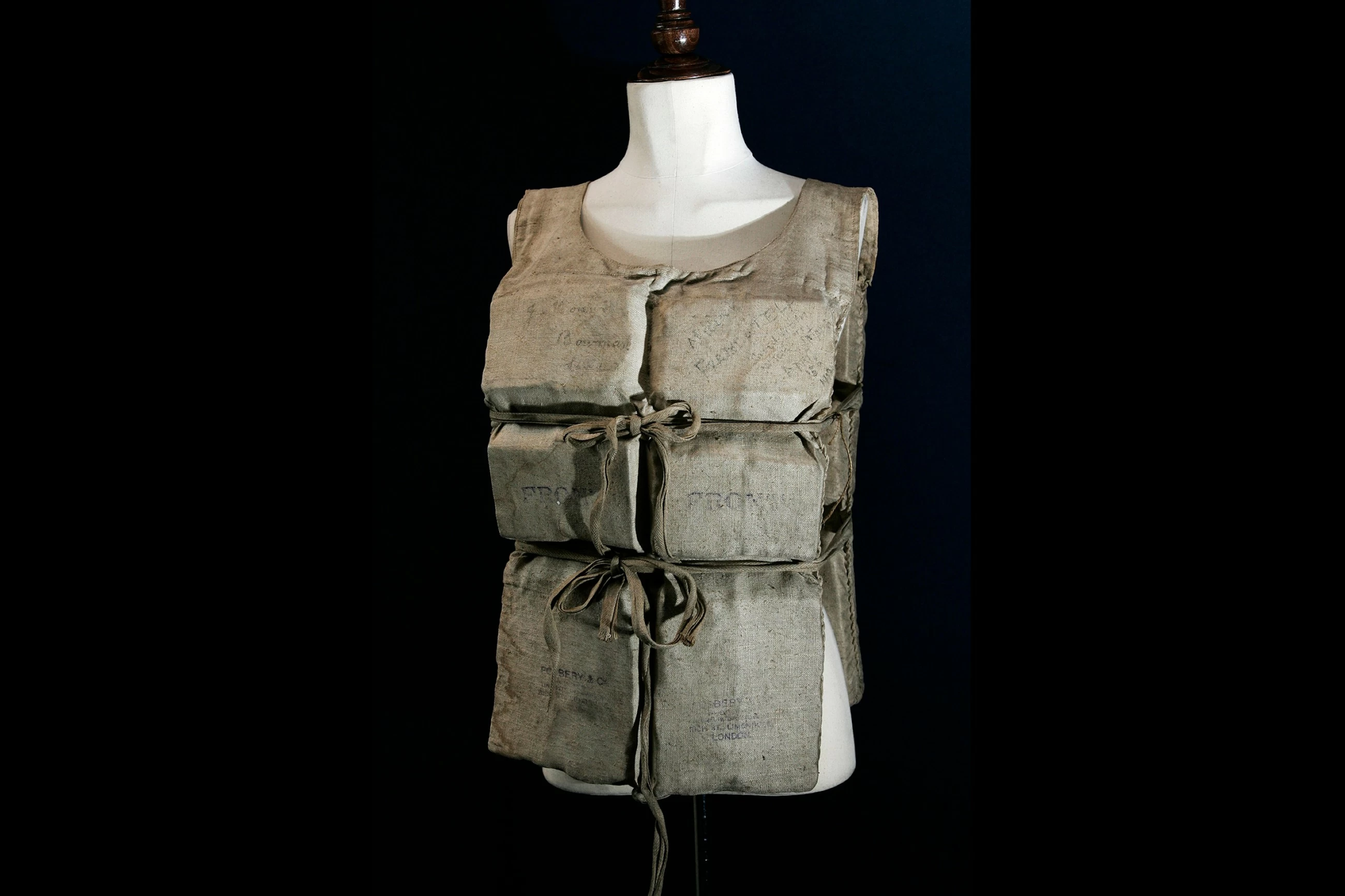
The recent news about a life jacket worn by a survivor of the Titanic disaster being auctioned for over $900,000 has once again drawn global attention to a tragedy that occurred more than a century ago. It is astonishing how the world continues to revisit the sinking of the RMS Titanic, which claimed the lives of about 832 passengers and 685 crew members on April 14, 1912.
While such auctions may be seen as a tribute to history, they also raise questions about how humanity processes grief and catastrophe. Do we honour the memory of those who perished, or do we risk commercialising their suffering? The Titanic’s story remains compelling not only because of its scale but also due to ongoing research. Early theories suggested a massive 300-foot gash caused by an iceberg, yet modern studies reveal brittle fractures, separated seams, and weak rivets played a crucial role. Even today, experts continue mapping the debris field to understand what truly happened.
The phrase “the show must go on” seems fitting. Humanity mourns, remembers, and yet moves forward. However, as we engage with such historic artifacts, we must ensure that remembrance outweighs spectacle and respect prevails over profit.
Shaheen Iqbal, By email