admin
admin 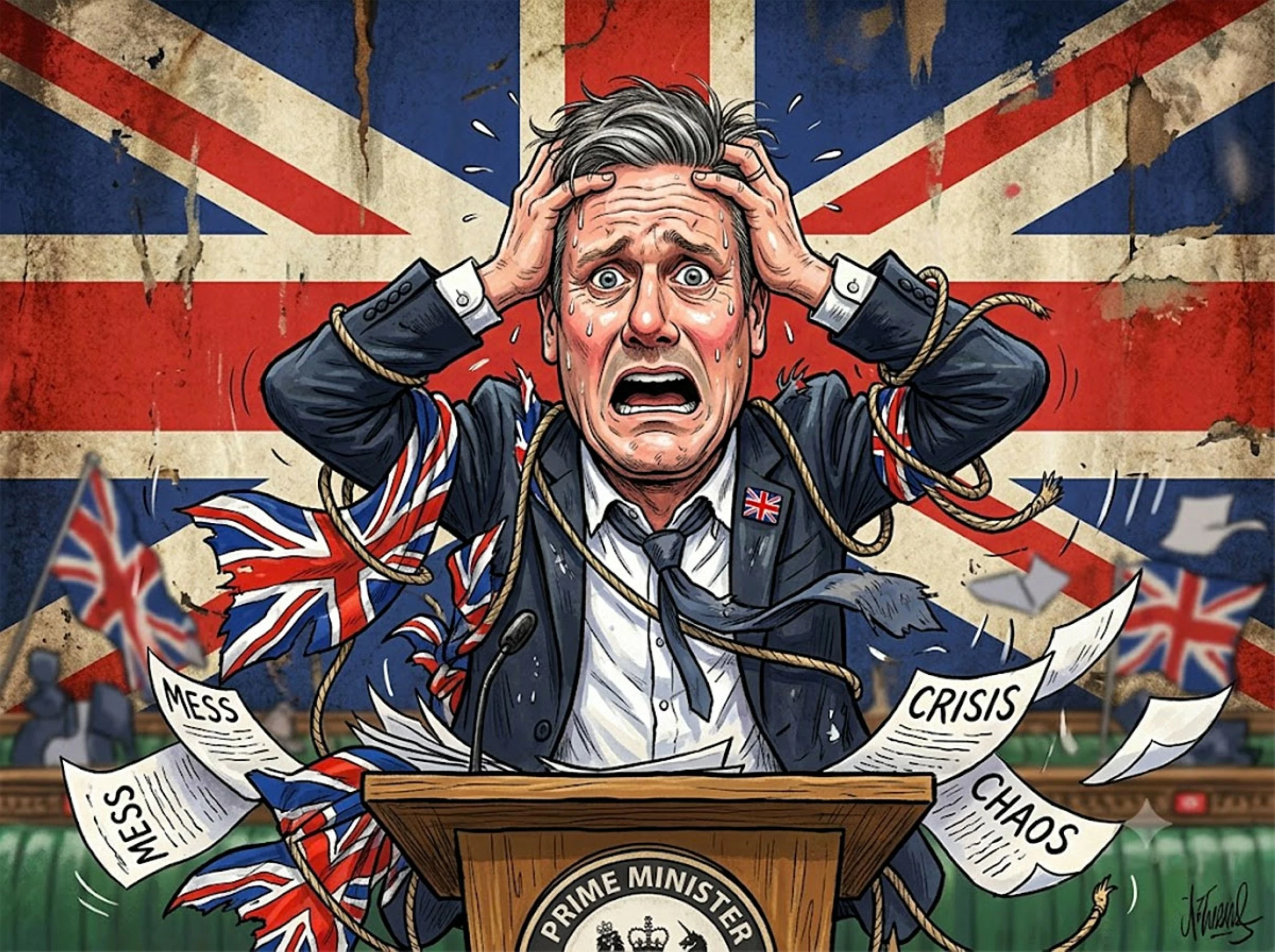
Sir Keir Starmer used his final appearance at the despatch box to claim that he is leaving the country in a better state than that in which he found it. It is also demonstrably and painfully the case that his unexpectedly brief premiership was a disappointment, according to The Independent.
There is a decency about the man who is departing, and we should applaud him for his achievements, particularly in restoring Britain’s reputation on the international stage. It is unfortunate that he was undone by the politics of the party, and a chancellor who oversaw rising joblessness and a wave of business closures, and who is consistently ranked by polls as the most unpopular on record.
His personal diplomacy brought a dramatic improvement in relations with the European Union, and his leadership role in supporting Ukraine saw him this week become the first UK PM to receive France’s Légion d’honneur, a fitting tribute to the “reset” he promised. He did reference the continuity of policy on Ukraine, and was rightly proud of how he embraced Volodymyr Zelensky after that infamous episode in the Oval Office.
While America has retreated from Europe, Britain, with France and Germany, has led the “coalition of the willing”, which has done so much to sustain Ukrainian resistance and perhaps begun to turn the tide. That the prime minister couldn’t maintain his early and unlikely bromance with Donald Trump is hardly his fault, and even there he somehow managed to secure a (relatively) favourable tariff deal.
The great blunder in foreign affairs Sir Keir made was appointing Peter Mandelson as ambassador to Washington. Given what was known about his record at the time, Lord Mandelson should never have been considered in the first place, and it is difficult to avoid concluding that his historic links to the party unduly influenced Sir Keir’s thinking.
But it was some profoundly misjudged decisions on the economy that really did for him. As is now universally accepted, in his first weeks in office, his administration squandered vast amounts of political capital on abolishing the pensioners’ winter fuel allowance, for little actual benefit to the public finances. Even when it was later partially reversed — a U-turn which added confusion to injury – it remains the one thing people most often volunteer to the opinion pollsters when asked about the government’s record.
It may be that the chancellor, Rachel Reeves, who proved an even worse communicator than Sir Keir, was responsible for driving this through, but the prime minister must accept his share of the blame. He kept Ms Reeves on even as she turned her party into the enemy of business. Loading extra costs on companies through successive hikes in employers’ national insurance contributions, business rates and the minimum wage made it even more difficult for them to deal with soaring energy costs and the effects on inflation of President Trump’s tariffs and the war in Iran.
Thus, while the international pressures on the economy were out of their control, the prime minister and chancellor did not do enough to ameliorate their impact, and made the wrong choices on taxes and public spending.
It was in the summer of 2025 that the welfare reform bill was defeated by the government’s own MPs, and Sir Keir lost control of his party and his future. That was the beginning of the end. Extending child benefit and lifting as many as 400,000 children out of poverty was not enough to save Sir Keir’s premiership when public opinion had turned so badly against him.
Some of what went wrong can be put down to Sir Keir’s lawyerly, technocratic personality – colleagues were surprised at how “unpolitical” he was, almost a civil servant manque.