admin
admin 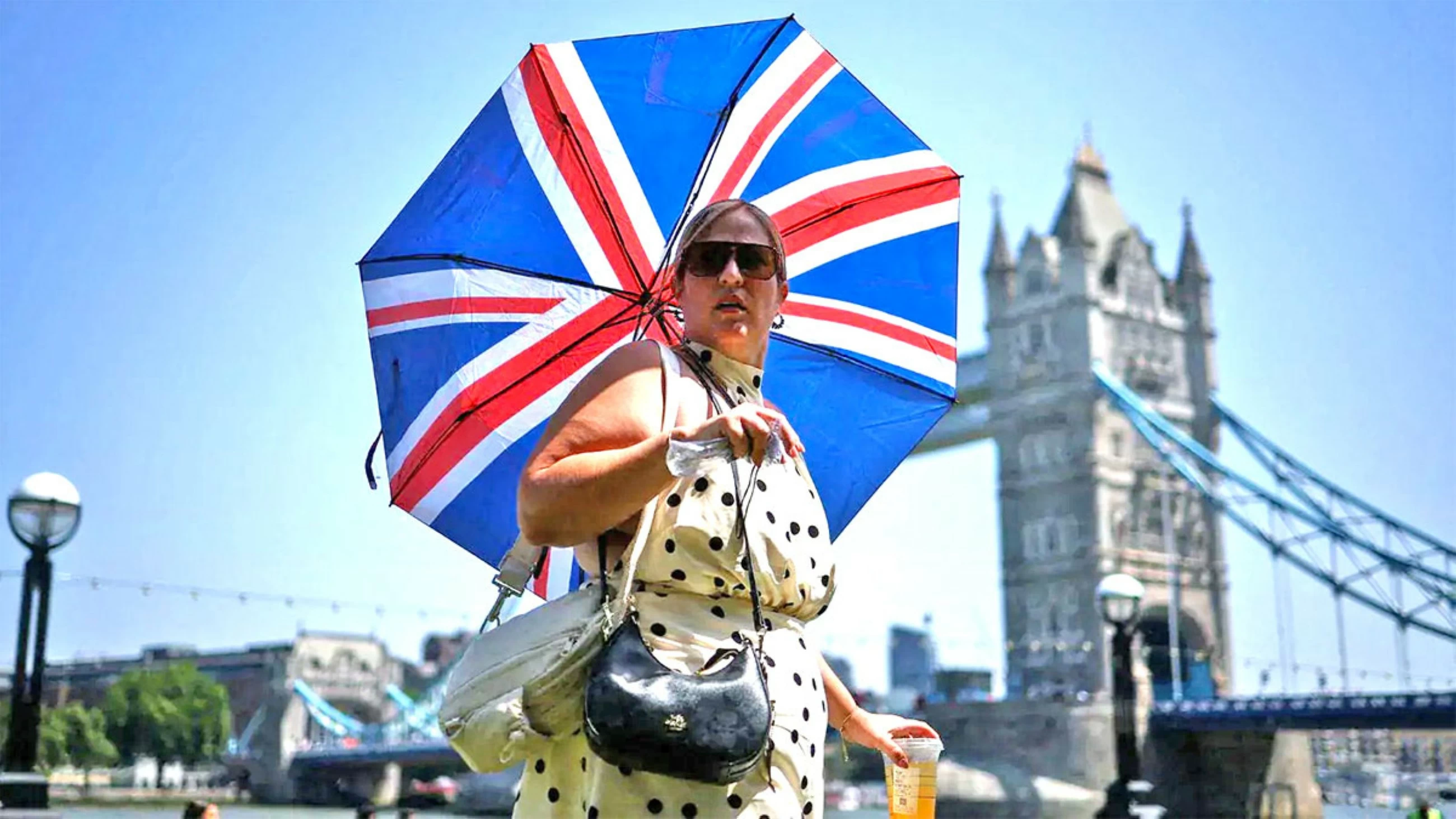
Lucy Easthope, The Independent
What a week. We have had both our hottest June day and night on record. Multiple hospitals have declared a critical incident and over a thousand schools have shut. Hundreds of people have queued in the sun for an air conditioning unit outside superstores. London Ambulance has received its most Category One, life threatened, calls in their history. There were worries about our national power supply. Ten people were taken unwell while stranded on a closed motorway for eight hours and fire fighters fought to bring a wildfire near Glossop under control.
Britain is melting, literally. When the temperature gauge hits 30, our roads start to melt, particularly in rural areas where less asphalt is used than on highways. Councils deploy the gritting machines as a temporary fix. Our buildings are not ready for this and neither are we. This weekend emergency planners will survey the wreckage of what we brought on ourselves and then go again in July.
It’s become glaringly obvious how bad we are at coping with heat. Brits love a holiday. We travel for the sun. But this is not fun. One person on social media yesterday described this as not vacation heat but like standing directly in the heat that comes out of the back of a bus. The combination of extreme temperatures and high humidity that Europe is currently experiencing, make it different from the dry summer experienced by Australia. And it matters that the hottest days are getting earlier into June. Had the school closures kicked in one week earlier, young people would still have been trying to sit vital exams.
After devastating floods across the UK in June 2007, I spent many years visiting and revisiting the community of Toll Bar, South Yorkshire, Minister for Energy Security Ed Miliband’s constituency. Ironically in the days after the flood, while bungalows still sat in stagnant water, a mini-heat wave hit. I remember so many things about that time. The shock. The smell. Peoples’ lives turfed into skips.
I was with the matriarchs of a place who didn’t need to be told about the effects of severe weather, but could also chart the devastation of flooding in the communities for a thousand years. I was writing my doctoral thesis about how communities recover from these events. I learned they didn’t. Instead, they find ways to live alongside constant threat. One day I arrived and they were passing James Lovelock’s The Revenge of Gaia around amongst the coffee cups. They found something strangely comforting in Lovelock’s position that global warming harms were now irreversible. There was something about knowing that they were canaries in the mine, but the rest of the country would catch up soon.
They were well ahead of the realisation that climatic change would be something they lived with, not outran. Help wasn’t coming. We screwed up on readying Britain for this chronic crisis, but that’s not unusual. Covid confirmed for me a way of approaching disaster that involved waiting until we were entirely marinated within the horrors of it before actually speaking openly on any of the necessary preparations. Climate activists like Bill McGuire have understandably posted a lot this week about how infuriating it is that so many people still don’t realise how bad things are going to get. I have found a peace that we cannot take everyone with us. I was asked on a radio show if I would find it hard to give support as a disaster responder to someone who was a “climate change denier”. It was a bizarre question. My approach is that of any ethical doctor. It makes no difference to me and I will share my rations with anyone.
I remember when Lord Sugar invested in the guy with the air conditioning business on The Apprentice and there were speeches about how this was the future. I think it will be in cooling us all down where we see the most rapid innovation. When we can link it to issues of comfort, we can effect change. But as with everything the social disparities will be stark. The rich will stay cool, while the sweltering poor bring them things. My children have never known a time when plastic bags were dispensed liberally at the checkout. They only know our hairy, dusty bags for life that live in the car boot. They don’t drink with plastic straws. They take part in litter picks and wash out their cans. I haven’t got the heart to tell them about my trip to Shanghai when I choked on the smog and realised it was a battle lost.
I’m with Lovelock here. We left it too late. And I can’t stand the hypocrisy of people shaming others. I also believe that ultimately people don’t really want to change too much and it’s mainly performative. But my work has also taught me that there are things that make a difference. I take my hope for what comes next in bitesize chunks. Excess deaths related to heat are tracked by the UKHSA and Office of National Statistics and last year showed some promising signs that interventions were starting to work. People over 85 were disproportionally affected in 2024’s fatality analysis.