admin
admin 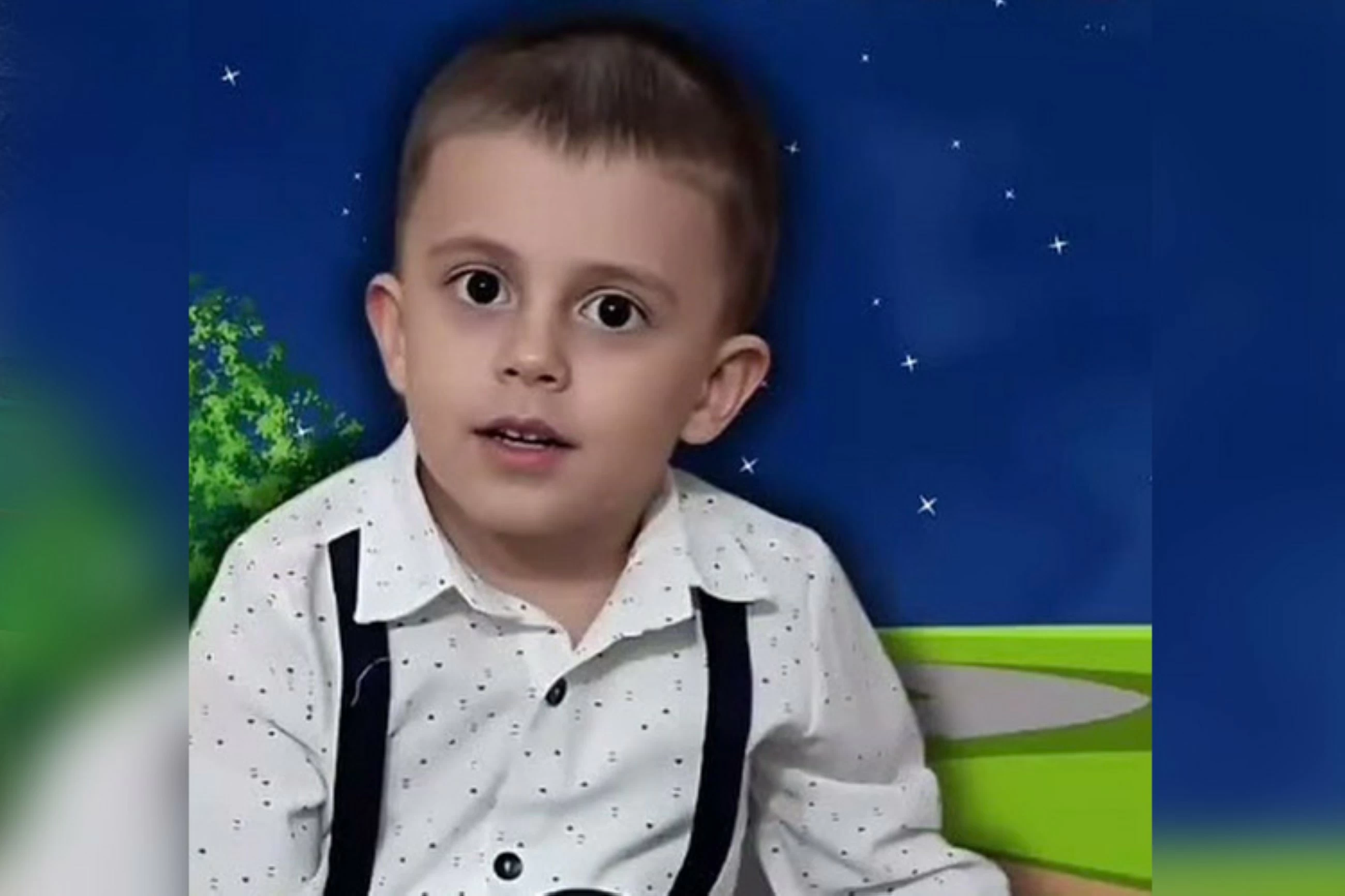
In a swift response to the distress call published by “Al Khaleej newspaper” from the mother of a 6-year-old Turkish child known as Goktug Ordu on April 12, titled “Turkish Mother: Save My Child Before DMD kills Him,” benevolent hands quickly rushed to write a new chapter in humanitarian giving in the UAE.
“Beit Al Khair” Society instantly responded to the call, a step which reflects the depth of social responsibility and the speed of action towards critical humanitarian cases.
The mother had revealed that the cost of her child’s treatment amounted to approximately Dhs10.6 million, among the highest globally, noting that she had already collected the larger part of the amount, but still needing Dhs2.2 million to complete the price of the gene injection.
The child is currently in the Medcare Royal Dubai Hospital in Dubai, where he is undergoing close medical monitoring.
Upon receiving the distress call, Beit Al Khair immediately began its field operations, according to Abdeen Taher Al Awadhi, the General Manager, who affirmed that he assigned a specialised team to evaluate the case on-site, study it, and work to expedite support procedures, ensuring that the child receives treatment in a timely manner.
Al Awadhi added that the Society launched a dedicated donation link to support the case, out of its keenness to redouble its humanitarian efforts, enhance the values of compassion and social solidarity, in adherence to the directives of the wise leadership that has made humanitarian giving a firmly established approach.
It is worth noting that providing this innovative gene therapy for Duchenne Muscular Dystrophy (DMD) in Dubai is a significant medical and humanitarian achievement, reflecting the UAE’s commitment to making the latest advanced medical treatments and technologies available.
Dr Vivek Mundada, Consultant Pediatric Neurologist at Medcare Royal Specialty Hospital, Al Qusais, said that DMD is a rare genetic disorder caused by mutations in the DMD gene, primarily affecting males.
Symptoms of muscle weakness usually start around the age of four, initially targeting the muscles of the thighs, pelvis, and arms, he clarified. He added that as the condition progresses, most affected individuals lose the ability to walk by the age of twelve and with the progression of the disease, its effects extend to include the heart muscle and respiratory muscles, which can be life-threatening.