admin
admin Shipping through the Strait of Hormuz remained paralysed on Sunday as Iran and the United States butted heads over Washington’s continued blockade of Iranian ports.
Iran’s top negotiator, Mohammad Bagher Ghalibaf, cast doubt on hopes of an imminent diplomatic resolution, saying the two sides were still far apart on the Strait and lingering nuclear issues.
In a televised address, he said the Strait would remain closed in light of the “stupid decision” to blockade Iranian vessels. Iran briefly allowed ships through on Friday, before tightening its grip again within hours.
“For several days, they have blockaded the Strait of Hormuz,” Ghalibaf said. What a foolish and stupid decision … This is another mistake of theirs.” Donald Trump said meanwhile that the US was having “very good conversations” on the matter, but gave no other details.
Islamabad was preparing to host a second round of direct talks aimed at ending the war, but there was still no confirmation of a date on Sunday, with the ceasefire set to expire on Wednesday.
Pakistan is preparing to host Iranian and US delegations in the capital this weekend.
But neither side has confirmed a time or place for a second round of talks yet, after last week’s talks ended without a breakthrough. Even though no second round of talks has yet been agreed, police in Islamabad, Pakistan are preparing the city to welcome delegations from Iran and the US.
A ceasefire agreement in Lebanon was well received in Iran, which briefly reopened the Strait of Hormuz on Friday.
But the continued US presence in the area saw Tehran shut the strait hours later, on Saturday.
Since then, talk of progress has been scarce. Donald Trump has been the main voice of optimism, saying on Saturday that the US was still having “very good conversations” on the matter.
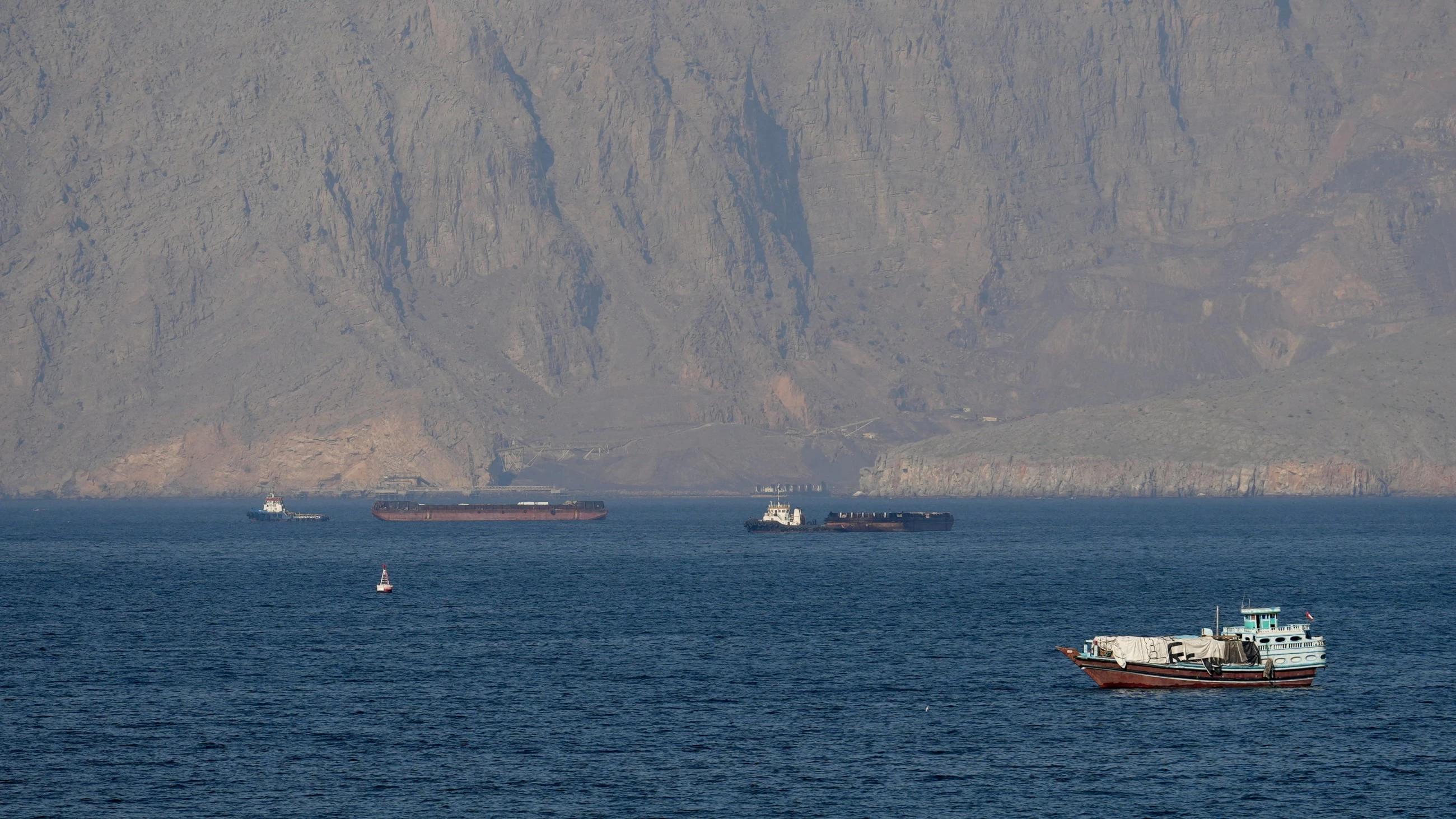
Ships and tankers in the Strait of Hormuz off the coast of Musandam, Oman, on Saturday.
Reuters
85% of Americans believe Trump has not achieved his war goalsJust 15% of Americans believe Trump has achieved his war goals, according to a new poll by Politico.
The humbling poll of 2,035 US adults online found as many as two in five believe the president will either never achieve his goals in Iran – or does not have explicit goals to begin with.
41 per cent believe the administration has no plan to resolve the conflict, reflecting very little change from last month.
Nearly a third of Trump’s own voters from 2024 believe he is spending too much time on international issues over domestic affairs, the poll found.
Acting ‘unstable’
President Trump reportedly adopted a strategy of intentionally acting unstable and insultingly towards Iran, in the hopes it would push the US adversary to negotiate an end to the war.
The unorthodox tactics were reportedly behind a string of controversial posts the president made this month about the vital Strait of Hormuz, administration officials told The Wall Street Journal.
In one post, on April 5, the president ordered Iran to “open the F***in’ Strait, you crazy b*******, or you’ll be living in Hell,” and ended the post with “Praise be to Allah.”
Iran doubles down on Hormuz closure
Iran doubled down on its pledge to restrict ships passing through the Strait of Hormuz as long as the US blockade of its ports remains in place.
Iranian parliamentary speaker Mohammed Bagher Qalibaf said in a televised interview that Tehran would continue to threaten commercial vessels transiting the critical waterway, after it fired on ships attempting to pass on Saturday.
“It is impossible for others to pass through the Strait of Hormuz while we cannot,” Qalibaf, who is Iran’s chief negotiator in talks with the US, said.
Iran’s navy has warned ships against transiting the strait, a key shipping route through which roughly one-fifth of the world’s oil normally passes.
After a brief uptick in transit attempts on Saturday, vessels in the Arabian Gulf held their positions, wary after two India-flagged ships were fired on mid-transit and forced to turn back.
Their retreat returned the strait to its pre-ceasefire status quo, threatening to deepen the global energy crisis and push the parties toward renewed conflict as the war entered its eighth week.
India summoned the Iranian ambassador in New Delhi and expressed deep concern that two Indian-flagged ships had come under fire in the strait, the government said.
US Central Command said American forces were enforcing a maritime blockade of Iran but did not comment on the latest Iranian actions.
Oil shipments may still be disrupted
Tehran’s reversal raised the risk that oil and gas shipments through the strait could remain disrupted just as Trump weighs whether to extend the ceasefire.
When American and Iranian negotiators met last weekend in Islamabad, the US proposed a 20-year suspension of all Iranian nuclear activity, while Iran suggested a halt of three to five years, according to people familiar with the proposals.
Iran’s deputy foreign minister, Saeed Khatibzadeh, said no date had been set for the next round of negotiations, adding that a framework of understanding must be agreed first.
The Independent