admin
admin 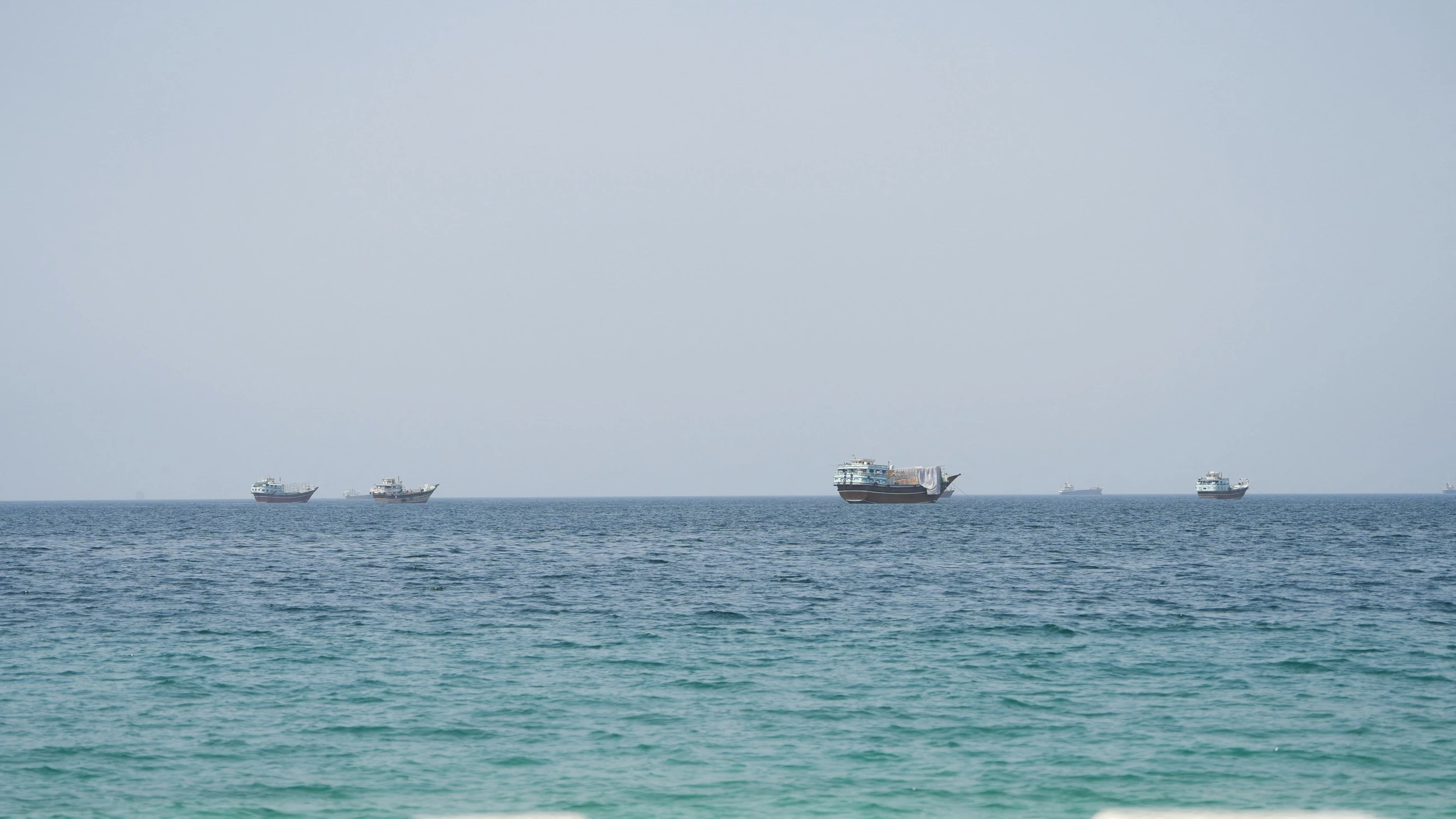
Oman said on Saturday that negotiations with Iran about the future administration of the Strait of Hormuz were “positive and constructive,” but warned against repeated attacks on shipping as Tehran pressed its blockade of the vital waterway.
Oman’s foreign ministry condemned “repeated attacks on vessels transiting the Strait of Hormuz,” without naming Iran. It added that “ongoing negotiations regarding navigation arrangements in the Strait of Hormuz are proceeding in a positive and constructive atmosphere,” and urged against any actions that might jeopardise the progress.
“Oman stresses the importance of avoiding any actions that could affect these negotiations and the progress achieved in a manner that takes into account the interests of all parties,” the foreign ministry said.
Agreement between Iran and Oman over the strait is seen as vital to a wider deal to end the war that began with US and Israeli attacks on Iran on Feb.28 and led to Tehran establishing a chokehold over the major energy export route.
A US official, who declined to be identified, had said on Friday that Washington anticipated an agreement soon between Iran and Oman, which sit on either side of the strait, so that normal oil traffic could resume.
Iranian Foreign Minister Abbas Araqchi said Iran and Oman were “very close” to agreement on a new shipping route through the strait but that reopening it depended on other conditions, including US compensation to Iran.
The secretary of Iran’s top national security body, Mohammad Baqer Zolqadr, listed other demands including ending US threats against Iran, stopping aggression against Iran and its Lebanese, Palestinian, Yemeni and Iraqi allies, lifting a blockade and sanctions on Iran and freeing Iranian assets.
Araqchi said the previous shipping traffic separation scheme through the strait was no longer acceptable to Tehran and that Iran was discussing a temporary route with Oman while technical and legal issues surrounding a permanent route were resolved.
Iran’s President Masoud Pezeshkian, a relative moderate, said he believed now was the best time for an agreement. “There is cohesion, strength, and unity in the country, and as far as I know, Iran is considered victorious and powerful in this war,” Iranian news agencies quoted him as saying.
Agencies